

Understanding California's ADU Laws in 2026
An Accessory Dwelling Unit (ADU) is a secondary housing unit that provides complete, independent living facilities on the same property as a primary residence. A Junior Accessory Dwelling Unit (JADU) is a smaller unit, limited to 500 square feet, created within an existing or proposed single-family home.
California has expanded its ADU laws to address the state’s housing shortage by making it easier for homeowners to add housing on existing residential lots. These changes have supported substantial growth in ADU construction, with annual permits increasing from 1,336 in 2016 to 30,354 in 2024 (California HCD ADU Handbook). ADUs accounted for more than 26.6% of all homes permitted statewide in 2024 (California HCD ADU Handbook), underscoring their growing role in California’s housing strategy.
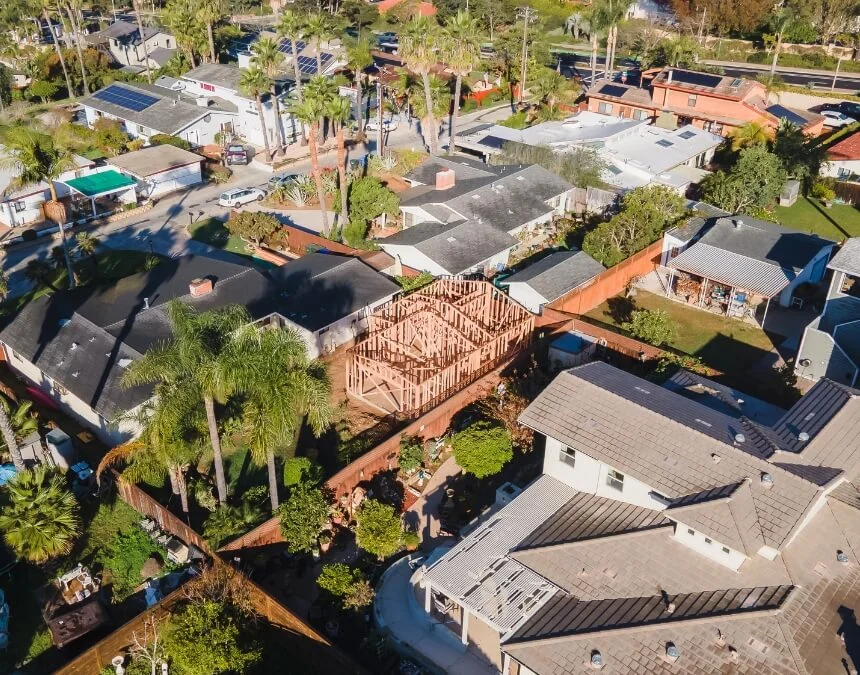
California’s ADU laws continue to expand housing opportunities, making it easier for homeowners to add legal living space to existing residential lots.
How Many ADUs Can You Build on a Single-Family Property?
For many California homeowners, a single-family property may accommodate a primary residence, an ADU, and a Junior ADU (JADU). This allows qualifying residential lots to support additional rental housing, an accessory home, guest house, or family living space without replacing the existing residence. However, California Department of Housing and Community Development (HCD) guidance identifies additional combinations that may be available, depending on the property’s characteristics and the applicable provisions of state ADU law.
The Standard Rule for Most California Homeowners
A property with an existing or proposed single-family home may qualify for an ADU and a JADU, subject to applicable requirements. The ADU may be detached, ADU can be detached, attached, or created by converting existing space, such as a garage or another nonhabitable area. A JADU must be within the single-family home and cannot exceed 500 square feet.
This common arrangement can provide three separate housing spaces on a qualifying residential lot:
- The existing primary residence
- One standard ADU
- One JADU
These secondary units have become increasingly popular as California works to address housing shortages and broaden housing options within existing residential neighborhoods.
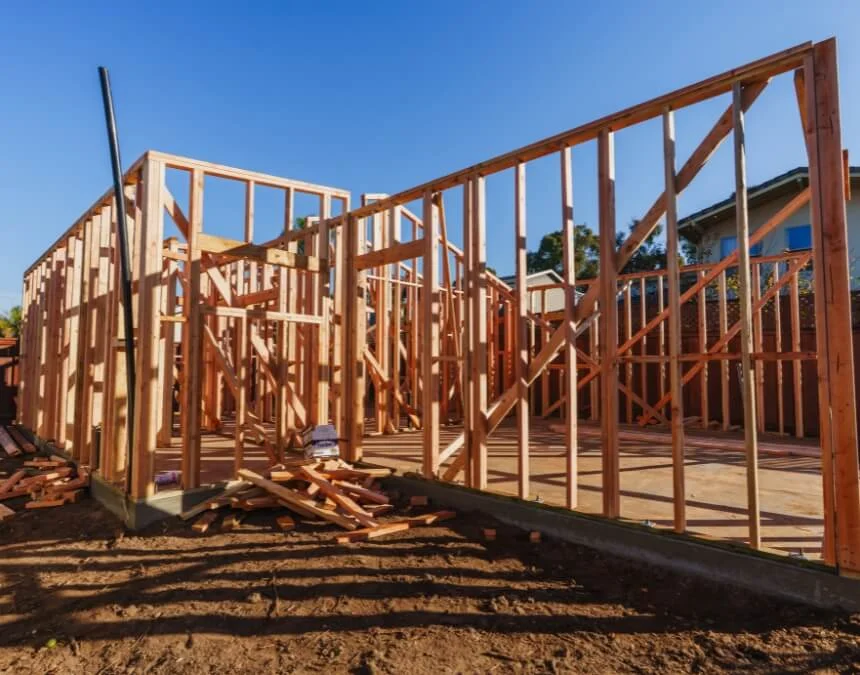
Many single-family properties may accommodate an ADU and a JADU, making early site planning essential for evaluating and maximizing development potential.
Can You Have More Than One ADU in California?
In some cases, yes. Although many cities summarize the rules as one ADU plus one JADU, California HCD guidance recognizes additional ADU opportunities and combinations for qualifying properties under specific provisions of state law.
Review the California HCD ADU Handbook alongside current HCD guidance to determine whether units authorized under Section 66314 may be combined with other protected ADU categories.
For homeowners, the actual limit depends on the property type, applicable state provisions, and legally permissible local development standards. Before planning multiple ADUs, consult the local planning department and confirm zoning, setback requirements, and local ADU requirements. Ask which unit combinations qualify under state law and whether any local restrictions are preempted.
| Property Type | Common ADU Allowance |
|---|---|
| Single-family home | Generally, one ADU plus one JADU; additional combinations may qualify |
| Single-family home qualifying for additional state-law categories | Additional ADUs may be allowed under protected combinations |
| Multifamily property | Multiple detached and conversion ADUs may be allowed, subject to eligibility |
What Is the Difference Between an ADU and a JADU?
An ADU and a JADU are secondary housing units that can be added to a residential property, but their requirements differ. An Accessory Dwelling Unit (ADU) provides complete, independent living facilities and may be detached, attached, or converted from existing space. A Junior Accessory Dwelling Unit (JADU) must be within an existing or proposed single-family home and cannot exceed 500 square feet. Both offer flexible housing options, including accommodations for relatives, while detached ADUs can also provide backyard living space.
What Is a JADU?
A JADU, or Junior Accessory Dwelling Unit, is a smaller housing unit within an existing or proposed single-family residence. Under California law, a JADU cannot exceed 500 square feet and must include an efficiency kitchen, although it may share sanitation facilities with the primary home.
JADUs were introduced through California legislation, described in California housing policy reforms to help homeowners, to add housing without requiring a separate building. Because they occupy space within a home, they may cost less to develop and require fewer site modifications than detached ADUs or backyard cottages.
Can You Have an ADU and JADU on the Same Property?
Yes. California law, outlined in California law generally allows homeowners, allows qualifying single-family properties to include an ADU and a JADU in addition to the primary residence. This common configuration creates several housing options on one residential lot, provided each unit meets the applicable requirements.
For example, a homeowner could convert part of an existing house into a JADU while building a detached ADU in the backyard. This arrangement can accommodate family members, guests, or tenants while preserving the primary home, provided the project meets applicable state requirements and legally permissible local development standards.

Many California homeowners can add both an ADU and a JADU to the same property, creating additional housing while preserving the primary residence.
Do You Have to Live on the Property?
Owner-occupancy requirements differ by unit type. California generally prohibits local owner-occupancy requirements for ADUs, but JADUs may be subject to different rules. For a JADU, verify whether current law requires owner occupancy in the primary residence or the JADU, including any applicable exceptions.
Because legislation can change owner-occupancy requirements and exceptions, homeowners should verify the current rules with their city or county planning department. Confirm which requirements apply to the proposed unit before submitting a building permit application or beginning an ADU or JADU project.
| Feature | ADU | JADU |
|---|---|---|
| Maximum Size | Varies by unit type and applicable state and local rules | 500 square feet |
| Location | Detached, attached, or converted space | Within an existing or proposed single-family home |
| Separate Entrance | Required | Required |
| Kitchen | Full kitchen | Efficiency kitchen |
| Owner Occupancy | Generally not required | Depends on applicable law and shared sanitation facilities |
| Maximum Allowed on Single-Family Lot | Varies by qualifying state-law combination | 1 |
What California Law Says About Multiple ADUs
California’s ADU laws have expanded significantly, raising an important question: when does state law allow more than one ADU on a residential property? Although many cities describe a common single-family configuration as one ADU and one JADU, California statutes and HCD guidance recognize other qualifying combinations. The applicable allowance depends on the property type, existing structures, proposed units, and the specific statutory approval pathway.
Government Code 66323 Explained
California Government Code §66323 identifies ADU categories that local agencies must approve on qualifying residential properties. Its provisions address combinations of eligible units, making the following language important when evaluating a proposal:
“Any combination of the following units.” (California Government Code §66323)
This language matters because state law protects certain combinations of ADU types rather than establishing one identical limit for every property. Depending on the property and proposal, qualifying detached ADUs, conversion ADUs, and JADUs may be combined. Local agencies must apply the relevant statutory protections and cannot impose conflicting requirements on projects that satisfy the applicable approval criteria.
Why Some Properties May Qualify for More Units
Guidance from the California Department of Housing and Community Development (HCD) addresses how state ADU provisions work together. When reviewing an HCD ADU Ordinance Review Letter, homeowners should examine its discussion of:
The applicable allotments and combinations of units under Sections 66314 and 66323. (California HCD Findings Letter)
This distinction matters because a local ordinance may be overly restrictive if it excludes combinations protected by California law. For homeowners, the maximum unit count depends on the applicable statutory pathway, property type, existing structures, and lot configuration. Local zoning and development regulations must be evaluated alongside state protections rather than treated as independent authority to restrict otherwise qualifying ADUs.
Because California’s ADU laws continue to evolve, homeowners considering multiple units should review current statutes, HCD guidance, local ordinances, and applicable permitting requirements before beginning design, detailed planning, or property development.
| Source | Key Interpretation |
|---|---|
| California Government Code §66323 | Allows qualifying combinations of specified state-protected ADU categories |
| California HCD ADU Guidance | Local agencies must allow qualifying state-protected ADU combinations |
| California HCD Findings Letter | Identifies ordinance provisions that conflict with unit allowances under Sections 66314 and 66323 |
How Many ADUs Can Multifamily Properties Have?
California law often allows more ADUs on multifamily properties than on single-family properties. Depending on the existing buildings, site layout, available space, and applicable requirements, multifamily lots may qualify for both detached and conversion ADUs. Recent legislation has also increased the detached ADU allowance for qualifying lots with existing multifamily housing.
Detached ADUs
Detached ADUs are standalone residential units built separately from a multifamily building. Before recent changes to California law, the protected detached ADU allowance for multifamily lots was generally limited to two units.
Senate Bill 1211 expanded these allowances beginning January 1, 2025. Lots with existing multifamily dwellings may qualify for up to eight detached ADUs, but no more than the number of existing dwelling units, subject to applicable state requirements.
Conversion ADUs
Multifamily properties may also accommodate ADUs by converting existing nonlivable spaces within a building. Commonly called conversion ADUs, these units can make use of eligible, underused areas in existing multifamily buildings.
Examples of convertible spaces may include:
- Storage rooms
- Boiler rooms
- Laundry rooms
- Basements
- Attics
- Garages
- Other eligible, unused interior areas
Because these units occupy an existing structure, they can add housing without expanding the building’s footprint or requiring a separate detached structure, provided the converted space meets applicable building standards.
The 25% Rule
California law generally permits at least one ADU within eligible nonlivable space in an existing multifamily building, up to 25% of the existing multifamily dwelling units.
For example:
- A 20-unit apartment building may qualify for up to 5 conversion ADUs.
- A 12-unit apartment building may qualify for up to 3 conversion ADUs.
These conversion ADUs are distinct from detached ADU allowances, and qualifying projects may combine the two categories under applicable state law.
How SB 1211 Changed the Rules
Senate Bill 1211 significantly expanded detached ADU opportunities on California multifamily properties. Previously, the protected allowance was generally two detached ADUs. Beginning in 2025, lots with existing multifamily dwellings may qualify for up to eight detached ADUs, capped at the number of existing dwellings and subject to applicable state requirements and permitting.
This change increases the housing potential of existing multifamily properties without necessarily requiring a zoning change. For owners of multistory apartment buildings, unused portions of the lot may offer opportunities for additional housing. Feasibility still depends on the statutory allowance, site conditions, utility capacity, access, and other legally applicable development requirements.
| Detached ADU Allowance on Multifamily Properties | Maximum Detached ADUs |
|---|---|
| Prior California law | 2 |
| Current law under SB 1211 | Up to 8 on existing multifamily properties, not exceeding the existing unit count; 2 on proposed multifamily properties |
What Is SB 1211 and Why Does It Matter?
SB 1211 is a California housing law that took effect on January 1, 2025, expanding ADU opportunities on multifamily properties. Enacted by the California Legislature, it increased the detached ADU allowance on qualifying lots with existing multifamily dwellings and addressed certain development restrictions. These changes support the state’s broader effort to add housing on existing residential properties.
A major change under SB 1211 is the expanded detached ADU allowance for existing multifamily properties. Previously, the protected allowance was generally two detached ADUs. Under SB 1211, qualifying lots may accommodate up to eight, but the number cannot exceed the existing dwelling count. Site conditions and applicable statutory requirements still determine whether the full allowance is feasible.
The law also limits certain local restrictions on qualifying ADU development. Property owners and developers should distinguish these statutory protections from development standards that remain enforceable. This is particularly important when comparing projects across cities, unincorporated county areas, and different residential zoning districts.
As the unincorporated Los Angeles ADU Program explains:
“State law takes precedence.”
Local governments cannot enforce requirements that conflict with applicable state ADU protections. For property owners, SB 1211 creates additional opportunities to add housing and clarifies certain development rights, although project feasibility and approval still depend on meeting the relevant statutory and building requirements.
Los Angeles ADU Rules Explained
When assessing Los Angeles has become one of the most active ADU housing markets in California, distinguish statewide ADU rights from locally adopted programs and verified permit data. Use City of Los Angeles Planning Commission Report only after confirming that its geography, reporting period, and project definitions match the proposed discussion. For homeowners, the key first step is identifying whether the property falls within the City of Los Angeles, another incorporated city, or unincorporated Los Angeles County, because the responsible permitting authority differs.
City of Los Angeles ADU Rules
For the City of Los Angeles generally follows California’s ADU, verify current ADU rules and available programs directly with the responsible departments. The ADU Standard Plan Program may offer plan options for a build an ADU, but site-specific review remains necessary. Do not assume that a local density or affordability bonus applies.
Local procedures can help homeowners navigate ADU development, but each project must satisfy the applicable approval criteria. In Los Angeles one of California’s leading ADU, review current planning and building guidance alongside state law. A standard plan may simplify plan selection, but it does not establish eligibility for additional units or eliminate property-specific review.
unincorporated Los Angeles ADU Rules
Properties in unincorporated areas of unincorporated Los Angeles follow regional authority ADU regulations follow the responsible county’s requirements rather than City of Los Angeles rules. Although state ADU law applies, local procedures and legally permissible standards for setbacks, lot coverage, parking requirements, and other development features may differ.
Homeowners in unincorporated areas should review the unincorporated Los Angeles ADU Program and consult the responsible county planning and building departments before starting a project. Fire-rated construction, site access, utility service, and other property-specific conditions may influence design and approval requirements.
What Happens if Local Rules Conflict With State Law?
California law establishes ADU rights that local jurisdictions must respect. When a local ordinance conflicts with applicable state ADU law, the state requirements generally prevail.
The unincorporated Los Angeles ADU Program specifically notes:
“State law takes precedence.” (unincorporated Los Angeles ADU Program)
This protection matters because local governments cannot enforce restrictions that conflict with state ADU rights. As California updates its housing laws, some existing local provisions may become outdated or unenforceable. Homeowners should compare local requirements with current statutes and HCD guidance rather than assume every published local restriction still applies.
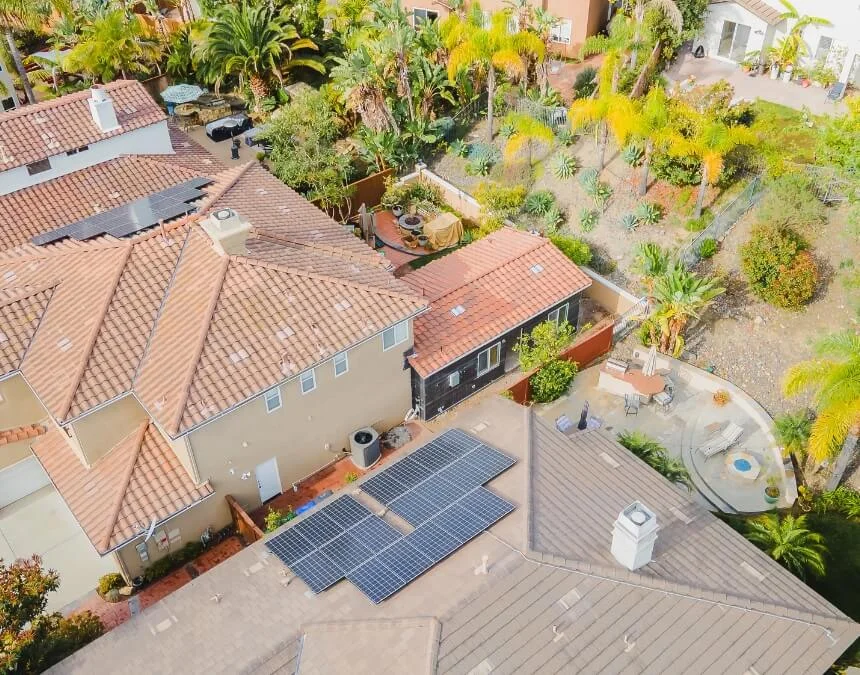
Understanding the differences among city, county, and state requirements can help homeowners avoid costly design revisions during the permitting process.
How the ADU development incentives in Los Angeles Works
When reviewing ADU development incentives in Los Angeles allows qualifying property, confirm whether the responsible jurisdiction offers any adopted program that permits additional ADUs in exchange for affordability restrictions. Do not assume such a program applies in Los Angeles. Ask the planning department about legal authority, property eligibility, unit limits, and recorded affordability requirements before relying on a higher unit count.
What Is the ADU Bonus Program?
Evaluate the ADU Bonus Program is a City of Los Angeles as a jurisdiction-specific housing initiative rather than a statewide entitlement. If an applicable local program pairs deed-restricted affordable units with additional market-rate housing, request its current ordinance and eligibility criteria. Confirm whether it covers the proposed ADUs and what affordability, monitoring, and ownership obligations would apply.
Before relying on program results, verify the City of Los Angeles Planning Commission Report with the relevant official authority. Confirm the jurisdiction, reporting period, approved project count, and distinction between affordable and market-rate units. Unverified statistics should not be presented as evidence of a ADU development incentives in Los Angeles.
How Many Additional Units Can It Allow?
The number of ADUs allowed under Los Angeles’s bonus program must be established through applicable state law and verified local requirements, not an unsupported lot-area formula. Ask the responsible planning department to confirm the property’s permitted unit combinations, site constraints, and any relevant program criteria (City of Los Angeles ADU Program).
There is no single answer for every property. Lot dimensions, applicable floor-area rules, setbacks, utility availability, and other lawful development standards can affect feasibility, but these requirements must be evaluated alongside state protections for qualifying ADUs.
To understand Los Angeles’s ADU activity, consult verified local permit records rather than transferring figures from another jurisdiction. Before citing Planning Commission Report, confirm whether it reports applications, permits, completed units, or projects containing several homes. Ask the responsible department for the reporting period and geographic boundaries. For an individual homeowner, compare a modest one- or two-unit proposal with any larger development concept using the property’s legal allowance, buildable area, utility capacity, and access requirements. General permit trends do not establish how many units a particular lot can accommodate.
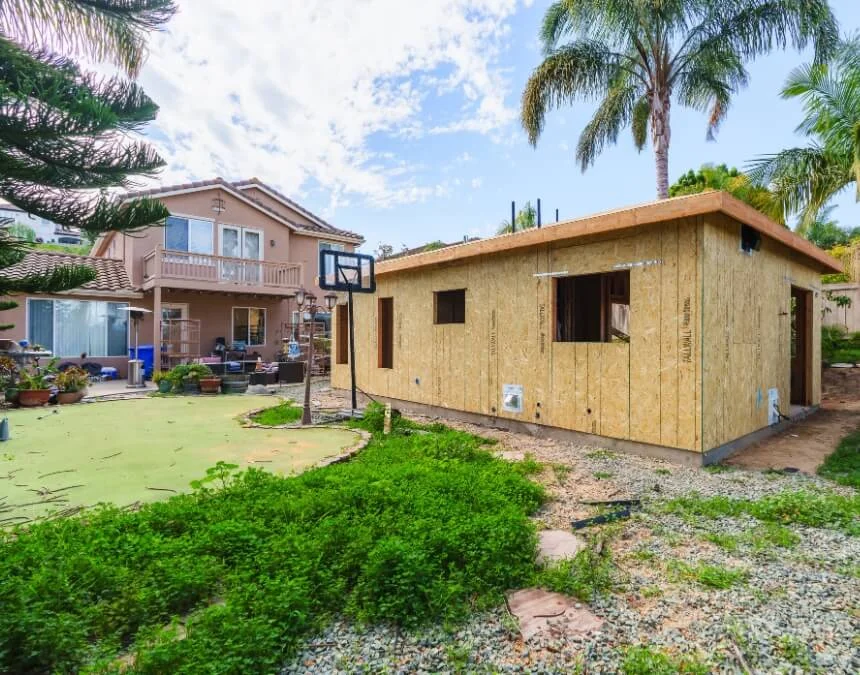
Additional units tied to affordability requirements should be considered only after confirming an applicable local program, property eligibility, and all recorded obligations.
What Can Limit the Number of ADUs You Can Build?
Even when California law permits ADUs, practical constraints can affect how many units a property can accommodate. Lot layout, setbacks, height limits, utilities, safety requirements, and legally applicable development standards all influence feasibility. For homeowners in Los Angeles, evaluating site conditions alongside state protections is essential to establishing a realistic unit count and project scope.
Lot Size
Lot size is an important consideration when evaluating ADU feasibility. Larger lots may offer more flexibility for detached units, required separation, access routes, and any applicable parking arrangements, but additional land does not automatically authorize more units.
The City of Los Angeles notes that:
Evaluate lot area alongside state ADU rights and property-specific development constraints. (City of Los Angeles ADU Program)
Even when state law permits additional units, the available buildable area can affect how many ADUs physically fit, subject to applicable statutory protections.
Setbacks
Setbacks are the required distances between buildings and property lines. State law limits setback requirements for qualifying ADUs, as explained in California ADU laws have reduced setback requirements, but applicable setbacks can still influence unit placement and the feasibility of multiple structures.
Irregular lot shapes, easements, and existing structures can further constrain the area available for construction.
Height Restrictions
Height limits can affect impact ADU design, particularly on smaller lots where homeowners want to build above garages or make better use of limited space. California law establishes height protections for qualifying ADUs, while other lawful standards and site conditions may influence the permitted design.
Height requirements deserve particular attention on hillside properties or sites with other planning constraints, but local restrictions must remain consistent with applicable state ADU protections.
Utility Capacity
Water, sewer, electrical, and any proposed gas infrastructure can affect ADU feasibility. Existing service connections or utility systems may require upgrades to support additional housing.
Although California law limits certain utility-related requirements for ADUs, infrastructure capacity can still affect project costs, design decisions, and overall development feasibility.
Fire and Building Codes
All ADUs must comply with applicable building and safety codes. Fire access, emergency egress, structural design, and other life-safety requirements can influence the layout, construction approach, and number of units that are feasible on a particular property.
Narrow lots, private roads, and hillside locations may require closer evaluation of applicable fire access and emergency response requirements.
Coastal Zone Restrictions
Properties within California’s Coastal Zone may require additional review. Applicable coastal development rules can affect permits, environmental review, building placement, and development intensity, so homeowners should confirm the requirements with the responsible coastal permitting authority.
For properties in Los Angeles, confirm whether Coastal Zone rules apply and whether additional coastal planning review is necessary before construction can proceed.
HOA and Deed Restrictions
California law limits the ability of homeowners associations (HOAs) and private restrictions to prohibit qualifying ADUs. Nevertheless, shared ownership agreements, private easements, and certain recorded obligations may affect a proposal. Their enforceability and practical consequences should be evaluated under current law and the property’s specific circumstances.
Before beginning design, homeowners should review HOA documents, title reports, and recorded restrictions to identify potential issues and determine whether professional legal guidance is needed.
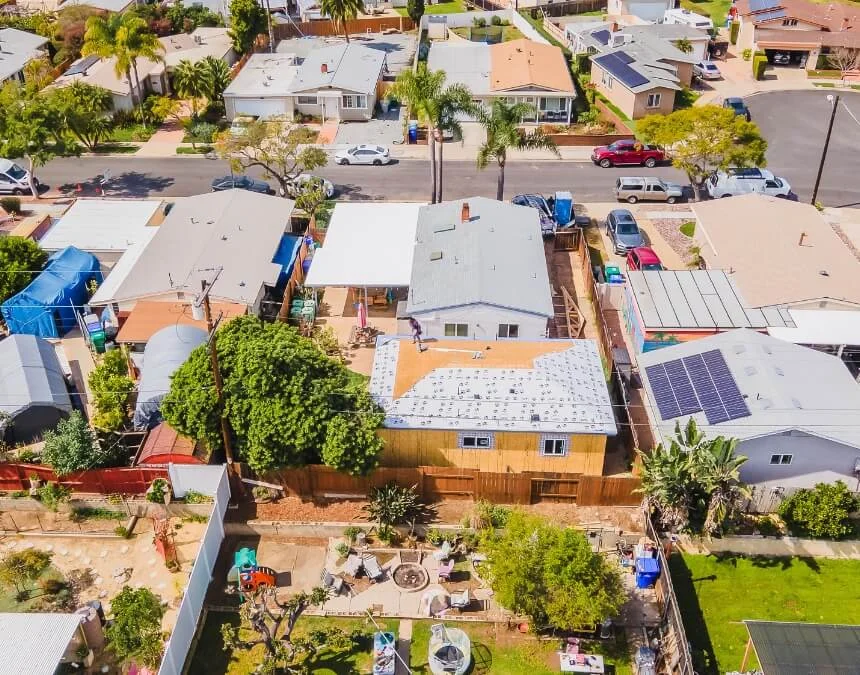
Legal allowances do not always establish buildable capacity; setbacks, utility access, and fire-safety requirements often shape what is physically feasible.
Can You Build More Units Using SB 9?
Yes, in some cases. California Senate Bill 9 (SB 9) allows qualifying single-family lots to be split and developed with additional housing, creating opportunities beyond standard ADU rules. However, SB 9 and ADU laws have separate eligibility criteria, and conditions in Los Angeles may still limit what can realistically be built may affect which options are available on a particular property.
What Is SB 9?
SB 9, also known as the California Housing Opportunity and More Efficiency (HOME) Act, allows qualifying single-family lots to be divided into two parcels, with potentially up to two primary residential units on each resulting parcel, subject to applicable requirements.
SB 9 aims to expand housing opportunities in existing residential neighborhoods without requiring conventional multifamily zoning. Unlike ADUs, which are accessory dwellings on a property, SB 9 provides pathways for additional primary homes through qualifying two-unit developments and urban lot splits, subject to separate eligibility and development requirements.
SB 9 vs ADUs
SB 9 and ADUs are often discussed together, but they offer distinct development pathways.
ADUs are secondary dwellings on the same lot as a primary residence. SB 9 may instead authorize additional primary homes, an eligible lot split, or both, depending on the proposal and applicable requirements.
In general:
- ADUs add accessory housing to a residential property.
- SB 9 may allow lot splits and additional primary homes.
- ADUs are governed by California ADU laws.
- SB 9 projects must satisfy separate eligibility criteria, development standards, and applicable local subdivision requirements.
Because these pathways follow different rules, eligibility for an ADU does not automatically establish eligibility for SB 9 development.
Can SB 9 and ADUs Be Combined?
In some situations, yes. ADUs may be compatible with certain SB 9 proposals, depending on the development pathway and property. However, local agencies are not required to allow ADUs or JADUs on every parcel using SB 9 provisions.
Combining SB 9 development with ADUs requires careful review of state law, local implementation, subdivision requirements, utilities, and site constraints. An urban lot split generally requires a parcel map process. Confirm whether the proposed combination is permitted before assuming ADUs can be added to either resulting parcel.
For homeowners in Los Angeles, property-specific restrictions may affect whether SB 9 and ADUs can be combined. Lot dimensions, access, applicable Coastal Zone and local coastal program rules, environmental conditions, wildfire-related requirements, and other lawful development standards can influence eligibility and feasibility. These considerations should be evaluated separately for each proposed development pathway.
Before pursuing an SB 9 lot split alongside ADUs, property owners should review current state requirements and local procedures to confirm eligibility, permitted unit combinations, and realistic development potential.
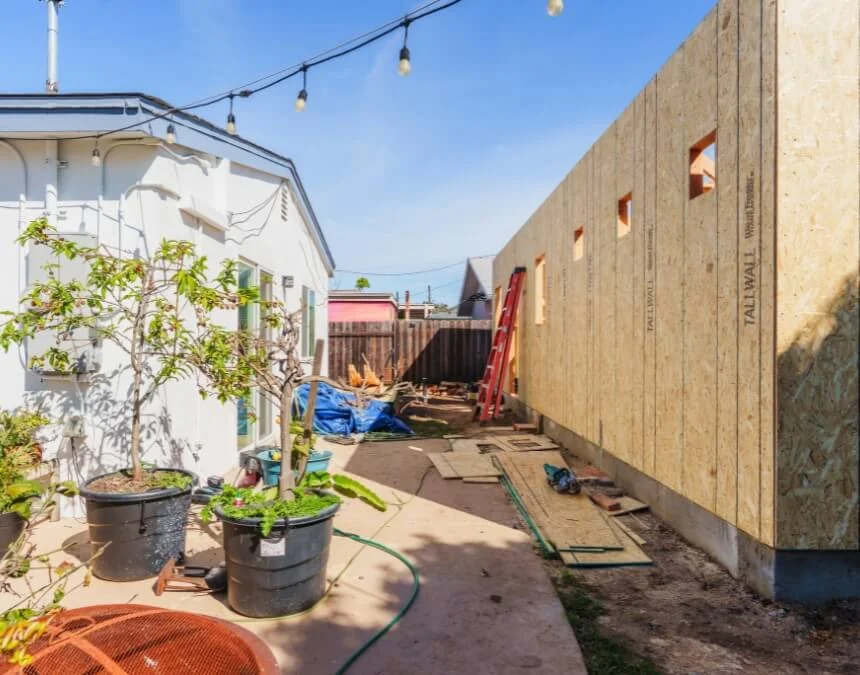
SB 9 may allow qualifying owners to split a lot and add primary homes, offering a development pathway distinct from standard ADU regulations.
How Much Property Do You Need for Multiple ADUs?
There is no universal minimum lot size required for multiple ADUs in California that determines every property’s ADU capacity. Feasibility depends on the applicable state approval pathway, lot layout, setbacks, access, existing structures, and lawful development standards. In Los Angeles, confirm current requirements with the responsible planning department rather than assuming unit allowances are determined solely by lot area or a locally advertised program.
Small Lots
Small residential lots may accommodate an ADU and, where requirements are met, a JADU in addition to the primary residence. Setbacks, access, utilities, and the existing home’s location influence design, but must be assessed alongside applicable state protections.
For some homeowners, a detached backyard ADU or a garage conversion is practical on a smaller lot. Others may find an attached or conversion unit more suitable when limited space makes separate construction difficult.
Medium Lots
Medium-sized lots may offer greater design flexibility. Depending on the layout, homeowners could accommodate a detached ADU, a JADU, outdoor living areas, and necessary access paths while preserving usable outdoor space and meeting applicable requirements.
These properties may provide several design options without the complexity of a larger development, although construction costs remain project-specific. Homeowners may also consider prefabricated units where appropriate. Factory construction does not eliminate foundation work, utility connections, site access needs, or local permitting, so those elements should remain part of the feasibility assessment.
Large Lots
Large residential lots may offer more physical flexibility for multiple ADUs when state law authorizes them. Additional land can help accommodate setbacks, utility routes, open space, and separate structures, but lot size alone does not establish a higher legal unit allowance.
In Los Angeles, owners of larger lots should ask the planning department which state ADU combinations or adopted local housing programs apply, rather than assuming a bonus program authorizes additional units.
Realistic Development Scenarios
A property’s practical capacity depends on both its legal allowance and its physical conditions. Confirm the following through current state guidance and the responsible local planning department:
Lot area affects physical feasibility but does not, by itself, determine the permitted ADU count. (City of Los Angeles ADU Program)
For example:
- A small suburban lot may support one detached ADU and one JADU if applicable requirements are met.
- A medium-sized lot may accommodate a detached ADU, a JADU, and other improvements while maintaining required setbacks.
- A larger lot may offer space for multiple ADUs when the applicable state provisions or verified local programs authorize them.
The best way to establish your property’s ADU capacity is to evaluate its size, layout, zoning, and legally applicable local standards alongside current state law and California’s ADU laws and permitting requirements.
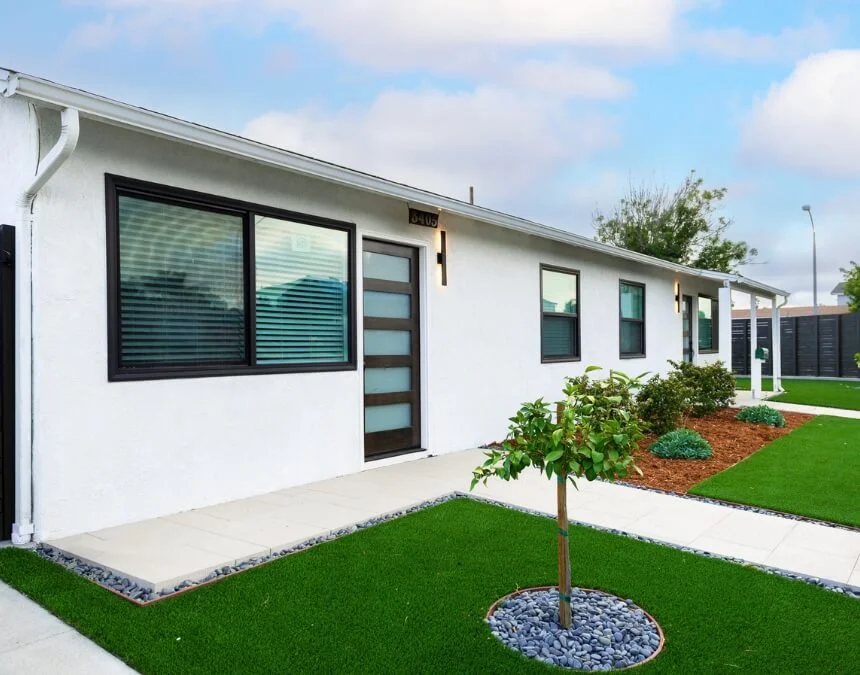
Lot layout can matter more than size alone because access, setbacks, easements, and existing structures influence ADU placement and feasible density.
Do ADUs Increase Property Value?
In many cases, yes. An ADU may increase property value by adding usable living space, supporting rental income, and appealing to buyers seeking flexible housing. However, the financial effect depends on location, construction quality, legal permitting, market demand, project costs, and the unit’s use. An increase in value is not guaranteed.
Rental Income Potential
One reason homeowners consider ADUs is their potential for rental income, discussed in homeowners build ADUs is the opportunity to generate rental income. A permitted unit may generate long-term revenue while allowing the homeowner to retain ownership of the property.
In California, ADUs are often used for:
- Long-term rental housing
- Multigenerational living
- Housing for adult children or aging parents
- Guest accommodations
- Flexible work or living space
In California markets, including Los Angeles, homeowners should assess rental demand, lawful rents, operating expenses, and any applicable rent-stabilization rules before estimating income. Alternative options, such as Tiny Homes on Wheels, require separate review because their classification, permitted locations, occupancy rules, and approval requirements may differ from those of conventional ADUs.
Property Appreciation
An ADU may increase market value by adding functional living space and housing flexibility. Prospective buyers may appreciate its potential for rental income, guest accommodations, or extended-family housing, although the value they assign to those benefits varies by property and market.
When reviewing Better Homes & Gardens real estate report, distinguish general claims about ADU value from evidence relevant to the property. Comparable sales, permitted floor area, construction quality, and lawful income potential can inform an appraisal. Buyers and lenders may also examine permits and code compliance, making complete project records important when evaluating or marketing the property.
Tax Implications
Building an ADU can affect property taxes may increase property taxes because the county assessor can assess the new improvement. In California, adding an ADU generally does not trigger reassessment of the entire property. Instead, the assessable value of the new construction may be added to the existing assessment, subject to applicable rules.
Homeowners should also consider:
- Potential property tax increases attributable to the ADU improvement
- Rental income tax considerations
- Insurance adjustments
- Local utility costs
Because tax circumstances vary, property owners should consult a qualified tax professional about their project. County assessor records or a property summary report may clarify the existing assessment, but the assessor should confirm how proposed improvements would be treated.
ROI Considerations
Return on investment (ROI) depends on construction and financing costs, rental revenue, operating expenses, location, tax implications, and the owner’s long-term housing goals.
For some homeowners, the main benefit is rental income. Others prioritize added property value, multigenerational living, or future flexibility. Durable materials, quality construction, and thoughtful design can support long-term usability and buyer appeal, but they do not guarantee a particular financial return.
In markets such as Los Angeles, an ADU can be evaluated as a long-term investment in additional housing capacity and flexible use. Before proceeding, homeowners should compare projected income with financing, maintenance, taxes, insurance, utilities, and vacancy assumptions. The decision should reflect both financial feasibility and the household’s broader housing and lifestyle goals.
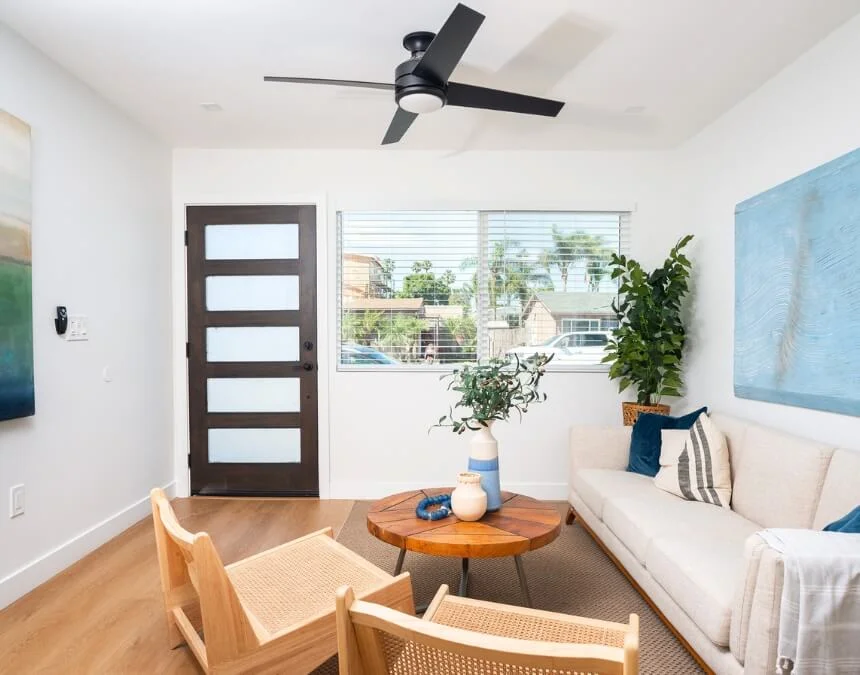
Well-designed, properly permitted ADUs may improve marketability, add usable living space, and support long-term income, but financial results vary by property.
Can You Sell an ADU Separately?
In some cases, yes. California law allows cities and counties to adopt ordinances authorizing certain ADUs to be sold separately from the primary residence. This option is not automatically available statewide. Homeowners must confirm local adoption and satisfy applicable legal, subdivision, ownership, and approval requirements before pursuing an independent sale.
AB 1033 Explained
Assembly Bill 1033 (AB 1033) gives California jurisdictions a pathway, described in cities and regions the option to allow ADUs, to authorize separate ADU sales through condominium-style ownership.
Before AB 1033, ADUs generally remained legally tied to the primary property, apart from limited statutory exceptions. The law established an additional pathway for separate ownership where a local jurisdiction adopts an enabling ordinance and the proposed arrangement meets the applicable requirements.
Because local adoption under AB 1033 is optional, homeowners must confirm whether the responsible city or county has enacted an applicable ordinance.
Condominium Conversion Process
Separate sales under AB 1033 generally require a condominium ownership structure. Establishing that structure involves legal ownership interests, property descriptions, shared-property arrangements, and compliance with applicable state and local subdivision requirements, along with any required approvals and recorded documents.
The exact process may vary depending on:
- Local regulations
- Property configuration
- Utility arrangements
- Shared access requirements
- Financing and title considerations
- Required deed restriction forms or other recorded documents
Because condominium arrangements involve both real estate and land-use requirements, homeowners should consult qualified legal, surveying, title, and planning professionals before pursuing separate ADU ownership.
Los Angeles Considerations
For homeowners in Los Angeles, separate ADU sales depend on state law and local adoption. A state-authorized pathway does not establish eligibility on its own. The applicable ordinance, subdivision requirements, ownership arrangements, and other project-specific conditions must be reviewed to determine whether a particular property qualifies.
Homeowners considering separate ADU sales should check current City of Los Angeles or Los Angeles County rules, depending on the property’s jurisdiction, and confirm whether an AB 1033 ordinance applies. Diamond Bar and Pomona require separate local inquiries. Property reports and official records may help identify zoning, ownership, and parcel conditions, but they do not replace confirmation of current legal eligibility.
Additional information about AB 1033 and its implementation is available through the California Legislative Information website.
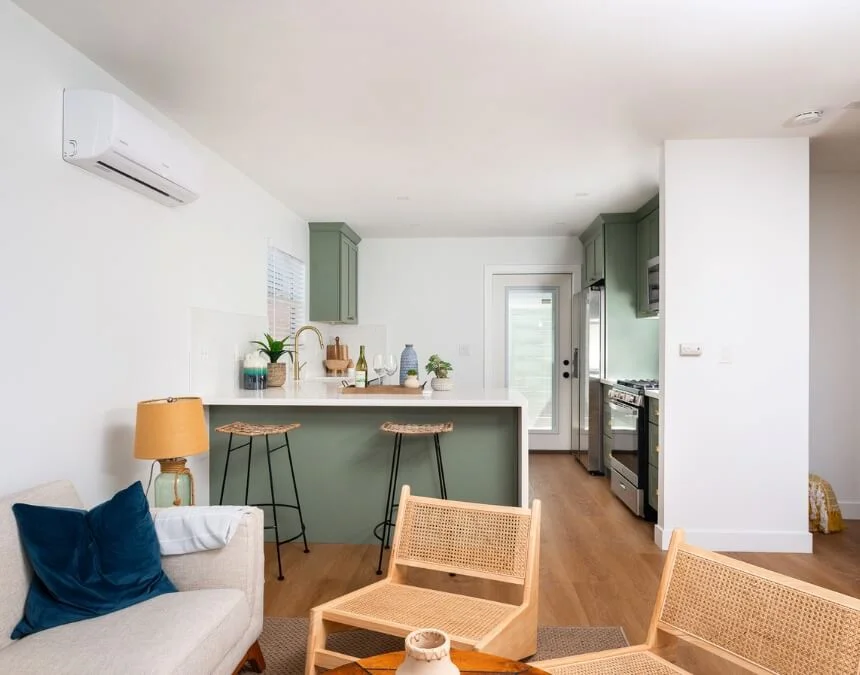
Separate ADU sales may be available where a jurisdiction adopts an AB 1033 ordinance, subject to condominium ownership and other applicable requirements.
Conclusion
ADUs offer California homeowners a practical way to add housing, create potential rental income, and make better use of existing property. The number of units allowed depends on the applicable state provisions, property type, existing dwellings, and lawful local requirements. Evaluating those legal allowances alongside physical constraints helps owners identify realistic opportunities as California’s housing laws continue to evolve.
For Los Angeles homeowners, begin by confirming the responsible jurisdiction and current ADU requirements. In Los Angeles, the ADU Standard Plan Program offers plan options but does not replace site-specific review or authorize extra units by itself. Evaluate zoning, physical constraints, utilities, and permitting requirements together. Official property records and early departmental guidance can help align the proposed project with current regulations and long-term ownership goals.
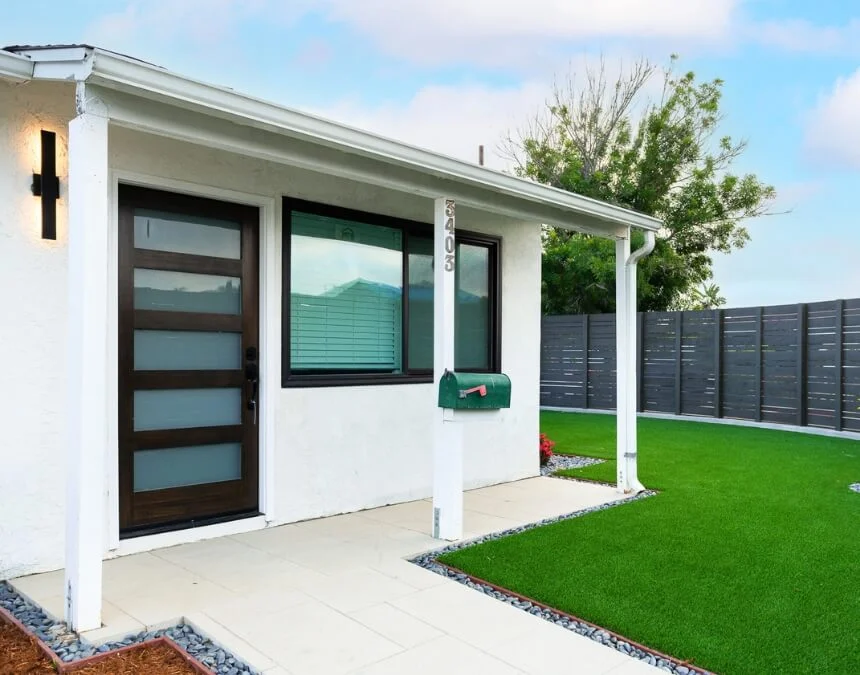
The best ADU strategy reflects your property’s legal allowances, layout, and local requirements, making early feasibility planning essential for long-term success.
Frequently Asked Questions
Many California single-family properties may accommodate an ADU and a JADU in addition to the primary residence, while other qualifying combinations require closer review. Multifamily properties may qualify for detached and conversion ADUs. Under SB 1211, lots with existing multifamily dwellings may allow up to eight detached ADUs, capped at the existing dwelling count.
California ADU laws establish rights that cities and counties must respect. Many single-family properties qualify for an ADU and a JADU, while other combinations depend on the applicable statutory provisions. Multifamily allowances vary with existing dwellings and eligible spaces. The California Department of Housing and Community Development (HCD) explains these requirements through its ADU Handbook, which should be read alongside current state law.
Yes, in some circumstances. Single-family properties may qualify for an ADU and a JADU or other combinations protected by state law. Multifamily properties can often accommodate multiple detached and conversion ADUs. The applicable allowances depend on the property and statutory pathway, including California Government Code §66323 and changes enacted through SB 1211.
Yes. Lot layout, setbacks, height limits, utility capacity, access, fire safety, and other applicable requirements can affect how many ADUs are physically feasible. However, local standards must comply with state protections. In Los Angeles, confirm the proposed unit count and site requirements with the responsible planning and building departments rather than relying on an unsupported lot-area formula (City of Los Angeles ADU Program).
Local governments may adopt ADU development standards, but they cannot enforce requirements that conflict with California law. Cities and counties can regulate matters such as setbacks, height, lot coverage, and design only within the authority state law permits. Homeowners should review current statutes, HCD guidance, local ordinances, and property-specific requirements before relying on a proposed unit count or beginning design.
Yes. Single-family and multifamily properties have different ADU allowances, and qualifying combinations depend on the relevant state provisions. Under SB 1211, lots with existing multifamily dwellings may accommodate up to eight detached ADUs, but no more than the existing dwelling count. Eligible conversion ADUs may also be available, subject to applicable requirements.
Permitting typically involves confirming applicable requirements, preparing construction plans, submitting applications, and obtaining approvals from the responsible jurisdiction. Multiple-ADU proposals may require detailed evaluation of utility capacity, access, California Energy Code compliance, building safety, and site constraints. Local ADU checklists and planning guidance can help identify required documents. In Los Angeles, standard plans still require site-specific review. Because procedures vary among the City of Los Angeles, unincorporated county areas, Diamond Bar, and Pomona, owners should confirm the correct permitting authority and current requirements before detailed design.