

How to Know if My ADU Falls in the Los Angeles Coastal Zone
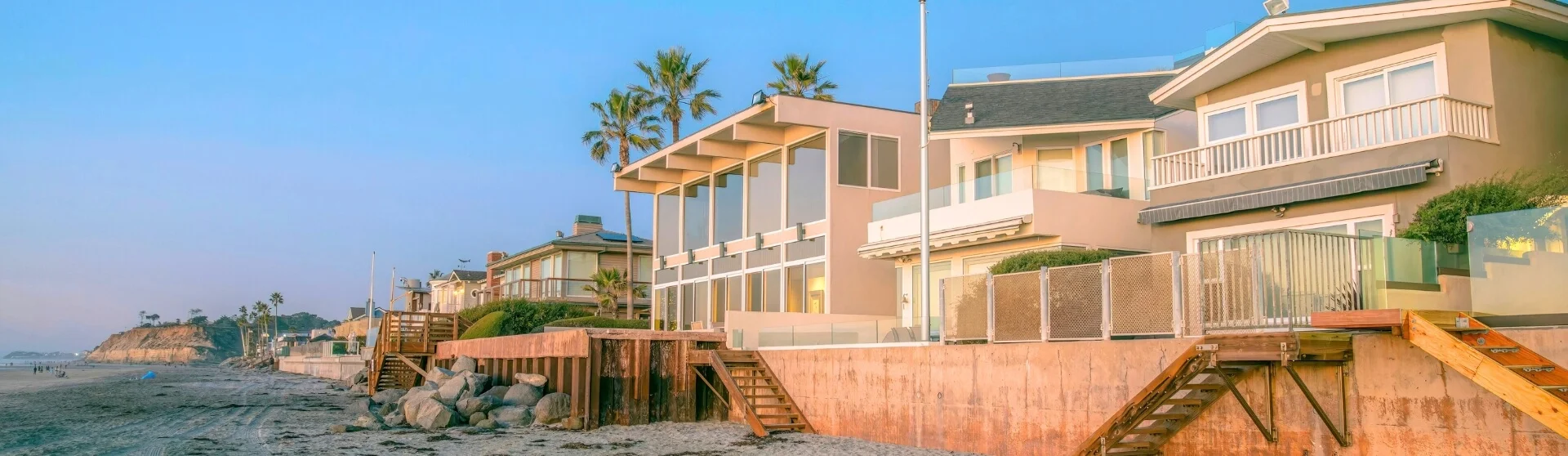
Before beginning the Coastal Development Permit (CDP) process, confirm whether your property, and therefore your ADU project, falls within the Coastal Zone boundary. Only portions of the City of Los Angeles and unincorporated Los Angeles County lie within this state-designated coastal area. Jurisdiction depends on the parcel’s location, not simply its proximity to the ocean. Follow these steps to check:
- Use Official Coastal Zone Maps: Consult the California Coastal Commission (CCC) and the planning department responsible for your parcel. Official maps identify Coastal Zone boundaries and areas where the CCC retains permitting or appeal authority. Where available, review the applicable Post-Certification Permit and Appeal Jurisdiction Maps.
- Check for Appealable Areas: Certain local coastal permit decisions may be appealable to the CCC. Relevant locations can include land between the sea and the first public road, areas within 300 feet of a beach or coastal bluff, and areas within 100 feet of specified wetlands, estuaries, or streams. Major public works and energy facilities may also trigger appeal provisions. Ask staff which statutory criteria apply.
- Review Tidelands and Port Properties: Parcels on tidelands or within the Port of Los Angeles may involve different permitting authorities. Confirm the respective roles of the Port, the city, and the CCC before submitting a CDP application.
- Contact the Responsible Planning Department: Send your Assessor’s Parcel Number (APN) or address to Los Angeles City Planning, Los Angeles County Regional Planning, or the relevant city department. Staff can identify the Coastal Zone boundary, applicable coastal plans, and responsible permitting authority.
- Check ADU-Specific Procedures: Ask whether your project qualifies for an exemption, waiver, or streamlined CDP procedure. Do not assume that administrative processing or fee relief is available. Coastal Zone location, proposed work, and applicable coastal resource protections determine the review required.
Los Angeles Coastal Zone Cities: What to Know & Where to Start
To determine whether your property falls within the Coastal Zone in the Los Angeles area, consult the Coastal Commission website and confirm the parcel’s jurisdiction.
| City | Who issues the CDP (most parcels) | Where CCC retains authority or hears appeals | Is port jurisdiction involved? | Where to start |
|---|---|---|---|---|
| Los Angeles coastal neighborhoods | Start with City Planning and verify the parcel’s coastal-zone status. Identify whether local review, Coastal Commission review or both apply to the proposed work. Consult the state ADU coastal guidance alongside the building-permit requirements. | Confirm the mapped jurisdiction and the current ADU-specific procedure. Ask how the scope, location and applicable local coastal program affect the decision and any appeal rights. | A waterfront address alone does not establish port jurisdiction. Check the parcel boundary and responsible land authority before preparing a coastal application. | Check the address in ZIMAS, identify the planning area and bring a site plan showing access, existing buildings and the proposed ADU. |
| Santa Monica | Ask the City’s planning team to confirm the coastal permit process for the property. The Santa Monica ADU pre-approval requirements provides a starting point for confirming plan and site requirements. Check coastal-zone status separately during project planning. | Verify which coastal authority reviews the application and what current state ADU provisions mean for that scope. Keep coastal review and building review clear in the schedule. | Check the actual property and land ownership. Do not assume that an ordinary residential parcel requires port approval because it is near the ocean. | Use the City’s coastal mapping and ADU resources, then ask which documents must accompany the proposed site layout. |
| Malibu | Confirm coastal review with the local planning authority and use the Coastal Commission guidance to understand the statewide framework. Identify the applicable local coastal program before finalizing an ADU layout. | For a shoreline or bluff site, ask which authority handles the decision and which mapped conditions affect the application. Request the procedure for the actual proposal. | Distinguish a residential parcel from tidelands or other retained-jurisdiction land. Verify ownership and permitting boundaries with the responsible planner. | Bring parcel information, available surveys and a preliminary site plan. Discuss coastal hazards, access, utilities and the proposed building envelope together. |
| Redondo Beach | Check the parcel’s coastal-zone status and confirm the City’s process for the proposed ADU. Consult the state coastal ADU guidance alongside the local planning and building requirements. | Ask the planner to identify the relevant coastal permit authority and explain the current procedure for an ADU-only proposal, including any applicable exemption or further review. | Harbor-related land needs its own jurisdiction check. An inland residential street and a waterfront parcel should not be assumed to follow the same application path. | Start with the address and a site layout. Confirm the responsible agency before budgeting for surveys, engineering or a coastal submission. |
| Torrance | Only a parcel-specific check establishes whether coastal review applies. Use the official coastal-zone maps and ask City Planning to confirm the boundary and review pathway for the address. | Where coastal review applies, ask who makes the decision, what documents are needed and which current ADU provisions affect the application. Record the answer with the project scope. | Coastal proximity does not by itself mean port jurisdiction. Confirm the property boundary and any special land authority if the site has waterfront conditions. | Identify the exact address, existing development and proposed work before treating a coastal requirement as part of the project schedule. |
| Long Beach | The City’s ADU page explains the local coastal development permit requirement for coastal-zone properties. Check the current planning intake sequence before preparing the building submission. | Ask City Planning to confirm the administrative review route for this ADU and any additional jurisdiction questions for the specific parcel. A nearby approval does not establish the process for another site. | Port or tideland issues require a separate boundary and land-authority check. Do not use the residential building-permit route as evidence of port approval. | Confirm coastal-zone status, submit the required planning information and coordinate the resulting requirements with the site-specific ADU drawings. |
| Newport Beach | The City’s planning forms and applications include coastal development permits. Ask Planning which coastal documents are needed for the ADU and property. | Confirm the applicable local coastal program, review authority and procedure for the project scope. Check whether the parcel has waterfront conditions that require further agency input. | Harborfront and tideland conditions need project-specific review. The authority for an ordinary residential lot should not be assumed to cover a different waterfront site. | Check the address and coastal-zone mapping, then discuss the site plan, access and proposed construction with the responsible City staff. |
| Huntington Beach | The City’s coastal development permit chapter describes the coastal permitting framework. Ask Planning to apply the current ADU provisions and any relevant exemptions to the actual site. | The applicable process depends on the property and proposed work. Confirm the decision authority and any current ADU-specific procedural requirements before relying on a general coastal chapter. | Verify the land and permitting authority where a parcel has harbor or tideland conditions. A residential address alone does not resolve that question. | Bring the address, available surveys and an outline of the ADU scope. Confirm the current coastal submittal requirements alongside the building review. |
| Diamond Bar | Diamond Bar is inland. An ordinary residential ADU project here follows the local planning and building process rather than a coastal permit pathway. Review the Diamond Bar service-area guide for local project-planning context. | A coastal development permit is not the normal review for an inland Diamond Bar parcel. Confirm the actual local approvals, including any hillside, fire-access or other site conditions. | Port jurisdiction is not a typical residential ADU consideration in Diamond Bar. Focus the early review on the property’s zoning, access, utilities and buildable area. | Start with City Planning and the building department serving the address. Use a measured site plan to evaluate the proposed unit and access arrangements. |
| Pomona | Pomona is inland. A residential ADU proposal should be reviewed through the responsible local planning and building offices. Use the Pomona service-area guide to begin the property and design discussion. | A coastal development permit is not the normal pathway for an inland Pomona property. Ask which local clearances and current state ADU provisions apply to the proposed work. | Port jurisdiction is not a typical issue for a residential ADU in Pomona. Verify the ordinary property, utility and access conditions during feasibility review. | Identify the existing buildings, available yard or garage space and intended ADU type. Confirm the local application checklist before commissioning the final drawings. |
Understanding Coastal Zone Regulations
Importance of Regulatory Frameworks
California’s Coastal Zone includes areas where additional development rules protect sensitive coastal resources. Local coastal overlays, where adopted, implement these protections through jurisdiction-specific standards. The California Coastal Commission (CCC) and local planning departments administer the Coastal Act and certified Local Coastal Programs (LCPs), where applicable, while accommodating ADUs and junior accessory dwelling units (JADUs) (CCC Memo). Before assuming that a project qualifies for a Coastal Development Permit (CDP) exemption, verify the applicable rules for bluff setbacks, shoreline distances, wetlands, and public access. A 50-foot bluff setback or 300-foot shoreline distance is not a universal exemption standard (California Coastal Commission ADU guidance).
For homeowners asking, “How close to the property line can you build an ADU?” coastal projects require a site-specific answer. Bluff hazards, shoreline conditions, and environmentally sensitive habitat areas may impose additional siting constraints beyond ordinary zoning setbacks.
Impact of the Coastal Act
The California Coastal Act requires that any ADU or garage conversion proposed within the Coastal Zone must receive a CDP unless the responsible authority confirms an exemption or another applicable approval pathway. Coastal review addresses resource protection and public access, while building permits address construction-code compliance. Notice, hearing, and appeal requirements depend on the project and jurisdiction, and applicable procedures can affect the overall permitting schedule (CCC Memo).
Coastal permitting and ADU streamlining must be evaluated together. Ask the responsible planning department whether a CDP is required, whether a public hearing is necessary, and which streamlined procedures apply to your ADU or JADU.

Applicable coastal plans may impose additional setbacks near bluffs and beaches. Address these requirements early in your ADU floor plan to reduce redesign risks.
Navigating Local and State Laws
Integration of State and Local Laws
California has passed several statewide ADU laws, including Assembly Bill 1033 (2023), which permits participating local jurisdictions to authorize separate ADU sales under specified conditions, and Assembly Bill 976 (2023), which generally prohibits owner-occupancy requirements for ADUs. Separate rules apply to JADUs. Within the Coastal Zone, these housing provisions must be considered alongside the California Coastal Act and applicable Local Coastal Program (LCP) requirements. Homeowners should consult the March 2026 California ADU Handbook, current state law, and local planning and building departments to understand how housing approvals and coastal review interact for their ADU or granny flats.
Coastal ADU permits take longer to process should be evaluated using current, project-specific information rather than unsupported regional averages. Ask the responsible Los Angeles city or county planning department about application completeness, coastal review, notice periods, and potential appeals. Confirm how these steps affect your particular approval schedule (Terner Center).
Role of the California Coastal Commission
The California Coastal Commission (CCC) administers the Coastal Act and oversees certified Local Coastal Programs (LCPs), while retaining permitting or appeal authority in specified areas. Local governments review ADU projects within their jurisdiction, and coastal decisions must address public access, wetlands, bluffs, and scenic resources. Depending on the parcel and proposed work, even an otherwise streamlined ADU or JADU may require separate coastal review.
Evaluate housing opportunities and coastal resource protection together. Consult current California Coastal Commission guidance to understand how ADU development can address public access, habitat, and shoreline concerns (NYU Journal of Legislation & Public Policy).

State laws such as AB 1033 and AB 976 address ADU ownership and occupancy, but applicable Coastal Act and LCP requirements still govern coastal projects.
Environmental Considerations
Environmental Impact Assessments
Building an ADU in California’s Coastal Zone may require additional coastal resource assessments, but not every project requires a separate environmental impact review. Some proposals may qualify for an exemption or a de minimis waiver under applicable procedures if they meet the relevant legal criteria. These pathways are distinct and require confirmation by the responsible authority. Projects near wetlands, shoreline access points, or fire hazard areas may need additional studies or safeguards (CCC ADU Memo). Determine which coastal, environmental, and building-safety reviews apply before finalizing the design and construction budget.
View Corridors and Aesthetic Concerns
Applicable Local Coastal Programs (LCPs) and coastal planning policies may protect scenic views through height limits, siting requirements, and design standards. These provisions can affect ADUs near bluffs or the shoreline, but their scope depends on the jurisdiction and parcel. Ask planning staff which public-view protections and legally applicable design criteria govern your property before estimating design costs or comparing coastal and inland permitting schedules.
A common challenge for homeowners is that coastal ADU projects may require design changes to satisfy applicable environmental and design standards, potentially increasing costs and extending review schedules (Los Angeles ADU Bulletin).
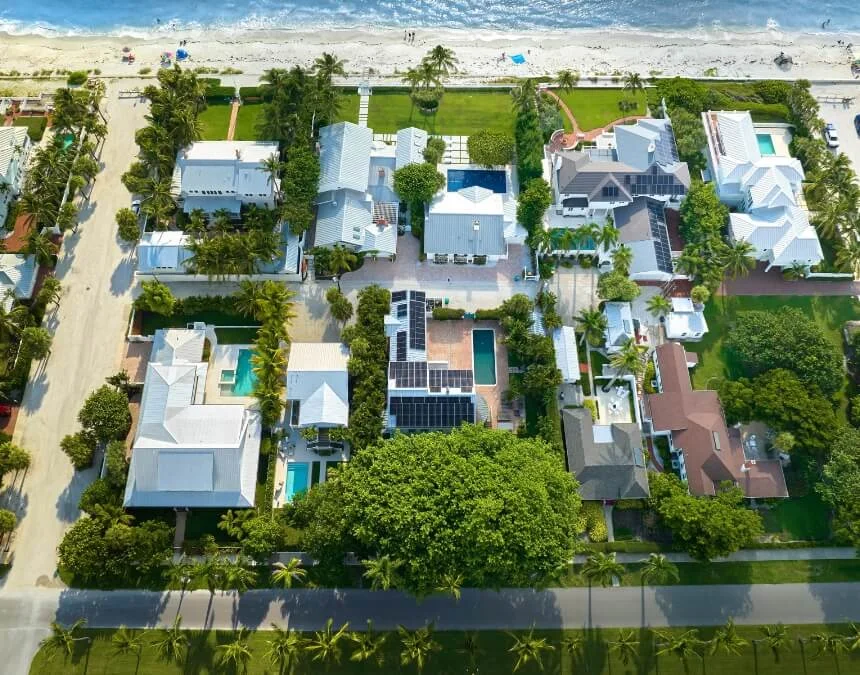
ADUs near bluffs or wetlands may require additional resource or geotechnical studies. Identify the necessary assessments and approvals before committing to a design.
Coastal Development Permits (CDPs)
Determining Need for CDPs
An ADU in California’s Coastal Zone may require a Coastal Development Permit (CDP) unless the responsible authority confirms an applicable exemption or waiver. Do not assume that an interior conversion or limited structural work automatically avoids coastal review. Eligibility depends on the proposed development, site conditions, and governing coastal rules. Where a CDP is required, planning staff evaluate the applicable Coastal Act or certified Local Coastal Program (LCP) standards, while building officials review construction-code requirements (California Coastal Commission ADU Memo). Confirm both approval pathways early so that housing plans address coastal resources, public shoreline access, and building safety.
Applying for Coastal Waivers
In some cases, a homeowner may qualify for a CDP waiver or an exemption, but these are distinct approval pathways. A de minimis waiver generally requires specific findings about coastal resource impacts. For a Los Angeles property, ask the responsible planning authority whether the procedures described in City of Los Angeles ADU Bulletin apply to the parcel and proposed work.
Exemption checklist for Los Angeles ADUs:
- Confirm the required setback from any coastal bluff edge
- Verify shoreline-distance criteria and the applicable tidal reference
- Check restrictions on vegetation removal near bluffs
- Avoid encroachment on public accessways
- Confirm limitations on expanding wells or septic systems
If the responsible authority confirms that the project meets the applicable criteria, an exemption, waiver, or administrative review process may be available. These pathways do not necessarily eliminate notice or appeal requirements. Before proceeding with a beachfront ADU or granny flat, obtain a clear determination of the required coastal approvals, building permits, and site-specific environmental protections.
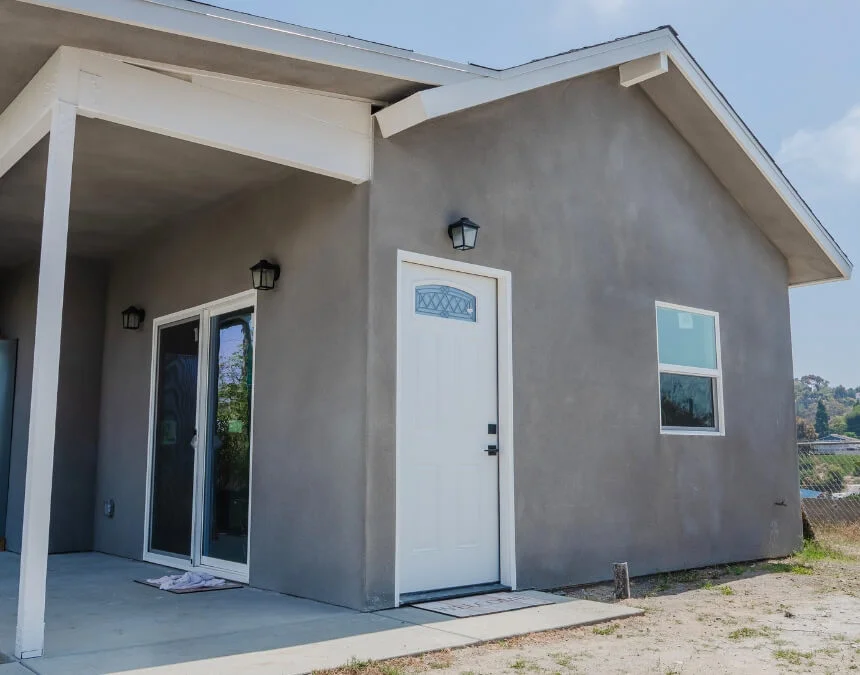
Confirm early whether your ADU requires a Coastal Development Permit (CDP), an exemption determination, or another coastal approval to reduce redesign and appeal risks.
Parking and Infrastructure Requirements
Parking Regulations in Coastal Areas
California law provides several exemptions from ADU parking requirements, but coastal projects also require careful review of applicable Coastal Act and local coastal provisions. Do not assume that parking is universally waived or that another jurisdiction’s beach parking overlay applies in Los Angeles. For the property identified in Los Angeles, ask planning staff to confirm the relevant transit-distance criteria, conversion exemptions, and any legally applicable coastal-access parking requirements. Request clarification on how those provisions interact and whether replacement parking is required for the proposed work (City of Los Angeles ADU Bulletin). This parcel-specific review helps homeowners plan practical parking arrangements without relying on unsupported assumptions about neighborhood demand or coastal approval.
Infrastructure Needs and Constraints
Beyond parking, infrastructure is critical to coastal ADU development. Homeowners should evaluate drainage, bluff stability, and utility connections under applicable coastal policies and construction standards, including the California Building Code and California Energy Code. Confirm the requirements with planning staff, building officials, and the utility providers serving the property. For example:
- Drainage and utility designs must satisfy applicable zoning and coastal requirements while addressing erosion and flooding.
- Blufftop or hillside properties may require geotechnical studies to demonstrate slope stability before approval.
- Water, sewer, or power easements may constrain floor plan flexibility or ADU placement.
In practice, coastal ADUs may require more detailed site planning than comparable inland projects, depending on site conditions and applicable regulations. Include any necessary studies and agency coordination in the project schedule and budget. Consult current California Department of Housing and Community Development guidance alongside local coastal, building, and infrastructure requirements.
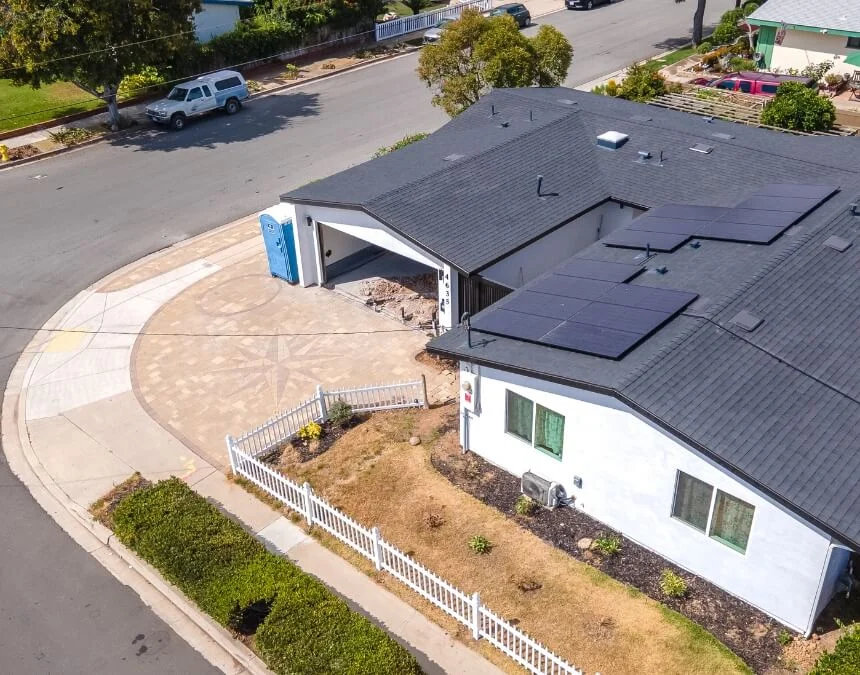
Confirm any applicable coastal-access parking requirements, and plan utility connections and drainage early to reduce the risk of infrastructure-related project delays.
Exemption Qualifications
For a property covered by Los Angeles, ask the responsible planning authority whether an ADU qualifies for a CDP exemption, waiver, or administrative approval. Do not assume that a numbered ministerial process applies in Los Angeles.
Review Los Angeles ADU with planning staff to determine whether an exemption or streamlined coastal procedure applies, considering whether the project:
- Meets the applicable setback from a coastal bluff edge
- Satisfies any relevant distance requirements from the shoreline
- Complies with restrictions on vegetation removal near bluffs
- Avoids encroachment on public coastal accessways
- Meets applicable limitations on expanding wells or septic systems
(Source: City of Los Angeles ADU Bulletin)
These checks help identify potential eligibility, but they do not establish a universal five-condition exemption or guarantee approval without a hearing. Ask planning staff to confirm the governing criteria, required findings, notice provisions, and appeal rights before investing in detailed permit applications or relying on a streamlined schedule.
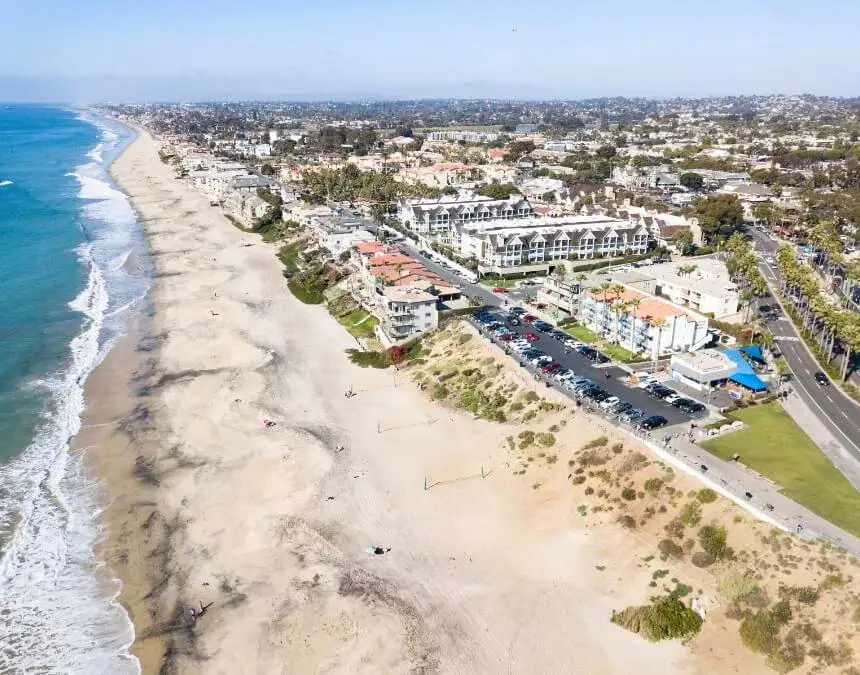
Meeting applicable coastal siting criteria may support an exemption or streamlined review, but the responsible authority must confirm eligibility and required procedures.
Recent Legislative Changes
Overview of Senate Bill 1077
California Senate Bill 1077 (SB 1077), authored by Senator Catherine Blakespear, was signed into law on September 22, 2024 (Chapter 454, Statutes of 2024). It directs the California Coastal Commission, in coordination with the California Department of Housing and Community Development (HCD), to develop guidance for local governments on simplifying permitting for ADUs and junior accessory dwelling units (JADUs) within the Coastal Zone.
The goal is to align local coastal permit requirements with state ADU law and reduce conflicts that can delay approvals. SB 1077 set July 1, 2026, as the guidance deadline and required at least one public workshop. Check the agencies’ current publications for the guidance’s status and application (LegiScan bill text, California Legislative summary).
Perspectives on Coastal Exemption Proposals
SB 1077’s streamlining goals should be considered alongside continuing protections for sensitive habitats, shoreline stability, and public coastal access. Homeowners should distinguish guidance intended to improve permit coordination from legal changes that actually remove or modify approval requirements. Consult current Coastal Commission materials and relevant public commentary to understand these issues, then confirm the rules governing the proposed ADU with the responsible planning authority (CalMatters; Surfrider Foundation commentary).
These discussions emphasize a practical balance: improving ADU permitting to expand housing opportunities while preserving applicable building-safety standards, public access, and environmental protections. Homeowners should evaluate each requirement within its proper approval process rather than treating coastal streamlining as a blanket exemption from regulation.
Cost and Timeline Influences
Factors Affecting Costs
Building an ADU in California’s Coastal Zone generally costs may involve additional coastal permitting and site-assessment costs, but no fixed premium should be assumed for Los Angeles projects. Request current CDP fees from the responsible authority and obtain project-specific estimates for any required environmental assessments, geotechnical studies, drainage reports, or design revisions. Properties in Very High Fire Hazard Severity Zones or the wildland-urban interface may also require fire-safety review. Separate these coastal and site-related costs from ordinary California Building Code and California Energy Code compliance. Allow for applicable public notice, appeal periods, and agency coordination when preparing the budget and construction schedule (Terner Center for Housing Innovation).
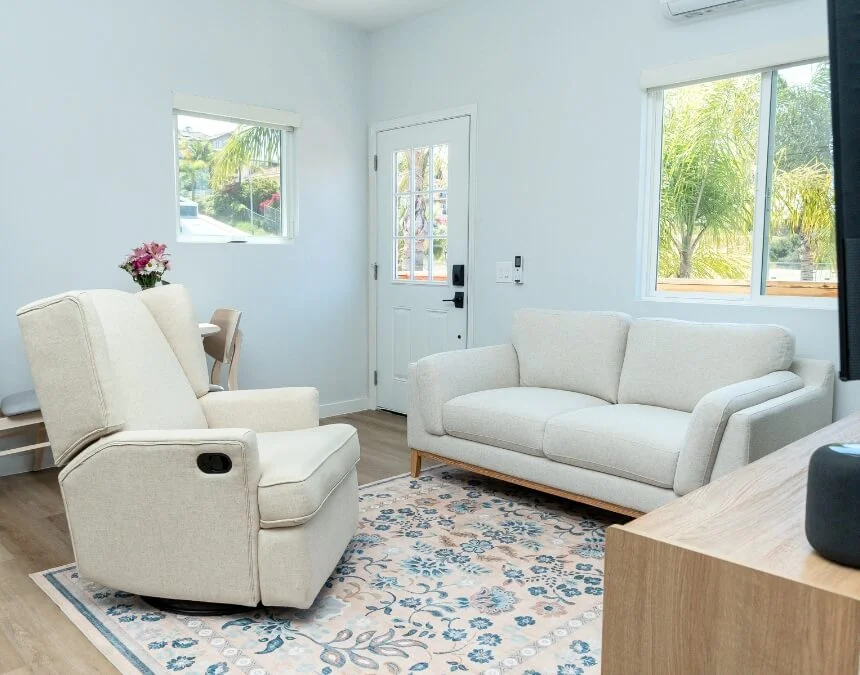
Budget for any required environmental studies, coastal application fees, and additional review time before finalizing your ADU scope, financing, and construction schedule.
Typical Timelines for ADU Projects
Coastal ADU permitting schedules vary by jurisdiction, site conditions, and approval pathway. Confirm current requirements and review stages with the authority responsible for your parcel:
- Unincorporated Los Angeles County: Ask Regional Planning about coastal review requirements and current processing expectations.
- Incorporated cities: Confirm timelines with the relevant city rather than applying another jurisdiction’s averages.
- unincorporated Los Angeles: Request project-specific guidance on coastal and building permit coordination.
These jurisdiction-specific checks help explain how applicable Local Coastal Programs (LCPs) influence ADU permitting time and cost. Work with the responsible planning and building departments to identify required site studies, floor plans, parcel information, and address verification before submitting an application. A complete submission can reduce avoidable delays, although notice periods, appeals, and site-specific issues may still affect approval timing.
Role of Expert Consultation
Benefits of Professional Guidance
A coastal ADU project associated with Building an ADU in Los Angeles may involve overlapping state housing provisions, applicable Local Coastal Program (LCP) standards, and Coastal Act permitting requirements. These layers can complicate project planning. An experienced design-build team may help coordinate the work, but the responsible public agencies determine the required approvals and whether the proposal complies.
When evaluating professionals such as Uni Construction, ask how they would help you address the following project-specific tasks:
- Confirm exemption eligibility: Ask the responsible coastal authority to identify the applicable CDP exemption or waiver criteria. Do not assume that a 300-foot shoreline distance or 50-foot bluff setback establishes eligibility for a Los Angeles project.
- Navigate appeals and compliance: Ask Uni Construction how its proposed services would coordinate local coastal requirements, application documentation, and any appeal procedures. Agency review determines compliance, and professional assistance cannot eliminate the possibility of an appeal.
- Address environmental restrictions: ADUs near wetlands, blufftops, or Very High Fire Hazard Severity Zones may need additional assessments. Identify the required specialists and incorporate their findings into the design, construction-code review, and long-term site-safety planning.
- Coordinate timelines: Obtain current scheduling guidance from the relevant Los Angeles city or county authority and verify any information associated with Los Angeles. A clear scope for managing submissions, responses, notice periods, and permit documentation can reduce avoidable delays without guaranteeing an approval date.
Professional support can help homeowners clarify zoning requirements, floor plan design considerations, and local agency procedures. Define the scope of services and expected deliverables clearly, while recognizing that approvals, schedules, and potential savings remain project-specific.

An experienced ADU professional can help evaluate exemptions, prepare for potential appeals, and coordinate coastal review, but cannot guarantee approval or a completion date.
Conclusion
Building an ADU in the Los Angeles Coastal Zone is achievable with careful attention to the California Coastal Act, applicable Local Coastal Programs (LCPs), and any required Coastal Development Permit (CDP). Homeowners should confirm exemption eligibility, assess environmentally sensitive resources, and review applicable requirements on setbacks, parking, and design standards. Housing opportunities and coastal resource protection should be evaluated together, with the responsible planning and building authorities confirming how each requirement applies to the property and proposed development.
Working with experienced professionals such as Uni Construction can help homeowners coordinate ADU applications, identify potential delays, and address the coastal requirements applicable to their Los Angeles property. Site planning, construction-code compliance, and sustainable upgrades such as solar panels should be evaluated against current California Energy Commission requirements where relevant. A coordinated approach supports a well-designed addition to the primary residence, but does not guarantee permit approval, increased property value, or a particular financial return.
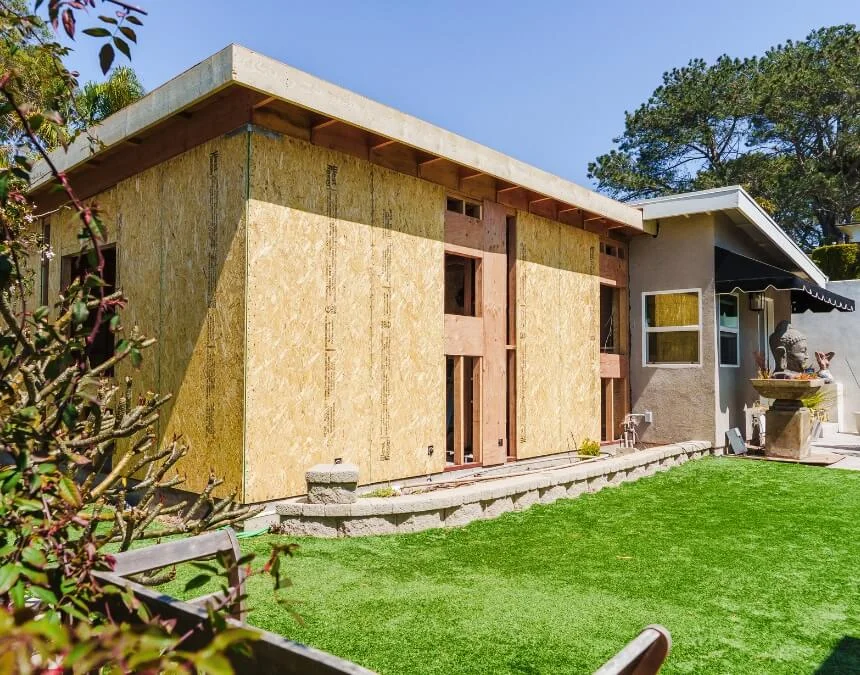
Informed professional guidance can help align housing goals with coastal protections and support a complete, coordinated ADU application.