

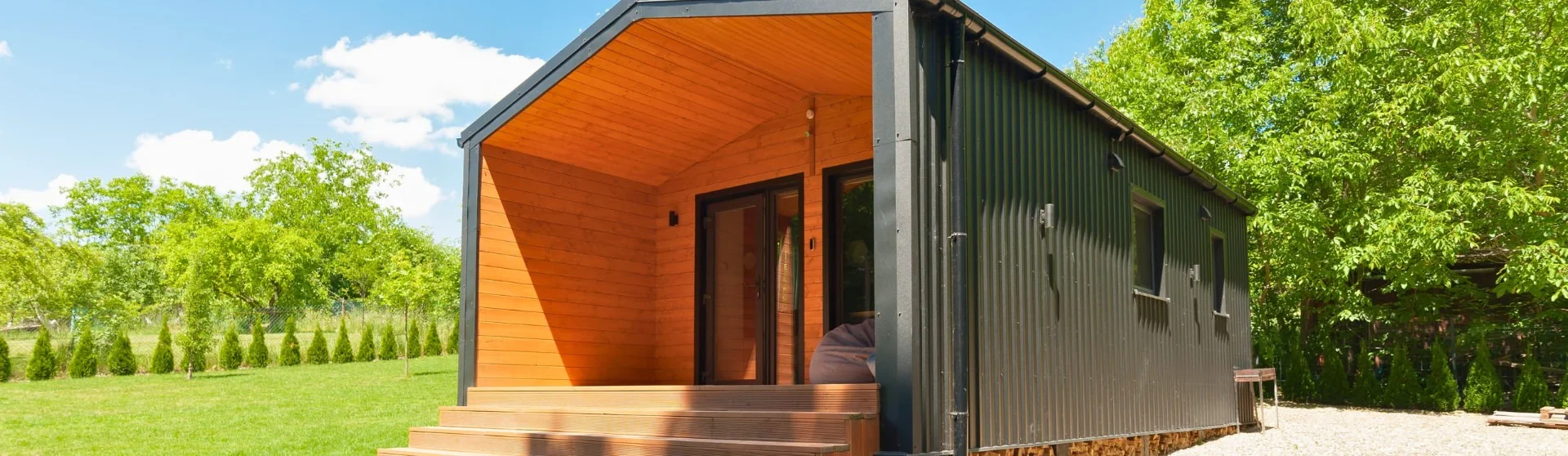
What is a Manufactured ADU?
A manufactured ADU is built off-site in a controlled factory environment, then transported to the property in one or more sections and installed on a foundation. Manufactured housing follows a specific regulatory framework and falls within the broader category of prefabricated construction.
Prefabricated construction involves building components off-site, then delivering them to the final location for assembly or installation.
Prefabricated construction can be either modular or manufactured.
- Modular: Factory-built sections are delivered and assembled on-site under applicable building codes.
- Manufactured: A factory-built home is delivered in one or more sections under federal manufactured-housing standards.
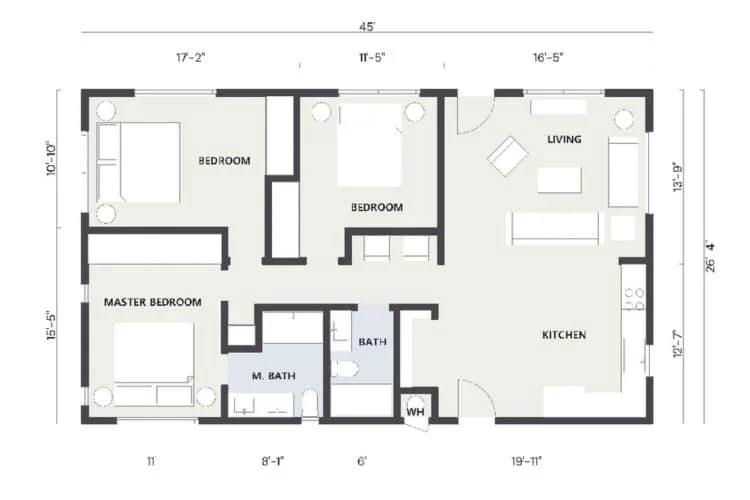
Modular homes come in a variety of shapes and floor plans, while manufactured homes typically have rectangular floor plans.
- Single-wide manufactured homes: A single-section unit whose dimensions and floor area vary by model. Verify whether the proposed size meets applicable ADU limits and site requirements. ADU size in most California cities.
- Double-wide manufactured homes: A home combining 2 factory-built sections. Some models measure between 1800 and 2400 square feet, which may exceed applicable ADU size limits.
The pros of choosing a manufactured ADU include:
- Lower construction costs
- Faster construction time
The cons of manufactured homes include:
- Limited customization options
- Returns that depend on project costs and local demand
- Financing options that vary by foundation, title classification, lender, and borrower eligibility
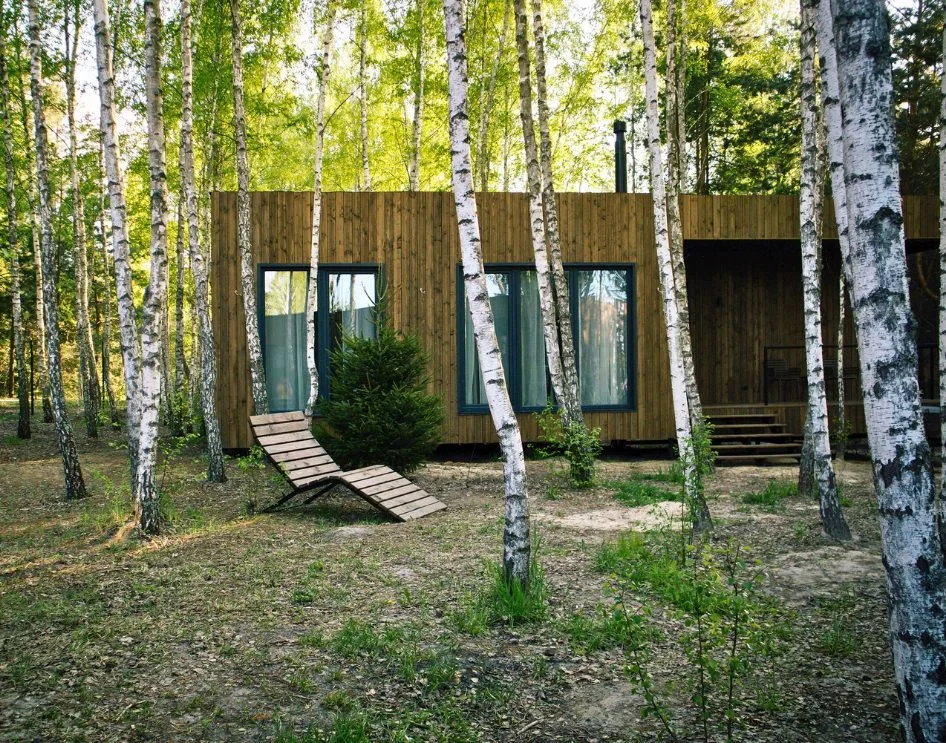
Manufactured ADUs may offer a cost-effective housing option, but design flexibility can be limited. Consider your property’s layout and aesthetic goals before committing.
Can a Manufactured Home be an ADU?
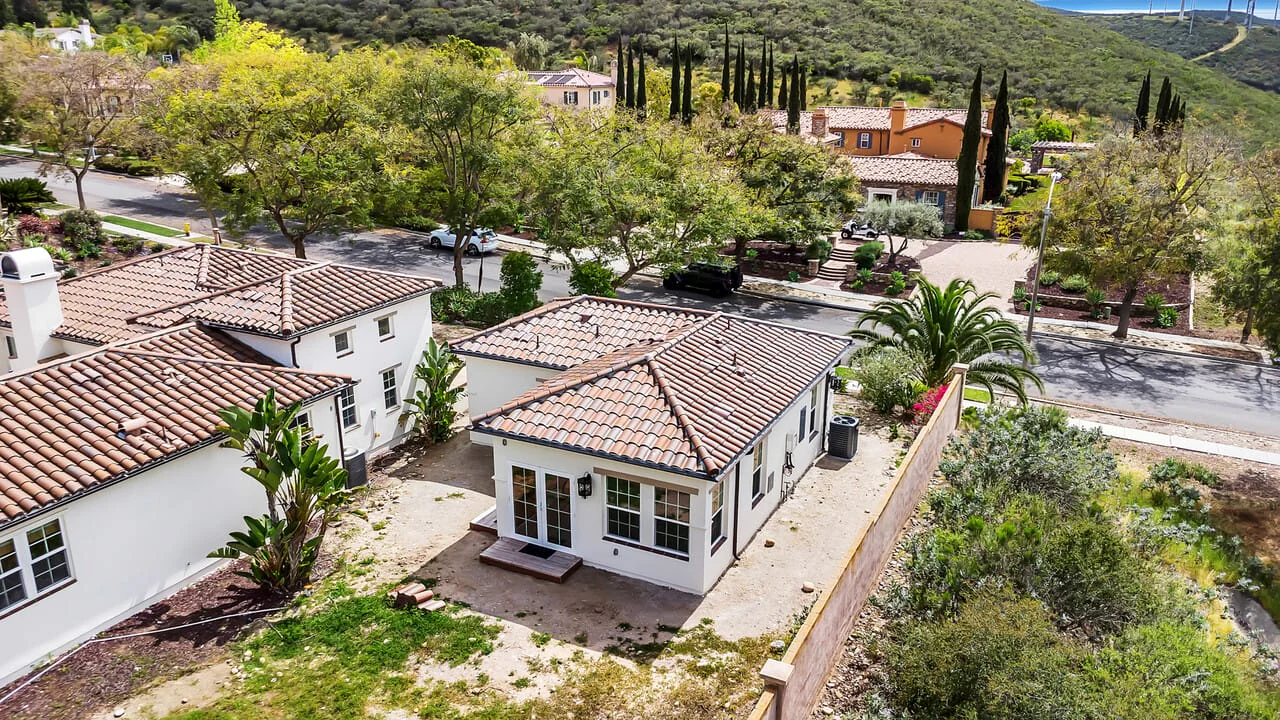
Yes, a manufactured home can qualify as an ADU when it meets applicable requirements. Eligibility depends on state law, installation details, and the property’s location.
A manufactured ADU must meet applicable foundation requirements and provide complete, independent living facilities, including contain a bedroom space, cooking facilities, a bathroom, and independent access. Confirm the allowable floor area rather than assuming a universal 1200-square-foot limit. Applicable zoning, fire-safety, installation, and building requirements also apply, along with all Title 24 requirements.
Local standards may address exterior appearance, placement, and other site-specific details, but those standards must comply with California ADU law. Ask the permitting authority which objective design requirements apply to manufactured housing. HOAs can have similar requirements Do not assume a city or neighborhood can prohibit a qualifying manufactured ADU solely to preserve curb appeal.
California law limits many barriers to ADU construction, including qualifying manufactured housing. Review current state guidance, then contact the building department responsible for your property to confirm applicable requirements.
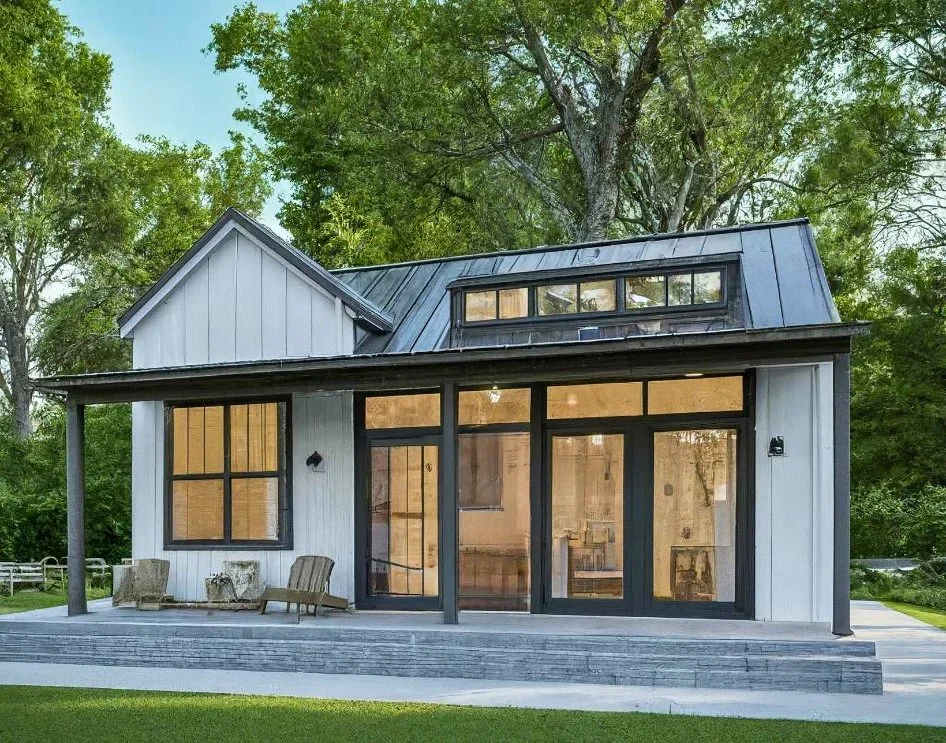
Not every manufactured home qualifies as an ADU. Verify applicable zoning, foundation, installation, and design requirements, including state-law protections, before moving forward.
Are Manufactured Homes Considered Real Estate?
A manufactured ADU installed on a permanent foundation may qualify as real property when it satisfies applicable foundation, installation, and title requirements. In California, confirm the required documentation with the building department and relevant state housing authority. The addition may affect your property’s value and property taxes, but neither its tax treatment nor its investment return follows automatically from the construction method. Ask the Los Angeles County Assessor how the proposed installation would be assessed.
A manufactured home without a permanent foundation may have a different title or tax classification, but that does not automatically make it a tiny home. Manufactured homes, mobilehomes, and tiny homes have distinct definitions and regulatory requirements. Before purchasing a unit, ask local building officials and the relevant state housing authority whether its classification, installation method, and intended residential use are permitted on your property.
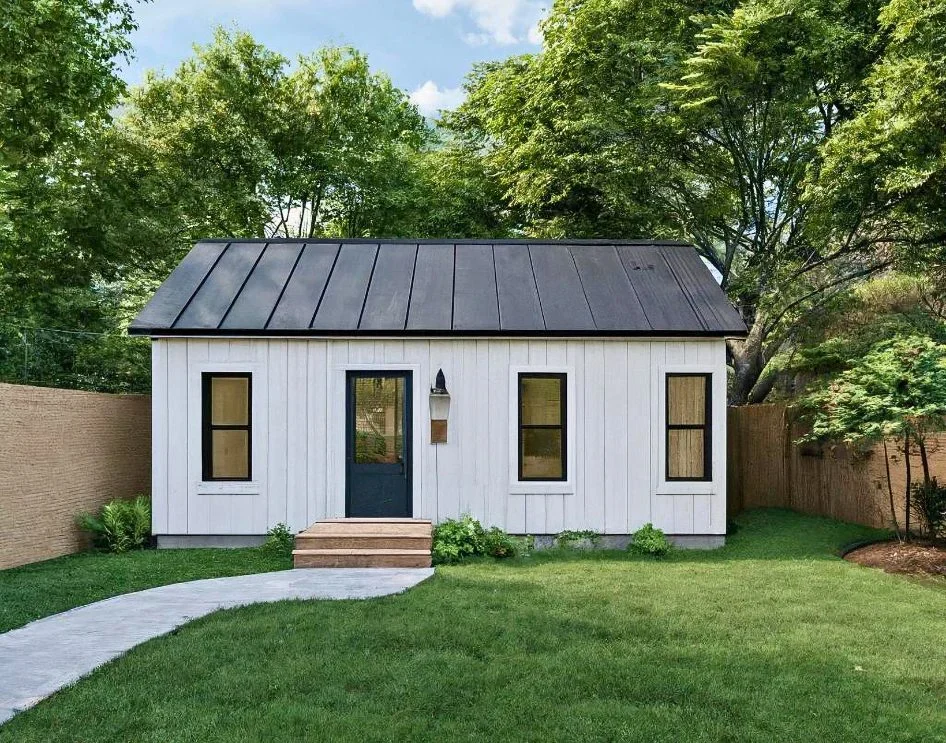
A manufactured ADU may qualify as real property when foundation, installation, and title requirements are satisfied. This classification can affect financing, property taxes, and long-term value. Verify the applicable requirements before investing.
Why Do People Choose to Buy Manufactured ADUs?
Homeowners may choose a manufactured ADU for several reasons, including:
- Potentially lower construction costs. Factory production can reduce labor requirements and material waste by using repeatable processes across multiple homes. These efficiencies may lower the unit’s price compared with a traditional build. However, the total project budget also includes permits, transportation, installation, foundations, and utility connections. Compare complete project estimates rather than assuming a particular labor percentage or guaranteed savings.
- Less disruption to the primary residence. Manufactured ADUs are built off-site and delivered in one or more sections, reducing some on-site construction activity. The property still needs assessments, preparation, foundation work, and utility connections. Concrete placement is only one step; excavation, inspections, curing, and installation also affect disruption. Compare the complete site-work schedule with traditional construction methods.
- The need for additional space sooner. Unexpected circumstances may make additional housing a priority. A homeowner might need to accommodate an aging parent or help an adult child move from the primary residence into an independent home. In these situations, prefab ADUs may help shorten the construction phase, although manufacturing availability, permitting, delivery access, utility work, and inspections still determine when the space can be occupied.
- Limited need for customization. For homeowners who need few changes beyond the basic floor plan, manufactured ADUs can be appealing. Limited variety of floor plans and standardized designs may help control production costs. Review the available layouts, finishes, accessibility features, and upgrade prices to confirm that a standard model meets your needs.
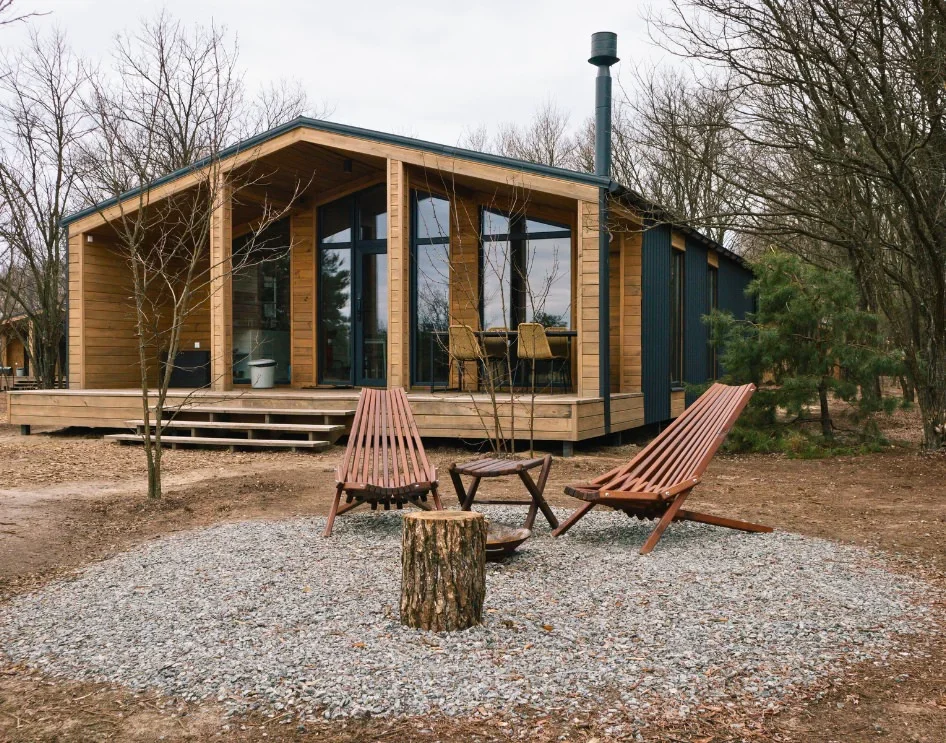
Manufactured ADUs may provide additional space sooner, but design limitations can affect suitability and resale appeal. Evaluate your long-term needs and the complete project schedule before deciding.
Manufactured ADUs vs. Stick-Built ADUs: A Detailed Comparison
Despite potential budget and scheduling advantages, manufactured ADUs are not the right choice for every homeowner. Site constraints, permitting requirements, installation logistics, maintenance considerations, and customization limitations can influence the decision. Depending on your property and intended use, a stick-built ADU may offer a better fit.
One final consideration: even when a manufactured ADU offers lower production costs, transportation can add a substantial expense. Delivery may require specialized trucks, route planning, permits, and lifting equipment to position the unit on your property. Before signing a contract, request an itemized estimate covering transportation, access requirements, installation, and any equipment charges that are excluded from the advertised home price.
| Feature | Manufactured ADUs | Stick-Built ADUs |
|---|---|---|
| Cost | Factory production may reduce building costs; include delivery, foundation, and installation in the budget. | On-site labor, materials, and customization influence total project costs. |
| Construction Time | Factory production can shorten on-site work, but delivery and site preparation affect the schedule. | On-site construction typically takes longer and depends on weather, inspections, and trade coordination. |
| Customization | Layouts and finishes generally follow manufacturer options. | Offers broad flexibility in design, layout, and materials, subject to site and code requirements. |
| Durability & Longevity | Depends on construction standards, materials, installation, and maintenance. Repair options vary by system. | Depends on design, workmanship, materials, and maintenance. Conventional framing can simplify repairs and alterations. |
| Permitting | Local Approval Required. Confirm applicable installation and site requirements, plus plan-check and other charges. | Local Approval Required. Confirm building and zoning requirements. Impact-fee exemptions do not waive all permit charges. |
| Environmental Impact | Factory production can reduce material waste; transportation and material choices also matter. | On-site work can generate more waste, but efficient design and material management can reduce impacts. |
| Value | Property value depends on unit classification, installation, quality, and comparable local sales. | Can add property value, depending on design, construction quality, and comparable local sales. |
| Integration with Property | Standard designs may need careful siting and finish selections to complement the property. | Can be designed to complement the existing home, landscape, and site conditions. |
| Expertise Required | Requires qualified professionals for site preparation, utility connections, delivery, and installation. | Requires skilled contractors familiar with local building requirements and site conditions. |
| Financing Options | Financing depends on unit classification, foundation, project scope, and lender requirements. | May require larger financing options, depending on project scope and lender requirements. |
Key Factors to Consider When Choosing Between Manufactured and Stick-Built ADUs
Ultimately, choosing between a prefabricated accessory dwelling unit and a stick-built ADU generally comes down to 4 key factors: budget, timeline, intended use, and long-term value.
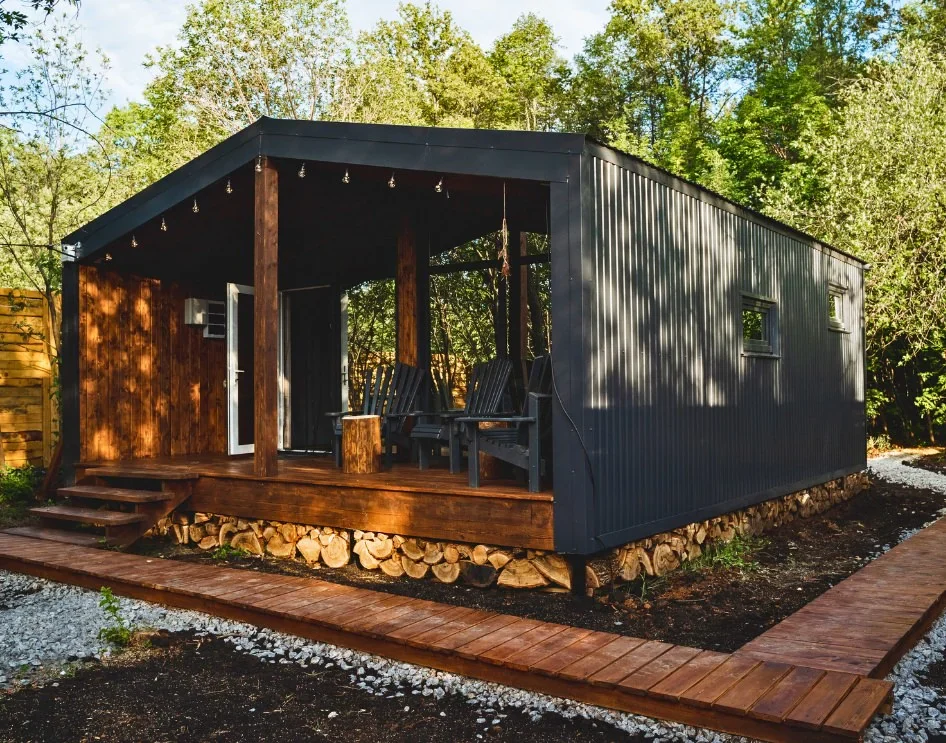
When comparing manufactured and stick-built ADUs, consider budget, schedule, customization, and long-term value. Neither method guarantees greater durability or returns. Compare complete project costs, specifications, and site requirements.
Budget
For homeowners with limited budgets or financing options, a manufactured ADU may provide additional living space, provided the complete installed cost fits their financial plan.
For a useful cost comparison, request an itemized, project-specific estimate for a detached, stick-built ADU that is 1200 square feet will typically cost and a manufactured home of comparable size. Include permitting, foundations, delivery, installation, utility connections, and finishes in both estimates.
Weather resilience depends on a home’s design, construction standards, installation, maintenance, and exposure, not simply whether it is manufactured or stick-built. If your property faces wildfire, flooding, or other hazards, review the proposed unit’s specifications and site protections with qualified professionals. Also ask about insurance availability, replacement parts, and repair access after a damaging event, since these factors can affect service life, recovery costs, and long-term returns.
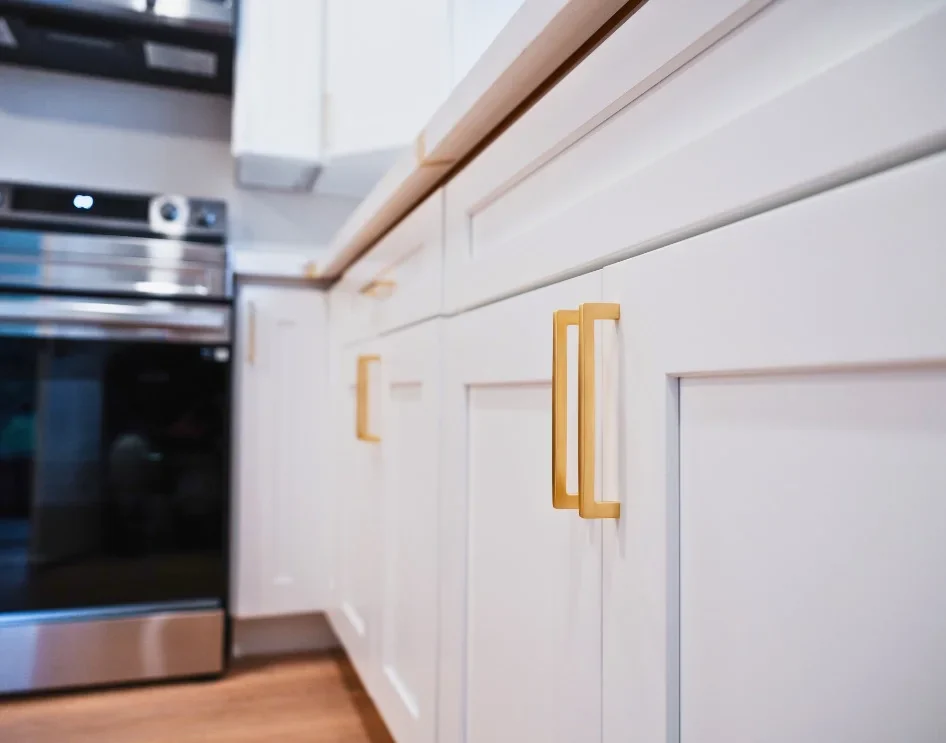
Manufactured ADUs may reduce construction costs, but material quality and installation affect longevity. Choose durable finishes and plan regular maintenance to support long-term value.
Timeline
If you need additional housing quickly, a manufactured home may shorten the building phase because production occurs off-site. However, ordering a unit does not establish a move-in date. Confirm factory availability, plan review, site preparation, delivery, installation, utility connections, and final inspections before deciding whether the complete schedule meets your needs.
For a stick-built custom floor plan, request a project-specific schedule rather than relying on a general completion estimate. The timeline should cover design, our initial consultation, permitting, construction, utility coordination, and inspections. Ask which activities can overlap and which depend on agency review, site conditions, or material availability before setting a target move-in date.
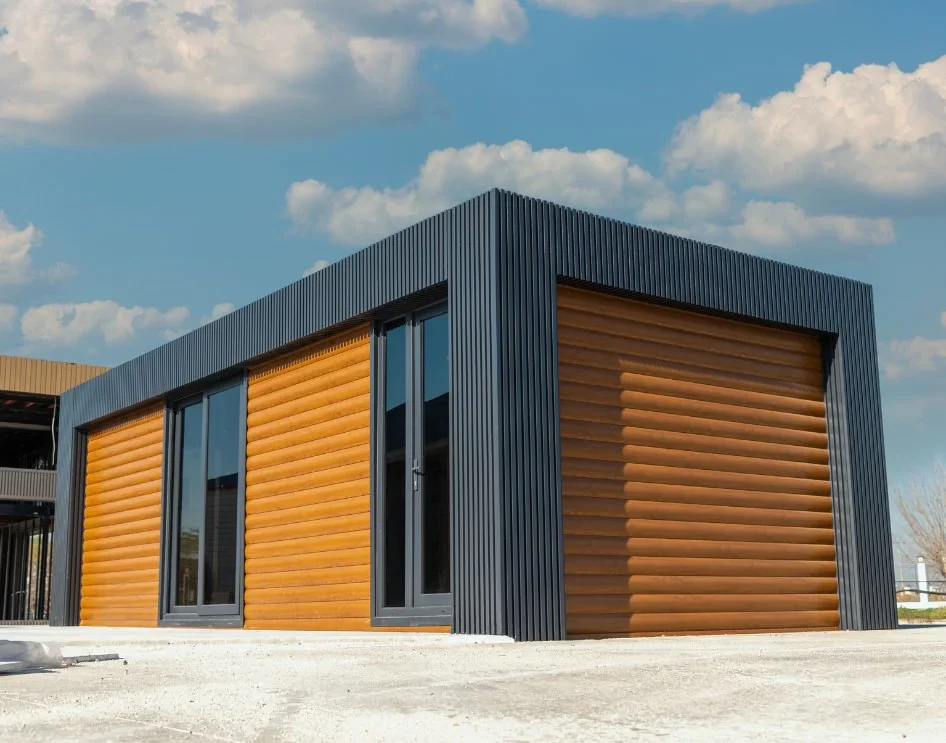
For a manufactured ADU rental, durable finishes and functional layouts may improve tenant appeal. Compare local rentals and applicable rental regulations before setting income expectations.
Intended Use
A manufactured accessory home may serve as a granny flat, guest house, flexible living space, or home office. To qualify as an ADU, it must still provide complete, independent living facilities. If rental income is your goal, assess comparable properties, operating costs, and applicable rental rules before estimating achievable rent.
Limited layout and finish choices may affect renter interest, but construction method alone does not determine demand. In a market such as Los Angeles, compare nearby rentals for design, condition, privacy, amenities, and access rather than assuming tenants universally prefer a traditionally built home.
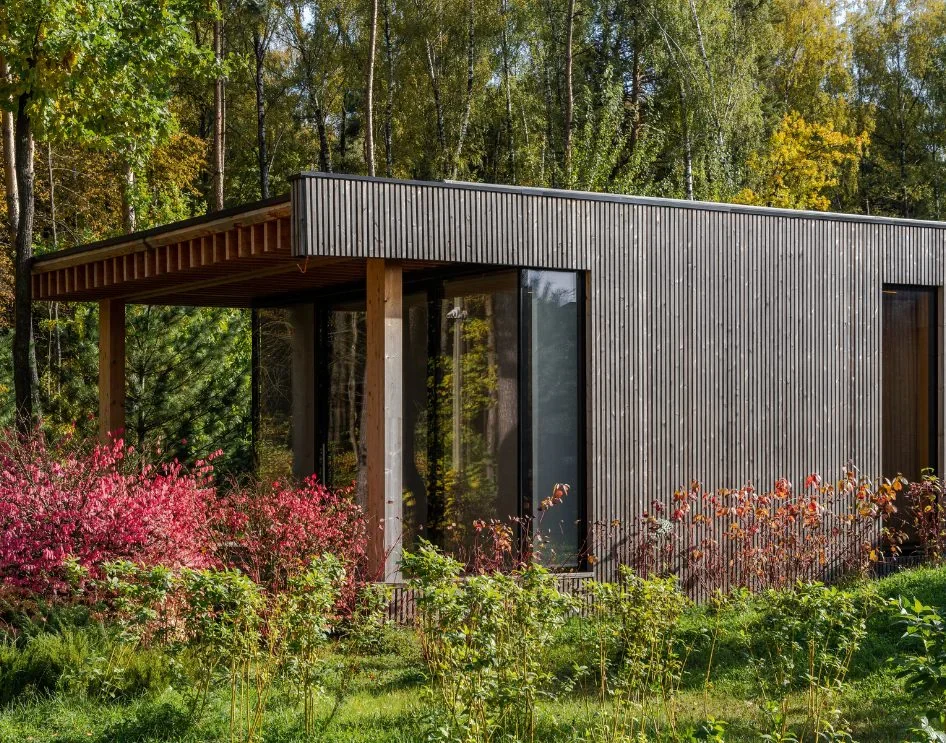
Manufactured ADUs may shorten on-site construction. Include permitting, transportation, site preparation, installation, and utility work in your budget and schedule to reduce unexpected costs and delays.
Long-Term Value
Manufactured homes may have lower upfront costs, but maintenance and repair needs vary by model, materials, installation, and use. Compare warranties, service access, and replacement-part availability with those of a custom, stick-built ADU.
An ADU’s effect on property value depends on its quality, legal status, location, and local buyer demand, not construction method alone. Treat as much as 35% as a claim requiring property-specific appraisal support. Any increase in resale value is not pure profit; account for construction, financing, maintenance, and selling costs.
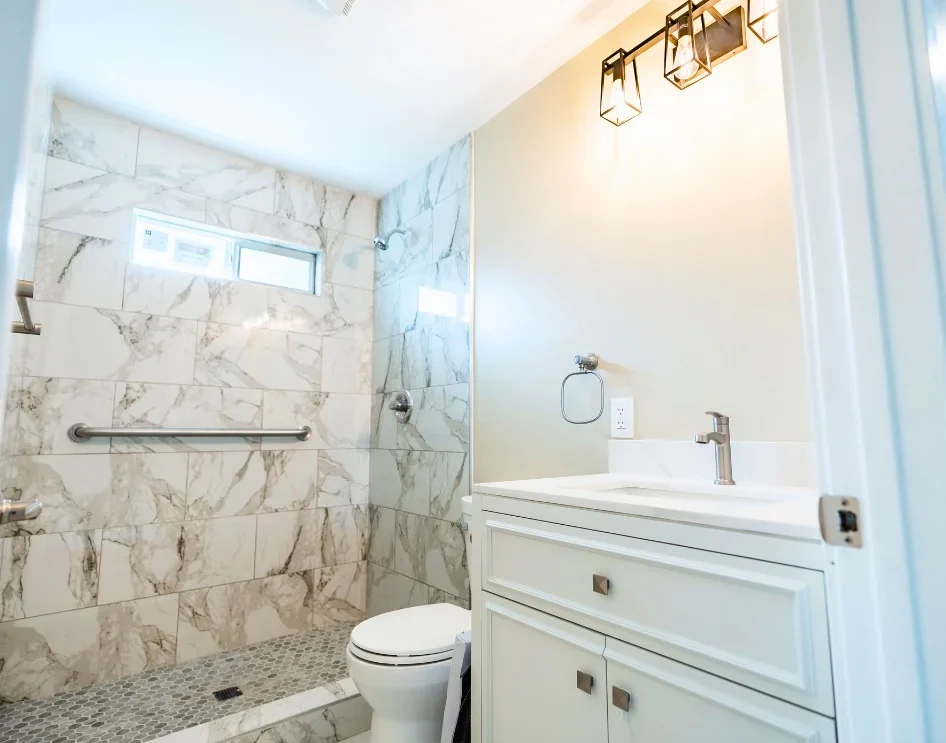
Neither stick-built nor manufactured ADUs guarantee stronger returns. If long-term appreciation matters, compare construction quality, maintenance needs, total project costs, and local market evidence.
FAQs About Manufactured ADUs
Manufactured-home costs in Los Angeles vary by size, features, and site conditions. Request current quotes distinguishing the unit price from the total installed ADU cost.
Compare the complete manufactured-ADU estimate with quotes for a custom detached ADU or garage conversion. Differences in foundations, utility work, access, and existing conditions can change which option costs less. You can also learn more about ADU costs here.
Yes, installing an ADU requires permits and approvals from the authorities responsible for your property and the proposed work.
A well-maintained manufactured home may remain usable for decades, but no single lifespan applies to every unit. Materials, installation, moisture control, and ongoing maintenance all matter. Fire, flood, wind, and other hazards can damage any home, so evaluate site exposure and the model’s specifications rather than assuming manufactured housing will always last less time than stick-built construction.
Making the Right Choice for Your ADU in Los Angeles
When discussing building accessory units with Uni Construction, ask how your budget, preferred timeline, and design priorities align with your property’s requirements. Request a clear scope, itemized estimate, and project-specific approval plan. To explore the options for your ADU project, schedule a free consultation.