

Quick takeaways
- Best-fit accessory dwelling unit (ADU) financing: preserve the low-rate first mortgage on your primary residence and borrow against equity through a HELOC or home-equity loan, or explore construction/renovation financing that considers the after-improvement appraised value. (NerdWallet)
- Local assistance: ask the Los Angeles Housing Department whether any current ADU financing or technical-assistance programs apply to your property. Confirm funding availability, interest rates, repayment terms, and affordability restrictions before including assistance in your budget. (Los Angeles Housing Department)
- CalHFA $40,000 ADU Grant Program: funding was fully allocated as of December 28, 2023. Check CalHFA’s current notices for future rounds when developing your financing plan. (CalHFA)
- Fees: ADUs 750 sq ft or less are generally exempt from impact fees under state law; school fees may apply above 500 sq ft. Confirm applicable charges during permitting. (HCD ADU Handbook 2025)
- Costs: Obtain itemized Los Angeles construction costs estimates based on scope, site conditions, utilities, and finishes rather than relying on a universal local price range. (Platform/Ikkonic - Los Angeles)
Impact-fee threshold note: Under the March 2026 California HCD ADU Handbook, the statewide development-impact-fee exemption includes ADUs with 750 sq ft of interior livable space or less. Above 750 sq ft, applicable impact fees must be proportional. School, utility, plan-check and permit charges follow separate rules.
Los Angeles–Specific Programs & Grants
Los Angeles Housing Department ADU Finance Program (City of Los Angeles)
What to check: Ask the Los Angeles Housing Department about current ADU financing and technical assistance for owner-occupants. Confirm income eligibility, funding availability, and construction-to-permanent options before relying on assistance for a multigenerational in-law suite/guest house. (Los Angeles Housing Department)
Key terms to verify: Confirm maximum loan amounts, construction and permanent interest rates, repayment and maturity dates, loan-to-value limits, affordability-covenant duration, income-based rent limits, and any restrictions on renting to relatives with the administering agency. (Los Angeles Housing Department)
Eligibility: Verify current household-income limits, owner-occupancy requirements, eligible property types and city boundaries, minimum credit scores, and application or closing fees with the relevant agency and lender before applying. (Los Angeles Housing Department)
Tip: If local assistance is available, compare its borrowing costs and restrictions with conventional financing for your costs; confirm whether combining assistance with a small home equity line of credit (HELOC) is permitted.
CalHFA $40,000 ADU Grant (statewide)
Status: CalHFA reported that ADU Grant Program funding was fully allocated as of December 28, 2023. The program previously reimbursed up to $40,000 for predevelopment and certain closing costs. Check current CalHFA bulletins for funding updates and application availability. (CalHFA)
ADU Bonus (Density) Program - City of Los Angeles
What to check: Ask the planning department for your property’s jurisdiction whether any ADU density-bonus provisions apply. Verify permitted unit counts, affordability covenants, transit-related criteria, zoning requirements, and review procedures before incorporating additional units into your design or financing plan. (City of Los Angeles)
Policy updates: Verify adopted rules with the relevant planning and building departments, including scale and compatibility, parking, fire safety, affordability-covenant enforcement, and any local implementation of AB 1033 for separate ADU sales. Distinguish enacted requirements from proposals awaiting action. (City memo)
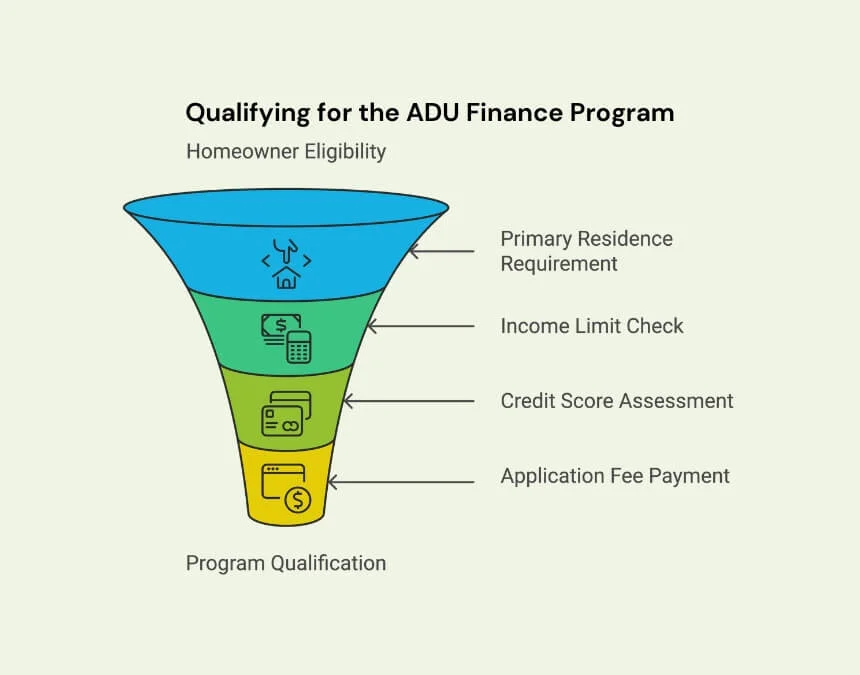
Prequalify before paying design fees: verify owner-occupancy, income and credit requirements, available construction rates, and whether a small HELOC can cover overruns without violating lender or assistance-program rules.
Core Financing Options
HELOC (Home Equity Line of Credit)
What it is: A HELOC is a revolving Home Equity line of credit secured by your main house. Draw funds as needed during design and construction, and generally pay interest only on the amount borrowed during the draw period. Your existing first mortgage remains intact; HELOC rates are typically variable. (CFPB overview)
Best for: Preserving a low-rate first mortgage while flexibly funding an ADU, accessory apartment, or backyard cottage. (NerdWallet on ADU financing paths)
Watch-outs: Rates are typically variable. Verify the margin, rate caps, and repayment terms, including any interest-only period, with your lender. (CFPB)
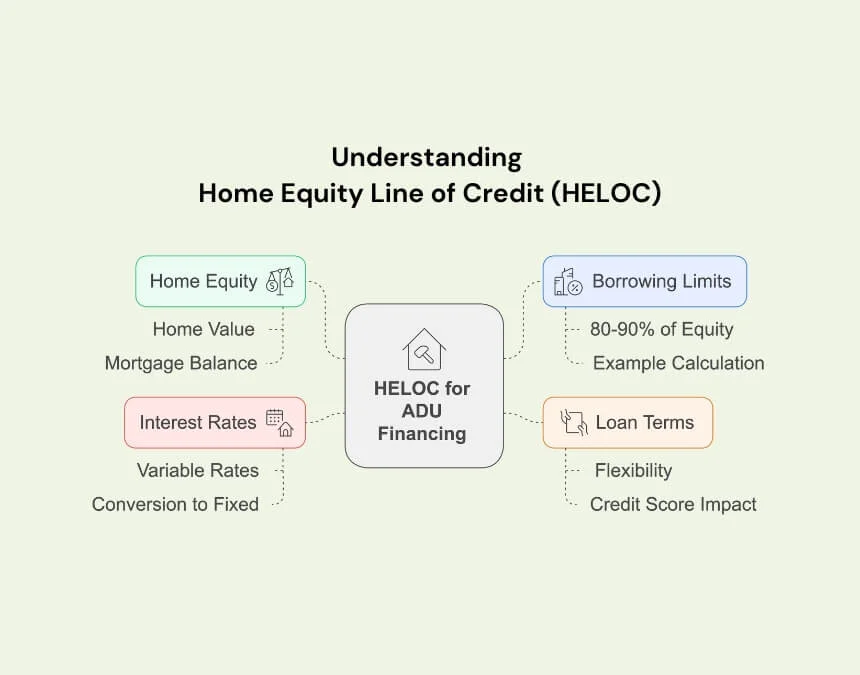
Preserve a favorable first-mortgage rate with a HELOC, coordinate draws with your construction schedule, and ask whether fixed-rate conversion options can limit exposure to rising rates.
Home-Equity Loan (Fixed-Rate Second)
What it is: A home-equity loan is a lump-sum second mortgage, typically with a fixed rate and predictable payments. It does not replace your first mortgage. (Investopedia explainer)
Best for: Homeowners seeking predictable payments while keeping their current first mortgage and adding a ADU for multi-generational living or home office.
Watch-outs: Borrowing capacity depends on the appraisal and the lender’s combined loan-to-value (CLTV) limits; rates are often higher than those on first mortgages. (Investopedia)
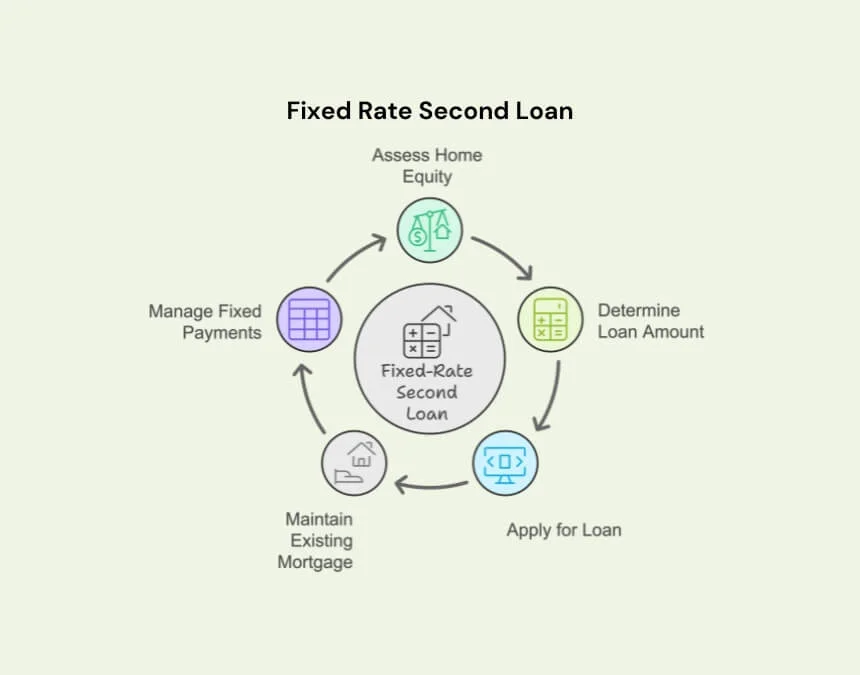
A home-equity loan offers predictable payments while preserving your low-rate first mortgage. Confirm the appraisal and CLTV limit early, then align payments with your ADU construction timeline.
Cash-Out Refinance
What it is: A cash-out refinance replaces your existing mortgage with a larger first mortgage and provides the available difference in cash for your ADU, leaving one loan and one payment at the new terms. (NerdWallet ADU financing guide)
Best for: Owners already planning to refinance or needing a substantial lump sum for utility connections, construction, and finishes.
Watch-outs: Your new rate may exceed your current rate. Include closing costs and calculate the break-even point before refinancing. (NerdWallet)
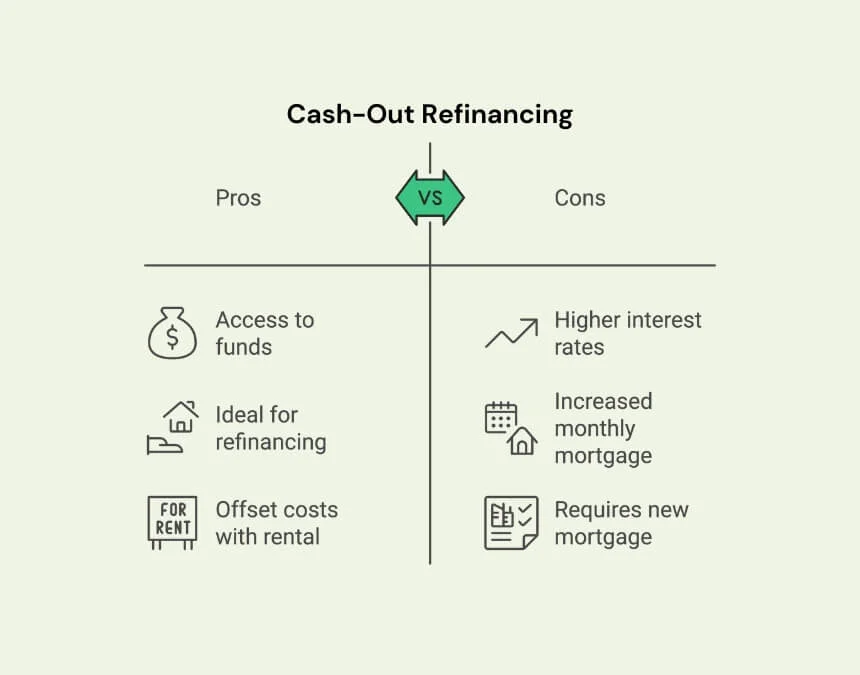
Calculate the break-even point using added interest, closing costs, and conservative net rental projections. If your first-mortgage rate is low, compare second-mortgage options before refinancing.
Construction Loan (Construction-to-Permanent)
What it is: A construction-to-permanent loan funds construction through milestone-based draws and considers the home’s after-improvement value. After completion, it converts to a permanent mortgage, often replacing your existing first mortgage. (NerdWallet)
Best for: Homeowners with limited equity or projects exceeding current equity-based borrowing limits, including ADU conversions and detached residential units.
Watch-outs: Expect additional documentation, inspections, and closing requirements. Coordinate draw schedules, contingency funds, and lender requirements with your builder or project manager.
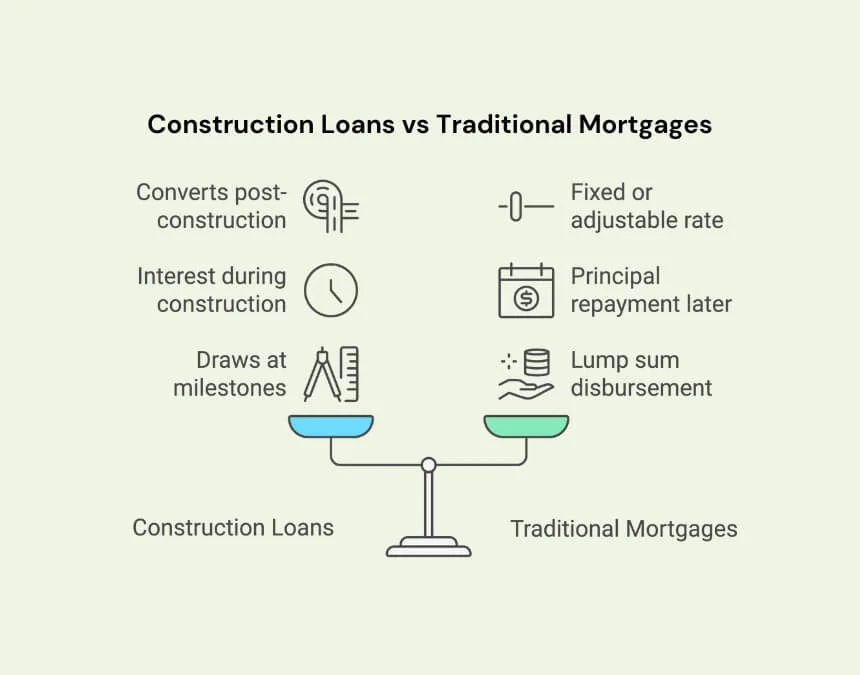
Limited equity? Explore construction-to-permanent financing based on after-improvement value. Prepare required stamped plans, an itemized budget, and a general contractor’s contract to support underwriting and draw reviews.
Renovation Loans (FHA 203(k) / Fannie Mae HomeStyle®)
What it is: Renovation mortgages combine a purchase or refinance with renovation funding and may qualify borrowers using future value. Common options include FHA 203(k) and Fannie Mae HomeStyle® Renovation. (NerdWallet, HUD 203(k) overview, Fannie Mae HomeStyle)
Best for: Buying a single-family home with plans to add an ADU or financing an eligible ADU project when existing equity is limited.
Watch-outs: Confirm ADU eligibility, contractor requirements, mortgage insurance and fees, documentation, and timing for local plan review and inspections.
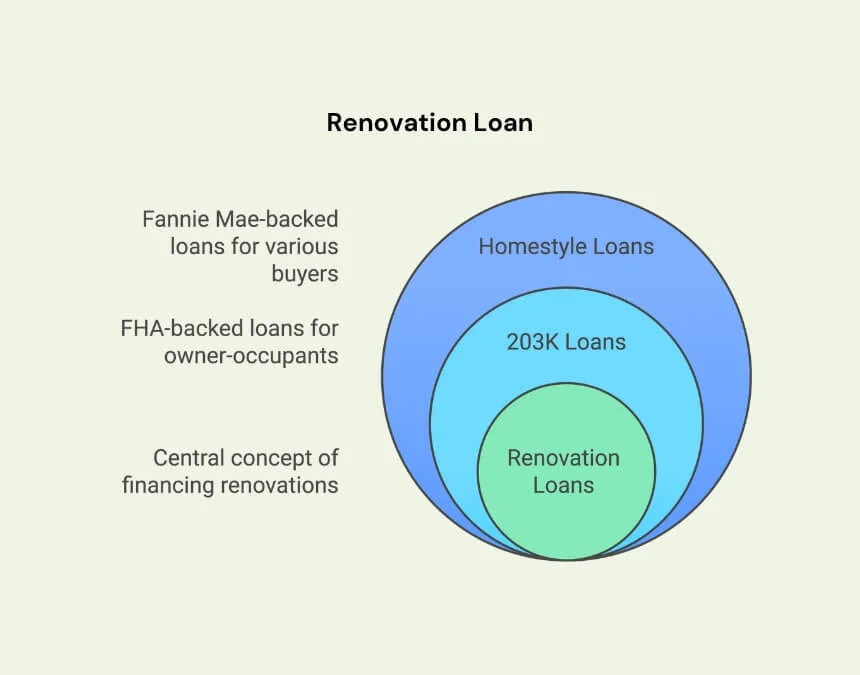
Consider renovation financing for an eligible purchase-plus-ADU project or limited equity. Future-value underwriting may help, but expect contractor oversight, contingency reserves, and inspection-based disbursements.
HECM (Reverse Mortgage, 62+)
What it is: A HECM lets eligible homeowners age 62 or older access equity without monthly mortgage payments. Repayment generally follows sale, loss of qualifying occupancy, or death, subject to co-borrower and eligible-spouse protections. (HUD HECM basics)
Best for: Eligible older homeowners considering an ADU for caregiving, on-site downsizing, or rental income, after confirming how occupancy requirements affect their plans.
Watch-outs: Interest and fees accrue, reducing equity. Required counseling, property taxes, insurance, maintenance, and qualifying occupancy obligations still apply. (HUD)
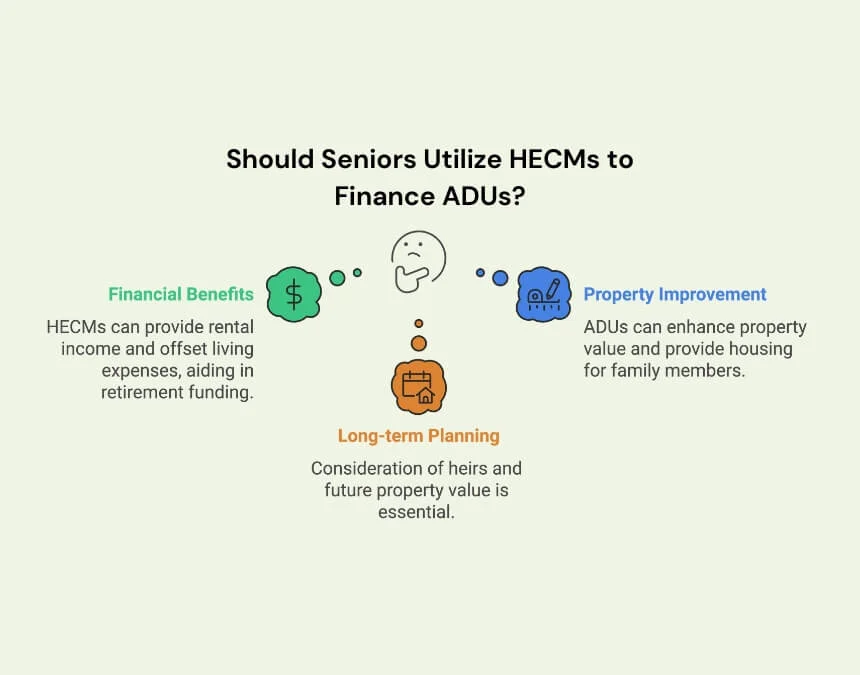
A HECM may help fund an ADU without monthly mortgage payments. Review accruing costs, involve heirs, and verify occupancy obligations before relying on downsizing or rental-income plans.
Costs, Fees & What To Budget (Los Angeles)
- Build-cost planning: Obtain itemized estimates for a turnkey detached ADU rather than assuming a universal per-square-foot price. Scope, site work, utility connections such as sewer and electrical service, finishes, supply-chain conditions, and energy-efficient upgrades requirements such as solar PV can affect the total. Review the Los Angeles market snapshot against current project-specific bids. (Platform guide)
- Impact fees: State law generally exempts ADUs 750 sq ft. or less For larger ADUs, applicable impact fees must be proportional to the primary dwelling’s floor area. Confirm current rules and assessments with the permitting authority. (CalHCD ADU Handbook, 2025)
- School fees: District charges may apply when the ADU’s fees when an ADU exceeds 500 sq ft. Confirm the district’s current fee schedule and payment requirements before permit issuance. (CalHCD ADU Handbook, 2025)
Caution: Underestimating your ADU will cost budget can disrupt financing. Obtain an itemized construction estimate, include site work and contingencies, and confirm that the lender’s approved amount covers the full scope before committing. (Maxable)
Compare Your ADU Financing Options (quick table)
| Option | Best for | How funds are delivered | Can keep low-rate 1st? | Typical constraints |
|---|---|---|---|---|
| HELOC | Flexible draws, phased work | Revolving line; draw as needed | Yes | Variable interest; subject to lender combined loan-to-value (CLTV) limits. |
| Home-equity loan (fixed 2nd) | Predictable monthly payments | Lump sum; fixed rate | Yes | CLTV limits; rates often higher than first-lien mortgage rates. |
| Cash-out refinance | One payment, larger budget | Lump sum at closing | No (replaced) | Current market rate replaces existing rate; closing costs apply. |
| Construction → permanent | Limited equity, substantial construction | Milestone draws; converts to permanent financing | Usually not | Additional documentation and inspections; conversion terms vary; based on after-improvement value. |
| 203(k)/HomeStyle® | Purchase or refinance with an ADU | Funds based on after-improvement value | No (purchase or refinance) | Program-specific ADU eligibility, contractor requirements, mortgage insurance, and fees. |
| Local ADU financing assistance | Owners who meet available program criteria | Funding and disbursement depend on the program | Varies by lien requirements | Confirm Los Angeles availability, income eligibility, affordability restrictions, and lender requirements. |
How to Choose
- Decide whether to keep your first mortgage. If its rate is favorable, compare a home equity line of credit (HELOC) with a home-equity loan. Both can preserve your existing first mortgage, although second-lien rates, fees, and repayment terms require careful review. (NerdWallet)
- Compare your budget with available equity. If lender CLTV limits cannot cover the project, consider construction or renovation loans that use after-improvement value and release funds through draws, including the refinance-plus-renovation options outlined by NerdWallet.
- Check local assistance. Ask the relevant housing authority whether Los Angeles assistance is available for your property. Verify funding, borrowing costs, affordability covenants, and eligibility for conversion or detached ADUs before including assistance in your financing plan. (Los Angeles Housing Department)
Pro Tips
- Preserve a favorable first-mortgage rate when practical. Compare HELOCs and home-equity loans with refinancing, accounting for second-lien interest rates, closing costs, and repayment terms rather than assuming one option is always cheaper. (NerdWallet)
- Budget accurately before applying. An understated ADU will cost estimate can delay underwriting or leave a funding gap. Request itemized bids covering site work, utilities, permits, finishes, and contingencies, then reconcile the full budget with lender requirements. (Maxable interview)
Start Your ADU Project with Uni Construction
Request a site assessment and financing discussion before paying design fees. Align your scope, anticipated timeline, and potential funding options by comparing HELOCs, home-equity loans, refinancing, and construction financing. Review options that consider after-improvement value, including eligible HomeStyle® Renovation and FHA 203(k) projects, with a qualified lender. Ask the relevant housing authority about current assistance, and confirm fees and permitting requirements with the appropriate jurisdiction to develop a realistic budget. Loan eligibility and approval depend on the lender and program. To get started, contact Uni Construction through our Contact Us page.
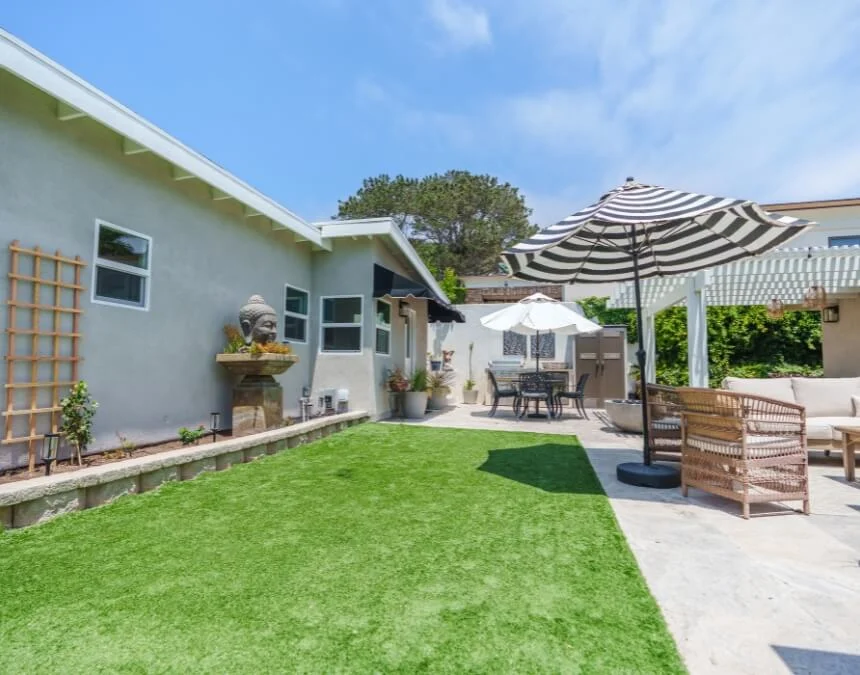
Pro tip: Schedule a consultation before paying design fees. Match your scope to a potential financing path, compare equity loans and refinancing, and verify assistance, fees, and permits to keep your ADU budget realistic.
FAQs About ADU Financing
There is no single best loan product; the right choice depends on your equity, current interest rate, and project budget. If you have a low-rate first mortgage and sufficient equity, a home equity line of credit (HELOC) or fixed-rate home-equity loan can preserve that mortgage. If equity is limited or you need staged funding, explore construction financing or an eligible renovation mortgage, such as Fannie Mae HomeStyle® Renovation or FHA 203(k), that considers after-improvement appraised value. Los Angeles homeowners should also ask the Los Angeles Housing Department whether any current assistance applies to their property and circumstances.
Prefab construction can shorten some design and building stages and may reduce costs, but the total budget still depends on site work, utilities, permits, and finishes. For Los Angeles projects, obtain site-specific estimates for both prefab and site-built options. A garage conversion may cost less if the existing structure is suitable. Compare equivalent scopes, including foundations, utility connections, fees, and interiors, before deciding.
CalHFA reported that its statewide $40,000 ADU Grant funding was fully allocated as of December 28, 2023. Check current CalHFA notices for application availability and future funding rounds. For local assistance, contact the housing authority serving your property rather than assuming another jurisdiction’s program applies.
An attached addition may cost less per square foot when it can share structure and utilities with the main home. An ADU can cost more because it provides complete, independent living facilities, including a kitchen and bathroom, and may require additional utility work. It may also provide rental income and qualify for California’s impact-fee exemption for ADUs 750 sq ft. or less The appropriate choice depends on your goal: expanding household living space or creating an independent dwelling, subject to site conditions, permitting requirements, and applicable rental rules.