

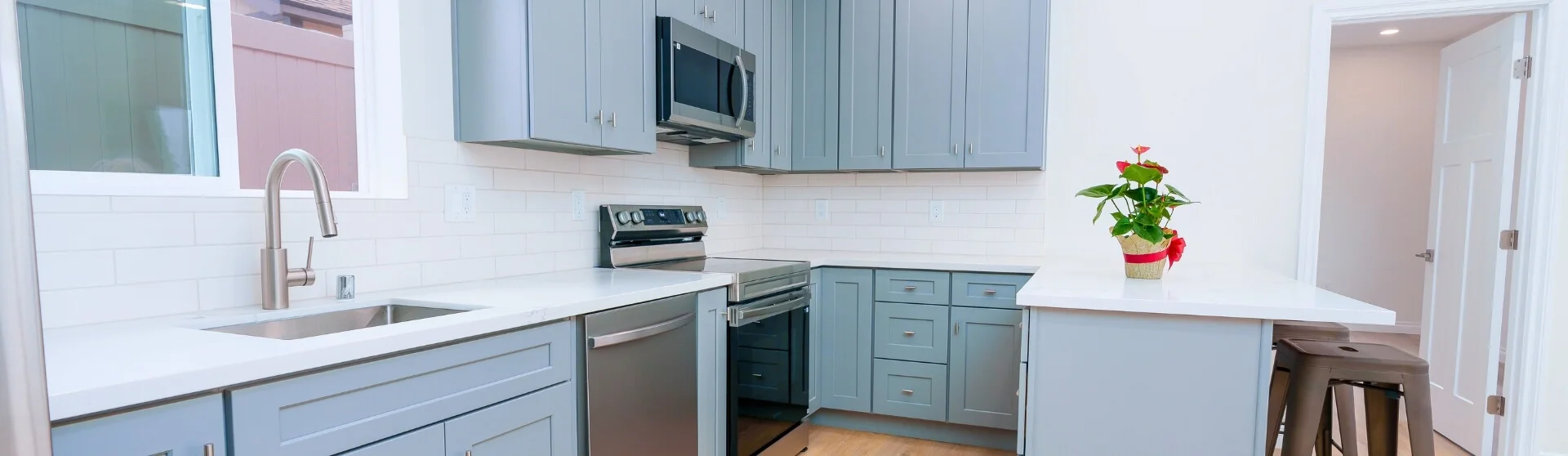
What Is ADU Financing?
ADU financing is the process homeowners use to fund the design, permitting, and construction of an accessory dwelling unit, whether it is a backyard cottage, granny flat, garage conversion, or another form of independent living space. Financing options may include home equity loans, fixed-rate loans, home equity lines of credit (HELOCs), construction loans, renovation loans, or alternatives such as shared-equity agreements and crowdfunding.
Together, these financing options help California homeowners pursue ADU projects, including those involving Los Angeles homeowners build ADUs, that support multigenerational living and potential rental income. Research organizations such as the Terner Center for Housing Innovation and USC Lusk Center, along with CalHFA, the Casita Coalition, and federal housing policymakers, offer resources on financing and housing access. Check the jurisdiction and relevance of Los Angeles, and evaluate how ADU financing to meet California’s housing addresses your household’s needs.
Why ADU financing matters in California & Los Angeles
- Check statewide ADU production figures and the reporting year before using the 1-in-5 estimate. (California YIMBY)
- Obtain a site-specific Los Angeles ADU cost estimate. (Uni Construction)
- Ask an appraiser to evaluate any potential resale premium. (Porch)
- Research comparable Los Angeles ADU rents and operating expenses. (Uni Construction)
- Verify the reported 19% share of new California homes in 2022 against the original dataset. (California YIMBY)
ADU financing includes the loans, equity-based products, and eligible incentives homeowners use to cover construction costs for an ADU, including accessory dwelling unit. Whether the project is a detached backyard unit, an internal ADU, or a garage conversion on a single-family property, financing may involve HELOCs, refinance loans, renovation loans, or locally available assistance. These funding options help homeowners pay for building plans, permits, and utility connections while creating independent living space for family members, other occupants, or rental use.
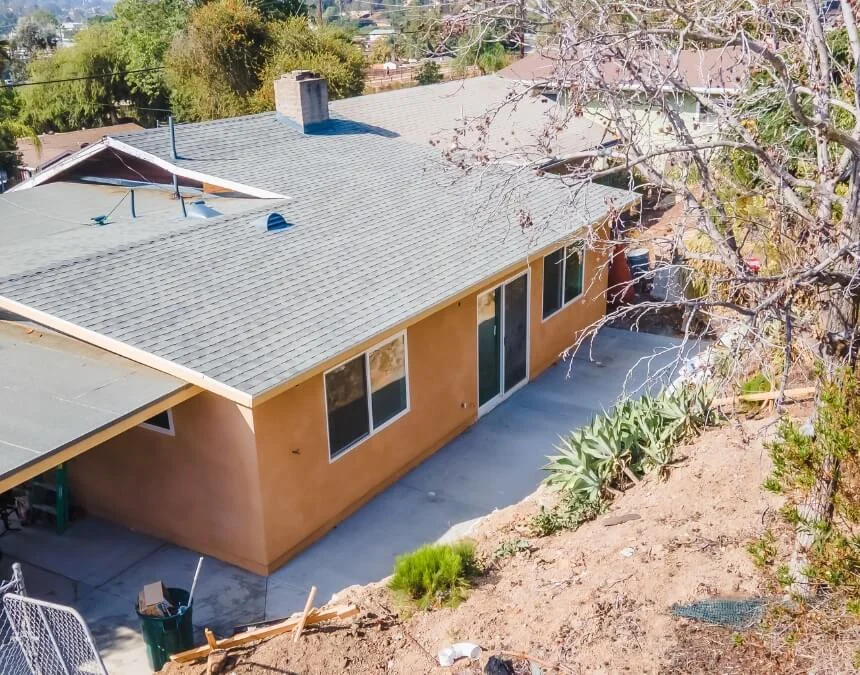
ADU financing is easier to evaluate with clear plans and a defined scope. Start with a builder’s estimate before choosing a loan type.
Impact-fee threshold note: Under the March 2026 California HCD ADU Handbook, the statewide development-impact-fee exemption includes ADUs with 750 sq ft of interior livable space or less. Above 750 sq ft, applicable impact fees must be proportional. School, utility, plan-check and permit charges follow separate rules.
What Does It Cost to Build an ADU in California?
Building an ADU in California requires a project-specific budget rather than a single statewide price range. If using design research from Jean Prescott Studio, check its publication date, project sizes, and included expenses. For Los Angeles projects, ask your designer and builder to assess labor, materials, code requirements, site conditions, and utility connections. Review any pricing from Uni Construction to confirm whether it covers complete turnkey construction or only part of the work.
Changes in California construction costs can affect materials, labor, design, and site work. Verify any Construction Cost Index comparison for 2021 to 2024, including its source and scope, before applying it to your budget. Whether your project involves ADU is a detached, a backyard unit, a converted garage, or an internal accessory apartment, obtain current quotes and confirm permit fees with the relevant jurisdiction.
Cost Breakdown
Typical ADU budgets include:
- Design and engineering
- City permits and fees
- Site work, including grading, utilities, and trenching
- Construction and labor
- Interior finishes and fixtures
Los Angeles vs. Statewide Costs
For projects involving Los Angeles ADU, compare these site-specific factors before assuming costs will exceed California benchmarks:
- Local labor rates
- Soil and geotechnical requirements
- Utility connection complexity
- Selected finishes and quality expectations
Rather than assuming a $150k starting budget or a $200k-$450k range applies to Los Angeles homeowners more commonly see costs, obtain a detailed estimate covering the actual site and scope.
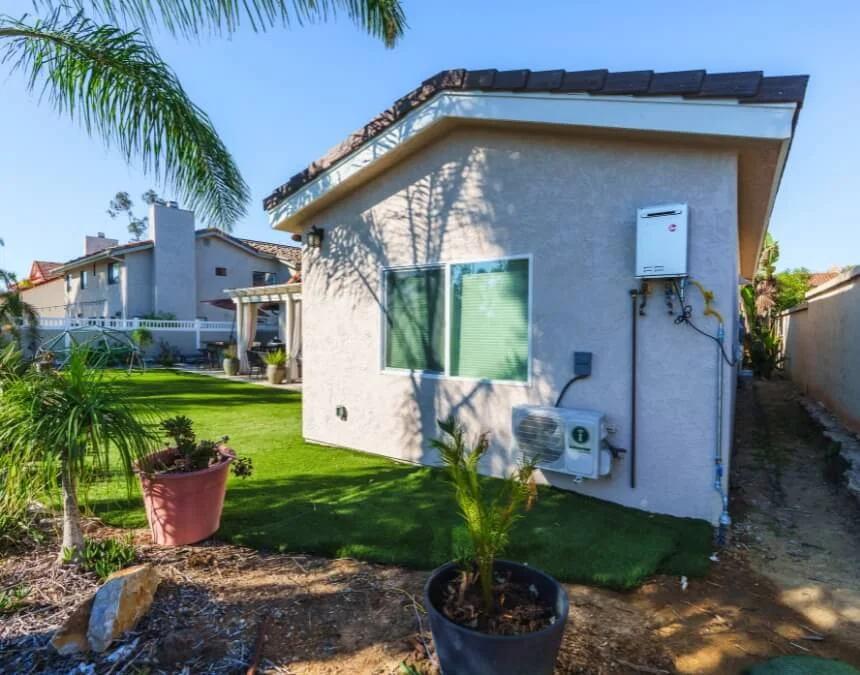
Site work and utility connections can significantly affect costs. Include a contingency early, especially if construction requires trenching or electrical panel upgrades.
What Are the Main Ways to Finance an ADU?
Homeowners can finance an ADU through established loan products, eligible government programs, and alternative private financing arrangements. Many California homeowners consider home equity tools, such as a home equity line of credit (HELOC) or home equity loan, while others choose construction, alongside construction or renovation loans that may use the property’s future appraised value. Depending on program eligibility and lender requirements, these options can fund a detached backyard unit, garage conversion, or internal ADU involving ADU for housing for family members or multi-generational living.
Local financing assistance, including any program referenced by Los Angeles, must be checked with the housing authority serving your property. Confirm current funding, household income limits, equity requirements, and repayment terms before including assistance in your budget. For alternatives to traditional lending, shared-equity agreements, crowdfunding, and private lenders may offer different funding structures, with distinct costs and risks. The following overview covers financing options associated with ADU financing options and the eligibility questions homeowners should investigate.
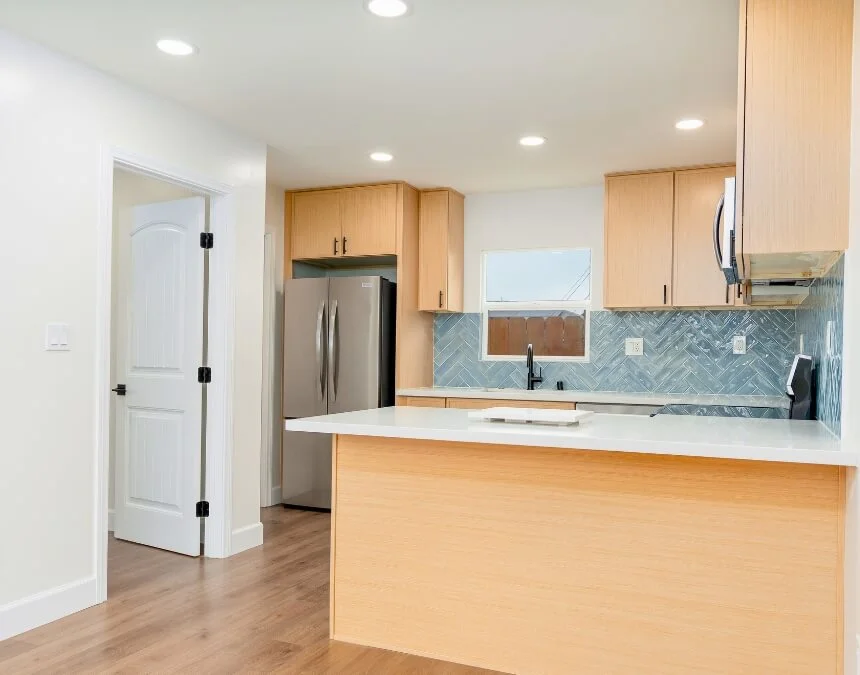
Match financing to your timeline: HELOCs can support phased spending, while construction-to-permanent loans may suit ground-up projects, depending on lender requirements.
1. Home Equity Loans & HELOCs
Home equity loans and home equity lines of credit are common ADU financing options because they let homeowners borrow against existing property equity. Depending on the lender and credit profile, combined borrowing limits may reach 80-90% loan-to-value (LTV). A HELOC can be useful during design, permitting, and construction because funds can be drawn in stages. Some products allow interest-only payments during the draw period, but rates, repayment requirements, and eventual payment increases deserve careful review.
2. Cash-Out Refinance
A cash-out refinance replaces the homeowner’s existing mortgage with a larger loan and provides cash to help build an ADU, such as a garage conversion or an in-law suite for family members. This option may be attractive when current rates are comparable to or below the existing mortgage rate. It can be less appealing for homeowners who want to preserve a low-rate first mortgage. Compare closing costs, repayment terms, and total interest separately from local zoning and permitting requirements.
3. Construction Loans
Construction loans can support homeowners whose existing equity is insufficient for other ADU financing options. Funds are released in stages as work progresses; construction-to-permanent products then convert to a long-term mortgage. These loans may suit ground-up ADUs or eligible projects involving a 2-4-unit property, subject to lender classification. Some lenders seek credit scores around 680+, but equity, down payment, income, appraisal, and documentation requirements vary by lender rather than municipality.
4. Renovation Loans (FHA 203k & Fannie Mae HomeStyle)
Renovation loans may allow homeowners to finance ADU construction using the property’s anticipated value after improvements, which can help households with limited existing equity. These products may support multigenerational housing, accessibility improvements, and eligible ADU construction. A Terner Center analysis reported that 6.3% of surveyed ADU owners used renovation loans; review the study’s date and sample before generalizing. Depending on the program, eligible work may also include energy-efficiency improvements and independent living facilities involving bathrooms required for an internal ADU.
5. Government Programs (Los Angeles Housing Department, CalHFA)
Before relying on a local ADU financing program associated with Los Angeles, confirm its jurisdiction, current availability, loan limits, and technical assistance directly with the administering authority. A program offered elsewhere does not establish eligibility in Los Angeles. At the state level, CalHFA previously offered an ADU grant of up to $40,000 for eligible predevelopment and nonrecurring closing costs. Check CalHFA’s current funding notices rather than assuming grants remain available or that a new allocation is guaranteed.
6. Shared Equity Agreements
Shared-equity financing provides upfront funds in exchange for a contractual share of the home’s value or appreciation. Some products advertise advances of 5-30% and appreciation shares of 25-40%, but terms vary substantially. Monthly payments may not be required, yet settlement obligations, valuation adjustments, fees, and repayment deadlines can be significant. Homeowners considering this alternative to loans should obtain independent advice and compare the total projected cost under several home-value scenarios.
7. Crowdfunding & Private Lending
Crowdfunding may help homeowners raise money for a project involving designing an ADU, whether it serves as a home office, rental unit, or accessory apartment. Before relying on a $50,000-$100,000 funding target or an advertised 8-12% investor return, verify the platform’s terms and legal requirements. Private and hard money lenders may offer $50,000-$500,000 loans with advertised rates of 8-15%, but actual pricing, approval speed, collateral requirements, and repayment risks depend on the lender and project.
Summary Table of ADU Financing Options
| Financing Type | Typical Range / Limit | Best For | Key Stats |
|---|---|---|---|
| HELOC | Based on equity and lender limits | Homeowners with strong equity | Compare variable rates and repayment terms |
| Renovation Loan (FHA 203k / HomeStyle) | Based on projected property value | Homeowners exploring renovation financing | Confirm ADU eligibility and lender requirements |
| Local Housing Assistance Loan | Subject to current program limits | Homeowners who meet program criteria | Verify availability and affordability restrictions |
| Shared Equity | Based on equity and agreement terms | Homeowners seeking alternatives to debt | Review appreciation-sharing and repayment obligations |
| Crowdfunding | Based on campaign and funding terms | Owners with access to potential backers | Confirm securities compliance and investor obligations |
| Private Loans | Based on collateral and lender criteria | Borrowers seeking flexible underwriting | Compare rates, fees, and repayment schedules |
Can I Use Home Equity to Finance an ADU? (HELOC / Home Equity Loan)
Yes. Home equity is a common source of ADU financing. HELOCs and home equity loans let eligible borrowers use existing property equity to cover ADU design, permitting, and construction costs. Approval requirements and interest rates vary, so compare these products with other financing options.
Key Details
- Some lenders allow total borrowing up to 80-90% loan-to-value (LTV), depending on the product and borrower.
- Example: At an 80% combined LTV limit, a $700,000 home with a $400,000 mortgage could support approximately $160,000 in additional borrowing before fees.
- Research from organizations such as Terner Center for Housing Innovation can help explain how California homeowners use cash-out refinances, HELOCs, and home equity loans. Check the study’s date, sample, and definitions before treating its findings as representative of all ADU financing.
Pros of Using Home Equity for an ADU
- Potentially lower interest rates than construction or private loans
- A potentially simpler application process, depending on the lender
- Flexible HELOC draws that can align with construction spending
- No need to replace your first mortgage, unlike a cash-out refinance
Cons of Home Equity ADU Financing
- HELOCs often have variable rates, which can make future payments less predictable
- Financing generally adds a second lien, affecting borrowing capacity and foreclosure risk
- Sufficient existing equity is required, limiting access for homeowners with newer or highly leveraged mortgages
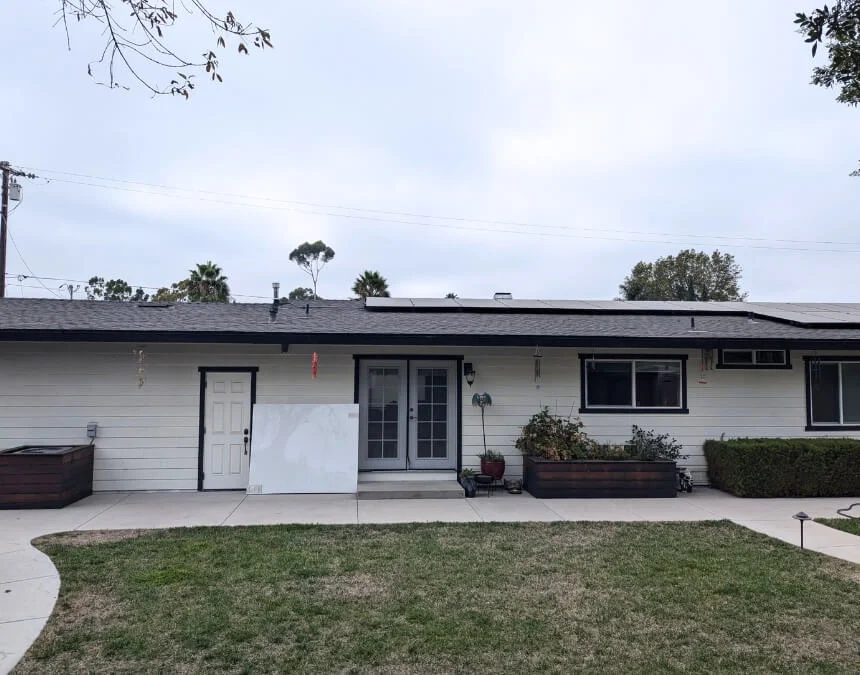
Before applying for a HELOC, calculate your combined loan-to-value ratio. More available equity may improve your borrowing options, rates, and approval terms.
How Does a Cash-Out Refinance Work for an ADU?
A cash-out refinance replaces your existing mortgage with a larger loan and lets you use the remaining proceeds to fund an ADU, such as a backyard cottage, an independent internal suite, or a garage conversion designed for multigenerational living or accessibility. Instead of adding a second loan, such as a HELOC, or using personal loans or credit cards, you obtain a new first mortgage based on your home’s current appraised value. The proceeds can cover design, permits, and construction. Many lenders limit cash-out borrowing to around 80% loan-to-value, subject to eligibility. At closing, the existing mortgage and applicable costs are paid before the remaining funds are released.
This approach may work well when the new interest rate is close to or below your current rate and you prefer predictable payments over a revolving credit line. A fixed-rate cash-out refinance can consolidate mortgage borrowing into one payment, although taxes and insurance may still change. Confirm how the lender classifies a property with an ADU rather than assuming it becomes a 2-4-unit dwelling. Refinancing can be costly if it replaces a very low-rate mortgage. When reviewing research from Terner Center for Housing Innovation or guidance from Casita Coalition, compare the effect of current rates, closing costs, the new loan term, and total interest on your specific project.
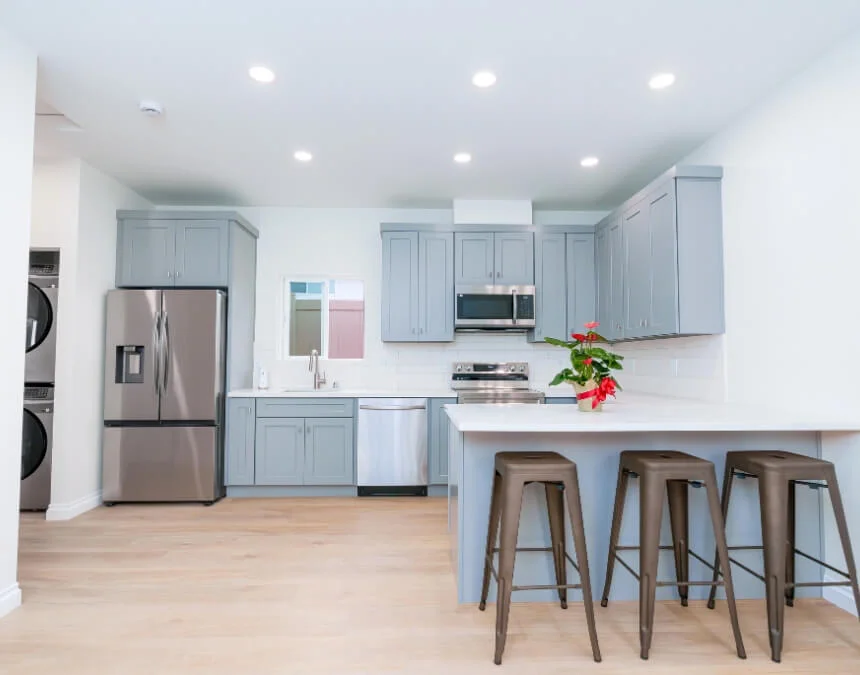
Consider cash-out refinancing when one predictable mortgage payment suits your budget, but compare the new rate and total cost before funding a turnkey ADU.
What Is a Construction Loan for ADUs and Who Should Use It?
A construction loan provides short-term financing for building an ADU, releasing funds in draws as specified work is completed and verified. Unlike standard equity-based financing, some products consider the property’s anticipated completed value, which may help homeowners with limited existing equity. However, lenders still impose down payment, equity, income, and credit requirements. A construction-to-permanent loan can convert to a long-term mortgage after completion, potentially avoiding a separate closing, depending on the product’s terms.
Construction loans may suit homeowners whose project budget exceeds the amount available through existing equity and who need funds released against verified progress. When comparing guidance associated with Uni Construction and RenoFi, confirm whether the lender finances detached ADUs, how it calculates completed value, and what reserves it requires. Research from Terner Center for Housing Innovation can provide broader financing context, but a lender’s written eligibility rules determine whether construction financing is appropriate for your property, household finances, and proposed scope.
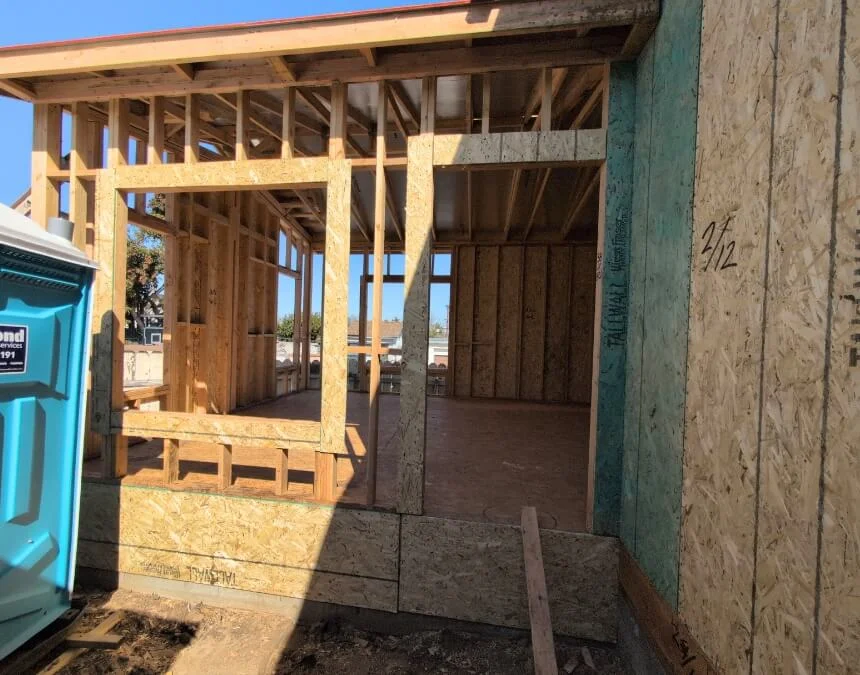
Construction loans release funds in stages, so coordinate your contractor’s schedule with draw requirements. Careful management can reduce funding delays and unnecessary interest.
Can I Use a Renovation Loan (FHA 203k or HomeStyle) to Build an ADU?
Yes. Renovation loans such as FHA 203(k) and Fannie Mae HomeStyle Renovation may finance eligible ADU projects, subject to current program rules and lender requirements. Because loan calculations can consider the property’s anticipated value after improvements, these products may help homeowners who have limited existing equity but otherwise qualify.
Key Stats & Quotes (Verified Sources Only)
- A Terner Center analysis reported that 6.3% of surveyed ADU owners used renovation loans. Review the study’s sample and reporting period before applying this figure more broadly. (Terner Center)
- The research discusses renovation loans as a potentially useful but underused option for homeowners without substantial existing equity. Confirm the original wording before reproducing it as a direct quotation. (Terner Center)
How Renovation Loans Work for ADUs
- Fannie Mae HomeStyle:
HomeStyle Renovation may finance eligible construction involving detached ADU, including certain detached ADU projects under current program rules. Its use of the property’s anticipated after-renovation value may increase borrowing capacity, although appraisal results, loan limits, and lender requirements still apply.
- FHA 203k:
Although commonly used for rehabilitation, FHA 203(k) may also finance eligible additions or ADU-related work. Confirm the permitted scope with an approved lender; borrowing calculations can consider the property’s anticipated value after improvements.
Why Renovation Loans Help Low-Equity Homeowners
FHA 203(k) and HomeStyle Renovation may permit higher loan-to-value (LTV) ratios than standard HELOCs or home equity loans, depending on eligibility. That can create options for homeowners with limited equity. However, mortgage insurance, loan limits, occupancy requirements, appraisal results, and lender-specific rules can affect both access and overall cost.
What to Expect: Requirements & Process
- Detailed contractor bids and a defined scope of work
- Construction inspections or other verification before funds are released
- Additional documentation and lender oversight compared with many HELOCs or cash-out refinances
Despite the additional steps, renovation loans can be a useful, often overlooked financing option for eligible projects involving California ADU projects.
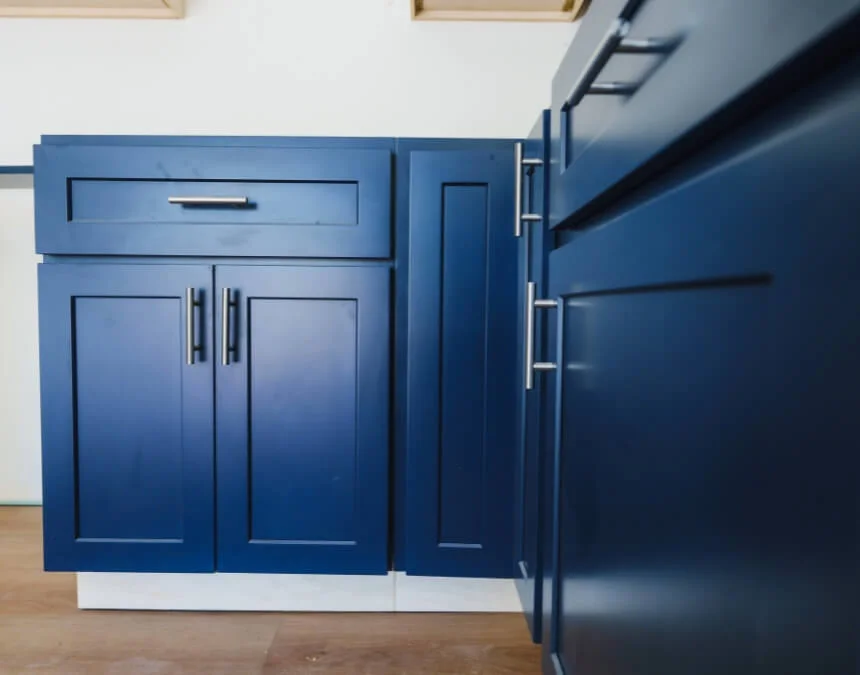
Renovation loans may rely on future appraised value. Prioritize functional improvements and appropriate finishes without assuming that more expensive materials will produce a higher appraisal.
Are There Government Programs, Grants, or Local Incentives for ADU Financing?
California homeowners, including those in Los Angeles, can investigate government-backed financing and locally administered assistance for projects involving ADU construction. Availability depends on the property’s jurisdiction, program funding, and household eligibility. Distinguish historical grants from open programs and proposed federal legislation from active lending products. The following sections identify options and the official checks needed before including them in a financing plan.
California (State-Level Programs)
CalHFA ADU Grant, $40,000 (Program Exhausted)
The California Housing Finance Agency previously offered an ADU Grant of up to $40,000 for eligible predevelopment and nonrecurring closing costs. Because funding availability changes, check CalHFA’s official program notices before applying or including grant proceeds in your project budget.
Federal Level (Future Policy)
SUPPLY Act, Proposed HUD-Backed Second Mortgages for ADUs
A 2025 federal proposal associated with Representatives Sam Liccardo and Andrew Garbarino, the SUPPLY Act, sought to expand government-backed second-position financing for ADUs. Verify its provisions and current status through official congressional records.
Before relying on statements attributed to Liccardo, check the original official release and confirm how the proposed financing would address upfront ADU construction barriers. (U.S. House Press Release)
Treat this federal proposal as potential policy rather than available financing unless official sources confirm enactment and an operating program.
Los Angeles (Local Incentives)
Los Angeles Housing Department (Los Angeles Housing Department), Up to $250,000 ADU Loan Program
For any local financing referenced by ADU Finance Program offers qualifying Los Angeles, ask the housing authority serving your parcel about current loan limits, construction-to-permanent terms, eligibility, and available technical assistance.
If assistance requires an affordability covenant, confirm its duration, tenant income limits, rent restrictions, reporting duties, and enforcement provisions before committing. Review requiring the ADU and Los Angeles Housing Department ADU Program for jurisdiction-specific details.
Compare the program’s overall benefits and obligations with other financing options before deciding whether it suits your project.
Los Angeles (Regional Example)
unincorporated Los Angeles ADU Pilot, Up to $75,000 Forgivable Loans
For properties in unincorporated Los Angeles County, ask the Los Angeles County Development Authority whether an ADU pilot or forgivable-loan program currently accepts applications and whether your parcel qualifies.
If assistance requires housing tenants transitioning out of homelessness, confirm the required tenancy period, referral process, rent limits, support services, and loan-forgiveness conditions directly with the administering agency. (LA Más)
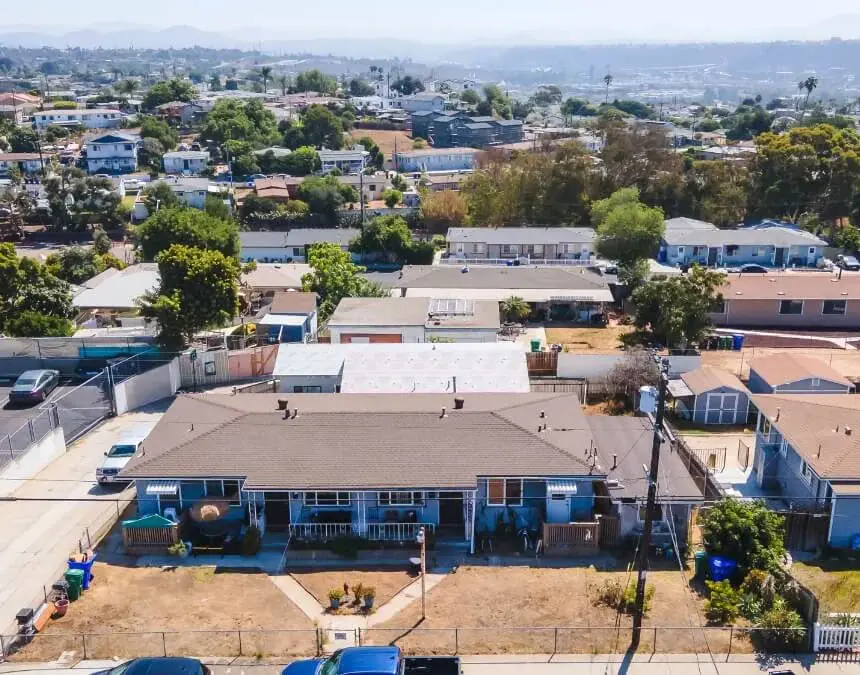
Investigate local incentives before design and permitting. Confirm availability, eligibility, affordability obligations, and application timing before assuming assistance will reduce your upfront costs.
What Are Creative ADU Financing Options? (Equity Share, Crowdfunding, Private Loans)
Beyond traditional home equity products and bank loans, California homeowners may consider alternative financing for ADUs, particularly when they want to preserve an existing mortgage or cannot access conventional credit. Options include shared-equity agreements, crowdfunding, and private or hard money loans. Each offers a different funding structure, with trade-offs involving cost, repayment obligations, consumer protections, and control over future property value.
1. Shared Equity Agreements
Shared-equity agreements provide upfront funds in exchange for a contractual share of the home’s value or future appreciation. Advertised advances of 5-30% and appreciation shares of 25-40% are product-specific, not universal terms. Although monthly payments may not be required, homeowners face future settlement obligations and may need substantial equity to qualify. Compare fees, valuation formulas, repayment deadlines, and refinancing restrictions before choosing this alternative to a loan.
Housing organizations such as the Casita Coalition discuss financing barriers for homeowners who want to preserve low-rate mortgages. When reviewing statements attributed to Noerena Limón or other advocates, distinguish second-position loans from shared-equity contracts, since their repayment structures and risks differ. Verify any direct quotation and the speaker’s current title against the original source. (Scotsman Guide)
Shared-equity financing may appeal to homeowners whose properties have appreciated but who lack cash for an ADU, provided they understand the future settlement costs.
2. Crowdfunding Platforms
Crowdfunding may allow homeowners to seek $50,000-$100,000 from multiple investors for a project involving ADU construction, but funding availability and investment structures vary. Advertised investor returns of 8-12% are not guaranteed and should not be treated as standard pricing. Homeowners may need detailed plans, financial projections, legal documentation, and a defined repayment or profit-sharing arrangement. Review securities compliance, platform fees, investor rights, and the consequences of delays before relying on this alternative to bank financing.
3. Private Money / Hard Money Lending
Private and hard money lenders may offer ADU loans with faster underwriting or more flexible income requirements than conventional lenders. Advertised loan amounts of $50,000-$500,000 and interest rates of 8-15% are examples, not guaranteed terms. Compare origination fees, collateral requirements, repayment deadlines, extension charges, and prepayment penalties. For short-term borrowing, establish a realistic repayment or refinancing strategy before construction begins.
Private lending can help address timing or qualification barriers, but its higher costs and shorter terms require careful budgeting and a credible repayment plan.
Will Building an ADU Pay for Itself? (ROI & Rental Income)
Potentially. ADU rental income may cover part or all of financing costs, but that depends on construction costs, loan terms, achievable rent, and operating expenses. In Los Angeles, evaluate comparable rentals and property-specific restrictions rather than assuming positive cash flow. Potential appreciation and changes involving property value are uncertain and should be assessed separately.
Key Stats
- Ask an appraiser to evaluate ADU resale value using comparable properties rather than assuming a universal 35% premium. (Porch ADU Market Study)
- For Los Angeles ADU, verify achievable rents through comparable listings, local requirements, and a property-specific operating budget. (Uni Construction)
- Review documented budgets for comparable 1,200 sq. ft. ADUs, checking scope, site conditions, and completion dates. Do not attribute another builder’s project or a $385,000 budget to Uni Construction without evidence. (Uni Construction Project Example)
How an ADU Pays for Itself
1. Cash Flow Scenarios
For a project involving Los Angeles, estimate rental income from current, comparable units rather than a generic rent range. Compare conservative net income with the projected loan payment after allowing for vacancy, maintenance, insurance, taxes, and management. Larger or higher-end units may command more rent, but they can also cost more to build and operate.
2. Using Rent for Loan Qualification
Some mortgage products, including eligible Fannie Mae products, may allow a portion of documented or projected ADU rental income to support qualification. Ask the lender about appraisal requirements, permitted income calculations, occupancy rules, and applicable limits rather than assuming projected rent automatically increases borrowing capacity.
3. ADUs as a Retirement or Long-Term Income Strategy
California homeowners build ADUs to support multigenerational living, create potential rental income, or improve property flexibility and resale appeal. However, an ADU does not guarantee a 35% sales premium or positive cash flow. For retirement or long-term financial planning, evaluate construction costs, debt service, operating expenses, tax effects, and market uncertainty alongside the unit’s practical housing benefits.
Do I Qualify for an ADU Loan? (Credit, Income, Equity Requirements)
Qualification for an ADU loan depends on the financing product, with different requirements for credit, income, equity, and documentation. Lenders generally assess your credit profile, available home equity, debt-to-income (DTI) ratio, and, where permitted, documented or projected ADU rental income.
Key Stats
-
Some construction and HELOC lenders look for credit scores around 680+, but minimum scores vary by product, lender, and the borrower’s overall financial profile.
(A score of 680 is an example of lender guidance, not a universal requirement.)
-
Some lenders may seek scores around 720 for larger loans or applications with limited equity, while others apply different criteria.
(These examples reflect lender practices, not a single state or federal standard.)
-
Certain Fannie Mae products may permit lenders to count up to 75% of eligible projected rental income involving ADU rental income, subject to current official rules, documentation, and applicable limits.
Source: Intercap Lending
What Lenders Typically Look For
1. Equity Requirements (10-20% Typical)
Equity-based products such as HELOCs and home equity loans may require homeowners to retain 10-20% equity after borrowing. The lender’s combined loan-to-value limit, appraisal, existing liens, and other eligibility requirements determine how much additional financing is available.
2. Debt-to-Income Ratio (DTI)
Lenders review monthly debt obligations against qualifying income to assess repayment capacity. A lower DTI may strengthen an application, but it does not guarantee better rates or faster approval.
3. Documentation Needed
Requirements vary by lender, but you should generally expect to provide:
- Proof of income, such as W-2s, tax returns, and pay stubs
- A credit report or authorization for a credit check
- Current mortgage statements
- Preliminary ADU plans or estimated project costs
- Contractor bids or construction budgets for renovation and construction loans
Local ADU Financing Options for Los Angeles Homeowners
For properties associated with Los Angeles, review the local planning tools, available assistance, and regulatory requirements that may affect ADU feasibility. Homeowners considering Los Angeles should confirm the parcel’s jurisdiction before relying on any program, incentive, or financing rule.
Los Angeles Housing Department ADU Finance Program
For any housing program associated with Los Angeles, verify the administering agency and eligible service area. Los Angeles eligibility depends on the property’s actual jurisdiction, not another agency’s name or ZIP-code rules.
Key features:
- Confirm current loan limits, eligible expenses, and whether construction-to-permanent financing is available. (Los Angeles Housing Department)
- Request the actual interest rate, repayment schedule, fees, and any rate changes after construction. (Los Angeles Housing Department)
- Ask whether technical assistance includes design guidance, project management, or contractor coordination, and whether charges apply. (Los Angeles Housing Department)
- Verify income limits, credit requirements, owner-occupancy rules, and any additional conditions involving property must be in City of Los Angeles. (adu.Los Angeles Housing Department.org)
- Review affordability covenants, including eligible tenant incomes, maximum rents, required duration, and enforcement obligations. (Los Angeles Housing Department)
Fee Waivers & Permit Incentives
- Ask the permitting authority for Los Angeles previously offered fee waivers for ADU permits which permit, utility, and impact fees apply and whether any current waiver covers your project. (Uni Construction)
- For properties involving unincorporated Los Angeles, check the March 2026 California ADU Handbook and current law for impact-fee treatment of ADUs 750 sq. ft. or less; confirm other charges locally. (Uni Construction)
ADU Bonus / Affordability Incentives
For any additional-unit program associated with Los Angeles’s “Affordable ADU Bonus, ask the relevant planning department whether it applies to your parcel and requires recorded affordability restrictions.
Highlights:
- Confirm the number and type of ADUs permitted under current state law and the applicable local ordinance.
- Ask whether transit proximity or a designated planning area affects your parcel; do not import another jurisdiction’s geographic categories.
- If additional units require affordability restrictions, obtain the actual tenant income limits, rent limits, covenant duration, monitoring requirements, and approval process from the responsible planning or housing authority.
Neighborhood-Level Cost & Rent Variations
- For projects involving ADU cost estimates vary across Los Angeles, compare lot dimensions, utility access, geotechnical conditions, and current labor quotes rather than assuming one neighborhood cost benchmark applies everywhere.
- Evaluate rental potential using current comparable units, including proximity to transit and walkable amenities. Confirm applicable rental rules and operating expenses before using projected rent in a financing plan.
Property Tax Implications (Proposition 13 & ADUs)
- Under California Proposition 13, adding an ADU generally results in assessment of the new construction rather than a full market-value reassessment of the existing primary home, subject to applicable rules.
- Ask the Los Angeles County Assessor how the proposed work will be assessed for your parcel and whether any exclusions apply.
- Include potential property-tax increases in your financing budget. Separately review any owner-occupancy or affordability conditions imposed by assistance programs, since those obligations are distinct from Proposition 13 assessment rules.
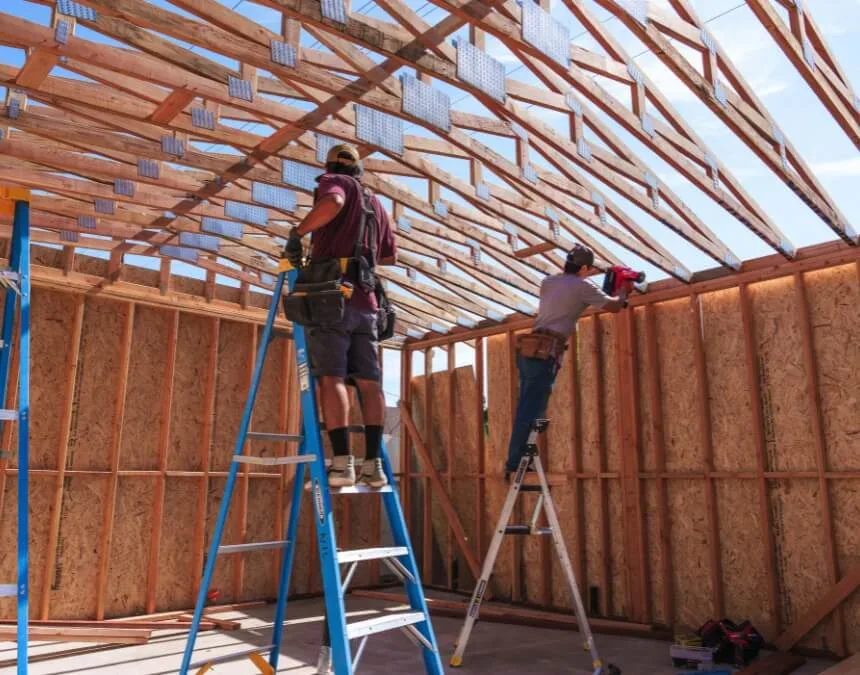
If financing includes affordability requirements, review them early. Your projected rent, tenant selection, lease terms, and operating budget must align with the actual program rules.
Step-by-Step: How to Choose the Best ADU Financing Option
1. Determine your ADU cost range
Start with a realistic budget for your ADU project involving ADU based on California and Los Angeles. Review any statewide benchmarks from Jean Prescott Studio for their date, scope, and relevance, but do not treat them as Los Angeles quotes. Obtain a site-specific estimate covering design, engineering, permits, utilities, construction, finishes, financing costs, and contingency before setting your working budget.
2. Check your home equity and credit profile
Next, review your home’s estimated value, mortgage balance, and credit profile. This helps you compare equity-based products, including HELOCs, home equity loans, and cash-out refinancing, with construction or renovation loans that may consider future appraised value. Confirm product eligibility and appraisal assumptions with the lender. (Terner Center ADU financing report)
3. Compare major financing paths
Lay out your main options side by side:
- Home equity loans or HELOCs for eligible homeowners with sufficient equity
- Cash-out refinancing when the new rate, closing costs, and repayment term are acceptable
- Construction or renovation loans, including eligible FHA 203(k) or Fannie Mae HomeStyle products, that may consider future value (Terner Center)
- Government assistance confirmed as available through the housing authority serving your property (Los Angeles Housing Department)
- Alternatives such as shared equity, crowdfunding, and private lending, after reviewing costs and risks (Scotsman Guide - Casita Coalition quote)
Compare interest rates, terms, required equity, fees, repayment risks, and administrative complexity in a simple table to identify suitable options.
4. Estimate rental income potential
If your plans involve plan to rent your ADU, estimate rent using current, comparable local units. For properties associated with Los Angeles, compare similar sizes, layouts, amenities, parking arrangements, and locations rather than assuming a standard studio or larger-unit rate. Use a conservative estimate and check any applicable rent restrictions.
5. Compare projected loan payments vs. rent
Compare projected net rental income with the estimated loan payment. Lender calculations can show principal and interest, but your budget should also include taxes, insurance, maintenance, vacancy, and management costs. Treat potential equity gains and resale value as uncertain rather than assuming a 35% premium based on Porch. A useful return-on-investment analysis considers monthly cash flow, total borrowing costs, long-term upkeep, and multiple resale scenarios, not rent alone.
6. Apply for your chosen financing option
Once you have selected a suitable financing option, gather the required documents and apply:
- Income verification, including W-2s, tax returns, and pay stubs
- Current mortgage statements
- Preliminary ADU plans and contractor estimates
- Any required program-specific forms, obtained from the administering authority or a verified resource associated with adu.Los Angeles Housing Department.org
If you are pursuing a renovation loan, expect additional documentation, contractor requirements, and lender oversight. Terner Center research discusses barriers to using these products, but your lender’s current requirements determine the actual application process. (Terner Center)
7. Begin permitting and construction
Coordinate financing approval and closing with design, permitting, and construction requirements, since lenders may need plans or permits before funding. In Los Angeles, review the ADU Standard Plan Program through the Department of Building and Safety, including information associated with Los Angeles Housing Department, while recognizing that standard plans still require site-specific review. Confirm any separate assistance or affordability provisions with the appropriate authority, and coordinate inspections and lender milestones so construction draws can be released without avoidable delays.
Conclusion: Why Financing an ADU Is Worth It
Financing an ADU is a significant decision that can affect a California homeowner’s budget, housing options, and long-term finances. For projects involving Los Angeles, evaluate potential resale value and rental income using property-specific evidence rather than assuming a 35% premium or a standard monthly rent. Rental proceeds may offset financing payments, but operating costs, vacancy, borrowing terms, and market changes determine the outcome. Also distinguish market value from assessed value: new construction may increase the taxable assessment without creating an equivalent increase in accessible equity or resale proceeds.
Homeowners pursuing projects involving Los Angeles should confirm local assistance through the authority serving their property and compare it with conventional financing. Technical support or subsidized funds may help, but eligibility, funding availability, and affordability obligations vary. Beyond potential financial returns, ADUs can support multigenerational living, extended family, or future rental use. A well-planned project offers housing flexibility, but it is not a guaranteed source of retirement income or a risk-free investment. Match the financing structure to your budget and long-term needs.
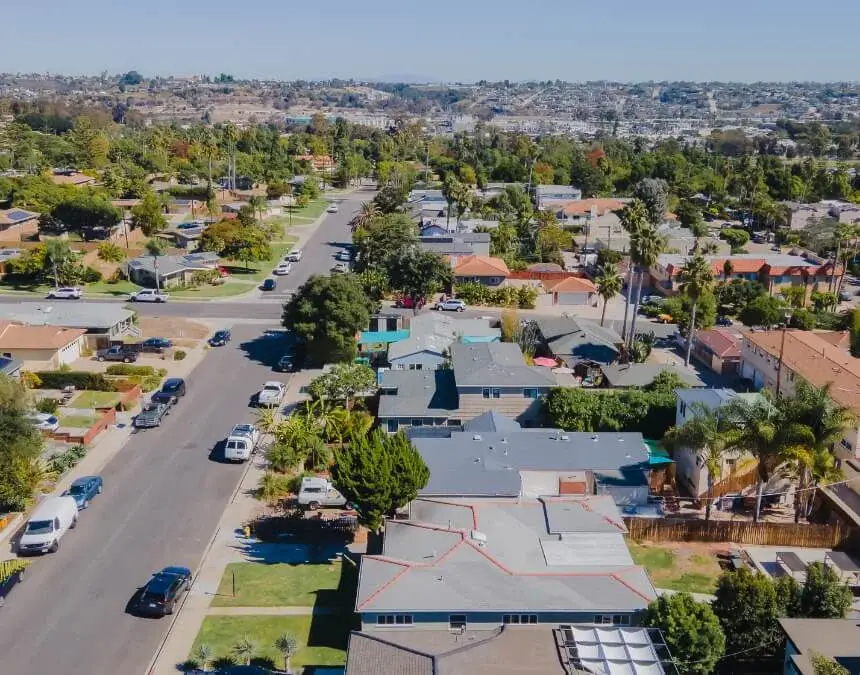
In competitive housing markets, careful ADU planning can improve housing flexibility. Evaluate financing costs and market risks without assuming continued demand growth or guaranteed equity gains.
Frequently Asked Questions
The best ADU financing option depends on your equity, credit, income, and project budget. Home equity loans and HELOCs are common choices, with some lenders allowing combined borrowing up to 80-90% LTV. Compare rates and fees rather than assuming they are always cheapest. If existing equity is limited, eligible renovation products, such as FHA 203(k) or Fannie Mae HomeStyle, and construction loans may consider future appraised value. Los Angeles homeowners should verify any local assistance directly with the housing authority serving their property instead of relying on another jurisdiction’s program.
You can finance an ADU through a HELOC, home equity loan, cash-out refinance, construction loan, or eligible renovation product such as FHA 203(k) or Fannie Mae HomeStyle. Government-backed lending or local assistance may also be available, subject to current funding and eligibility. Alternatives include shared-equity agreements, crowdfunding, and private loans, each with distinct costs and risks. Your available equity, income, credit profile, project budget, and repayment strategy determine which options are practical, so compare written terms before choosing.
The cost of a site-built ADU in California depends on its size, design, location, and site conditions, so obtain current project-specific estimates. Prefabricated units may shorten some design or construction stages, but compare complete budgets that include foundations, utilities, transportation, crane placement, and site preparation. For Los Angeles projects, confirm permitting and site-specific requirements before assuming prefab will be cheaper or faster. Its advantages depend on the product, access conditions, approval process, and overall construction schedule.
Yes. A HELOC can provide flexible ADU funding by allowing eligible homeowners to borrow against existing equity and draw funds as needed. Some lenders permit combined borrowing up to 80-90% LTV, subject to credit and other requirements. Unlike a cash-out refinance, a HELOC generally preserves the existing first mortgage. Compare variable rates, fees, draw periods, and repayment terms before relying on it for construction.
Potentially. Available assistance depends on your parcel’s jurisdiction, household eligibility, and current funding. Los Angeles homeowners should check city housing resources; owners in unincorporated areas should check Los Angeles County programs. CalHFA previously offered an ADU grant of up to $40,000 for eligible predevelopment and closing costs, but current availability must be confirmed. The proposed SUPPLY Act concerns federal ADU financing and should not be treated as an operating program without official confirmation. Review any local pilot’s application status, affordability covenant, repayment obligations, and forgiveness conditions before including assistance in your budget.