

How Property Taxes Work in California (Prop 13 Explained)
California property taxation is governed by Proposition 13, a measure passed in 1978 that fundamentally changed how real estate is assessed. Assessments generally reflect a property’s acquisition value, with limited annual adjustments, rather than fluctuating market prices. Qualifying ownership changes and new construction can trigger reassessment. This framework helps protect property owners from sudden tax increases caused solely by rising housing prices throughout Southern California.
For context alongside Maxable, Proposition 13 generally limits the base property tax rate to 1% of assessed value and annual inflation adjustments to 2%. Voter-approved debt and new construction can increase the total bill, including in Los Angeles.
For ADUs, the Los Angeles County Assessor generally treats an added ADU as assessable new construction, much like a home addition. This creates a blended assessment: your existing house generally retains its established tax basis, while the assessed value associated with ADU’s cost is added to the property’s taxable value. The assessor determines that value under applicable appraisal rules. Building permits help identify improvements, but construction cost alone does not determine the assessment.
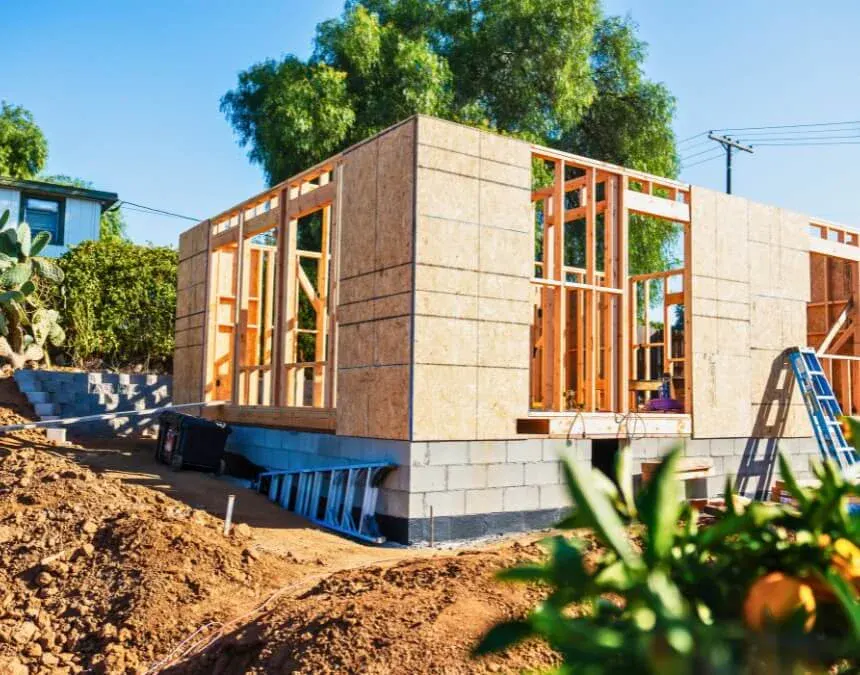
Proposition 13 generally caps annual assessment increases at 2%, but an ADU adds separately assessed value, increasing property taxes even in Los Angeles.
Does Adding an ADU Increase Property Taxes?
Building an ADU in California generally increases property taxes by adding the assessed value of the new construction. It does not ordinarily trigger a market-value reassessment of your existing home. The Los Angeles County Assessor determines the ADU’s taxable value using applicable appraisal methods, which may consider construction costs and market evidence. Your existing home’s protected assessment generally remains intact, with the ADU added separately.
For the issue addressed by Santa Clara regional authority Assessor, the general rule is straightforward: assessors add the ADU’s assessable new-construction value without reassessing the existing home solely because an ADU was built.
When evaluating unincorporated Los Angeles, ask the Los Angeles County Assessor how your particular ADU would be valued rather than assuming a standard per-square-foot rate. For a 500 sq. ft. ADU, taxable value depends on the project’s characteristics and applicable appraisal methods. Compare a property-specific tax estimate with realistic rental income, operating expenses, and financing costs before assessing the project’s financial feasibility.
| ADU Size | Added Assessed Value | Estimated Annual Property Tax Increase |
|---|---|---|
| 400 sq. ft. | Request a project-specific valuation from the county assessor. | Apply the property’s applicable tax rate to the added assessed value. |
| 600 sq. ft. | Confirm the assessable value of the proposed construction. | Use the assessor’s estimate and the property’s applicable tax rate. |
| 800 sq. ft. | Do not assume construction cost equals added assessed value. | Base the estimate on assessed value, not a generic per-square-foot allowance. |
| 1,000 sq. ft. | Obtain an assessment estimate for the completed project scope. | Confirm the added assessment and applicable taxes before budgeting. |
How Much Will My Property Taxes Go Up With an ADU?
For preliminary budgeting, an illustrative rate of 1-1.5% applied to the assessed value associated with construction cost would produce $1,000-$1,500 annually on a $100,000 assessment. This is not a guaranteed local rate or construction-cost calculation; verify applicable taxes and assessments with county officials (BFPM Inc.).
As an illustration relevant to Rocket Lawyer, an ADU assessed at $75,000 would add $750 annually, or $62.50 monthly, at the 1% base rate alone. Voter-approved debt and other applicable charges may increase the bill. Confirm your estimate with the county assessor or a qualified tax professional.
For homeowners evaluating Los Angeles, potential rental income should be weighed against the full cost of ownership, not just additional property taxes. Review comparable Los Angeles rentals, vacancy assumptions, maintenance, insurance, utilities, and financing. Confirm applicable rental restrictions with the Los Angeles Housing Department before deciding whether an ADU fits your household’s investment goals.
| ADU Construction Budget | Estimated Annual Property Tax Increase | Project-Specific Los Angeles ADU Rent |
|---|---|---|
| Preliminary budget | Request an estimate based on the proposed added assessed value. | Review comparable nearby ADUs with similar layouts. |
| Contractor-priced budget | Do not treat the contractor’s price as the assessed value. | Compare unit size, condition, amenities, and location. |
| Updated project budget | Revisit the tax estimate if the construction scope changes. | Check current listings and account for included utilities. |
| Final construction cost | Confirm the added assessment and applicable property tax rate. | Validate achievable rent before projecting rental income. |
When Do ADU Taxes Apply?
ADU-related assessments generally take effect when assessable construction is completed, as determined under California property tax rules, rather than when the assessor approves occupancy. Following completion, the Los Angeles County Assessor establishes the new-construction value and updates the ADU’s value to your property’s tax roll. The added assessment is generally subject to the 1% base tax rate, plus applicable voter-approved debt and other charges.
If your ADU is completed midyear, you may receive one or more supplemental tax bills. For planning related to BFPM Inc., ask county officials how the completion date affects prorated taxes and when the added assessment will appear on the regular annual property tax bill.
In short, homeowners should budget for taxes attributable to the period after completion, even if the supplemental bill arrives later. A tax advisor can help estimate the financial impact before construction and distinguish property taxes from potential income tax deductions, energy-related credits, or rebates. Confirm each incentive’s current eligibility requirements rather than assuming an upgrade qualifies.
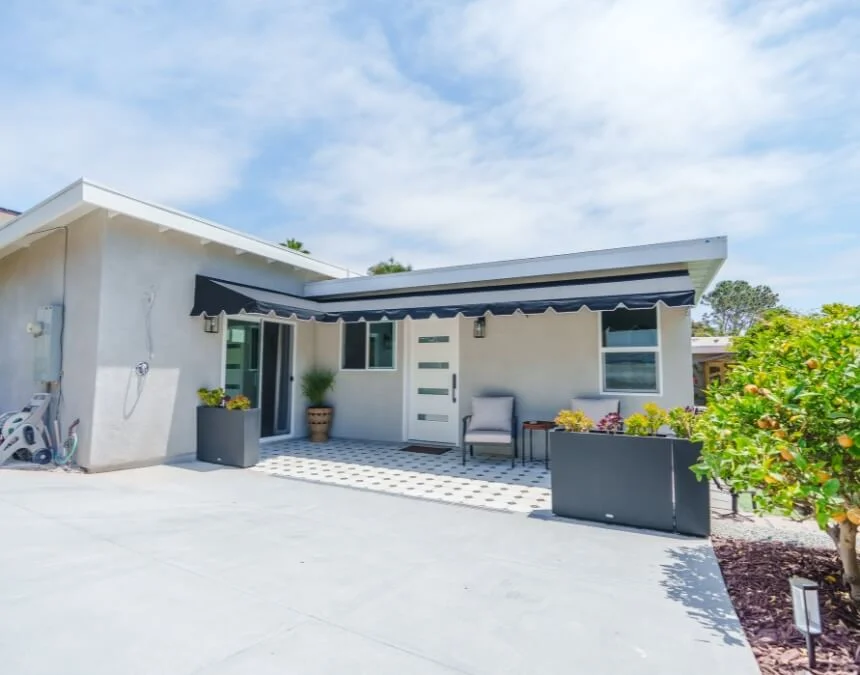
ADU assessments generally begin at construction completion. Budget for a supplemental tax bill, especially when the unit is completed midyear.
Factors That Influence Tax Impact
An ADU’s property tax impact depends on its assessed new-construction value, which may reflect its size, construction type, quality, and other project characteristics. The Los Angeles County Assessor applies valuation rules rather than simply accepting the construction budget, so planning decisions can influence, but do not directly determine, the final assessment.
- Construction Costs (Materials & Labor): Construction costs may inform the assessor’s valuation, but they do not automatically equal taxable value. Durable finishes, mid-range floor plans, and thoughtful material substitutions can control project spending. Treat any assumption that labor represents 40-50% of total costs as a budgeting scenario to verify through itemized bids, not a fixed rule (Uni Construction).
- ADU Type: A garage conversion may reuse an existing structure, potentially reducing excavation, foundation, and framing expenses. Structural upgrades or utility work can still be substantial. Detached ADUs often require additional site preparation and new building systems. Ask the local planning department and county assessor whether any applicable bonus program, affordability restriction, or deed restriction affects project requirements or valuation.
- Size & Finishes: Larger units and premium features may add more assessable value, but size alone does not establish an assessment. For illustration, a 500 sq. ft. ADU assessed at $75,000 would add $750 at the 1% base rate; a 1,000 sq. ft. detached ADU assessed at $165,000 would add $1,650. These are hypothetical values, not local benchmarks. Functional, energy-efficient ADU designs may lower operating costs, while tax credits require separate eligibility review.
Key takeaway: A compact, practical, cost-conscious ADU can help control overall expenses, but its property tax impact depends on the assessor’s valuation, not construction spending alone.
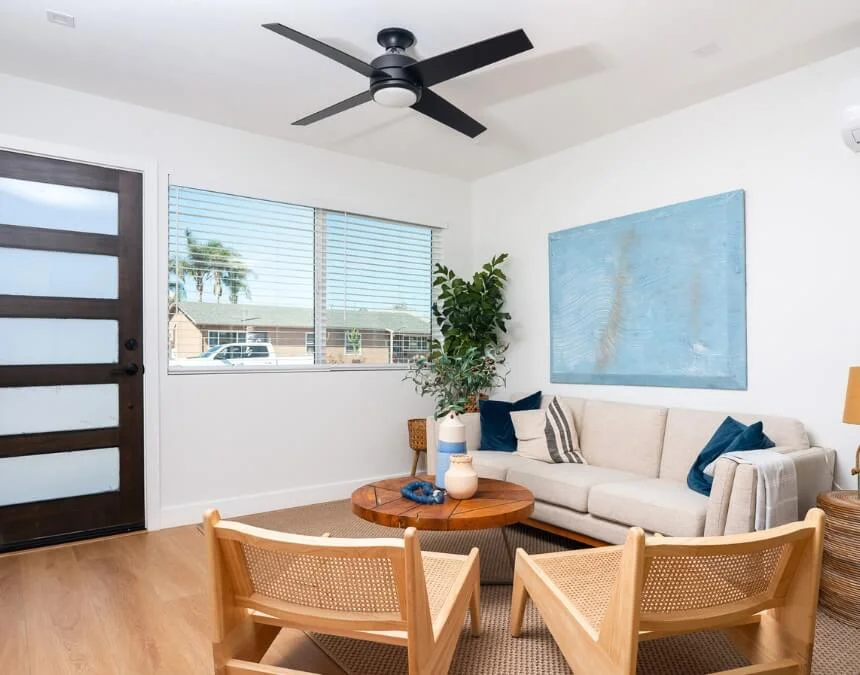
Garage conversions may reuse existing improvements, while larger detached ADUs may add more assessable value. Confirm the tax impact for your specific project.
Ways to Minimize Property Tax Impact
Although new ADU construction generally adds taxable value, thoughtful design can help control the project’s total financial burden. Focus on a suitable size, durable materials, and realistic operating costs. The Los Angeles County Assessor determines assessable value under appraisal rules, so a lower construction bill does not guarantee an equivalent reduction in property taxes.
- Cost-Saving Design & Material Swaps: Choose durable, mid-range finishes rather than unnecessary luxury upgrades. Quality vinyl flooring, for example, can offer a practical alternative to marble at a lower installation cost. Review floor plans with your builder to eliminate avoidable expenses, while recognizing that construction savings do not translate directly into assessment reductions.
- Work With an Experienced ADU Builder: Test labor assumptions, including estimates of 40-50% of total project costs, against detailed bids for your project. A qualified specialist, such as a dedicated ADU Designer, can help identify scope gaps and budget risks, but cannot guarantee costs or tax outcomes. Use an itemized construction budget, county assessment guidance, and professional tax advice to estimate the financial impact before building.
- Leverage Rebates & Incentives: An ADU is not automatically exempt from property taxes, but qualifying energy improvements may be eligible for separate incentives. Before installing solar panels or efficient appliances, check current California electrification rebates, utility programs, and applicable deductions or credits. Confirm eligibility, funding availability, installation requirements, and deadlines with the administering agency.
Bottom line: Controlling costs, choosing qualified professionals, and verifying available incentives can improve your ADU’s long-term affordability, although these steps do not guarantee a lower property tax assessment.
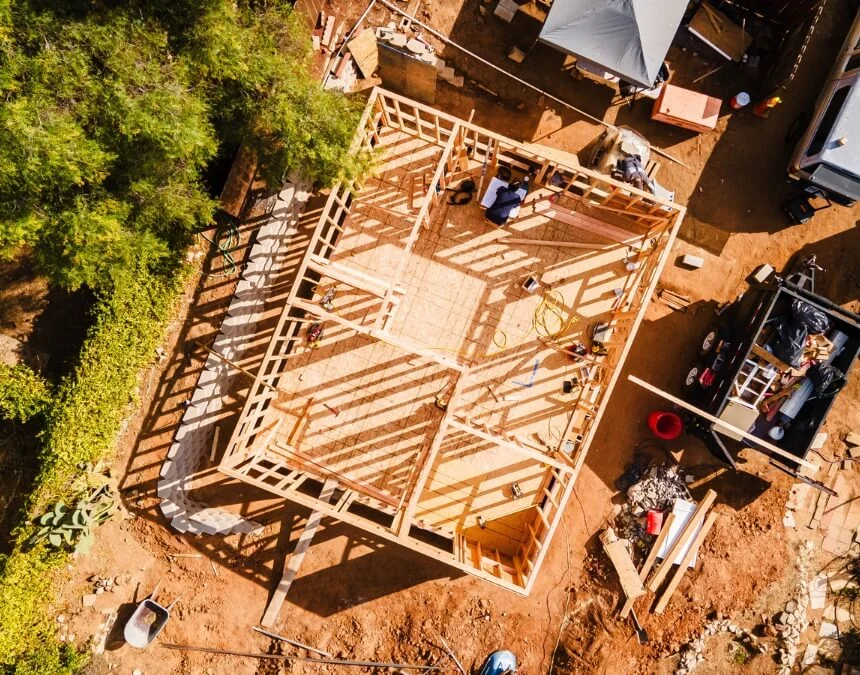
Thoughtful design, practical finishes, and qualifying energy upgrades can help manage long-term ownership costs, but they do not guarantee lower property taxes.
Benefits of Adding an ADU (Beyond Property Taxes)
Building an ADU in Los Angeles can offer lasting financial and lifestyle benefits, but whether those benefits outweigh added taxes depends on the project. Homeowners may gain housing flexibility, rental income, and equity while generally retaining Proposition 13 protections on their existing main home.
- Rental Income: Estimate income from comparable rentals relevant to ADU in Los Angeles rather than assuming a standard monthly return. Compare expected net income with additional taxes, insurance, maintenance, vacancy, utilities, and financing. Verify rental requirements with the Los Angeles Housing Department, including any property-specific rent-stabilization questions, before relying on projected income in your financial plan.
- Home Value Boost: An ADU may increase resale value, but no fixed percentage applies to every property. For an $800,000 home, any projected value increase should be supported by comparable sales and a qualified appraisal, not an assumed $240,000 gain. Ask lenders how applicable Fannie Mae or Freddie Mac guidelines affect financing and recognition of ADU rental income.
- Multigenerational Living: ADUs can provide nearby housing for parents or independent space for adult children. Depending on household needs, they may reduce outside housing expenses while preserving privacy. Compare accessibility, support needs, operating costs, and available alternatives before assuming savings on rent or assisted living.
Key takeaway: For Los Angeles homeowners, an ADU may provide rental income, added equity, and housing flexibility, but the benefits depend on project costs, local conditions, and household needs.
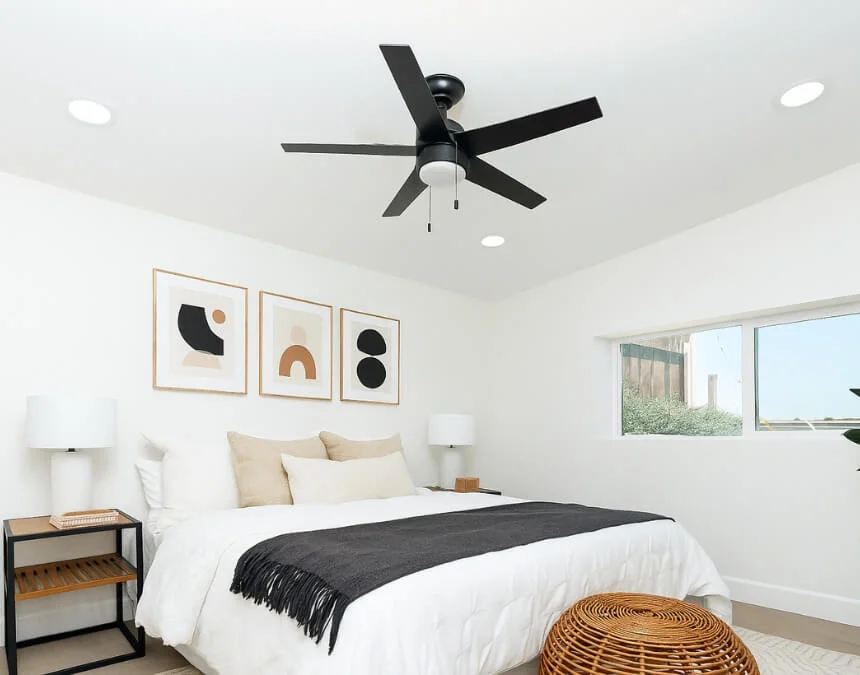
ADUs may increase resale value and generate rental income, but returns depend on market conditions, project costs, operating expenses, and applicable rental requirements.
ADUs & Your Personal Taxes
Building an ADU does not itself generate taxable income, but using the unit can affect your finances and tax obligations. Rental income generally must be reported, while allowable deductions may offset part of it, depending on your circumstances and applicable tax rules.
- Rental Use = Taxable Income, but Depreciation Helps: ADU rental income is generally taxable and usually reported on Schedule E. Allowable expenses may include repairs, insurance, utilities, and depreciation, subject to allocation and other limits. The eligible residential rental building basis associated with ADU’s construction is generally depreciated over 27.5 years once placed in service; land is not depreciable.
- No Direct Tax Deduction for Construction: ADU construction costs generally are capitalized rather than immediately deducted. For a qualifying rental, eligible building costs are typically recovered through depreciation. A tax advisor can explain basis allocation, personal-use restrictions, mortgage interest, passive-activity limits, and potential tax consequences when the property is sold.
- Green Rebates & Incentives: Although an ADU is not automatically exempt from property taxes, qualifying energy improvements may receive separate incentives. Solar panels or efficient appliances may qualify for California electrification rebates, utility programs, or federal deductions and credits only when current program rules allow. Check eligibility, installation dates, funding, and applicable limits before including these savings in your budget.
Key takeaway: Rental ADUs can produce income, while allowable depreciation, deductions, and verified incentives may improve financial results. Outcomes depend on project economics, eligibility, and individual tax circumstances.

Rental ADUs generate taxable income, but allowable depreciation and expense deductions may reduce tax liability, subject to applicable limits and individual circumstances.
Conclusion
Adding ADU in Los Angeles leads to a modest property generally increases property taxes based on assessed new-construction value, with a 1% base rate plus applicable charges. Financial and lifestyle benefits depend on the project rather than guaranteed rental returns or resale gains. Evaluate realistic income, comparable property values, construction and operating costs, and multigenerational housing needs before deciding whether an ADU is a suitable investment under current California law.
At Uni Construction, Uni Construction helps Los Angeles homeowners explore ADU design and construction options with project costs and long-term goals in mind. Discuss regional costs and permitting requirements with the relevant authorities, and seek assessment guidance directly from the county assessor. Careful design and planning can clarify decisions, but approvals, tax outcomes, and investment returns remain project-specific.
Ready to explore your ADU options? Sign up for a free consultation with Uni Construction today to discuss your goals, assess your property’s possibilities, and identify practical next steps.
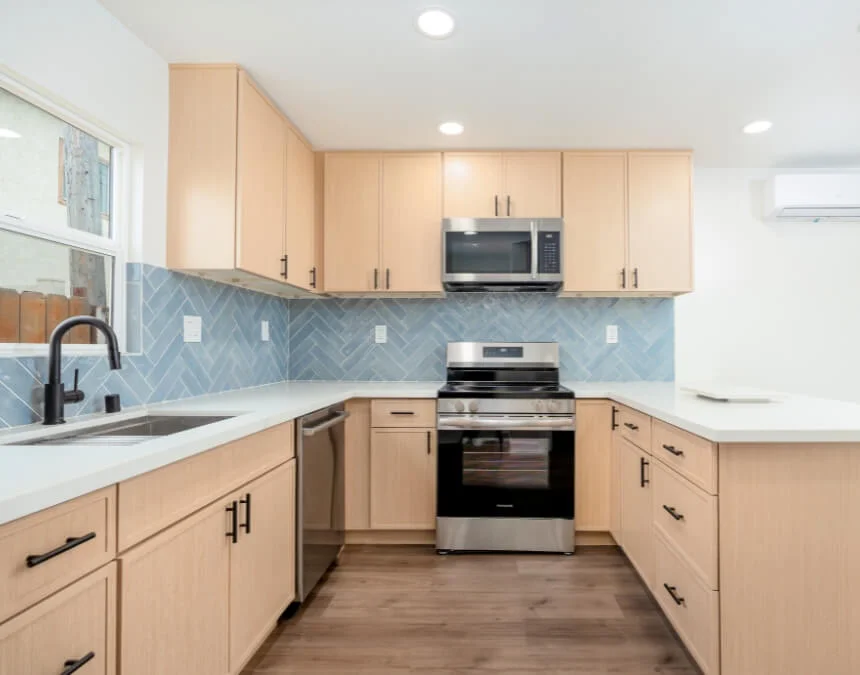
ADUs can offer rental potential, possible equity gains, and long-term housing flexibility. Evaluate those benefits against construction costs, added taxes, and ongoing expenses.
Frequently Asked Questions About ADUs and Property Taxes
Yes. Building an ADU in California generally increases property taxes by adding the assessed value of the new construction, rather than reassessing the entire home. This creates a blended assessment: the existing home generally retains its Proposition 13-protected basis, and the ADU receives a separate new-construction assessment. For illustration, a $100,000 added assessment would generate $1,000 at the 1% base rate, before applicable debt charges and other assessments.
An ADU may increase a home’s resale value, but the amount depends on location, design, legal status, rental potential, and comparable sales. For an $800,000 property, do not assume a 30% increase or $240,000 in added equity without appraisal support. Proposition 13 generally preserves the existing home’s assessed basis when an ADU is added, while the new construction receives its own assessment. Resale value and taxable assessed value are different measures.
Yes. A room addition generally counts as assessable new construction under Proposition 13, but the increase is not necessarily slight. The county assessor values the new improvement and adds it to the existing assessment; the original home’s protected base generally remains unchanged. For illustration, an addition assessed at $50,000 would add approximately $500 annually at the 1% base rate, before applicable debt charges and other assessments. Construction cost does not automatically establish assessed value.