


TL;DR: 20 Day Preliminary Notice for ADUs
- A 20-day preliminary notice for ADUs is a written notice served near the beginning of a construction project to preserve a contractor’s, subcontractor’s, or supplier’s right to record a mechanics lien if unpaid.
- To protect eligible work from the start, the notice generally must be served within 20 days of first providing labor or materials to the property owner, direct contractor, and construction lender, as applicable.
- Serving the notice does not mean a lien has been recorded; it preserves potential lien rights if a payment dispute arises.
- If the notice is served late, lien rights generally cover only work provided during the preceding 20 days and afterward.
- This article explains who must serve the notice, its required contents, delivery methods, its application to ADU projects, and how it works with lien waivers to reduce payment risk.
A 20-day preliminary notice for ADUs is a legal notice generally served within 20 days of first providing labor or materials on an accessory dwelling unit project to preserve the sender’s mechanics lien rights if unpaid. Required recipients typically include the property owner, direct contractor, and construction lender, as applicable. The notice protects payment rights without placing a lien on the property.
Preliminary Notice vs. Mechanics Lien: What’s the Difference?
A 20-day preliminary notice is not a lien. For parties subject to the requirement, it preserves the right to record a mechanics lien later if payment is not made.
A mechanics lien, by contrast, is a legal claim recorded against the property to secure payment for unpaid construction work or materials.
Example Scenario
- A subcontractor begins framing an ADU.
- Within 20 days, the subcontractor serves a preliminary notice on the required recipients.
- If unpaid later, the subcontractor may record a mechanics lien.
- Without the required notice, lien rights may be limited or lost.
Quick Answers
- Is a preliminary notice a lien? No. It does not place a claim on the property.
- Can someone record a lien without serving a notice? Sometimes. Certain claimants are exempt, including laborers and some direct contractors.
- Does receiving a notice mean something is wrong? No. It is common and often routine.
- Does the homeowner need to respond? Usually not immediately, but homeowners should track senders and collect appropriate lien waivers with payments.
Key Differences
| Feature | 20-Day Preliminary Notice | Mechanics Lien |
|---|---|---|
| Purpose | Preserves lien rights | Secures a claim for unpaid work or materials |
| When Sent or Recorded | Within 20 days of first furnishing work or materials for full protection | After nonpayment, within applicable filing deadlines |
| Recorded With County Recorder? | No | Yes |
| Affects Property Title? | No | Yes |
| Required Before Filing a Lien? | Yes, for most subcontractors and suppliers | N/A |
Who Should Send a California 20-Day Preliminary Notice?
In California, subcontractors and material suppliers generally must comply with preliminary notice requirements when they do not contract directly with the property owner. Compliance helps preserve mechanics lien rights and, where applicable, payment bond claims. Direct contractors generally must notify the construction lender, if one exists. Public works follow separate notice and bond rules. Laborers working for wages are generally exempt; a subcontractor is not exempt simply because the subcontractor provides labor without materials.
Serve the notice through an authorized method, such as personal delivery, registered or certified mail, or qualifying express mail or overnight delivery. Check current statutory requirements and retain proof of service to protect applicable deadlines.
As the Levelset Legal Team explains:
A California preliminary notice informs the property owner of a construction participant’s involvement near the project’s beginning. Serving it properly helps preserve payment rights and supports clearer communication, although it does not guarantee faster payment.
Construction professionals should promptly serve the notice on every required recipient, including the property owner, direct contractor, and construction lender, as applicable. Proper service helps preserve payment rights and establishes clear communication from the start of an ADU project. Although a notice cannot prevent every payment dispute or contract lawsuit, accurate preparation and reliable service records reduce avoidable uncertainty. For unusual ownership, financing, or service issues, consult a California construction attorney before relying on an assumed exemption.
Contract Thresholds and Exemptions Under California Law
California preliminary notice requirements generally apply to subcontractors and suppliers regardless of contract value. The $400 figure is not a universal threshold for preserving lien rights. Exemptions depend on the claimant’s role and circumstances.
Who Must Send a Notice
- Subcontractors
- Material suppliers
- Equipment lessors
- Direct contractors, generally for notice to a construction lender
Who Is Typically Exempt
- Laborers working for wages, rather than independent subcontractors
- Direct contractors on private projects without a construction lender, generally
Quick Answers
- What is the $400 rule? It is not a general preliminary notice threshold; smaller contracts can still require notice.
- Does this apply to small ADUs? Yes. Project size alone does not determine notice requirements.
- Do general contractors always serve notices? No. Their obligations generally depend on whether a construction lender is involved.
- Are homeowners required to serve these notices? Generally, no.
If you do not contract directly with the property owner, check preliminary notice requirements promptly to protect your payment rights.
Importance of the 20-Day Preliminary Notice
Securing Lien Rights
Serving a California 20-Day Preliminary Notice within 20 days of first providing labor or materials generally preserves eligible mechanics lien rights from the beginning of that work. If served late, the notice generally covers only work provided during the preceding 20 days and afterward (Source: Green Law Group). Proper service on the required recipients, whether personally or through an authorized mailing method, is essential. Recording a notice with the county recorder does not replace that service. If payment problems arise, consult a construction attorney about recording and enforcing a lien. Without preserved lien rights, recovering payment for earlier work may be substantially more difficult.
Streamlining Payment Processes
A preliminary notice promotes transparency among property owners, direct contractors, subcontractors, and suppliers. Identifying participants early supports clearer payment tracking and may help parties arrange joint checks so funds reach the intended recipients. Some construction professionals also use notices as a communication practice when service is not legally required. Although a notice does not establish payment terms or guarantee payment, it can reduce misunderstandings and help limit disputes over unpaid project costs.
Protecting Business Relationships
Clearly identifying project participants and their potential lien rights fosters trust between property owners and contractors on residential projects involving builds or ADU. Tracking notices and collecting appropriate releases with payments reduces unexpected lien claims and helps prevent disputes from escalating into contract litigation. Early transparency also highlights the importance of written agreements and separate license checks. These practices support clearer financial records, although they cannot guarantee that a project will proceed without legal or payment interruptions.

Serving required notices early supports transparency, reduces misunderstandings, and helps preserve eligible lien rights for work provided from the start.
Legal Requirements for Sending a Preliminary Notice
Timing and Deadline
Under California law, a 20-Day Preliminary Notice generally must be served within 20 days of first furnishing labor or materials to preserve eligible lien rights from the start. Early service may be appropriate once the project and required recipients can be accurately identified. For authorized mailing methods, service is generally complete upon deposit in the mail; retain the required proof of mailing (Source: Levelset). Mechanics lien and payment bond requirements differ, and California statutes may change. Verify current service requirements and applicable exceptions before starting or supplying an ADU project.
Essential Information to Include
To be valid, a preliminary notice must include:
- Property owner’s name and address
- Direct contractor’s name and address
- Construction lender’s name and address, if applicable
- Project location and description of the work or materials
- Claimant’s identifying and contact information
- Estimated total price and required statutory notice language
Common Mistakes to Avoid
Omitting required information, including applicable lender details or statutory language, can jeopardize the notice. Inconsistent preparation or service practices across projects can also undermine lien protection.
Owner action guidance from the statutory notice:
Before paying your contractor, request appropriate releases from the subcontractors or suppliers identified in preliminary notices. Match conditional and unconditional releases to the payment’s status, and consider joint checks or other suitable payment safeguards. Verify the applicable statutory requirements. (Source: Sacramento regional authority Public Law Library)
CSLB caution:
Paying your contractor or receiving the contractor’s release does not establish that subcontractors and suppliers have been paid. An unpaid claimant may still have lien rights against your property, subject to applicable notice and filing requirements. Collect appropriate releases from the relevant parties. (Source: California State License Board)
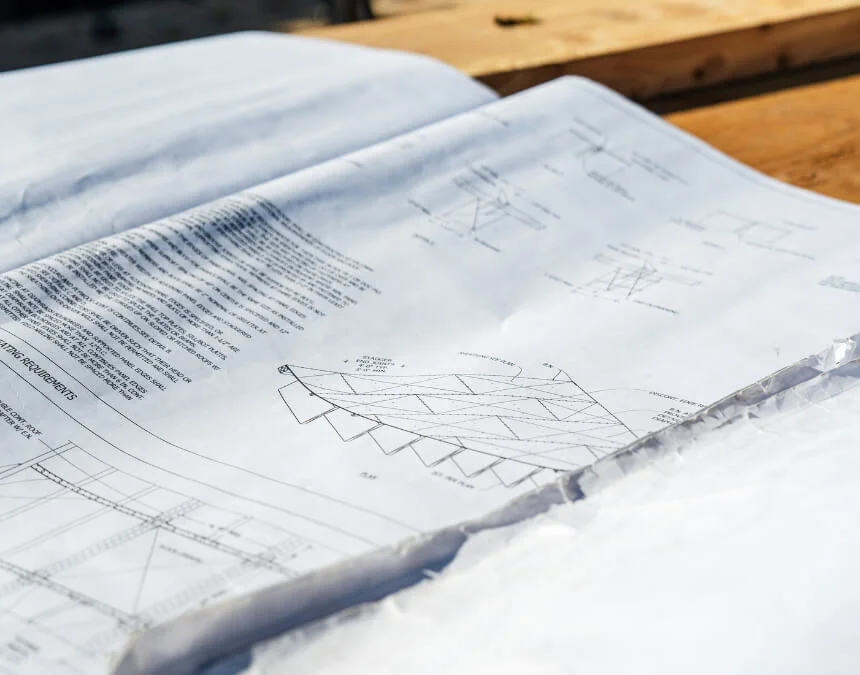
Include all required information, including owner, contractor, lender, project, and scope details, and use the statutory language to help preserve lien rights.
Timeline: From Preliminary Notice to Mechanics Lien Deadline
Understanding the timeline helps contractors and homeowners manage payment risk. Missing applicable service, recording, or enforcement deadlines may eliminate lien rights.
Quick Answers
- What if the notice is served late? Lien rights generally cover only work provided during the preceding 20 days and afterward.
- What triggers lien deadlines? Completion, cessation, or a qualifying recorded notice, depending on the circumstances.
- Do ADU projects follow different timelines? No. Private ADU projects generally follow California’s standard mechanics lien timelines.
These sections now:
- Clarify common homeowner questions
- Address high-value People Also Ask questions
- Improve snippet eligibility with tables and direct answers
- Explain current electronic-service and threshold requirements
- Strengthen guidance with authoritative compliance sources
Key Deadlines
| Event | Deadline |
|---|---|
| Send Preliminary Notice | Within 20 days of first furnishing work or materials for full protection |
| Record Mechanics Lien (No Notice of Completion) | Generally within 90 days of project completion |
| Record Mechanics Lien (With Valid Notice of Completion) | Within 60 days (direct contractor) or 30 days (subcontractor) after the notice is recorded |
Process of Sending a Preliminary Notice
Choosing the Right Delivery Method
For California preliminary notices, certified mail through the United States Postal Service is a commonly used authorized service method. Confirm current postage and service fees rather than relying on a fixed estimate. Retain the mailing receipt, tracking information, and required proof of service to document timely mailing if a lien or payment dispute arises later (Source: Levelset).
Personal delivery of the written notice is permitted, but an oral statement alone does not satisfy the requirement. Document who received the notice and when service occurred. Authorized registered or certified mail can provide useful mailing records. Preliminary notices generally are served on the required recipients, not recorded as liens with the county recorder. Any optional recording procedure has a separate purpose and does not replace proper service.
Documenting Proof of Delivery
When an authorized mailing method is used, service generally is complete upon mailing rather than receipt. If the notice is returned as “Rejected” or “Unclaimed,” retain mailing receipts, tracking records, the notice, and related correspondence. Verify that the address and service method met statutory requirements (Source: Sacramento regional authority Public Law Library).
Maintaining these records helps demonstrate compliance and supports your position if a payment dispute leads to lien enforcement or contract litigation. Documentation alone cannot cure defective service, but complete records make it easier to establish what was sent, to whom, and when. Consistent recordkeeping is an important part of protecting available payment remedies.
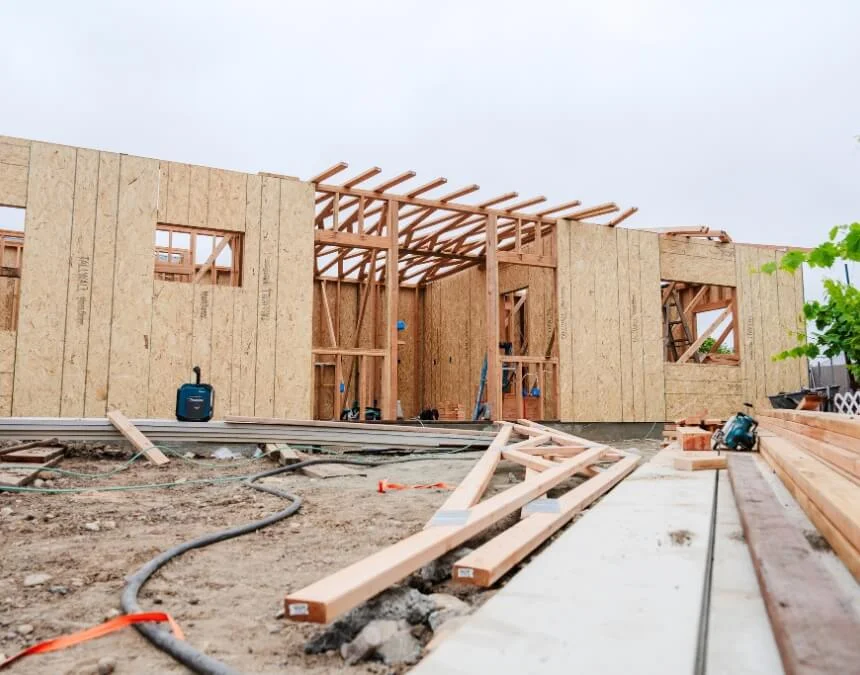
Use an authorized service method, such as certified mail, and retain the required mailing records and proof of service.
Differences Between Private and Public Projects
Preliminary 20-Day Notice Requirements for Private California Construction Projects
On private California construction projects, subcontractors, material suppliers, and equipment lessors generally must serve a 20-Day Preliminary Notice to preserve lien rights. Required recipients typically include the property owner or reputed owner, direct contractor, and construction lender, if any. These requirements generally apply to both residential and commercial projects (Source: Lloyd Winter).
Proper service informs required recipients of the sender’s involvement and helps preserve mechanics lien rights if payment problems arise (Source: Levelset). It does not prevent a lien or resolve a contract breach. Any optional county-recording procedure serves a separate statutory purpose and cannot substitute for timely service on the parties entitled to receive the notice.
Preliminary 20-Day Notice Rules for Public Works Projects
Public works generally involve payment bond and stop payment notice remedies rather than mechanics liens against public property. Subcontractors and suppliers should verify the applicable preliminary notice rules, required recipients, and exceptions. Direct contractors generally cannot claim against their own payment bonds, so their position differs from that of lower-tier claimants.
Even when an exemption may apply, construction professionals should evaluate whether serving a notice would improve communication and payment tracking. A properly prepared notice identifies project participants and may reduce misunderstandings, but it does not guarantee timely payment or prevent litigation over unpaid work (Source: Lloyd Winter, P.C.).
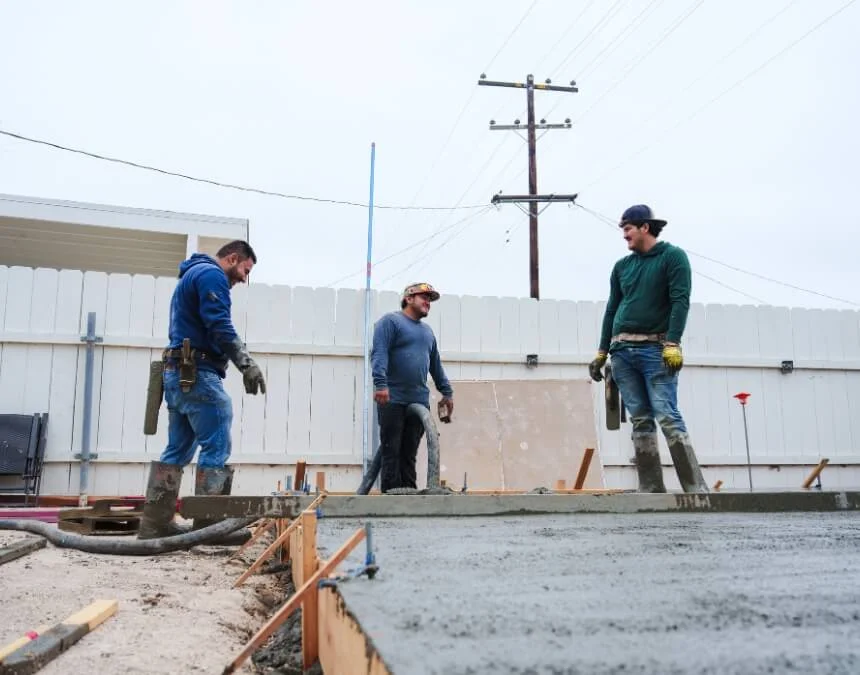
Private-project lien rights often depend on timely preliminary notices; public works use distinct bond and stop payment notice procedures with their own requirements.
Consequences of Not Sending the Preliminary Notice
Forfeiture of Lien Rights
A late 20-Day Preliminary Notice generally preserves lien rights only for work provided during the preceding 20 days and afterward, not all earlier work (Source: CNS Lien). Separate deadlines govern recording a California mechanics lien:
- Generally, 90 days after completion if no qualifying Notice of Completion or Notice of Cessation is recorded.
- Generally, 60 days for direct contractors or 30 days for other claimants after a qualifying notice is recorded, subject to applicable service requirements and exceptions (Lloyd Winter, P.C.).
Missing an applicable recording deadline or failing to serve a required preliminary notice can eliminate important lien protection. Other payment remedies may remain available, but contractors, subcontractors, and suppliers should not assume those remedies provide equivalent security.
Impact on Payment Timing
A late preliminary notice generally limits lien coverage to labor or materials provided during the preceding 20 days and afterward (Levelset). Earlier work may fall outside the lien’s protection, leaving significant balances unsecured, particularly on multiphase projects such as ADU builds. Prompt service helps preserve broader lien coverage, although separate recording and enforcement requirements must also be met.
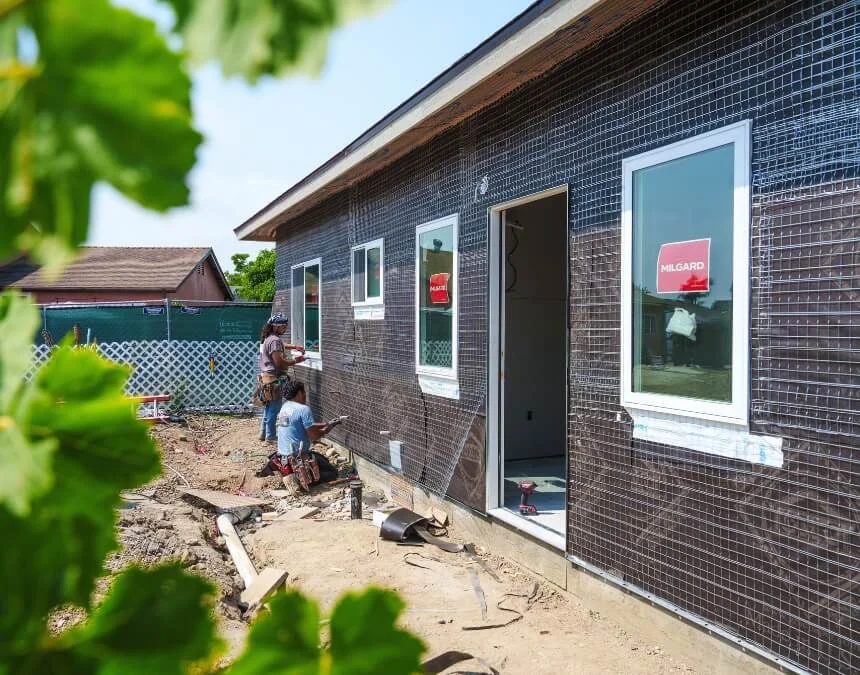
Missing the 20-day window can limit lien coverage; serve required notices promptly to avoid gaps in payment protection.
What Homeowners Should Do After Receiving a 20 Day Preliminary Notice
Receiving a 20-day preliminary notice on an ADU project is normal. It means a project participant is preserving potential payment rights. It does not mean a mechanics lien has been recorded.
Homeowner Protection Checklist
- Keep a copy of the notice with your project records.
- Confirm that the listed party is supplying labor, materials, or equipment to your ADU.
- Collect appropriate conditional or unconditional lien waivers as payments are made and verified.
- Track notices from subcontractors and suppliers.
Why This Matters
An unpaid subcontractor may record a lien even if you already paid the general contractor, provided applicable requirements are met. Properly completed lien waivers and payment tracking help reduce this risk.
Quick Answers
- Should I be worried? Not automatically. Preliminary notices are routine in California construction.
- Do I need to pay the sender directly? Not solely because of the notice. Follow your contract and coordinate payments and releases.
- Can I ignore it? Keep and review it, even if no immediate response is required.
- Can multiple notices arrive? Yes. Different subcontractors and suppliers may each serve one.
Best Practices for Managing Preliminary Notices
Record-Keeping and Documentation
Thorough records are essential to preserving and demonstrating mechanics lien rights in California. Keep the notice, recipient information, delivery receipts, certified mail tracking numbers, and mailing logs for every 20-Day Preliminary Notice. If a notice is returned as “Rejected” or “Unclaimed,” retain postal documentation and related correspondence, and check whether service met statutory requirements (Source: Sacramento regional authority Public Law Library). These records help establish compliance and support later lien enforcement, although they do not correct an otherwise invalid notice or improper service.
Keeping Track of Deadlines
Notice, lien-recording, and enforcement deadlines are strict. Set reminders for the 20-day preliminary notice window, measured from the date you first provide labor or materials. Also track the applicable 90-, 60-, or 30-day lien-recording period, which depends on completion and qualifying recorded notices. A separate deadline generally requires a lien enforcement lawsuit within 90 days after recording the lien. Verify exceptions and any valid extensions with a California construction attorney. Project management tools or dedicated lien-tracking software can reduce oversights, but accurate project dates and responsible follow-up remain essential.
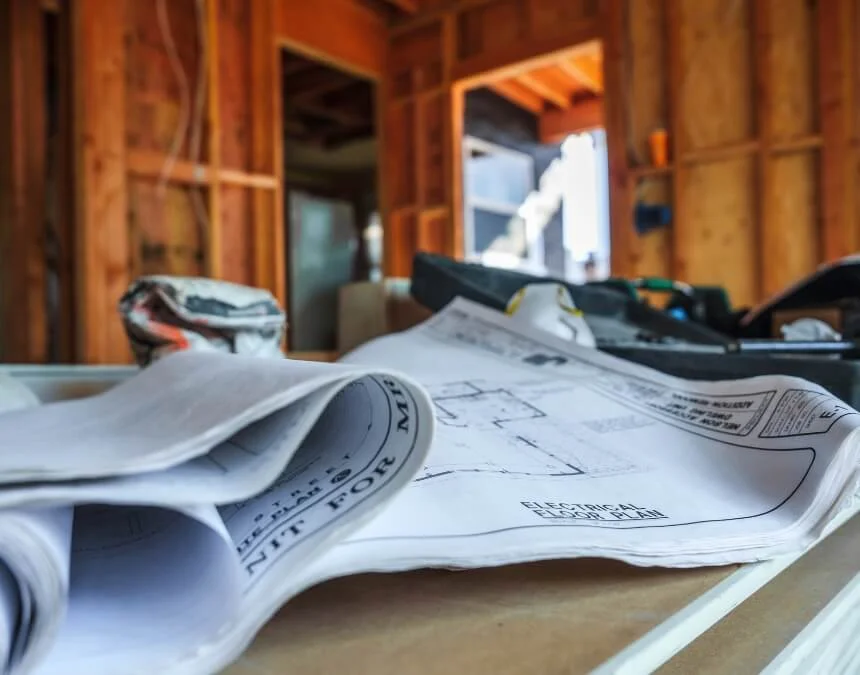
Keep complete preliminary notice records, project plans, mailing receipts, and service logs; these documents can become critical if lien rights or payment obligations are contested.
Lien Waivers for ADU Projects
What is a Lien Waiver?
A lien waiver and release limits a contractor’s, subcontractor’s, or supplier’s lien and related payment rights for specified work or amounts. Its effect depends on the statutory form, payment status, stated exceptions, and scope. Homeowners should understand the distinction:
Treat lien waivers as payment safeguards: collect conditional releases when arranging payment and unconditional releases after payment is verified, using the appropriate California statutory forms.
During ADU construction, properly completed lien waivers help protect property owners from covered payment claims while documenting which work and amounts have been released.
Types in California
California law provides four statutory waiver and release forms (California Civil Code §§ 8132-8138):
- Conditional Waiver and Release on Progress Payment: Used before a progress payment is verified.
- Unconditional Waiver and Release on Progress Payment: Used after a progress payment is verified.
- Conditional Waiver and Release on Final Payment: Used before final payment is verified.
- Unconditional Waiver and Release on Final Payment: Used after final payment is verified.
When to Use Each Type
- Conditional waivers depend on actual payment and should identify the payment and covered work accurately.
- Unconditional waivers can be enforceable even if payment has not occurred, so claimants should sign them only after verifying payment and reviewing any exceptions.
Homeowner Protection Steps
Homeowners should collect appropriate lien waivers carefully and verify their scope:
Collect the appropriate statutory releases from the contractor and relevant subcontractors, suppliers, and laborers as payments are made. Request unconditional releases after payment is verified, and review dates, amounts, and exceptions rather than assuming a contractor’s release covers every participant. (Source: Los Angeles Times)
To protect against surprise liens:
- Request appropriate conditional waivers from notice senders when arranging payment, followed by unconditional waivers after payment is verified (Source: Mastt).
- Use California’s statutory waiver and release forms, matching each form to the payment stage and circumstances (Source: CSLB).
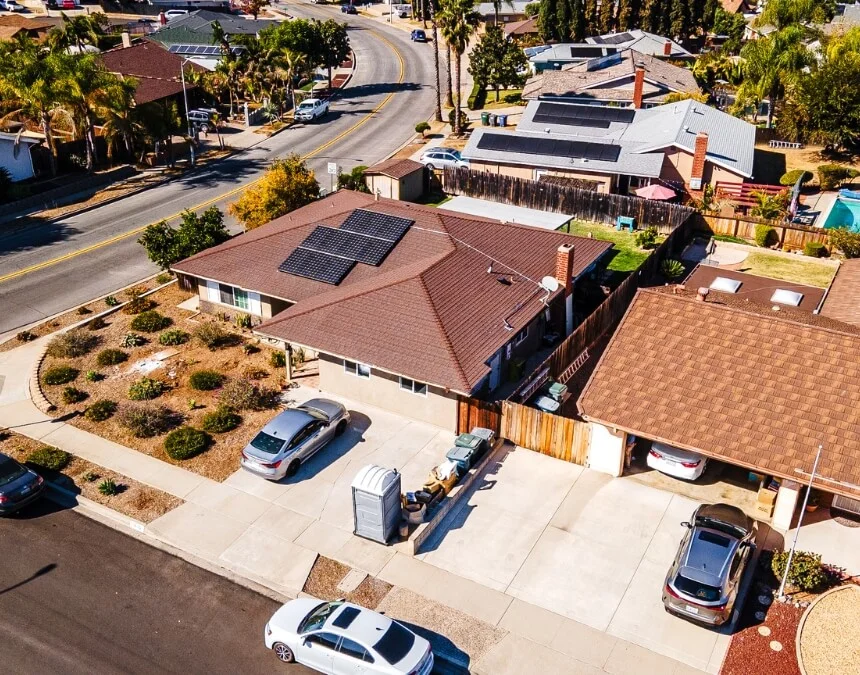
Collect the appropriate lien waivers with each payment to reduce the risk of later claims for covered work.
How They Work Together in an ADU Project
At the start of an ADU project, contractors, subcontractors, and suppliers should determine their preliminary notice obligations and serve required notices promptly. These notices identify their involvement to the property owner, direct contractor, and construction lender, as applicable. Proper service helps preserve potential mechanics lien rights if payment is not received. Keep complete service records; optional recording procedures do not replace service. Addressing notice requirements early supports clearer communication and reduces avoidable disputes over unpaid work.
Lien Waivers During and After Payment: As project payments are arranged and verified, the owner or direct contractor should collect the appropriate signed statutory releases from relevant participants. Conditional releases address pending payments, while unconditional releases should follow verified payment. Check each release’s scope, dates, and exceptions before relying on it. Waivers do not establish that a contractor’s license is in good standing; verify licensing separately. Together, accurate waivers and timely preliminary notices create a clearer payment record. (Sources: California statutory waiver forms; Buildertrend).
Using preliminary notices and lien waivers together helps protect all parties:
- Homeowners reduce the risk of unexpected liens.
- Contractors and suppliers document and protect available payment rights.
- Clearer payment records help limit disputes and project disruptions.
Summary Table
| Document | Purpose | Who Sends/Receives | When Used |
|---|---|---|---|
| Preliminary 20-Day Notice | Preserves the right to file a lien if unpaid | Subcontractors, suppliers → Owner, general contractor, lender, as applicable | Within 20 days of first furnishing work or materials for full protection |
| Lien Waiver and Release | Waives lien rights for the payment covered | Contractor, subcontractor, supplier → Owner, general contractor | Conditional when payment is pending; unconditional after payment is received |
Frequently Asked Questions
A California 20-Day Preliminary Notice is a document that many subcontractors, suppliers, and certain direct contractors must serve to preserve specified payment rights (Source: LCW Legal). Serving it within 20 days of first providing labor or materials generally protects eligible work from the start. Required recipients depend on the claimant’s role and typically include the property owner, direct contractor, and construction lender, as applicable. The notice is not a lien. It identifies a participant’s involvement and supports potential lien or bond remedies, subject to separate statutory requirements, deadlines, and exceptions.
Generally, serve the notice within 20 days of first providing labor or materials to protect eligible work from the beginning. Include required owner, direct contractor, and lender information, along with the project location, work description, claimant details, estimated total price, and statutory notice language. Authorized methods include personal delivery and specified registered, certified, express, or overnight mailing services. For qualifying mailed service, retain the required proof of mailing. Optional county-recording procedures have a separate purpose and do not replace service on the required recipients.
The primary purpose is to preserve eligible payment rights while informing required recipients about a participant’s contribution to the project. A preliminary notice also supports professional communication and clearer payment tracking, although it does not set payment terms or resolve ownership questions. Timely service and accurate records can reduce misunderstandings. They do not guarantee payment or prevent litigation, but they help parties manage risks before a dispute requires legal assistance.
Laborers working for wages generally do not need to serve a California preliminary notice. Independent subcontractors are not exempt merely because they supply labor without materials. Most subcontractors and suppliers must serve a notice, and direct contractors generally must notify any construction lender. A preliminary notice preserves rights; it is not a lien waiver or release.
Generally, email alone is not a reliable substitute for statutory service of a California 20-Day Preliminary Notice. Authorized methods include personal delivery and specified registered, certified, express, or overnight mailing services. Electronic preparation platforms can help produce documents, but confirm how they complete service. Do not assume that an agreement to accept email satisfies statutory requirements without qualified legal guidance.
Costs depend on whether you prepare and serve the notice yourself or use a professional service. Check current charges for preparation, authorized mailing, tracking, and proof of service. Confirm which services are included rather than assuming a standard per-notice price.
Using California 20-Day Notices and Lien Waivers for ADU Projects
Understanding California 20-Day Preliminary Notices and lien waivers is essential to managing payment risk during ADU project. Preliminary notices help preserve contractors’ and suppliers’ eligible payment rights, while properly completed waivers protect homeowners against covered claims as payments are made. Used together, timely notices and appropriate releases create clearer records, reduce legal uncertainty, and support trust among project participants. They do not guarantee a dispute-free project. By following current requirements, maintaining accurate documentation, and tracking deadlines, homeowners can better manage Los Angeles homeowners can confidently build and their ADUs while protecting their property and investment.
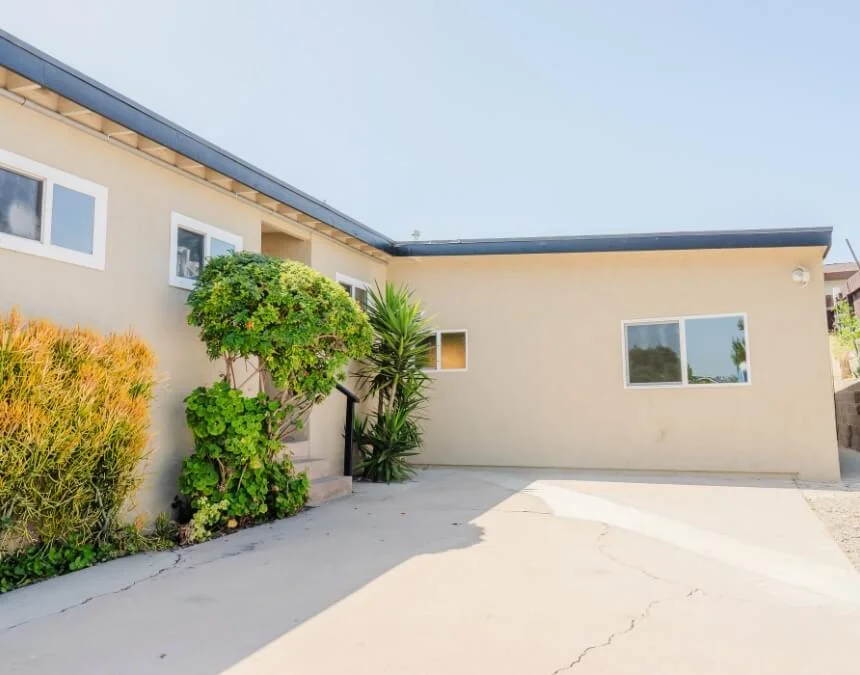
Combine timely preliminary notices with appropriate lien waivers to reduce payment disputes and strengthen trust throughout the project.