
Follow Us


Navigating ADU regulations
Regulations
Los Angeles ADU regulations simplified
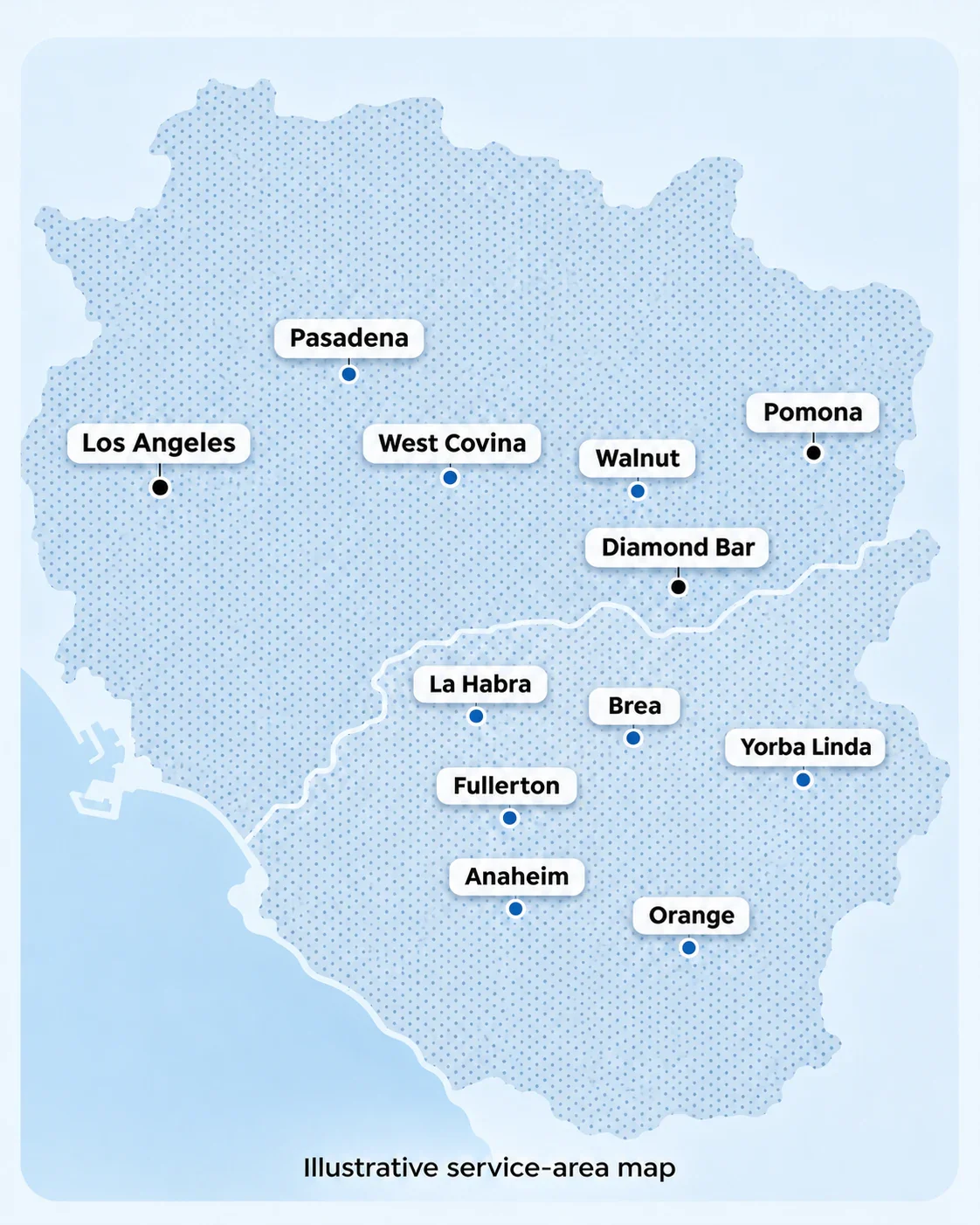
At Uni Construction, we help you understand the local ADU requirements that apply to your property. From Los Angeles to Diamond Bar, Pomona and surrounding communities, the reviewing agency and permit process can differ. Choose your city below for detailed rules, comparison charts and official sources.

Los Angeles ADU Basics
Clear steps for jurisdiction-wide ADU compliance
ADU requirements depend on the property’s jurisdiction and approval pathway. Use these guides to understand the state protections, local application process and site checks before preparing your design.
Almost every residential parcel in the regional authority now qualifies for at least one ADU, whether the zoning is single-family or multifamily. A typical single-family lot can host a detached ADU plus an attached or converted ADU and even a Junior ADU, while larger apartment buildings may add two or more detached units in former parking or open areas. Owner-occupancy is no longer required for standard ADUs, only for JADUs, so investors can participate too. And if your site sits within a half-mile of public transit, inside a historic district, or involves converting an existing structure, the usual off-street parking requirements disappear entirely.
The process starts with a brief pre-submittal consultation where local jurisdiction staff confirm setbacks, height limits and fire-department access. You then prepare a plan set that includes architectural drawings, structural calculations and Title 24 energy forms. Many cities, including Los Angeles, offer pre-approved plan templates that can be reviewed over the counter, sometimes in a single day. Once staff issues the building permit and you pay the reduced fees, construction may begin, followed by a standard inspection sequence, foundation, rough framing, mechanical-electrical-plumbing, insulation and final sign-off, culminating in the coveted Certificate of Occupancy.
Detached ADUs can reach 1,200 square feet, with a default height cap of 16 feet, extendable to 18 to 25 feet if the lot is near major transit or the new structure simply matches the primary home’s roof ridge. Attached or converted ADUs may occupy up to 50 percent of the main dwelling’s floor area, again topping out at 1,200 square feet. Side- and rear-yard setbacks shrink to a slim four feet for any unit taller than 16 feet, and garage conversions can hug the property line entirely. New detached units must carry rooftop solar panels under Title 24, while fire sprinklers are only required if the primary residence is already sprinklered.
Impact fees are fully waived on the first 750–800 square feet of an ADU, slashing thousands of dollars from the bottom line. From first submittal to final permit, a straightforward ADU Los Angeles application generally takes three to four months, and choosing a pre-approved plan can shave weeks off that schedule. Financial assistance is also available: the state’s CalHFA grant reimburses up to $40,000 in pre-development costs, while the Los Angeles Housing Commission offers construction-to-permanent loans up to $250,000 at rates far below market. Given that one-bedroom ADUs in the region routinely rent for $1,900 to $2,800 per month, many homeowners find the added income more than covers any additional mortgage payment, turning their backyard unit into a long-term wealth-building asset.
Regulation Snapshot
State rules and local requirements
California statewide ADU law
Single-family lots: 1 detached ADU (≤800 sq ft, 4 ft setbacks, 16–25 ft height) + 1 JADU, ministerial approval within 60 days. Multifamily lots (from 2025): Up to existing unit count (max 8) detached ADUs; no parking if near transit; fees waived first 750 sq ft.Confirm your reviewing agency
Free pre-approved plans, fast-track reviews, EV-ready credits, and only fire-access or septic limits mean nearly any parcel can add an ADU + JADU.City-specific ordinances
Cities add extras, Los Angeles mandates solar and 31-day minimum rentals, Chula Vista offers transit bonuses, Carlsbad caps height in view zones, so confirm details on your local ADU portal before applying.
Regulation Cheat-Sheet
Key ADU rules & regulations in Los Angeles
Make informed decisions about your Los Angeles ADU by understanding unit limits, sizing, fees, timelines, solar requirements, and rental policies. Note that certain cities and areas may have unique regulations.

How many units?
Unit allowances depend on the single-family, conversion or multifamily approval pathway. See your local guide.
Size & height
Size and height depend on the ADU type, site and applicable approval pathway.
Permit timeline
Generally 60 days for a complete qualifying application; design and construction take additional time.
Impact fees
ADUs of 750 sq ft or less are exempt from impact fees. Other fee categories may still apply.
Solar & sprinklers
Check current energy and fire requirements for the proposed building and existing home.
Rental requirements
State-exempt ADUs and JADUs require rental terms longer than 30 days. Check the applicable local rules.ADU approval pathways
Key details on additional ADUs
What it is
The state ADU pathways allow different combinations of new detached units, conversions and JADUs. Establish the permitted existing dwellings before calculating the possible unit count.
Who qualifies
Eligibility depends on the property and statutory pathway. Single-family and existing multifamily properties have different allowances.
Key trade-offs
Each proposed unit must meet its pathway’s conditions, building-safety requirements and applicable rental restrictions. Additional units also affect practical access and utility planning.

How to apply
Identify the approval pathway for each proposed unit and confirm the current application checklist with the reviewing agency. Do not assume another city’s incentive program applies here.


ADU Los Angeles Permit Roadmap
From first sketch to final inspection, here is the step-by-step path for an ADU in Los Angeles. Timing depends on the design, complete application, site conditions and agency review.

1


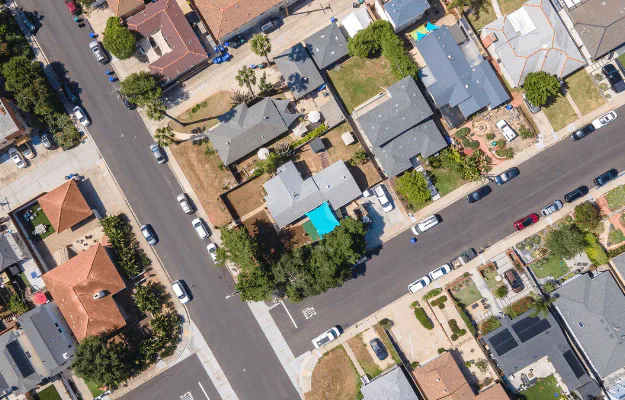
Feasibility
Understand what’s possible
- Identify the right location on your lot
- Site assessment for utilities & prep
- Verify zoning, setbacks, height limits
2
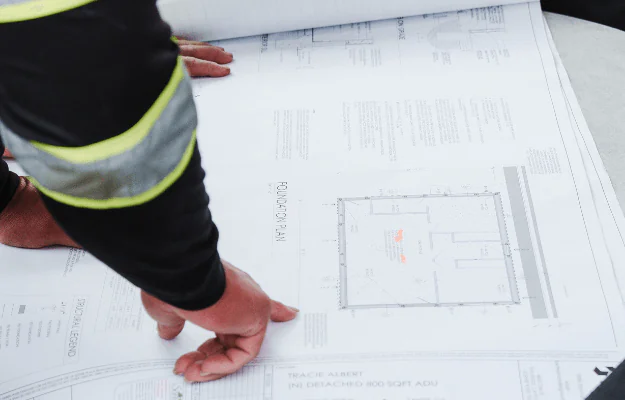
Design & Drafting
Turn vision into plans
- Create code-compliant floor plans
- Run Title 24 energy calculations
- Assemble permit-ready drawing set
3
City Submittal
File & pay fees
- Digital intake with Los Angeles DSD
- Pay plan-check & impact fees (≤800 sf waived)
- Track status in online portal

4
Plan Check
Navigate reviews
- Average 3.5 – 4 mo city review cycle
- Respond to corrections within 10 days
- Secure approvals from all departments

5
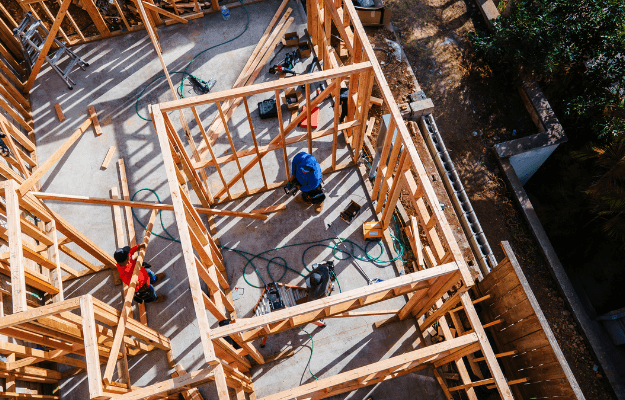
Construction & Finals
Build & certify
- Pull permit and break ground
- Schedule phased inspections
- Final inspection & Certificate of Occupancy
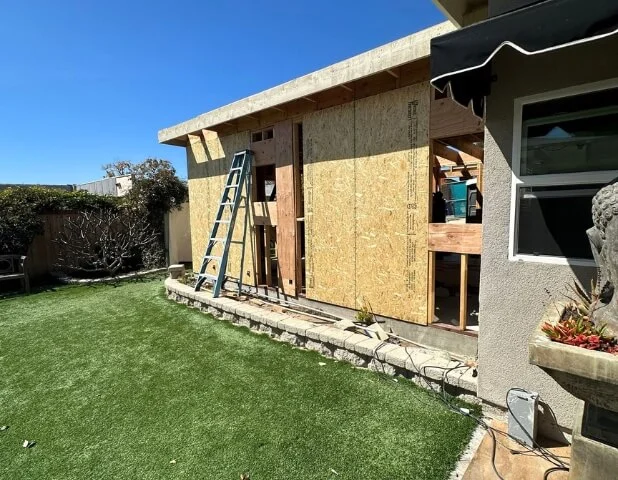
Los Angeles ADU permit costs at a glance
Budget for plan review, permits, utility work and any applicable additional charges. The amount depends on the project and reviewing agencies; request an itemized estimate before committing.
1
Base plan-check & building fees
Separate planning, building and trade-permit charges from design fees and utility work. Ask the reviewing agency for the applicable current fee schedule.
2
Impact fees (often $0)
ADUs of 750 sq ft or less are exempt from impact fees under the 2026 provision. Larger units receive proportional treatment; other fee categories can still apply.
3
School mitigation fees
Ask the responsible school district whether charges apply and which current rate and floor-area calculation it uses. Do not treat an impact-fee exemption as a waiver of every charge.
4
Timeline & contingency
Allow time for design, a complete submission, corrections and external approvals. Base any contingency on the project’s unresolved scope rather than a universal percentage.
ADU design & construction in Los Angeles
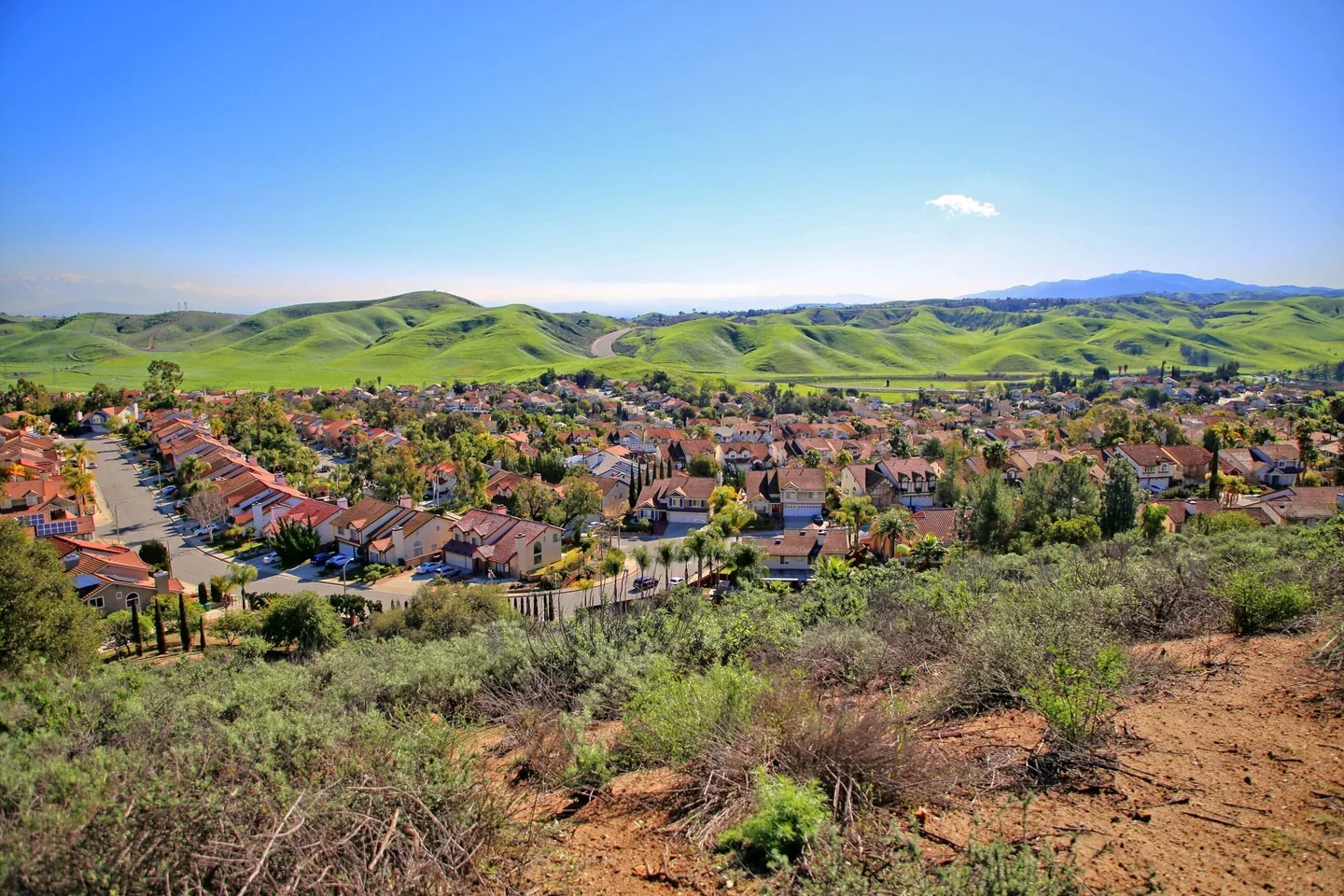
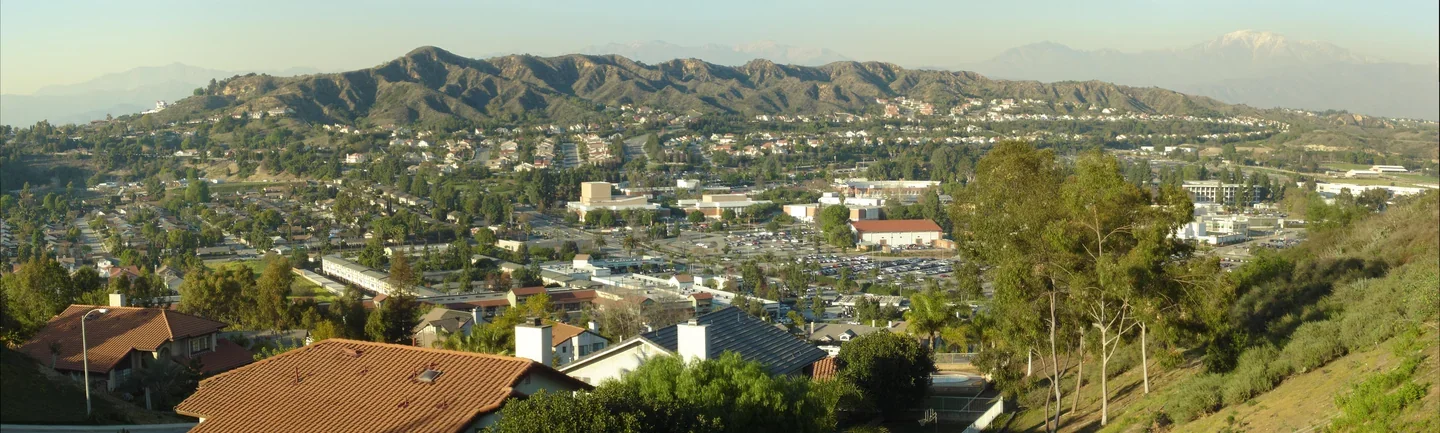
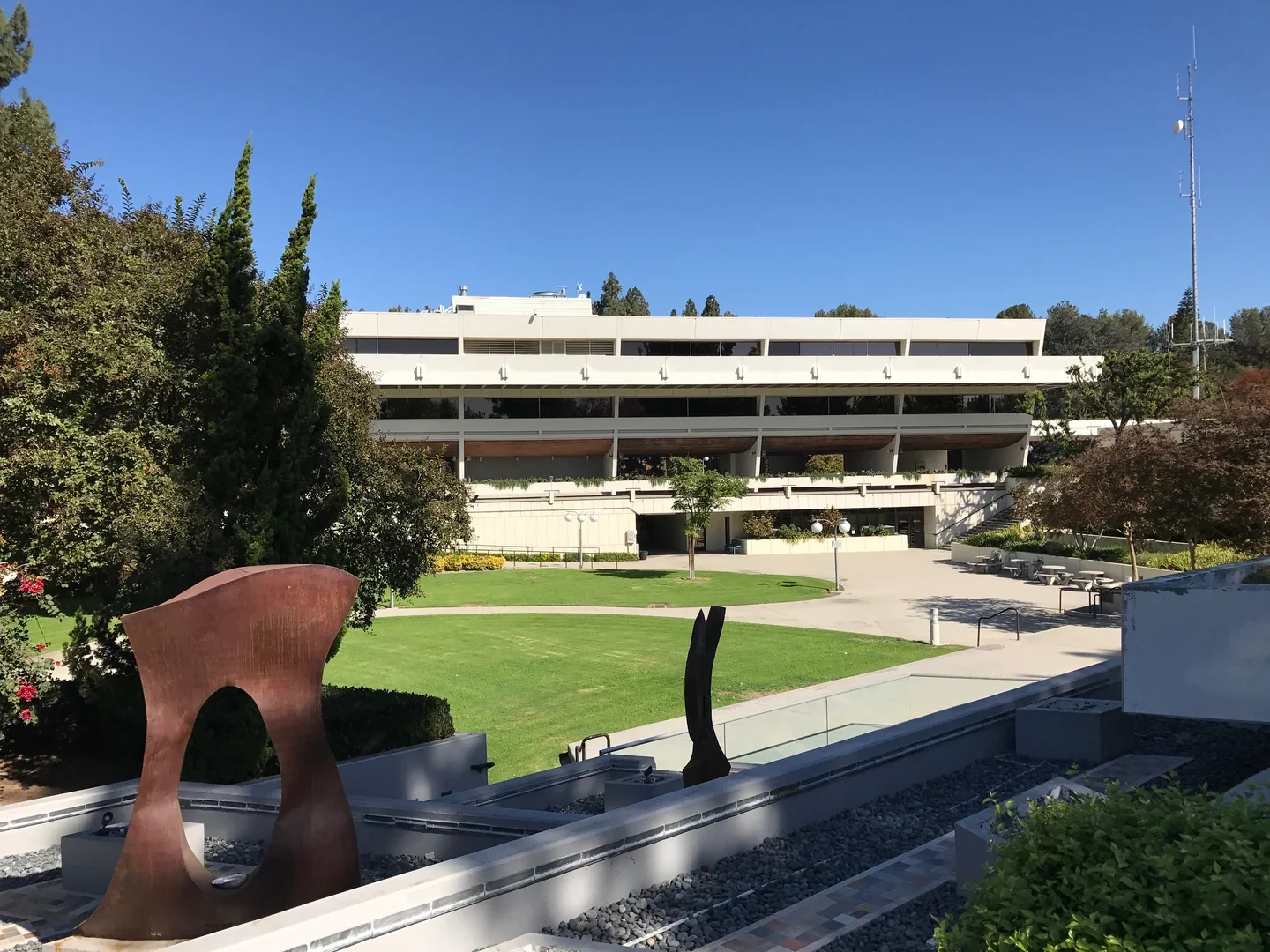
Serving homeowners across Los Angeles and surrounding cities, with offices in Diamond Bar, Los Angeles, and Pomona.
Frequently asked questions
Find answers to common ADU questions for Los Angeles and surrounding areas. Use the guide for your property’s jurisdiction for detailed requirements and official sources.
The permitted size depends on the approval pathway and applicable local rules. State law protects certain minimum allowances and qualifying 800 sq ft projects. Use the Los Angeles guide to distinguish those protections from a universal maximum.
The state framework allows qualifying combinations of conversion ADUs, JADUs and new detached units. Each category has its own conditions. Existing multifamily properties use different allowances, so establish the legal existing configuration first.
Several state exemptions can remove an ADU parking requirement, including qualifying transit proximity and existing-building conversions. Confirm the exemption that applies to the actual project instead of assuming every property is exempt.
State law generally requires an approval or denial within 60 days of a complete qualifying application. Design preparation, corrections, utilities and construction are separate stages, and statutory timing exceptions can apply.
Ordinary ADUs do not have an owner-occupancy requirement under state law. JADUs require a separate analysis: the 2026 provisions distinguish units with their own sanitation facilities from those sharing them.
State-exempt ADUs and JADUs require rental terms longer than 30 days. Confirm the applicable local operating requirements before advertising a unit; an ADU permit does not itself authorize vacation-rental use.
Under the 2026 state provision, ADUs of 750 sq ft or less are exempt from impact fees. Larger units receive proportional impact-fee treatment. Building, utility and other charges are separate categories.
Energy and fire requirements depend on the proposed work and applicable codes. Have the design team confirm solar, sprinkler and fire-separation requirements for the project rather than assuming a blanket exemption.
Do not assume an ADU can be sold separately. Separate conveyance requires an applicable legal pathway and compliance with its conditions. An ordinary building permit does not create a separate parcel or ownership interest.
Ask lenders about financing suited to the project and check any assistance program’s current funding and eligibility. Do not include a grant or subsidized loan in the committed budget until it has been approved.