

Key Takeaways
Some areas within the jurisdiction of Los Angeles have limited sewer access. If your property is in one of these areas, you may need to upgrade an existing septic system or install a new one to support your ADU. In some cases, an existing system can accommodate the connection without modifications, but this depends on its approved capacity, condition, and compliance with applicable building and environmental health requirements.
If you need to install or replace a septic system, request a property-specific estimate from a qualified contractor. Costs depend on the system’s size and design, site conditions, installation requirements, and applicable permit fees.
What Is an ADU Septic System?
A septic system treats wastewater from toilets, showers, washing machines, and sinks without relying on a traditional sewer connection. Homes connected to municipal sewers send wastewater through public pipes to a treatment plant. Septic systems instead collect wastewater in an underground tank, where solids settle and some decomposition occurs. Liquid effluent then flows into a drain field, where suitable soil provides further treatment as it disperses.
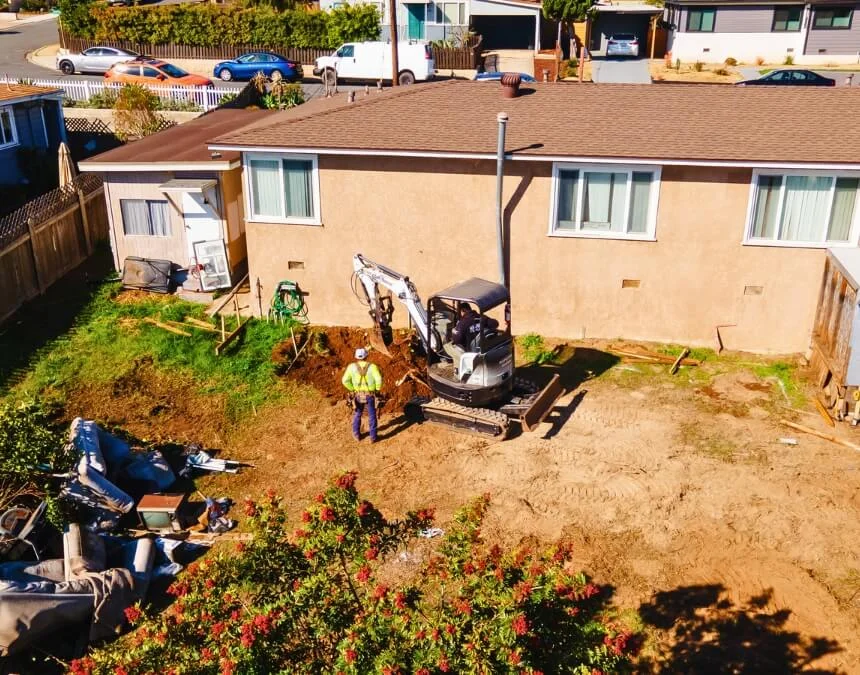
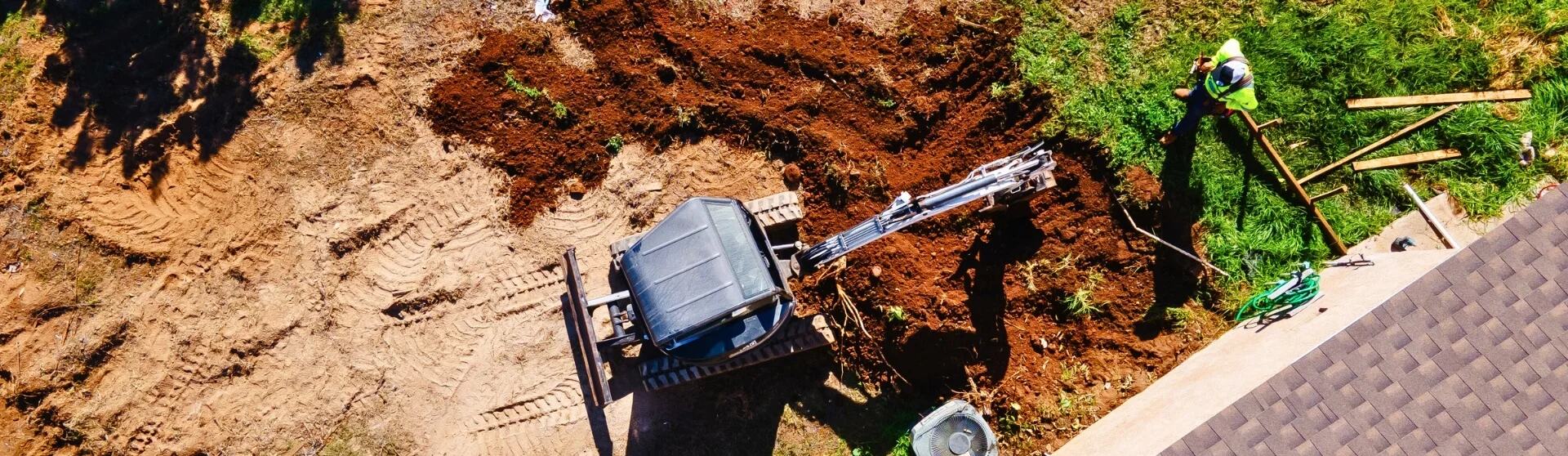
Proper system sizing starts with understanding your ADU’s wastewater needs. Always consult a qualified professional before excavating to avoid design missteps.
Why Consider a Septic System for Your ADU?
Typically, septic is not a choice but a necessity based on your location. Some communities have public water and sewer systems; others do not. Property owners in rural areas without public sewer access may need approved septic systems for primary residences and accessory dwelling units.
If your area relies on septic, a properly designed system can provide effective on-site wastewater treatment. Environmental benefits depend on soil conditions, maintenance, and system performance. Septic may eliminate municipal sewer charges, but homeowners remain responsible for inspections, pumping, repairs, and eventual replacement. Compare these expenses with applicable sewer charges rather than assuming that septic always costs less or reduces water bills.
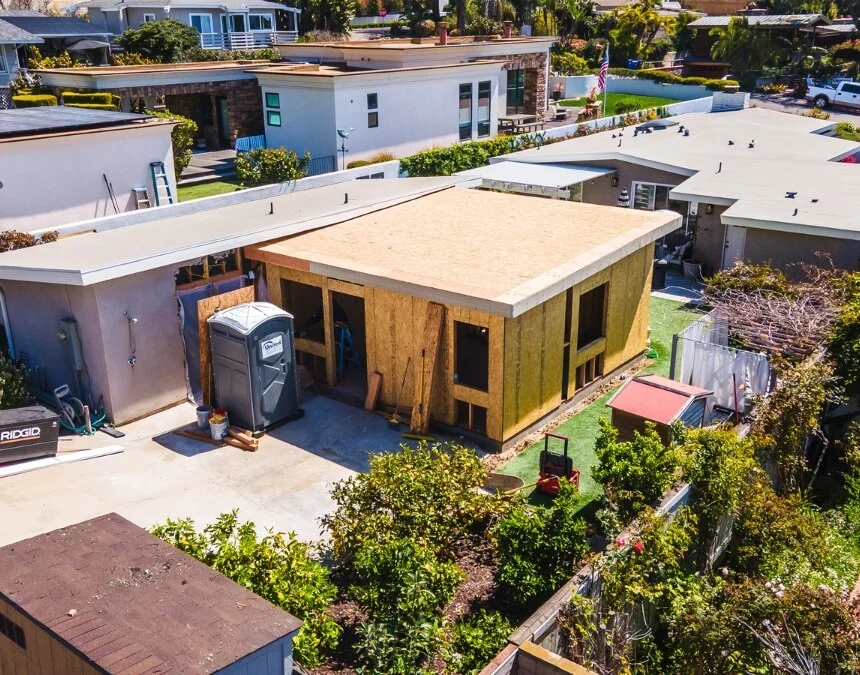
Septic systems provide on-site wastewater treatment for remote or sewer-limited lots. Proper design, installation, and maintenance support reliable long-term performance and help protect property value.
Can You Tie Into an Existing Septic Tank for Your ADU?
Yes, connecting plumbing from your new guest house, in-law suite, or rental unit to an existing septic system may be possible, provided the system meets capacity, condition, and permitting requirements.
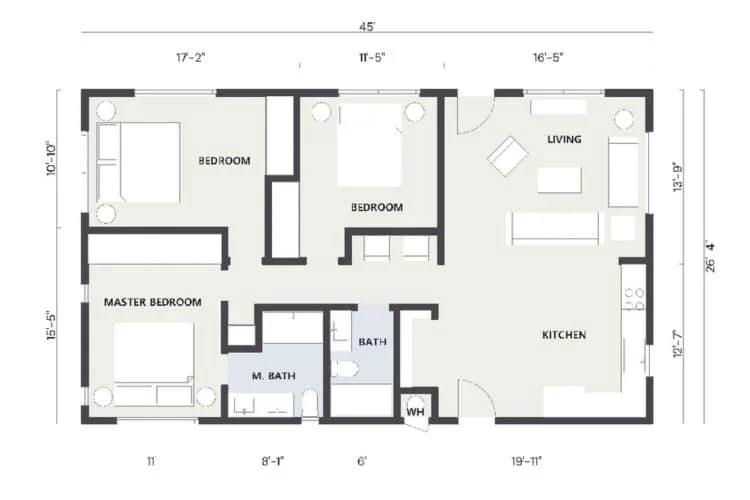
- Does your current system have sufficient capacity? Septic sizing commonly considers the property’s total bedroom count, anticipated wastewater flow, and local design standards. If you have a 3-bedroom septic system for your 3-bedroom house and your ADU has 2 additional bedrooms, have the proposed ADU’s additional demand evaluated rather than assuming the existing system can accommodate it. If you are unsure of the tank’s capacity, consult a licensed contractor or a qualified septic consultant. Adequate drain-field capacity also matters.
- Is your current system in good condition? Have the tank and leach field evaluated for problems, including pooling, odors, leaks, and deterioration. Confirm that the system complies with applicable building and environmental health requirements.
- Will the reviewing authorities allow the connection? Even if the system has adequate capacity, confirm connection requirements with the local building department and environmental health authority. Ask whether a dedicated connection, distribution box, or other approved configuration is required.
If your existing system does not meet these requirements, consult a qualified professional about upgrading or supplementing it to handle the additional wastewater generated by your ADU. Potential solutions include:
- Replacing or enlarging the system, particularly if the existing tank or drain field lacks sufficient capacity
- Adding a separate septic tank that’s dedicated to the ADU
These solutions may involve a septic permit, a septic contractor, or both, depending on site requirements.
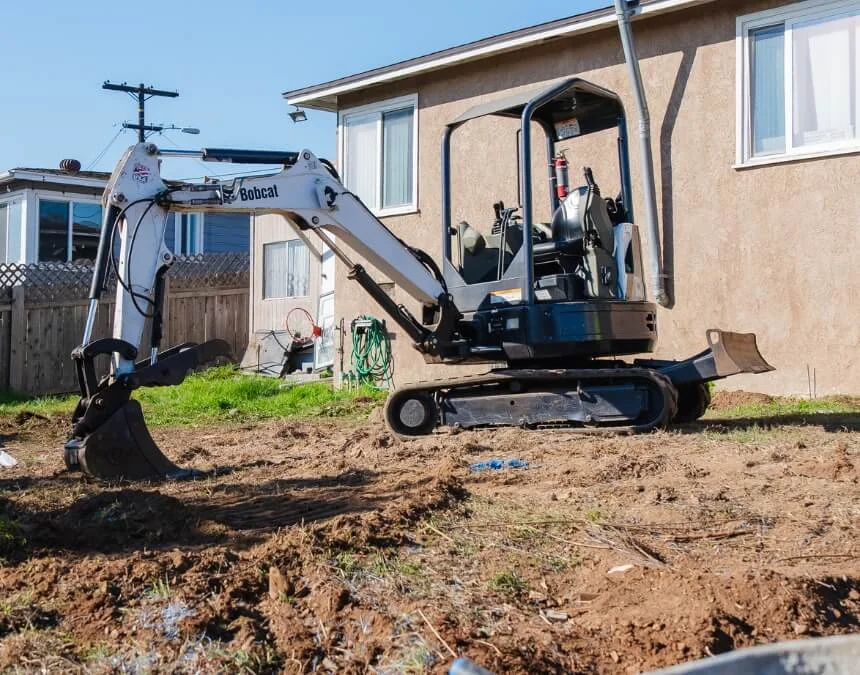
Connecting to an existing septic system may reduce costs, but only if it meets capacity, condition, and code requirements. Arrange a professional evaluation before proceeding.
Types of Septic Systems for ADUs
If you need to replace or supplement your primary septic system, several options may be available, including seepage pits/leach fields. Other approaches, such as aerobic treatment units, provide additional treatment and may be appropriate for challenging sites, subject to soil evaluation and local approval.
Conventional Septic Systems: Seepage Pit vs. Leach Field
In a conventional septic system, wastewater enters a tank, where solids settle. Liquid effluent then flows to a drain field for further treatment in suitable soil.
Advanced Treatment Systems
If limited space or unsuitable soil prevents installation of a conventional system, an advanced treatment system, or ATS, may be an option. Aerobic models use oxygen to improve wastewater treatment, but site suitability and approval still require professional evaluation.
Alternative Options
Conventional systems and advanced treatment systems are options worth evaluating, but other designs include chamber systems, drip distribution systems, and mound systems. Depending on their design and local approval, these approaches may address shallow soil, uneven terrain, elevation differences, or high groundwater. If you believe your ADU project may require an alternative septic solution, consult a qualified septic contractor or designer to determine which approach fits your property’s conditions and applicable requirements.
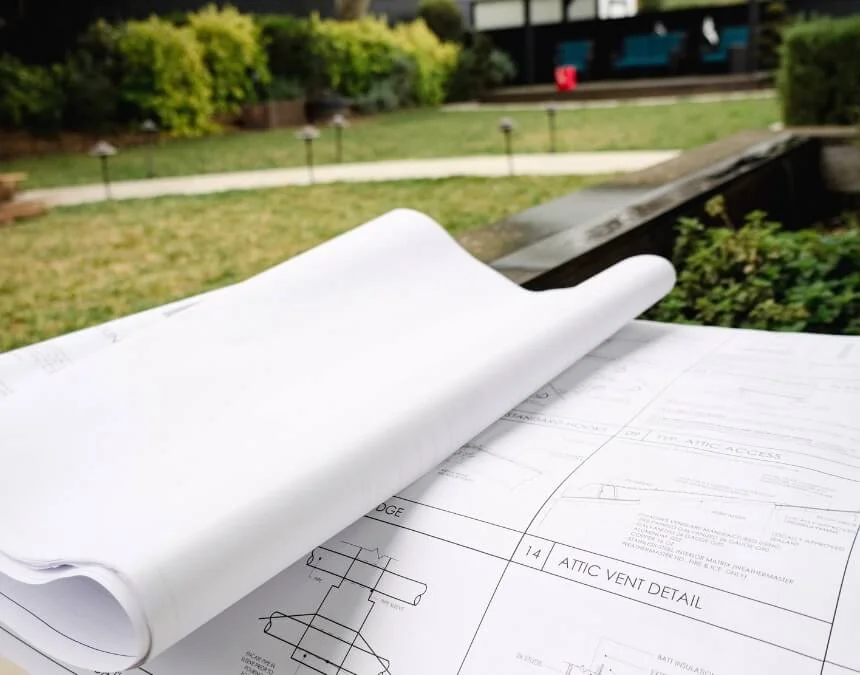
System type matters. Conventional drain fields suit many sites, while advanced treatment may help address soil or space constraints when supported by site evaluation and approval.
Regulatory Requirements for ADU Septic Systems in California
As with other aspects of ADU construction, there are specific regulatory requirements to consider when installing a septic system. Confirm the following with the relevant reviewing authorities:
- Required separation distances between the tank or drain field and structures, wells, groundwater, waterways, and other sensitive features, which may differ by component and site conditions
- Required setbacks from property lines and neighboring improvements
- Applicable lot-size, usable-area, and replacement drain-field requirements
What is the Minimum Lot Size for a Septic System in California?
For properties in the Los Angeles area, ask the applicable environmental health authority whether half an acre is a relevant lot-size threshold. Requirements depend on the jurisdiction, soil conditions, water supply, and sewer availability.
If you encounter a stated minimum lot size of half an acre or less, verify its applicability with the property’s reviewing authority. Public water and sewer availability, soil conditions, groundwater levels, and space for a replacement drain field can affect septic feasibility. Properties near conservation land or environmentally sensitive areas may face additional restrictions, so lot size alone does not establish eligibility.
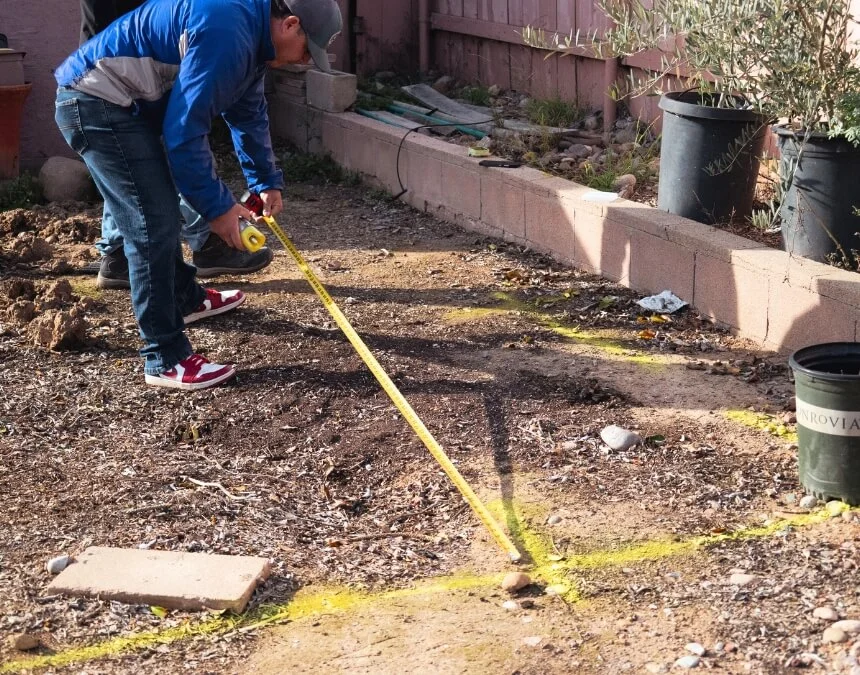
Lot size affects septic feasibility, but there is no universal minimum. Confirm usable area, soil suitability, groundwater conditions, and local requirements before planning your ADU.
How Much Does an ADU Septic System Cost?
Septic system costs depend on several factors. System type plays a significant role, since some designs require more equipment, treatment, or maintenance than others. Capacity, soil conditions, site access, and terrain also affect the budget. Poor soils or uneven ground may require additional engineering, excavation, or specialized components, increasing the overall project cost.
Installation estimates may exclude related expenses, such as soil evaluations, septic permits, or ADU plumbing costs. Confirm what each quote includes.
| Septic System Type | Installation Cost | Annual Maintenance Cost |
|---|---|---|
| Conventional Septic System | Obtain a site-specific quote based on soil conditions and system capacity. | Budget for inspections and periodic pumping. |
| Advanced Treatment System (Aerobic Treatment Unit) | Request a quote covering treatment equipment, installation, and electrical work. | Budget for servicing, electricity, and required testing. |
| Chamber System | Confirm pricing based on chamber sizing, excavation, and soil suitability. | Allow for inspections and periodic tank pumping. |
| Drip Distribution System | Request pricing for treatment, pumps, filters, and distribution lines. | Budget for filter cleaning, pump servicing, and inspections. |
| Mound System | Obtain a quote based on engineered design, fill requirements, and site access. | Allow for pump maintenance, inspections, and tank pumping. |
What Is the Timeline for Adding a Septic System to Your ADU?
When planning the timeline for adding a septic system to your property, consider 2 main stages: permitting and physical installation, including required inspections.
Septic plans generally require review by the environmental health authority responsible for the property, along with any applicable building approvals. Confirm the correct agencies and current processing estimates before scheduling construction. Incomplete applications, requested revisions, soil evaluations, or resubmittals can extend the review period, so allow time for these steps.
Installation timing depends on the approved design, excavation conditions, site access, contractor availability, and required inspections. Ask your contractor for a project-specific schedule covering preparation, installation, testing, and restoration. Coordinate inspection stages with the reviewing authority, since some components must be inspected before they are covered or placed into service.
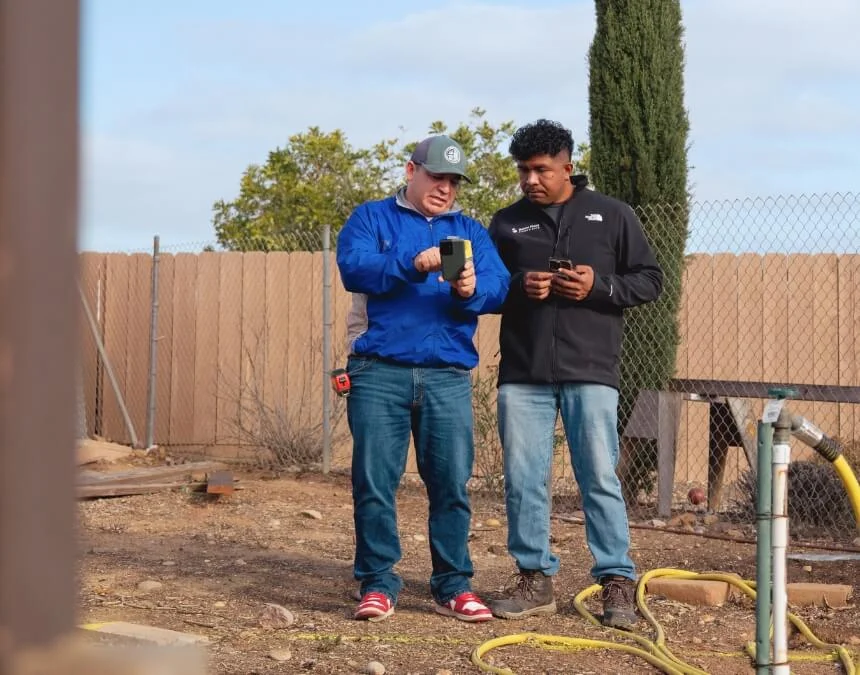
Plan early. Confirm permitting, installation, and inspection timelines with your project team and reviewing authorities, then build those milestones into your ADU construction schedule.
Can You Decommission Your Septic System and Connect to a Sewer Line Instead?
Yes, connecting both your primary residence and ADU to a municipal sewer may be possible if service is available and the connection is approved. Confirm requirements with the sewer authority, local building department, and agency overseeing septic abandonment. Request a property-specific estimate covering connection charges, excavation, pipe installation, permits, and proper tank decommissioning. Costs can vary substantially with distance, depth, access, and street work. Compare the long-term convenience and maintenance responsibilities with the full upfront expense before deciding.
Maintenance Tips for ADU Septic Systems
Property owners with septic systems need to maintain their systems every year. Routine maintenance helps prevent failures, extend system life, and reduce the risk of expensive repairs. Costs and service needs vary by system and household use.
Routine Maintenance
Septic tanks generally need pumping every 3-5 years and inspection every 1-3 years. Actual intervals depend on tank size, household use, system design, and professional recommendations; advanced systems may need more frequent service.
Avoiding Common Problems
Between routine maintenance events, homeowners should also take steps to prevent common septic problems, including excessive wastewater loading, clogs, and drain-field damage.
Low-flow toilets, showerheads, and faucets help reduce water use and the risk of overloading a septic system. Spread water-intensive activities throughout the week when practical. Flush only human waste and toilet paper, never baby wipes, paper towels, menstrual products, or other materials that can clog or damage the system.
Outside the home, use grass or other locally recommended shallow-rooted ground cover above the drain field. Tree and shrub roots can damage or block system components. Direct downspouts and other runoff away from the drain field to avoid excess saturation.
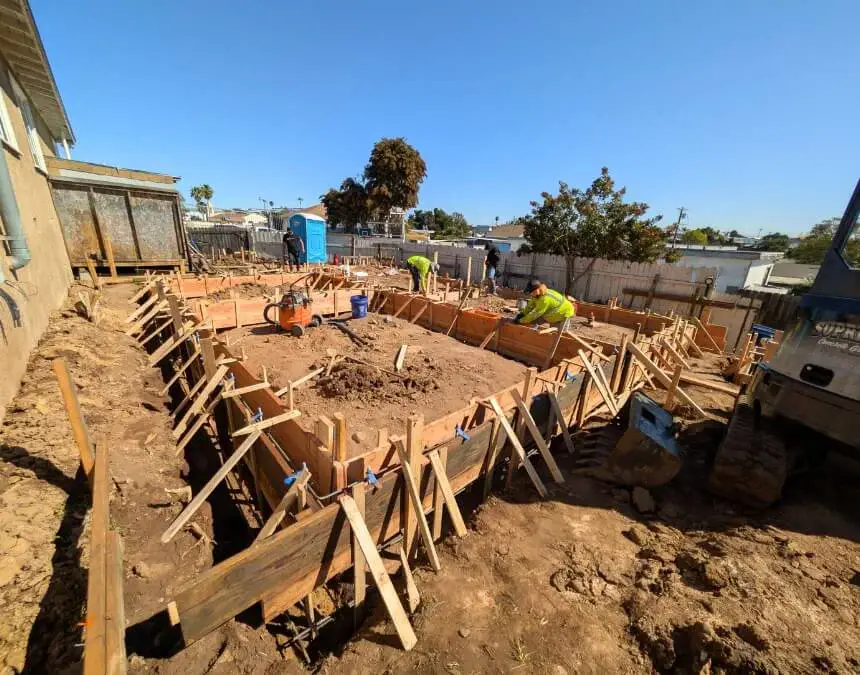
A healthy septic system supports long-term peace of mind. Routine inspections, timely maintenance, and responsible water use help prevent backups and system failure.
FAQs About ADU Septic Systems
There is no universal minimum lot size for septic. Confirm local requirements, soil suitability, groundwater separation, and usable drain-field area with the environmental health authority responsible for your property.
It depends on the proposed connection, system capacity, and local requirements. Obtain approval from the building and environmental health authorities; an upgrade or separate system may be necessary if the existing setup is unsuitable.
Have the tank pumped and the system inspected at intervals recommended for its design and household use. Between service visits, flush only human waste and toilet paper, manage water use, and choose landscaping carefully, particularly around the drain field. Keep vehicles and heavy loads off the system.
Advanced treatment systems can improve wastewater treatment and, where permitted, may allow alternative dispersal designs or smaller drain fields. They may help on sites with rocky or clay-rich soils, but suitability depends on testing, groundwater conditions, ongoing maintenance, and local approval.
Unlock the Potential of Your ADU With Uni Construction
Managing septic requirements alongside the many other aspects of ADU construction can feel overwhelming, but you do not have to navigate the process alone. When discussing your project with Uni Construction, ask how manage all construction details fits into the scope, including septic design, permitting, installation, and coordination with qualified specialists. Establish clear responsibilities, budget allowances, and scheduling expectations before construction begins. To learn more about building your ADU, use our cost calculator or, for project-specific guidance, schedule a free project consultation.
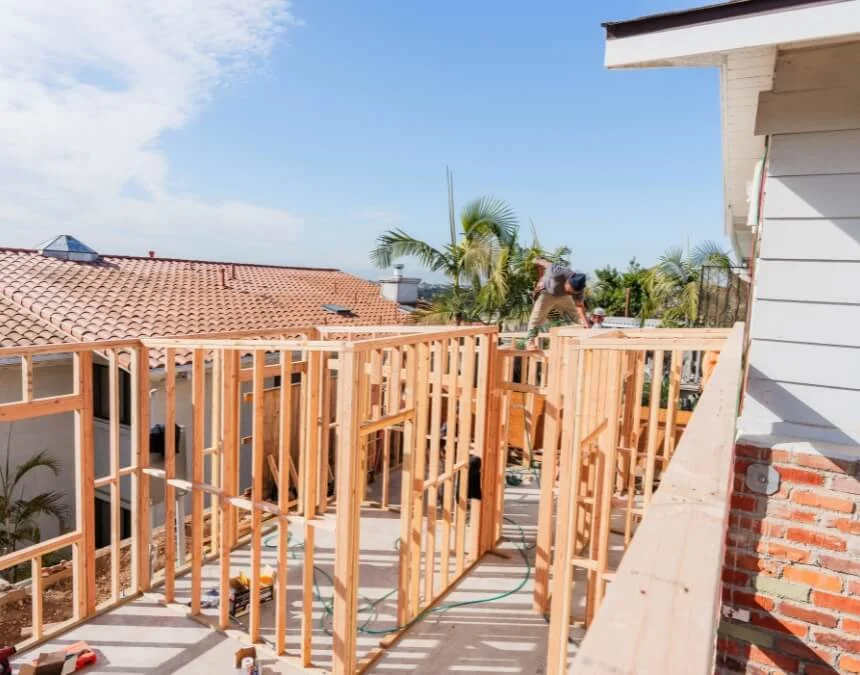
A well-planned septic system is one part of a successful ADU. Confirm how your service agreement coordinates each stage, from design and permitting to construction and landscaping.