

Key Takeaways
Before beginning a home construction project, especially a substantial undertaking involving costly as building an ADU, review the protection offered by a home construction warranty. For many homeowners, this coverage takes the form of a builder’s warranty. Builders may include these warranties in the construction price. Depending on their terms, they can cover certain defects in workmanship or materials, structural problems, and issues affecting the home’s electrical, HVAC, or plumbing systems.
These builder warranties generally exclude appliance replacement and repairs resulting from earthquakes or other natural events. For additional protection, homeowners can review a third-party appliance warranty and discuss disaster coverage, including ADU-specific homeowners insurance policy, with a licensed insurance professional.
What is a Home Construction Warranty?
Like warranties for refrigerators, cars, and other major purchases, home construction warranties provide defined protections for your construction project over a specified period. If a construction issue arises during that period, the warranty may cover eligible repairs. Coverage depends on the written terms, exclusions, claim requirements, and any applicable costs you must pay.
Coverage Periods
Warranty coverage generally varies by component rather than applying uniformly throughout the home. For example, your home’s HVAC system might have a 2-year warranty, while certain structural components may have 10 years of protection. Verify whether the foundation, roof framing, and roofing materials receive different coverage.
Common Claims
Common warranty claims include:
- Non-cosmetic foundation cracks
- Loose tiles or uneven hardwood flooring
- Leaking pipes
- Faulty wiring
- Air conditioning problems
However, claims may be denied if homeowners fail to perform required maintenance, make DIY repairs or renovations that affect coverage, or miss a claim deadline. Any denial should be evaluated against the warranty’s terms and applicable law.
Your warranty’s coverage periods and terms depend on the provider, written agreement, and applicable law. Carefully review any service contract, including exclusions and claim requirements, before accepting the terms and beginning construction.
Your builder should stand behind their work. Review Review your blueprint and warranty terms together before construction begins.
Types of Home Construction Warranties
Homeowners undertaking projects involving ADU build often obtain construction coverage through a builder’s warranty. Ask prospective builders for their written warranty terms rather than relying on verbal assurances. Because coverage has limits, homeowners seeking additional protection can also compare a separate policy via a third-party home warranty, checking for exclusions, overlapping benefits, service fees, and provider requirements.
Types of construction warranties:
- Builder’s warranty
- Third-party home warranty
Builder’s Warranty
Builder’s warranties generally address specified defects in materials and workmanship supplied by your ADU builder or its subcontractors. These agreements describe the builder’s repair obligations for a defined period, giving homeowners a clearer path to resolving eligible problems after construction. For any homeowner considering building an ADU, understanding those obligations is important: unexpected repairs shortly after completion can be expensive, and not every issue qualifies for warranty coverage.
Generally, builder’s warranties cover an ADU’s:
- Structural integrity, including the roof framing, load-bearing walls, and foundation
- Mechanical systems, including electrical systems, plumbing, and HVAC
- Windows, doors, and exterior finishes
- Interior finishes, including flooring, cabinets, and trim
Every builder’s warranty differs, and coverage periods often vary by component. Normal wear and tear is generally excluded. Damage caused by homeowner neglect or DIY repairs may also be excluded, depending on the written terms and applicable law.
Third-Party Home Warranty
Third-party structural warranties may supplement a builder’s coverage or extend protection for specified defects. Separate home service contracts may cover repairs to appliances, such as stoves and refrigerators. These products are not interchangeable, so compare their scope, exclusions, coverage periods, and fees.
If a builder’s warranty is included in your construction cost, separate third-party coverage usually adds another cost. Some builder and third-party warranties can transfer to future buyers, but eligibility, fees, deadlines, and remaining coverage depend on the specific agreement.
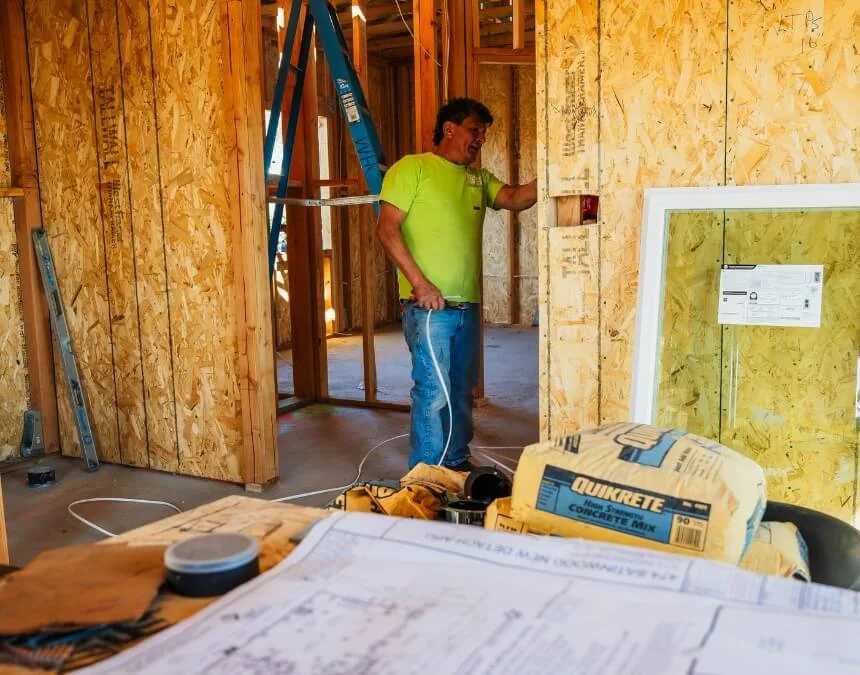
Not all warranties offer the same protection. Compare builder warranties, third-party structural coverage, and appliance service contracts carefully.
What Does a Home Construction Warranty Cover?
Home construction warranties commonly address 3 categories: structural elements, major systems, and workmanship, with coverage defined by the agreement.
Structural Elements
Structural elements that a home construction warranty may cover include:
- Foundations and footings
- Load-bearing walls and framing
- Roof framing and structural roof components, including rafters
- Structural subflooring, joists, and beams
Some warranties provide 10-year coverage for specified structural defects; verify the terms.
Systems Coverage
Major systems that a home construction warranty may cover include:
- Electrical systems, including wiring, electrical panels, and lighting fixtures installed during construction
- Plumbing systems, including supply lines, drains, water heaters, faucets, and fixtures
- HVAC systems, including ductwork, ventilation, and central heating and air conditioning units
These systems are typically covered for 2 years.
Workmanship Issues
Common workmanship issues that may qualify for home construction warranty coverage include:
- Drywall cracks
- Peeling or uneven paint
- Warped hardwood flooring and loose or cracked tiles
- Improperly installed or sealed doors and windows
- Misaligned bathroom or kitchen cabinets
- Improperly installed roof shingles
- Cracked or peeling siding or stucco
Some warranties cover these issues for 1 year; confirm exclusions.
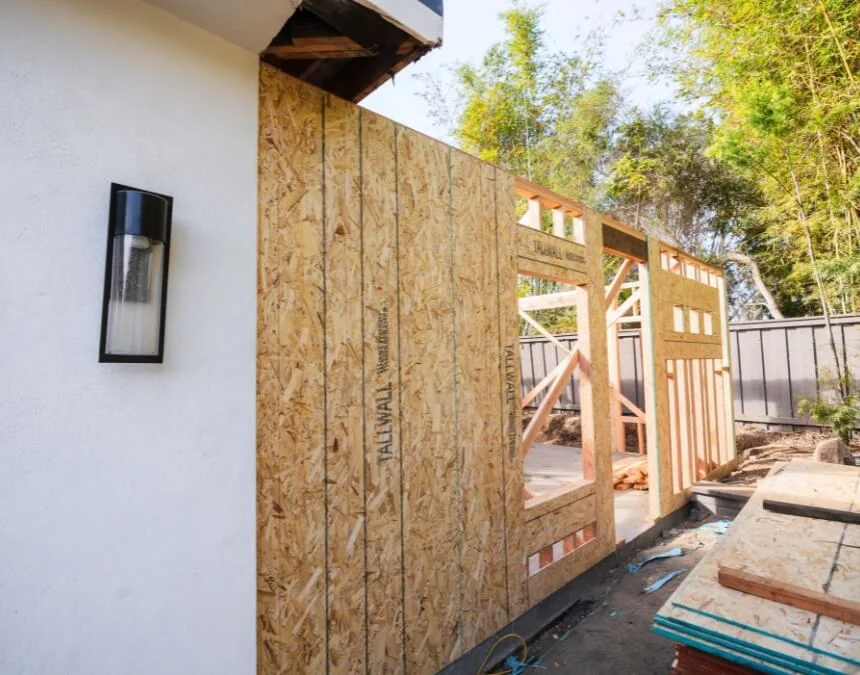
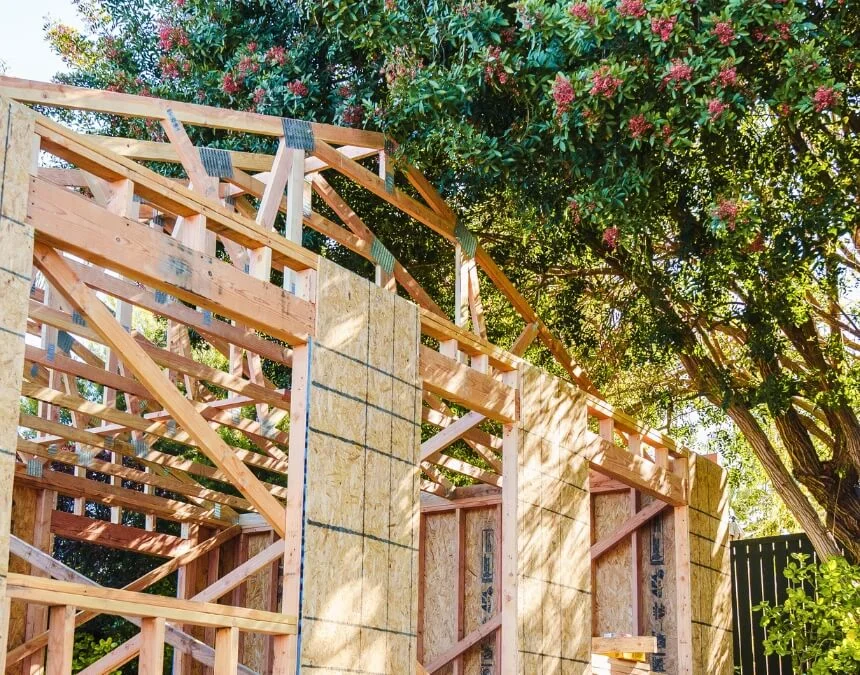
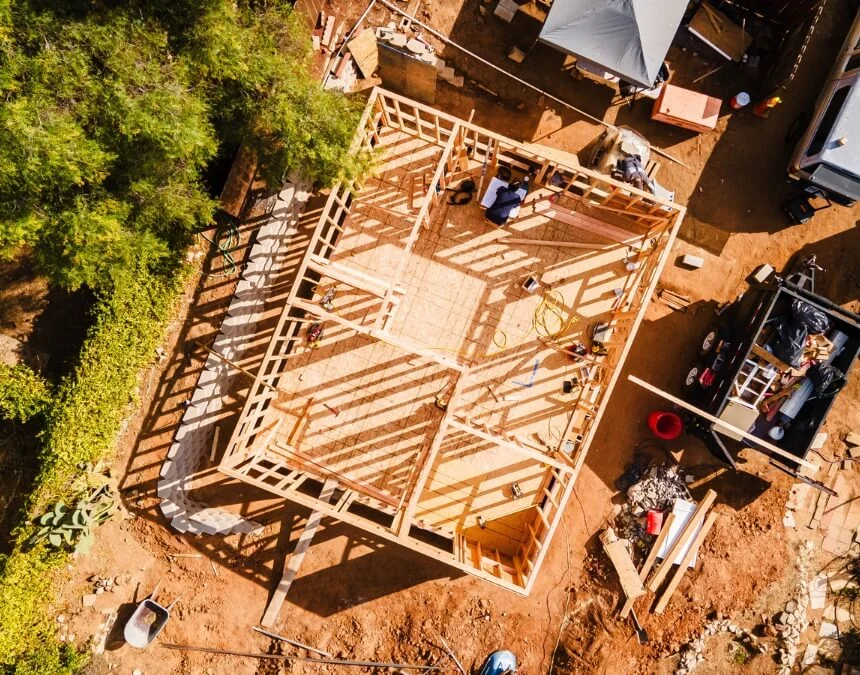
Framing inspections can reveal structural and system defects before they are concealed. Warranty coverage does not replace required inspections.
Common Exclusions in Home Construction Warranties
Your builder or third-party warranty provider may exclude claims involving normal wear and tear, natural settling, or environmental events such as earthquakes and floods. Review the specific exclusions.
Failure to maintain the home or damage caused by DIY repairs or renovations may affect related claims. Such actions do not necessarily void the entire warranty; the terms and applicable law matter.
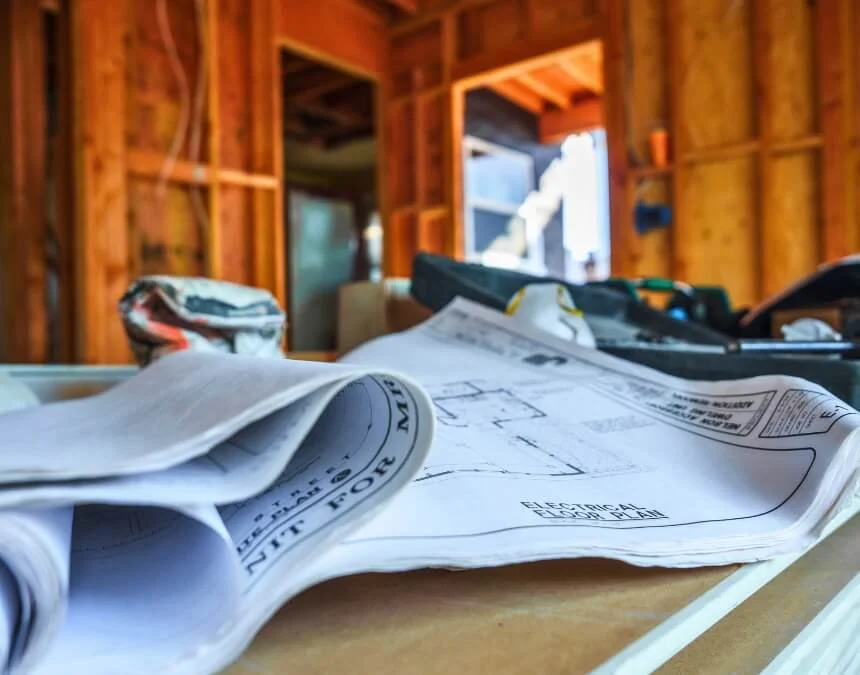
Protect your coverage: follow maintenance requirements, document construction, and contact your warranty provider before attempting repairs.
How Long Does a Home Construction Warranty Last?
California construction protections depend on the project and applicable law. Verify any claimed 1-2-10 warranty or Right to Repair Act requirement. The Right to Repair Act, enacted through SB 800, may apply; SB244 does not establish a universal 1-2-10 warranty requirement.
A 1-2-10 warranty generally provides 1 year of workmanship coverage, 2 years for specified major systems, and 10 years for covered structural defects.
Why is a Home Construction Warranty Important?
A home construction warranty can help protect a homeowner’s investment and clarify the builder’s responsibilities for covered defects. In California, discussions of housing crisis and efforts to support building of ADUs and other forms of alternative housing should also address consumer protection. Clear warranty terms, realistic expectations, and documented repair procedures help homeowners evaluate their construction options with greater confidence.
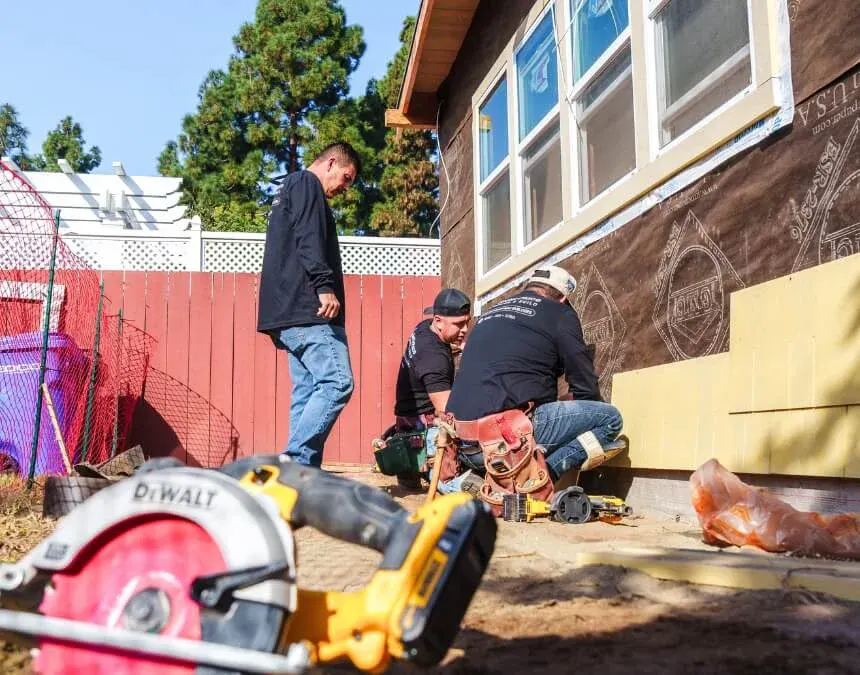
Clear ADU warranty terms support informed investment decisions. Understand the coverage, exclusions, and claim procedures before committing.
How to Claim a Home Construction Warranty
The claim process depends on whether you have a builder’s warranty or third-party coverage. For a builder’s warranty, notify the builder using the required procedure. For third-party coverage, contact the provider’s claims team. In both cases, check notification deadlines and written submission requirements promptly.
Provide clear photos and videos of the issue, complete the required forms, and describe when you first noticed the problem. Keep copies of submissions, emails, inspection reports, and other relevant records. If the builder or warranty provider requests an inspection, arrange reasonable access to the affected areas. Follow any instructions about emergency repairs or preventing further damage. These steps can support an efficient review, but they do not guarantee approval or a particular repair timeline.
Questions to Ask About Your Home Construction Warranty
First, ask whether your ADU builder provides a written builder’s warranty. If none is offered, investigate carefully. A reputable builder should clearly explain its repair obligations, warranty terms, and applicable statutory responsibilities.
Understand the details of any warranty before hiring an ADU builder. Useful questions about coverage, claims, and ongoing obligations include:
- What does your warranty cover, and what does it exclude?
- What coverage periods apply to workmanship, major systems, and structural defects?
- How do I file a warranty claim, and what deadlines apply?
- What response and repair timelines does the warranty specify?
- Can the warranty transfer to future property owners?
A prospective builder should explain these details clearly and provide the written warranty for review before you sign a contract.
Ask direct warranty questions early. Clear written answers can help prevent costly confusion later.
Partnering with Uni Construction for Peace of Mind
When evaluating Uni Construction, ask how careful work is performed using highest-quality materials available, how the team communicates with our homeowners, and what written warranty applies to your project. Review coverage, exclusions, and claim procedures before signing.
For homeowners, a project involving know that an ADU represents a substantial investment that deserves careful planning. To explore how Uni Construction could help bring your ADU dreams to life, review the proposed scope and warranty, then schedule a free consultation.
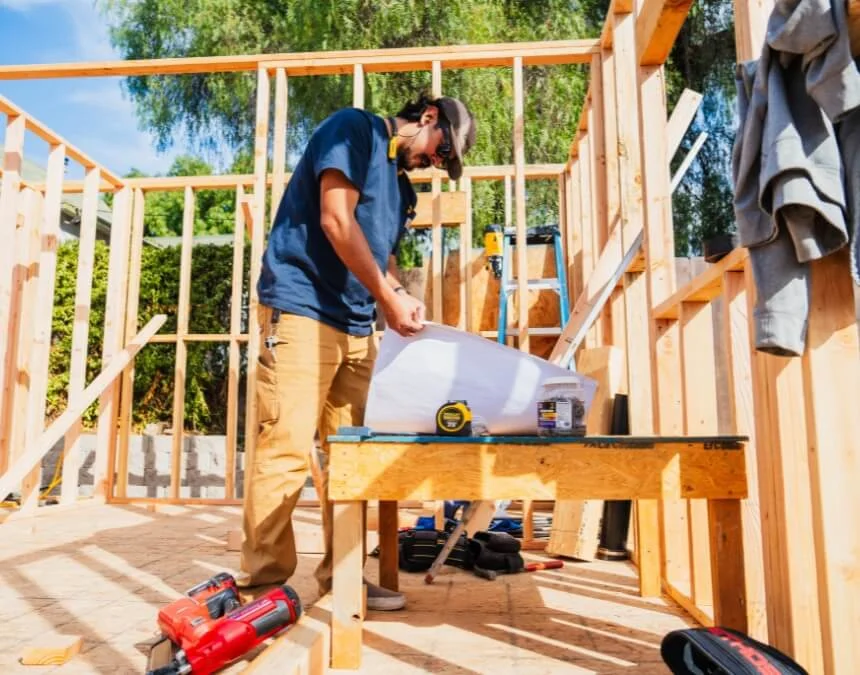
Ask our team about written warranty protection. Quality construction, regular maintenance, and timely repairs support your ADU’s long-term performance.