

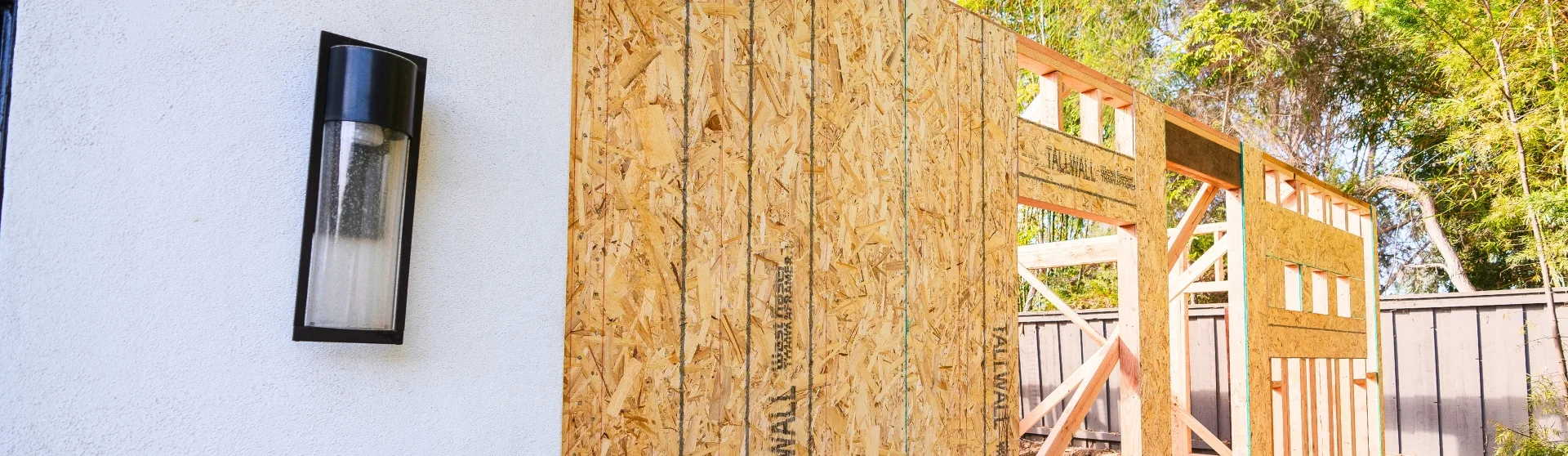
TL;DR: ADU Tax Credit
- California does not offer a general ADU construction tax credit, but eligible deductions and certain federal energy incentives may apply.
- Homeowners may claim deductions when an ADU qualifies as a rental property or home office.
- Federal residential energy credits ended for new expenditures or installations after 2025, depending on the credit.
- Adding an ADU generally increases its property’s assessed value without triggering a full reassessment.
- Residential rental ADUs generally qualify for depreciation deductions over 27.5 years.
- This article explains energy incentives, rental deductions, property tax implications, and common misconceptions.
“ADU tax credit” is a commonly searched term describing potential tax benefits associated with building or using an accessory dwelling unit. Although California does not offer a general construction tax credit, homeowners may qualify for rental deductions, home office write-offs, or applicable energy incentives, depending on use and timing. Most benefits are claimed through annual income tax returns and require documentation supporting eligibility and expenses.
What is an ADU Tax Credit?
A tax credit reduces the taxes you owe for the filing year dollar for dollar. An ADU construction tax credit would reduce taxes based on eligible construction costs.
Some states, including Massachusetts and Vermont, have offered housing grants or rebates, but these differ from construction tax credits. Review California’s SB 1164 and current official guidance before drawing conclusions about ADU property tax rates or homeowner benefits. Generally, building an ADU on your property does not trigger a full reassessment of the existing home. Instead, the assessor adds the assessed value of your secondary housing unit to the property’s existing assessment, subject to applicable rules.
To explore SB 1164 and ADU property tax assessments, review our separate post here and confirm current requirements with the county assessor.
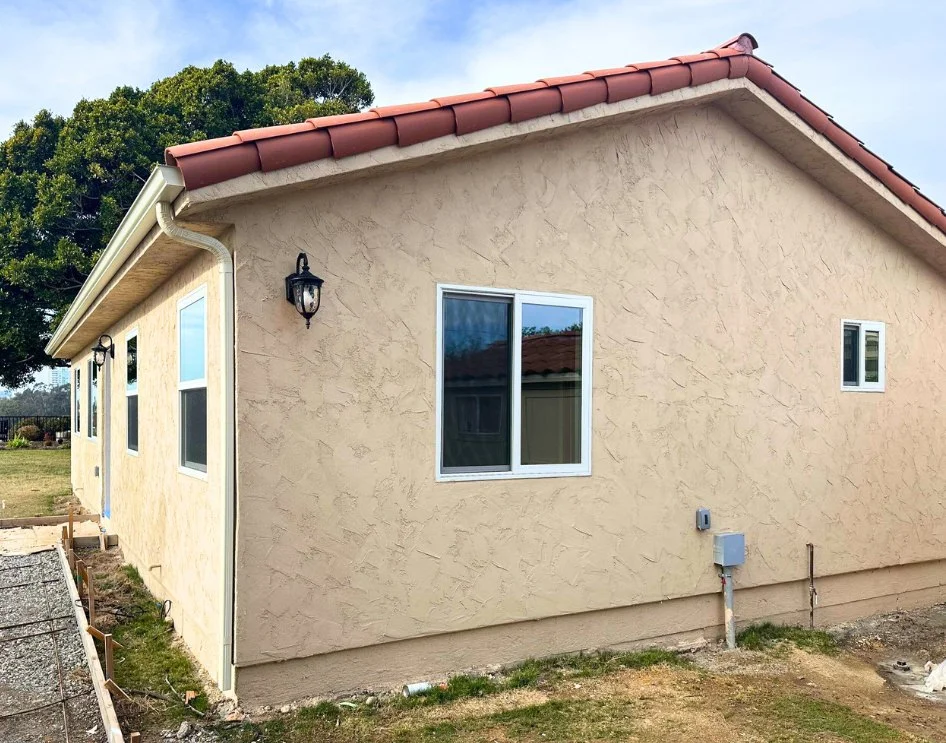
Although ADU construction generally does not qualify for a direct tax credit, homeowners may deduct eligible rental or home office expenses, including allocated utilities and maintenance.
ADU Tax Credit vs. ADU Tax Deduction: What’s the Difference?
Many homeowners use “tax credit” and “tax deduction” interchangeably, but the terms mean different things. A tax credit directly reduces the taxes you owe, while a tax deduction reduces the income subject to tax.
Example
- If you qualify for a fully usable $5,000 tax credit, your tax bill decreases by $5,000.
- If you qualify for a $5,000 deduction at a 24% marginal tax rate, you save $1,200.
Quick Answers
- Is there a California ADU construction tax credit? No, California does not offer a general ADU construction tax credit.
- Are rental write-offs tax credits? No, they are tax deductions.
- Which is better: a credit or a deduction? For equal amounts, a fully usable credit generally saves more because it directly reduces taxes owed.
Quick Comparison
| Feature | Tax Credit | Tax Deduction |
|---|---|---|
| How it works | Reduces taxes owed dollar for dollar | Reduces taxable income |
| Example | Energy credit, if currently available | Eligible rental expense deductions |
| Applies to ADU construction? | No general ADU construction credit | Generally capitalized, not immediately deducted |
| Applies to rental use? | Depends on the credit and eligibility | Eligible expenses and depreciation |
| Applies to energy upgrades? | Depends on current law and eligibility | Sometimes, depending on rental use |
Who Qualifies for the ADU Tax Credit in California?
Although California offers no general ADU construction tax credit, homeowners building an ADU can qualify may qualify for certain deductions or incentives. One area to review is renewable energy. Solar panels and energy-efficient equipment have historically qualified for federal credits, rather than automatic rebates. The residential credits previously offered benefits of up to 30%, but federal law ended them for new expenditures or installations after 2025, depending on the credit. Confirm eligibility and timing before budgeting.
You may also deduct eligible expenses associated with your ADU if you use it as a rental unit or a qualifying home office. Landlords renting out their ADU may deduct expenses such as allocated mortgage interest, maintenance, and cleaning fees. These deductions can offset taxable rental income, subject to applicable limits, rather than automatically eliminating the income tax consequences of an ADU and its rental revenue.
If you operate a business and use your ADU as a home office for a qualifying home office, you may deduct eligible utilities, insurance, and maintenance expenses. Under the actual-expense method, shared costs are generally allocated using the qualifying business area relative to the applicable total area. A 25% business-use allocation may support deducting 25% of eligible shared expenses, but direct and separately metered costs require different treatment. A tax professional can help determine the correct allocation.

Using an ADU as a rental property or qualifying home office may allow deductions for utilities, insurance, and maintenance. Careful planning supports accurate deductions, while property tax assessments follow separate rules.
Do Solar Panels or Energy Upgrades Qualify for an ADU Tax Credit?
ADU construction does not qualify for a general construction tax credit. Energy incentives require separate review, particularly following federal residential credit changes after 2025.
The federal Residential Clean Energy Credit previously covered 30% of eligible residential solar installation costs, subject to IRS requirements. It is unavailable for expenditures made after December 31, 2025. Do not assume that a new installation qualifies in 2026; ask a tax professional about expenditure timing, prior-year claims, carryforwards, and any separate business incentives.
Potential Eligible Upgrades
- Solar panels
- Battery storage systems
- Energy-efficient HVAC systems
- Certain heat pumps
How It Works
- Confirm equipment eligibility and applicable installation or expenditure deadlines.
- Keep invoices and required certifications.
- Claim any eligible credit on the appropriate federal tax return.
Quick Answers
- Does the former 30% credit cover the entire ADU? No, it covered eligible energy components only.
- Was the residential solar credit capped? It generally had no dollar cap, but ended for expenditures after 2025.
- Can landlords claim energy credits? Rental and business rules differ from personal residential rules; consult a tax professional.
How to Apply for the ADU Tax Credit
To explore local ADU tax credits or incentives, first contact the relevant city department to confirm availability and eligibility. An experienced ADU builder can then help coordinate the construction of your ADU within the project’s scope. Verify each incentive directly with its administering agency, and ask the builder how to design your ADU around confirmed requirements rather than assumed benefits.
For rental or home office deductions, a tax professional can help identify the benefits you qualify to claim. You will need records supporting each expense, whether it involves repairs, cleaning, insurance, or another eligible cost. Keep receipts, payment records, and documentation explaining how shared expenses are allocated between personal, rental, and business use.
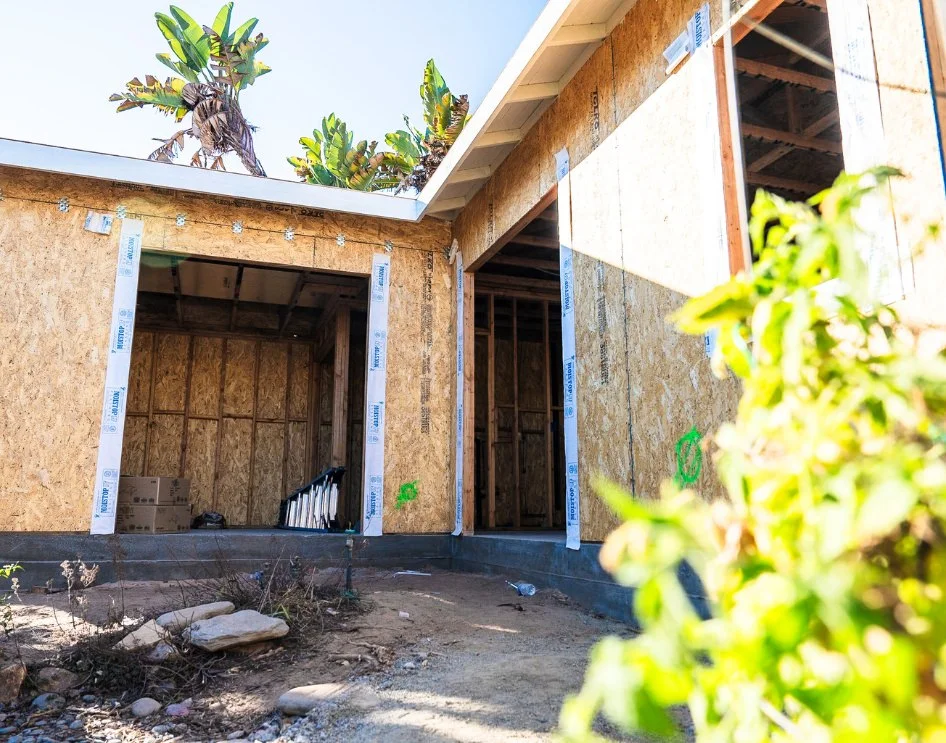
An experienced ADU builder can help coordinate project requirements, while official agencies and tax professionals confirm incentive eligibility. Keep expense receipts and supporting records to substantiate deductions.
How the ADU Tax Credit Impacts Property Taxes
ADUs generally result in additional property taxes, although the increase may be smaller than homeowners expect. Typically, building an additional unit on your property does not trigger reassessment of the entire existing home. Instead, the assessor adds the value of assessable new construction to the existing assessment.
Read more about ADUs and property taxes in our separate post here. ADU builders like Uni Construction can help you evaluate construction choices and project costs, but the county assessor determines assessed value. Request a property-specific estimate from the assessor rather than assuming that a lower construction budget guarantees lower property taxes.
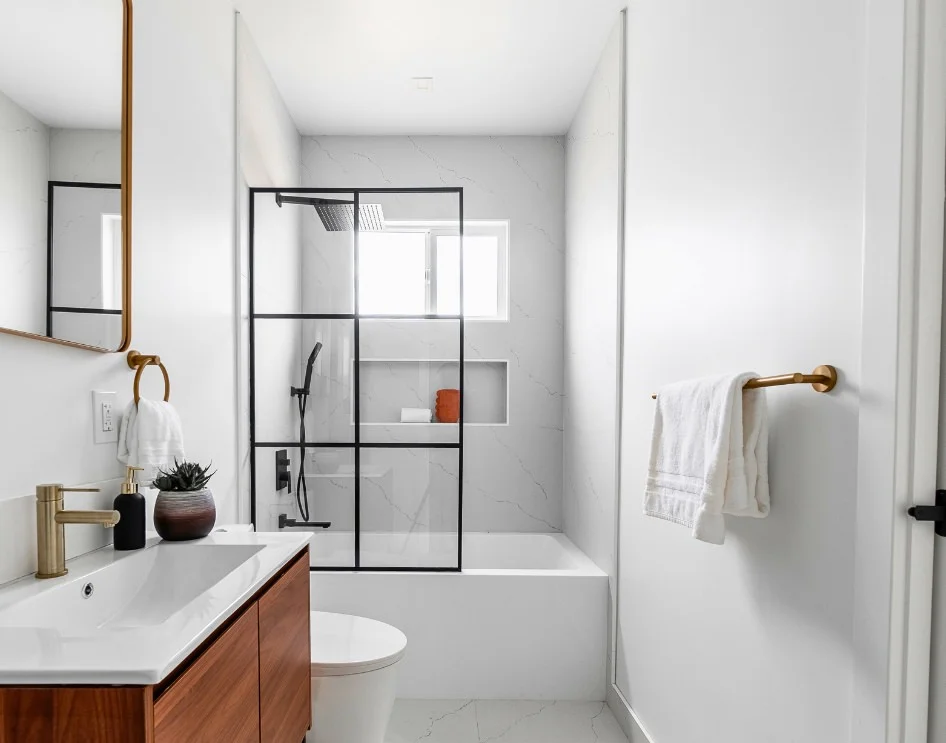
After completing your ADU, review deductions for eligible maintenance, utilities, and rental operations, along with any applicable credits. Track income and expenses to support accurate tax reporting.
What ADU Rental Expenses Are Tax Deductible?
If you rent out your ADU, the IRS generally treats it as rental property. You may deduct ordinary and necessary rental expenses, subject to personal-use rules and other limitations.
Common Deductible Rental Expenses
- Mortgage interest attributable to the rental ADU
- Property taxes allocated to the ADU
- Utilities
- Maintenance and repairs
- Insurance
- Property management fees
- Depreciation
High-Level Process
- Track ADU-related income and expenses throughout the year.
- Separate personal expenses from rental expenses.
- Generally report rental income and expenses on Schedule E.
Quick Answers
- Can I deduct the full mortgage payment? No. Eligible rental-related interest may be deductible, but principal payments are not.
- Can I deduct repairs? Ordinary rental repairs are generally deductible when paid or incurred, depending on your accounting method.
- Are improvements deductible? Improvements generally must be capitalized and depreciated.
- Do I need an LLC for rental deductions? No. Discuss liability protection separately with an attorney.
How Depreciation Works for a Rental ADU
If you use your ADU as residential rental property, you can generally depreciate the building’s eligible tax basis over time.
Depreciation lets you recover the building’s depreciable tax basis, excluding land, over a specified period, generally 27.5 years for residential rental property under the standard federal method.
Example
If your ADU construction cost (excluding land) is $275,000:
- $275,000 ÷ 27.5 years = $10,000 in annual depreciation before first- and final-year adjustments.
This reduces your taxable rental income annually.
Quick Answers
- Can I depreciate the full construction cost? Generally, eligible rental building costs are depreciable; land is not.
- Does depreciation reduce property taxes? No, it reduces taxable income, subject to applicable limits.
- What happens when I sell? Prior depreciation may result in additional tax on the gain, often described as depreciation recapture.
What is Tax Deductible with an ADU?
Certain deductions available for single-family homes may also apply to an ADU used as a qualifying home office or rental property. Energy-related benefits require separate review because federal residential credits ended for new expenditures or installations after 2025, depending on the credit. An LLC is not required to claim a home office deduction. Eligibility depends on business use and other IRS requirements. Landlords may also deduct eligible rental expenses that are not deductible for a purely personal residence.
Note: Forming an LLC can involve initial filing costs and ongoing state fees, even for a single-member business. An LLC may provide some liability protection, but it is not required to rent out an ADU or claim eligible deductions. Protection is not absolute, and ownership transfers may have consequences. Consult an attorney and tax professional before deciding.
If you use your ADU as rental property, understand how federal income tax depreciation works. Under the standard IRS method, residential rental buildings are generally depreciated over 27.5 years, allowing annual deductions based on eligible building costs, excluding land. Depreciation can reduce taxable rental income, subject to applicable limitations, but it does not reduce the property’s assessed value for California property tax purposes.
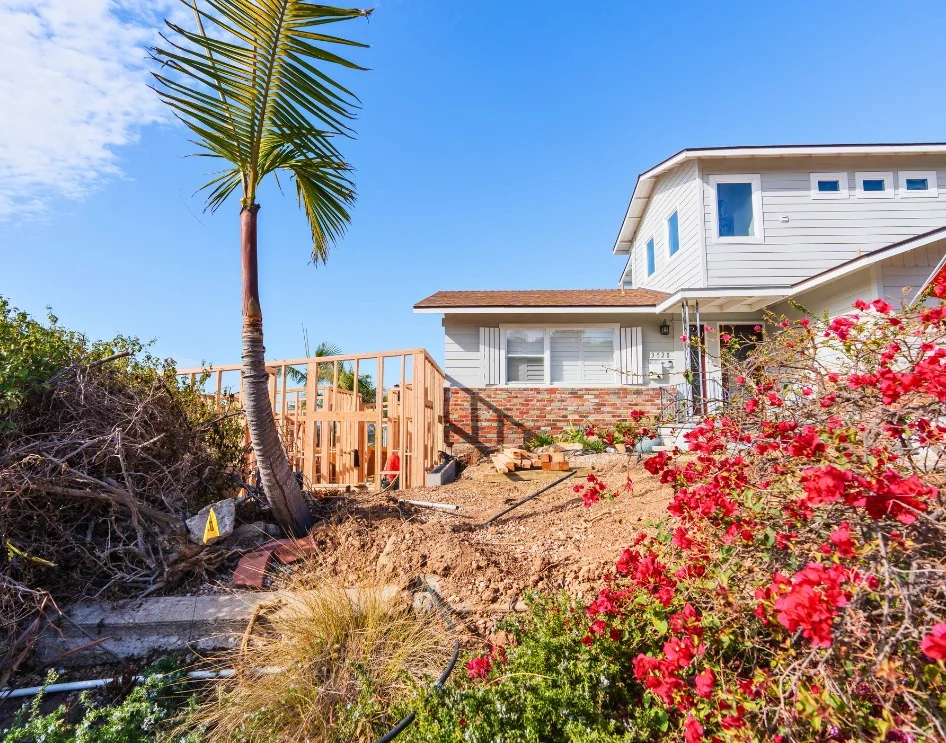
ADU construction costs generally are not immediately deductible. Eligible rental and home office expenses may qualify for deductions, while energy incentives depend on current rules and timing. Keep accurate records.
Can You Claim a Home Office Deduction for an ADU?
If you use a defined area of your ADU exclusively and regularly for a qualifying business, you may be eligible for a home office deduction.
Generally, the claimed area must be used exclusively and regularly for business and meet the applicable IRS requirements for a home office.
What May Be Deductible
- Allocated utilities
- Allocated property insurance
- Eligible maintenance expenses
- Depreciation, if applicable
How It’s Calculated
- Measure the ADU area used exclusively for qualifying business activities.
- Determine the appropriate business-use percentage.
- Apply that percentage to eligible shared expenses under the actual-expense method.
Quick Answers
- Can the ADU serve as a guest house and office? A separately defined, exclusively business-use area may qualify; shared guest space generally does not.
- Is the simplified method available? Yes, if IRS requirements are met.
- Must I own a business? The federal deduction generally applies to qualifying self-employed business use, not employee work.
How to Claim ADU Tax Benefits on Your Return
Eligibility for ADU-related tax benefits depends on how the unit is used and which requirements apply.
General Overview
- Rental income and expenses are generally reported on Schedule E.
- Self-employed home office deductions may be reported through Schedule C and, when required, Form 8829.
- Eligible energy credits require the applicable IRS forms.
Basic Checklist
- Maintain organized expense records.
- Separate personal, rental, and business costs.
- Retain receipts and invoices.
- Confirm eligibility and applicable deadlines before filing.
Quick Answers
- Do I need professional help? Professional advice is recommended because eligibility and reporting rules can be complex.
- Can I amend a previous return? Possibly, subject to eligibility and filing deadlines.
- What records should I keep? Receipts, invoices, utility statements, allocation calculations, and proof of rental or business activity.
Are There Any Active ADU Grants in California?
California has offered ADU grants, but funding rounds may close or exhaust their allocations. Check current availability with the administering agency.
Local housing agencies may introduce limited-time incentives. Confirm current funding, eligibility requirements, and application deadlines directly with the relevant jurisdiction.
Past Programs
- California ADU Grant Program: previously offered up to $40,000; confirm current funding with CalHFA.
- Municipal assistance programs: availability and eligibility vary by jurisdiction.
Quick Answers
- Will California pay me to build an ADU? Assistance is not automatic; verify current programs and funding with CalHFA.
- Are city incentives available? Ask your city about current fee reductions, assistance, or pilot programs.
- Should I wait for grants? Funding and eligibility can change, so avoid relying on unconfirmed assistance.
FAQs About ADU Tax Credits in California
California’s base property tax rate is generally 1% of assessed value, with additional voter-approved charges potentially applying. Ask the Los Angeles County Assessor for a property-specific assessment estimate and review applicable charges with the county tax collector.
Building an ADU generally does not create an immediate construction-cost deduction. Eligible rental construction costs are typically capitalized and recovered through depreciation, while energy equipment requires separate analysis under current tax rules. If you rent out the unit, you may deduct qualifying operating expenses attributable to the rental activity, subject to applicable limits. These deductions differ from those available for a purely personal residence. Consult a tax professional about your circumstances.
California’s ADU Grant Program previously offered up to $40,000 for eligible predevelopment expenses. Check with CalHFA for current funding availability, participating lenders, and application requirements.
For Los Angeles assistance associated with Accessory Dwelling Unit Finance Program, contact the Los Angeles Housing Department to verify the program’s identity, current availability, funding limits, and eligibility. Do not assume that previously advertised assistance remains available or applies to your property.
Uni Construction: Your Partner in Maximizing ADU Benefits
Uni Construction can help homeowners evaluate the accessory dwelling unit landscape and plan the ADU building process, including coordination for a building permit and review of potentially applicable fees. Confirm fee requirements with the relevant city and property tax implications with the county assessor. Clear expectations and project-specific guidance can support a more informed ADU planning process.
To discuss your property’s ADU potential and request an accurate estimate, contact Uni Construction to arrange a free consultation.