

What Is ADU Rental Income and How Does It Work?
ADU rental income is the money homeowners earn by renting out an accessory dwelling unit (ADU) on the same property as their primary residence. In California, ADUs, formally known as accessory dwelling units, have become a popular way to generate rental income because homeowners can create additional housing without purchasing another property. Rental terms depend on applicable state law and local regulations, and homeowners should not assume short-term rentals are allowed. Consult the California Department of Housing and Community Development and the relevant local authority to confirm requirements for rental periods longer than 30 days.
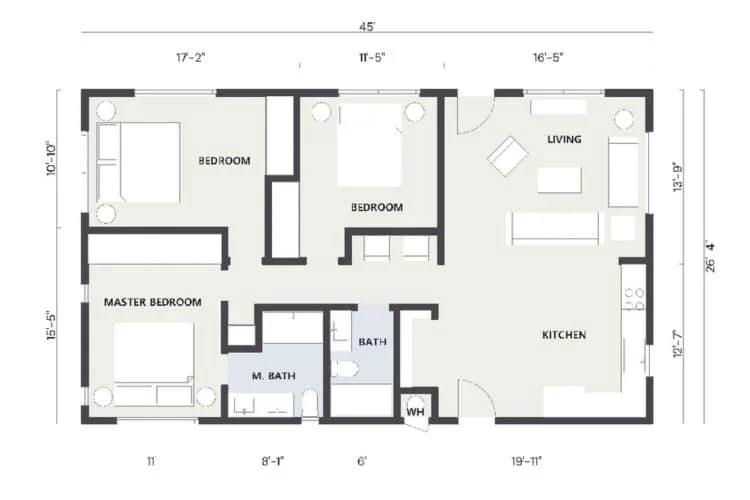
An ADU is a fully independent living must provide independent living space with its own:
- Kitchen
- Bathroom
- Sleeping area
- Private entrance
To qualify as a legal rental, an ADU must comply with applicable fire, safety, and habitability standards, as well as zoning and land-use requirements. Homeowners should evaluate California homeowners can build several types of ADUs based on their property layout, budget, lawful HOA requirements, and rental goals.
California’s ADU legislation has encouraged development by streamlining permitting and limiting certain local restrictions. Qualifying applications are generally subject to a 60-day approval-or-denial deadline, with conditions and exceptions described in the California HCD ADU Handbook. These changes can help homeowners evaluate rental opportunities in Los Angeles, Los Angeles, surrounding communities, and the Inland Empire. However, local demand, project feasibility, and operating costs still determine whether an ADU is a sound investment.
Review the UC Berkeley + ADU California for research on income-generating ADUs, including the study’s location, methodology, and publication date.
For homeowners considering an ADU, construction costs, market rents, rental demand, privacy, and financing all influence long-term return on investment. Detached backyard homes may command higher gross monthly rents, while garage conversions and attached ADUs may offer shorter payback periods when existing structures reduce construction costs and upfront expenses.
Common Types of ADUs
| ADU Type | Description | Common Use Case |
|---|---|---|
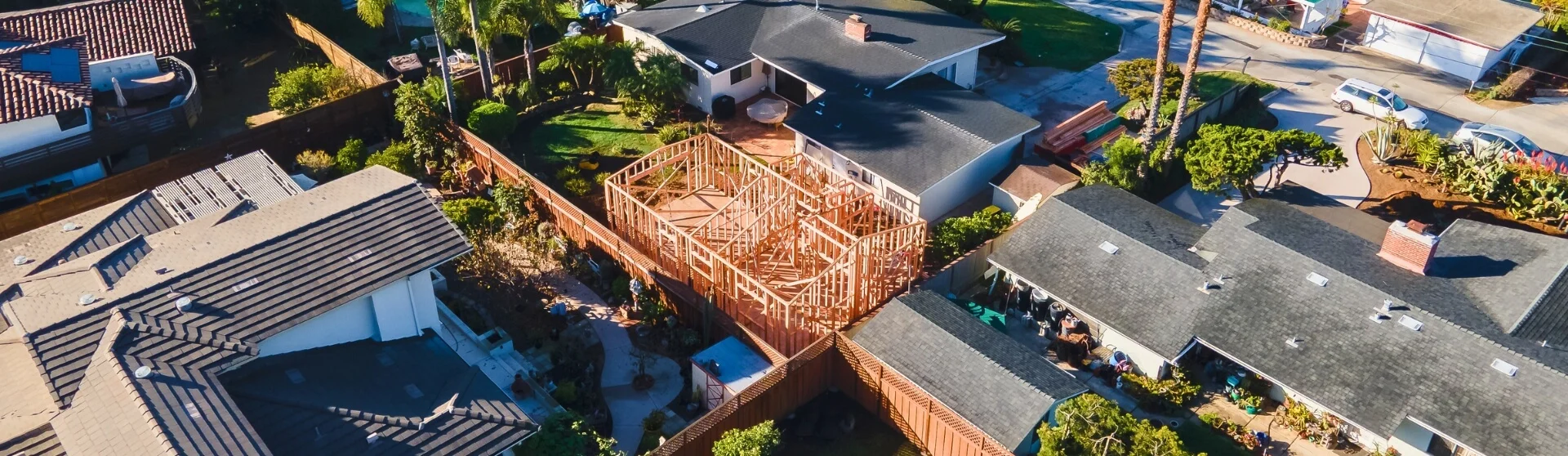
| Detached ADU | Separate structure built apart from the main home | Greater privacy and independent living |
| Attached ADU | Addition connected to the primary residence | Uses shared walls where feasible |
| Garage Conversion | Existing garage converted into living space | Reuses an existing structure where suitable |
| Basement Conversion | Lower-level space converted into an ADU | Makes use of underutilized square footage |
| Attic Conversion | Upper-level space converted with private access | Creates housing within the existing footprint |
Why Have ADUs Become a Major Passive Income Strategy?
ADUs have become a popular rental-income strategy because they let homeowners earn rent without purchasing another property. Higher borrowing costs, inflation, and
California’s ongoing housing shortage have prompted many homeowners to explore ways to offset housing expenses while potentially increasing their property’s long-term value.
California’s recent ADU laws and local zoning updates have made backyard homes, garage conversions, and attached units more feasible on existing residential lots. In markets such as Los Angeles and other metropolitan areas, homeowners can evaluate ADUs for long-term rental income and potential equity growth. Financing options, including cash-out refinancing and Fannie Mae’s HomeStyle Renovation loan, may help eligible borrowers fund ADU projects on their principal residence, subject to lender and program requirements.
Check the UC Berkeley + ADU California for research on ADU rental use, and confirm whether its findings apply to your project.
ADUs also provide flexible space for multigenerational households, long-term tenants, or future family needs. Lenders, appraisers, county assessors, and cities evaluate ADUs for different purposes, so appraisal reports and loan data should not be treated as interchangeable measures. Homeowners may consider California homeowners are treating ADUs as a potential long-term investment.
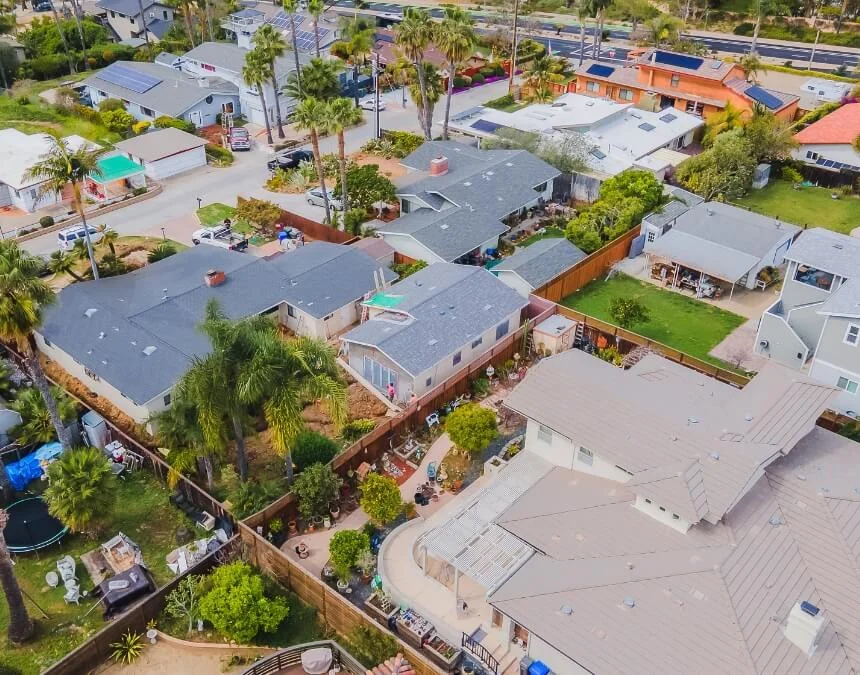
Housing demand and achievable rents can support ADUs as a long-term rental-income strategy, but returns depend on project-specific costs and conditions.
How Much Rental Income Can an ADU Generate?
ADU rental income varies by location, unit size, amenities, and rental strategy. In markets such as California markets like Los Angeles, homeowners should estimate achievable monthly rent using recent, comparable long-term listings rather than broad regional averages. Demand, privacy, parking, and upgraded features can influence rental potential, particularly when an ADU competes with conventional market-rate apartments in densely populated metropolitan neighborhoods.
Typical ADU Rental Rates in Los Angeles
Evaluate Los Angeles remains one of California’s using current rental demand and available inventory. Consult Apartment List for dated Los Angeles one-bedroom and two-bedroom rent comparisons, then verify their relevance to the ADU’s neighborhood, size, condition, and amenities.
Smaller studio ADUs often rent for less, while detached two-bedroom units with parking, laundry, and outdoor space may command higher monthly rents. Depending on local prices and any affordability restrictions, ADUs can expand housing choices while allowing homeowners to earn gross rental income before operating expenses and financing costs.
Long-Term vs Short-Term ADU Rental Income
Long-term rentals can provide more predictable monthly income and less frequent turnover than short-term arrangements. For a 600-square-foot ADU, evaluate recent comparable rentals rather than relying on national averages. Review Los Angeles alongside neighborhood listings, unit condition, and lease terms to develop a realistic local rent estimate.
Short-term rentals may generate higher gross revenue where legally permitted, but advertised earnings are not reliable projections. Homeowners must account for turnover, cleaning, maintenance, seasonal vacancies, transient occupancy, applicable taxes, and local restrictions before comparing potential net income with long-term rental income.
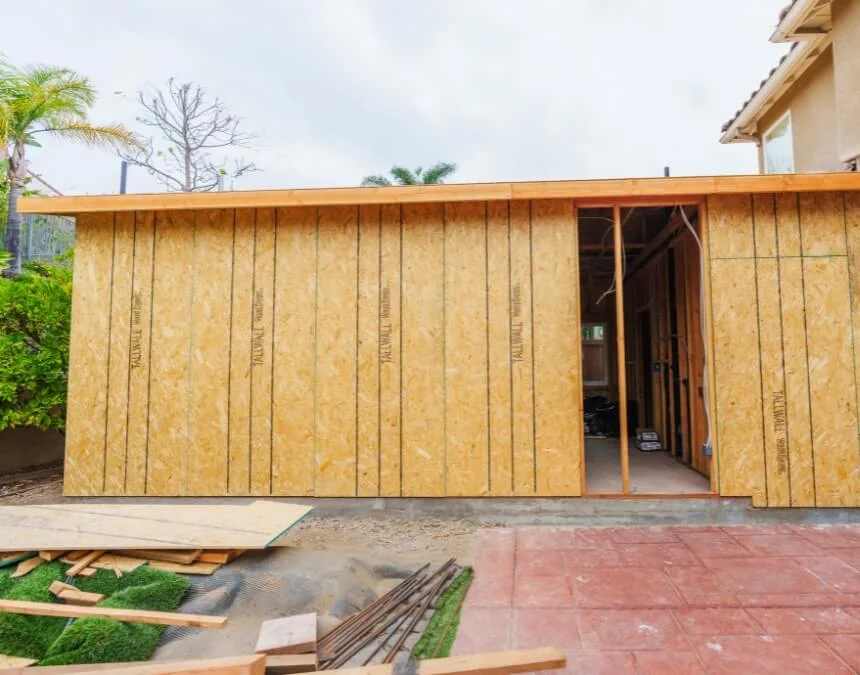
Detached ADUs may command higher rents when tenants value their privacy, separate entrances, and dedicated outdoor space.
What Factors Affect ADU Rental Income?
Several factors influence an ADU’s potential rental income, including:
- Location and neighborhood demand
- ADU size and layout
- Parking availability
- Private entrances
- In-unit laundry
- Outdoor living space
- Nearby transit access
- Energy-efficient upgrades
- Solar panels and reduced utility costs
Energy-efficient appliances and solar panels can improve rental appeal and reduce utility expenses, depending on system performance and billing arrangements. Modern finishes, privacy, and functional layouts can also improve competitiveness in markets such as Los Angeles, where homeowners should assess current housing demand and available rental inventory.
| ADU Type | Estimated Monthly Rent |
|---|---|
| Studio ADU | Compare nearby studio rentals |
| 1 Bedroom ADU | Review comparable one-bedroom rentals |
| 2 Bedroom ADU | Assess local two-bedroom rental listings |
Can You Rent Out an ADU in California?
Yes. California law generally allows ADUs to be rented as long-term housing. State guidance addresses rental terms longer than 30 days, but homeowners should confirm the precise requirements with their local jurisdiction. Applicable rental regulations, lawful HOA provisions, and restrictions on short-term use may also affect the property.
Confirm rental-duration requirements with the local jurisdiction and the current guidance in California HCD.
California ADU Laws Every Homeowner Should Know
California has enacted laws supporting designed to encourage ADU development and expanding housing supply. AB 68 addressed ADU rules, while SB 9 created a separate pathway for certain housing developments and lot splits. Homeowners should distinguish these provisions when evaluating build rental units on existing residential properties through various ADU programs and local housing initiatives.
A significant change is the general requirement for qualifying ADU permits applications to receive an approval or denial within 60 days, subject to statutory conditions. California also limits parking requirements requirements near transit and protects qualifying ADU development on eligible residential lots, although site-specific standards and application requirements still apply.
The 60-day approval-or-denial requirement is subject to statutory conditions and exceptions. Review California HCD ADU Handbook before establishing a project schedule.
These laws have expanded opportunities for California homeowners to create ADUs, earn rental income, and support long-term housing needs. However, eligibility, construction feasibility, and rental performance remain specific to each property and project.
Local Zoning Rules and HOA Restrictions
Although California has eased many ADU restrictions, local jurisdictions and HOAs may still apply lawful requirements. Homeowners should verify zoning provisions, land-use standards, and enforceable HOA rules affecting requirements before starting an ADU before proceeding with a project.
Common local ADU restrictions may include:
- Unit size limitations
- Setback requirements
- Utility connection rules
- Parking requirements
- Permit approvals
- HOA architectural guidelines
California ADU size rules include important protections involving 800-square-foot units and limits that can reach 1,200 square feet, depending on the applicable development pathway. Confirm local standards, flood-zone requirements, and site conditions with the permitting authority. HOA design rules must also comply with state law and cannot unreasonably restrict qualifying ADUs.
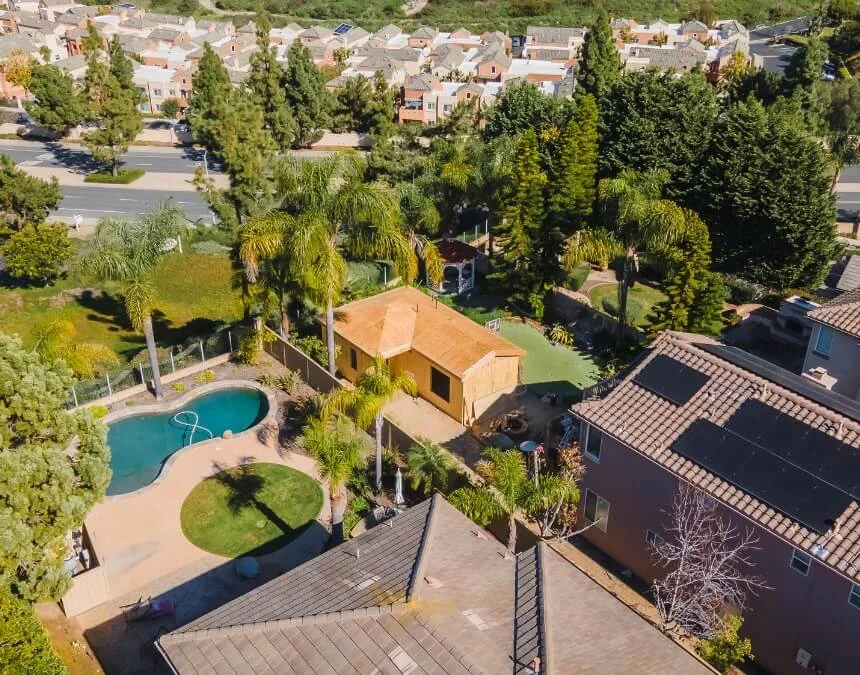
California’s ADU laws streamline qualifying approvals, but homeowners must still satisfy applicable requirements for legal rental housing.
Can You Airbnb an ADU in Los Angeles?
No. The City of Los Angeles restricts ADU use as short-term rentals. Confirm Los Angeles generally prohibits using ADUs with the city before advertising a unit or setting lease terms. Homeowners should plan around compliant long-term residential use rather than assuming an ADU can operate as an Airbnb-style vacation rental.
Important Los Angeles Rule
Verify Los Angeles ADU rental restrictions directly with the city and review the applicable guidance in City of Los Angeles Treasurer.
ADU policies, including Los Angeles’s ADU regulations, generally aim to expand long-term housing rather than vacation-rental inventory. Homeowners evaluating an ADU investment should base projections on legally permitted rental terms instead of assuming income from Airbnb or similar platforms. Long-term housing goals do not automatically impose affordability restrictions, so confirm whether a specific program, covenant, or funding agreement limits rents or tenant eligibility.
Long-Term Rentals Usually Produce More Stable Returns
Long-term ADU rentals can provide more predictable monthly income and less frequent turnover. They may also involve fewer cleaning demands and short-term rental compliance obligations. However, homeowners must still budget for maintenance, vacancies, tenant protections, and other responsibilities associated with operating residential rental housing.
Review UC Berkeley / ADU California for dated research on ADU rental patterns rather than assuming short-term use is common or legally permitted.
For many California homeowners, documented long-term rent may support financing applications when the loan program allows it. Lenders apply specific rules to projected income, leases, and vacancy adjustments. In markets such as Los Angeles, homeowners should evaluate tenant demand and affordability carefully rather than assuming continuous occupancy or predictable cash flow.
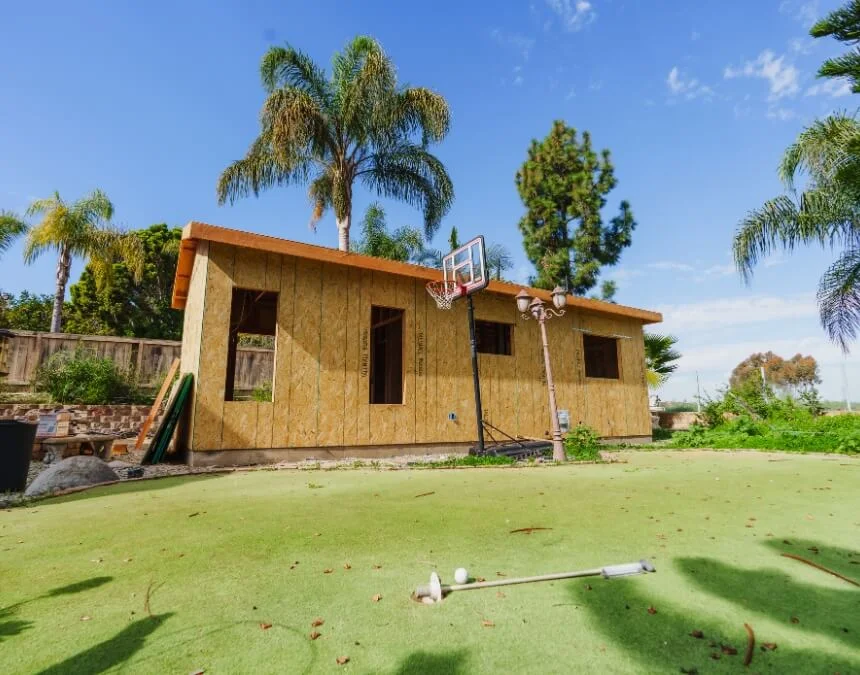
Los Angeles homeowners should base ADU rental projections on compliant long-term use and verify the restrictions applicable to their property.
Does It Make Financial Sense to Build an ADU for Rental Income?
In California, ADUs may generate returns through rental income and potential appreciation, but neither is guaranteed. Construction costs, financing terms, operating expenses, and rental demand determine the investment’s performance. Estimate cash-flow payback separately from changes in property value, since unrealized appreciation does not directly repay construction costs or monthly debt.
Typical ADU Construction Costs
Obtain project-specific estimates for ADU construction costs in California rather than relying on a universal price range. Unit type, size, finishes, and site conditions all affect the budget. Detached ADUs often require new foundations, roofing, and utility infrastructure, while attached units and garage conversions may reuse existing components, subject to structural and code requirements.
Several factors can affect total project costs, including:
- Utility hookups
- Sewer connections
- Excavation and grading
- Permit fees
- Site access
- Construction materials
- Interior finishes
Garage and internal conversions may cost less when the existing structure can meet current requirements without major upgrades. However, structural repairs or utility work can offset those savings. Homeowners can also investigate local ADU assistance, applicable property-tax relief, and specialized lending products, confirming current availability and eligibility with each administering agency or lender.
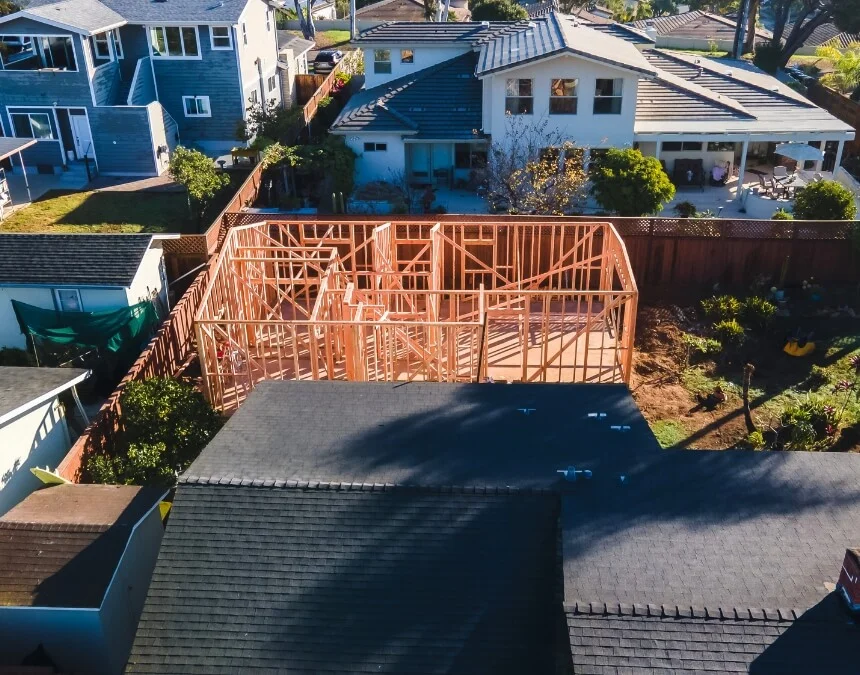
Detached ADUs often cost more to build but may achieve higher rents when tenants value added privacy and flexibility.
Attached vs Detached ADUs: Which Produces Better ROI?
An ADU’s return on investment depends on balancing upfront construction costs with achievable rental income and ongoing expenses. Attached units may cost less to build, while detached ADUs may command higher rents because they offer greater privacy and separation from the main residence.
Garage conversions may offer shorter payback periods when their upfront costs are lower, although existing dimensions can constrain size and layout. Detached ADUs may enhance resale appeal in some markets, but any contribution to resale value or future appreciation depends on local comparable sales and buyer preferences.
How Long Does It Take an ADU to Pay for Itself?
Homeowners often evaluate ADUs using projected payback periods, monthly cash flow, and potential appreciation. Rental rates, financing costs, maintenance, vacancies, and local housing demand all affect how quickly net rental income can recover the initial investment. Appreciation should be evaluated separately from operating cash flow.
ADU payback periods vary. Calculate them using project-specific net income, and assess potential property appreciation separately.
In markets such as Los Angeles, higher achievable rents may improve cash flow, but larger construction budgets and financing costs can offset that advantage. An ADU may continue generating income after its initial costs are recovered, provided the owner maintains the unit, manages vacancies, and complies with rental requirements.
| ADU Type | Pros | Cons |
|---|---|---|
| Attached ADU | Potential shared-wall savings | Less separation from main home |
| Detached ADU | Greater privacy | Separate construction and utility needs |
| Garage Conversion | Reuses an existing structure | Space and structural limitations |
How Does an ADU Impact Property Value?
When reviewing research from Federal Housing Finance Agency (FHFA), distinguish differences in appraised values from the value directly attributable to an ADU. Location, lot size, and the primary home’s characteristics can affect comparisons. A legal ADU may improve rental potential and resale appeal, but homeowners need property-specific analysis to estimate its contribution.
Review Federal Housing Finance Agency for the study’s appraisal dates, sample characteristics, and comparison methods before applying reported value differences to an individual property.
Beyond generating potential monthly cash flow, ADUs may appeal to buyers seeking rental income, multigenerational living space, or flexible housing. In markets such as Los Angeles, appraisers evaluate legal status, usable space, rental potential, and comparable sales. Uniform Appraisal Dataset reporting does not itself establish an ADU’s value or guarantee a higher appraisal.
Check FHFA for the study’s limitations; differences in median appraised values do not establish guaranteed appreciation.
Features That Increase ADU Rental Value
Certain upgrades and amenities may improve rental potential and property appeal. Features that meet tenant needs can support competitive rents and resale interest, but homeowners should weigh each improvement’s cost against its likely benefit.
Common value-boosting ADU features include:
- Solar panels
- Energy-efficient appliances
- Private laundry
- Outdoor living space
- Separate parking
- Modern kitchens
- Soundproofing
- Smart home features
Energy-efficient upgrades can complement especially attractive in California by reducing utility consumption and improving tenant comfort. Private entrances, parking, and outdoor space may also improve rental competitiveness in markets such as Los Angeles. Their financial value depends on tenant preferences, installation costs, available inventory, and the property’s specific location.
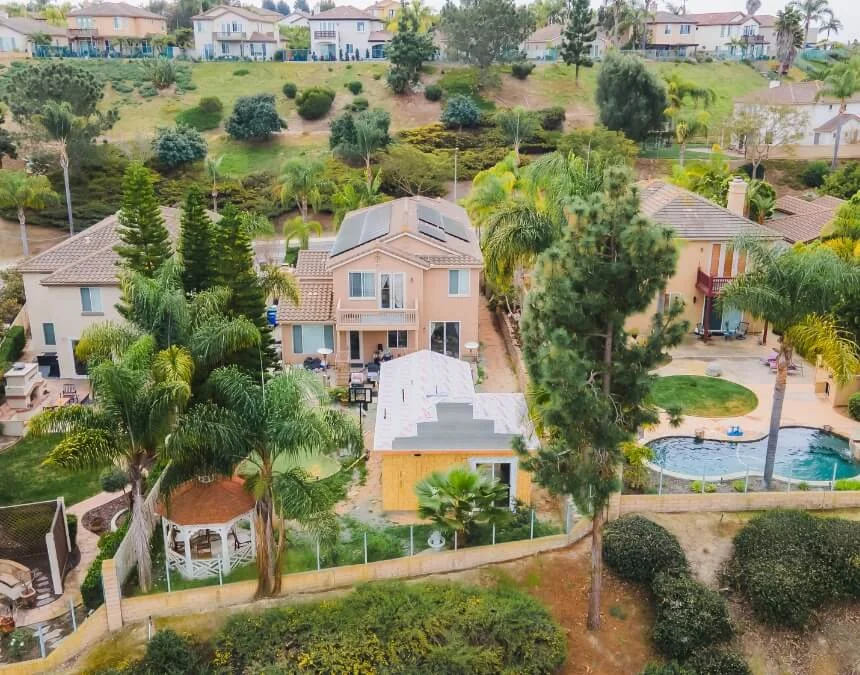
An ADU may improve rental potential and resale appeal, but its financial contribution depends on the property and local market.
How to Finance an ADU Investment
Homeowners may finance ADUs through HELOCs, cash-out refinancing, construction loans, and eligible lending programs that consider future rental income. The appropriate option depends on available equity, interest rates, project costs, repayment capacity, and timing. Compare total borrowing costs rather than assuming future rent will cover every payment.
HELOC vs Cash-Out Refinance
HELOCs and cash-out refinances are common options for financing ADU construction in California. A HELOC provides a revolving credit line secured by available home equity, while a cash-out refinance replaces the existing mortgage with a larger loan and releases eligible proceeds.
HELOCs can offer flexibility during construction because borrowers draw funds as needed. However, variable interest rates and repayment-period changes can increase payments. Cash-out refinancing may provide fixed payments when structured as a fixed-rate loan, but it also involves closing costs and underwriting requirements and may replace an existing mortgage with a higher rate.
In markets such as Los Angeles, ADU rental income may offset some financing expenses after completion and occupancy, but homeowners should budget for vacancies and operating costs.
Can Future ADU Rental Income Help You Qualify for a Loan?
Some lenders may permit projected ADU rental income to help borrowers qualify for financing when qualifying a borrower. Review Fannie Mae and confirm the applicable program’s requirements for ADU income, documentation, and allowable adjustments.
Lenders may require documentation such as:
- Form 1007 rental income analysis
- Form 1025 small residential income property appraisal, when applicable
- Lease agreements
- Comparable rental data
- Rental income documentation
Lenders may distinguish income from the subject property from rental income earned on other properties. Documentation and qualification requirements vary by loan program, property classification, occupancy, and borrower profile. Confirm which appraisal forms and income calculations apply.
Specialized Financing Programs for ADUs
Several financing options may support designed to support ADU construction projects. Depending on the lender and program, funding may be based on eligible renovation work, construction milestones, available equity, or the property’s projected completed value.
Common ADU financing options include:
- Fannie Mae HomeStyle Renovation loans
- Construction-to-permanent loans
- HELOCs
- Cash-out refinancing
- Local ADU grant and financing programs
Los Angeles homeowners should verify whether Los Angeles Housing Department ADU Finance Program currently offers assistance for their jurisdiction, property type, and proposed ADU before including it in a financing plan.
Confirm Los Angeles Housing Department program eligibility, funding availability, loan limits, and repayment terms with the relevant official agency.
Review research from Terner Center to understand how homeowners combine liquid assets, mortgages, and other funding sources for ADU construction. Survey findings do not establish current financing availability. Verify any specialized rental program or local housing assistance directly with its administrator before relying on that funding to complete a project.
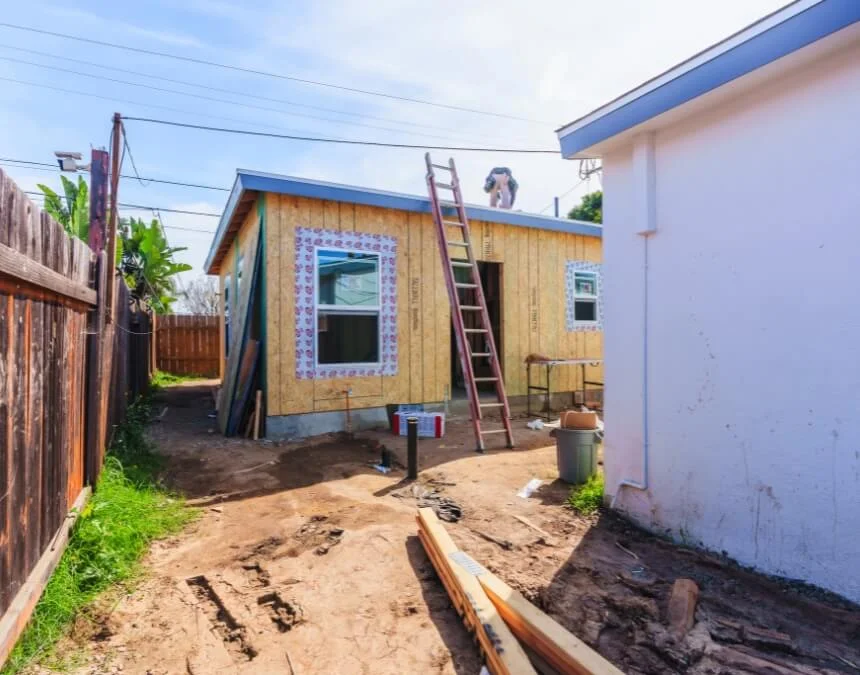
HELOCs and cash-out refinancing can fund ADU construction, but borrowing decisions should account for repayment risk and uncertain rental income.
What Are the Legal Requirements for Building and Renting an ADU?
Building and renting an ADU in California requires requires homeowners to meet applicable zoning, safety, utility, and habitability requirements. Although California legislation has made ADU development more accessible, projects must still satisfy jurisdiction-specific building standards, permitting procedures, and rental regulations.
Site Feasibility and Utility Access
Before building an ADU, homeowners should determine whether their property can physically and legally accommodate another dwelling. Lot slope, utility access, setbacks, existing structures, and the overall site layout can affect feasibility, design options, permitting requirements, and construction costs.
Common site feasibility considerations include:
- Flat versus sloped lots
- Sewer and utility connections
- Electrical capacity
- Water access
- Ingress and egress requirements
- Privacy between units
- Rear and side-yard setbacks
Properties with accessible utilities and relatively flat terrain may be simpler and less expensive to develop. Sloped lots, restricted construction access, substantial excavation, or infrastructure upgrades can increase costs and complicate permitting. Site-specific assessments help identify these issues early.
Safety and Habitability Standards
California ADUs must satisfy applicable building and habitability requirements before being rented legally. Review California Department of Housing and Community Development and confirm with the permitting authority that the ADU provides complete, independent living facilities and meets relevant fire, safety, and occupancy requirements.
Key safety and habitability requirements may include:
- Fire code compliance
- Ceiling height minimums
- Emergency exits and egress
- Ventilation standards
- Flood zone regulations
- Independent living facilities
- Proper kitchen and bathroom installations
Garage, basement, and attic conversions may require structural, moisture-control, ventilation, or other upgrades to meet current requirements and obtain approval.
Lease Agreements and Tenant Management
Before renting an approved ADU, homeowners should establish clear, legally compliant lease terms and management procedures. A well-drafted agreement can clarify responsibilities, reduce disputes, and protect both parties, but it cannot waive rights or obligations established by law.
Important lease and management considerations include:
- Lease duration
- Utility billing responsibilities
- Maintenance obligations
- Security deposits
- Occupancy limits
- Parking rules
- Noise policies
- Guest policies
Homeowners should also verify restrictions on short-term rentals and determine whether rent stabilization or other tenant protections apply. In jurisdictions such as Los Angeles, ADUs may be limited to long-term residential use rather than Airbnb-style vacation rentals.
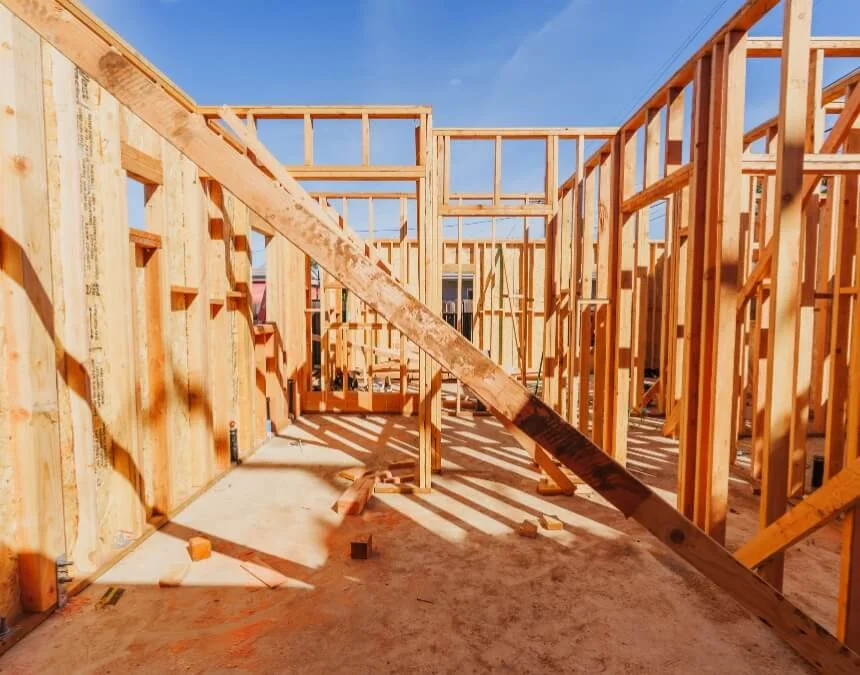
Early review of permits, setbacks, utilities, and fire-safety requirements can reduce the risk of costly ADU construction delays.
What Taxes Apply to ADU Rental Income?
ADU rental income is generally taxable and may need to be reported on federal and state returns. Homeowners should also evaluate how building an ADU may affect property taxes affects property assessments, depreciation, and deductions associated with rental ownership.
Is ADU Rental Income Taxable?
Rental income from an ADU generally must be reported to the IRS and the California Franchise Tax Board. Owners commonly report rental income and eligible expenses on Schedule E, with applicable information carried into their federal and California tax filings.
How ADU income is reported may depend on:
- Whether the property is owner-occupied
- Length of tenant occupancy
- Rental use frequency
- Business structure
- Personal use of the ADU
Some homeowners hold rental property in their own names, while others consider an LLC for liability or organizational purposes. An LLC does not automatically change federal tax treatment. Consult a qualified CPA or tax professional familiar with California rental property and the proposed ownership arrangement.
Property Tax Implications of an ADU
Building an ADU can increase a property’s assessed value because qualifying new construction is generally assessable. Under California’s Proposition 13 framework, adding an ADU ordinarily does not trigger reassessment of the entire property. Instead, the assessor generally evaluates the new improvement, subject to applicable exclusions and the project’s specific circumstances.
Homeowners should still review:
- County assessment procedures
- Homeowners’ exemption eligibility
- Affordable housing restrictions
- Utility-related assessments or charges
- Applicable tax incentives or relief programs
Common Property Tax Questions
- Will building an ADU increase property taxes? Often, yes. The assessed value of qualifying new construction can increase the property’s annual tax bill.
- Will the entire home be reassessed after building an ADU?? Adding an ADU generally does not, by itself, trigger reassessment of the entire California property. The new construction is typically assessed separately.
- Can affordable housing restrictions affect taxes or rental use? Review applicable local provisions, including ADU incentive programs may include affordability or occupancy requirements, for restrictions affecting rents, tenant eligibility, or potential tax treatment.
Tax Deductions and Depreciation
Homeowners may deduct eligible expenses associated with operating and maintaining an ADU rental. These deductions can reduce taxable rental income, subject to allocation requirements, passive-activity rules, and other limitations. A deduction does not necessarily produce an equivalent reduction in taxes.
Potential ADU-related tax deductions may include:
- Depreciation
- Repairs and maintenance
- Utilities
- Insurance
- Mortgage interest
- Property management expenses
- Cleaning and maintenance costs
Depreciation generally allows owners to recover the eligible depreciable basis of an ADU over time, excluding land and accounting for rental use. Tax rules, capitalization requirements, and potential depreciation recapture can be complex. Review homeowners should work with a qualified tax with a qualified advisor to identify the deductions applicable to your situation.
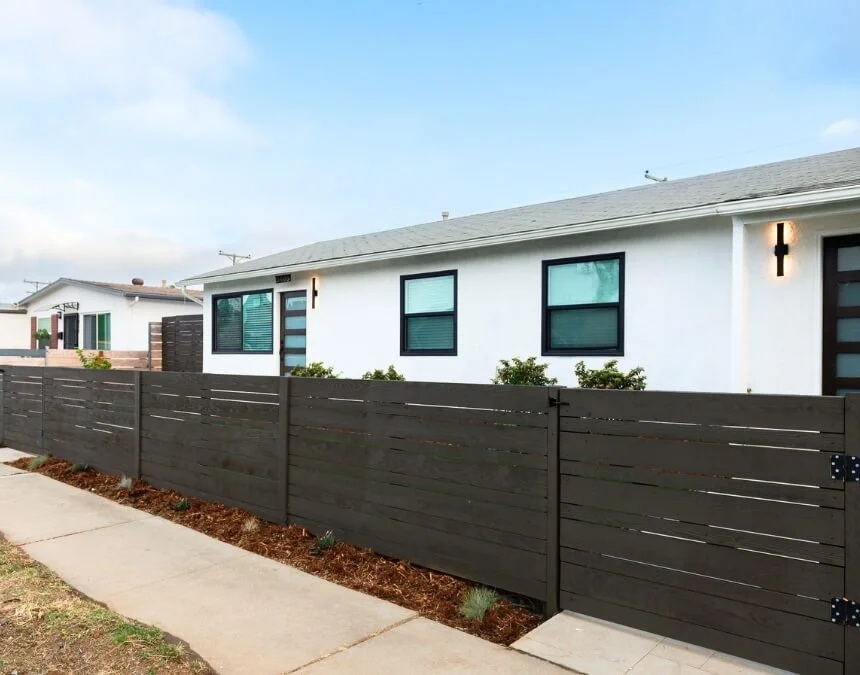
Evaluate how rental income, depreciation, deductions, and property-tax assessments affect an ADU’s after-tax investment returns.
How to Calculate ADU ROI
To estimate ADU ROI, compare total project costs with projected rental income, recurring expenses, and vacancy assumptions. Evaluate financing and potential appreciation separately where appropriate. In markets such as California markets like Los Angeles, higher achievable rents may improve returns, but construction costs, debt service, and operating expenses can offset that benefit.
Simple ADU ROI Formula
A basic annual operating ROI calculation compares net rental income before financing and income taxes with total project costs.
(Annual Rental Income − Annual Operating Expenses) ÷ Total Project Cost × 100 = Estimated Annual Operating ROI (%)
This formula estimates the project’s annual operating return before debt service and income taxes. For financed projects, also calculate cash flow and cash-on-cash return. Evaluate potential appreciation separately rather than treating it as current rental income.
Common Expenses to Include
When estimating ADU returns, account for upfront construction costs and recurring ownership expenses. Omitting maintenance, vacancies, financing, or other relevant costs can overstate projected returns and make comparisons between different project types misleading.
Common ADU expenses may include:
- Construction costs
- Utility hookups
- Permit fees
- Financing costs
- Property taxes
- Insurance
- Repairs and maintenance
- Vacancy allowance
- Landscaping and utilities
Include separate contingency reserves for construction overruns and adequate ongoing reserves for unexpected repairs, vacancies, or other ownership expenses.
Sample Los Angeles ROI Scenario
For illustration only, an ADU rented for $2,500 per month would generate $30,000 in annual gross income with full occupancy. This is not a local rent estimate for Los Angeles who spends $200,000 building a detached ADU. Subtract maintenance, insurance, vacancy allowances, property taxes, utilities, management, and any debt service to estimate cash flow. Potential appreciation should be evaluated separately.
ADU payback periods depend on total investment, financing terms, achievable rents, and operating expenses. Calculate how long cumulative net rental cash flow would take to recover the invested amount. For projects in Los Angeles, test conservative rental and vacancy assumptions rather than relying on a standard payback range or expected appreciation.
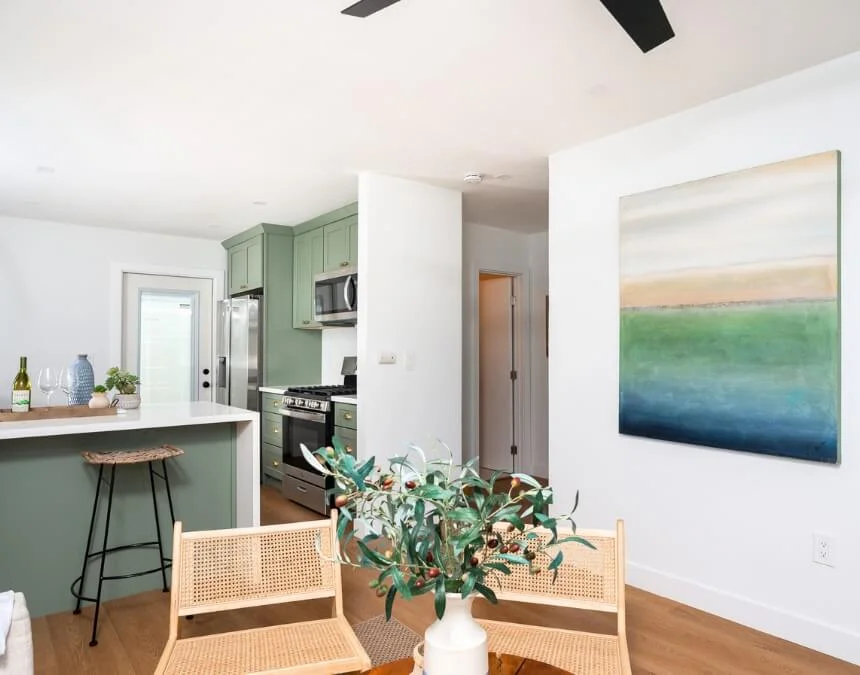
Realistic ADU return estimates distinguish operating income, maintenance reserves, financing costs, cash-flow payback, and potential appreciation.
Operational Reality: Managing an ADU Rental
Managing an ADU involves more than collecting rent. Homeowners must address utilities, maintenance, tenant communication, legal obligations, and long-term upkeep. Effective management helps protect the unit’s condition and supports rental performance, but it requires ongoing time, planning, and financial reserves.
Utility Management
A common ADU management issue is determining how utilities will be supplied, measured, and billed. Separate meters, submeters, or rent-inclusive arrangements may be options, depending on provider requirements and applicable law. Confirm the permitted approach before finalizing lease terms.
Common ADU utility management strategies include:
- Utility submetering
- Flat-rate utility billing, where lawful
- Shared utility agreements
- Solar energy offsets
- Legally compliant utility reimbursement clauses
Solar panels and energy-efficient systems may reduce operating costs, depending on installation expenses, energy use, utility rates, and how savings are allocated between the homeowner and tenant.
Protecting Long-Term Property Value
Routine maintenance and clear communication help preserve rental performance and property condition. Delayed repairs can create safety concerns, legal exposure, tenant turnover, and further damage. Establish maintenance procedures that meet applicable habitability obligations and provide tenants with a reliable way to report problems.
Homeowners should establish:
- Lawful inspection schedules and notice procedures
- Clear repair response timelines
- Tenant communication procedures
- Enforceable noise and guest policies
- Landscaping responsibilities
- Preventive maintenance plans
Consistent maintenance can support tenant retention, rental competitiveness, and long-term property condition, although future rents and appreciation still depend on broader market conditions.
Finding and Retaining Quality Tenants
Effective tenant placement can improve an ADU’s long-term performance. Accurate listings, professional photographs, and transparent lease terms help prospective tenants assess the property. Apply consistent, lawful screening criteria and comply with fair housing, privacy, and other applicable requirements throughout the application process.
Best practices for tenant management include:
- Professional property photography
- Accurate, transparent rental listings
- Lawful tenant screening
- Permitted income verification
- Reference checks
- Clear lease agreements
- Legally compliant lease renewal incentives
In markets such as Los Angeles, private entrances, parking, and updated finishes may help an ADU attract tenants. However, pricing, condition, local inventory, and management also influence vacancy periods and tenant retention.
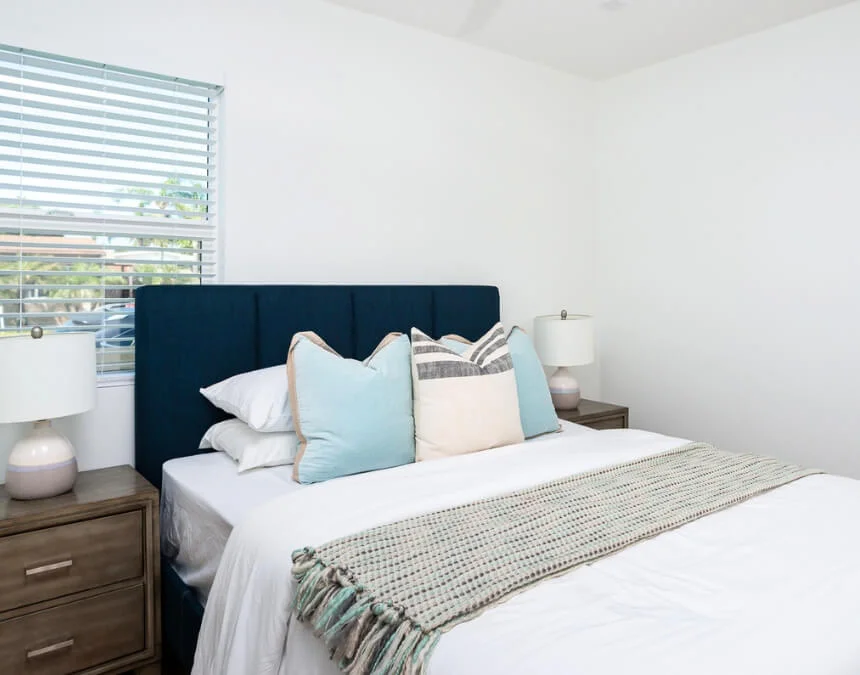
Well-maintained ADUs with functional layouts and appropriate amenities can improve rental appeal and support tenant retention.
Conclusion: Building Long-Term Wealth Through ADU Rental Income
ADUs offer California homeowners a potential way to earn rental income and add flexible living space to their property. Housing demand and supportive state laws have encouraged interest in this strategy, including especially in markets like Los Angeles. However, construction budgets, financing costs, operating responsibilities, and local rental conditions determine whether an individual project is financially worthwhile.
Review California YIMBY for dated statewide ADU production data, distinguishing permits from completed homes and confirming the reporting period before using the figures to assess broader housing trends.
Long-term ADU rentals may help offset housing costs and build equity, but cash flow depends on rent collection, vacancies, operating expenses, and financing. Homeowners should evaluate available lending and permitting pathways carefully rather than assuming that either process will become easier or that returns will increase.
Ready to explore your ADU investment options?
- Schedule an ADU feasibility consultation
- Request a project-specific rental income estimate
- Download an ADU ROI calculator
- Speak with an ADU financing specialist
Contact Uni Construction
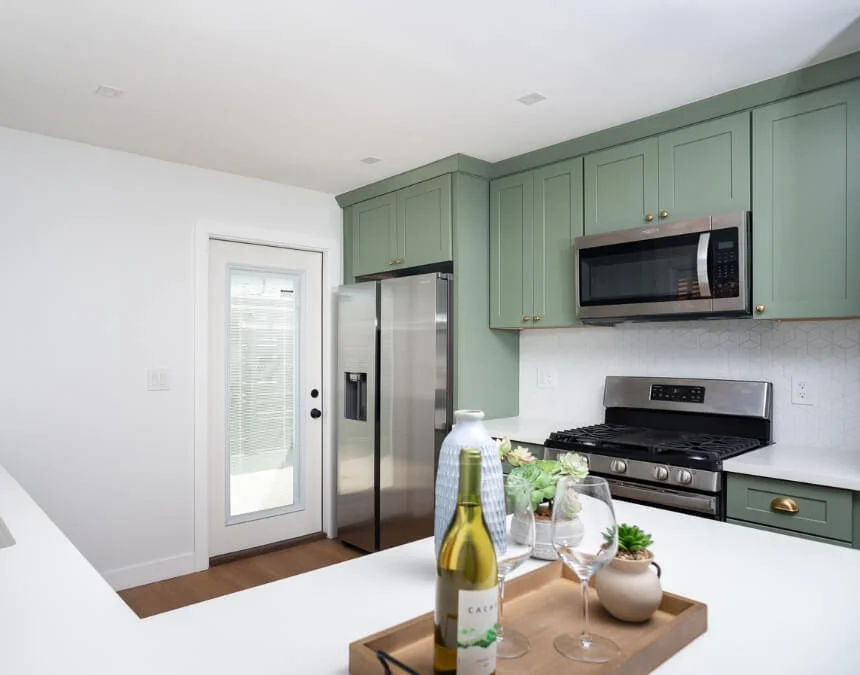
Well-designed ADUs with functional layouts and suitable finishes can improve rental appeal, but long-term returns remain project-specific.
Frequently Asked Questions
ADU rental income is the money homeowners earn by renting out an accessory dwelling unit on the same property as their main home. ADUs may include detached backyard homes, garage conversions, attached additions, or converted interior spaces that provide complete, independent living facilities.
Homeowners can earn rental income by building or converting a legal ADU and renting it under compliant lease terms. Private entrances, parking, laundry, outdoor space, and modern finishes may improve rental appeal, depending on neighborhood demand and competing listings.
ADUs may generate returns through rental income and potential appreciation. California homeowners can use them to help offset housing costs and add flexible living space, but construction costs, financing, vacancies, and operating expenses determine whether the investment produces positive cash flow.
Yes. ADU rental income is generally taxable and is commonly reported on federal Schedule E, with applicable reporting on California returns. Eligible deductions may include depreciation, repairs, insurance, utilities, and maintenance, subject to rental-use allocation and other tax rules.
California ADUs must meet applicable zoning, permitting, safety, and habitability requirements. A legal ADU provides independent living facilities, generally including a kitchen, bathroom, sleeping area, and separate entrance, along with compliant utilities and building and fire-safety provisions.
ADU ROI compares projected net rental income with total project costs. Financed projects also require analysis of debt service and invested cash. Maintenance, vacancies, taxes, insurance, and other expenses affect returns, while potential appreciation should be assessed separately. There is no universal payback period.
An ADU may increase property value by adding legal living space and rental potential. In Los Angeles, its contribution depends on comparable sales, location, design, condition, and buyer demand. Obtain a property-specific appraisal rather than assuming higher appreciation or a guaranteed resale premium.