

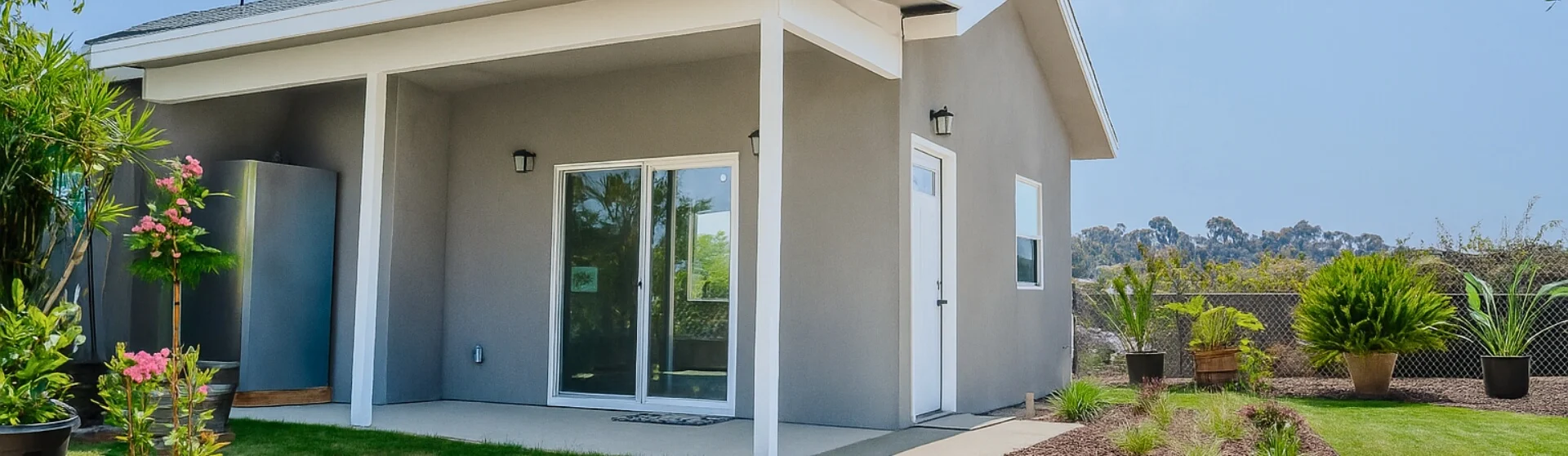
Understanding the Need for a Separate Address
Getting a separate address for your guest house or ADU is more than a formality: it affects how smoothly your rental operates day to day. It can influence everything from reliable mail delivery to clear utility account identification. It also simplifies everyday logistics, helping tenants, visitors, and service providers find the right dwelling.
What is a separate address for an ADU or guest house?
A separate address for an ADU or guest house is an officially assigned address distinct from the primary residence’s address. Depending on local addressing conventions, it may use a fraction, such as “1234 ½ Main Street,” or a suffix, such as “1234A Main Street.” It identifies the unit but does not automatically establish independent mail delivery or utility accounts.
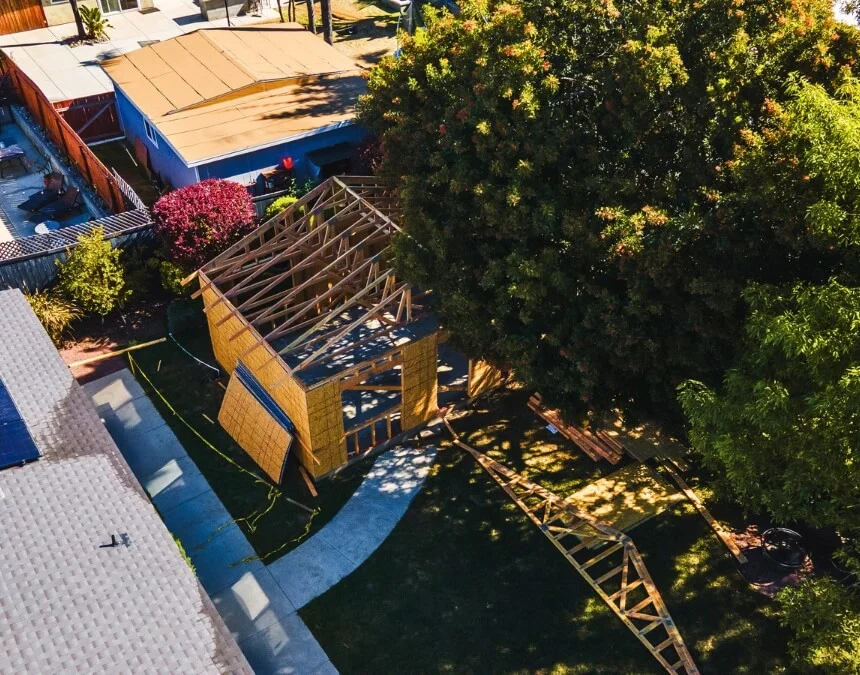
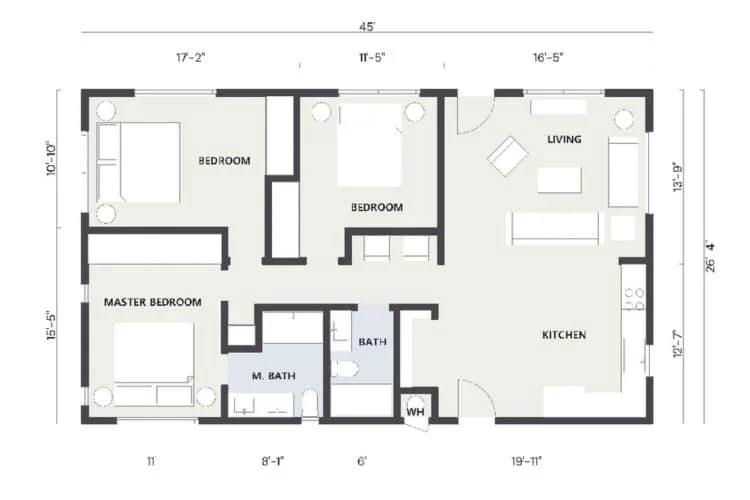
Designing your ADU as a fully functional, independent space makes clear addressing especially useful, simplifying daily logistics and supporting tenant autonomy.
Why is a separate address important for an ADU or guest house?
A separate address can support tenant privacy and simplify property management when paired with appropriate mail arrangements and utility agreements. Key benefits include:
- Privacy: Clearly addressed mail and packages support tenant independence and reduce delivery confusion, subject to USPS delivery arrangements.
- Utility Billing: A distinct address can help identify accounts, but separate billing depends on provider requirements, meters, and lawful billing arrangements.
- Emergency Services: Clearly displayed, officially assigned addresses help emergency responders identify and locate the correct dwelling on a property.
Check the addressing requirements referenced in Los Angeles Fire Department’s addressing requirements with your local building department and fire authority, including how they apply to ADUs and emergency identification.
How do you get a separate address assigned for your ADU or guest house?
The process for obtaining a separate address generally involves the following steps:
-
Local Municipal Assignment:
Confirm with your local jurisdiction planning department which office assigns addresses during building permitting. In Los Angeles, ask whether assignment occurs during plan check or another stage, and obtain written confirmation of the approved address.
-
USPS Validation: After local assignment, confirm how to visit your local USPS office in person with your serving post office. Ask which documents, mailbox photographs, and installation details it requires, including whether mailbox specifications such as meets USPS size requirements (minimum dimensions of 1¾ inches wide by 11½ inches long) apply to your selected equipment. Verify utility activation requirements separately with each provider; postal recognition alone does not establish service.
-
Mailbox Placement: Install your mailbox in a location in a location approved for carrier access. Clearly display the assigned address, and confirm whether placement near the primary mailbox is appropriate.
Legal and Zoning Considerations
Navigating addressing requirements for California’s zoning and legal rules for your ADU or a guest house starts with identifying the responsible jurisdiction. Each city follows its own procedures, so confirm local requirements for places such as Los Angeles or Los Angeles. Understanding those steps early helps prevent avoidable delays and confusion.
How do California zoning codes impact ADUs and guest houses?
In California, accessory dwelling units (ADUs), sometimes called guest houses or granny flats, must satisfy applicable state law and local development standards. These requirements affect placement, size, and permitting, while address assignment follows local procedures. Verify lot coverage rather than assuming a limit of cannot exceed 35-50% applies. Transit proximity can affect parking requirements, but a Transit Priority Area (TPA) designation does not universally determine whether you may ability to build or obtain a separate ADU address.
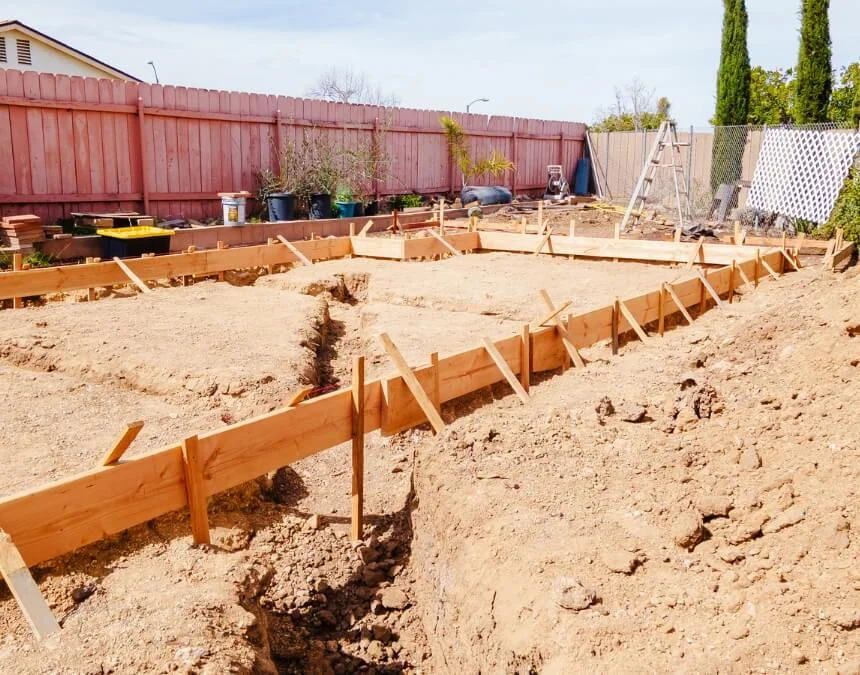
Understanding applicable setbacks, height limits, and addressing procedures early helps prevent delays, but zoning compliance alone does not establish eligibility for a separate address.
Can HOAs restrict the rental or addressing of guest houses or ADUs?
Homeowners associations (HOAs) may have guidelines affecting rentals, including guest houses and ADUs, but California law limits their authority over qualifying ADUs. Review provisions concerning:
- Rental-duration limits, including short-term versus long-term occupancy.
- Tenant parking rules and designated spaces, where enforceable.
- Lease terms, management conditions, and applicable approval procedures.
Review your HOA’s governing documents alongside California’s ADU protections before construction, rental, or address applications, and seek legal advice about potentially conflicting restrictions.
What safety requirements apply to ADUs and guest houses in California?
California ADUs must meet applicable building and fire safety requirements. Address assignment and visible identification also support emergency response, but they do not replace code compliance. Confirm project-specific requirements for:
- Egress windows: Provide required emergency escape and rescue openings where applicable.
- Fire sprinkler systems: Verify requirements with the building and fire authorities; ADU size or proximity alone does not determine applicability.
- Fire hydrant proximity: Confirm applicable water supply, hydrant access, and distance requirements with the responsible fire authority.
For a Los Angeles ADU, confirm address assignment and display requirements with the Department of Building and Safety and the Fire Department so responders can identify the correct dwelling promptly.
What are some city-specific regulations for ADUs in California?
ADU regulations vary significantly across cities in California:
- Los Angeles: Ask the Department of Building and Safety when ADU addresses are assigned, confirm postal delivery with USPS, and verify service requirements with each utility provider.
- Diamond Bar: Ask the city’s building division whether fractional addresses, such as 1234 ½ Main Street, applies to your ADU configuration and entrances (LA DBS).
- Pomona: Confirm whether new ADU receives requires a separate address, and ask how addressing differs for detached ADUs and internally connected junior ADUs (JADUs).
How important is the municipal planning department for ADU address guidance?
Municipal planning departments play a crucial role by:
- Explaining when addresses are assigned during the permitting process.
- Providing city-specific guidance on address signage, placement, and postal coordination.
- Clarifying the requirements associated with permit process to help prevent common mistakes and delays.
Consult your local planning or building department early to identify the office responsible for addressing and confirm the requirements that apply to your property.
Can HOAs regulate renting of ADUs or guest houses?
HOAs may regulate aspects of guest-house or ADU rentals, including rental duration, parking, and tenant agreements, but their authority is limited by California law. Review the governing documents and applicable ADU protections, and determine whether any lawful approval process applies before pursuing a ADU rental arrangement.
How do I obtain permits for an ADU with a separate address?
Securing permits for an ADU generally involves these steps:
- Consult Municipal Planning Departments:
Visit your local jurisdiction’s website to review planning department website to learn about local ADU regulations and permit procedures. Many California cities provide publish ADU construction guidance online. Review the Los Angeles City Planning Department. as well. 2. Prepare Required Documentation:
Complete permit applications and submit the required documents, including site plans showing lot coverage, the proposed ADU location, applicable safety features such as sprinklers and egress windows, and any requested address information. 3. Comply with Fire and Safety Standards:
Your ADU must meet applicable building and fire safety requirements, including required egress openings, emergency access, and sprinklers where mandated. Confirm project-specific requirements with the reviewing authorities, since unresolved issues can delay permitting. 4. Receive Permit and Address Assignment:
Obtain confirmation of the officially assigned address and its format from the responsible city office. Verify when it will appear in permit records and other municipal systems.
Things to Keep in mind
Getting the details right can make managing an ADU with a separate address much easier. Practical design choices, including entry paths, lighting, and landscaping, influence tenant comfort and everyday access. Thoughtful planning at the outset helps prevent confusion, avoid unnecessary changes, and reduce maintenance headaches later.
What design practices improve privacy and usability for ADUs with separate addresses?
When planning building an ADU intended to have a separate address, thoughtful design decisions can improve tenant privacy, everyday functionality, and overall appeal. Consider these best practices:
- Strategic Placement: Plan the location of ADU to maximize privacy from the main home carefully. A separate, clearly defined entrance path supports tenant independence and helps visitors and delivery personnel find the correct unit.
- Landscaping for Privacy: Use hedges, permitted fences, or carefully placed trees to create visual separation around ADU from the primary residence without obstructing address signs or required access.
- Clearly Defined Pathways: Provide well-lit, clearly marked paths that support access for tenants, postal carriers where applicable, emergency responders, and visitors.
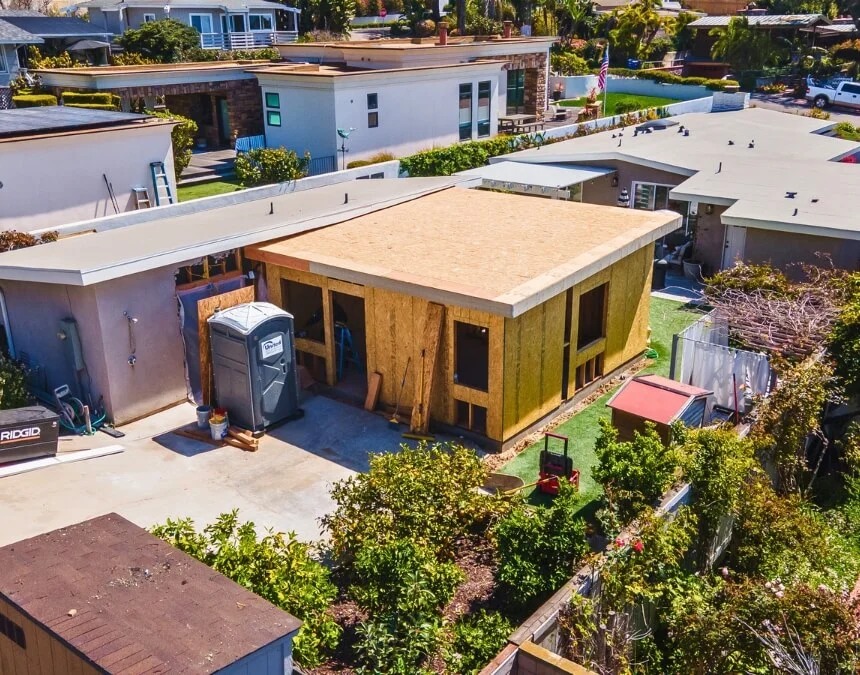
Thoughtful ADU placement and landscaping can enhance privacy and rental appeal, provided foliage does not obscure address signs, entrances, or required emergency access.
Why is adequate lighting important for ADUs?
Appropriate lighting supports safety, security, and accessibility. Well-lit pathways and entryways can:
- Help tenants, visitors, and emergency responders identify the ADU and its entrance.
- Improve nighttime visibility and help discourage unauthorized access.
- Make it easier to locate the ADU’s designated mailbox or front door for deliveries where service is authorized.
What parking arrangements should be considered for ADUs?
Where parking is provided or required, a clear arrangement can improve the ADU rental experience. A separate address does not itself create parking requirements. Consider:
- Off-Street Parking: Where feasible and permitted, designate tenant parking spaces or driveway sections without blocking required access.
- Garages or Carports: Consider permitted covered parking for convenience and weather protection, while reviewing site constraints and costs.
- Clear Delineation: Use appropriate landscaping, signs, or pavement markings to distinguish tenant parking and reduce confusion over shared areas.
Where available, clearly designated parking can support an ADU’s independent identity, complement its separate address, and improve tenant convenience without implying that parking is universally required.
Should an ADU have separate or shared utility services?
Effective utility management is an important consideration when applying key when assigning a separate address to an ADU. Review the advantages and drawbacks of separate and shared service arrangements:
Separate Utilities:
- Pros: Separate utility accounts can simplify billing, clarify tenant responsibility, and support greater independence where available.
- Cons: Separate meters, connections, and infrastructure may increase initial costs and require utility-provider approval.
Shared Utilities:
- Pros: Shared service may reduce upfront costs and simplify infrastructure.
- Cons: Allocating charges can complicate billing and create disputes; any arrangement must comply with applicable law.
What infrastructure considerations are necessary for separate utilities?
When opting for separate utilities:
- Electrical Panels: Confirm whether the separate-panel approach described in required to manage increased loads from an ADU suits your project. A separate panel does not automatically provide separate metering or billing.
- Plumbing Systems: Dedicated lines may simplify maintenance, but independent water billing generally requires an approved metering arrangement. Shared connections may be more practical depending on infrastructure and provider requirements.
Clearly documented utility arrangements can help tenants understand their costs and responsibilities. Discuss available account, metering, and billing options rather than assuming all tenants prefer the same setup.
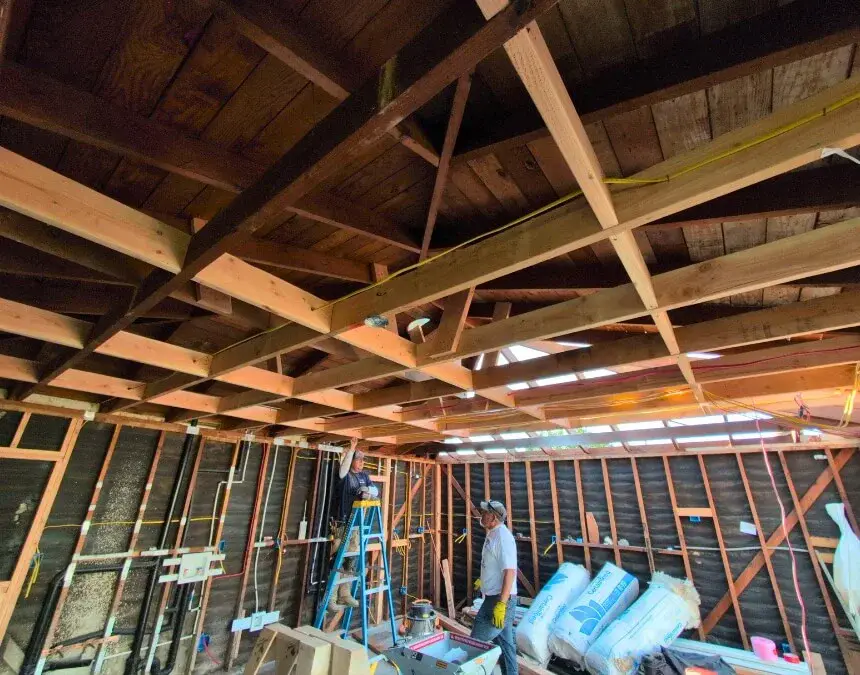
Plan utility layouts early, distinguishing separate panels and plumbing from provider-approved meters and accounts, so your ADU’s billing arrangements support the intended level of independence.
How can incorporating storage spaces enhance the appeal of an ADU?
Dedicated storage can improve an ADU’s practicality and rental appeal, particularly when tenants need clearly defined spaces separate from the primary residence:
- Functional Appeal: Dedicated storage accommodates everyday belongings and supports permitted rental arrangements, whether shorter or longer term.
- Enhanced Privacy: Thoughtfully located storage helps distinguish tenant and homeowner areas without obstructing access or encroaching on shared spaces.
Why is strategic landscaping important for ADU privacy?
Thoughtful landscaping around storage areas, pathways, and entrances can further enhance privacy while preserving safe access:
- Creates attractive visual separation between dwellings without blocking required access.
- Helps distinguish areas associated with the ADU’s separate address, making entrances and shared-space boundaries easier for tenants, visitors, and delivery personnel to understand.
Guest House vs. ADU (Accessory Dwelling Unit)
Determining whether you need a guest house or an ADU starts with understanding the differences between dwelling types, especially when planning a rental or evaluating an investment. Accurate terminology and applicable building rules influence permitting, lawful occupancy, and potential income. Clarifying these distinctions early helps you assess options realistically and avoid costly assumptions about future use.
What is the difference between a guest house, ADU, granny flat, casita, and JADU?
Understanding these terms helps clarify which occupancy, permitting, and addressing requirements may apply:
- Accessory Dwelling Unit (ADU): A residential unit on a lot with a primary residence that provides complete, independent living facilities, including cooking and sanitation facilities. Confirm its addressing requirements with the responsible jurisdiction; separate utility accounts follow their own approval process.
- Guest House: A general term often used for guest accommodation, sometimes without a full kitchen. Its permitted classification determines lawful occupancy and rental use. A separate address does not authorize conversion into an independent rental dwelling.
- Granny Flat/Casita: Informal labels that may describe an ADU or another structure. Review approved plans and permits rather than assuming the name establishes legal dwelling status or separate-address eligibility.
- Junior ADU (JADU): A unit of no more than 500 sq ft located within a proposed or existing single-family residence. It includes an efficiency kitchen and may share sanitation facilities. Confirm local addressing procedures and current state requirements.
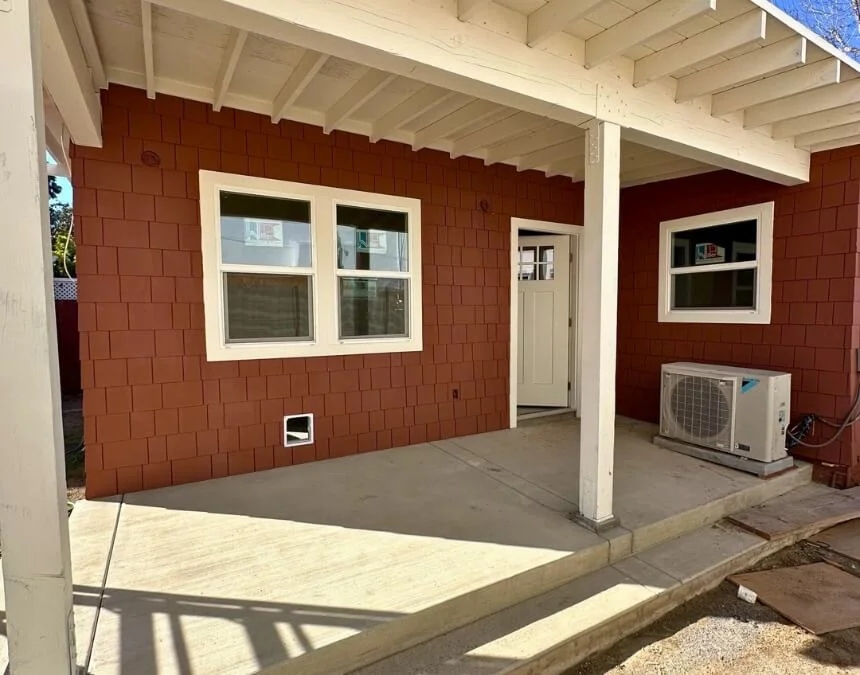
Know the distinction: an ADU provides complete, independent living facilities, while a structure called a guest house may have different permitted uses and addressing requirements.
How do structural differences affect address assignment?
The structure and layout significantly influence separate address assignments:
| Structure Type | Address Assignment Practice |
|---|---|
| Standalone | A separate address may be assigned through local review. |
| Attached | Separate addressing depends on local requirements. |
| Garage-top | Separate addressing is subject to local review. |
| JADUs | Addressing requirements depend on local review. |
What are the code compliance differences between ADUs and guest houses?
ADUs and guest houses may have different permitted uses and code requirements, affecting construction, occupancy, and addressing. Verify the approved classification before planning a rental:
- ADUs: Must provide independent living facilities, including cooking and sanitation facilities, and meet applicable safety standards. Confirm official addressing, address display, and mail arrangements separately.
- Guest Houses: Requirements depend on their approved classification and use. Missing kitchen facilities do not mean fewer safety obligations, and neither separate billing nor an address independently authorizes long-term rental occupancy.
What financial considerations apply to guest houses and ADUs?
Several financial considerations affect the decision to pursue build and rent out an ADU or guest house for long-term tenants. Evaluate each against the property’s legal use and project-specific costs:
- Return on Investment (ROI): Evaluate potential rent alongside construction, financing, insurance, maintenance, and vacancy costs. Full living amenities may improve rental usefulness, but neither property value nor long-term appreciation is guaranteed.
- Tax Implications: Rental income generally must be reported regardless of whether a dwelling has a separate address. Depending on tax rules and property use, deductible expenses may include allocated mortgage interest, maintenance, utilities, management fees, and depreciation. Consult a qualified tax professional.
- Long-Term Rental Stability: Renting your ADU on a long-term basis under a longer lease may reduce turnover and management demands compared with short-term rentals, but occupancy and income remain uncertain. Verify applicable rental restrictions, tenant protections, and property-specific rent-stabilization requirements.
Managing a Guest House Property
When managing your guest house or ADU smoothly means planning, plan ahead. Clear lease terms and a practical approach to tenant concerns can prevent avoidable problems. Appropriate management support can also help maintain the property and coordinate day-to-day operations, although no management arrangement guarantees higher property value or a stress-free rental experience.
How can clear lease expectations support managing an ADU with a separate address?
Clear lease expectations are essential when managing a guest house or ADU with its own address. Well-drafted terms help prevent disputes, simplify daily management, and explain tenant responsibilities without conflicting with applicable rental laws.
Important lease provisions include:
- Address and Mail Management: State the ADU’s officially assigned mailing address, approved mailbox arrangements, and reasonable procedures for misdirected or forwarded mail. Confirm delivery requirements with USPS rather than relying on informal guidance.
- Utility Responsibility: Explain whether utilities are separately billed or shared, including lawful allocation methods, payment procedures, and each party’s responsibilities.
- Parking Regulations: Identify any assigned tenant spaces and restrictions on guest parking or shared driveway use, consistent with applicable requirements.
- Safety and Maintenance Expectations: Explain lawful tenant upkeep duties, such as maintaining clear pathways, and establish procedures for promptly reporting repairs. Do not shift legally required owner maintenance obligations to tenants.
What conflict resolution strategies are recommended for ADUs?
Practical conflict-resolution strategies support constructive landlord-tenant relationships, including where ADUs have separate addresses or utility accounts. Set clear expectations while respecting privacy and applicable rental laws. Recommended practices include:
- Proactive Communication: Establish reliable communication channels so tenants can raise concerns promptly and receive clear responses, reducing misunderstandings.
- Clear Boundaries: Define access paths, storage areas, shared facilities, and designated outdoor spaces. A separate address does not itself establish exclusive rights to every adjoining area.
- Routine Check-ins: Offer appropriate opportunities to discuss maintenance and expectations. Obtain required consent or provide legally required notice before entering the unit, and respect tenant privacy.
Is a professional property management for a good idea for ADUs?
Professional property management can reduce the day-to-day demands of operating an ADU with a separate address. Services vary by provider and contract, but may include:
- Tenant Screening: Managers can evaluate applications using consistent, lawful screening criteria, although screening cannot guarantee tenant reliability.
- Eviction Support: Some firms offer eviction-related assistance or limited protection programs. Review exclusions, costs, coverage limits, and legal procedures carefully.
- Routine Maintenance: Managers can coordinate inspections and repairs to support safety, upkeep, and compliance, while owners retain applicable legal responsibilities.

A qualified property manager can streamline tenant communication and coordinate maintenance, particularly when an ADU has separate addressing and billing, but service scope and contractual terms matter.
Which property management companies offer services in California for ADUs?
When comparing California property management providers for ADUs and guest houses, review the following service, licensing, and experience considerations:
| Company | Services Offered | Area Served |
|---|---|---|
| Belong Home | Tenant screening, maintenance, repairs, marketing; rent guarantees subject to terms | Confirm coverage for the property’s location in California |
| Good Life Property Management | Tenant placement, maintenance coordination; confirm eviction protection terms | Confirm service availability in Los Angeles |
| Utopia Management | Property management, leasing, maintenance coordination; confirm after-hours support | Confirm coverage for the property’s location in California |
FAQs
Yes, a property may have multiple officially assigned addresses when it contains an approved ADU or another qualifying dwelling. Ask the responsible Los Angeles office which address format applies to your property. Separate addressing helps identify units but does not automatically establish independent mail delivery or utility service.
A separate guest structure may be called a guest house, granny flat, casita, or carriage house. These informal names do not establish its legal status. An approved accessory dwelling unit (ADU) provides complete, independent living facilities for residential use, subject to applicable occupancy and rental rules.
Start by asking your local planning or building department which office assigns ADU addresses and when to apply during permitting. After receiving the official address, contact your serving USPS office to establish or confirm delivery. Ask which permits, mailbox photographs, dimensions, or placement details are required for your specific delivery arrangement.
California law supports qualifying ADUs, but eligibility depends on the proposed structure, applicable state protections, and site-specific requirements. A guest house may have a different permitted use. Check current city guidance, building standards, and enforceable HOA provisions rather than assuming local restrictions override state ADU law.
Conclusion: Making the Right Decision
Obtaining a separate address for your guest house or ADU requires understanding local procedures, the structure’s permitted use, financial considerations, and your rental plans. Before proceeding, confirm assignment requirements with the responsible city office, delivery arrangements with USPS, and account requirements with utility providers (Uni Construction). Early coordination can simplify property management, support realistic rental planning, and reduce compliance problems, but it does not guarantee approval or higher income.
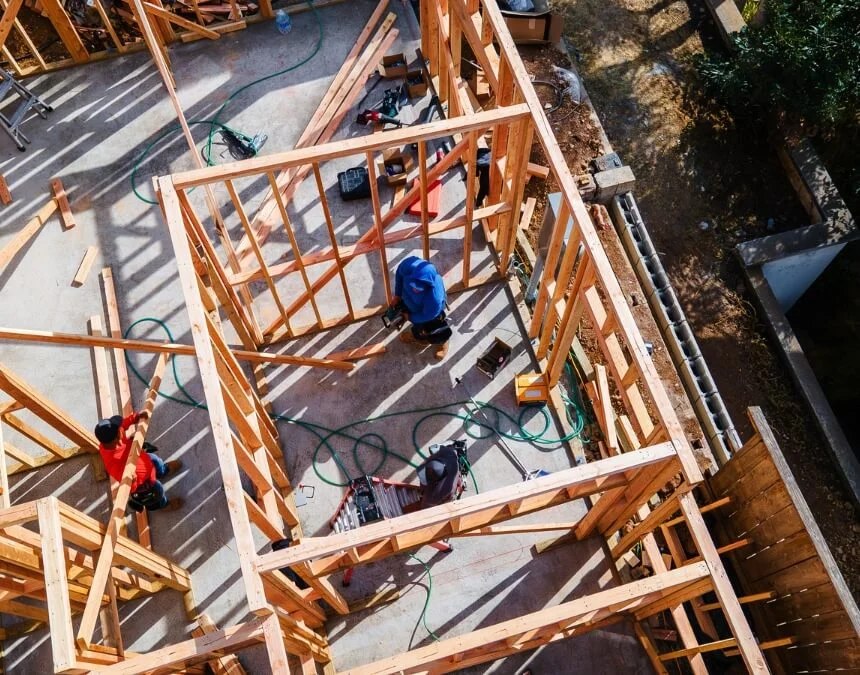
A well-planned ADU project addresses applicable codes, site layout, address assignment, and mailbox requirements early, ideally before construction begins.