

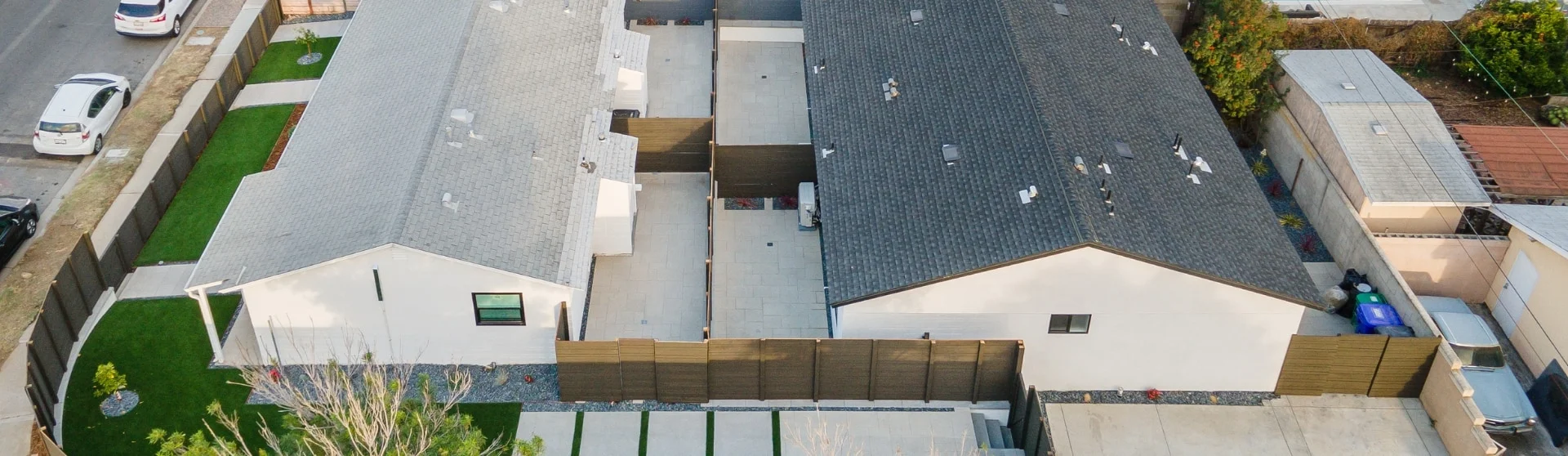
What is the Affordable ADU Bonus Program in Los Angeles?
California law allows accessory dwelling units (ADUs) and junior accessory dwelling units (JADUs), subject to property-specific requirements. A JADU is a smaller unit with distinct rules, not simply a scaled-down ADU. Before relying on ADU development incentives in Los Angeles to add units beyond a basic configuration, confirm the permitted combination under current state law and Los Angeles requirements. Here are the key considerations:
- Deed Restrictions Before assuming an affordable ADU qualifies a property for an additional market-rate unit, confirm whether an applicable program exists with Los Angeles City Planning and the Los Angeles Housing Department. Ask about income limits, permitted rents, restriction periods, monitoring, and recording requirements. Any affordability obligation must follow the specific agreement, not a generic schedule.
- Construction Flexibility For locations identified as Sustainable Development Areas (SDAs) or Transit Priority Areas (TPAs), verify the applicable zoning and unit-count rules with the responsible planning authority. Elsewhere, confirm whether the configuration described as build one affordable ADU is allowed alongside an unrestricted ADU.
Other benefits of the Affordable ADU Bonus Program include:
- Potential improvements in property value in a challenging housing market
- Opportunities to support rental income, subject to project feasibility
- State ADU provisions that may ease certain zoning constraints
- Options for multiple units where applicable law and site conditions permit
- Opportunities to contribute to affordable housing solutions
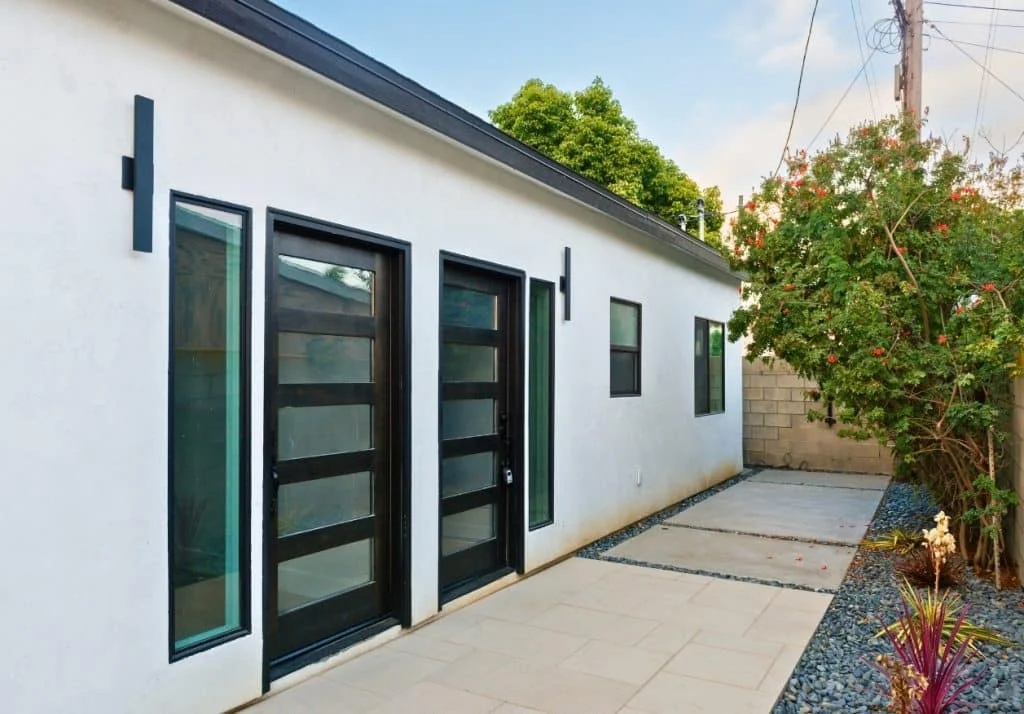
Los Angeles homeowners can explore ADU options under state and local rules, with unit counts and affordability requirements determined through property-specific review.
Who Qualifies for the ADU development incentives in Los Angeles?
Before pursuing an ADU opportunity described as Los Angeles’s, confirm the property’s zoning, permitted unit configuration, and any applicable owner-occupancy requirements with the relevant Los Angeles department. For financing described as Los Angeles, request current written eligibility criteria directly from the administering agency or lender. Check whether income limits tied to Area Median Income (AMI), minimum credit scores, application fees, or construction-loan closing conditions apply. Do not assume that terms advertised for another jurisdiction are available locally.
Transit proximity and local planning designations may affect an ADU proposal, but they do not automatically authorize additional units. Confirm the property’s designation with Los Angeles City Planning and review the separate state and local requirements for single-family and multifamily properties.
These are preliminary considerations, not definitive eligibility rules. Consult Los Angeles Housing Department and the relevant city department or financing administrator for current, written requirements covering your property, proposed unit configuration, and any affordable-housing or loan program under consideration.
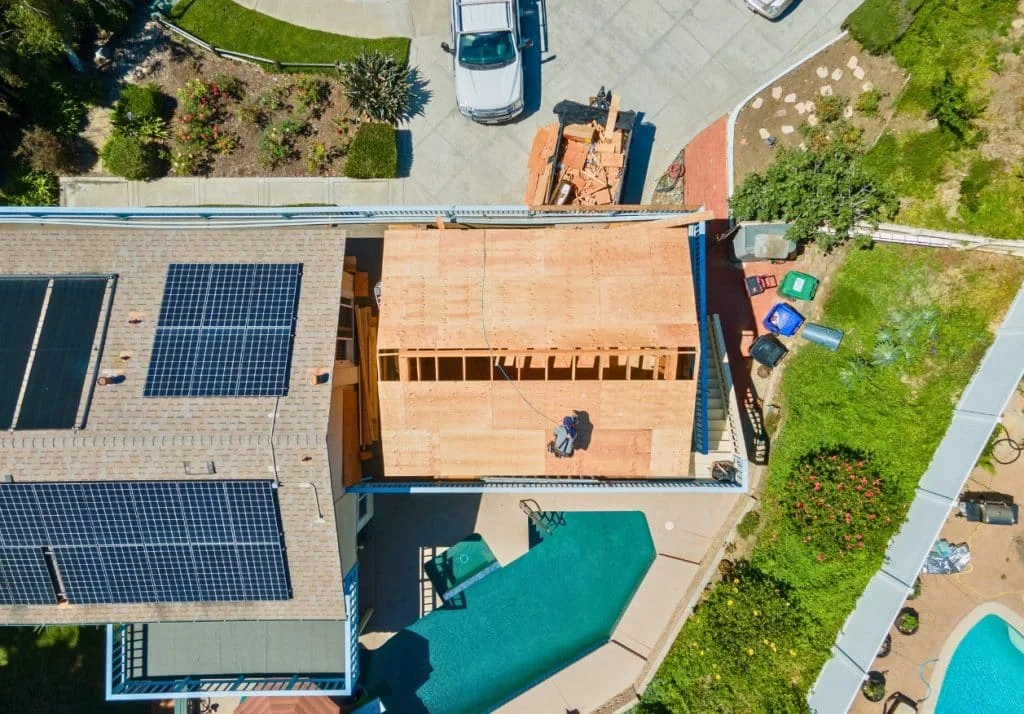
ADU eligibility in Los Angeles requires property-specific review of zoning, proposed unit configurations, and any applicable occupancy or financing criteria.
Incentives and Benefits of the ADU Bonus Program
Before relying on assistance described as ADU development incentives in Los Angeles, verify whether it is currently available to Los Angeles homeowners building accessory dwelling units. Ask the administering agency or lender about maximum loan amounts, construction-period interest rates, repayment terms, and eligibility restrictions. Also confirm whether tax incentives can reduce costs for homeowners for your particular project.
Other potential savings warrant project-specific verification, including any reduction in costs for permits and possible scheduling benefits associated with expedited processing times.. Ask whether Los Angeles Housing Department provides ADU consultations, free technical assistance, or project-management support, and confirm any eligibility limits. Compare documented assistance with your actual design, permitting, and construction needs before including these benefits in your budget.
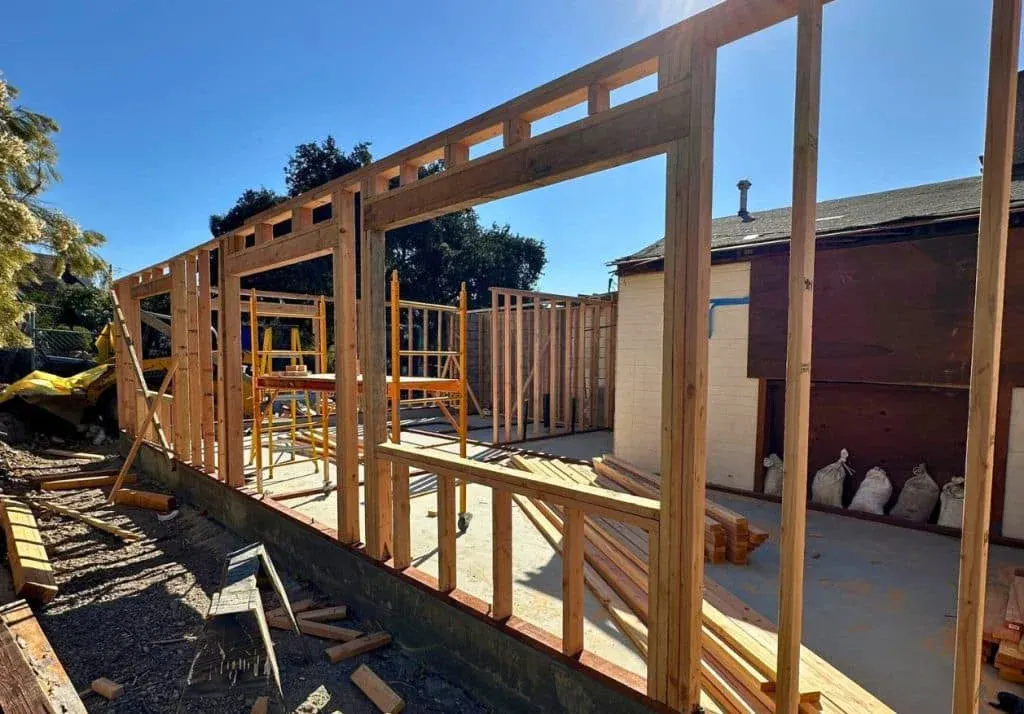
Check current Los Angeles ADU resources for applicable fee relief, financing, and technical assistance before relying on them in your project budget.
How to Apply for the ADU Bonus Program
Planning an ADU in Los Angeles? Confirm the correct application process with the Los Angeles Department of Building and Safety and verify any resources identified as [annk@Los Angeles Housing Department.org](mailto:annk@Los Angeles Housing Department.org). Then follow these steps:
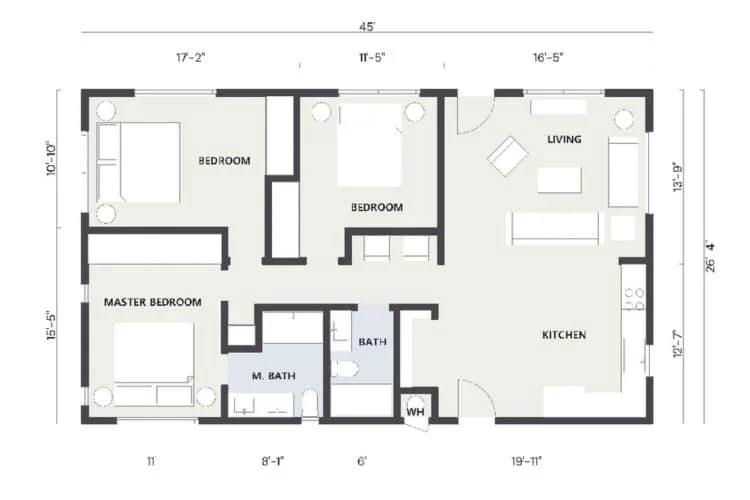
Prepare and submit project plans: Have a qualified designer or architect assemble a complete permit set, including the site layout, elevations, utility plan, and roof design. Confirm whether the property is within the City of Los Angeles and submit through its responsible building department.
- Planning and building review Confirm which Los Angeles departments must review plans and whether additional planning approvals are required.
- Application and fees Submit the required applications and supporting documents, and obtain a project-specific fee estimate from each reviewing agency.
- Affordability document review If an applicable program requires affordability restrictions, have the administering agency and a qualified adviser review the proposed agreement and any deed-of-trust requirements.
- Document recording Record required agreements only after their terms and recording instructions are confirmed.
- Building permit approval Resolve outstanding conditions and confirm approval of building permit. Begin construction only after the required permits have been issued.
Ask each reviewing agency when to expect conditions, application materials, and invoices. If recorded affordability documents are required, confirm whether they must be completed before approval of building permits until the ADU. Processing times depend on the project and reviewing agencies.
Maximizing Your Property’s Potential: Building Multiple ADUs
To maximize your property’s potential with multiple ADUs, prioritize efficient space planning and disciplined cost management. Begin by reviewing placement of each unit to make effective use of the site while maintaining privacy and meeting building-code requirements. Where permitted, consider stacking ADUs to use available land efficiently. Shared features, such as driveways and outdoor spaces, may conserve space and reduce duplication. Exploring high-quality prefab options can also support consistent construction costs, provided the design suits the site and approval requirements.
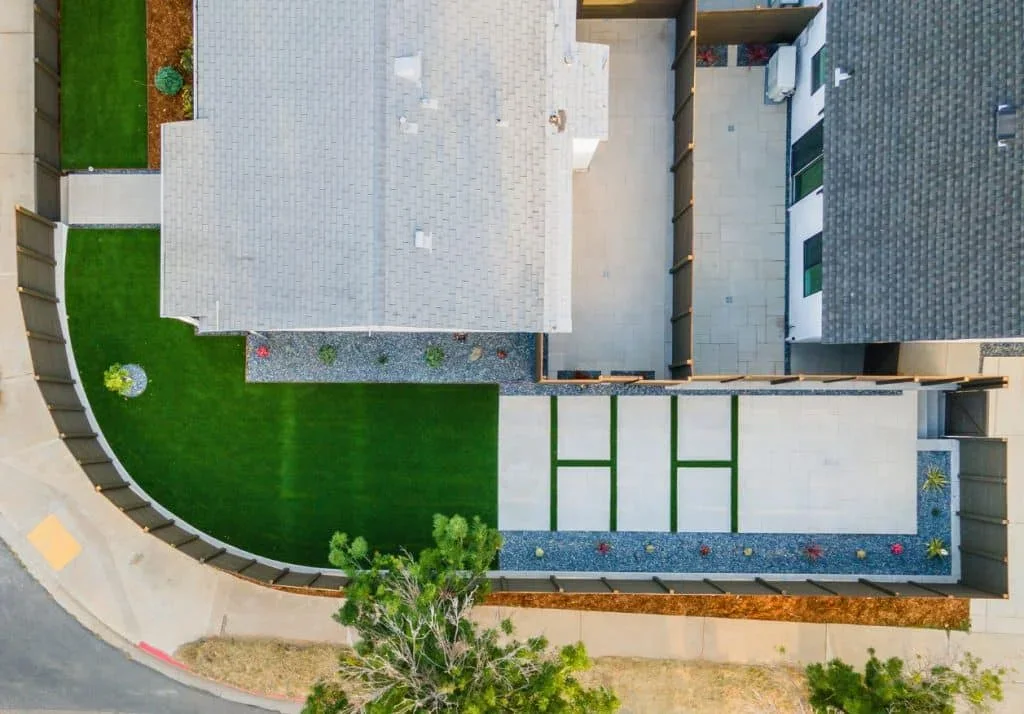
Explore your property’s potential through designing multiple ADUs, using shared features such as driveways and outdoor areas where permitted to improve land use and affordability.
Common Pitfalls and How to Avoid Them When Applying for ADU Bonus Program Permits
When applying for an ADU permit in Los Angeles, incomplete documentation can delay review or require resubmittal. Complete all forms accurately and include the required project plans. If a verified affordable-housing program applies, confirm its income-verification and agreement requirements with the Los Angeles Housing Department or designated administrator. Allow time for document preparation, agency comments, and any required legal review rather than assuming a standard processing period.
Avoid unnecessary mid-project design changes, misunderstandings about affordability restrictions, and failure to check applicable zoning rules. Any affordability commitment must follow the recorded agreement’s actual duration and terms. Transit proximity or a planning designation does not independently establish permission for multiple ADUs. Confirm allowable unit counts, dimensions, design standards, and any affordability conditions with Los Angeles City Planning and the responsible building authority before finalizing plans.
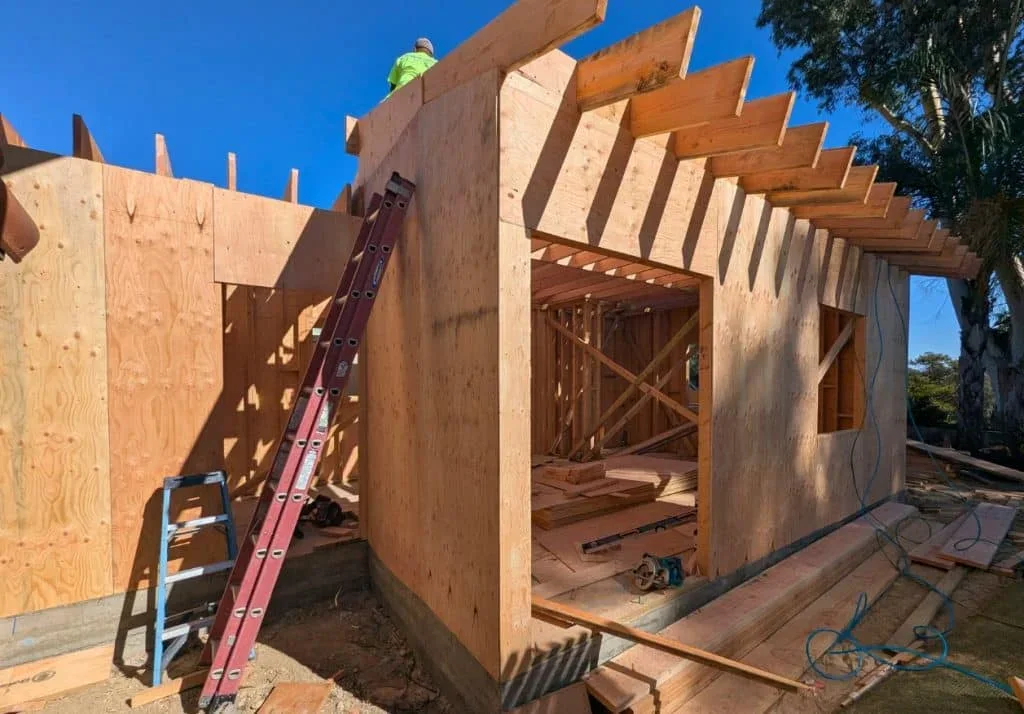
Avoid common ADU application pitfalls by preparing complete plans, confirming applicable zoning requirements, and resolving project-specific approval conditions before construction begins.
Frequently Asked Questions (FAQs) on the ADU development incentives in Los Angeles
Los Angeles homeowners can explore ADU development through applicable state law, local requirements, and resources such as the ADU Standard Plan Program. The following questions address common issues that arise during planning, design, and permitting.
The permitting timeline for a Los Angeles ADU depends on the application type, completeness, site conditions, and required reviews. Ask the Los Angeles Department of Building and Safety which statutory processing deadlines apply and what may affect them. If an affordability agreement is required, confirm its separate review and recording schedule with the administering agency.
ADU designs must meet applicable size limits and building requirements. Although California law addresses ADUs of up to 1,200 square feet, that figure is not a universal allowance for every project. Confirm the limits for your proposed unit type and property. If an affordability program applies, verify any requirements governing comparable floor area, bedroom counts, amenities, and design in the program’s current documents.
Start Your ADU Project Today
Adding an ADU to a single-family property may create rental income and support property value, but results depend on construction costs, financing, operating expenses, and applicable rental rules. Want to discuss your plans with a qualified team and explore what a successful ADU build could involve? Start by completing our free estimate tool.