

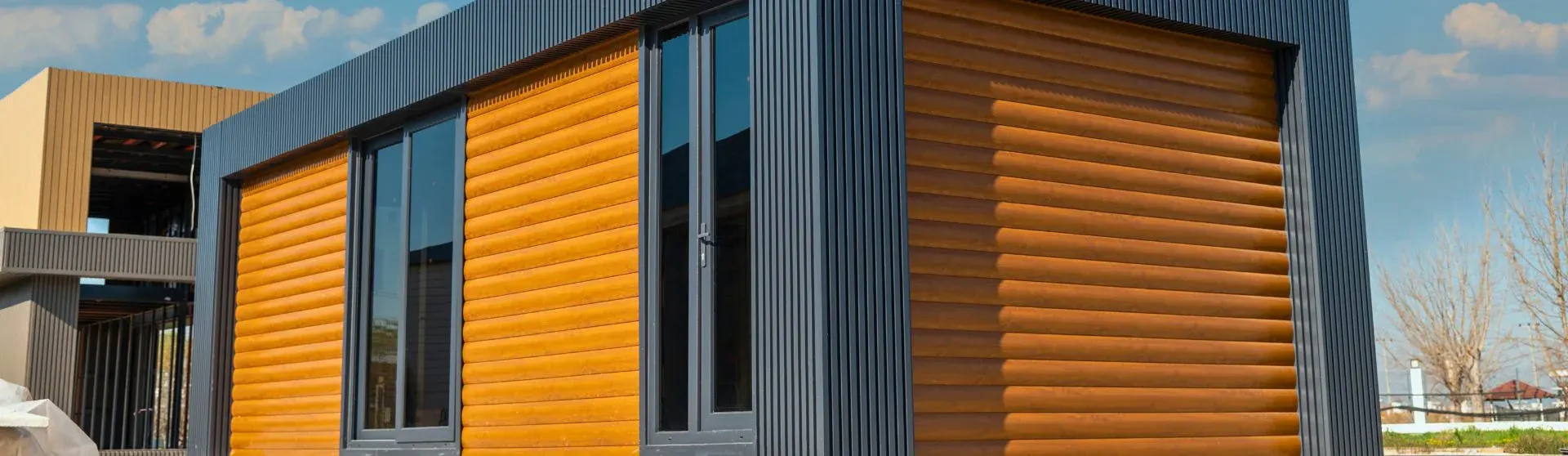
Why Prefab ADUs Are Popular
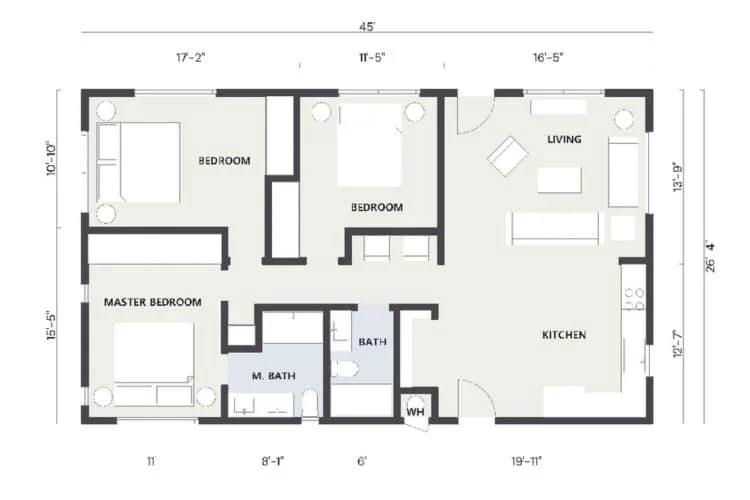
Prefab ADUs appeal to homeowners who want to add extra living space to their property at a manageable price and have little need or desire to customize their floor plan or interior design. These units typically use standardized factory designs and off-site assembly, with customization options that vary by manufacturer.
Prefab ADUs are also a popular option can suit homeowners who need to expand their living space or create a detached unit relatively quickly. For example, they may need the following sooner than expected: in-law unit. Modular homes can shorten construction, although permitting and site preparation still affect the overall timeline.
Although these benefits are significant, homeowners should also consider hidden costs associated with costs of prefab ADU projects. Factory construction may reduce labor expenses, but prefab builds can involve costs that are less common in stick-built construction, including transportation and crane fees. These additional costs can substantially reduce overall construction savings, so ask your prefab builder to identify and itemize them before you commit to a unit or sign a construction agreement.
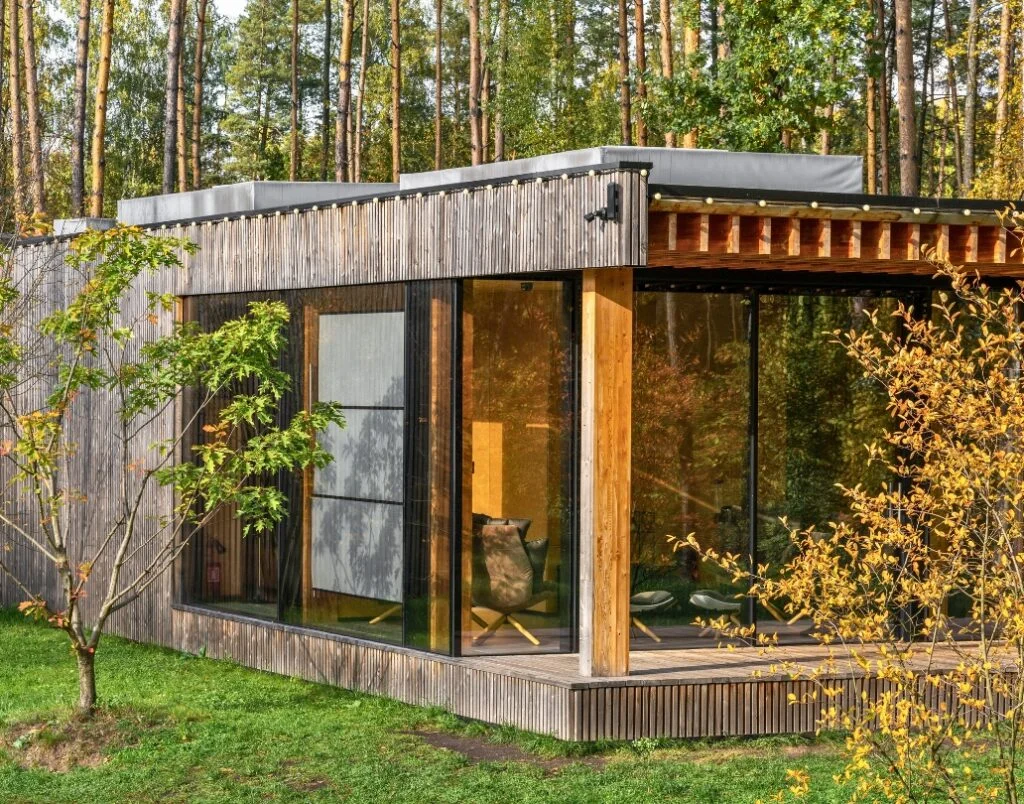
Prefab ADUs can suit homeowners who need extra space quickly. Shorter on-site construction timelines and competitive base prices can be appealing, but total costs and schedules vary.
Comparing Prefab ADUs and Custom Built On-Site ADUs
There are several key differences between prefab ADUs and custom or site-built ADUs, particularly in construction time, labor costs, customization, durability, and potential long-term value.
- Installation time. Prefab ADUs can have shorter construction timelines because factory work may proceed alongside site preparation. Some designs may qualify for a standard-plan program, potentially simplifying the permit process, but eligibility and site-specific review must be confirmed with the local building department. Custom designs may require additional review or revisions.
- Labor costs. Prefab construction can reduce labor costs through standardized processes and factory production efficiencies. Custom or semi-custom ADUs may require more on-site labor, particularly for complex layouts, specialized finishes, or challenging site conditions. Compare equivalent scopes rather than assuming either method is always less expensive.
- Construction delays. Factory-built modular units are less exposed to weather during production, reducing some disruptions to the construction process. However, both approaches require coordinated deliveries, site work, and applicable inspections. Stick-built ADUs may face delays when materials arrive late or inspections are unavailable, while prefab projects also depend on factory schedules and installation readiness.
Prefab ADUs can still face transportation delays, with a completed unit remaining in storage longer than expected while shipping arrangements, delivery access, or site readiness are resolved.
- Customization. Prefab homes may offer choices in exterior finishes, interior layouts, and design details, but options depend on the manufacturer and model. Standardization helps streamline production and can keep base prices competitive. Custom accessory structures generally provide more design flexibility, allowing layouts and finishes to respond to your needs. However, zoning, building codes, site conditions, and budget still limit what can be achieved.
- Durability. A lower prefab base price does not necessarily indicate lower-quality materials or a shorter lifespan. Durability depends on specifications, construction quality, transportation and installation practices, weather protection, and ongoing maintenance. Compare structural systems, finishes, warranties, and repair access for each option rather than assuming one construction method will deteriorate faster or require more repairs.
- Return on investment. Custom ADUs may cost more initially, but neither construction method guarantees greater long-term value. If you plan to use your guest house as a rental, compare realistic local rents, operating expenses, financing costs, and property-specific rental requirements. A custom layout may appeal to some tenants or buyers, but its effect on your overall property value depends on market conditions, project quality, and the total investment.
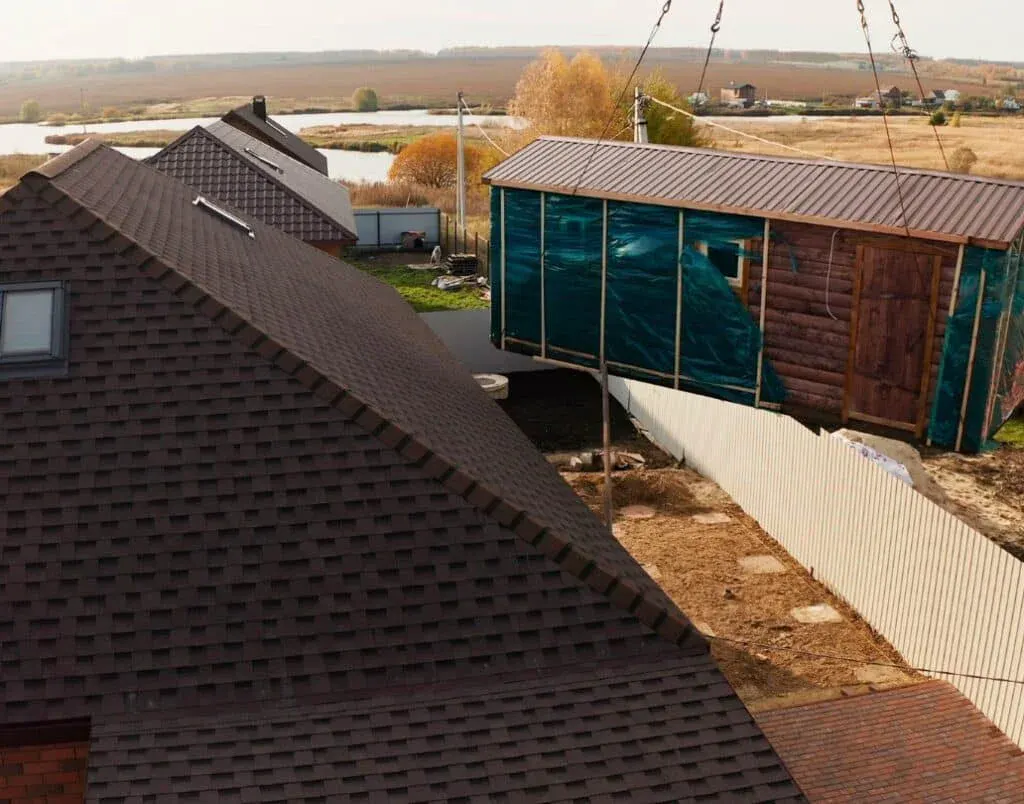
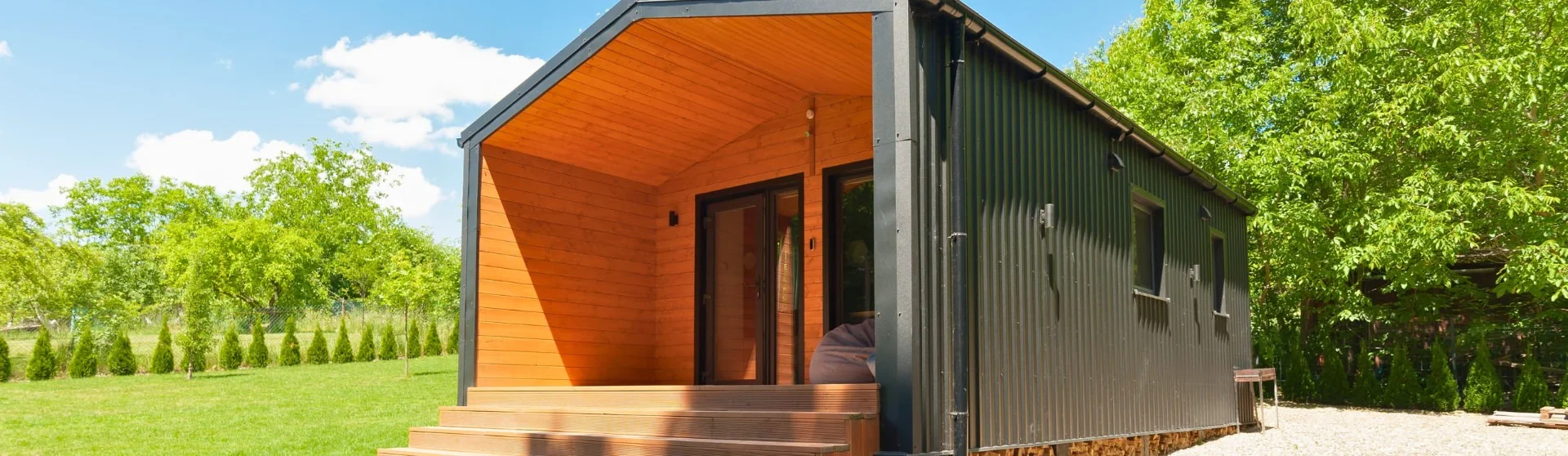
Prefab ADUs are built off-site and installed on your property. This can shorten on-site construction, but transportation and crane costs may increase the total project budget.
Factors to Consider with Prefab ADUs
Alongside durability, possible transportation delays, and uncertain returns, consider expenses excluded from a prefab unit’s advertised base price. These may include the transportation and crane fees discussed earlier, as well as site preparation. Request an itemized proposal so you can compare complete project costs rather than base prices alone.
Before installation can begin, the site must be prepared. A level lot that requires no tree removal or demolition may involve less work, although soil conditions and access still matter. A sloped yard or substantial excavation can require more extensive preparation and increase costs. Foundation work, drainage, utility connections, and delivery access also need review. Understand these expenses before committing to a prefab unit, since they can reduce anticipated labor and construction savings and make modular construction less appealing for your particular property.
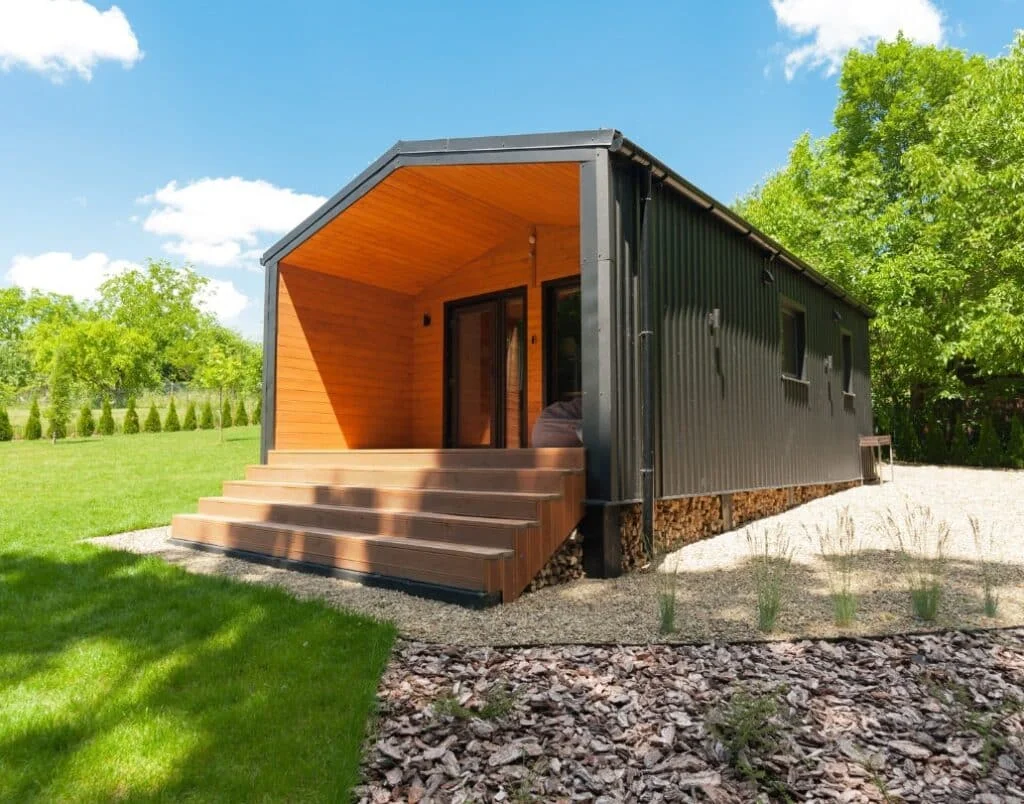
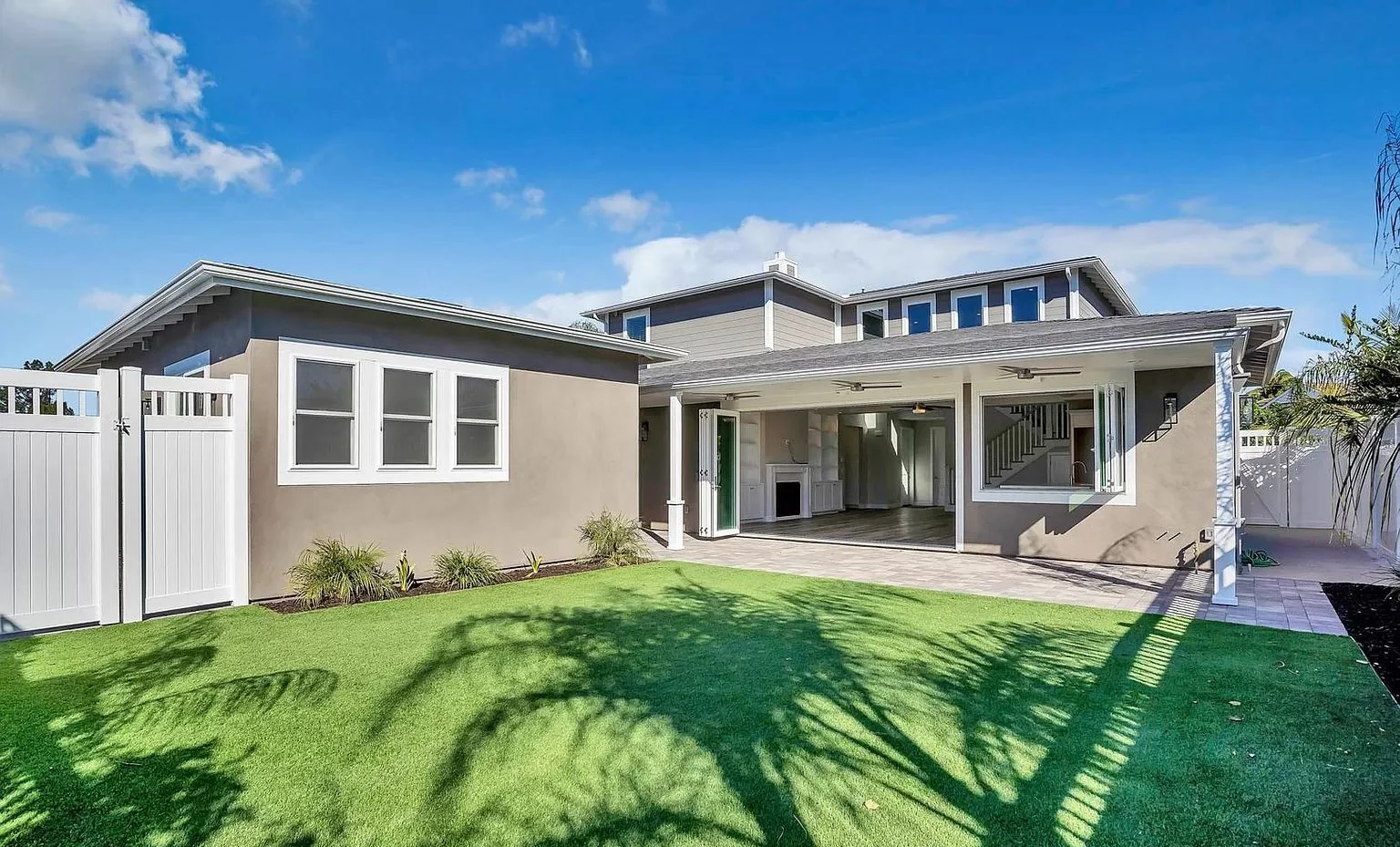
Site preparation is critical for prefab ADUs. From leveling the lot to coordinating utility connections, these requirements can significantly affect your project’s overall budget and installation timeline.
When comparing a traditional, stick-built ADU project with prefab options, review complete project costs, especially if you start with pre-approved or permit-ready ADU plans. Ask Uni Construction which plans qualify as popular floor plans and whether its available estimating resources include free cost calculator tool. Confirm what each estimate includes and which site-specific expenses remain.
The table below compares key factors to help you determine whether a prefab ADU is the right choice for your needs, outlining its potential advantages and limitations.
| Factor | Questions to Ask Yourself | Prefab ADU Advantage | Prefab ADU Limitation |
|---|---|---|---|
| Property Suitability | - Is your lot flat or gently sloped? - Is there adequate access for delivery trucks and cranes? | Well suited to flat lots with straightforward delivery access. | Sloped lots or restricted access can increase site preparation and delivery costs. |
| Budget | - Is upfront cost your primary concern? - Have you budgeted for transportation, utilities, and site preparation? | Factory construction may lower unit costs and improve pricing predictability. | Transportation, crane rental, foundations, and utility connections can offset savings. |
| Timeline | - Do you need the ADU quickly? - Are weather-related delays a concern? | Factory construction can proceed alongside site preparation, potentially shortening the schedule. | Permitting, utility work, delivery logistics, and installation can affect completion dates. |
| Customization Needs | - Do you want control over design and finishes? - Would standardized options meet your needs? | Standardized designs simplify selections and reduce design work. | Layout choices may be limited, and structural changes may require additional engineering. |
| Durability | - Are you planning for long-term use? - Are material quality and maintenance priorities? | Controlled factory conditions can support consistent construction quality. | Durability depends on materials, detailing, installation, and maintenance, not construction method alone. |
| Regulations and Permits | - Have you checked applicable zoning, setbacks, and fees? - Is the proposed plan suitable for your property? | Accepted standard plans may simplify plan review. Status: Local Approval Required. | LA Standard Plan Program acceptance does not replace site approval. Impact-fee exemptions do not waive plan-check or other applicable charges. |
| Intended Use | - Will the ADU serve as a rental, family home, or workspace? - How important is privacy? | Standard layouts can accommodate everyday housing and workspace needs. | Privacy, accessibility, and specialized uses may require options beyond the manufacturer’s standard offerings. |
| Sustainability | - Is environmental performance important to you? - Do you want to reduce construction waste? | Factory processes can reduce material waste and support energy-efficient construction. | Sustainable material choices and equipment options may be limited by the manufacturer’s offerings. |
| Return on Investment | - Is increasing property value a priority? - Will rental income help meet your goals? | Potential upfront savings may improve project economics when site costs are manageable. | Returns depend on total costs, achievable rent, operating expenses, and property-specific valuation. |
Choose Uni Construction for Your ADU
For an on-site ADU builds, ask Uni Construction how the proposed design, materials, and construction approach would support your goals and help you make informed decisions about your investment.
When evaluating a construction partner, consider the following: experienced builder. Ask Uni Construction how it coordinates permit applications, addresses review comments, and manages construction schedules. Clear responsibilities and realistic estimates can help reduce avoidable setbacks, but approvals, completion dates, and final costs depend on your project’s specific requirements.
To explore your property’s ADU potential and discuss project-specific requirements, schedule a free consultation.
FAQs About Prefab and Built On-Site ADUs
Prefab and site-built ADUs must satisfy applicable building requirements, although their construction methods, materials, and inspection pathways may differ. Neither method inherently determines lifespan or repair costs. Compare material specifications, installation quality, warranties, maintenance needs, and code compliance before choosing a unit.
Do not assume that 150 square feet is the minimum permitted ADU size in Los Angeles. Confirm applicable floor-area, room-size, sanitation, cooking, and accessibility requirements with the Los Angeles Department of Building and Safety before selecting a design.
ADU construction costs vary widely. Your total budget depends on the unit’s size, design, finishes, site preparation, utility connections, permit requirements, and local labor rates. Labor can represent a substantial share of construction expenses, but its proportion varies by project and construction method. Request an itemized estimate rather than relying on a fixed percentage of the overall budget.
Use the free cost calculator tool to explore potential costs based on your project details, and check the estimate’s assumptions and exclusions. For a more accurate assessment, ask about a consultation, whether a site assessment is included, and any associated fees.