

Key Takeaways
Soil testing costs vary widely, with general estimates ranging from $500 to $5,000 or more, depending on scope.
Costs vary because soil testing covers many different services. Basic soil profiles are relatively inexpensive and may cost only a few hundred dollars in total. Geotechnical reports are more comprehensive and require a geotechnical engineer, whose hourly fees may reach $100 or more. Request a project-specific proposal to confirm the testing scope, professional fees, and total cost.
Soil-testing requirements depend on the jurisdiction, site conditions, and proposed California requires a soil report as part of ADU construction. Where required, testing supports safer construction and more stable, durable structures. Pre-construction soil investigations give builders and engineers the information they need to make informed foundation-design decisions and address potential drainage and erosion problems.
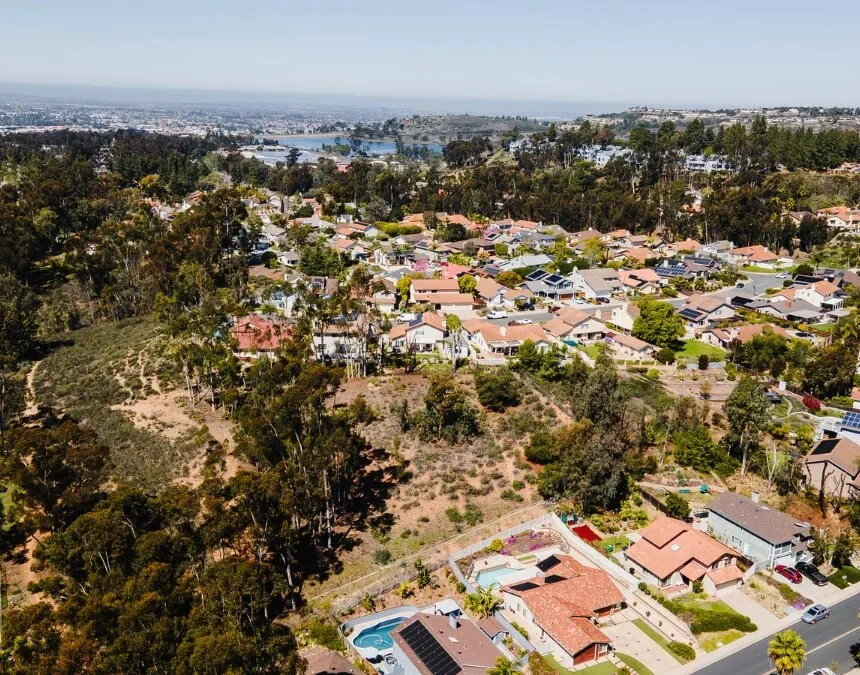
Understanding the purpose of soil testing helps homeowners budget more accurately and avoid unnecessary tests.
What is a Soil Report and When is it Necessary?
A basic soil report analyzes the upper layer of soil. It describes your property’s soil composition and nutrient levels and, when included in the testing scope, identifies heavy metals or other contaminants. This report helps gardeners improve plant growth or lawn health. Contamination testing can also help parents assess potential exposure when young children play in or ingest soil. Basic soil reports generally are not used to design foundations.
Although soil composition helps inform decisions about the type of foundation to use, construction requires more detailed information, typically obtained through an investigation documented in a geotechnical report.
Two of the most common soil reports:
- Basic soil report: generally not used for construction design
- Geotechnical report: used to inform construction design
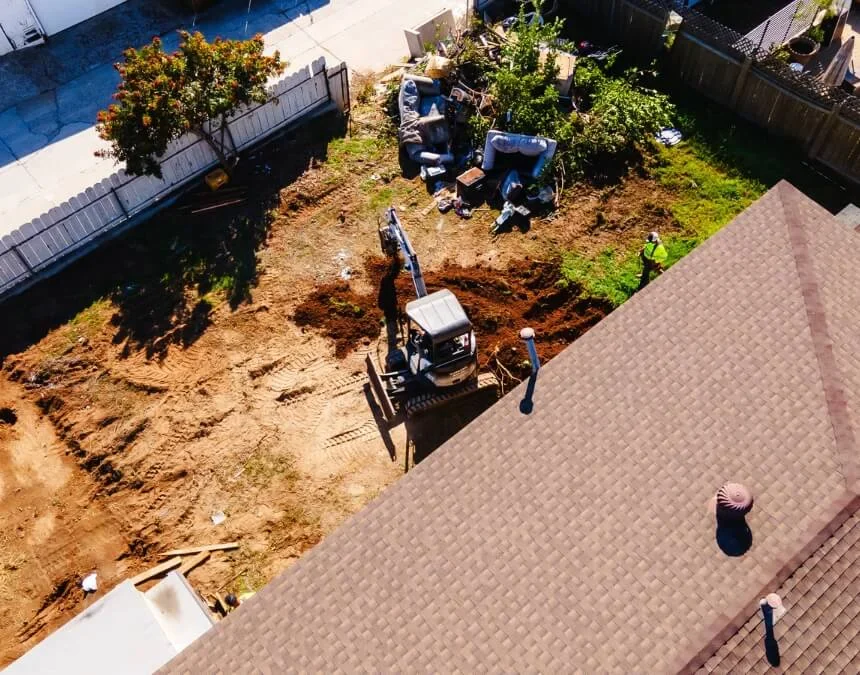
A basic soil test can guide landscaping, while a geotechnical report helps evaluate ground conditions and foundation requirements for construction.
What Are Geotechnical Reports and Why Are They Important?
For an ADU in the Los Angeles area, confirm soil-report requirements with the applicable building department. Whether a geotechnical report is required depends on the jurisdiction, site conditions, and proposed construction.
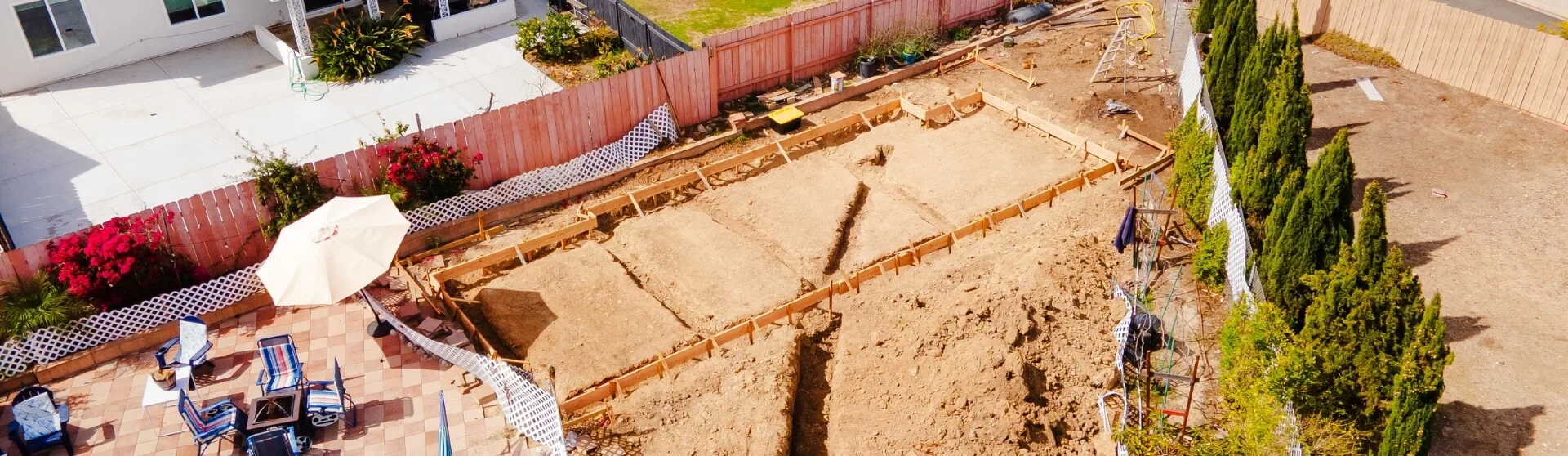
A geotechnical investigation extends beyond surface soil to evaluate conditions 10, 20, or even 50 feet below the proposed ADU will be built. Although more expensive than a basic soil profile, this investigation can be particularly important in seismically active areas such as California. Its findings inform evaluation of the proposed ADU’s loads, foundation type, footing depth, drainage and erosion measures, and potential earthquake-induced liquefaction. The engineer determines the appropriate investigation depth and scope for the site and project.
Following geotechnical recommendations helps reduce settlement, shrinkage, and other costly construction problems, including the risk of structural failure. These recommendations are especially relevant to larger ADU projects, where the structure exceeds 1,000 square feet, although size alone does not determine testing requirements. See how big can an ADU be in California?.
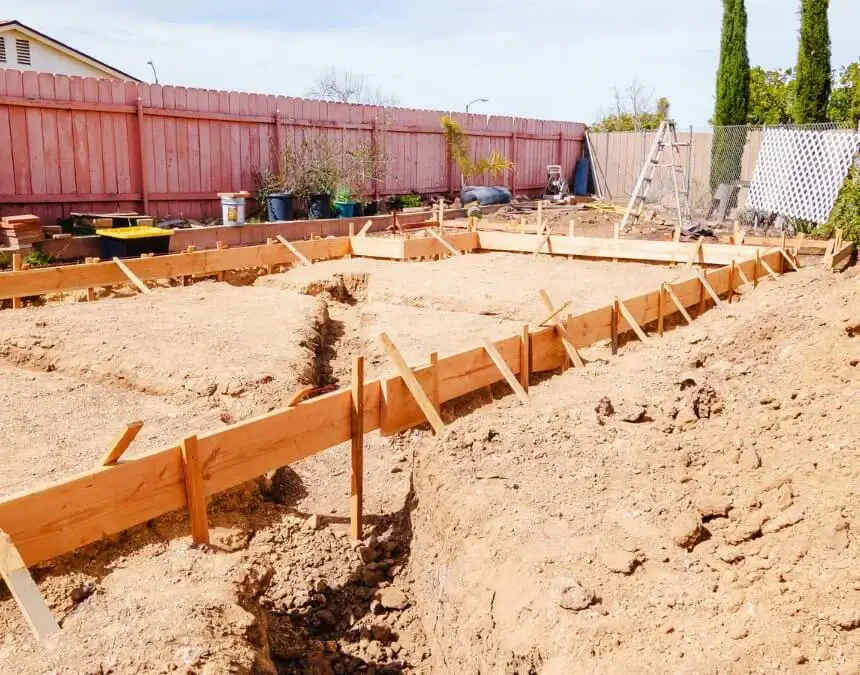
In seismically active Los Angeles, a geotechnical engineer determines whether deep soil borings are needed to support foundation design and compliance.
Geotechnical Report vs Soil Report
A basic soil report focuses on surface conditions, describing soil composition, nutrients, pH levels, and contamination when those analyses are requested. Testing typically involves collecting one or more small soil samples and submitting them to a soil testing laboratory. Although some findings may be useful to ADU builders and structural engineers, these reports primarily serve gardening and landscaping needs rather than foundation design.
A geotechnical report evaluates the ground beneath a proposed ADU, including its engineering properties, compaction, and load-bearing capacity. Depending on site conditions and the proposed structure, the investigation may use soil borings extending 10 to 50+ feet below the surface. Because this work requires specialized engineering analysis, a qualified geotechnical engineer or soils engineer conducts the investigation and prepares the report.
Geotechnical investigations are more closely associated with construction, but some projects may also require separate surface-soil or contamination testing. Confirm the required scope with the building department and engineer rather than relying on broad labels such as advanced soil testing or comprehensive soil analysis.
How Much Does a Soil Report Cost?
General estimates range from $10 for a home soil-testing kit to $5,000+ for a geotechnical report. For ADU projects in the Los Angeles area, obtain a site-specific proposal rather than relying on a generic allowance. Ask whether drilling, laboratory analysis, engineering recommendations, and any required follow-up services are included.
Your final cost depends on several key factors. Here is what to consider when planning budgeting and figuring out your potential costs for a soil report.
- Site conditions
- Scope of testing
- Site size and location
- Labor and specialist fees
- Soil remediation
Site Conditions:
Complex soil conditions, steep slopes, erosion risks, and other environmental hazards can increase the scope of the investigation and the complexity of the report. Some sites require additional sampling or specialized analysis, which can add to the overall cost of testing and engineering services.
Scope of Testing:
Basic soil testing generally costs far less than a detailed geotechnical investigation because it involves simpler sampling and analysis and usually does not require an engineer.
Size and Location of the Site:
A large property may require samples from several locations, increasing testing costs, although the proposed building footprint also affects the sampling plan. If your property is remote, the proposal may include travel charges for engineers, drilling crews, or other specialists.
Labor and Specialist Fees:
Basic soil testing often requires little fieldwork or specialist involvement. Geotechnical reports require more extensive investigation and engineering analysis, which makes them more expensive.
Soil Remediation:
If testing identifies contaminated soil or conditions unsuitable for the proposed construction, remediation or engineered mitigation may be needed before work can proceed. The appropriate approach depends on the specific problem and applicable requirements, but it can add time, labor, and cost to the project.
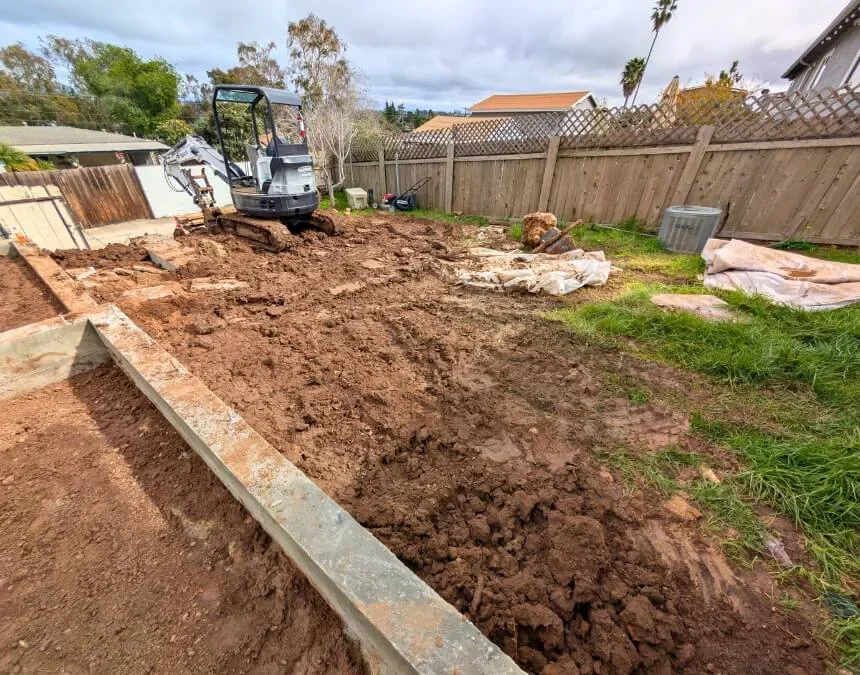
Soil-testing costs depend on site complexity, but investigating early can help identify conditions that could lead to costly foundation repairs.
Soil Report Cost by Project Type
Soil-testing costs vary considerably with the type and scope of the investigation. Beyond basic soil profiles and geotechnical investigations, many specialized tests may be appropriate for particular soil conditions, environmental concerns, or construction requirements.
This table outlines potential soil tests and general cost estimates, not verified local averages. For project-specific pricing, schedule a consultation with an experienced ADU builder and qualified testing professional. They can include the required testing as a separate line item in your overall construction budget.
Table of Soil Tests, Their Purpose, and Cost
| Test Type | Purpose | Project-Specific Pricing |
|---|---|---|
| Basic Soil Profile | Assess nutrients, organic matter, and pH | Request pricing for the selected test panel |
| Garden Soil Test | Measure minerals and pH for gardening | Confirm the sampling scope and laboratory fee |
| Lawn Soil Test | Evaluate soil conditions for healthy turf | Request pricing based on lawn area and samples |
| Soil Texture Test | Measure proportions of sand, clay, and silt | Confirm the laboratory’s testing method and fee |
| Sulfur and Boron Test | Assess nutrient levels for garden or crop health | Request pricing for both nutrient analyses |
| Heavy Metal Screening | Detect metals that may pose health risks | Confirm the metals screened and sampling scope |
| Organic Content Analysis | Measure organic matter in soil | Request pricing for the required analysis method |
| Oil Tank Soil Test | Detect petroleum contamination near oil tanks | Obtain a quote based on site history and sampling |
| Soil Specific Gravity Test | Measure soil particle density relative to water | Confirm the required method with the testing laboratory |
| Geotechnical Survey | Evaluate subsurface conditions for construction | Obtain a proposal based on site and foundation needs |
| Percolation Test | Measure soil absorption for septic-system evaluation when applicable | Confirm agency requirements before requesting a quote |
| Organics Testing | Detect or measure specified organic compounds | Request pricing for the target compounds and samples |
| Inorganics Testing | Detect or measure specified inorganic compounds | Request pricing for the required laboratory panel |
| Microbiology Testing | Assess soil microbial activity and diversity | Confirm the analysis scope and laboratory fee |
| Fertility Testing | Evaluate nutrients and plant-growth potential | Request pricing for the selected nutrient panel |
| Haney Test | Assess soil health and nutrient availability | Confirm laboratory availability and current pricing |
| Compaction Testing | Measure soil density against project requirements | Request pricing based on test locations and site visits |
| Boring Testing | Collect subsurface soil samples for analysis | Obtain a quote based on boring depth and site access |
Is a Soils Report Required for Building My Accessory Dwelling Unit (ADU)?
Soil-report requirements vary by jurisdiction and project. Use this table as a starting point for checking requirements in Los Angeles County, not as confirmation of current rules. To understand the requirements for your city, contact the applicable building department and ask how site conditions, proposed construction, and current codes affect your project.
Table of Soils Report Requirements in Los Angeles Cities
Explore project-specific ADU regulations for cities for ADUs in Los Angeles.
| City or Community | Soils Report Required | Type of Soil Test (If Required) |
|---|---|---|
| Pacific Beach | Confirm for the site | Geotechnical testing as required |
| Los Angeles | Confirm with the reviewing agency | Site-specific geotechnical evaluation, if required |
| La Jolla | Confirm for the site | Geotechnical testing as required |
| Del Mar | Confirm for the project | Agency-specified soils evaluation |
| Solana Beach | Confirm for the site | Geotechnical testing as required |
| Carlsbad | Confirm current requirements | Geotechnical report, if required |
| Oceanside | Confirm for the project | Site-specific soils testing, if required |
| Chula Vista | Confirm current requirements | Geotechnical report, if required |
| Rancho Santa Fe | Confirm for the site | Geotechnical evaluation, if required |
| Poway | Confirm for the project | Geotechnical report, if required |
| Carmel Valley | Confirm the reviewing agency | Site-specific soils testing, if required |
| Encinitas | Confirm current requirements | Geotechnical report, if required |
| San Marcos | Confirm for the project | Geotechnical evaluation, if required |
| Vista | Confirm for the site | Geotechnical report, if required |
| Bonita | Confirm the reviewing agency | Geotechnical evaluation, if required |
| Imperial Beach | Confirm for the project | Site-specific soils testing, if required |
| Mission Valley | Confirm for the site | Geotechnical evaluation, if required |
| Spring Valley | Confirm for the project | Geotechnical; percolation if septic review requires it |
| Santee | Confirm current requirements | Site-specific soils testing, if required |
| El Cajon | Confirm for the project | Geotechnical evaluation, if required |
| Lemon Grove | Confirm for the site | Agency-specified soils testing |
| Coronado | Confirm for the project | Site-specific geotechnical testing, if required |
| National City | Confirm current requirements | Soils report, if required |
| La Mesa | Confirm for the project | Geotechnical report, if required |
How Long Does a Soils Test and Geotechnical Report Take to Complete?
Ask the laboratory to confirm whether 1-2 weeks is realistic for basic soil-profile testing. An illustrative schedule includes:
- 1-2 days to collect samples
- 3-7 days for laboratory analysis
- 2-5 days to prepare the final report
A geotechnical investigation may take up to 4 weeks or longer, depending on site complexity and provider availability. Confirm the schedule with your engineer; illustrative stages include:
- 1-3 days for sample collection
- 1-2 weeks for laboratory analysis
- 1-2 weeks to draft the final report
Note: Either report may take longer if the site is remote or difficult to access, or if weather causes delays. Drilling is particularly sensitive to access constraints and adverse weather conditions.
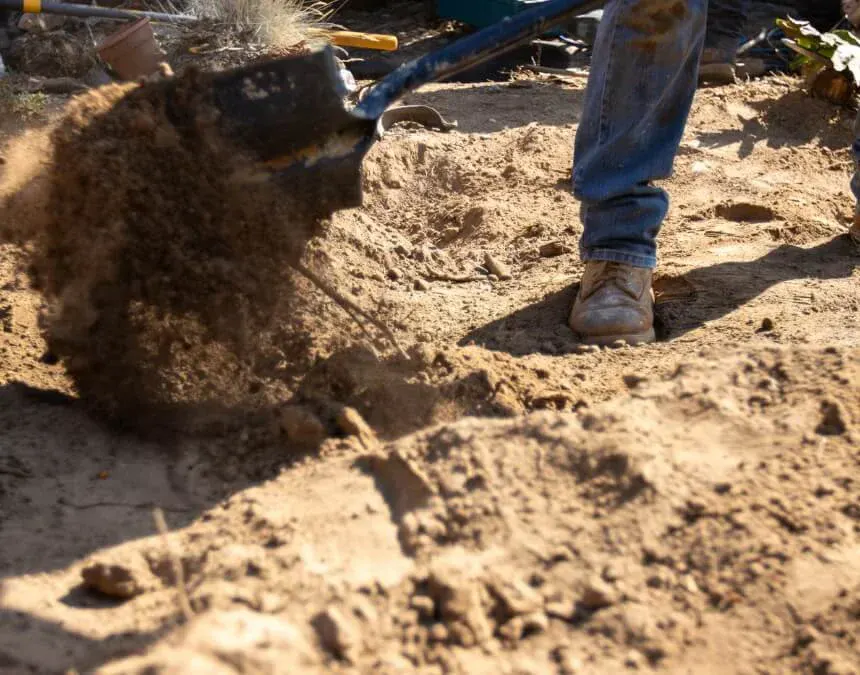
Accessible urban and suburban sites may allow faster fieldwork, but laboratory capacity and engineering workloads also affect report turnaround times.
How to Save on Soil Report Costs
For many homeowners, soil testing is a necessary investment that helps reduce the risk of costly repairs or failures later. You may be able to manage these costs and protect your ultimately save money on your overall construction budget through steps such as:
- Choosing local providers to limit travel fees
- Coordinating testing with other pre-construction services
- Obtaining Compare quotes from multiple vendors
An experienced ADU builder can help coordinate soil investigations with other pre-construction work and identify potential gaps in proposals. A knowledgeable ADU builder like Uni Construction can work with the geotechnical engineer and building department to clarify which tests your project requires, helping you avoid unnecessary services without overlooking essential testing.
Ask your building department whether a reduced testing scope or an existing approved report is acceptable for your site. An experienced professional can coordinate ADU builder will know and help evaluate any permitted alternatives.
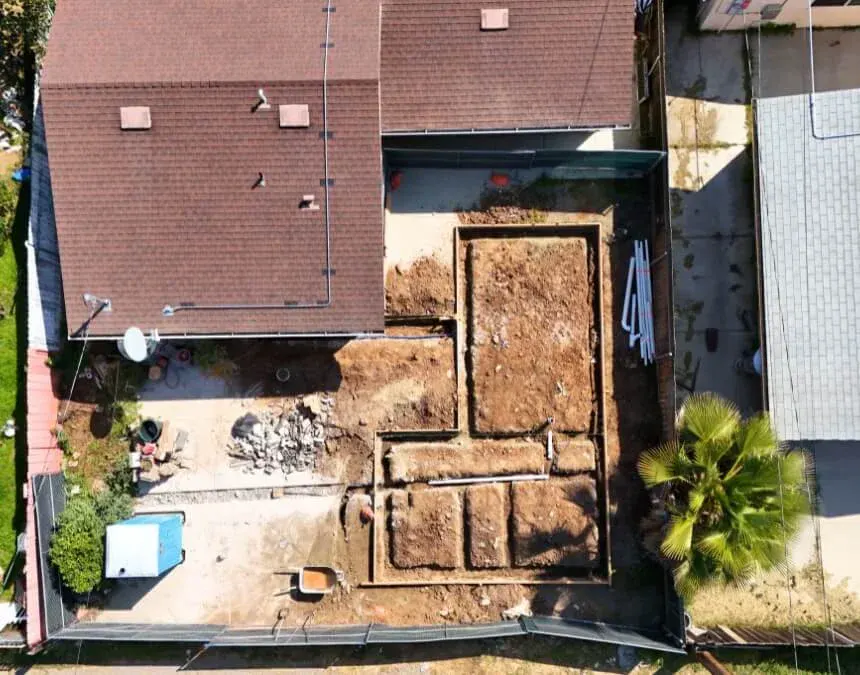
Coordinating soil testing with other pre-construction services may reduce costs; your ADU builder can help organize the process.
FAQs About Soil Reports
A soil report’s contents depend on the tests performed and the questions the investigation needs to answer. Available analyses include soil composition, compaction, percolation, moisture content, pH levels, nutrient profiles, and potential contamination from chemicals or heavy metals. Not every report includes all of these tests.
Basic soil tests are generally inexpensive. Geotechnical investigations, however, can cost $5,000 or more, depending on their scope. They often require specialized sampling equipment, laboratory testing, and professional analysis by a geotechnical engineer. Obtain a written proposal to confirm what the quoted fee covers.
Do not assume an older report is suitable simply because the city permits its submission. Site conditions, including compaction, drainage, and grading, may have changed, along with applicable building codes. Each report also addresses a particular project and set of design assumptions. Ask a qualified engineer and the building department whether the existing investigation adequately supports your proposed construction or requires additional testing and an updated report.
No, not every building project requires a soil report. Your local building department can explain the requirements that apply to your site and proposed construction.
A safe, durable ADU needs a properly designed foundation. Where needed, soil testing provides essential information for that design and helps address shrinkage, settlement, and conditions that could contribute to structural failure.
How Uni Construction Can Help with Pre-Construction Services
For your Uni Construction ADU project, discuss how pre-construction will be coordinated before construction begins. Ask about design, site analysis, permit applications, and any soil testing or geotechnical investigation required for your property.
Pre-construction can feel stressful, but a project-specific schedule helps clarify the next steps. Ask Uni Construction how site conditions, testing, design, permitting, and inspections affect the time needed to complete our ADU your project. Reach out to schedule your free consultation to discuss your property and develop a realistic plan.
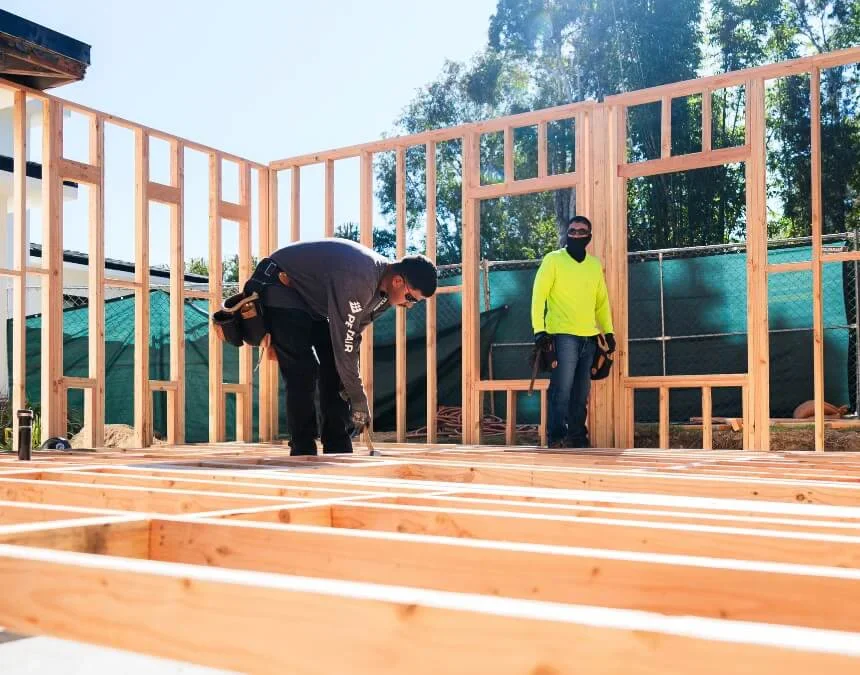
Working with a full-service ADU builder can help coordinate pre-construction assessments, engineering recommendations, and on-site construction.