

What Qualifies as an Accessory Dwelling Unit (ADU)?
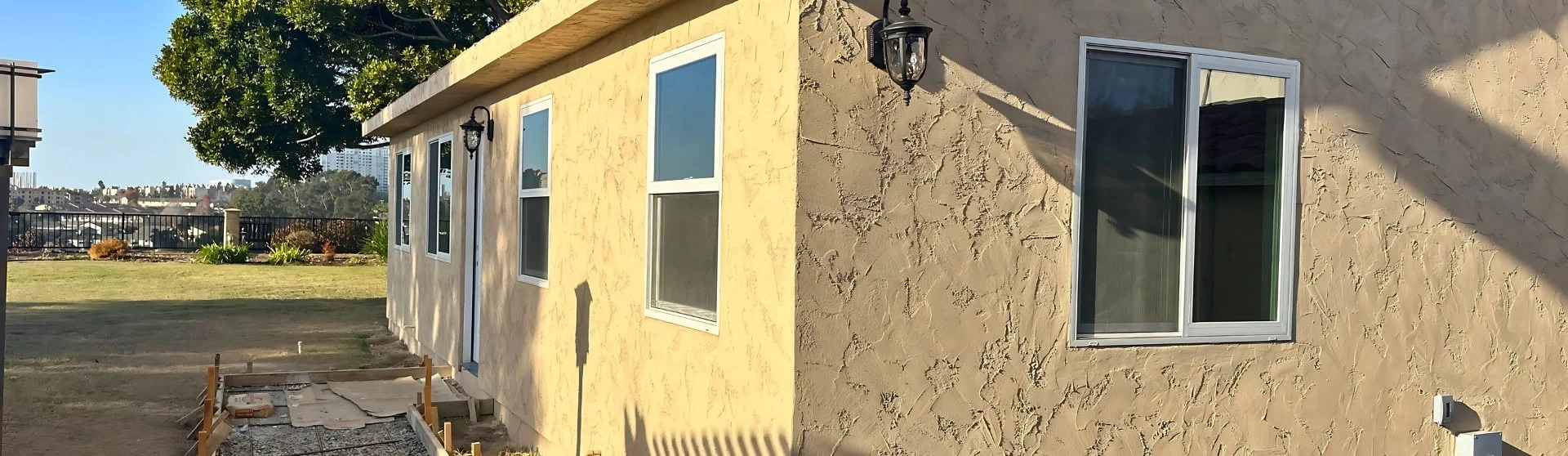
California defines California defines an ADU as a living space that shares a lot with a primary residence but provides independent living facilities. ADUs may be attached to the main house or completely detached as standalone structures. To qualify as independent dwellings, they must include facilities for cooking and sanitation, along with a separate entrance.
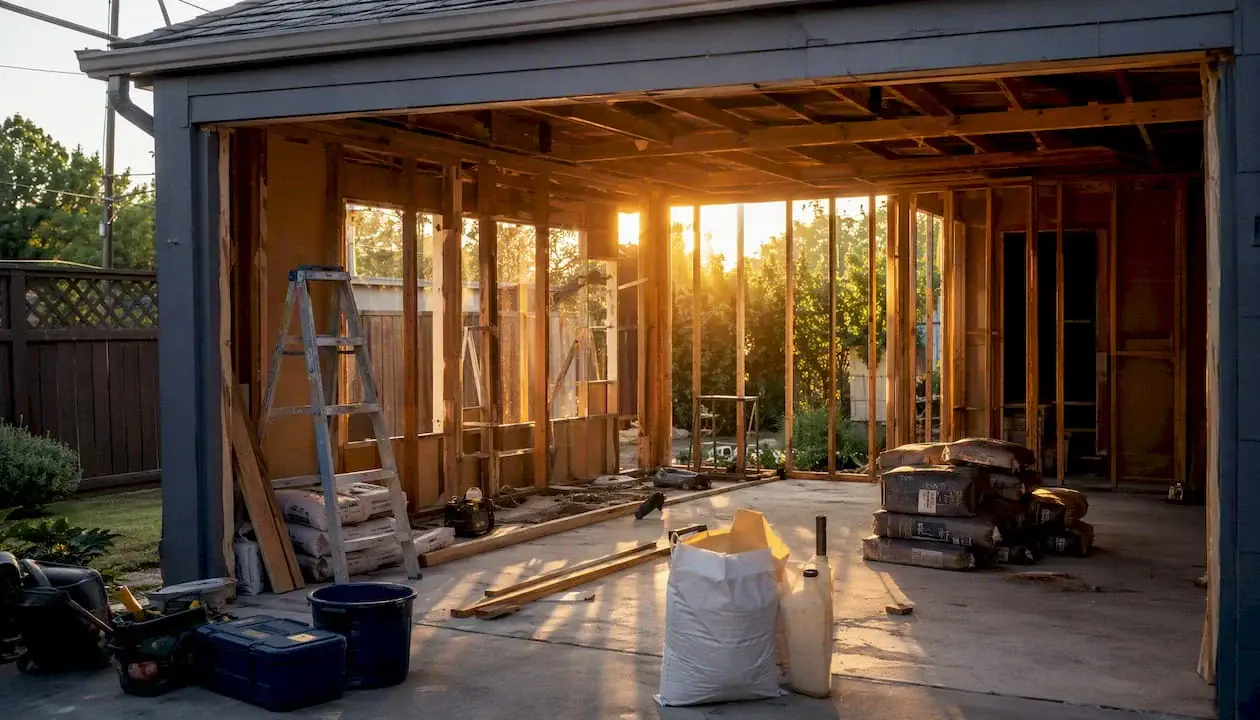
ADUs do not have to involve new construction. Many homeowners convert existing secondary structures, such as garages, into a guest house, granny flat, or in-law suite. These garage conversions qualify as ADUs when they meet applicable requirements.
Some homeowners convert an unfinished basement or guest bedroom into independent living space. A unit within an existing or proposed single-family home may qualify as a junior accessory dwelling unit, or JADU, if it meets specific size, location, and facility requirements.
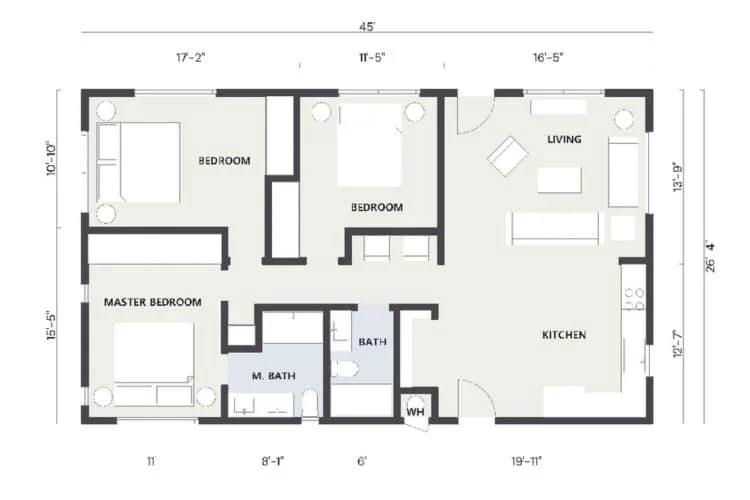
For maximum unit size for ADUs, verify the applicable size limit with the local planning department. State law addresses detached ADUs of up to 1,200 square feet, while JADUs cannot exceed 500 square feet.
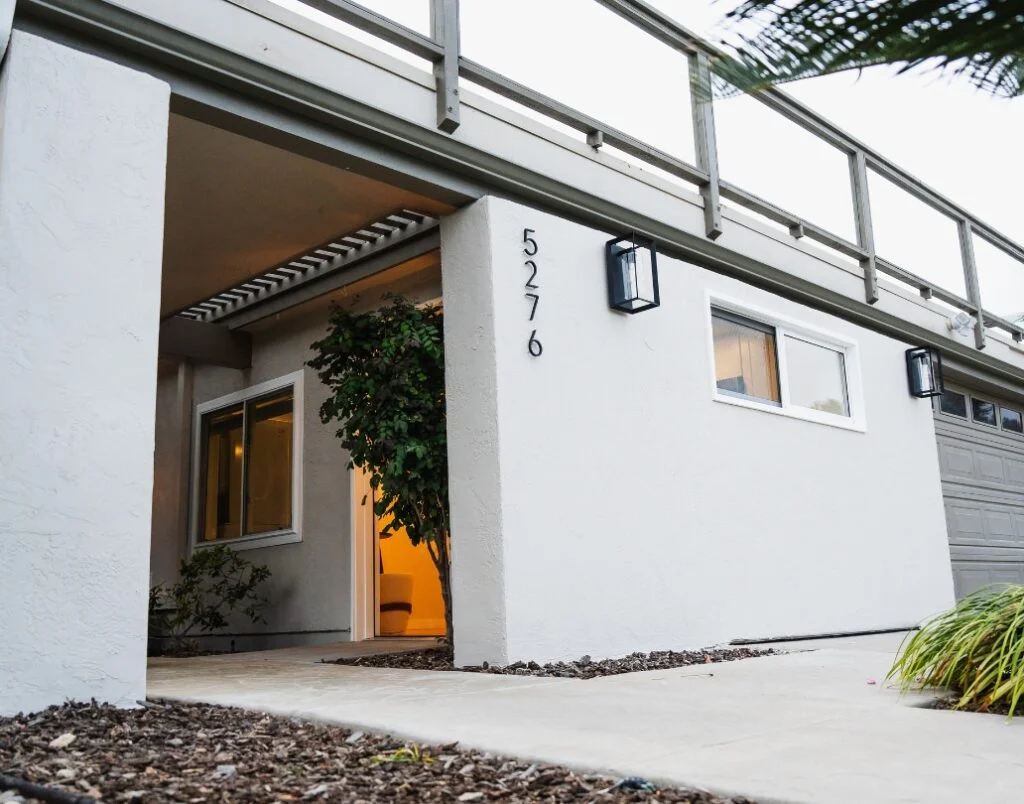
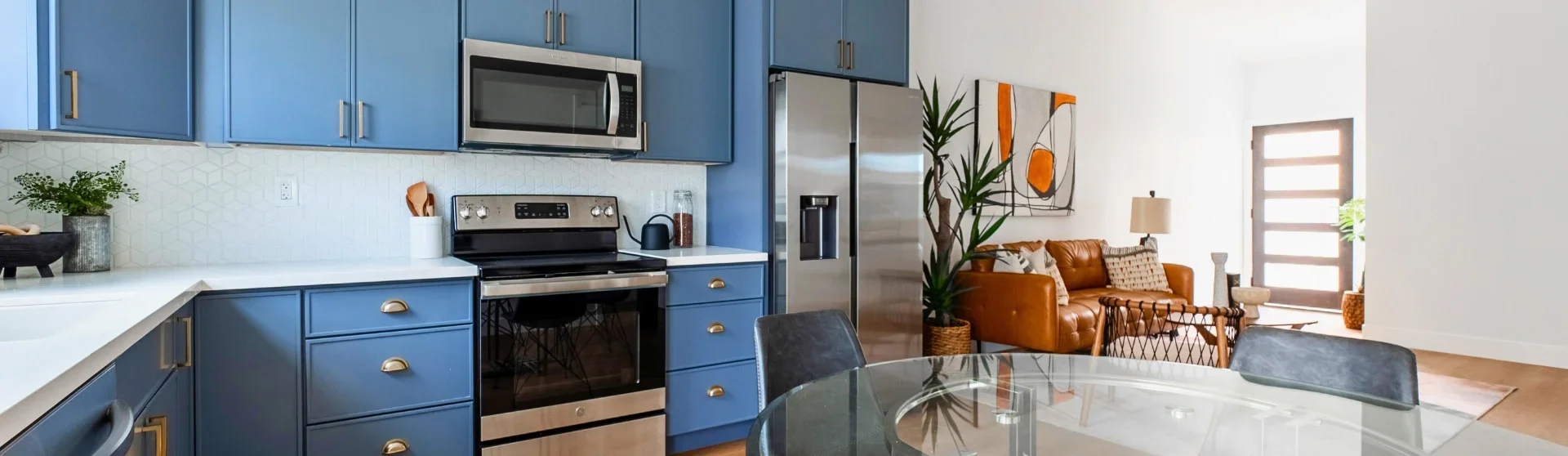
ADUs, whether detached structures or converted spaces such as garages, must include cooking facilities, a bathroom, and a separate entrance to provide complete, independent living accommodations.
Are There Any Restrictions on Renting Out an ADU in California?
Yes, rental restrictions still apply, although AB 976 removed owner-occupancy requirements for ADUs covered by that law.
AB 976 - Owner-Occupancy Requirements
Before AB 976 took effect, owner-occupancy requirements depended on when an ADU was permitted and which rules applied. Some homeowners seeking to rent out their ADU or rent their single-family home had to maintain their primary residence on the property.
Effective January 1, 2024, AB 976 prohibited local agencies from imposing owner-occupancy requirements on ADUs covered by the law. Homeowners should distinguish these rules from separate requirements that may apply to JADUs.
Key Provisions
Removing owner-occupancy requirements can affect increased the rental income potential by allowing eligible homeowners to pursue rent out arrangements involving both their primary residence and ADU. This flexibility may expand long-term rental options, but income and property value depend on project-specific conditions.
Short-term rentals remain subject to state and local restrictions. California ADU law permits requirements that rentals last longer than 30 days, and additional local rules may apply. Even when both the primary residence and ADU can be rented long term, short stays may be prohibited.
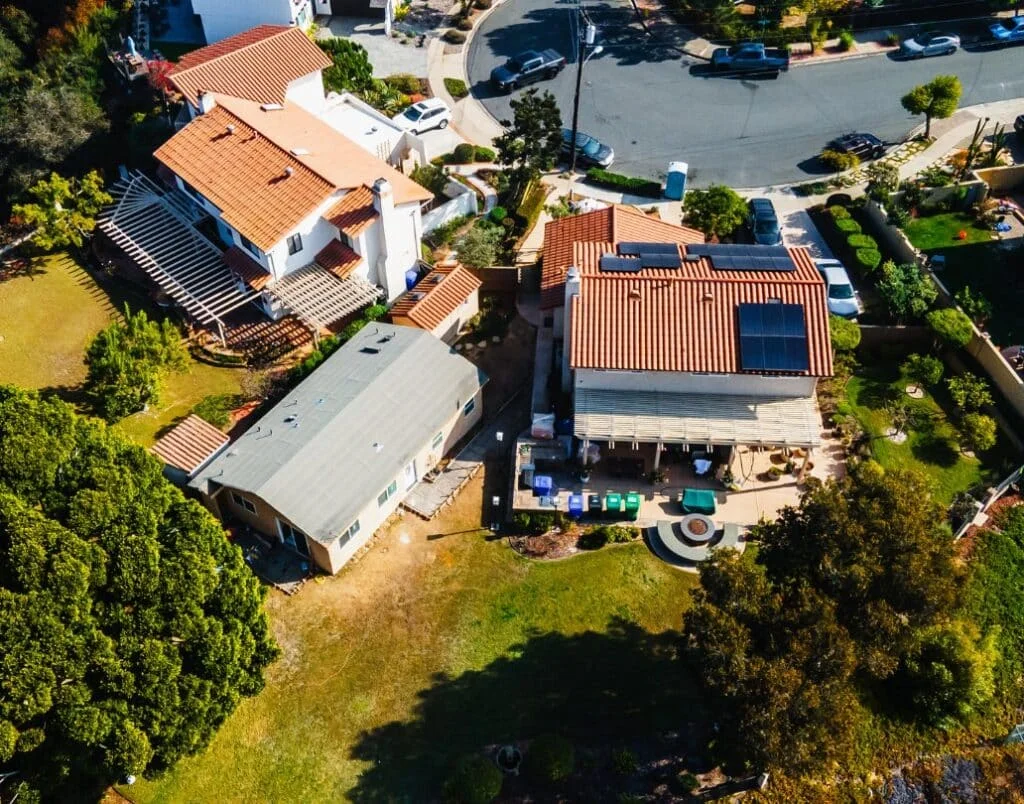
AB 976 removes owner-occupancy requirements for covered ADUs, potentially allowing homeowners to rent both the ADU and primary residence. Separate JADU rules, rental-duration requirements, and local rental regulations still require review.
What are the Rules for Building an ADU in California?
Many rules governing ADU builds are intended to simplify ADU development. Los Angeles offers a Standard Plan Program; confirm whether pre-approved plans available fits your project and jurisdiction. Qualifying complete applications generally receive a decision within 60 days, subject to statutory conditions and exceptions. Approval still requires compliance with applicable setbacks, fire-safety standards, zoning provisions, and site-specific requirements.
AB 434 - Pre-Approved ADU Plans
For AB 434, review Los Angeles’s ADU Standard Plan Program to determine whether an available plan could simplify your project’s design review.
For Pre-approved plans, prior plan review covers specified design elements, not every site condition or zoning requirement. Available options may include different sizes and layouts, subject to the program’s current offerings.
Homeowners should confirm whether a standard plan can be submitted unchanged or adapted to their site. Even seemingly minor revisions, such as moving windows, may require review by the plan provider, a design professional, and the building department. More extensive changes can affect the plan’s eligibility for streamlined review. Site plans must still address applicable setbacks, commonly 4 feet at side and rear property lines for qualifying new ADUs, along with any relevant exceptions.
Key Provisions
AB 434 addresses state oversight of local ADU ordinances; related laws establish development standards.
- Setback and height restrictions: Qualifying new ADUs generally require no more than 4-foot side and rear setbacks, while certain conversions and replacement structures qualify for exceptions. State-protected height allowances depend on the project: detached ADUs generally receive at least a 16-foot allowance, with at least 18 feet available under specified transit or multifamily conditions. Attached ADUs follow different height provisions. Verify the applicable category rather than assuming every two-story property qualifies.
- Parking: State ADU law limits parking requirements for ADUs and provides several exemptions, including qualifying locations within one-half mile walking distance of public transit. Where an exemption applies, additional off-street parking may not be required. Confirm whether permit parking and any conversion-related replacement-parking rules apply to your property.
- Design and building code standards: State law streamlines design and building codes and limits discretionary review, but ADUs must still meet applicable building, energy, and objective design standards. A standard plan does not eliminate site-specific compliance checks or guarantee approval.
- Fire safety: ADUs generally do not require fire sprinklers when sprinklers are not required for the primary residence. Building separation, exterior-wall construction, openings, and fire-access requirements depend on applicable codes and site conditions. Do not assume a universal 5-foot separation requirement; confirm the design with building and fire officials.
- Compliance with local zoning: State baseline protections make the permitting process more predictable and limit overly restrictive local rules. Local agencies may still apply lawful objective standards. Confirm requirements with Los Angeles, Diamond Bar, or Pomona, as applicable, because these cities are separate jurisdictions.
AB 1033
AB 1033 creates a potential pathway for selling an ADU separately from the primary residence where a local ordinance permits it. This option may help owners access equity and create additional homeownership opportunities, but subdivision requirements, lender consent, costs, and market conditions require careful review.
Unlike statewide requirements that local agencies must follow, AB 1033 gives cities the option to authorize qualifying separate ADU sales. Before pursuing this approach, use read our deep dive here to verify the applicable ordinance with your city’s planning department.
Changes to the 60-Day Rule
California’s 60-day rule generally requires approval or denial of a complete ADU permit application within 60 days, subject to statutory conditions, exceptions, and permitted delays. It does not establish a construction deadline. For most builds, ask Uni Construction for a project-specific schedule covering design, permitting, utility coordination, and construction rather than assuming an 8-12-month completion period.
AB 2221- Streamlining ADU Approval Processes
Assembly Bill 2221 helped streamline ADU permitting by limiting local restrictions that could obstruct qualifying projects. Previously, some municipalities imposed standards that constrained the construction of ADUs on many residential properties, including larger setbacks that reduced usable building area. AB 2221 clarified important protections, including limits on required side and rear setbacks for qualifying ADUs. For California can require, confirm how the 4-foot standard applies, along with exceptions for conversions and replacement structures. Front setbacks, fire-safety provisions, and other lawful site requirements still need separate review.
Key Provisions
AB 2221 also clarified standards relevant to converting converting detached garages, basements, and other existing spaces into ADUs. Reusing a structure may offer generally more cost-effective advantages and reduce material waste, although feasibility depends on its condition and required upgrades.
A qualifying attached garage may be converted into a JADU when the project meets the applicable requirements for space within a single-family residence. Unlike an ADU, a JADU may share a bathroom with the primary home. When sanitation facilities are shared, the required interior access must connect the JADU to the home’s main living area.
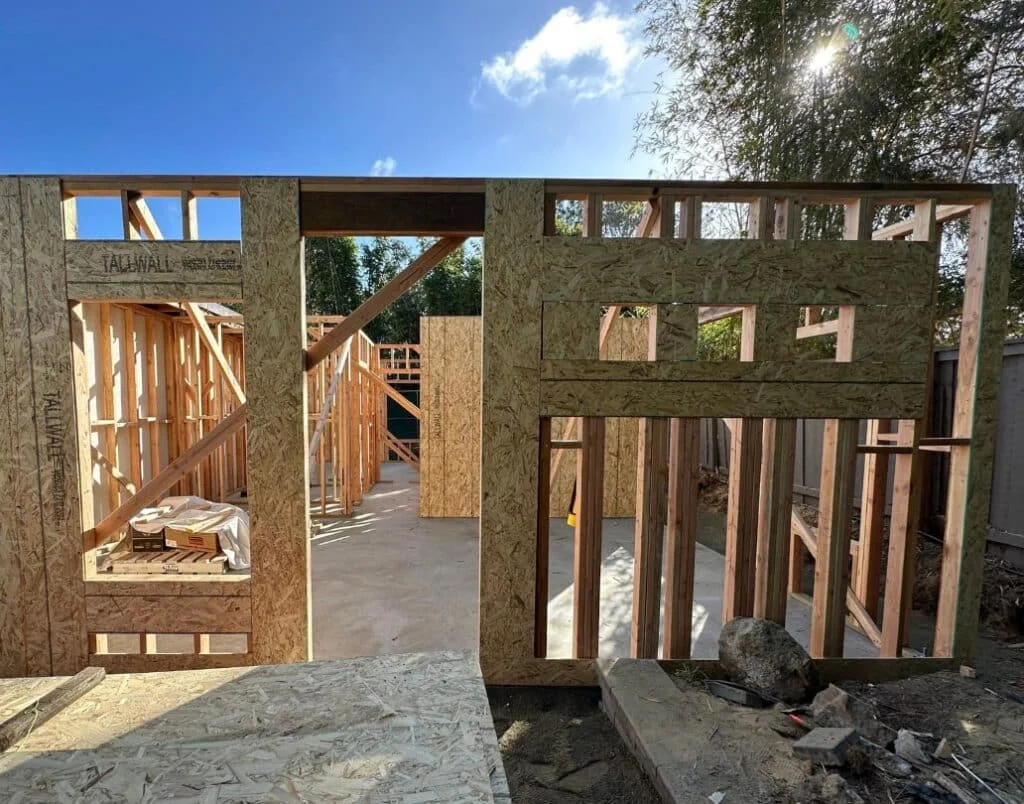
California’s ADU laws simplify development through standard-plan programs, parking exemptions, and limits on certain height and setback restrictions. AB 434 strengthens state oversight; project eligibility and permitting requirements still depend on current law and site conditions.
Upcoming Changes to Accessory Dwelling Unit (ADU) Laws in California
ADU legislation continues to evolve. The following measures address ADU laws, but homeowners should verify their current implementation rather than assume they are still upcoming changes.
SB 1211 - Enhancements for Multi-Family Properties
Although ADU discussions often focus on single-family homes, SB 1211 also gives owners of qualifying multifamily properties, including certain apartment buildings and condominium developments, opportunities to build ADUs, subject to applicable requirements.
Increased Detached ADUs
Single-family properties may qualify for combinations of units under state law, so a universal 1-unit limit is misleading. For ADU and 1 JADU on their property, verify the applicable category. Existing multifamily properties may qualify for up to 8 detached detached ADUs, provided the number does not exceed the existing dwelling units.
Parking Requirements
SB 1211 removes replacement-parking requirements when qualifying uncovered parking spaces on multifamily properties are demolished for ADU construction. It does not automatically authorize converting every parking area into housing; site and development requirements still apply.
Standardization of Livable Space
SB 1211 also clarifies the meaning of “livable space” for multifamily conversion provisions. Separately, an ADU must provide complete independent facilities for living, sleeping, eating, cooking, and sanitation. These functions do not necessarily require separate rooms, but they must satisfy applicable building requirements.
AB 2533 - Legalization of Unpermitted ADUs
For properties with an unpermitted ADU, AB 2533 provides a potential legalization pathway, subject to eligibility and health-and-safety requirements.
Permit Relief
Under AB 2533, qualifying ADUs or JADUs built before January 1, 2020, may receive protection against permit denial based solely on specified violations. Conditions requiring correction to protect occupants or public health and safety remain subject to review.
Transparency and Support
To encourage legalization, AB 2533 requires local agencies to explain qualifying homeowners’ rights and provide understandable compliance information. It also allows homeowners to obtain a confidential inspection from a qualified third party before submitting a permit application, helping identify necessary health-and-safety corrections.
Fee Waivers
AB 2533 limits certain impact and utility connection or capacity fees for qualifying unpermitted units, subject to statutory exceptions. Request a written, project-specific determination from the permitting agency and relevant utility provider rather than assuming all fees or correction costs are waived.
SB 1077 - Coastal Zone Development
ADUs and JADUs in coastal zones can face additional review because development must address coastal-resource protections. SB 1077 addresses guidance intended to facilitate these projects, but it does not eliminate applicable Coastal Act requirements or guarantee approval.
Streamlined Coastal Permitting
SB 1077 directed the California Department of Housing and Community Development, in consultation with the California Coastal Commission, to develop coastal ADU and JADU guidance by July 1, 2026. Check the agencies’ current publications before proceeding.
Public Engagement
The guidance-development process requires at least one public workshop to gather input. Local coastal requirements and project approvals still require separate review.
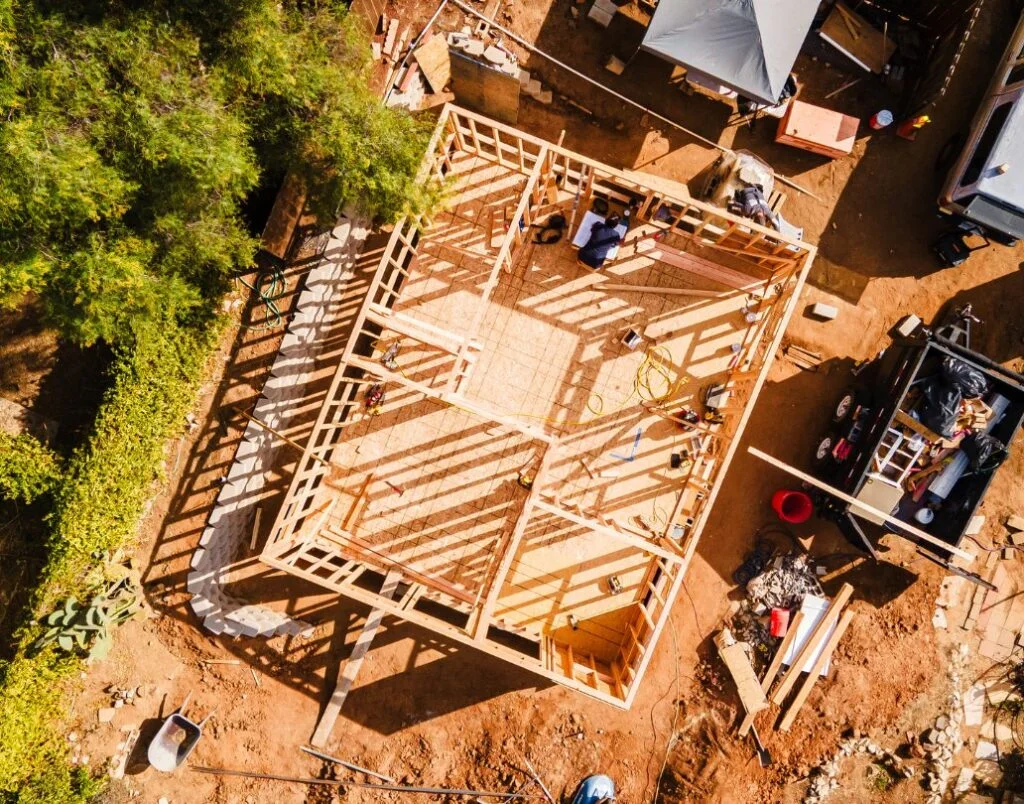
SB 1211 expands opportunities on qualifying existing multifamily properties, allowing up to 8 detached ADUs within specified limits and removing replacement requirements for qualifying uncovered parking spaces displaced by ADU construction.
Get Expert Help with Your ADU Project
At Uni Construction, we encourage homeowners to explore their options for designing their ADU while accounting for their city’s size limits, zoning provisions, setbacks, and development costs associated with building an ADU. If your property belongs to a homeowners association, review your HOA agreement alongside state protections that limit unreasonable restrictions on ADU development.
Keeping up with ADU laws and restrictions can feel overwhelming, especially as requirements evolve. An experienced ADU builder can help explain the process and identify questions for the relevant agencies. Our role is to help homeowners understand applicable requirements and make informed decisions about their projects.
We help plan your ADU around realistic schedules, on budget, and clear communication, while addressing potential permitting and construction challenges.
See what’s possible by scheduling your free consultation.