

Renting Your ADU
 Share
26 min read
Renting your ADU the right way means more income with fewer headaches. Learn how to prepare, attract tenants, and stay compliant with local rules.
The Growing Popularity of ADUs
Accessory Dwelling Units (ADUs) are rapidly gaining popularity among homeowners seeking to boost property value and generate extra income. Once a niche solution, ADUs are now central to urban planning - adding housing without disrupting neighborhood character. Whether a stand-alone unit or a functional dwelling unit, ADUs are becoming a key part of modern real estate investment strategies. This trend is frequently highlighted in industry insights and homeowner-focused blog posts.
Why ADUs Are on the Rise
Rising housing costs and limited space in cities like Los Angeles have made ADUs a smart solution for building affordable units. Thanks to relaxed zoning ordinances, streamlined permit processes, and support programs like the Affordable Dwelling Unit Program, more homeowners are pursuing ADU construction, especially those in moderate-income households.
Housing Demand is Driving ADU Growth
With demand for housing at an all-time high, ADUs offer prospective tenants an affordable alternative to traditional apartment complexes. Homeowners benefit from stable, long-term units that provide steady rental income, help cover loan payments, and improve property appraisals. These 1- and 2-bedroom apartments are especially attractive in high-demand markets.
More Than Just Rentals
ADUs offer more than just rental revenue, they support multi-generational living, home offices, or housing for adult children. To maximize success, homeowners should follow a strong screening process, conduct credit checks, and comply with fair housing laws. Partnering with a property management company can help ensure consistent rent payments and smooth operations.
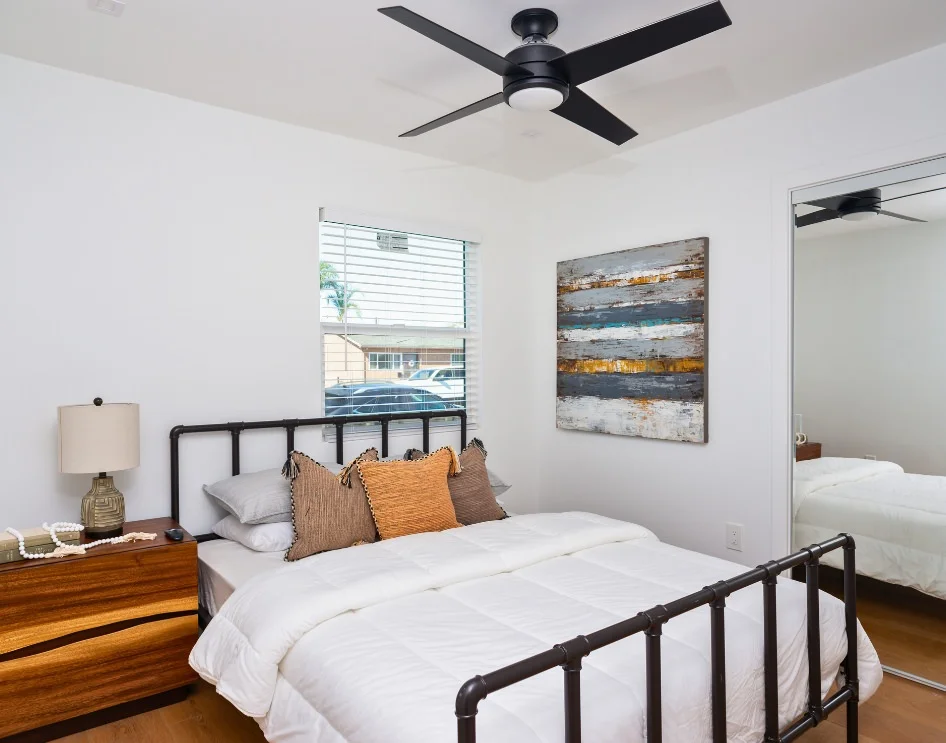
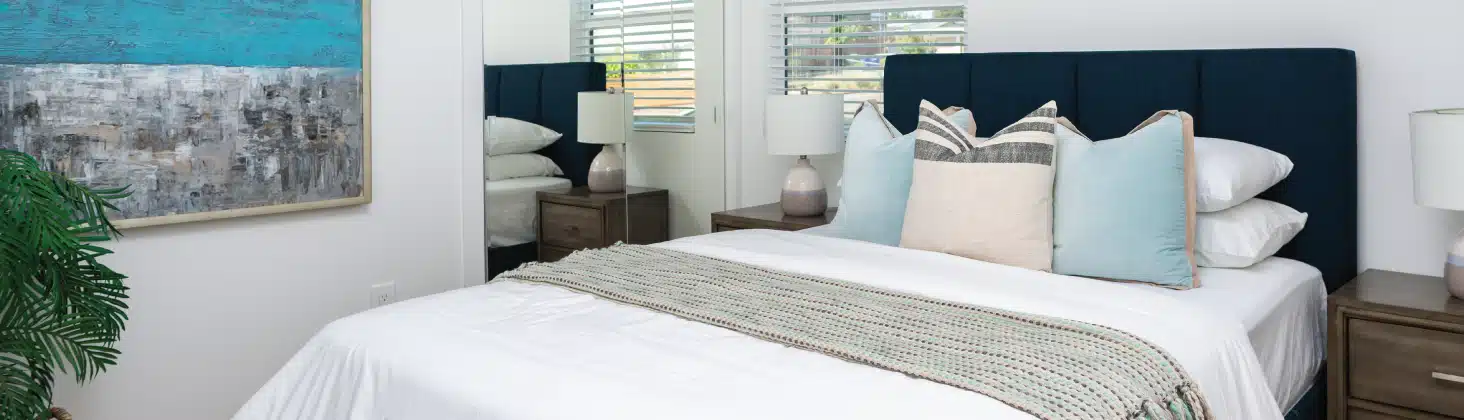
ADUs are not just for rental income, they can be used for guest housing, multigenerational living, or future personal space.
Can you rent out your ADU in Los Angeles, California?
Yes, you can rent your ADU in Los Angeles. These residential units, often called granny flats or in-law suites, are becoming a popular part of affordable housing solutions across the U.S. For homeowners, ADUs offer flexible uses, from adding extra income to enhancing property value. Whether part of an ADU project or a long-term investment plan, these separate units can transform your piece of property into a smart, cash-flowing unit.
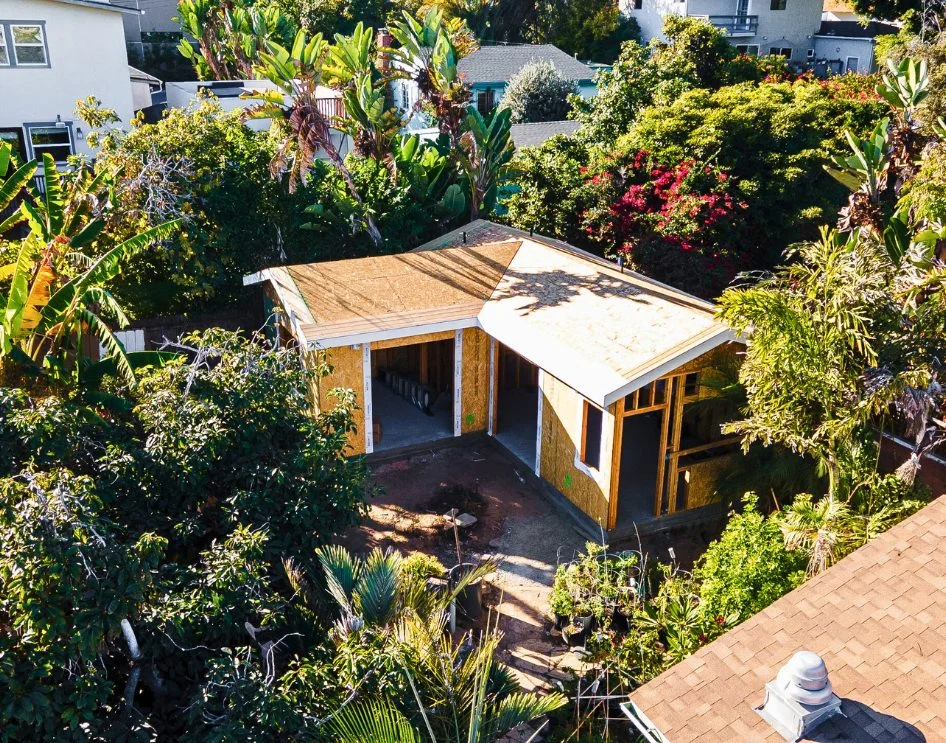
Renting out your ADU can provide a reliable income stream, increase property value, and offer long-term financial stability.
Steady Passive Income
Renting out an ADU generates reliable income on a long-term basis, helping cover mortgage payments, support retirement savings, or build capital for future investments. With competitive rental rates and lower risk in a stable market, ADUs can serve as effective rental properties even amid shifting current market conditions. Just be sure to screen future tenants properly with a credit report and check their income eligibility.
Boosting Property Value
A permitted, well-designed ADU not only attracts real estate investors, it can significantly increase the resale value of your individual property. Buyers see added square footage and potential income from a Junior Accessory Dwelling Unit as major advantages. ADUs in areas like San Mateo County or Loudoun County often fetch a luxury price, thanks to demand and limited housing supply.
Flexible Use
ADUs aren’t just about income, they serve diverse needs, including multi-generational living, guest housing, or home offices. Over time, homeowners can adapt their ADU based on changing needs or code requirements. This versatility, paired with support from property managers and professional services, ensures long-term value whether you’re housing family or seeking qualified households to rent.
High Demand in Cities
Urban housing shortages are driving interest in ADUs from renters seeking alternatives to rate apartment communities. With features like private entry, full kitchens, and proximity to grocery stores, ADUs appeal to renters seeking privacy and affordability. Their ability to reduce vacancy loss and maintain consistent vacancies makes them a preferred option over traditional multi-family residential properties.
Easier Than Ever
New state and local efforts, including streamlined permit processes and Pre-approved ADUState and local efforts, including streamlined permit processes and pre-approved ADU plans, can simplify parts of an ADU project. Confirm which programs are available for your address and what the application includes. Site-specific drawings, utility coordination and the responsible agency’s review still affect cost and timing. Ask about current eligibility and funding before relying on a program in your budget.
Sustainability & Cost Efficiency
Today’s ADUs are built to be energy-efficient and eco-friendly units, often including solar panels, smart home features, and durable materials. These upgrades appeal to environmentally conscious tenants and reduce utility costs. Working with tax professionals also ensures you take advantage of real estate deductions for maintenance, depreciation, and potential real estate losses, adding more value on an annual basis.
Renting Options for Your ADU
Renting out an ADU can be a small, cash-flowing unit investment with great upside, but success depends on choosing the right strategy. Homeowners must weigh the benefits of short-term versus long-term rentals while navigating zoning limitations, permit processes, and local ordinances. A solid understanding of compliance, tenant expectations, and practical strategies homeowners use can make a major difference.
Short-Term Rentals
Short-term rentals (STRs) like Airbnb or Vrbo appeal to those targeting the short-term rental market in tourist-friendly areas like Los Angeles. While they can deliver high returns, especially during peak Price Trends, they come with extra demands. Do not assume an ADU qualifies for short-term rentals. Confirm applicable rental-duration restrictions, local rules and the recorded permit conditions before advertising the unit.
Short-term rentals offer strong income potential but require more oversight and must align with local requirements for ADUs.
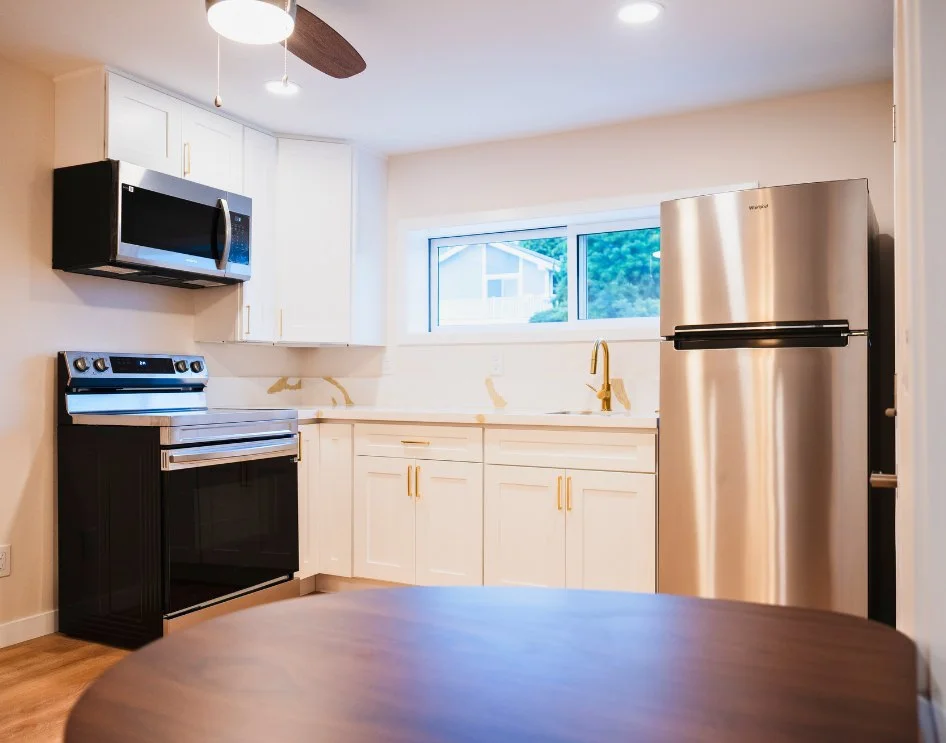
Short-term rentals can generate higher income but require more management and must comply with local regulations to remain viable.
Pros of Short-Term Rentals:
- Higher nightly rates: STRs can earn more monthly than LTRs if demand is high.
- Flexibility: Homeowners can block off dates for personal use when needed.
- Attracts different types of renters: Business travelers, vacationers, and remote workers often seek short-term stays.
Cons of Short-Term Rentals:
- Strict regulations: In Los Angeles, STRs in ADUs are prohibited unless permitted before September 2017. Properties must also comply with the Short-Term Residential Occupancy (STRO) ordinance, which includes licensing rules and rental caps in high-demand areas like Mission Beach.
- Potential vacancy loss: STR demand fluctuates seasonally, risking months of vacancy.
- Higher management costs: Frequent turnover means more cleaning, restocking, and risk of property damage.
Long-Term Rentals
Long-term rentals (30+ day leases) are ideal for homeowners seeking consistent rental income with fewer complications. With housing demand in high-cost areas like Santa Cruz, Fairfax County, and Snohomish County, long-term ADU rentals offer dependable returns and smoother management.
Long-term rentals remain a preferred choice for owners of ADUs in single-family dwellings or primary dwelling lots due to ease of compliance and tenant stability.
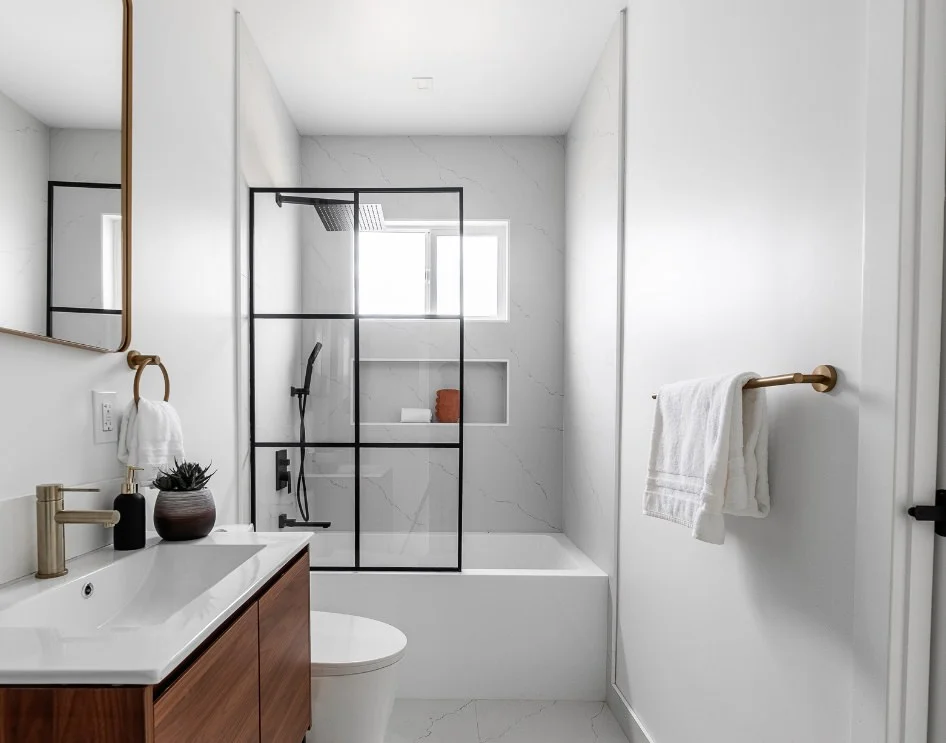
Long-term ADU rentals offer consistent income, reduced vacancy risk, and lower management costs compared to short-term rentals.
Pros of Long-Term Rentals:
- Stable income: Monthly rent offers reliable cash flow and helps minimize loss of vacancy.
- Lower upkeep: Fewer turnovers mean reduced need for regular inspections and maintenance.
- Easier legal compliance: ADUs used for long-term housing generally face fewer zoning limitations.
Cons of Long-Term Rentals:
- Less flexibility: Unlike STRs, you can’t reclaim the unit on short notice.
- Tenant risks: Legal complexities, including relocation assistance laws in Los Angeles, may apply for no-fault evictions.
- Wear and tear: Extended use can gradually increase upkeep costs, especially in 1-bedroom apartments with high usage.
Which Option is Best?
For most Los Angeles homeowners, long-term tenants are the preferred option due to the city’s strict restrictions on short-term rentals (STRs) in ADUs. A well-structured rental agreement and lower vacancy rates make long-term rentals a more stable choice, especially in high-demand markets. However, in certain higher-income cities or tourist zones where STRs are allowed, those willing to manage turnover and the permit process may achieve higher returns. The right fit depends on your income goals, time commitment, and real estate investing strategy.
Legal Regulations to Consider
Renting out an Accessory Dwelling Unit (ADU) in Los Angeles involves navigating a variety of legal requirements to ensure compliance and avoid costly mistakes. From floor plans to zoning regulations and permits, understanding each step in the application process is key to protecting your investment and avoiding penalties. Homeowners may benefit from consultation services to clarify the steps, especially if this is their first ADU or part of a broader real estate investing strategy.
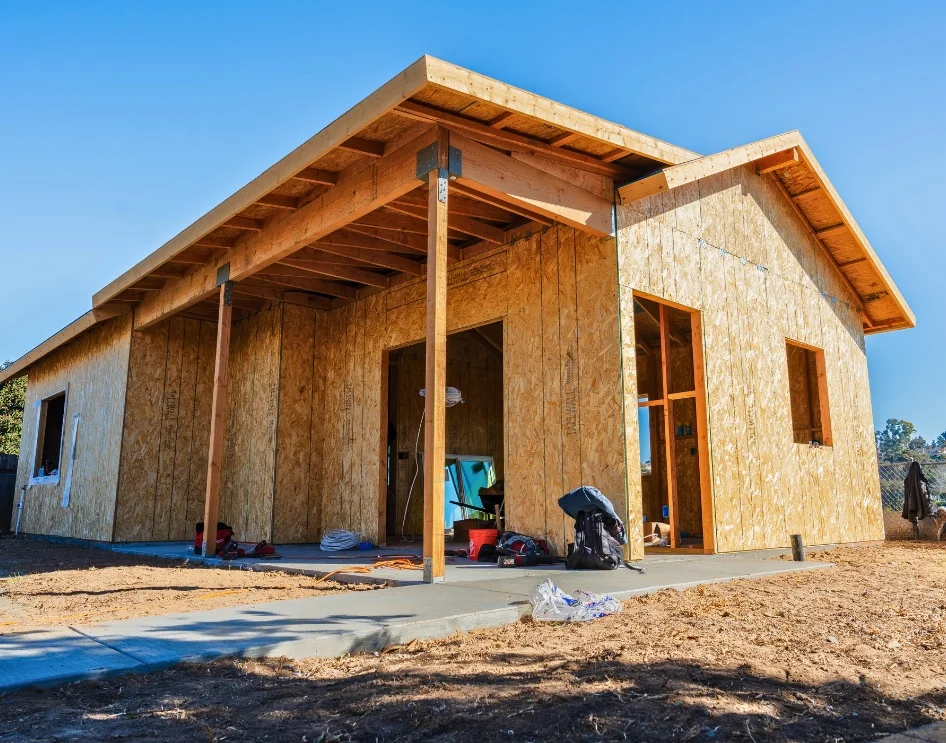
Los Angeles’s ADU rental laws dictate zoning requirements, permits, and tenant protections, understanding them is crucial for compliance and long-term rental success.
Zoning Laws
Los Angeles’s zoning rules govern where ADUs can be built and how they may be rented:
- Unit Size Restrictions: Detached ADUs can be up to 1,200 square feet; attached units are limited to 50% of the primary dwelling.
- Setback Requirements: A detached ADU must have at least a 4-foot setback from side and rear property lines.
- Parking Rules: No parking is required if the ADU is located within a half-mile of public transit or in a historic district. Otherwise, one off-street parking space is typically required.
When planning your ADU, it’s a good rule of thumb to align your design with local accessibility features and ensure the floor plan meets both lifestyle and legal standards. Understanding zoning limitations is especially important in areas experiencing price adjustments or rising demand, such as Oklahoma City or coastal California markets.
Rental Licenses
Operating an ADU legally in Los Angeles requires several key permits and documents:
- Building Permit: Needed before construction or conversion to verify compliance with building and zoning codes.
- Certificate of Occupancy: Confirms that the unit is safe, habitable, and ready for tenants.
- Short-Term Rental License: Required for STRs (if permitted), particularly for units approved prior to 2017, under the Short-Term Residential Occupancy (STRO) ordinance.
Failing to complete the proper online application or secure licensing could result in fines, evictions, or disqualification from programs with a lottery selection process. Additionally, for income reporting, ADU owners should be aware of rules like the passive activity loss rule and activity loss rule exceptions, especially when itemizing deductions or reporting rental income tied to real estate investing.
Tenant Rights
California has strict tenant protection laws, and ADU landlords must comply to avoid legal risks.
- Security Deposits: Under AB 12 (effective July 2024), security deposits are capped at one month’s rent. However, small landlords with two or fewer properties (totaling four or fewer units) can still charge up to two months’ rent.
- Rent Increases: AB 1482 limits annual rent increases to 5% plus inflation, with a maximum cap of 10%. This applies to most properties 15+ years old, with exemptions for certain single-family homes.
- Just Cause Evictions: Tenants who have lived in an ADU for 12+ months are protected under AB 1482, meaning landlords must have a valid legal reason for eviction (e.g., nonpayment of rent, owner move-in).
- Relocation Assistance: No-fault evictions require landlords to pay one month’s rent in relocation assistance or waive the final month’s rent.
Violations of tenant protection laws can result in lawsuits, financial penalties, and legal disputes, making compliance essential for landlords renting out ADUs.
Insurance Needs for ADU Rentals
Standard homeowners insurance often does not cover tenant-related damages or rental income loss. Homeowners renting out their ADU should consider:
- Landlord Insurance: Covers tenant-caused damage, liability claims, and loss of rental income.
- Liability Coverage: Protects against tenant lawsuits for injuries or unsafe living conditions.
- Loss of Rental Income: Provides coverage if the ADU becomes uninhabitable due to fire, storm, or other covered events.
- Renters Insurance: Encouraging tenants to carry their own insurance can reduce liability risks for the landlord.
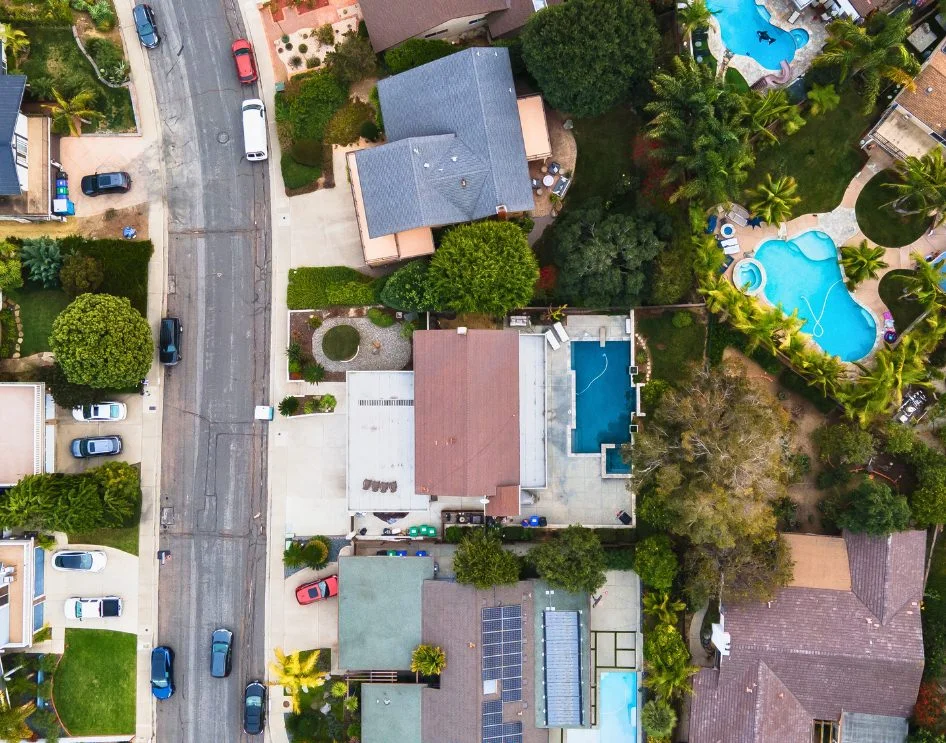
Proper landlord insurance is essential to protect your ADU from tenant-related damages, liability claims, and potential income loss.
How to Avoid Legal Pitfalls Before Renting Your ADU
- Obtain Proper Permits: Ensure the ADU is legally permitted and compliant with city regulations.
- Draft a Strong Lease Agreement: When negotiating with potential tenants, clearly define rental terms, tenant responsibilities, and maintenance obligations.
- Comply with Rent Control & Eviction Laws: Adhere to AB 1482 rent caps and eviction requirements.
- Ensure Safety & Code Compliance: Install smoke detectors, carbon monoxide alarms, and secure locks.
- Stay Updated on Local Regulations: Rental laws change frequently; consult legal professionals or city resources for updates.
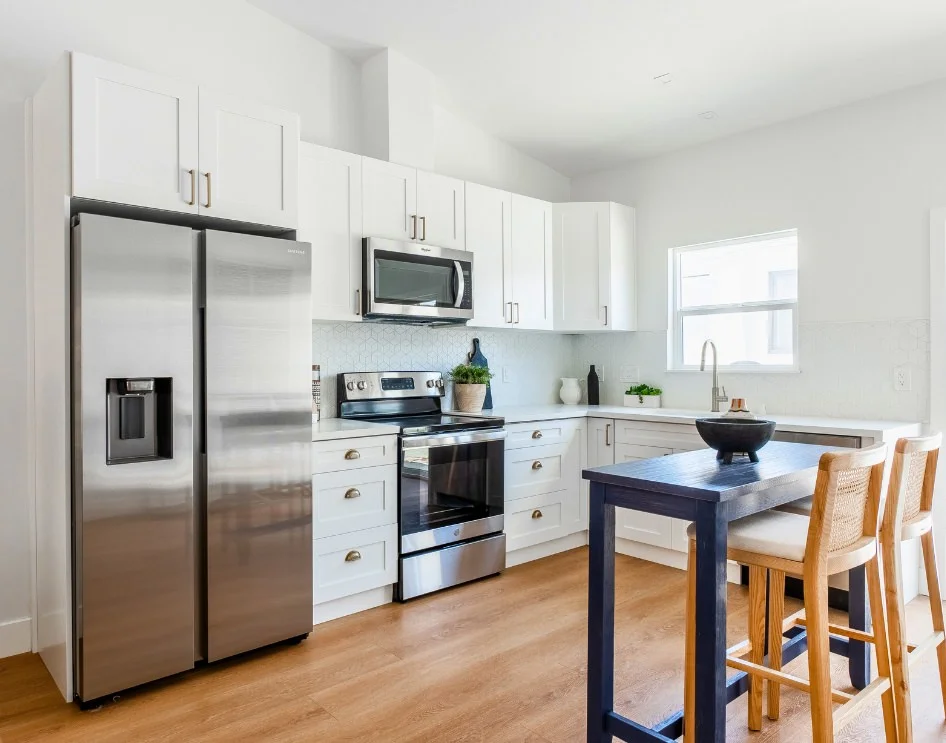
Before renting your ADU, ensure you follow local zoning laws, tenant rights, and rental regulations to avoid legal risks and maximize your investment.
What to Consider Before Renting Your ADU
Renting out an Accessory Dwelling Unit (ADU) in Los Angeles can be a lucrative investment, but careful financial planning and market research are essential to maximize your return on investment (ROI). From construction costs to rental demand, here’s what to consider before listing your ADU.
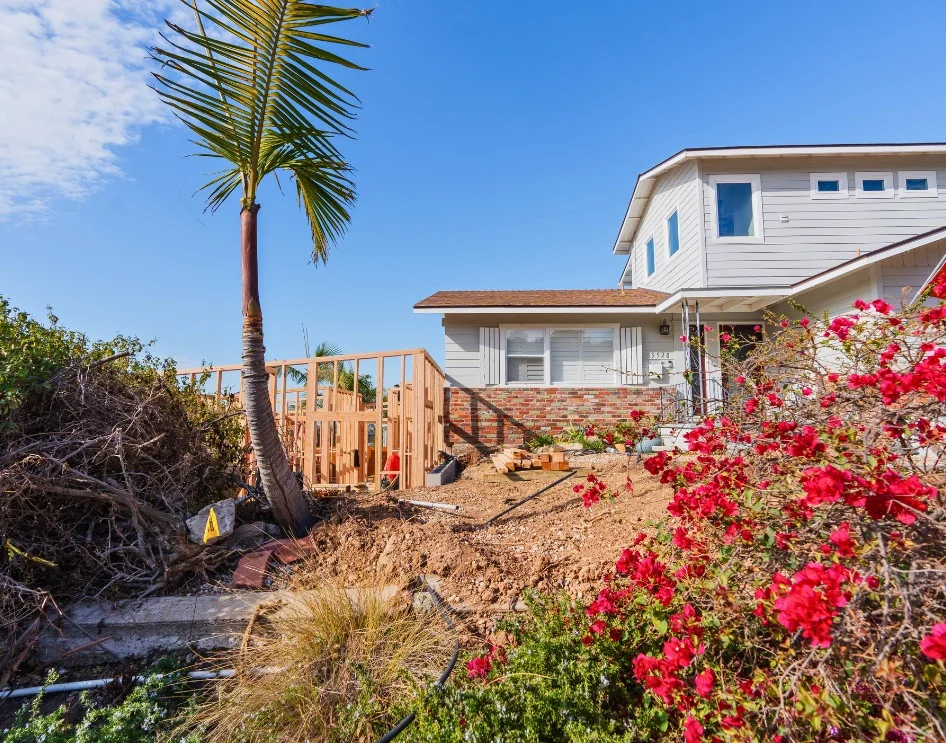
Before renting your ADU, evaluate costs, ROI, local regulations, and tenant expectations to ensure long-term success.
Building Costs
The cost of building an ADU in Los Angeles varies based on size, type, and finishes:
- Detached ADUs: $250,000-$430,000+ (higher due to separate foundation and utilities).
- Attached ADUs: $150,000-$350,000 (leverages existing structure for lower costs).
- Garage Conversions: $100,000-$250,000 (most affordable, but size is limited).
Homeowners should also budget for permits, design, and landscaping. Financing options include home equity loans, construction loans, and cash savings.
Ongoing Expenses
Beyond construction, recurring costs include:
- Property taxes: Typically 1% of the total project cost.
- Maintenance: Around 10% of annual rental income.
- Insurance: Landlord insurance is essential for liability and property protection.
- Vacancy costs: Potential income loss during tenant transitions.
Rental Income Potential
- Long-term rentals:
- Smaller ADUs: $1,500-$2,500/month.
- Larger ADUs (in prime areas like Carlsbad or Oceanside): $4,000-$4,500+/month.
- Short-term rentals (if permitted): Can generate $3,500-$5,000+ per month, but Los Angeles restricts short-term ADUs unless grandfathered in under pre-2017 rules.
Return on Investment (ROI)
ROI is calculated by dividing net annual rental income by total investment cost.
- Example: A $348,000 detached ADU rented at $3,500/month generates $34,320 annually after expenses, leading to a 9.86% ROI.
- Some ADUs pay for themselves in as little as five years, depending on rental pricing and location.
What ADUs Work Best for Renting?
ADUs vary, each offering different perks, challenges, and ideal renters. Picking the right ADU type that aligns with your goals and rental strategy will ensure you maximize your rental potential and build an ADU that meets your needs.
Here, we explore how different ADU construction types vary in cost and give a glimpse into budget considerations for each type.
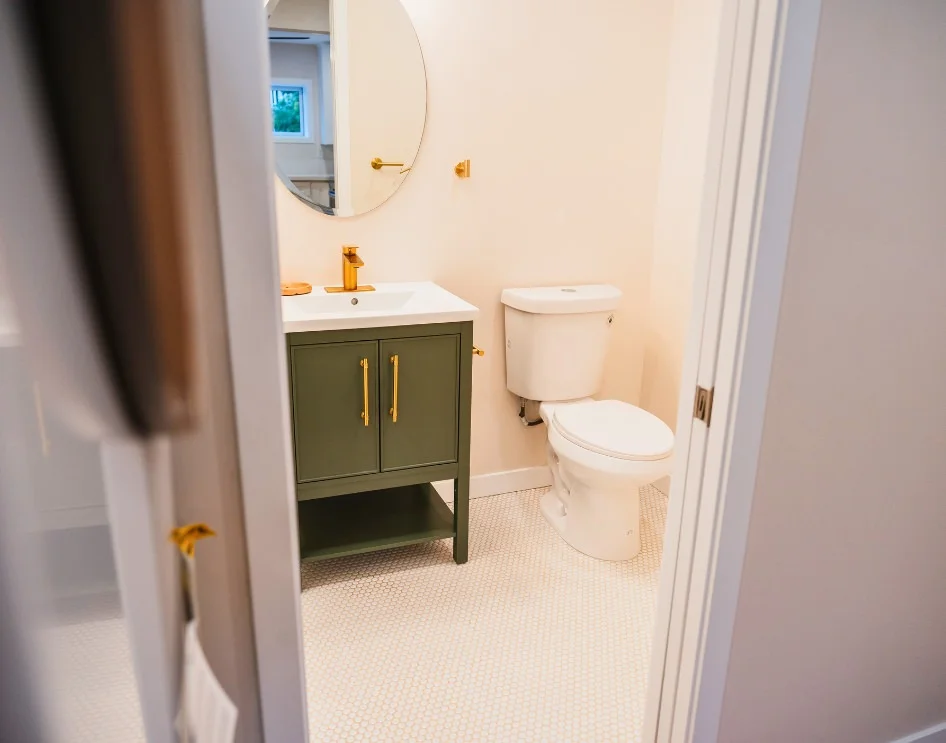
Choosing the right ADU type, detached, attached, or garage conversion, can impact rental income and long-term investment value.
| Type | Features | Renters | Income Potential |
|---|---|---|---|
| Detached ADU | Stands alone, offers full privacy. | Families, steady renters | High due to privacy and independence. Great for long-term rent. |
| Attached ADU | Connected to the main house, shared entry. | Working pros, small families | Good to high. Attracts those who want closeness or cheaper options. |
| Garage Conversion | Turns a garage into a living space. | Students, single workers | Fair. Pulls in those looking for budget-friendly choices. Size may limit rent. |
| Room Addition | Merges with the main house’s layout, offers some privacy. | Students, short-term workers | Somewhat good. Fits short stays, giving convenience. |
| JADU (Junior ADU) | Smaller, inside the main house, has basics. | Singles, students, elderly | Fair. Appeals to those seeking small, affordable spots in nice areas. |
How much do ADUs rent for in Los Angeles?
The diversity of ADU types offers a range of investment opportunities, each with its unique appeal and financial prospects. From detached units that promise privacy and space to cozy Junior ADUs perfect for single tenants, the financial landscape varies widely. The following table illustrates the potential earnings from different ADU configurations, showcasing average construction costs, annual upkeep, and expected rental revenue. These figures highlight the versatility and profitability of ADUs in a dynamic market like Treat the figures below as illustrative comparison assumptions, not measured Los Angeles rents, current project quotes or promised returns. Replace them with property-specific estimates and comparable legal rentals.Los Angeles, providing a clearer picture of what each ADU type can yield in terms of rental income. Remember, the actual return on your investment will be influenced by several factors, including the ADU’s design, location, and how well it meets current market demands.
| ADU Type | Scenario | Average All-In Cost | Annual Rent Income | Maintenance Costs | Property Taxes |
|---|---|---|---|---|---|
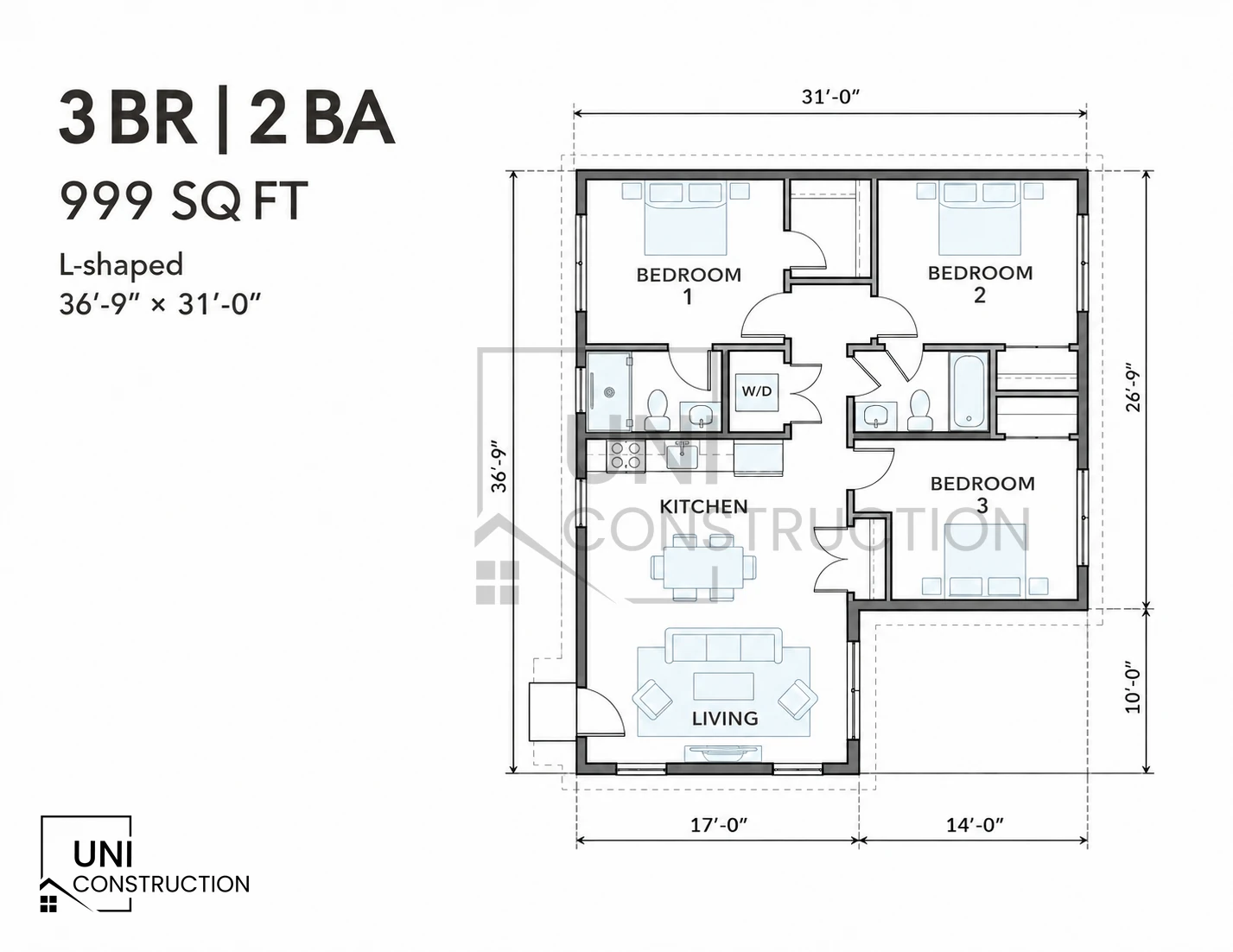
| Detached ADU | 1200 sq ft, 3 bedroom 2 bath | $450,867 | $44,640 | $5,328 | $4,509 |
| Attached ADU | 1000 sq ft, 2 bedroom, 2 bath | $247,237 | $37,704 | $3,770 | $2,472 |
| Internal ADU | 600 sq ft, 1 bedroom 1 bath | $197,524 | $25,812 | $2,582 | $1,975 |
| JADU | 400 sq ft, 1 bedroom 1 bath | $201,137 | $23,532 | $2,355 | $2,011 |
| Garage Conversion | 400 sq ft, 1 bedroom, 1 bath | $160,137 | $23,532 | $2,355 | $1,601 |
Understanding Market Demand for Your ADU
Knowing your local rental market helps you set the right price, attract quality tenants, and maximize occupancy. Researching trends ensures your ADU stays competitive and profitable.
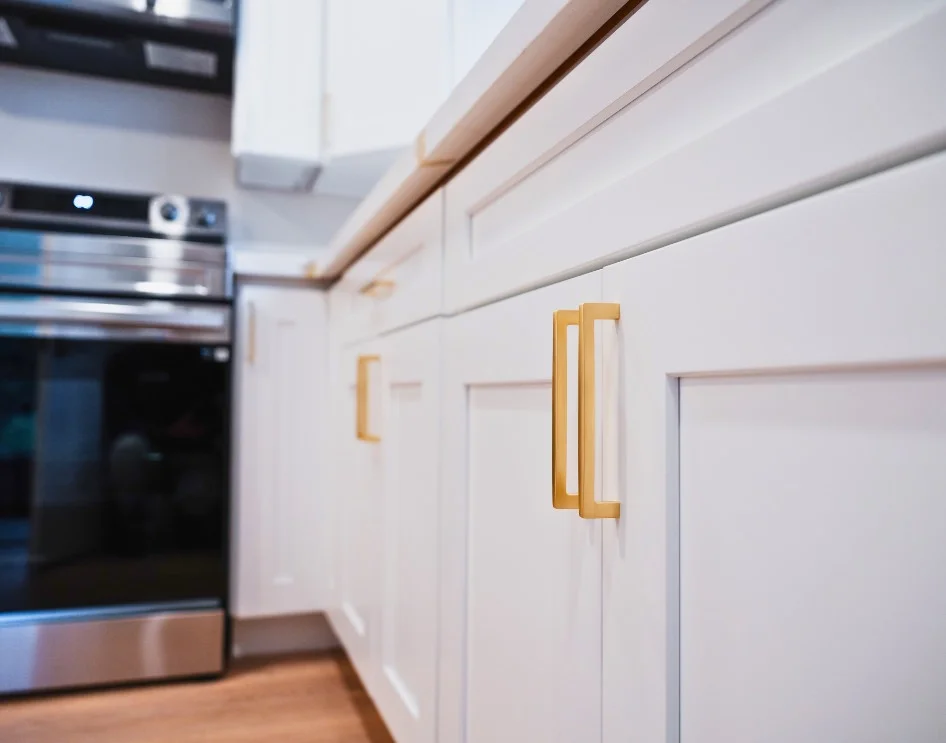
Understanding local market demand helps you price your ADU strategically, ensuring steady occupancy and rental profitability.
Local Demand for ADUs
Los Angeles’s housing shortage has increased demand for affordable rental units. ADUs attract:
- Young professionals seeking affordable alternatives to apartments.
- Families looking for multi-generational housing.
- Remote workers and students wanting private living spaces.
Pricing Based on Location
Rental rates vary by neighborhood:
- Coastal areas (Pomona, Los Angeles, Mission Beach): Premium pricing due to location.
- Urban centers (Downtown, Little Italy, East Village): High demand from professionals.
- Suburban neighborhoods (North Park, University City, Diamond Bar): Consistent rental interest from families.
Seasonal Demand Trends
- Winter (Dec-Feb): Low vacancies due to stable renters and business professionals.
- Spring (Mar-May): Increased demand from military relocations and new job hires.
- Summer (Jun-Aug): Higher turnover, best for marketing new listings.
- Fall (Sep-Nov): Slower market, potential rent adjustments to attract tenants.
Competitive Pricing Strategies
- Use rental comps from Zillow, Apartments.com, or Craigslist to set competitive rates.
- Adjust pricing seasonally to optimize occupancy rates.
- Offer move-in incentives (reduced first-month rent, flexible lease terms) to fill vacancies faster.
Potential Impact on Property Value
Adding an Accessory Dwelling Unit (ADU) can significantly boost home resale value while providing steady rental income. In high-demand housing markets like Los Angeles, properties with ADUs are increasingly sought after, making them a valuable long-term investment.
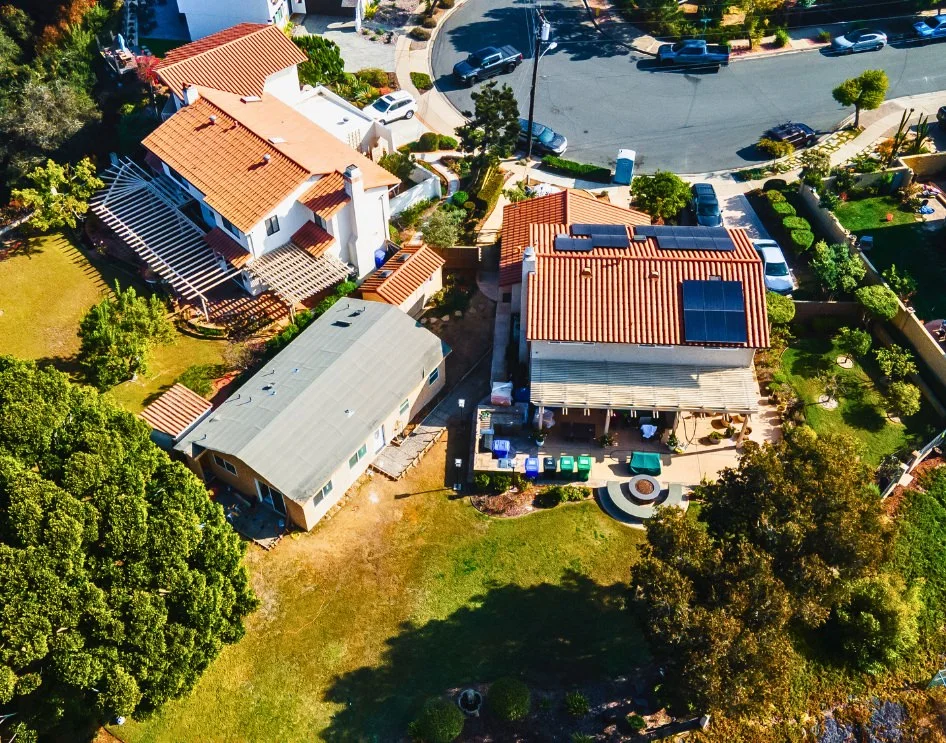
ADUs can increase home resale value by 20-30%, making them a smart long-term investment for homeowners.
Added Livable Space
Since home value is largely based on square footage, an ADU increases total usable living space, making the property more desirable to buyers. Homes with detached ADUs, guest houses, or in-law suites often sell for 20-30% more than similar properties without them.
Rental Income Potential
Homes with ADUs appeal to investors and homeowners alike because they offer passive income opportunities. Buyers are willing to pay a premium for properties that can generate rental income, offsetting mortgage costs.
Market Demand
With Los Angeles’s ongoing housing shortage, homes with ADUs are in high demand. Whether used for long-term rentals, multi-generational living, or future personal use, ADUs provide flexibility that increases property value.
Understanding Taxes Related to ADU Rentals
Renting out an Accessory Dwelling Unit (ADU) impacts property taxes and provides valuable tax deductions that can offset costs and improve rental profitability.
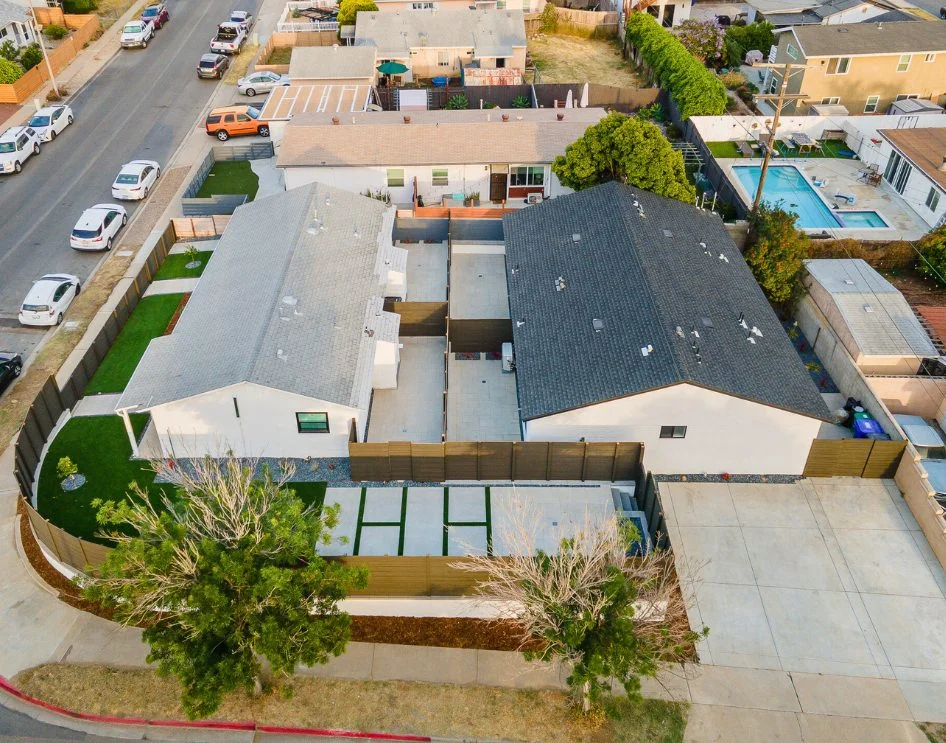
ADU owners can offset increased property taxes through deductions like depreciation, mortgage interest, and maintenance expenses.
Increased Assessed Value
- Blended Assessment: In California, ADUs trigger a blended assessment, meaning only the ADU’s value is reassessed, not the entire property. This helps preserve the original tax base of the primary home.
- Property Tax Increase: Expect an annual property tax increase of 1-1.5% based on the ADU’s construction cost. For example, a $300,000 ADU may add $3,000-$4,500 annually in property taxes.
Tax Deductions
Homeowners renting an ADU can deduct:
- Mortgage Interest on loans used for ADU construction or renovations.
- Depreciation spread over 27.5 years, lowering taxable income annually.
- Maintenance & Repairs, fully deductible when incurred.
- Utilities & Insurance, if separately metered or proportionally allocated based on usage.
Keeping detailed financial records ensures homeowners maximize deductions while staying compliant with IRS and state tax regulations.
Optimizing Your ADU for Rental Purposes
To attract high-quality tenants and maximize rental income, ADU upgrades and amenities should focus on space efficiency, durability, and modern features. Well-planned renovations can increase tenant satisfaction, reduce maintenance costs, and justify higher rent.
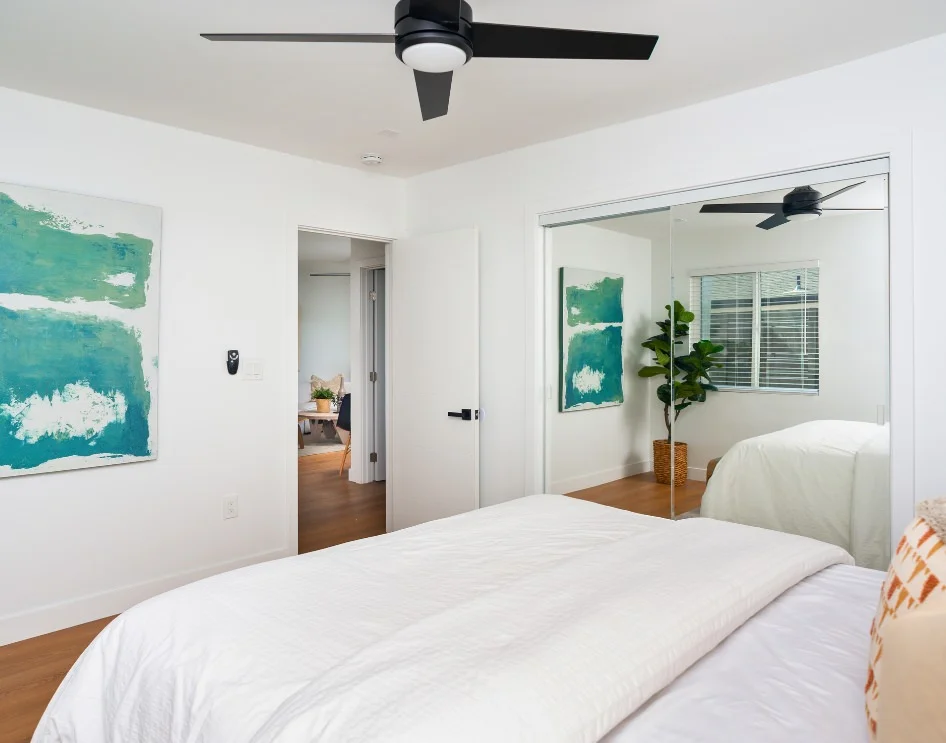
Maximize rental appeal by incorporating smart layouts, high-quality materials, and in-demand amenities like in-unit laundry and modern kitchens.
Renovations & Upgrades
- Open floor plans create a spacious feel in small units.
- Built-in storage (shelves, cabinets) maximizes space efficiency.
- Separate entrances enhance tenant privacy and appeal.
- Luxury vinyl plank (LVP) flooring is stylish, scratch-resistant, and easy to clean.
- Quartz countertops are long-lasting and low-maintenance.
- Tiled showers & modern fixtures add a premium touch without high costs.
Essential Amenities
- In-unit laundry is a top tenant priority.
- Fast WiFi & smart home features (keyless entry, thermostats) attract tech-savvy renters.
- Private outdoor spaces (patios, balconies) enhance livability.
- Energy-efficient appliances & solar panels reduce tenant utility costs.
- Secure locks & exterior lighting improve tenant safety.
Strategies for Maximizing Rental Income
Effectively pricing and marketing your Accessory Dwelling Unit (ADU) is key to attracting quality tenants and maximizing rental income.
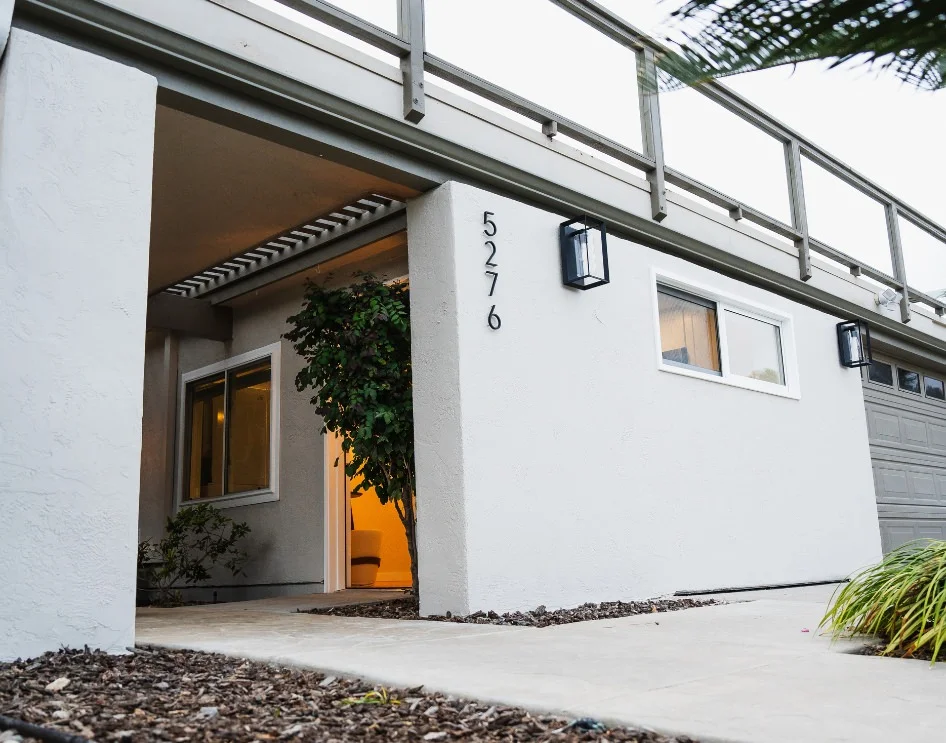
Setting competitive rent and leveraging strong marketing strategies will ensure your ADU attracts high-quality tenants and maximizes income.
Pricing Strategies
- Research Comparable Rentals: Use Zillow, Rentometer, and Craigslist to compare ADUs in your area and set a competitive rate.
- Factor in Location & Amenities: Proximity to public transit, schools, and parks increases rental value. Features like in-unit laundry, parking, and energy-efficient appliances justify higher rent.
- Adjust for Seasonal Trends: Demand peaks in winter and spring, allowing for higher pricing. In slower seasons, offer move-in specials to fill vacancies.
- Offer Flexible Lease Terms: Month-to-month leases attract students, military personnel, and traveling professionals.
- Monitor Market Conditions: Adjust pricing based on demand and feedback from potential tenants.
Marketing Your ADU
- Create a Strong Listing: Highlight private entrances, smart home features, and nearby amenities.
- Use Professional Photography: High-quality photos and virtual tours increase engagement.
- Leverage Online Platforms: List on Zillow, Apartments.com, Craigslist, and Facebook Marketplace for maximum exposure.
- Utilize Social Media: Promote your ADU with Instagram and Facebook ads targeting local renters.
- Offer Incentives: Reduced first-month rent or waived application fees can attract tenants faster.
Practical Tips for Rental Success
To maximize the success of your ADU rental, focus on tenant satisfaction, legal compliance, and efficient management. Here’s how to create a profitable and hassle-free rental experience.
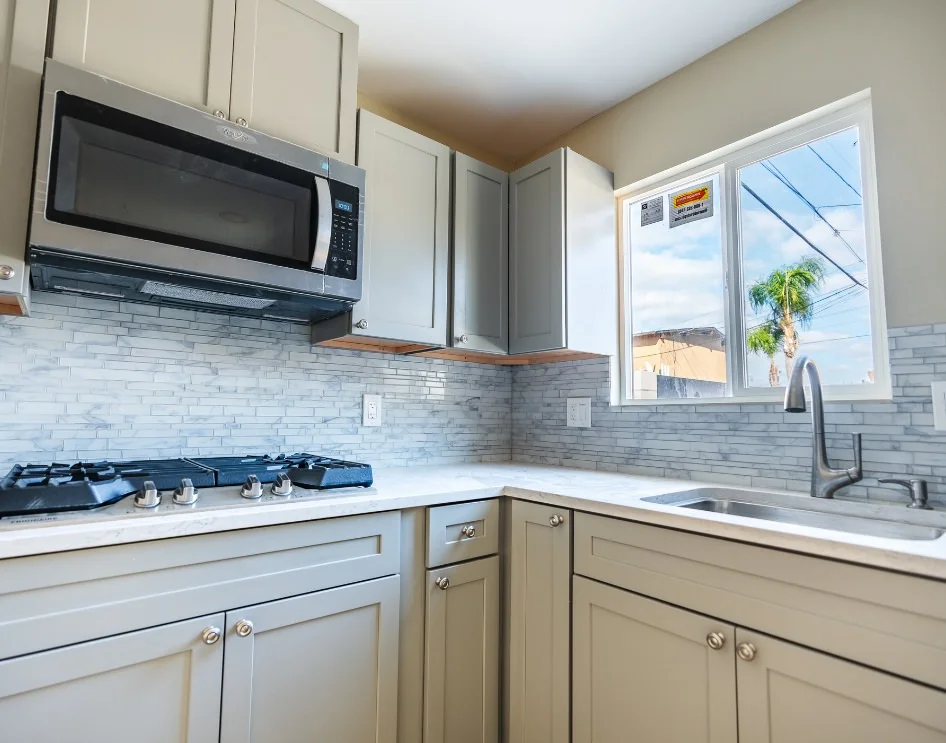
Successful ADU rentals require competitive pricing, proactive maintenance, and quality tenant screening to ensure long-term profitability.
Adapt to Market Conditions
- Regularly adjust rent based on local demand to stay competitive.
- Offer seasonal incentives (e.g., move-in specials) to fill vacancies faster.
- Monitor rental trends using Zillow, Craigslist, and Rentometer.
Streamline Tenant Management
- Automate rent collection through online payment systems.
- Set up a tenant portal for maintenance requests and lease communication.
- Use thorough screening criteria to select responsible tenants.
Enhance the Rental Experience
- Offer low-maintenance landscaping and energy-efficient features to reduce tenant costs.
- Provide smart home upgrades (keyless entry, WiFi thermostats) for added convenience.
- Maintain open communication to address tenant concerns promptly.
Reduce Long-Term Maintenance Costs
- Conduct routine inspections to catch repairs early.
- Use durable, high-quality materials for flooring, countertops, and fixtures.
- Establish relationships with reliable contractors for quick repairs.
Want to build an ADU for rental income? We can help
Renting your Accessory Dwelling Unit (ADU) is a powerful way to generate steady income, increase property value, and maximize your investment, but success requires the right strategy. From design and permitting to construction and rental optimization, Uni Construction is here to guide you through every step of the process.
With our expert ADU solutions, you’ll have a well-designed, legally compliant, and highly marketable rental unit that attracts top-tier tenants. Our team ensures your ADU meets local regulations, features high-demand amenities, and maximizes ROI, so you can start earning confidently.
Turn your ADU into a profitable rental with Uni Construction, let’s make it happen today.
FAQs
More Resources
-
Tips
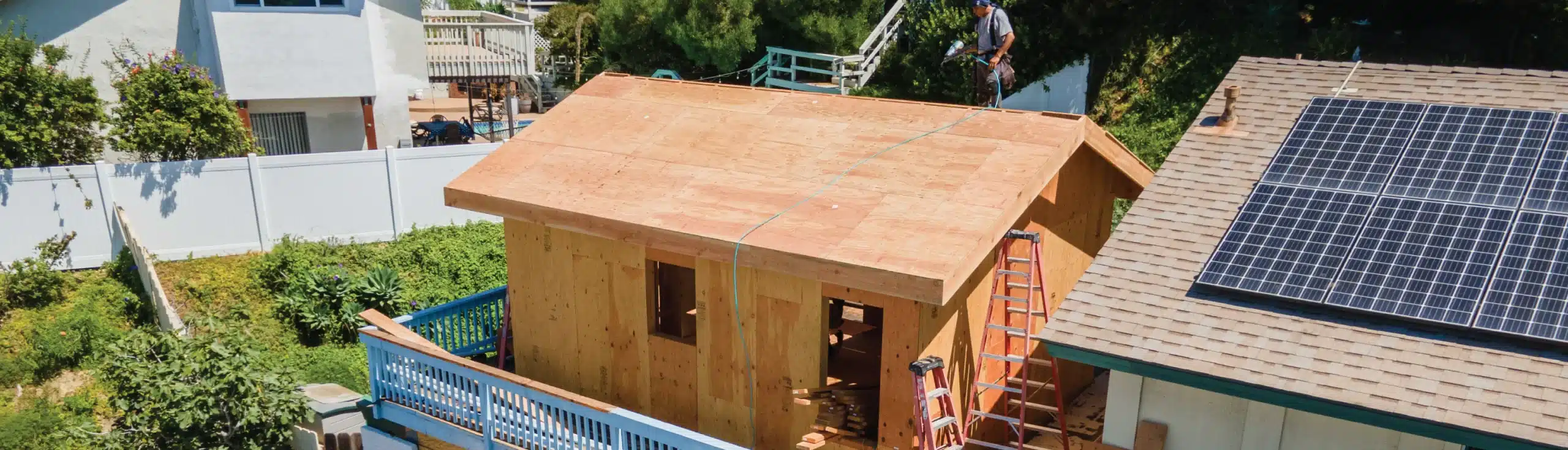
12 Steps to Building an ADU: Your Comprehensive Guide
Building an ADU is easier when you know what to expect. Our guide covers every step, from permits to final finishes, keeping your project on track.
-
Tips
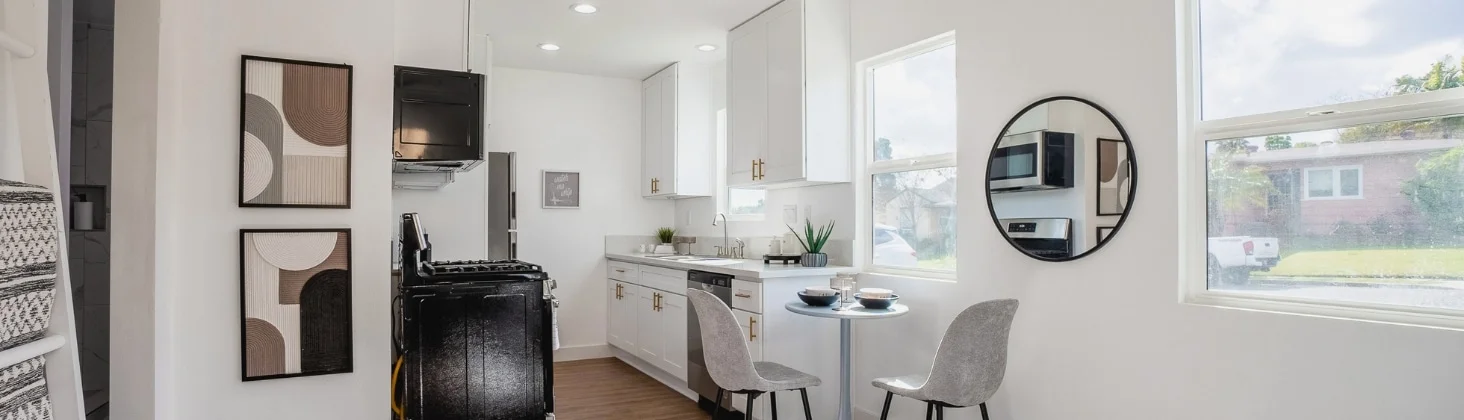
Benefits of ADUs
As interest in ADUs grows, it's essential to explore their benefits and potential hurdles.
-
Tips
Types of ADUs: A Comprehensive Guide
Explore the different types of ADUs, their benefits, and how to choose the perfect addition to enhance your property's value and functionality.
-
Tips
AB 1033 Explained: Selling Your ADU Separately from Your Main Home
ADUs are booming in California, boosting home value. AB 1033 introduces key changes to know.


