

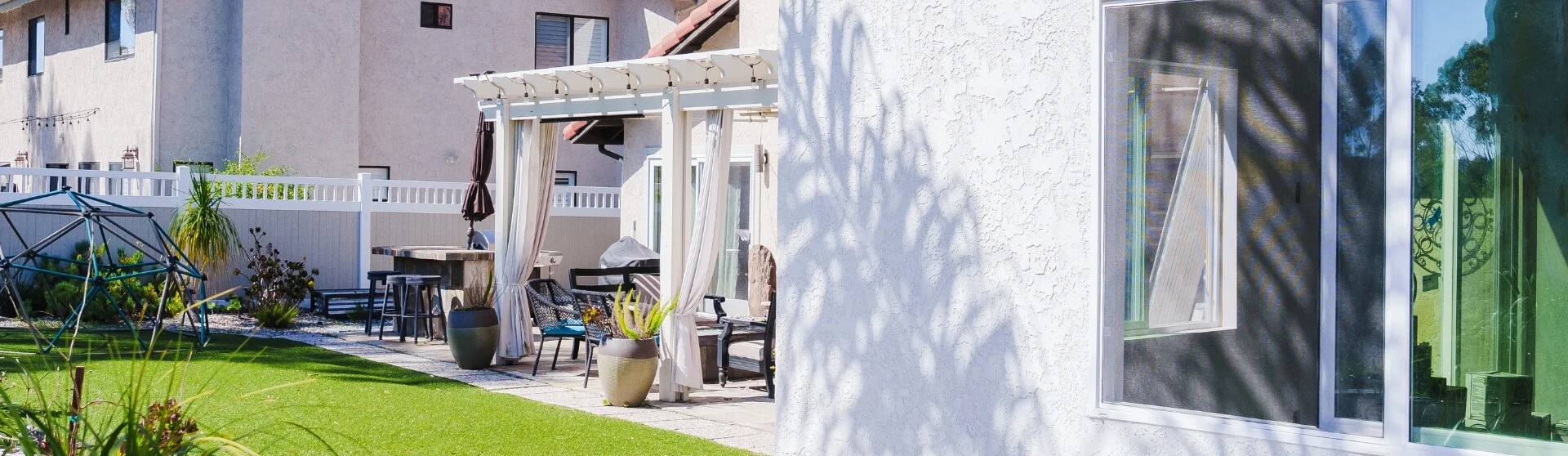
TL;DR: Downsizing to an ADU
- Downsizing to an ADU means moving into a smaller, self-contained home on your property while renting out or repurposing the main residence. Separate sale requires specific legal eligibility.
- Homeowners downsize to reduce housing costs, generate rental income, simplify maintenance, or support aging in place.
- The process typically involves building or converting an ADU, planning utilities and layouts, and meeting zoning and permitting requirements.
- Timelines depend on design complexity, site conditions, utility work, and the reviewing jurisdiction. Confirm a project-specific schedule before committing.
- Costs vary by ADU type and site conditions. Risks include permitting delays, budget overruns, and space constraints when planning is rushed.
- This article covers financial impacts, lifestyle tradeoffs, design strategies, local regulations, and planning considerations.
Downsizing to an ADU means moving into a smaller, self-contained dwelling on your property while renting out or repurposing the main home. Selling either dwelling separately requires specific legal eligibility. The process typically involves building or converting an ADU, planning utilities and layouts, and meeting applicable zoning and permitting requirements. Establish a project-specific timeline based on approvals, design scope, site conditions, and construction method.
Benefits of Downsizing to an ADU
Cost Reduction and Financial Benefits
Downsizing to an ADU can reduce housing expenses while creating rental opportunities. Related considerations include ADU can dramatically reduce housing costs. Instead of assuming a specific monthly savings figure, compare projected rent with financing, taxes, maintenance, and vacancy costs (Business Insider). Smaller spaces may reduce some expenses, including property taxes, utilities, and insurance, but actual costs depend on the property. Building on existing land avoids purchasing another parcel. An ADU may also increase property value, although the amount depends on comparable sales and appraisal findings (ExtraSpace). Careful budgeting helps homeowners assess potential retirement savings and financial flexibility.
Minimizing Maintenance and Upkeep
ADUs are compact, making them easier to clean and manage than larger single-family homes. Single-level layouts and accessibility features, such as wider doorways and low-threshold showers, can reduce the need for future renovations as homeowners age. Confirm which accessibility standards apply rather than assuming ADA compliance is required. Energy-efficient upgrades, including solar panels, triple-pane windows, and air-source heat pumps, may reduce utility bills, although equipment still requires maintenance.
Freeing Up Equity
For homeowners preparing for retirement or seeking additional cash flow, moving into an ADU offers potential benefits to evaluate alongside ADU can unlock equity tied up in the main home. Renting out the primary residence may help cover mortgage payments, property taxes, everyday expenses, medical assistance, or travel. However, income depends on achievable rent, vacancies, and operating costs. Some homeowners finance construction through credit lines or investment accounts, carefully weighing borrowing costs, investment consequences, and repayment capacity before relying on future rental income.
Increasing Property Value
Adding an ADU creates flexible living arrangements, such as an in-law apartment or secondary suite, and may increase long-term property value. In California’s constrained housing market, additional living space and rental potential can appeal to buyers. However, value gains depend on construction quality, permits, neighborhood comparables, and buyer preferences, not a universal percentage (ExtraSpace). Rental income also depends on operating expenses and market conditions. Before investing, obtain a project-specific appraisal and rental analysis that accounts for the housing-market considerations associated with Los Angeles’s.
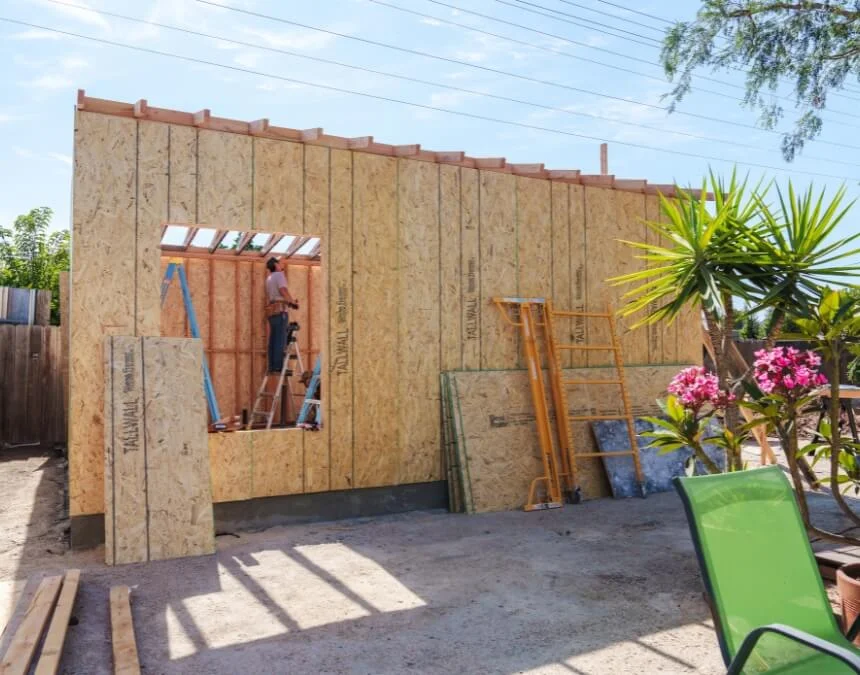
Building an ADU on existing land avoids purchasing another parcel and may generate rental income to help cover mortgage payments and other housing expenses.
Pros and Cons of Downsizing to an ADU
Downsizing to an ADU can offer financial and lifestyle benefits, but it also involves tradeoffs that homeowners should evaluate carefully. Understanding both sides helps set realistic expectations and reduce the risk of regret.
Pros
- Potentially lower monthly housing and utility costs
- Possible rental income from the main home
- Easier maintenance and simpler living
- Support for aging in place and multigenerational living
Cons
- Reduced living space and storage
- Upfront construction or conversion costs
- Possible zoning, permitting, and inspection delays
- Privacy considerations when renting out the main house
Quick Answers
- Is downsizing to an ADU always cheaper than staying in the main home? Not always. Utility and maintenance expenses may decrease, but insurance, financing, and upfront construction or conversion costs can offset savings. Compare total property expenses with conservative estimates of net rental income from the main home.
- Do ADUs feel too small for full-time living? ADUs can be comfortable when designed efficiently, but they may feel restrictive to homeowners accustomed to larger spaces. Storage planning, thoughtful layouts, and realistic expectations play important roles in long-term comfort.
- Can privacy be maintained when renting out the main house? Thoughtful site planning, separate entrances, fencing, and sound insulation can improve privacy. Establish clear expectations for shared areas, access, and outdoor activities before deciding who will occupy the main home.
- Are there resale downsides to ADU living? There can be. Resale appeal depends on market conditions, layout quality, permitting, remaining outdoor space, and whether buyers value rental potential or additional living space. An ADU does not guarantee a higher sale price.
Is Downsizing to an ADU Worth It?
Whether downsizing to an ADU is worthwhile depends on financial goals, lifestyle preferences, and long-term plans. For many homeowners, its greatest value lies in flexibility rather than cost savings alone.
Situations where it often makes sense
- Retirees seeking lower expenses and accessible living
- Empty nesters seeking rental income without leaving their property
- Families planning multigenerational living
- Homeowners committed to remaining in high-cost markets
Situations where it may not
- Short-term ownership plans
- Substantial storage or space requirements
- Unresolved HOA restrictions or site-specific zoning issues
Quick Answers
- Is downsizing to an ADU better than selling the house? It depends on your goals. Moving into an ADU allows you to retain the property and potentially earn rental income. Selling provides liquidity but ends your ownership interest in future appreciation and rental income.
- Does rental income usually offset ADU costs? Rental income may cover part of the financing and operating costs, but there is no universal result. Evaluate achievable rents, loan terms, maintenance, insurance, taxes, and vacancy periods before relying on projected income.
- Is ADU living realistic for couples or families? Yes, particularly for couples or small families with modest space needs. Larger households may find it challenging unless the unit is appropriately sized, thoughtfully designed, and suitable for the intended occupancy.
Lifestyle Advantages of ADU Living
Downsizing to an ADU is not just about reducing housing costs. It can also support a more flexible, sustainable retirement lifestyle. California homeowners can evaluate these benefits alongside Los Angeles homeowners are embracing ADUs, from simpler floor plans and opportunities for travel to closer family connections. The following considerations explain how a thoughtfully planned ADU may improve everyday life.
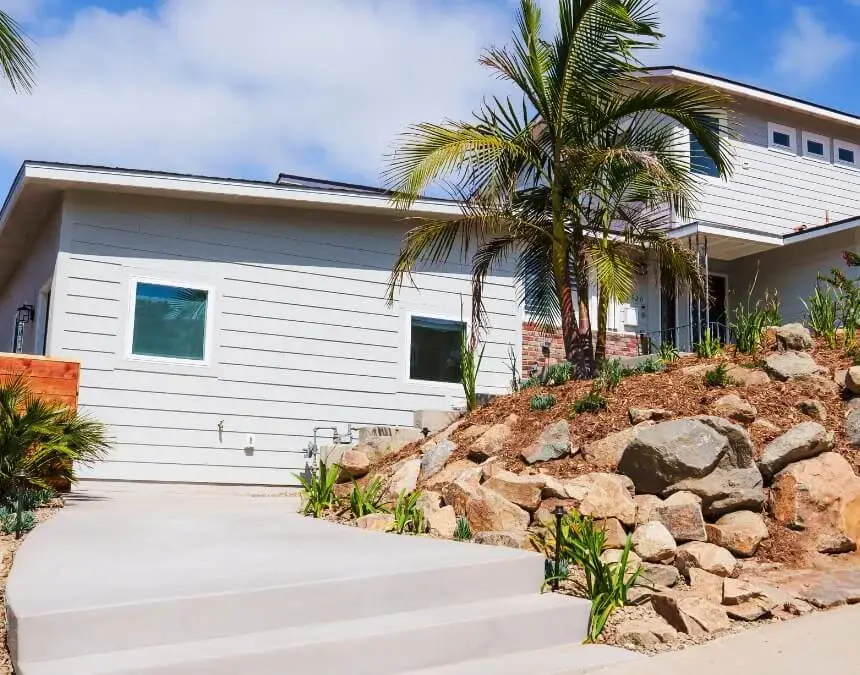
Downsizing to an ADU may reduce housing costs while creating opportunities for rental income, multigenerational living, or a lower-maintenance retirement lifestyle.
Simplified Living Arrangements
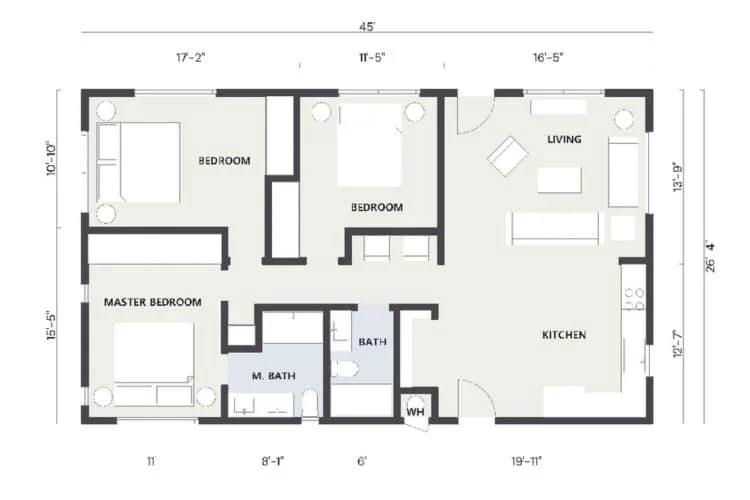
Accessory dwelling units (ADUs) take many forms, including garage conversions, basement apartments, and detached backyard homes. These self-contained dwellings provide independent living facilities, including cooking, bathroom, and sleeping space, with access that meets applicable requirements. They can function as in-law units, carriage houses, or secondary suites. For families, they offer options for housing aging parents, adult children, or live-in caregivers while keeping everyone close.
Flexibility for Families and Aging in Place
ADUs can support multigenerational living while preserving privacy and independence. Retirees may move into an accessible ADU, rent out the main house, or remain near loved ones. Before proceeding, evaluate entrances, shared outdoor areas, caregiver access, and the layout’s suitability for future mobility needs. This balance of proximity and personal space can support aging in place while helping households adapt to changing family circumstances (Age-Friendly Portland Report).
Opportunities for Travel
By potentially reducing housing costs and simplifying upkeep, downsizing to an ADU may free funds for extended travel or a more flexible lifestyle. Evaluate Homeowners can rent out their ADU or main house alongside applicable rental restrictions before considering vacationers or digital nomads as tenants. Short-term rentals may be prohibited, and extended absences still require maintenance and property management. A well-planned ADU can provide a manageable home base, but travel plans should include security, insurance, and emergency arrangements.
Boosting Income through Rental Opportunities
An important advantage of ADU ownership is the ability to adapt how the property is used. Consider ADU construction is the ability to generate consistent rental income when assessing that flexibility, and review rent out the ADU before choosing which dwelling to occupy or rent. Long-term tenancy and family use may be options, while short-term rentals require separate verification and may be prohibited. In Los Angeles, consult the Housing Department about property-specific rental and rent-stabilization requirements (Los Angeles Times). Estimate achievable rent, vacancy reserves, financing, and operating costs rather than relying on rental-use statistics or another homeowner’s results to judge affordability or retirement readiness (Business Insider).
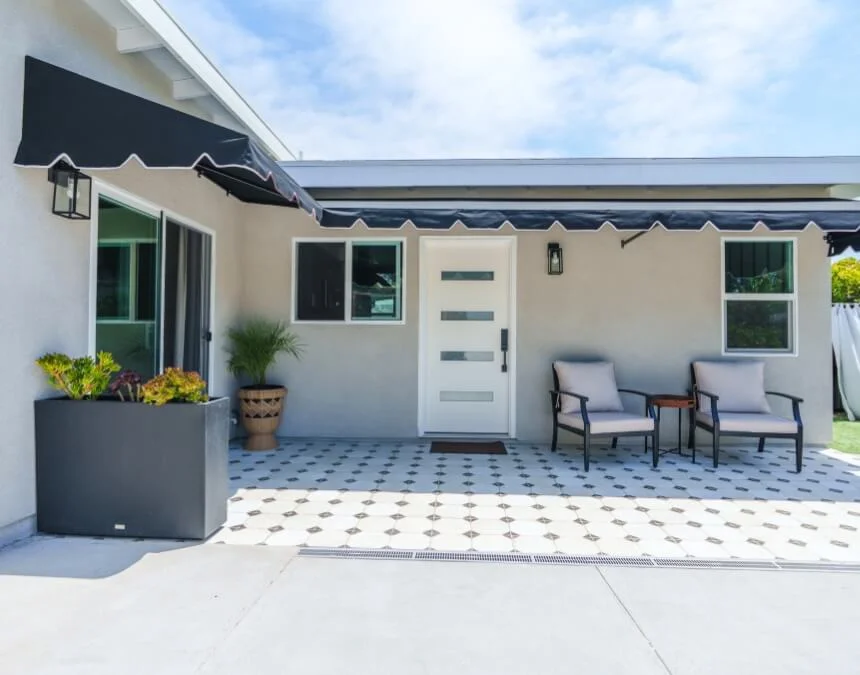
Renting out the ADU or main home may help cover mortgage payments and retirement expenses, depending on rental rules, financing costs, vacancies, and operating expenses.
Cost and Financial Tradeoffs of Downsizing to an ADU
Downsizing to an ADU requires an upfront investment but may reduce long-term housing expenses and generate rental income. Costs vary considerably by unit type, size, site conditions, and project requirements.
Typical cost factors
- Design, permitting, and construction
- Utility upgrades and any required separate metering
- Energy-efficiency and accessibility features
Financial tradeoffs
- Higher upfront costs versus potential long-term savings
- Rental income potential versus vacancy risk
- Possible property-value gains versus additional property taxes
Quick Answers
- How much does it cost to downsize into an ADU? Costs depend on location, size, construction type, and site conditions. Obtain itemized local estimates rather than relying on broad price ranges. Garage conversions may cost less than detached construction, but structural repairs and utility upgrades can change the comparison.
- Does an ADU increase property taxes? An ADU generally adds assessable new-construction value without automatically reassessing the entire property. The assessed amount is not necessarily equal to construction cost. Confirm the property’s treatment with the Los Angeles County Assessor.
- Can rental income cover mortgage payments? It may cover some or all of a payment, but results depend on loan terms, achievable rents, vacancies, and operating expenses. Prepare a conservative cash-flow analysis before committing.
Designing an Efficient ADU Space
Creating a comfortable, functional ADU requires thoughtful space planning, including the considerations associated with ADU requires maximizing every square foot. Built-in storage, multifunctional furniture, and deliberate decorating choices can transform compact layouts into inviting homes. These strategies improve daily livability and may support long-term appeal. Consider ADU feel less like a tiny house alongside practical needs to ensure the finished space feels like a complete, independent home rather than an improvised extension.
Built-in Storage Solutions
Storage is one of the most important elements of small-space living. Plan shelving, closets, and drawers around the belongings you actually use, and take advantage of vertical space without placing everyday items beyond comfortable reach. Integrated shelving, concealed storage, and custom cabinetry can keep belongings organized while preserving usable living space. Consider floor plans when evaluating storage priorities. Well-designed built-ins make compact ADUs more functional, especially when they avoid obstructing circulation, windows, equipment access, or required exits.
Multi-functional Furniture Options
Furniture in an ADU should serve multiple purposes whenever practical. Murphy beds, sofa beds, storage ottomans, and folding dining tables add functionality without crowding the interior. Compare open and closed dimensions, everyday accessibility, and the effort required to rearrange each piece (Architectural Digest). Shelves extending toward the ceiling can provide additional storage, but frequently used items should remain easy to reach. These choices reduce clutter and help a self-contained home feel spacious, flexible, and comfortable.
Smart Decorating Techniques
Thoughtful decorating can improve an ADU’s appearance and make it feel larger. Consider Design tricks can visually expand an ADU alongside light color palettes, cohesive finishes, and strategically placed mirrors that reflect natural light. Additional windows or skylights can improve brightness where privacy, energy requirements, and structural conditions allow. Smart-home systems may simplify controls, while planned wiring helps reduce visible cords. Together, these techniques improve comfort and livability in compact layouts, whether the home is a backyard cottage or an in-law unit.
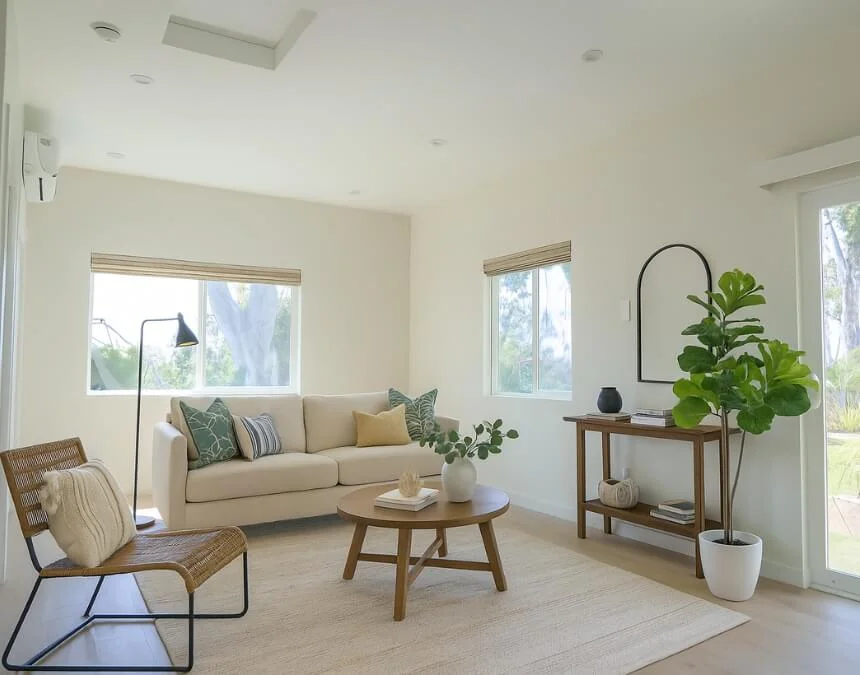
Make the most of every square foot with well-planned vertical storage, multifunctional furniture, and light, cohesive design choices that improve comfort without adding clutter.
Planning the Transition to ADU Living
Moving into an ADU requires careful preparation for a smooth, financially sustainable transition. Include ADU isn’t just about downsizing, it requires thoughtful planning in your planning, from checking local zoning requirements and construction budgets to defining long-term retirement goals. Homeowners considering Los Angeles should evaluate both the practical demands of the project and the realities of smaller-space living before committing.
Consulting with Real Estate/ADU Professionals
Qualified professionals can help you understand zoning, permits, and financing options, including the issues associated with Los Angeles’s. Verify lender terms and any public-program eligibility directly with the relevant provider. Ask your local planning and building departments about applicable occupancy rules and review fee waivers rather than assuming an exemption or incentive applies. When evaluating a design-build partner, including Uni Construction, confirm licensing, scope, and responsibilities for plans, submissions, and inspections. Professional assistance can clarify the process, but it does not guarantee approval or eliminate delays.
Budgeting for the Move
Building an ADU involves substantial upfront expenses, so energy improvements should be evaluated within the full project budget. Obtain project-specific quotes for solar panels, batteries, electrical work, and permitting rather than relying on a standard installation price. Verify current tax-credit eligibility with the IRS and a qualified tax adviser before including incentives in your calculations (Gecko Solar Energy). Ask the serving utility about interconnection, electricity rates, and compensation for exported power. Compare estimated production, household consumption, battery capacity, maintenance, and financing costs to assess potential savings (Greenberg Construction). Renewable energy and efficiency upgrades may reduce operating expenses, but they do not offset mortgage interest rates or guarantee a positive return.
Setting Clear Retirement Goals
Downsizing to an ADU may support retirement planning by reducing some housing expenses and freeing cash for healthcare, leisure, or family support. For empty nesters, an apartment-style ADU can also offer independence without leaving familiar surroundings. Energy efficiency may improve affordability, but household savings depend on consumption, equipment performance, electricity rates, and financing. Instead of relying on statewide cost-burden statistics or fixed monthly solar savings, compare your current expenses with a project-specific operating budget (Wikipedia - Solar Power in California). Include insurance, taxes, repairs, and rental vacancies. With realistic assumptions, an ADU can become a comfortable retirement home and a flexible asset, although financial gains are not guaranteed.
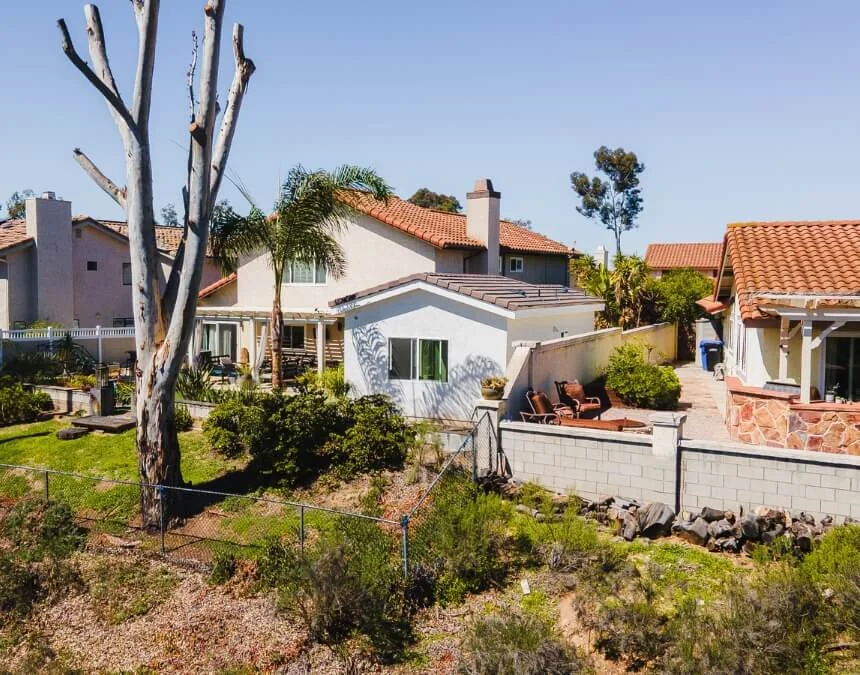
Careful planning, from financing and permitting to energy-efficient upgrades, can improve an ADU’s long-term affordability, sustainability, and potential to generate rental income.
Common Mistakes to Avoid When Downsizing to an ADU
Many downsizing challenges arise from planning gaps, although construction and site conditions can also create difficulties. Addressing common mistakes early helps support a smoother, more manageable transition.
Common mistakes
- Underestimating storage needs
- Skipping accessibility planning
- Overlooking zoning or occupancy requirements
- Assuming every ADU qualifies for short-term rentals
How to avoid them
- Review and sort belongings early
- Design for aging in place
- Verify applicable regulations before proceeding
Quick Answers
- What do homeowners regret most after downsizing? Common concerns include insufficient storage, underestimated space needs, and failure to plan for future mobility or accessibility. A realistic assessment before design can help address these issues.
- Can mistakes be fixed later? Some storage and layout problems can be corrected, but structural, permitting, or zoning issues are often harder and more expensive to resolve.
- Is professional planning necessary? Some projects require licensed design professionals. Even when not required, qualified guidance can help homeowners navigate regulations, avoid costly mistakes, and create a more functional living space.
Timeline: How Long It Takes to Downsize to an ADU
The timeline for downsizing to an ADU depends on design complexity, permitting, utility coordination, and construction scope. Establish a project-specific schedule and allow contingencies rather than assuming a standard completion date.
Typical timeline ranges
- Feasibility and design: confirm site constraints and the design team’s schedule
- Permitting and approvals: verify review requirements with the responsible jurisdiction
- Construction or conversion: obtain a contractor’s schedule, including inspections and utility work
Factors that extend timelines
- Zoning reviews or applicable policy changes
- Utility upgrades and service coordination
- Custom design changes or unforeseen site conditions
Quick Answers
- How long before I can move into the ADU? Occupancy depends on completed construction, required final approvals, and any applicable occupancy documentation. Ask the building department and contractor for a project-specific schedule rather than relying on a typical duration.
- Can I live on-site during construction? Often, but confirm that the main home will remain safe and habitable. Plan for noise, restricted access, utility interruptions, and construction-site separation.
- Are garage conversions faster than new builds? They can be, but structural repairs, foundation work, utilities, and code upgrades may eliminate the time advantage. Compare the actual scope and review requirements.
ADUs and Modern Living Needs
Accessory dwelling units (ADUs) are more than a downsizing solution. They reflect housing priorities centered on sustainability, flexibility, and personalization. From environmentally conscious construction to the evolving zoning requirements associated with Los Angeles, homeowners can plan ADUs around long-term living needs, accessibility, and financial goals while verifying the rules that apply to their property.
Environmental and Sustainability Considerations
Modern ADUs can incorporate solar panels, heat pumps, and high-performance insulation to reduce energy use and associated emissions. Upfront costs and operating savings depend on the selected systems, building design, and installation conditions, so obtain itemized estimates when evaluating property value. Building-integrated photovoltaics (BIPV), for example, replace certain roofing or façade materials with electricity-generating components, subject to product suitability and approval (The Architects Diary, Wikipedia). A net-zero energy goal requires careful modeling of annual consumption and production. Passive solar design, effective insulation, and efficient heat pumps can contribute, but performance depends on climate, equipment selection, construction quality, and household use (Wikipedia).
Addressing Local Zoning and Regulation Challenges
ADU policy continues to evolve, so evaluate Los Angeles has been at the forefront of ADU using current state law and the rules of the property’s jurisdiction. Start with the March 2026 California ADU Handbook, then confirm applicable unit limits, parking provisions, setbacks, and review procedures with the local planning and building departments (Neighbors for a Better Los Angeles, Wikipedia). In Los Angeles, the ADU Standard Plan Program provides reviewed designs, but it does not replace site-specific review or guarantee project approval (Axios). Diamond Bar and Pomona have separate authorities and requirements. Before relying on zoning requirements, verify whether any density allowance, incentive, or local program applies to the proposed project. Professional advice can help clarify requirements, but official confirmation remains essential as regulations change.
Customization and Personalization Options
ADUs can accommodate varied layouts and uses, including options associated with granny flats, backyard cottages, and over-garage apartments. Confirm that any recreation room or additional space fits applicable development and building requirements. Environmentally conscious insulation options, such as cellulose, recycled denim, or hemp-based products, require evaluation for code compliance, moisture performance, and installation suitability. For aging in place, consider wider doorways, low-threshold showers, and single-level layouts without assuming ADA standards automatically apply. Passive solar orientation, durable materials, and accessible smart-home controls can further support adaptable living as family needs change.
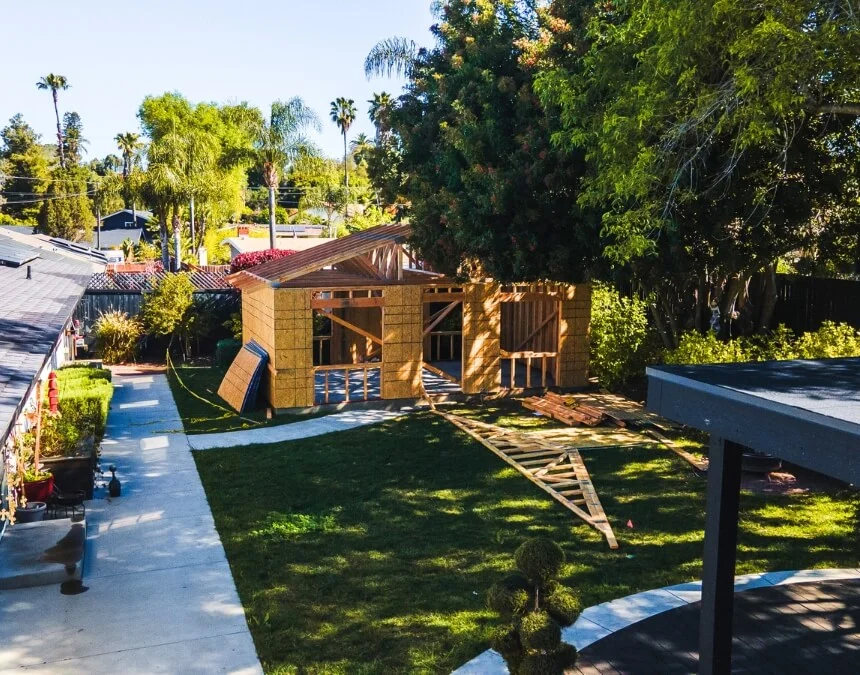
Modern ADUs can combine sustainable materials, efficient systems, and useful smart-home controls. Evaluate upfront costs against realistic long-term savings, accessibility, maintenance needs, and comfort.
Downsizing to an ADU vs Selling Your Home
Downsizing to an ADU allows homeowners to remain on their property, while selling releases equity and ends ownership responsibilities. Each option serves different financial priorities, lifestyle preferences, and long-term plans.
Quick Answers
- Which option builds more long-term wealth? Neither is universally better. ADU ownership may generate rental income and appreciation, while selling releases proceeds that can be invested elsewhere. Compare construction costs, taxes, financing, market risks, and alternative investment outcomes.
- Is ADU living less risky than downsizing off-site? Remaining in a familiar community may reduce relocation uncertainty, but an ADU introduces construction, financing, regulatory, and landlord responsibilities. Assess both options against your circumstances.
- How does each affect retirement planning? An ADU may provide income and reduce certain expenses. Selling can provide investable proceeds and simplify property management, although it ends rental income from that property.
| Factor | ADU Downsizing | Selling |
|---|---|---|
| Monthly costs | Potentially lower, but ongoing | Depend on the next home |
| Rental income | Possible | None from the sold property |
| Community ties | Maintained | May be disrupted |
| Flexibility | Generally higher | Generally lower |
Key Risks and Limitations of ADU Living
ADU living offers flexibility, but it is not risk-free. Understanding its limitations helps homeowners budget conservatively, evaluate tradeoffs, and plan realistically.
Key risks
- Permitting delays
- Budget overruns
- Space constraints
- Rental-market fluctuations
Mitigation strategies
- Conservative budgets and contingency reserves
- Flexible, practical layouts
- Clear plans for lawful rental use
Quick Answers
- Are ADUs a safe long-term housing option? Properly designed, permitted, and maintained ADUs can provide stable housing and support aging in place. Long-term suitability still depends on accessibility, site conditions, maintenance, and household needs.
- What happens if rental income drops? Homeowners must cover expenses during vacancies or market downturns. Maintain reserves and test your budget against lower income and unexpected repairs.
- Can I move back into the main house later? Potentially, but existing leases, tenant protections, and applicable occupancy rules can affect timing. Verify legal requirements before assuming either dwelling will be available when your needs change.
Conclusion
Downsizing to an ADU can give homeowners, including those in Los Angeles, opportunities for financial savings, lifestyle flexibility, and continued community connections. Include ADU offers California homeowners when evaluating whether this approach fits your circumstances. Moving into a smaller, efficient home with appropriate accessibility features may reduce maintenance and utility expenses while allowing the primary residence to generate rental income. However, local demand, rental rules, financing, and operating costs require property-specific analysis. Review ADU policies that streamline the permitting process with the responsible planning, building, or housing authority rather than assuming a supportive program applies. Beyond finances, an ADU can help families remain close while preserving independence, supporting aging in place and adapting to an empty nest. Consider the preferences discussed in AARP alongside your own priorities instead of relying on broad survey percentages. For homeowners evaluating Los Angeles, a well-planned ADU can provide adaptable housing and support long-term household stability, though investment returns are never assured.
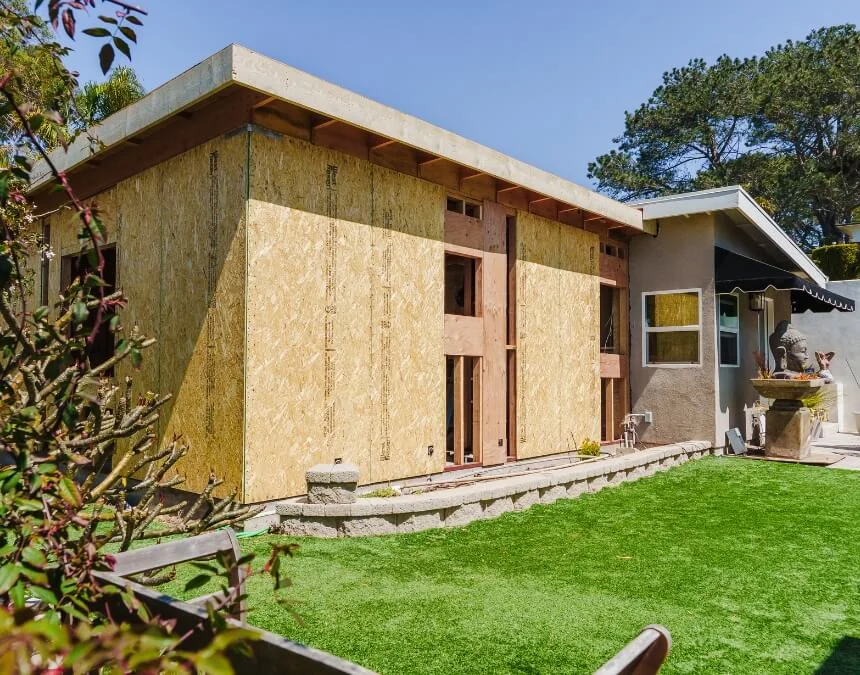
A well-planned ADU can support aging in place, strengthen family connections, and provide long-term housing flexibility, with potential property-value gains that depend on the market.
Downsizing to an ADU Checklist
Use this checklist to review the key considerations before committing to ADU living.
Checklist
- Confirm applicable zoning, occupancy, and rental rules
- Estimate realistic costs and project-specific timelines
- Evaluate storage and accessibility needs
- Plan rental use: ADU versus main house
- Review long-term lifestyle goals
Quick Answers
- When should this checklist be completed? Ideally, before design or permitting begins, so early decisions reflect realistic expectations, site conditions, and applicable regulations.
- Can it replace professional guidance? No. This checklist is a planning aid, not a substitute for qualified zoning, design, legal, or financial advice when needed.
- What is the biggest decision point?
The most important decision is usually whether the lifestyle tradeoffs and financial commitment align with your long-term goals and available resources.
Frequently Asked Questions
When downsizing to an ADU, resist bringing everything from your larger home. Overpacking creates clutter and makes compact spaces feel cramped. Measure rooms and storage areas before moving, then decide what to keep, store, donate, or sell. Consider emotional readiness as well: letting go of sentimental belongings can be difficult. Allow enough time to sort thoughtfully, preserve meaningful items, and adjust to the change without feeling rushed or overwhelmed.
ADUs may share utility connections with the main home or have separate services, depending on the project and provider requirements. Separate meters can simplify billing, but renting an ADU does not automatically require separate water, gas, and electricity meters. Confirm connection, capacity, metering, and billing rules with each serving utility and the building department. Shared connections may reduce initial costs, while separate service can involve additional infrastructure, fees, and ongoing charges.
An ADU may increase property value, but there is no universal percentage gain. Buyers may value rental potential, private family housing, or future aging-in-place options. The effect depends on permits, construction quality, layout, outdoor space, and comparable sales. Obtain a local appraisal before assuming the added value will exceed the project’s total cost.
- California law generally prevents local agencies from imposing a minimum lot size for ADUs.
- Eligibility still depends on the proposed ADU category, existing or proposed housing, and applicable state and local requirements. Lot size alone does not determine approval.
- Owners of smaller parcels should verify setbacks, access, building standards, and other site-specific constraints with the responsible planning and building departments.