

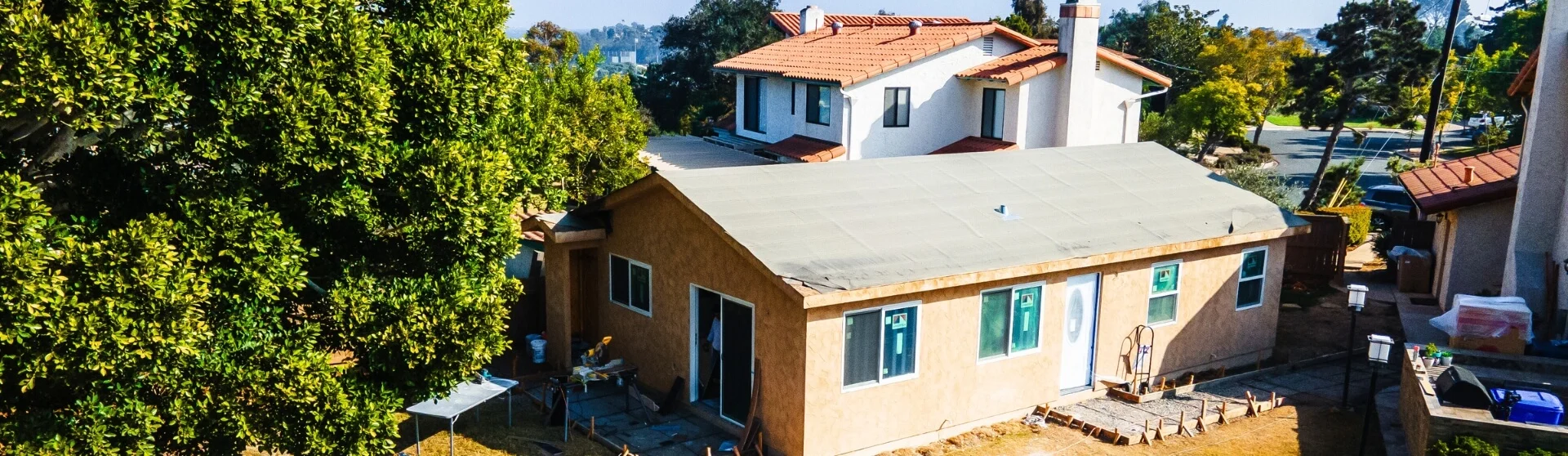
Understanding ADUs for Family Planning
Accessory dwelling units (ADUs) are becoming a practical option for Los Angeles families navigating housing challenges, including aging parents and rising costs. Building a compact, comfortable backyard home can help families coordinate caregiving, potentially increase property value, or generate rental income. Before moving forward, it helps to understand how an ADU can support these family-focused goals and what planning each goal requires.
What is an Accessory Dwelling Unit (ADU)?
An accessory dwelling unit (ADU) is a secondary residence on the same lot as a primary home that provides complete, independent living facilities. ADUs are commonly known as:
- Granny flats
- In-law units
- Backyard cottages
- Secondary suites
- Guest houses
For guidance related to American Planning Association, consider how an ADU could accommodate aging parents or provide rental income while making better use of an existing property. Confirm that the proposed design, occupancy arrangements, and rental plans meet applicable requirements.
Why do families build ADUs?
Families typically build ADUs to achieve three primary objectives:
- Housing for Aging Parents: ADUs support elderly parents to remain independent with family nearby, helping reduce isolation while preserving privacy and access to assistance.
- Generating Rental Income: When not needed for family use, ADUs may provide rental income to help offset property expenses, subject to applicable rental rules and operating costs.
- Increasing Property Value: A well-designed ADU may increase a property’s market value, although its financial benefits depend on construction costs, market conditions, and buyer demand.
When reviewing ADU research, verify what 84% of homeowners means in the original California Assembly or AARP source, including its publication date and survey population. Likewise, confirm the source and context of 78% of adults aged 50+ before using aging-in-place preferences to guide your family’s housing decisions.
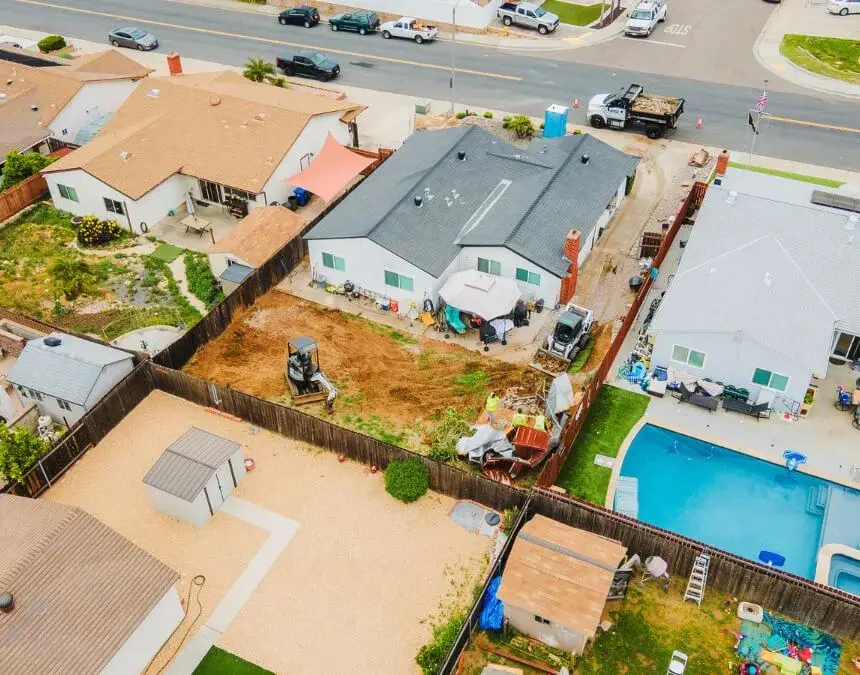
Before building, evaluate placement and zoning. Backyard ADUs require careful review of setbacks, easements, and other site constraints.
What to keep in mind when building an ADU for Family Members
When building an ADU specifically for family members, balance everyone’s needs, including privacy, accessibility, and possible future rental use. Thoughtful planning can support your property’s usefulness and provide flexibility as family circumstances change. Consider the following priorities to help ensure that your ADU works well for everyone involved.
How Does an ADU Help Aging Parents Maintain Independence?
Building an ADU on your property can help aging parents maintain independence in a comfortable, personalized home while staying close enough to receive family support. This arrangement balances autonomy with nearby assistance and can support aging in place when the design, care arrangements, and available services meet their needs.
When considering According to AARP, discuss whether your parents prefer nearby family support, independent living space, or another arrangement. Use their individual preferences rather than an unverified survey percentage to guide planning.
Proximity to Family Improves Quality of Life:
- Can reduce feelings of isolation and loneliness.
- Makes nearby assistance more accessible during medical or personal emergencies.
- Encourages stronger emotional connections between generations.
What Essential Considerations Should Families Keep in Mind?
When designing an ADU for aging parents, prioritize:
- Safety: Install slip-resistant flooring, handrails, adequate lighting, and appropriate security systems.
- Accessibility: Plan step-free entrances, wider doorways, accessible ramps, and wheelchair-friendly circulation.
- Independence: Provide private cooking, living, and sleeping areas that support dignity, autonomy, and everyday routines.
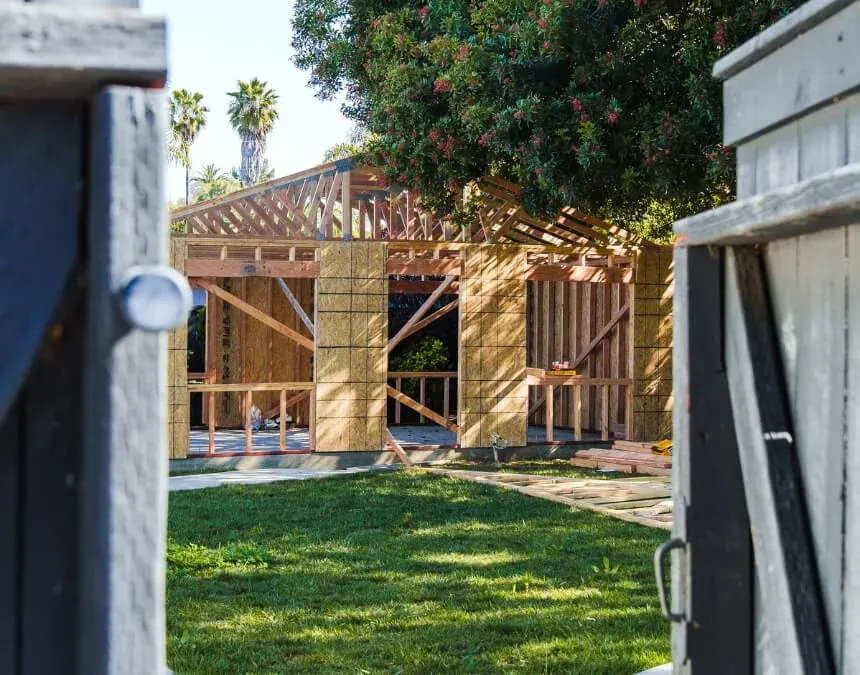
Build for adaptability. Open floor plans and appropriately reinforced framing can accommodate future accessibility improvements and changing household needs.
Does Adding an ADU Boost Resale Value?
Building an ADU may enhance your property’s market value, depending on design, costs, and local demand.
Before relying on research associated with National Association of Realtors, verify its location, methodology, and relevance to your property. Ask a qualified local appraiser how comparable sales support any estimated resale-value increase from an ADU.
What Are the Long-term Investment Benefits of an ADU?
Long-term investment advantages include:
- Potential property appreciation, depending on market conditions in Los Angeles.
- Possible rental income, balanced against financing, maintenance, vacancy, and management costs.
- Additional appeal to buyers seeking multigenerational living arrangements or flexible housing space.
Los Angeles Real Estate Insight: Before relying on Waymaker Realty Advisors, ask a local real estate professional to compare recent sales of similar properties with and without permitted ADUs. Review sale prices, days on market, location, condition, and unit quality rather than assuming an ADU guarantees a faster sale.
How Do You Balance Family Housing Needs with Rental Potential?
To balance effectively:
- Clearly define periods of family use versus rental use.
- Design ADUs with flexible floor plans suitable for aging relatives and future tenants.
- Confirm applicable rental regulations, registration obligations, and property-specific requirements in Los Angeles.
What Are Typical Rental Rates for ADUs in Los Angeles?
Current Los Angeles ADU rental rates average:
| ADU Type | Monthly Rent Planning Guidance (Los Angeles) |
|---|---|
| Studio | Review nearby studio rentals with similar amenities. |
| 1 Bedroom | Compare local one-bedroom rentals, including utility costs. |
| 2 Bedroom | Review comparable two-bedroom rentals, parking, and outdoor space. |
What Financing Options Work Best for Building an ADU?
When building an ADU on your own or your parents’ property, choosing an appropriate financing strategy is essential. Families commonly compare the following options based on eligibility, borrowing costs, repayment terms, and ownership:
- Home Equity Line of Credit (HELOC): Uses existing home equity to fund construction. Insight: Flexible draws can match construction spending, but compare variable rates, fees, repayment requirements, and the risk to the secured property.
- HomeStyle Renovation Loan: Combines eligible renovation costs and mortgage financing in one loan. Insight: Ask lenders whether the proposed ADU qualifies, particularly when other renovations are planned.
- Construction Loan: Provides short-term financing for construction; some products convert to permanent mortgages after completion. Insight: Compare draw inspections, equity requirements, and conversion terms for a new detached ADU.
Expert Tip:
When evaluating HELOC can give you for an ADU rental project, compare the HELOC’s draw period with your construction schedule and expected rental start date. Draw periods commonly last five to 10 years, but repayment terms vary. A one-year build does not guarantee four to nine years without principal payments; confirm the agreement’s interest, payment, and repayment provisions with your lender.
Important Limitation (Jumbo Loans):
If your primary home already has a jumbo loan in Los Angeles, additional financing may require a different lending approach. Ask a mortgage professional to verify the current county conforming loan limit and assess your equity, existing debt, and borrowing options.
Is Building an ADU Financially Better Than Alternative Senior Housing?
An ADU may be more economical than assisted living or senior apartments, but compare construction, financing, maintenance, and care expenses. These housing options provide different levels of support:
| Housing Type | Monthly Cost Planning Guidance (Los Angeles) |
|---|---|
| Assisted Living | Request quotes that specify included care and services. |
| Senior Apartment | Compare rent, utilities, eligibility, and service fees. |
| ADU Financed via HELOC | Calculate loan payments, utilities, insurance, and maintenance. |
How Do You Finance an ADU Separately from the Main House?
Some ADU financing options preserve the existing primary mortgage, while others replace it or use different collateral:
- Separate HELOC: Borrow against available property equity while retaining the primary mortgage; the credit line generally secures the property, not just the ADU.
- Cash-Out Refinancing: Replace the primary mortgage with a larger loan and allocate available proceeds to ADU construction.
- Separate Secured Loan: Explore a dedicated loan secured by another property or eligible assets, subject to lender requirements.
Pros and Cons of Refinancing After Building the ADU:
Pros:
- May consolidate existing balances into one monthly payment.
- Could reduce borrowing costs if the new rate, fees, and repayment term are favorable.
Cons:
- May extend the repayment period and increase total interest costs.
- Could raise monthly payments and reduce available household cash flow.
Homeowner Obligation Considerations:
Separate financing can help distinguish repayment responsibilities and support estate and financial planning. However, loan arrangements alone do not determine ownership or eliminate shared liability; document contributions, collateral, and obligations with qualified legal and financial advisers.
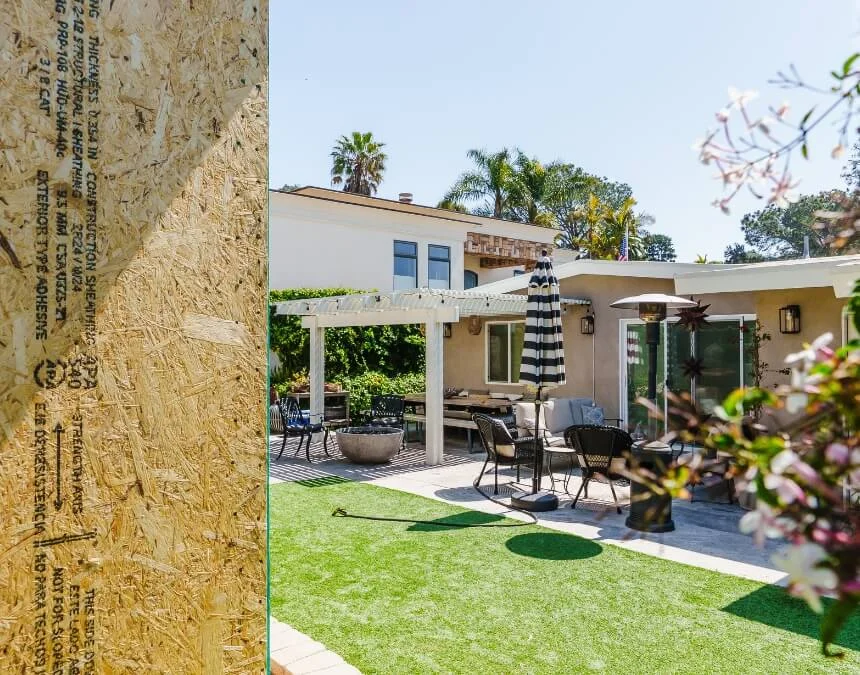
Confirm financing before framing. Understanding HELOC draw requirements and payment schedules helps reduce the risk of construction interruptions or cash-flow shortfalls.
How Can Families Leverage Gifted or Investment Funds?
Carefully planned gifts or investment withdrawals can help fund an ADU while addressing taxes, documentation, and family expectations:
Strategic Gift Funding (Optimizing Annual Gift Tax Exemptions):
- Annual Gift Exclusion: Check the IRS annual exclusion for the year of the gift. Amounts above it may require reporting without necessarily triggering immediate gift tax.
- Spousal Gift Planning: Married couples may combine applicable exclusions, subject to ownership, consent, and reporting rules. Confirm current limits and requirements before transferring funds.
Leveraging Investment Funds (Tax Considerations):
- Capital Gains Management: Review the tax implications of accessing investment funds for ADU construction may trigger capital gains taxes.
- Spreading Withdrawals: Timing withdrawals across tax years may help manage taxable income, depending on account types, gains, and household circumstances.
Best Practice Recommendation:
Coordinate with your financial adviser or tax professional to create a personalized withdrawal schedule that addresses taxes, liquidity, investment goals, and the timing of construction payments.
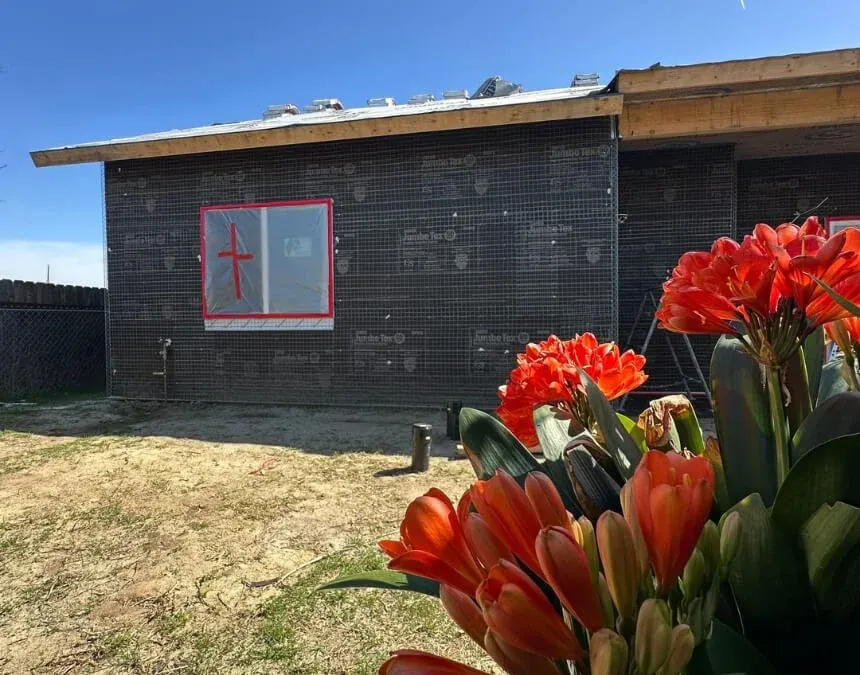
Coordinate construction funding from gifts or investments with tax advice and written ownership agreements to clarify financial expectations.
Legal and Title Implications of Building an ADU on Family Property
What Are Split Interests and How Do They Work?
“Split interests” arise when family members formally share property ownership, documenting each person’s ownership share and how contributions are treated. One common arrangement is tenancy in common, which can identify each owner’s percentage interest in the property. An attorney can explain how that structure affects control, inheritance, and future transfers.
Benefits of tenants-in-common include:
- Documents each family member’s financial interest.
- Provides a framework for future property transfers.
- Helps reduce disagreements about contributions, responsibilities, and ownership rights.
Does Financing an ADU Automatically Change Ownership Percentages?
No, financing an ADU does not automatically grant partial ownership. A family member’s contribution alone generally does not change the recorded title. To establish an intended ownership interest, consult an attorney about the appropriate deed and supporting agreements, including any contractual or equitable rights the arrangement may create.
To protect a family member’s contribution and establish an intended ownership share, the family should:
- Consult an attorney about transferring and recording the appropriate ownership interest.
- Document any tenancy-in-common arrangement, contributions, responsibilities, and exit terms.
Example Scenario:
In this example, the adult child’s intended 40% ownership interest should be established through properly prepared and recorded legal documents.
| Family Member | Contribution Amount | Ownership Percentage |
|---|---|---|
| Parent A | Documented property equity contribution | Establish through a legal agreement. |
| Adult Child B | Documented ADU funding contribution | Negotiate separately from construction spending. |
Important Considerations Before Changing Ownership
- Legal Documentation Is Required: Record any intended title change correctly. Consult a real estate or estate-planning attorney about ownership, taxes, lender consent, and inheritance.
- Future Property Decisions: Ownership structure and written agreements determine consent requirements for sales, refinancing, and other major decisions. Clarify those rules before changing title.
Bottom Line: A financial contribution to an ADU does not automatically create a recorded ownership share. If shared ownership is intended, document the arrangement and complete the appropriate title transfer. Written agreements should also explain whether contributions are gifts, loans, or investments and how disputes will be resolved.
Clarify ownership early. Documenting shared contributions and intended title interests can help prevent future disputes over property rights.
What Estate Planning Strategies Should Families Use When Building an ADU?
Clear estate planning strategies when building an ADU helps protect family assets, document ownership, and reduce legal uncertainty. Consider these strategies with qualified advisers:
- Family Trusts: An appropriately structured trust can clarify property management and inheritance arrangements, consistent with the recorded ownership interests.
- Shared Ownership Agreements: Written agreements should document contributions, ownership percentages, maintenance duties, tax obligations, and procedures for resolving disputes or exiting the arrangement.
Medicaid Planning and the Risk of Gift Implications:
When parents fund an ADU, review potential effects on Medicaid eligibility, including California’s Medi-Cal rules where applicable. Treatment depends on the transaction, program, and current transfer rules. An elder-law attorney can assess whether the contribution creates a gift, ownership interest, or other arrangement with eligibility consequences.
Protecting Property Against Claims from Divorces and In-Laws:
Adding an ADU to shared family property can complicate ownership during divorce or family disputes. Discuss the following protections with an attorney:
- Properly drafted prenuptial or postnuptial agreements addressing the property’s intended marital or separate-property treatment.
- Trust or ownership provisions defining beneficiaries, transfer restrictions, and dispute procedures, subject to applicable law.
Designing the ADU for Accessibility and Functionality
Designing an ADU for accessibility and everyday function helps aging family members feel comfortable and safe. Features such as appropriately designed ramps, wider doorways, and clear interior circulation can reduce hazards and simplify daily activities. Practical furniture and suitable safety systems can further support independence. Review the layout with your loved ones and qualified professionals so the home addresses their current needs and can adapt over time.
What ADU Accessibility Features Best Support Aging Parents?
When designing an ADU for aging parents, prioritize accessibility and independence. The following features can reduce hazards and improve daily comfort when tailored to individual needs:
- Ramps and Step-Free Entrances: Provide accessible routes with appropriate slopes, landings, and surfaces to support mobility aids and reduce fall risks.
- Wider Doorways: Consider 36-inch doors where appropriate; verify actual clear opening widths and applicable accessibility requirements.
- Raised Toilets and Bathroom Grab Bars: Select suitable heights and properly anchored supports to assist transfers.
Single-story ADUs often suit older adults by avoiding interior stairs and simplifying movement, provided entrances and interior routes also accommodate their needs.
How Can Families Customize ADU Designs for Specific Mobility Needs?
Tailoring an ADU to your aging parent’s mobility, routines, and preferences can support comfort and long-term usability:
- Adjustable Kitchen Counter Heights: Support seated food preparation and wheelchair access where needed.
- Slip-Resistant Flooring: Use suitable surfaces throughout the unit, particularly in kitchens and bathrooms.
- Personalized Storage Heights: Position frequently used cabinets and shelves within comfortable reach to reduce bending, stretching, or climbing.
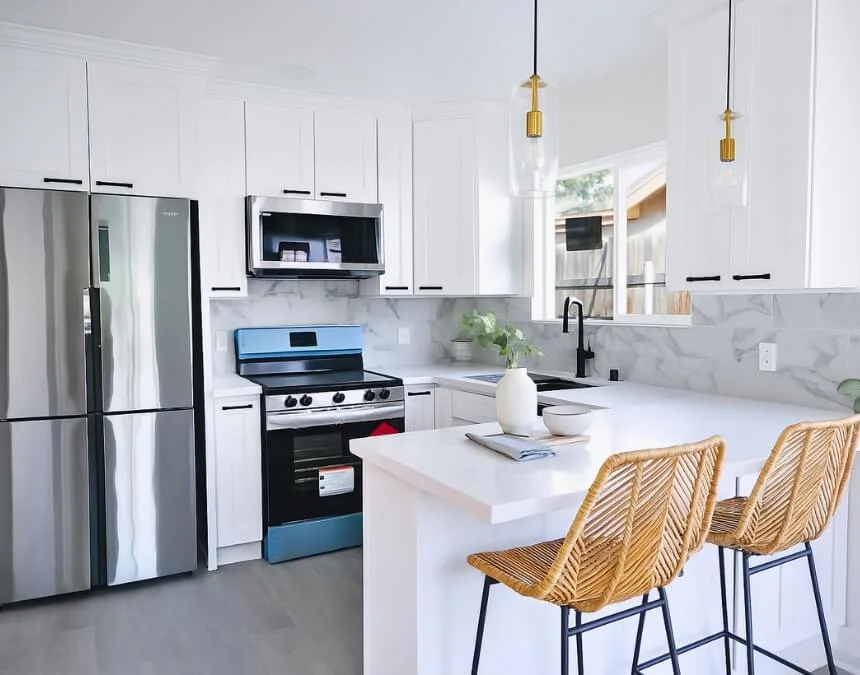
Design for independence. Clear sightlines and appropriately sized doorways can improve mobility and safety for parents who want to age in place.
Which Interior Design Elements Enhance Practicality and Comfort?
Interior features that support practical, comfortable aging in place include:
- Open Floor Plans: Provide adequate circulation and useful sightlines while balancing interaction with privacy.
- Lever-Style Door Handles and Faucets: Simplify operation for people with arthritis or limited grip strength.
- Curbless Walk-In Showers: Reduce threshold barriers and support accessible bathing when properly designed, drained, and equipped.
Future-Proofing Design Elements for Longevity:
- Reinforce appropriate wall locations to support future grab bars and handrails.
- Plan flexible spaces that can accommodate changing health needs, such as converting a bedroom into a caregiving space.
Emotional Benefits of a Well-designed ADU:
- Can reduce isolation and support emotional well-being.
- Creates opportunities for stronger intergenerational relationships and regular family interaction.
What Essential Furniture and Appliances Should Families Include in an ADU?
Senior-friendly furnishings can improve an ADU’s usability, comfort, and independence when selected for the resident’s abilities. Consider these options:
- Adjustable or Electric Recliners: Provide supportive seating and positioning; check stability and safe operation.
- Adjustable-Height Beds: Support easier transfers when matched to the resident’s needs.
- Accessible Appliances: Consider side-opening ovens, easy-to-open refrigerators, front-loading washers and dryers, and microwaves installed within comfortable reach.
Safety and Emergency Equipment for ADUs:
Incorporate key safety systems specifically tailored to aging adults:
- Medical Alert Systems: Offer a way to request help; confirm coverage, monitoring, and response arrangements.
- Motion-Activated Lighting: Illuminates nighttime pathways and can reduce fall risks.
- Slip-Resistant Flooring: Use appropriate surfaces in living areas, with particular attention to bathrooms and kitchens.
Customization and Personalization for Family ADUs
Personalizing an ADU helps it accommodate your family’s needs now and in the future. Adjustable counters, flexible rooms, and privacy-conscious layouts can support aging parents while making family interaction easier. Incorporating universal design principles from the beginning helps create a practical, adaptable home. Pair these choices with regular reassessment so the space continues to support safety and comfort as circumstances change.
How Can Families Tailor an ADU to Best Meet Their Specific Needs?
Customizing your ADU design around your family’s needs supports long-term comfort and practicality. Thoughtful choices can address aging parents’ preferences, accessibility requirements, and household routines while balancing privacy and connection. Discussing these priorities early helps everyone understand how the living arrangement will work.
Key custom design considerations:
- Personalized Accessibility Features: Tailor the ADU to aging parents’ mobility and health needs through adjustable countertops, wheelchair-friendly circulation, and appropriately positioned grab bars.
- Private Yet Connected Spaces: Create layouts with clear separation between the main home and ADU that preserve parents’ privacy while keeping family interaction and support conveniently nearby.
- Flexible Layouts: Include multipurpose rooms or adaptable spaces that can accommodate changes in health, caregiving needs, or household arrangements over time.
What Features Should Families Include to Future-Proof an ADU?
Planning for future needs helps an ADU remain functional, safe, and adaptable as family circumstances change. Universal design principles improve flexibility and usability for people of different ages and abilities, from young children to grandparents.
Essential features to future-proof your ADU include:
- Open Floor Plans: Provide flexible circulation and furniture arrangements that can change as mobility or care needs evolve.
- Reinforced Walls in Key Areas: Plan structural backing for future grab bars, handrails, and appropriate assistive equipment to reduce later renovation work.
- Accessible Control Heights: Position switches, outlets, and thermostats within comfortable reach for intended users and in accordance with applicable requirements.
- Step-Free Entrances and Thresholds: Reduce barriers for walkers, wheelchairs, and strollers while addressing drainage and weather protection.
- Adjustable Storage Solutions: Choose configurable cabinets and closets that can accommodate changing reach, mobility, and storage needs.
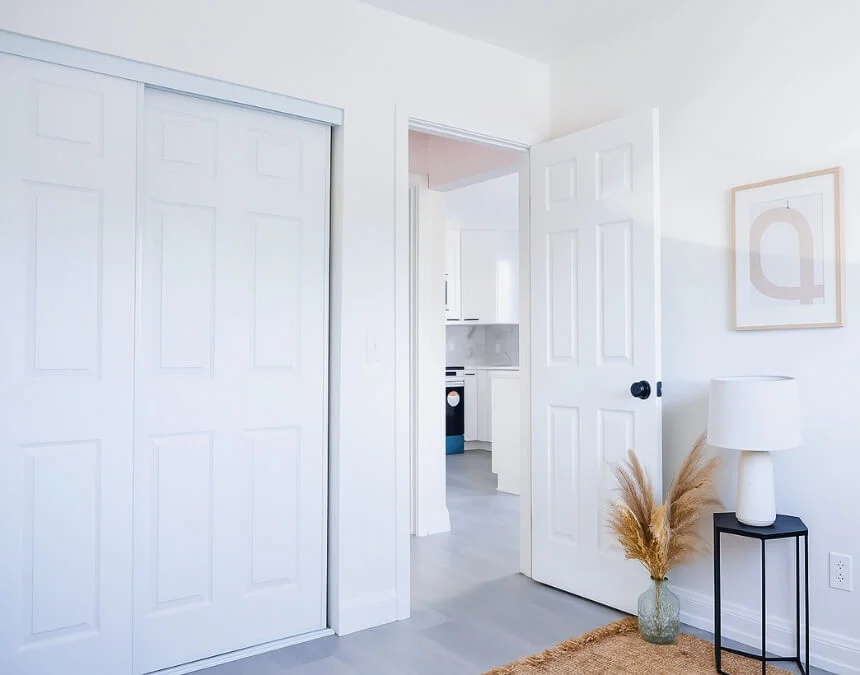
Thoughtful details, such as accessible appliances and intuitive layouts, can simplify daily routines and support the home’s long-term usefulness.
Ongoing Management and Safety Considerations for Family ADUs
What Essential Safety Features Best Protect Families Living in an ADU?
Safety should be a priority in an ADU intended for aging parents or other family members. Thoughtfully selected features can reduce injury risks and provide reassurance when they match residents’ abilities and everyday routines.
Key Safety Features to Include:
- Accessibility Ramps: Design stable, slip-resistant routes with appropriate slopes and landings for family members who use mobility aids.
- Grab Bars and Handrails: Install properly anchored supports in bathrooms and other locations where additional stability is needed.
- Security Systems and Motion Lighting: Consider alarms, video doorbells, and automatic lighting to improve awareness and nighttime visibility.
- Slip-Resistant Flooring and Surfaces: Select suitable materials to reduce slipping, particularly in wet areas such as bathrooms and kitchens.
Regular Safety and Accessibility Audits:
Conduct home safety checks twice a year and whenever a resident’s needs change. Regular reviews can identify hazards, maintenance issues, and accessibility concerns so families can make timely improvements.
How Can Families Simplify the Ongoing Management of an ADU?
Compared with separate senior housing, an ADU for aging parents can simplify some aspects of property management. Clear arrangements for maintenance, services, and support help both households understand what nearby living does and does not provide.
Why ADUs Simplify Management Compared to Separate Senior Housing:
- Close Proximity: Makes daily support, maintenance coordination, and emergency assistance easier to organize.
- Potentially Simpler Services: Ask the serving utilities about shared connections, separate meters, billing, capacity, and fees before assuming savings.
- Personalized Oversight: Families can coordinate care, services, and modifications directly while arranging professional help when needed.
Clarifying Roles and Financial Responsibilities:
Clearly define each family member’s responsibilities and financial obligations to reduce misunderstandings and support a harmonious living arrangement.
- Agree in advance on utility payments, maintenance duties, and unexpected expenses.
- Document roles, payment arrangements, and review procedures so expectations remain clear as circumstances change.
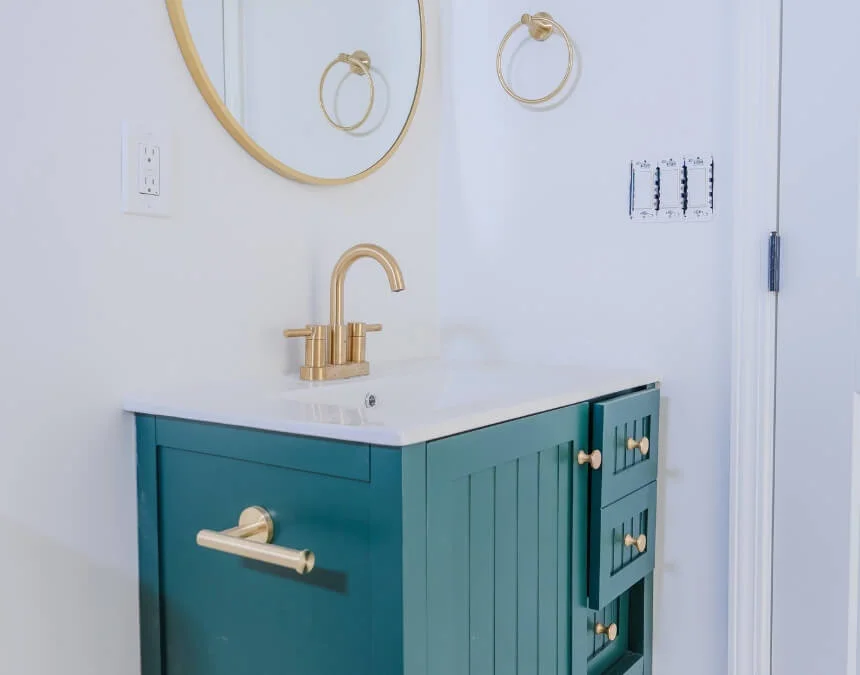
Designing for dignity starts with the details. Choose features that balance accessibility, appearance, and lasting everyday functionality.
FAQs
An ADU may allow an independent home on your parents’ property, while a JADU has different size, location, and facility requirements. Other housing pathways may also apply; subdivision is not always required for an additional dwelling. Start with the March 2026 California ADU Handbook and current state law, then confirm options with the relevant planning authority. Los Angeles, Diamond Bar, and Pomona have separate review processes.
A guest house is not necessarily an ADU. Its permitted facilities, occupancy, and rental use depend on the approved classification and applicable local rules, not simply whether it has a separate utility meter. For independent living and potential rental use, ask the relevant planning authority whether an ADU is the appropriate option.
Confirm whether the property falls within the City of Los Angeles, unincorporated Los Angeles County, or another municipality. State law generally limits required side and rear setbacks for qualifying new ADUs to 4 feet, with exceptions for certain existing structures. JADUs follow different placement rules. Verify corner-lot conditions, easements, and applicable setbacks with the responsible authority.
Yes, financing may be available for an ADU on your parents’ property through a HELOC, construction or renovation loan, or cash-out refinance, depending on equity and lender requirements. Your parents’ consent, existing mortgage terms, and the proposed collateral matter. A child may also use financing secured by their own assets. Being on the parents’ title does not automatically qualify a child for a HELOC, and borrowing does not itself establish ownership. Review the arrangement with a lender and attorney before committing funds.
Preparing a home for an aging parent requires planning for accessibility, safety, care, and maintenance. Assess bathroom access, entry routes, lighting, and mobility needs rather than assuming every home requires a ramp. Establish clear maintenance and support arrangements. Before construction, confirm applicable zoning and building requirements with the responsible authority, and consult appropriate care professionals or an occupational therapist to tailor the home to your parent’s needs.
Building an ADU for Family
Building an ADU on your own or your parents’ property can support long-term family housing goals, financial planning, and quality of life. A thoughtfully designed unit offers aging parents greater privacy and nearby support while encouraging family connections. It may also improve property value, although financial outcomes depend on project costs and market conditions.
To support these goals, compare financing options such as HELOCs and documented family gifts, engage qualified design and construction professionals, and prioritize safety, accessibility, and adaptability. Clear ownership agreements, realistic care arrangements, and coordinated estate planning can reduce uncertainty and help preserve positive family relationships.
With careful planning and qualified advice, families can evaluate whether an ADU offers a practical, affordable, and personally rewarding housing solution. The best approach balances independence, family support, financial responsibilities, and the flexibility to respond as needs change.
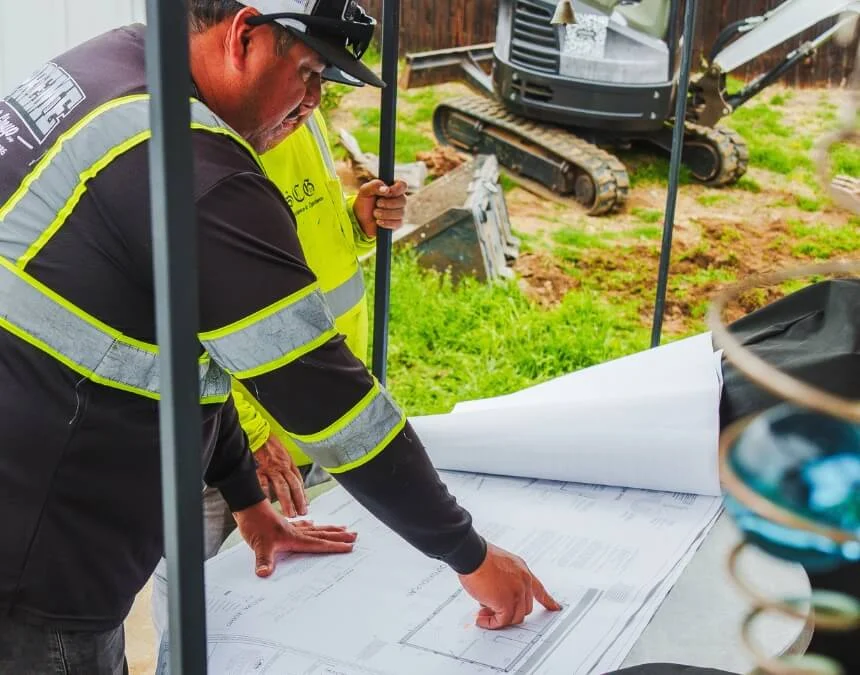
Start with a comprehensive feasibility study. Early site review can identify constraints, reduce avoidable delays, and align the project with family needs.