


TLDR
- Construction costs depend on ADU type, location, site conditions, and scope; obtain itemized estimates.
- Property value gains depend on comparable sales and a project-specific appraisal.
- Estimate rental income using comparable, legally rentable local units.
- Calculate payback using total costs and net rental income.
- Strong rental demand can support returns, but no outcome is guaranteed.
Impact-fee threshold note: Under the March 2026 California HCD ADU Handbook, the statewide development-impact-fee exemption includes ADUs with 750 sq ft of interior livable space or less. Above 750 sq ft, applicable impact fees must be proportional. School, utility, plan-check and permit charges follow separate rules.
What is the Return on Investment (ROI) for an ADU in 2026?
Adding an accessory dwelling unit (ADU) can deliver strong financial benefits through increased property value, rental income, and long-term appreciation. Review According to the FHFA for the reported 2023 median appraised values of $1,064,000 for properties with ADUs and $715,000 for those without. Verify the geographic scope of the reported 9.34% annualized growth from 2013 to 2023 before applying it to a California property.
Adding an ADU can increase your home’s value, but the outcome depends on your property and market. To decide what works best for your circumstances, use a clearly defined ROI formula and recognize that some published figures combine multiple factors in ways that can overstate the investment’s performance.
ROI = ((Property Value Increase − Cost) ÷ Cost) × 100%
This measures net value gain relative to project cost, excluding rental income. Track annual rental performance separately using cash-on-cash return.
Blended ROI, combining value gain and first-year gross rent, offers a broader snapshot but is not the industry-standard ROI. It also excludes operating expenses and financing costs. Combining these measures without clear distinctions can make an investment appear more profitable than it actually is.
ROI by ADU Type in Los Angeles
Los Angeles housing demand can make ADUs attractive, but the best option depends on your property, budget, and goals:
- Detached ADUs: Greater separation and design flexibility, potentially supporting long-term equity growth, but often requiring substantial upfront investment.
- JADUs and Garage Conversions: Reuse existing space and may reduce costs, depending on structural conditions, code requirements, and the scope of necessary upgrades.
The table below shows:
- Project-specific cost ranges supported by current, itemized local estimates
- Estimated property value increases supported by comparable sales
- Value-only ROI and blended ROI, including first-year rent, with clearly stated assumptions
- Cash-on-cash return and payback period based on net income
Los Angeles Reality Check
Local builders report should be checked against current, itemized estimates for a 750-1,200 sqft detached ADU in unincorporated Los Angeles County. Confirm requirements with the county rather than the city. Smaller attached or conversion ADUs may cost less, but site conditions, utility upgrades, and permitting can substantially increase the total budget.
Key Takeaways
- Value-only ROI may be lower than marketing claims suggest, particularly for cost-intensive new construction.
- Blended ROI adds rental income but requires clear disclosure of expenses and the measurement period.
- Cash-on-cash return measures annual pre-tax cash flow against cash invested.
- Payback estimates how long net rental income takes to recover the investment, subject to changing income and expenses.
(Sources: Angi, Great Buildz, Cottage)
| ADU Type | Build Cost Planning (Los Angeles) | Home Value Increase | ROI (Value Only) | Blended ROI (Value + Rent) | Monthly Rent | Annual Rent | Cash-on-Cash Return | Payback Period |
|---|---|---|---|---|---|---|---|---|
| Detached ADU | Price site work and new construction | Obtain a project-specific appraisal | Net value gain ÷ total cost | Include net rent over a defined term | Check comparable detached rentals | Monthly rent × 12, less vacancy | Annual pretax cash flow ÷ cash invested | Cash invested ÷ annual net cash flow |
| Attached ADU | Include structural and connection work | Assess layout and privacy effects | Net value gain ÷ total cost | Include net rent over a defined term | Compare similar attached units | Monthly rent × 12, less vacancy | Annual pretax cash flow ÷ cash invested | Cash invested ÷ annual net cash flow |
| Internal/Conversion | Assess existing space and utility needs | Appraise the permitted conversion | Net value gain ÷ total cost | Include net rent over a defined term | Check comparable converted units | Monthly rent × 12, less vacancy | Annual pretax cash flow ÷ cash invested | Cash invested ÷ annual net cash flow |
| Garage Conversion | Inspect slab, framing, and utilities | Consider lost parking and added space | Net value gain ÷ total cost | Include net rent over a defined term | Compare similar garage conversions | Monthly rent × 12, less vacancy | Annual pretax cash flow ÷ cash invested | Cash invested ÷ annual net cash flow |
| JADU | Scope interior work and shared systems | Assess permitted use and shared access | Net value gain ÷ total cost | Include net rent over a defined term | Compare units with similar amenities | Monthly rent × 12, less vacancy | Annual pretax cash flow ÷ cash invested | Cash invested ÷ annual net cash flow |
Which type of ADU is most worth it to build?
When comparing accessory dwelling units (ADUs), homeowners should consider both the total value added and the return on investment (ROI). Detached ADUs may add substantial usable space and resale value, while junior ADUs (JADUs) and garage conversions may offer lower entry costs. The strongest option depends on site conditions, local demand, and project scope.
Detached ADU, The Equity Powerhouse
Detached ADUs can add substantial property value, particularly where buyers value privacy and additional living space. In Los Angeles, assess neighborhood comparable sales rather than assuming the largest increase. Consider them for:
- Substantial additional living space, such as 800-1,200 sq ft, where permitted.
- Greater separation and independence for occupants.
- Rental potential supported by comparable local listings and realistic operating expenses.
Best for: Maximum property value boost, long-term equity strategy.
Attached ADU, The Space Saver
An attached ADU offers many features of a detached unit and may share some infrastructure, potentially reducing costs. Consider this option for:
- Budgets supported by detailed estimates for structural work and utility connections
- Properties with limited usable yard space
- Balancing rental income with family use or multigenerational living
Best for: Flexible use, balanced cost and value.
Internal Conversion, The Hidden Asset
Converting a basement, attic, or other interior space can add useful housing without expanding your home’s footprint, provided the space meets applicable residential requirements.
- Reuses existing square footage while preserving outdoor space
- May reduce costs, depending on structural, safety, and utility upgrades
- Suits constrained sites when the existing space can meet applicable housing requirements
Best for: Reusing suitable interior space, preserving yard area, and controlling costs when required upgrades are manageable.
Garage Conversion, The Cost-to-Value Champion
Garage conversions can transform existing structures into rental housing while limiting new construction. Approval requirements and build times depend on the structure’s condition and project scope. Consider them when:
- Your budget covers structural, foundation, utility, and code upgrades
- You want rental income while reusing an existing building
- Timing matters, and the permitting authority and contractor can confirm a realistic schedule
- Local rent comparisons and a project-specific financial analysis support the investment (ELMNTL)
Best for: Reusing suitable structures, preserving outdoor space, and potentially reducing construction costs and site disruption.
Junior ADU (JADU), The ROI Sprinter
JADUs are compact units of up to 500 sq ft created within qualifying single-family residential space. Construction needs depend on existing conditions, required facilities, and applicable rules. Lower project costs may support faster payback, but this requires an individual financial assessment.
-
Potentially lower upfront investment through reuse of qualifying space
-
Rental income assessed against comparable small units and applicable restrictions
-
Suitability determined by current JADU eligibility, size, occupancy, and local requirements
-
Compare the full conversion cost with projected net income rather than assuming a fixed low budget or average ROI (Neighbor).
Best for: Reusing qualifying space with a potentially smaller budget, subject to occupancy requirements and realistic payback expectations.
Key Factors Determining ADU Value Addition
Several important factors influence how much value an ADU may add to your property:
- Housing demand in markets such as Los Angeles and San Francisco can support ADU value, but neighborhood comparable sales matter most (HapiHomes).
- A functional 600-800 sq ft layout may suit some properties; assess size against local demand and permitted options.
- High-quality finishes can improve appeal, but their added cost may not translate directly into resale value.
- Privacy and separation can strengthen rental and buyer appeal.
- Proper permits and completion records support appraisal and resale, without guaranteeing maximum value.
- Rental income may inform an appraisal, depending on the valuation method and available market evidence.
Bottom Line
- For additional independent space and potential value growth, consider a detached ADU.
- For potentially lower entry costs, evaluate a JADU or garage conversion.
- For integrated functionality and flexible use, compare attached ADUs and internal conversions.
What You Need to Know About Building an ADU
Before comparing costs and benefits, it helps to understand building an ADU on your property. An ADU provides complete independent living facilities on a property with a primary residence, including eligible multifamily properties. Units may be attached or detached Granny Flats, or created by converting suitable existing spaces such as garages or basements.
How much does an ADU cost to build?
The cost to build an ADU in California varies considerably with location, size, construction method, materials, and site conditions. These factors are especially important in markets such as Los Angeles and the Bay Area. For a current budget, obtain itemized estimates for your specific ADU type, including design, permits, utility work, construction, and contingency.
Compare project costs, square footage, and permit fees by ADU by category using current, site-specific estimates:
Detached ADUs
Detached ADUs are standalone structures separate from the main house. They offer privacy, independent living facilities, and design flexibility, but typically require substantial infrastructure. Budget for foundations, plumbing, electrical service, and HVAC systems, along with any necessary utility connections and site work.
- Total Cost: Obtain a complete project estimate
- Construction Cost Range: Compare itemized bids for the same scope
- Cost per Sq Ft: Confirm included and excluded expenses
- Size Range: Evaluate 400-1,200 sq ft options against applicable rules
- Permit Fees: Request a current agency estimate
For locations identified in Los Angeles, confirm detached ADU costs through current, comparable contractor proposals. Compare a 500 sq ft unit with a 1,200 sq ft option using the same specifications, including site work, utilities, design, and permit fees. Verify the date and scope of any published estimate before relying on it. (Source: Better Together Builder)
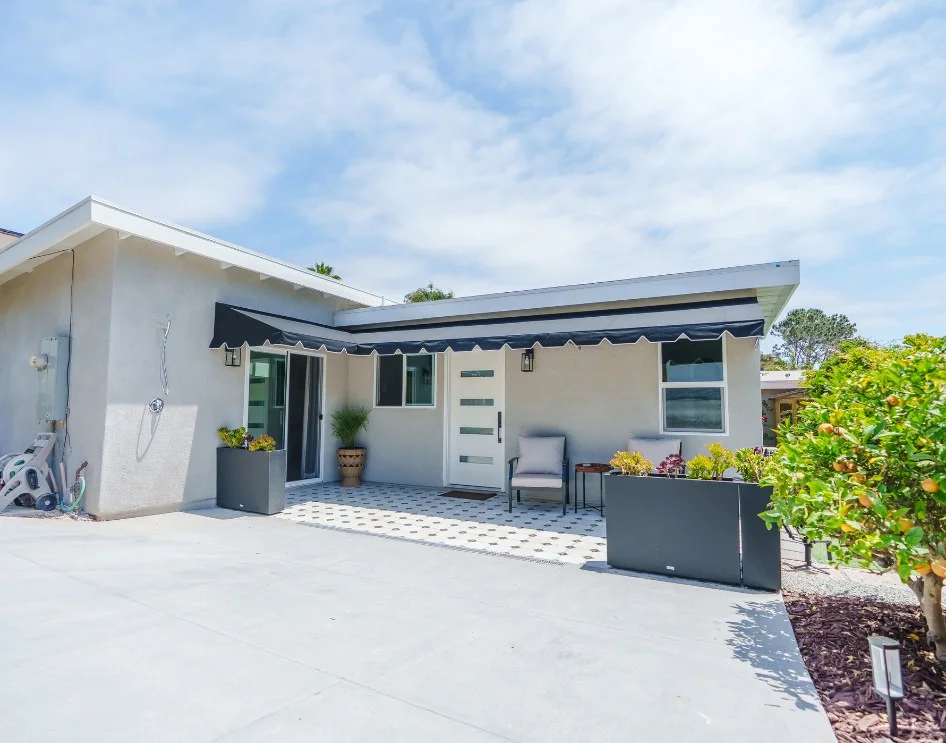
Detached ADUs offer privacy and independent living space, making them worth evaluating for long-term ownership and rental use.
Attached ADUs
Attached ADUs are newly constructed units connected to the primary home, often through a shared wall. They require independent living facilities, including a kitchen, bathroom, and entrance. Existing utility connections or structural elements may reduce costs, but their suitability and capacity require professional review.
- Total Cost: Obtain a project-specific estimate
- Construction Cost Range: Include connections and structural modifications
- Cost per Sq Ft: Compare bids with consistent specifications
- Size Range: Evaluate 300-800 sq ft layouts against applicable rules
- Permit Fees: Confirm with the permitting authority
Attached ADUs can balance functionality and cost, but savings depend on structural connections, utility capacity, and finishes. Confirm whether quoted prices use square foot and what those prices include. Review current proposals rather than applying a general range to every property. (Source: Angi)
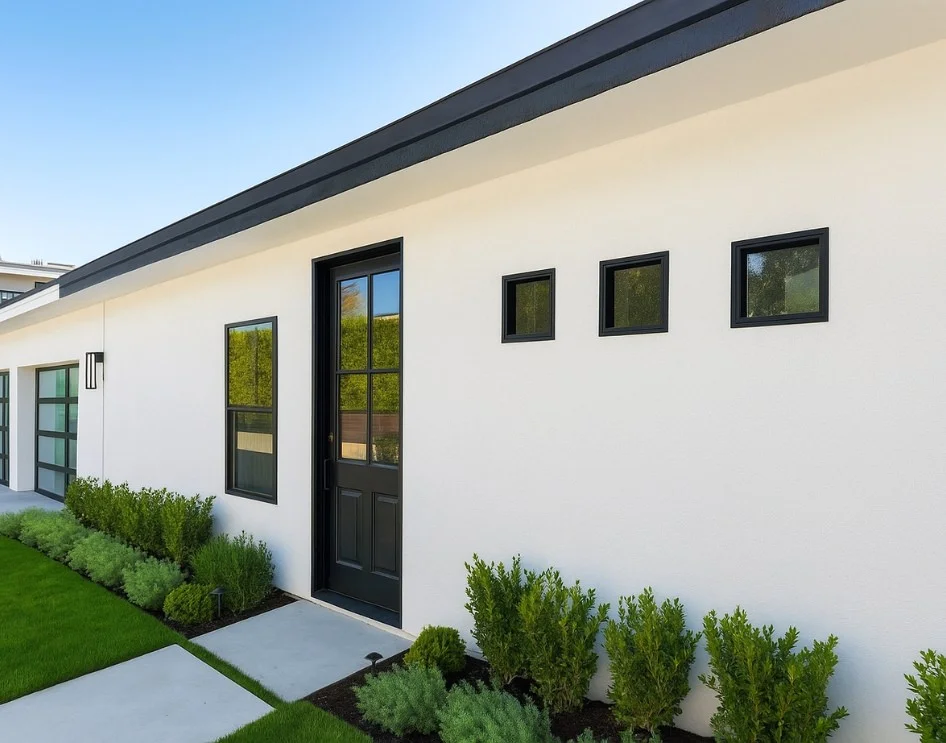
Attached ADUs can combine convenient access with independent living, subject to structural requirements, utility capacity, and project costs.
Garage Conversion ADUs
Garage conversions can be a cost-conscious way to create housing by reusing existing space. Retaining the structure and slab may reduce construction work, but only if they meet applicable requirements. Foundation repairs, moisture protection, insulation, and utility upgrades can significantly affect the budget.
- Total Cost: Obtain an assessment-based estimate
- Construction Cost Range: Include required structural and utility upgrades
- Cost per Sq Ft: Account for conversion-specific work
- Size Range: Assess 240-800 sq ft spaces for suitability
- Permit Fees: Verify current local charges
Compare a one-car garage conversion with a detached two-car conversion through separate estimates. Structural repairs, foundation upgrades, utilities, and finish selections can materially change either budget, so published starting prices should not replace a site assessment. (Sources: DYM Builders, Angi, ADU West Coast))
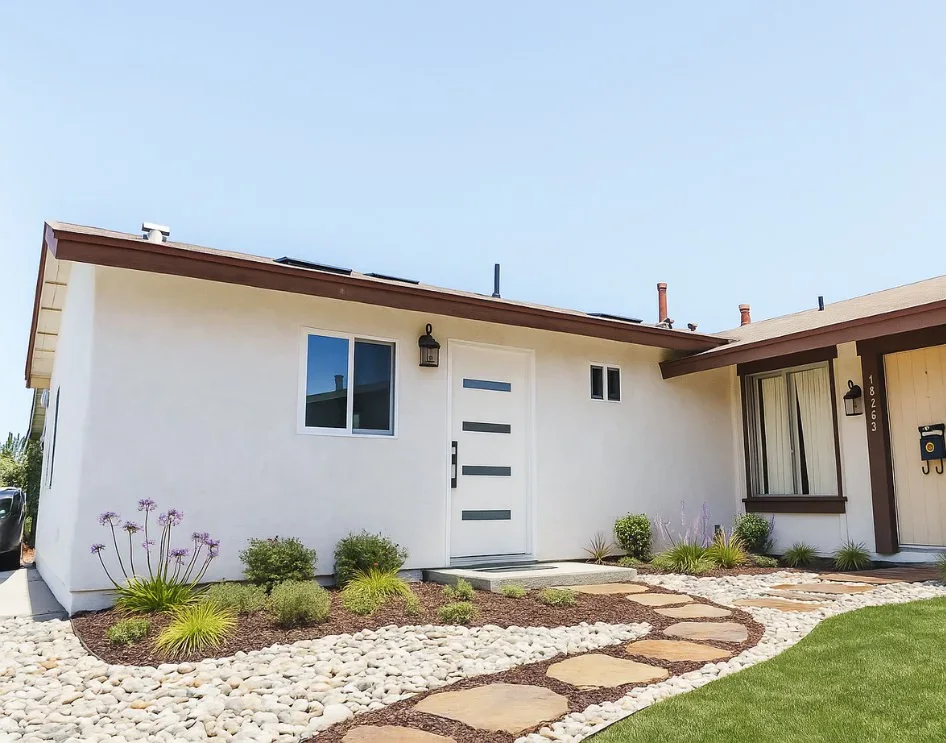
Garage conversions can create rental housing economically when existing structures and infrastructure are suitable for residential use.
Junior ADUs (JADUs)
JADUs are units of up to 500 sq ft created within qualifying single-family residential space, including eligible attached garages. They require an efficiency kitchen and may share a bathroom with the main residence. Separate entrances, owner-occupancy requirements, and other applicable rules should be reviewed before estimating construction or utility savings.
- Total Cost: Obtain a scope-specific estimate
- Construction Cost Range: Include required facilities and safety upgrades
- Cost per Sq Ft: Compare equivalent conversion scopes
- Size Limit: Up to 500 sq ft, subject to applicable requirements
- Permit Fees: Confirm current local charges
Basic JADU conversions and more extensive renovations can have very different budgets. Request estimates covering the efficiency kitchen, insulation, electrical work, bathroom arrangements, and required safety upgrades before comparing published low-cost examples with your own project. (Source: Jean Prescott Studio)
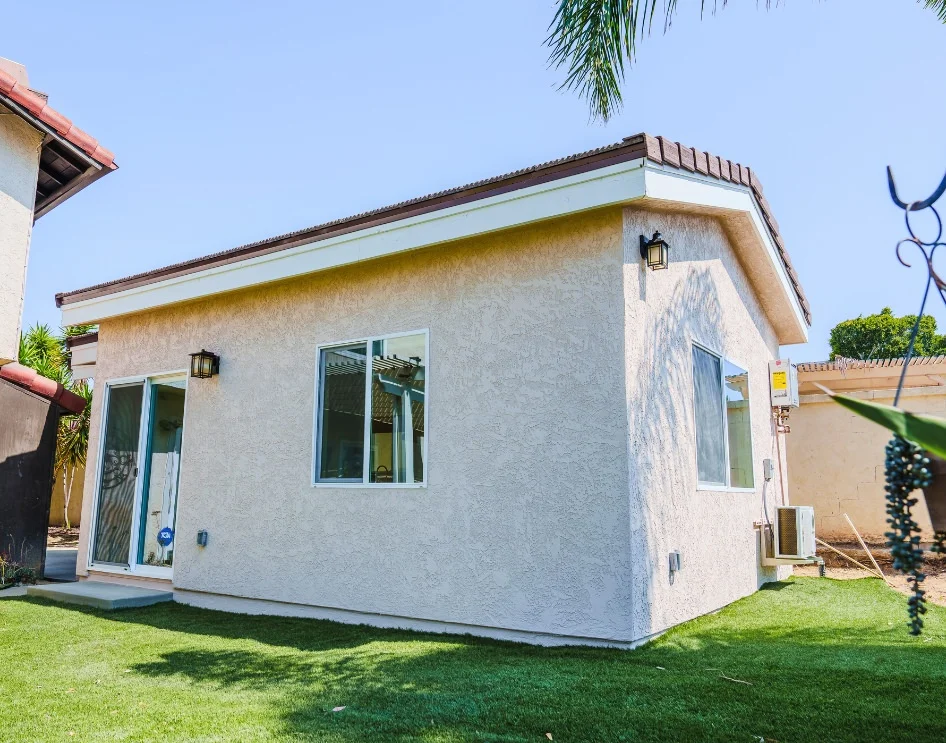
JADUs may offer a lower-cost way to add housing within qualifying space, subject to occupancy rules and project-specific financial analysis.
Regional Cost Variations Across California
Location is a major factor in cost drivers for ADU construction. Compare regional detached ADU estimates using consistent specifications, and verify local requirements with the responsible permitting authority. (Source: Angi)
| Region | Detached ADU Cost Planning | Comparison With CA Average |
|---|---|---|
| San Francisco Bay Area | Obtain site-specific construction bids | Compare equivalent scope and date |
| Los Angeles | Price site work, utilities, and construction | Use current, like-for-like estimates |
| Los Angeles | Assess access, grading, and structural needs | Confirm a consistent cost basis |
| Nearby cities | Verify jurisdiction-specific project costs | Compare matching project scopes |
| Sacramento | Obtain current bids for the proposed design | Do not assume a statewide baseline |
| Central Valley | Price local labor, materials, and site work | Verify differences with current bids |
What Impacts the Cost of Building an ADU?
Several factors influence the total cost of building an ADU, each affecting the budget and planning process differently. Review the following elements before comparing estimates or choosing a construction approach:
Size and Economies of Scale
ADU size affects both total cost and per-square-foot pricing. Larger units generally require more materials and labor, increasing overall expenditure. However, fixed expenses such as design, kitchens, and utility connections may be spread across more space, sometimes lowering the cost per square foot.
- Smaller Units (200-500 sq ft): Assess fixed costs and required facilities carefully
- Larger Units (1,000+ sq ft): Compare total costs, potential scale efficiencies, and site requirements
For example, compare a 1,200 sq ft ADU with a 500 sq ft unit using itemized estimates. The smaller unit may cost less overall but more per square foot because kitchens, bathrooms, utilities, and design costs do not shrink proportionately. (Source: CA ADU Experts)
Location and Regions
Your ADU’s location affects labor rates, material costs, and local requirements. For a Los Angeles project, obtain current construction estimates and confirm fees and review procedures with the responsible permitting agency. Verify whether the property falls within the city, unincorporated county, or another municipality, and avoid treating a published permit timeline as guaranteed. (Source: Jean Prescott Studio)
Custom Design and Professional Fees
Custom design and complex architecture can substantially affect project budgets. Published benchmarks may place architectural services at 10-15% of total costs, with fees of $5,000 to over $30,000 and hourly rates of $100-$250 for architects or $50-$150 for designers. Confirm current proposals, professional qualifications, included services, and whether engineering is priced separately. (Source: CAD Crowd)
Material Selection
Premium materials can substantially increase an ADU’s final budget. Granite countertops, hardwood flooring, and custom cabinetry may cost considerably more than standard alternatives, but a claimed 20-30% increase should be checked against the actual specifications. Compare priced finish schedules to understand the trade-offs and keep spending aligned with your priorities. (Source: Construct Estimates)
Labor Costs
Labor can account for a substantial share of ADU construction costs, with published estimates sometimes citing 40-60%. Skilled-trade availability, scheduling, and project complexity affect pricing. Prevailing-wage requirements do not automatically apply to every private ADU project. Clarify whether contractor overhead and profit, sometimes quoted at 10-20%, are already included to avoid double-counting. (Source: Construct Estimates)
Site Conditions
Existing property conditions influence the complexity and cost of an ADU project. Lot slope, excavation, foundation requirements, utility availability, and construction access can all increase expenses. Assess these conditions early so estimates reflect the work your site actually requires.
Permits, Impact Fees, and Regulations
Permit and impact fees vary by project and jurisdiction. Consult the March 2026 California ADU Handbook and current state law for the impact-fee exemption applicable to ADUs 750 square feet or less and proportionality rules for larger units. For Los Angeles, request an itemized fee estimate from the responsible agency rather than assuming a universal per-square-foot charge. Distinguish impact fees from plan-check, permit, school, and utility charges, which may follow different rules. (Source: Autonomous)
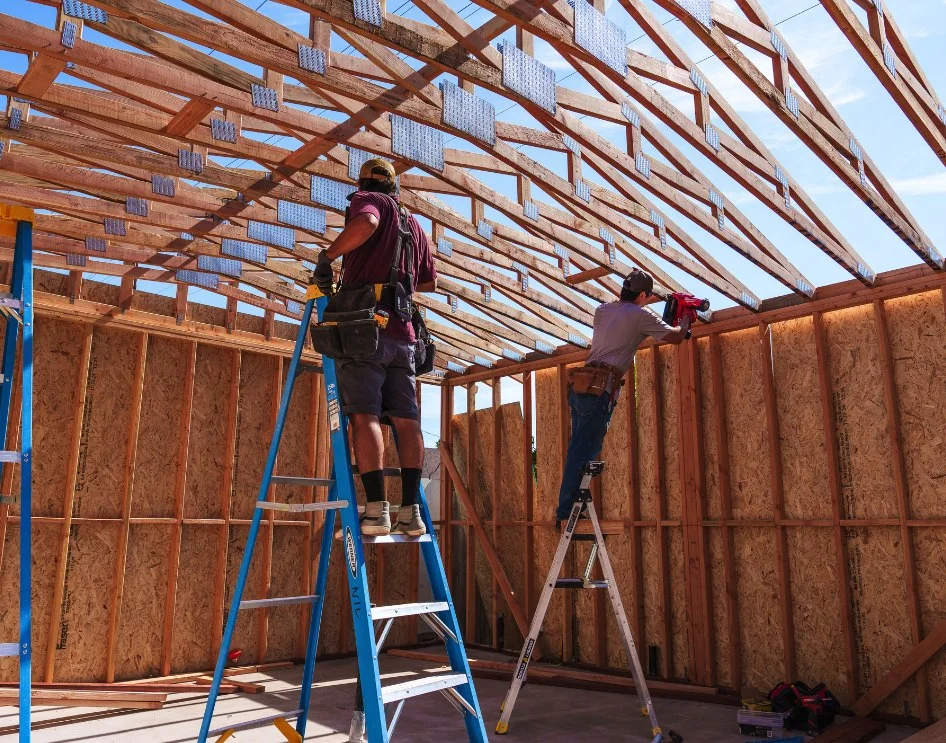
Site conditions and skilled labor strongly influence ADU construction costs, so assess both carefully when preparing your budget.
Why ADUs are increasingly popular?
ADUs have grown in popularity in California and elsewhere because they provide flexible housing and can help address housing shortages. Legislative reforms have simplified some approvals and reduced certain barriers. However, eligibility, fees, and required reviews still depend on current law and the circumstances of each property.
Review the statewide permit and completion data in Cato Institute before citing growth figures. Confirm the reported 61% increase in permits between 2020 and 2021, the 88% increase between 2019 and 2022, and the rise in completed units from 5,852 to 17,460 over that period. Distinguish permits from completed homes and statewide trends from local activity. These figures can illustrate housing production, but they do not establish a particular project’s ROI, rental performance, or construction feasibility.
Easy Solution to the Housing Crisis
Housing shortages are a major reason for interest in ADUs, which can add homes within existing developed neighborhoods. National shortage estimates of approximately 6 to 7.3 million homes vary by source and methodology. Likewise, verify the reported claim that ADUs represented 20% of California’s new home construction in 2023, twice their 2020 share, including whether the measure concerns permits or completions. (Source: New Frameworks)
Streamlined Permitting and Reduced Regulatory Barriers
Legislative changes have reduced some barriers to ADU development. Homeowners should review current state law and local procedures in the following areas:
- Approval Timelines: Qualifying complete applications may be subject to a 60-day review requirement, with separate rules for qualifying preapproved plans. Confirm eligibility, completeness, and applicable exceptions with the agency. (Source: Perpetual Homes)
- Ministerial Review: Qualifying ADUs receive nondiscretionary review without a public hearing, but must still meet applicable objective standards.
- Fees and Development Standards: Review the impact-fee exemption for ADUs 750 square feet or less, proportional fees for larger units, applicable parking requirements exemptions, 4-foot side and rear setback provisions, and limits on minimum lot-size requirements. Each provision has conditions that require project-specific review.
Income Generation and Financial Benefits
Building an ADU can create financial opportunities. Renting the unit may help offset construction and financing costs and support long-term income. However, profitability depends on achievable rent, vacancy, operating expenses, taxes, insurance, and financing terms. Evaluate these factors together before relying on rental income to improve household financial stability.
Flexibility and Multi-Use Adaptability
ADUs offer flexible housing that can adapt to changing family needs. They may accommodate guests, multigenerational households, or tenants, and can include workspace when consistent with applicable requirements. This versatility can support long-term usefulness, although rental restrictions and the unit’s approved residential use still matter.
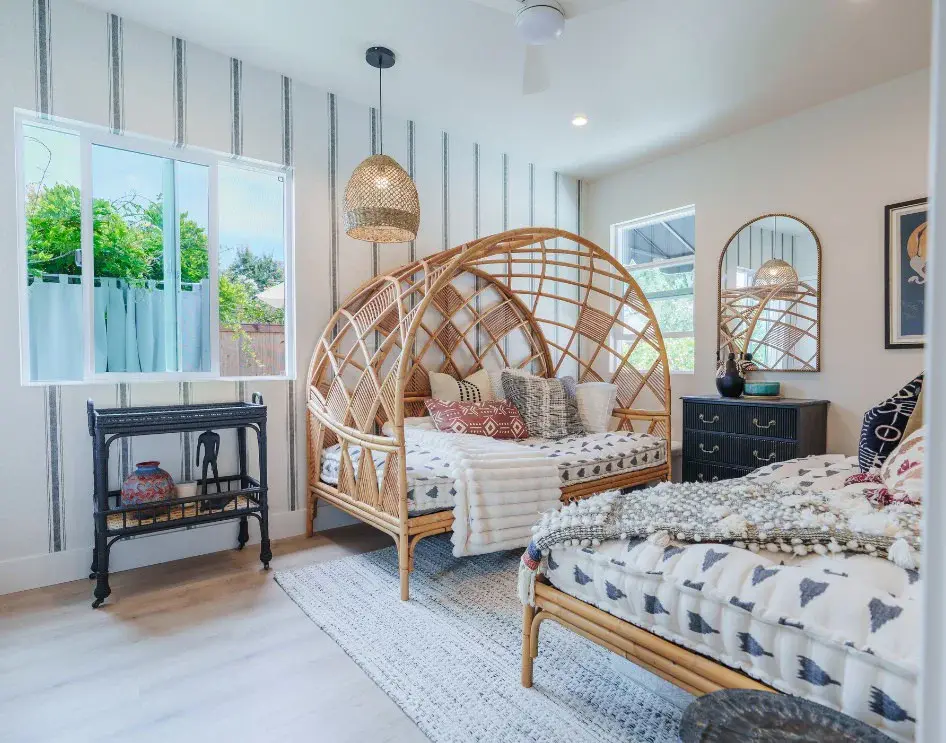
ADUs can expand housing options, offering flexible living arrangements and potential financial benefits under applicable development rules.
How much does an ADU increase property value?
Building an accessory dwelling unit (ADU) can increase your property’s value, but the amount is not guaranteed. Construction quality, location, neighborhood comparable sales, housing-market conditions, and buyer demand all influence the outcome. Compare expected added value with the full project cost before treating the investment as financially beneficial.
National Average Value Increase
Published claims of 20-35% value increases should be checked for geographic scope, methodology, and comparability before being applied to your property (Source: ELMNTL). Likewise, verify any attribution to the National Association of Realtors concerning a 35% sale-price premium. A difference between homes with and without ADUs does not necessarily measure the value created by adding one.
Regional Variations in California
An ADU’s contribution to property value varies across California markets. Evaluate each location using evidence relevant to the specific property:
- California overall: Use statewide research for context, not as a guaranteed percentage increase for an individual home.
- Los Angeles: Ask a qualified appraiser to assess nearby permitted ADU sales, unit quality, lot characteristics, and buyer demand.
- Bay Area: Rely on local comparable sales and appraisal evidence rather than transferring a percentage from projects in another metropolitan market.
(Source: Waymaker Realty Advisors)
Appraisal Insights
An appraiser can evaluate an ADU’s contribution to property value without assuming a universal 10-20% increase. Location, permitted status, quality, and comparable sales all matter. If relying on commentary attributed to San Gabriel appraiser Jun Ho Lee, verify the original source and context (LA Times). Limited sales of comparable properties with legally permitted ADUs can make valuation more difficult and require additional analysis.
Superior Market Performance
Properties with ADUs may appeal to a wider range of buyers, but market performance should be evaluated through local evidence:
- Sales Timing: Review comparable local listings and completed sales rather than assuming an ADU will produce a 26% faster sale or shorten the process by a month.
- Broader Appeal: Independent living space may attract investors, multigenerational households, and buyers seeking adaptable accommodation or workspace.
(Source: Waymaker Realty Advisors)
Strong Return on Investment (ROI)
Properties with ADUs often deliver substantial returns:
- Calculate value-only ROI from an appraiser-supported value estimate and the complete project cost.
- Estimate annual rental returns using net income after vacancy, operating costs, and applicable debt payments.
- Verify the scope and methodology behind reported appreciation rates of 9.3% for ADU properties and 7.7% for other properties before using them in projections (Angi).
Increasing Recognition and Standardization
As ADUs become more common, appraisers may have more comparable properties to consider. Federal Housing Finance Agency (FHFA) research on median appraised values can provide useful context, but differences between property groups do not prove that an ADU alone caused the increase. Review the study’s geography, period, and methodology before applying its findings locally (FHFA).
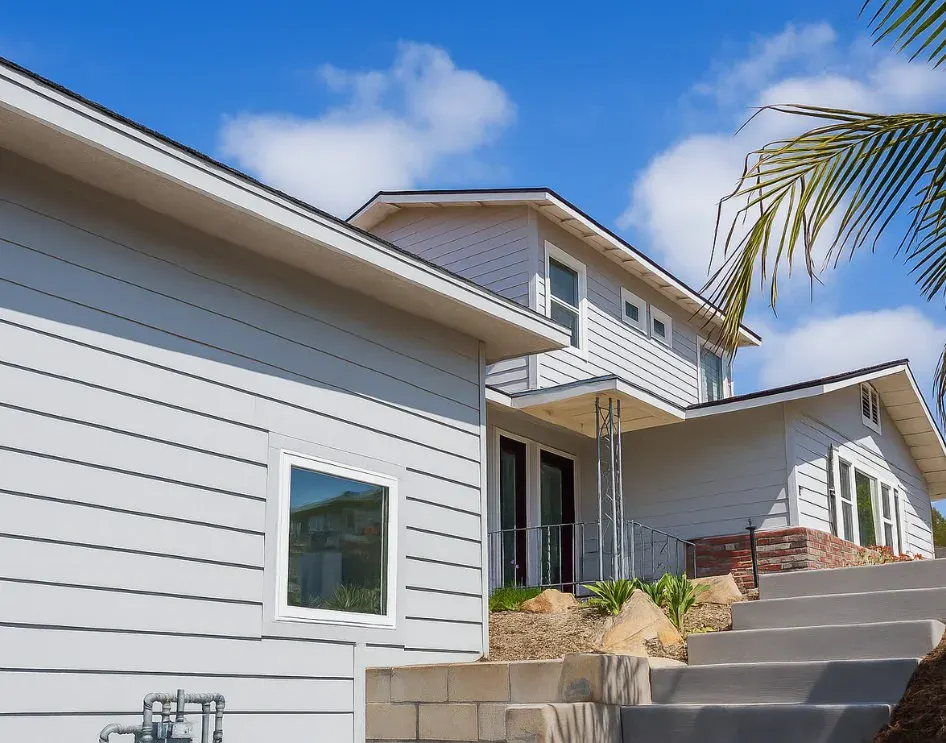
Well-designed, permitted ADUs can support property value and appeal to buyers and tenants seeking independent, adaptable living space.
Analyzing the ROI by ADU Type
Detached ADUs - High Investment, Substantial Returns
Detached ADUs often require substantial upfront investment because they need new structures and supporting infrastructure. Their privacy and independent layout may support rental demand, but neither a fixed value increase nor a standard monthly rent should be assumed. Obtain a project-specific appraisal and local rent comparisons, then calculate value-only ROI, cash-on-cash return, and payback using complete costs, operating expenses, vacancy, and financing assumptions.
Attached ADUs - Balanced Option
Attached ADUs offer independent living space connected to the main home and may reduce some construction costs. Their financial performance depends on structural work, utility capacity, layout, privacy, and neighborhood demand. Compare itemized estimates with appraiser-supported value gains and realistic net rental income before calculating ROI or a projected payback period.
Internal/Conversion ADUs - Cost-Effective Solution
Internal conversions reuse existing space and may reduce construction costs when structural conditions and utilities are suitable. Required safety, access, and habitability upgrades can still be substantial. Estimate rental income from comparable units and calculate ROI and payback using the full conversion cost and expected net cash flow.
Garage Conversion ADUs - Excellent Value
Garage conversions may combine lower construction costs with rental potential when the existing structure is suitable. Foundation repairs, insulation, utilities, and code compliance can materially change the budget. Rather than relying on standard ROI or cash-on-cash percentages, compare current contractor estimates with local rental evidence and calculate payback after vacancy, maintenance, insurance, taxes, and financing costs.
Junior ADUs (JADUs) - Highest ROI Potential
JADUs may require less construction than new detached units, but they do not automatically deliver the highest returns or shortest payback. Costs depend on existing conditions, kitchen and bathroom arrangements, safety upgrades, and applicable requirements. Compare achievable rent with the complete project cost and ongoing expenses. Review owner-occupancy and rental restrictions before treating a JADU as an entry-level investment, especially if your plans depend on future changes in how the property is occupied.
(Sources: Neighbor, ELMNTL, LoopNet, Aggregate Construction Group)
Additional Factors Influencing ADU ROI
- Understanding neighborhood housing demand and rental trends can strengthen your ADU’s ROI analysis.
- Reported appreciation rates of 9.3% for ADU properties and 7.7% for properties without ADUs require source verification and should not be treated as forecasts (Angi).
- Explore current financing, incentives, and public programs, confirming eligibility, availability, repayment obligations, and total borrowing costs before assuming savings.
Annual Rental Income Overview
Annual rental income varies varies by ADU type, location, size, and condition, affecting projected returns and cash flow:
- Detached ADUs: Estimate annual rent from comparable independent units
- Attached ADUs: Account for size, privacy, and access
- Internal/Garage Conversion ADUs: Compare similar permitted rental spaces
- JADUs: Assess compact-unit rents and applicable rental restrictions
Detached and attached ADUs may command higher total rents, while lower-cost conversions or JADUs may perform well relative to the cash invested. Neither outcome is automatic. Compare net income, financing, restrictions, and complete project costs before prioritizing any type for immediate cash flow.
(Source: GatherADU)
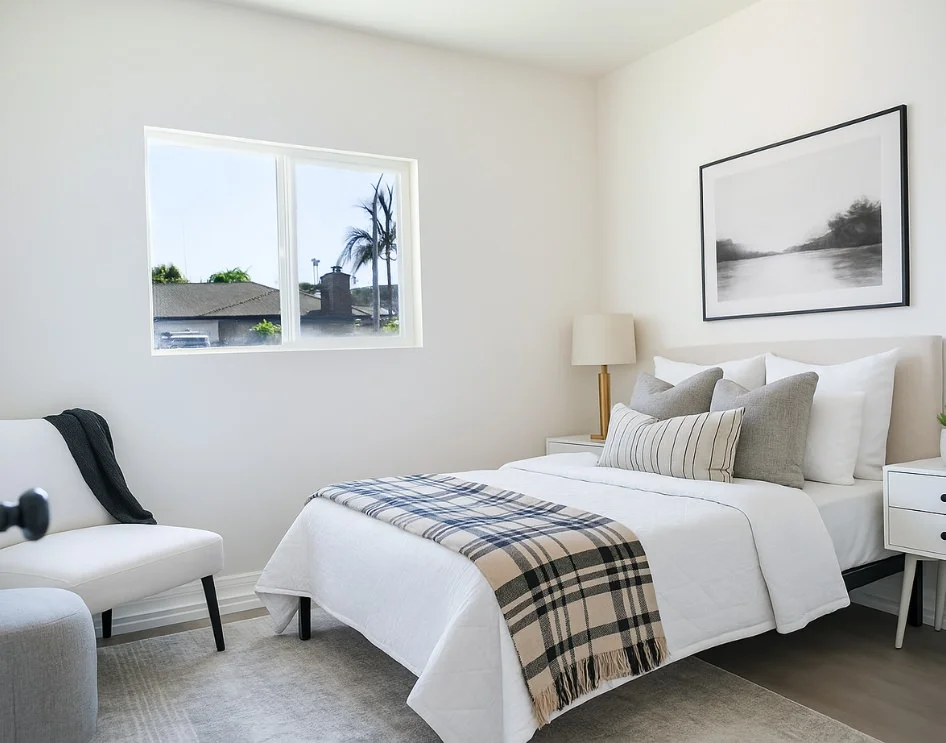
Choose an ADU type by balancing project-specific costs, expected cash flow, long-term value, and your household’s housing needs.
Conclusion
Building an ADU can be worthwhile, offering additional living space, potential rental income, and increased property value. However, the decision should account for construction costs, financing, maintenance, taxes, insurance, and local requirements. Returns depend on the property and market, not simply the unit type. An ADU can also provide lasting practical value by accommodating relatives, guests, or changing household needs, even when immediate financial returns are modest.
At Uni Construction, we recognize that planning an ADU can feel overwhelming. Whether your Los Angeles property is in Diamond Bar, Pomona or another nearby community, discuss your site conditions, budget, and intended use with us. If you’re looking for ADU builders in Los Angeles, contact our team to ask about consultation availability and explore the next steps for your project.
FAQs
High construction costs are a significant drawback. Expenses vary by ADU type and site conditions and may include design, permits, materials, labor, utility connections, financing, and contingency.
ADU planning should reflect your intended use, budget, and long-term goals rather than assume a consistent annual return. For rental use, consider a functional layout, efficient storage, privacy, and a separate entrance. For multigenerational living, prioritize accessibility and adaptability as family needs change. If the unit will include a home office, plan ergonomic work areas, reliable high-speed internet, adequate electrical capacity, and suitable lighting. Whether converting existing space or building from the ground up, confirm that the design meets applicable residential requirements and evaluate how each feature affects construction costs, everyday usability, and potential market appeal.
Building an ADU may be worthwhile for its housing flexibility, rental potential, and possible property value increase. Weigh these benefits against construction costs, financing, ongoing maintenance, and applicable local requirements.
An ADU may justify its upfront cost through added property value, net rental income, or practical housing benefits. Returns vary, but adaptable living space can also serve changing household needs over time.
Yes, adding an ADU can be a worthwhile investment, but the outcome depends on your property and budget. Verify the methodology and local relevance of any Los Angeles market report before relying on its estimated value gains. Freddie Mac’s ADU appraisal guidance explains how market evidence supports an ADU’s contributory value. Compare appraiser-supported added value, projected net rent, and housing flexibility with the full construction and financing costs rather than assuming the investment will pay for itself.
Yes, an ADU may increase your property’s value. The amount depends on local comparable sales, permitted status, construction quality, layout, and buyer demand, so obtain a property-specific appraisal.
ADUs can be expensive because they require skilled labor, materials, design, permits, utility connections, and complete living facilities. Site preparation and structural upgrades may add further costs.
An ADU may be larger than the primary residence in some circumstances, but permitted size depends on the unit type, current state law, and applicable local standards. Confirm the proposed design with the responsible permitting authority.
An ADU is not necessarily easier or cheaper than a home addition. Costs depend on site conditions, structural work, utility needs, and required facilities. Compare equivalent project scopes before choosing between them.
Renting out an ADU may help offset mortgage payments and other expenses. Estimate net income after vacancy, maintenance, insurance, taxes, and financing, and confirm applicable rental and rent-stabilization requirements for the property.
Building multiple ADUs may reduce some per-unit costs by sharing design, mobilization, or infrastructure work, although total spending generally increases. Confirm the number and types of units permitted, utility capacity, financing, and rental demand before proceeding.