


AB 1033 Explained: Selling Your ADU Separately from Your Main Home
 Share
25 min read
ADUs are booming in California, boosting home value. AB 1033 introduces key changes to know.
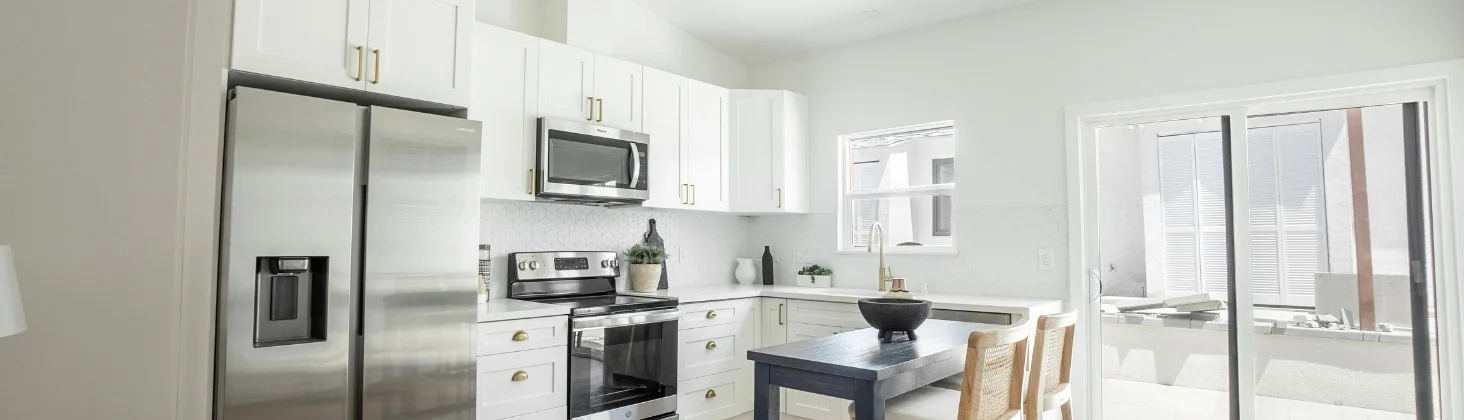
Can You Sell an ADU on Your Property in California?
Yes! AB 1033 unlocks exciting new possibilities for homeowners, allowing them to sell Accessory Dwelling Units (ADUs) separately from their primary homes. This law has changed the game for California’s real estate market, offering greater financial flexibility for homeowners and affordable housing options for buyers.
How Did AB 1033 Change the Rules?
Before AB 1033, homeowners had to keep ADUs tied to their primary residence, meaning ADUs could not be sold or transferred independently. They were treated as extensions of the main property, limiting their financial potential and requiring homeowners to either rent them out or keep them vacant. Now, AB 1033 makes it possible to sell ADUs as separate properties, just like condos. This allows homeowners to unlock additional property value without selling their entire home.
This flexibility benefits:
- Homeowners looking to generate additional income by selling an ADU separately.
- Buyers seeking affordable, smaller homes that fit their budgets, especially in California’s high-cost housing market.
- Local governments working to promote higher-density housing without needing new land development.
With AB 1033, the separate sale of ADUs creates more housing opportunities, encourages property owners to invest in ADU construction, and helps ease California’s housing crisis by providing more living space options.
How Selling an ADU Separately Can Benefit Homeowners
Selling an ADU as a standalone property opens up a range of benefits:
- Unlock Equity Without Selling the Main Home Homeowners can retain their primary residence while capitalizing on the equity of their ADU. This means you can earn from the sale of your ADU while continuing to live in your original home.
- Maximize Property Value Having the flexibility to sell both the main home and the ADU separately increases overall property value. Instead of relying solely on rental income, homeowners can monetize ADUs as assets.
- Affordable Housing for Buyers ADUs are typically smaller and more affordable than standalone houses, making them attractive to first-time homebuyers, downsizers, or retirees.
- Generate Income Quickly Selling an ADU can provide quick financial liquidity, giving homeowners access to funds to reinvest in other properties, pay off mortgages, or handle unexpected expenses.
How Does AB 1033 Benefit Buyers?
For buyers, the ability to purchase an ADU separately opens up new possibilities in the market:
- Lower Entry Price ADUs tend to be more affordable, allowing first-time buyers to enter the housing market without the higher costs associated with traditional homes.
- Flexibility for Smaller Households ADUs are perfect for individuals, couples, or retirees who want a smaller, more manageable home.
- Location Opportunities Many ADUs are located in desirable neighborhoods where traditional homes are scarce or unaffordable. This gives buyers access to better locations at a lower price point.
These factors mean that selling ADUs separately benefits everyone involved, buyers, sellers, and communities working to increase housing availability.
AB 1033 Participating Cities
The implementation of AB 1033 depends on whether local governments pass ordinances that permit the separate sale of ADUs. Below is a breakdown of cities actively supporting or reviewing AB 1033 ordinances.
Why Are Some Cities Adopting AB 1033 Faster Than Others?
Cities like Los Angeles, Encinitas, and Oakland are early adopters because they recognize the importance of increasing housing density without needing to expand into new areas. These forward-thinking municipalities see ADUs as a way to boost affordable housing options, meet regional housing goals, and attract younger buyers and retirees looking for smaller, more affordable homes.
Meanwhile, Chula Vista and Carlsbad are working toward updating their ordinances to align with regional housing initiatives, aiming to provide clear paths for homeowners to legally sell their ADUs. On the other hand, San Francisco and Sacramento are taking more time, carefully considering how separate ADU sales will impact housing supply and neighborhood dynamics.
Homeowners interested in selling ADUs separately should stay updated with their local planning departments to know when ordinances will be finalized in their area. This can ensure they meet all zoning requirements and prepare their ADU for sale as soon as the regulations are in place.
| City | Ordinance Status | Notes for Homeowners | Estimated Timeline |
|---|---|---|---|
| Los Angeles | Adopted | Clear guidelines for ADU sales; 4-ft setbacks required. | Ongoing since 2024 |
| Chula Vista | In progress | Aiming to align with affordable housing initiatives. | Expected by late 2024 |
| Encinitas | Adopted | Supports higher property utilization through ADUs. | Fully implemented |
| Carlsbad | Under review | Expected to align with regional trends. | Early 2025 |
| Los Angeles | Ordinance pending | Evaluating how separate ADU sales can ease housing pressures. | Expected 2025 |
| San Francisco | Under review | ADU sales likely allowed through a condo-mapping program. | Expected Q1 2025 |
| Oakland | Adopted | Offers fast-track permits for ADU construction and sales. | Implemented mid-2024 |
| Sacramento | Pending final approval | Adjusting zoning to support higher density. | Estimated Q2 2024 |
| Santa Monica | Adopted with restrictions | Limits ADU sales to one per property; HOA required. | Fully implemented 2024 |
What is AB 1033 in California?
At its core, AB 1033 gives homeowners the ability to sell ADUs separately from their primary residences, treating them as standalone properties. This law removes previous restrictions, where ADUs had to remain bundled with the main home, limiting their marketability.
Breaking it down:
- ADU as a Separate Unit Your ADU can now be sold as a condo or individual unit, giving you flexibility to retain your primary home.
- Local Ordinances Matter While AB 1033 provides the framework, each city must adopt ordinances to support separate ADU sales. The implementation process will vary from city to city.
- Affordable Housing Opportunities This change allows buyers, especially young families or first-time homeowners, to access smaller, more affordable housing options without purchasing a full-sized home.
By streamlining ADU ownership, AB 1033 creates new ways for homeowners to unlock property value and address California’s housing crisis.
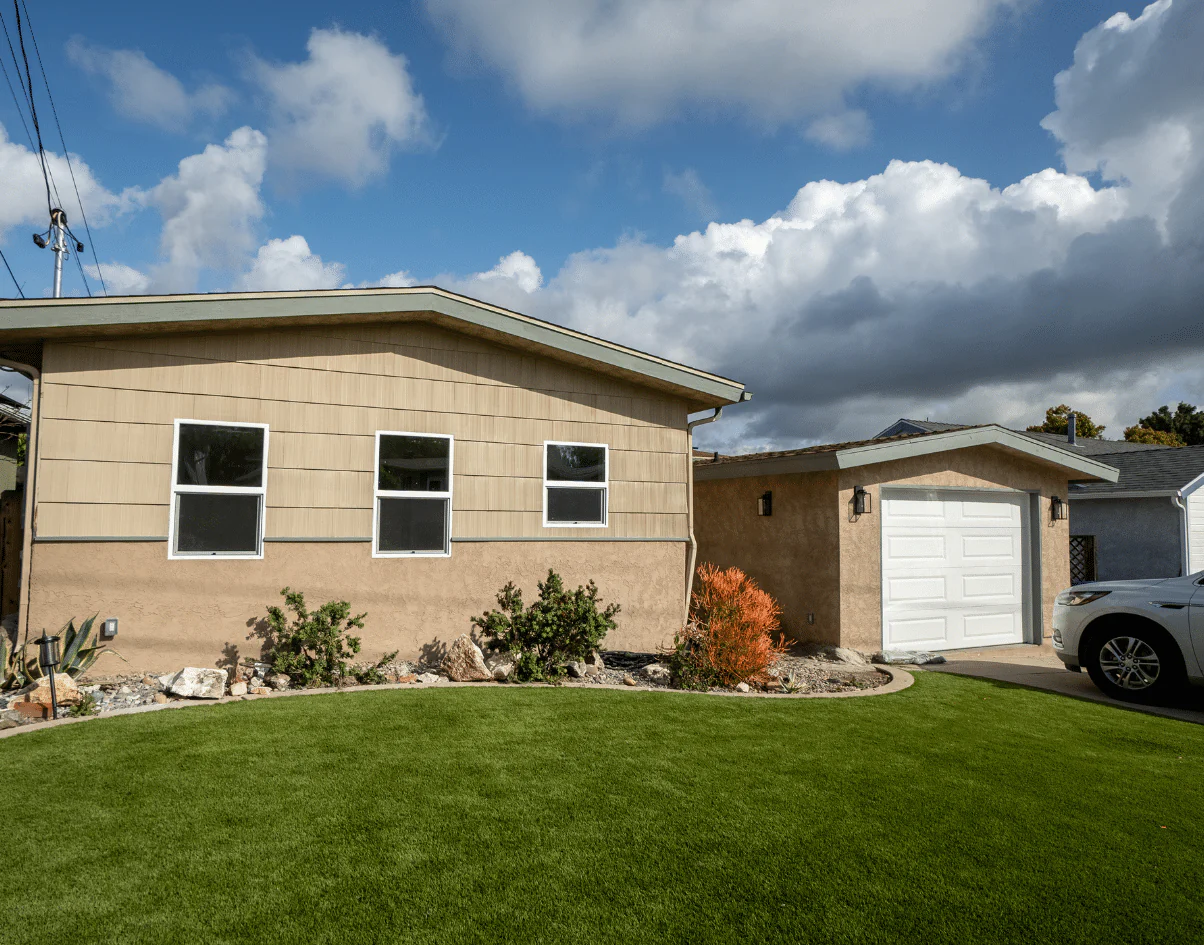
How to Sell an ADU Separately: A Step-by-Step Process
Selling an ADU under AB 1033 requires careful planning, especially since local approval is essential. Below is an updated step-by-step guide tailored for homeowners in Los Angeles and other participating cities.
Check Local Ordinances
-
- Confirm Los Angeles’s Status Check if Los Angeles has adopted ordinances allowing separate ADU sales. While AB 1033 provides the framework, local jurisdictions must opt-in before homeowners can legally sell ADUs independently. As of the latest updates, Los Angeles is still in the process of finalizing ordinances.
- Stay Updated: Visit the city planning office website or call the local office for the latest ordinance status.
Ensure Compliance with Building Codes and Zoning Laws
- Confirm that your ADU meets all zoning regulations and building codes. Common requirements include:
- Setbacks Maintain at least 4-foot side and rear setbacks.
- Height Limits Max ADU height should not exceed 16 feet in most areas.
- Utility Connections Install separate water, gas, and electricity meters to ensure your ADU operates independently. Notify your local utility companies about these changes.
Condominium Conversion
-
- If permitted by local law, convert the property into a condominium structure. This legal process allows the ADU to be sold as a separate unit from the main home.
- Prepare a condominium plan detailing the subdivision and ownership of each unit. Submit the plan to the city’s planning department for approval.
Prepare Legal Documentation
-
- Gather essential documents, including:
- Updated Deeds reflecting both the ADU and the main residence.
- A public report providing transparency on the ADU’s features and ownership structure.
- If needed, draft a Tenancy in Common (TIC) agreement to outline shared responsibilities between owners.
- Gather essential documents, including:
Review Financial Implications
-
- Check your mortgage agreement to ensure selling part of your property won’t trigger a default. Some mortgages may have clauses that restrict property division, so lender consent might be required.
- In certain cases, refinancing your mortgage may be necessary to proceed with the sale.
Address Encumbrances and Restrictions
-
- Review any existing CC&Rs, easements, or recorded encumbrances to confirm they don’t interfere with the subdivision or sale of your ADU.
- A property survey may help identify any encumbrances that need resolution before the sale.
Market Your ADU Effectively
-
- Once your ADU is fully compliant and legally separated, market it strategically to attract buyers. Highlight features like:
- Independent utilities and metering.
- Compliance with zoning and building codes.
- Convenient location and affordable pricing compared to full-sized homes.
- Work with real estate agents experienced in ADU sales to ensure a smooth transaction process.
- Once your ADU is fully compliant and legally separated, market it strategically to attract buyers. Highlight features like:
Finalize the Sale
-
- Collaborate with real estate and legal professionals to complete the sale, ensuring all paperwork aligns with city and state regulations.
- Confirm that the final sale includes documentation of the condo mapping process and any shared HOA responsibilities.
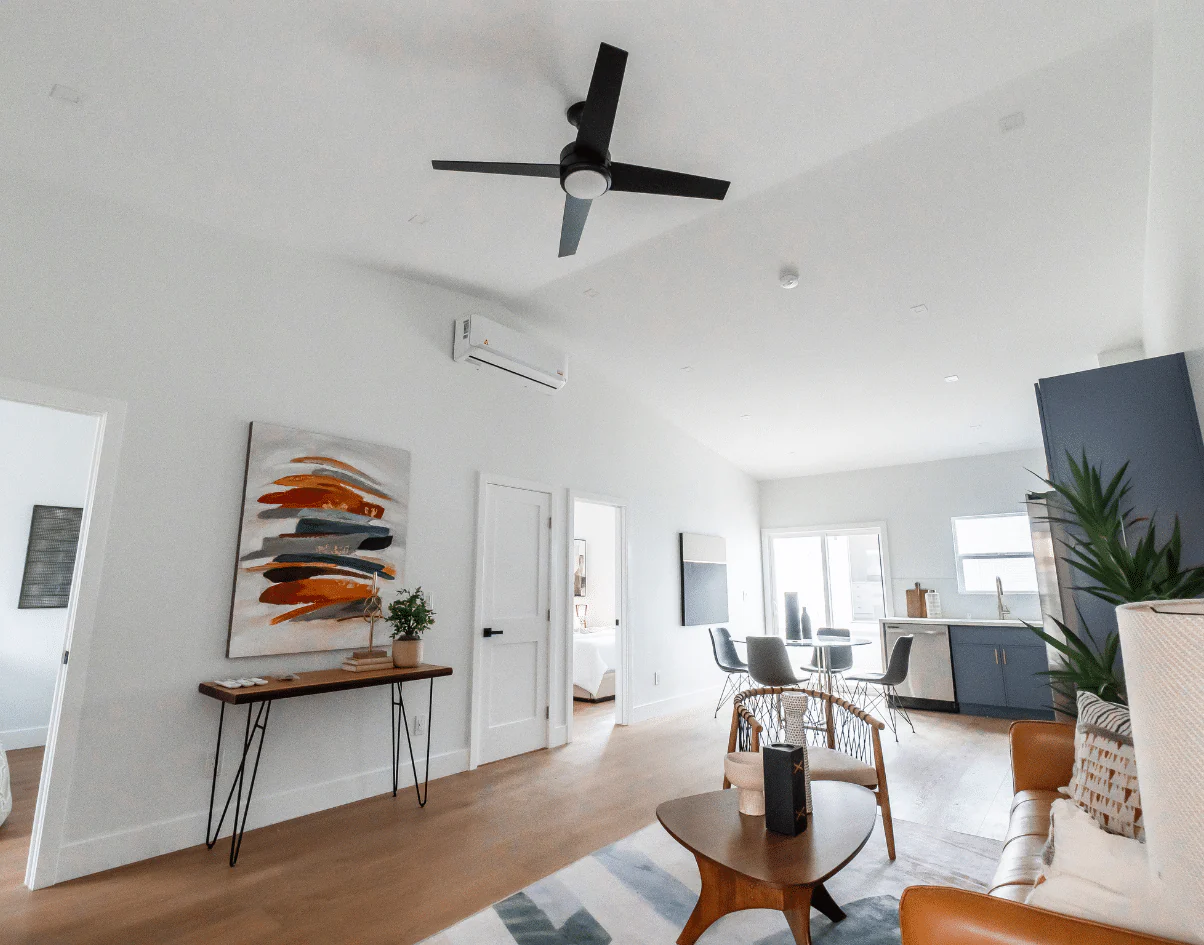
Compliance with Local Zoning Laws and Building Codes
Each city has unique requirements for selling ADUs. Below is a breakdown of key processes homeowners must follow.
Independent Utilities
Your ADU must have independent utility connections to qualify for a separate sale.
- Separate Meters Install individual water, gas, and electricity meters.
- Coordinate with Utility Providers Notify your local providers to ensure the setup meets zoning laws.
For more information, check out our ADU Electrical Requirements Guide.
Establishing Homeowner Associations (HOAs)
If your ADU shares common areas with the primary home, creating an HOA may be required to manage these spaces.
HOA Responsibilities:
- Oversee shared spaces like driveways or yards.
- Enforce CC&Rs to prevent disputes between homeowners and ADU occupants.
- Manage maintenance costs through shared fees.
Apply for Condo Mapping
Condo mapping officially separates your ADU from the main home. Submit your condo map and required documents to your city’s planning office. Compliance with the Subdivision Map Act ensures both units are legally recognized as independent properties.
Financial Preparation
To avoid delays in the sale process, it’s essential to prepare your finances:
- Mortgage Review Ensure your loan terms allow property subdivision. Refinancing may be necessary.
- Tax Planning While the ADU will be reassessed, the primary home’s tax basis remains untouched.
- Evaluate Market Value Consult with a real estate agent to set a competitive price and attract buyers quickly.
| Requirement | How It Works in Participating Cities |
|---|---|
| Zoning Compliance | Follow 4-ft setbacks. Max height: 16 ft. |
| Utility Setup | Pass final inspections. Obtain a certificate of occupancy. |
| Condo Mapping Process | File under the Subdivision Map Act. Comply with Davis-Stirling Act. |
| Establishing HOAs | Required if shared areas exist. Manage shared spaces and enforce CC&Rs. |
| Property Taxes | Only the ADU will be reassessed for taxes. |
How Uni Construction Can Help with Your ADU Needs
At Uni Construction, we understand the evolving ADU landscape and the opportunities brought by AB 1033. Our team specializes in designing, building, and managing ADU projects, ensuring that your property meets all zoning and compliance standards.
Ready to explore how an ADU can boost your property’s value? Schedule a free consultation with us today and discover how we can help you build, sell, or optimize your ADU project.
Contact us to get started and maximize your property potential!
FAQs
More Blogs
-

Tips
12 Steps to Building an ADU: Your Comprehensive Guide
Building an ADU is easier when you know what to expect. Our guide covers every step, from permits to final finishes, keeping your project on track.
-
Tips
Benefits of ADUs
As interest in ADUs grows, it's essential to explore their benefits and potential hurdles.
-

Tips
Types of ADUs: A Comprehensive Guide
Explore the different types of ADUs, their benefits, and how to choose the perfect addition to enhance your property's value and functionality.
-

Tips
Renting Your ADU
Renting your ADU the right way means more income with fewer headaches. Learn how to prepare, attract tenants, and stay compliant with local rules.


