

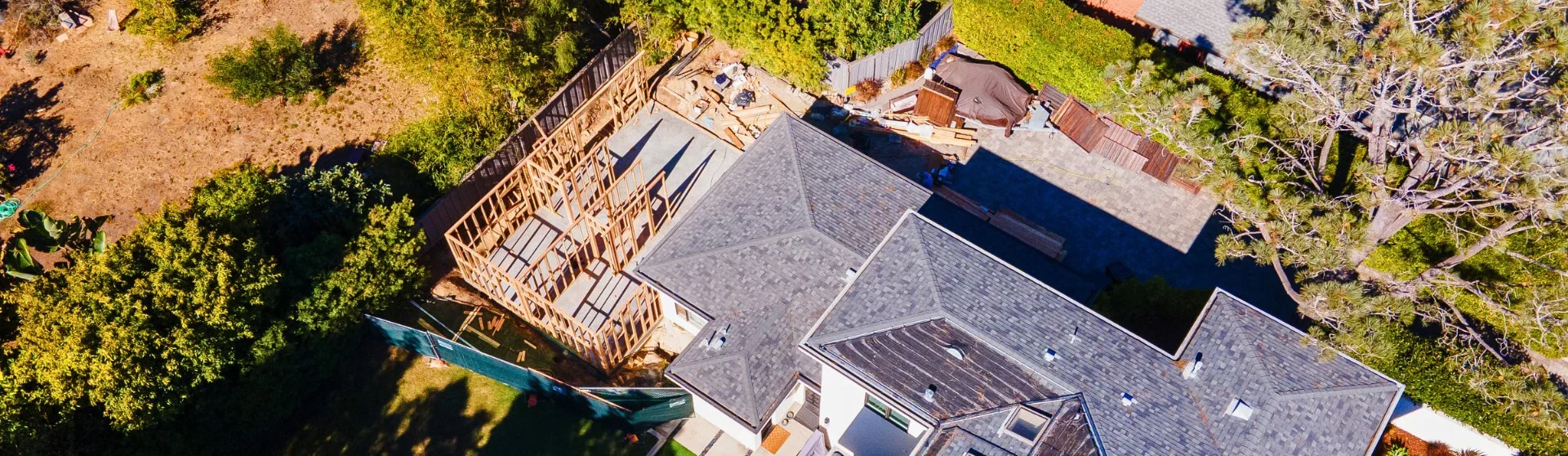
Exploring the Differences Between ADUs and Tiny Homes
As the housing crisis continues, a variety of compact housing solutions has emerged. Two prominent options are accessory dwelling units (ADUs) and tiny homes. Although both have smaller footprints than conventional homes, their differences may influence your decision about which to build.
ADUs vary in size and may be detached structures, units attached to a primary residence, or converted existing spaces. Tiny homes are generally defined as dwellings of 400 square feet or less, although definitions vary. We’ll compare ADUs and tiny houses to help you determine which option best fits your lifestyle, budget, and long-term goals.
Is an ADU the Same as a Tiny Home?
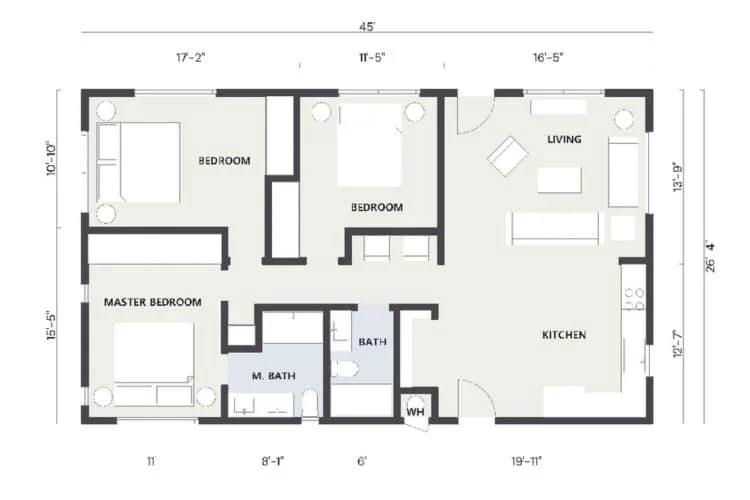
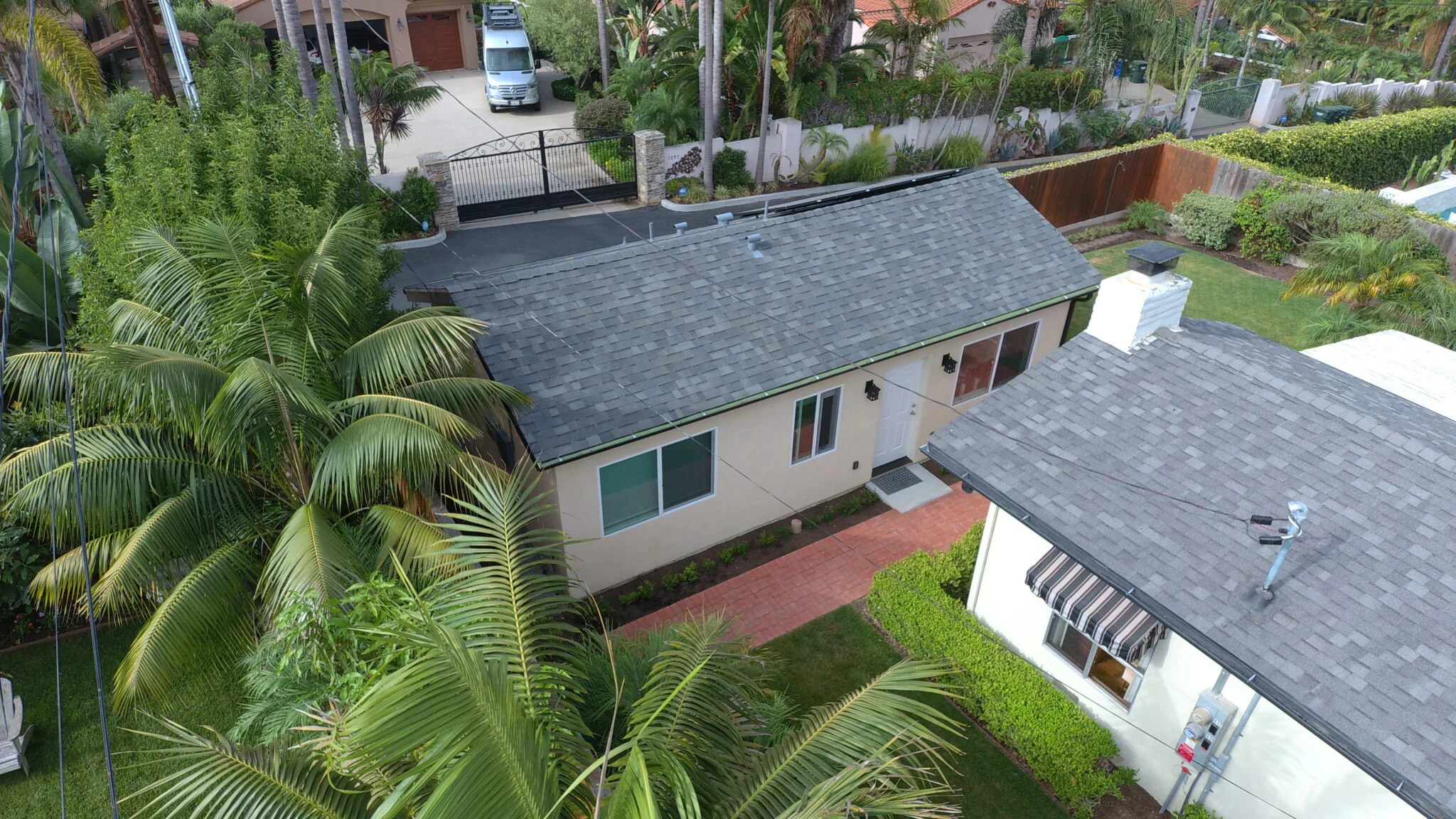
No, ADUs and tiny homes are not interchangeable terms. ADUs are legally recognized residential units that provide complete, independent living facilities on lots with primary residences. Typically, they are detached structures from the main house and may share utility connections, subject to applicable requirements. They include essential amenities such as a full kitchen, bathroom, and sleeping area. These features support long-term occupancy or rental use where permitted. Homeowners often use ADUs to house family members, generate rental income, or add independent living space alongside the primary dwelling.
Tiny homes, also called tiny houses, are associated with a growing movement centered on minimalism and environmentally conscious living. These compact dwellings offer less space than conventional homes. They may be permanent structures built on foundations or movable units built on wheels. Tiny homes appeal to people seeking to simplify their lives, reduce their environmental impact, or pursue a more mobile lifestyle where permitted.
The primary distinction involves legal classification and intended use. ADUs provide permanent, independent housing on lots with primary residences, whether attached or detached. Tiny homes describe a smaller housing format, with mobility and permitted placement depending on their construction and local requirements.
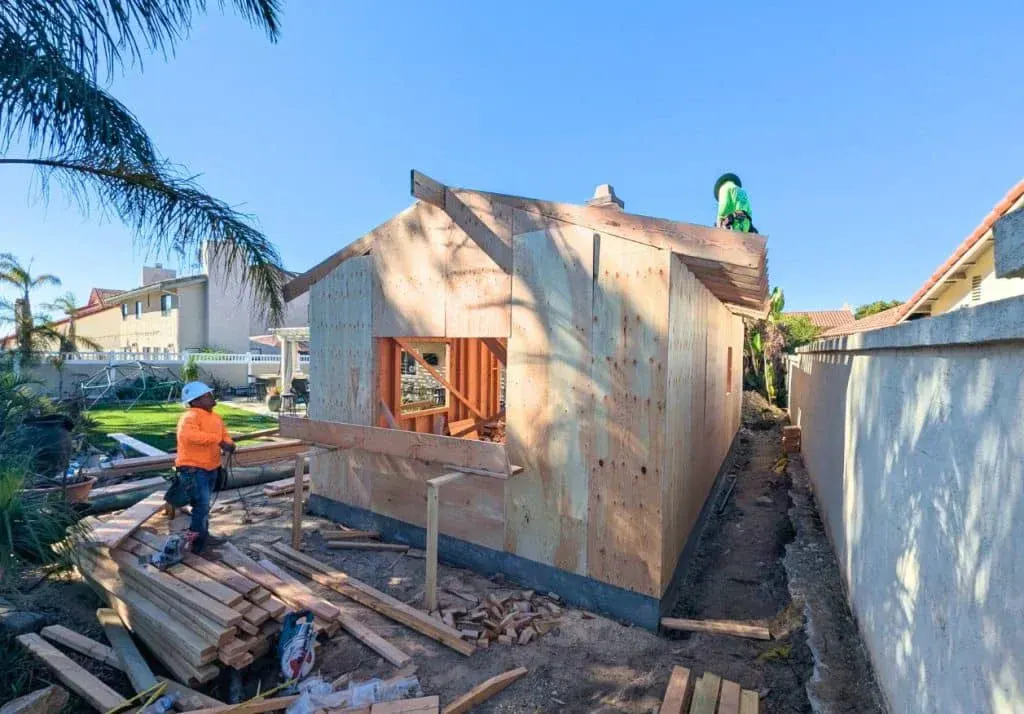
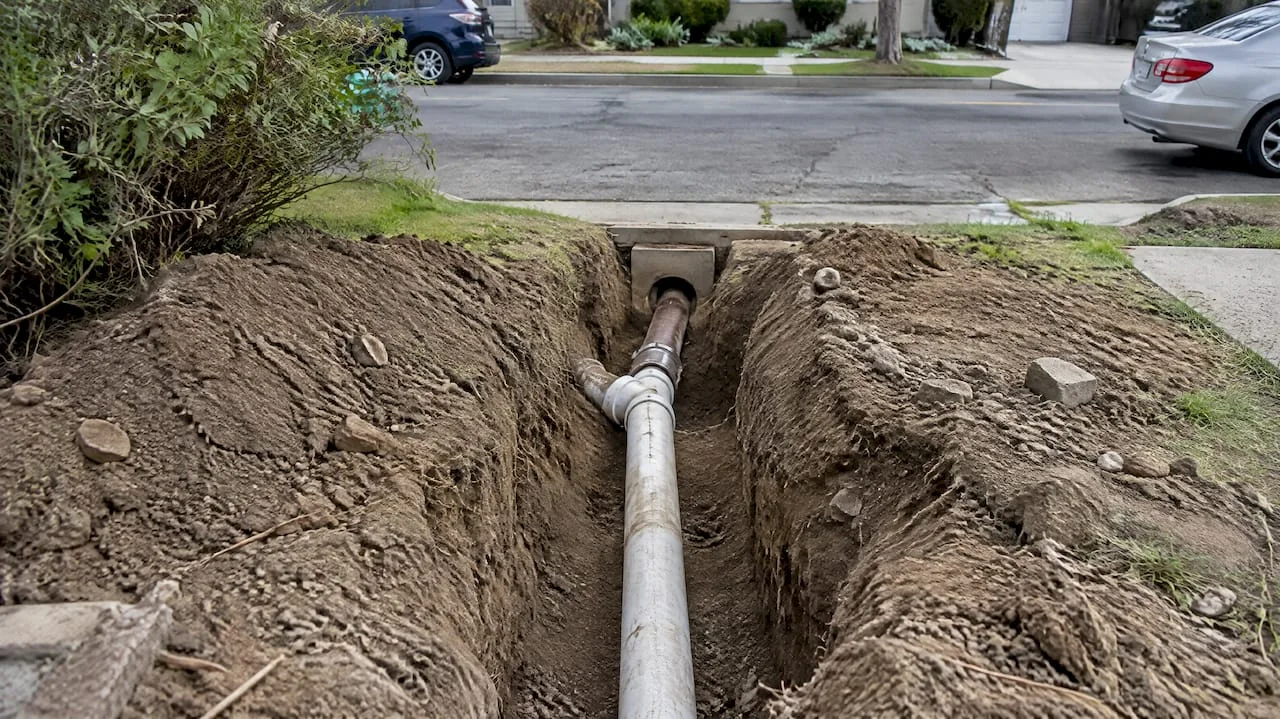
Building an ADU requires careful planning and compliance with local zoning laws, as illustrated by this stage of construction.
ADU vs Tiny House: Key Differences
Here are the key differences between ADUs and tiny houses. Reviewing these key facts, together with each option’s advantages and disadvantages, can help homeowners make an informed choice between the two housing options.
| Category | ADU (Accessory Dwelling Unit) | Tiny House |
|---|---|---|
| Definition | Permanent secondary dwelling on the same property as a primary residence. | Small dwelling that may be mobile, often built on a trailer, or fixed to a permanent foundation. |
| Types | Detached units, garage conversions, basement ADUs, and attached units. | Tiny houses on wheels, prefabricated tiny homes, and site-built small houses. |
| Common Uses | Guest housing, long-term rentals, and multigenerational living. | Compact housing, minimalist living, and off-grid living where permitted. |
| Foundation and Mobility | Built on a permanent foundation, including an approved existing foundation for conversions. | May be built on wheels for mobility or on a permanent foundation. |
| Building Requirements | Must meet applicable residential building standards and state and local ADU requirements. | Requirements depend on classification: movable units may follow RV standards, while foundation-built homes must meet applicable residential codes. |
| Zoning and Legal Differences | Subject to state ADU law, applicable local standards, and required permits. | Legal placement and occupancy depend on local rules; wheels alone do not establish permission for residential use. |
| Size and Flexibility | Allowable size varies by unit type, project conditions, and applicable state and local rules. | Often under 400 square feet, though sizes vary; placement and design remain subject to applicable requirements. |
| Utility Connections | Requires approved water, electricity, and wastewater service; shared or separate connections depend on project requirements. | Mobile units may use onboard systems where allowed; fixed homes require approved utility connections appropriate to their classification. |
| Cost | Request a site-specific estimate covering design, permits, site preparation, utilities, and construction. | Compare project-specific costs for the unit, delivery, foundation or trailer, utilities, permits, and installation. |
| Pros | Can add property value, support long-term rental income, and provide independent living space. | May offer lower upfront costs, shorter construction schedules, and mobility or off-grid options where permitted. |
| Cons | Requires substantial upfront investment, construction time, permits, and site-specific approvals. | Offers less living space; legal placement can be challenging, and mobile units may add limited property value. |
Can a Tiny Home Be Used as an ADU in California?
In California, whether a tiny home qualifies as an ADU depends on its construction, applicable state law, and local requirements. A tiny home built on a permanent foundation may qualify if it meets applicable residential building standards, provides complete independent living facilities, has approved utility connections, and satisfies the jurisdiction’s ADU requirements.
A tiny home built on wheels may fall under recreational vehicle or movable tiny house rules rather than conventional residential building requirements. Classification and permitted occupancy vary by jurisdiction. For Los Angeles, verify whether a movable tiny house can qualify as an ADU and which standards apply. Homeowners should consult the relevant planning or building department about placement, utility connections, and any restrictions on temporary or permanent occupancy.
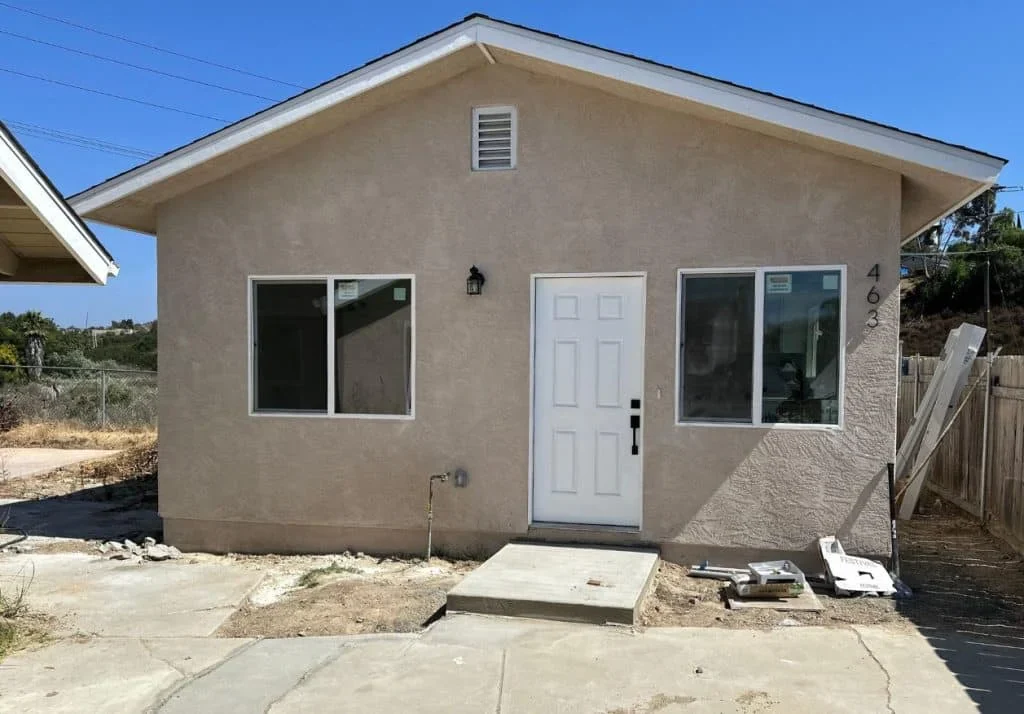
A foundation-built tiny home may qualify as an ADU in California if it meets applicable building standards, connects to utilities, and receives the required local approvals.
Choosing Between an ADU and a Tiny House
Choosing between an ADU and a tiny house requires considering your long-term goals, budget, location, and available space. Here’s a closer look at how each factor can influence your decision.
Long-Term Goals
If you have long-term goals for this project, consider how each option supports them. For example, an ADU may be a stronger fit if you want to increase property value or establish rental income. Its permanent construction and legally approved residential use may appeal to future buyers and renters, although value and income depend on the property and market.
A tiny house without a permanent foundation may not contribute value or square footage to the property in the same way as an ADU. Rental feasibility also depends on legal occupancy, available amenities, usable space, and local demand, not simply the dwelling’s size.
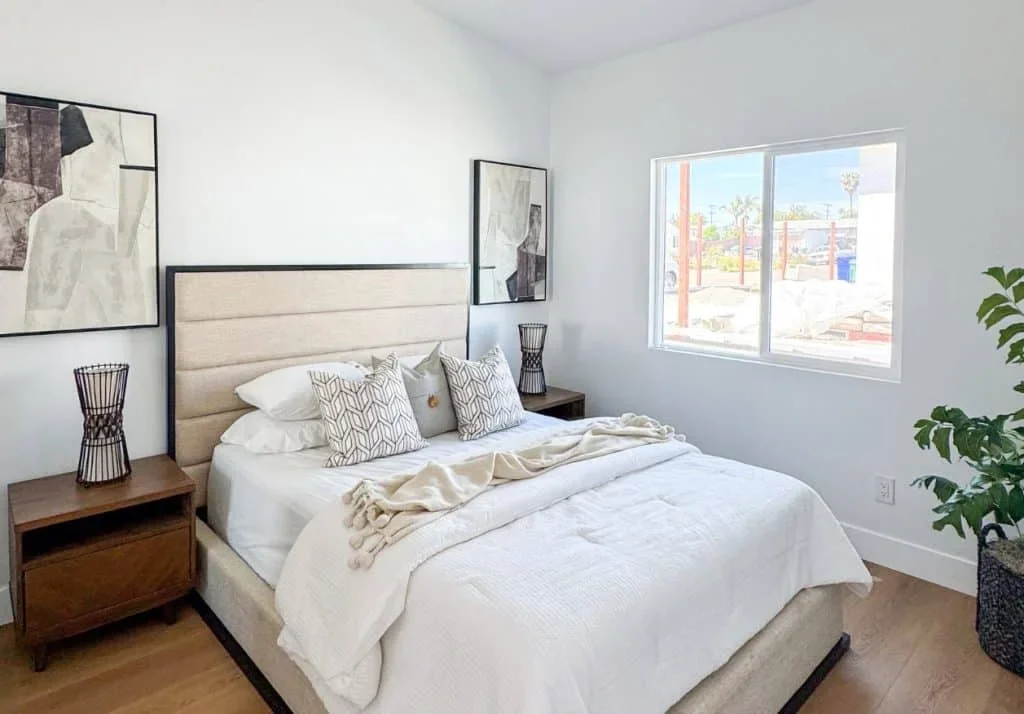
For homeowners seeking potential property value gains or rental income, an ADU such as this guest-ready bedroom may support long-term investment goals, subject to project-specific conditions.
Budget
Tiny homes are typically less expensive upfront. However, when assessing ADU is the potential to increase property value, compare upfront costs, potential rental income, ongoing maintenance, and the structure’s expected service life. Neither option guarantees a stronger long-term return.
Potential financing options may support an ADU through a home improvement loan, or you may qualify for an ADU grant in California. Confirm current eligibility, terms, and availability. Tiny houses may require specialized financing.
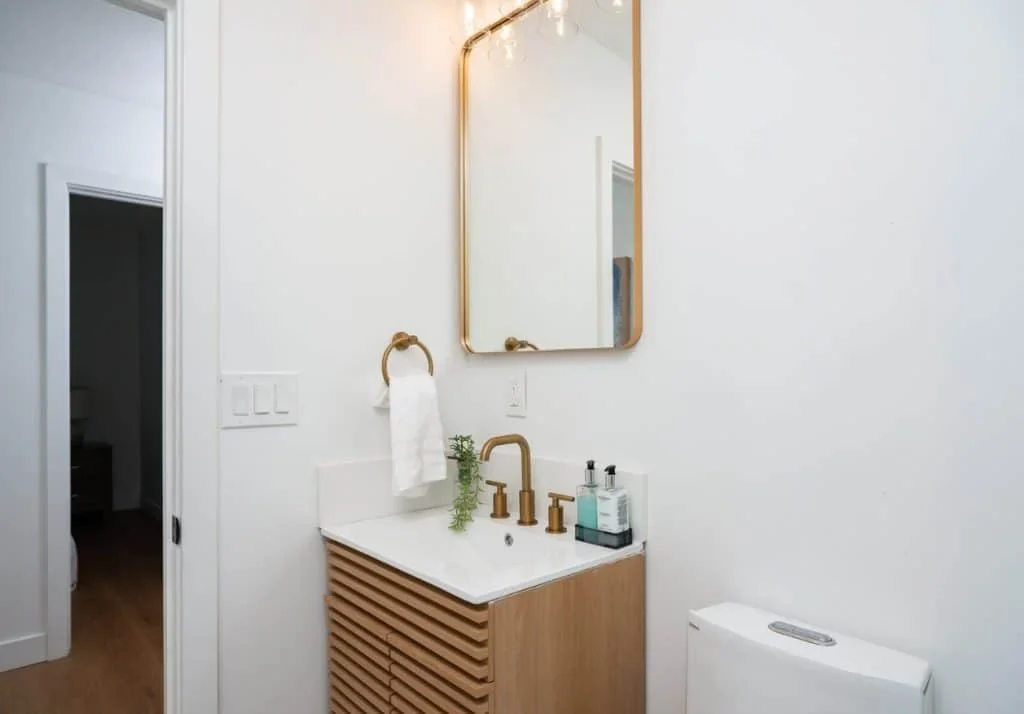
ADUs may cost more upfront and can include high-end finishes such as this modern bathroom, with long-term value and rental appeal depending on the project and market.
Location and Land Availability
Tiny homes and ADUs may suit different locations depending on zoning, infrastructure, and practical constraints. Rural or off-grid sites may offer more placement options, but they still require review of permitted residential uses, access, water supply, wastewater disposal, and applicable building or vehicle standards.
ADUs can be well suited to urban and suburban properties because they add housing within existing neighborhoods and may use established infrastructure. California law provides a statewide framework, but site conditions and applicable local requirements still affect feasibility. Homeowners should review the current state handbook and consult their own jurisdiction before committing to either option.
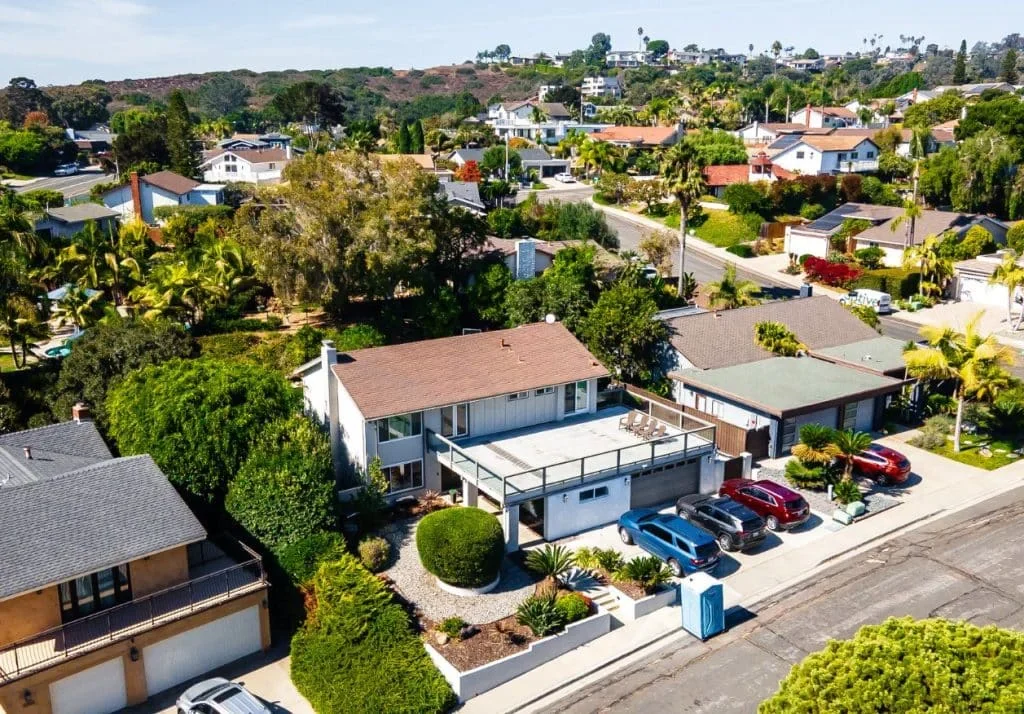
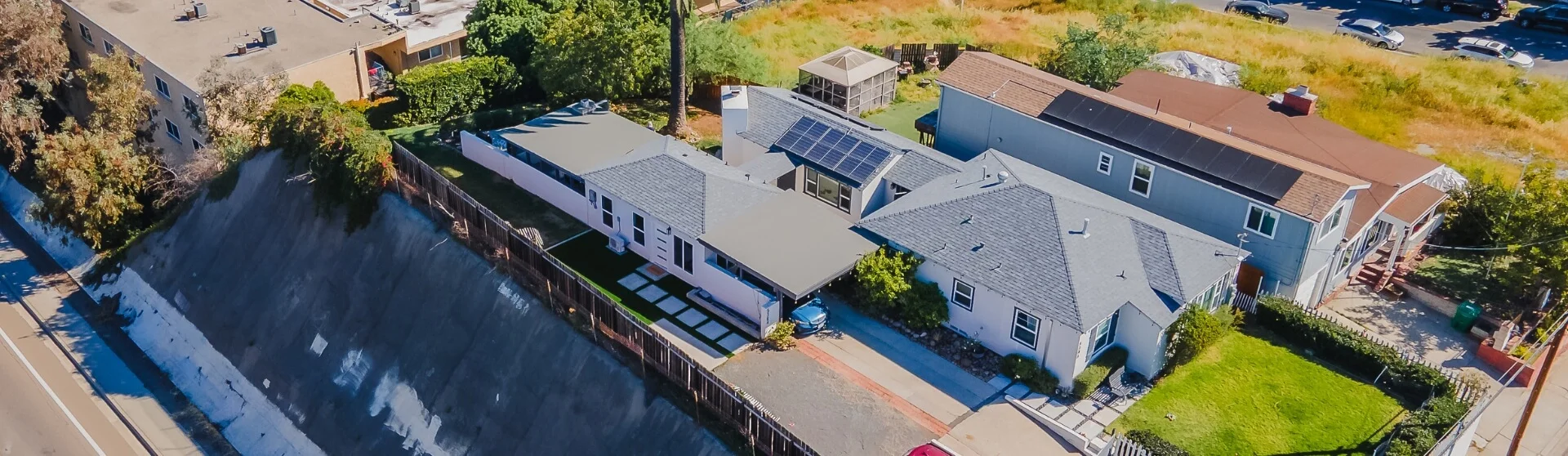
When choosing between an ADU and a tiny house, location and available land are critical. Suburban properties like this one may accommodate an ADU, subject to site-specific review.
FAQs About ADUs and Tiny Homes
To help homeowners evaluate Los Angeles projects, we’ve addressed some of the most common questions regarding ADUs and tiny homes. These answers provide a starting point for your decision, while a direct conversation can help clarify your property-specific questions.
A 150-square-foot ADU is not automatically permissible. Minimum size depends on applicable building standards and the proposed layout. To qualify, an ADU must provide complete, independent living facilities, including cooking, sanitation, living, and sleeping space.
Building an ADU generally requires a building permit, review for zoning compliance, and applicable electrical, plumbing, and mechanical approvals. You’ll submit construction plans to the relevant local building department and address any required revisions. Los Angeles standard plans still require site-specific review. Explore our resources for additional guidance on the permitting process.
ADUs provide independent living facilities on lots with primary residences. They may be attached, detached, or converted from existing space; relative size depends on applicable requirements.
Get a Free Estimate for Your ADU or Tiny Home
If you’re ready to begin your ADU project or would like to discuss your options with a professional, get a free personalized estimate. Our team can help you evaluate your property, understand project requirements, and plan the next steps for your accessory dwelling unit.
Continue Your Planning
For a complementary explanation, read Tiny Home vs. ADU: Differences Explained in Small Housing. Compare the ideas with your property and household needs before deciding on a direction.