

What is an ADU and Why Does It Increase Property Value?
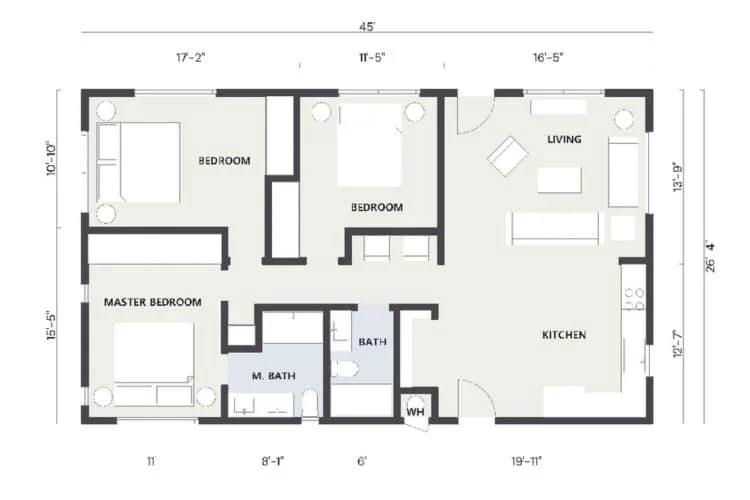
By definition, an ADU is a secondary residential living space on a lot with a primary residence. Permitted sizes vary by unit type, site conditions, and applicable law rather than one universal range. To fit your property and neighborhood, ADUs must meet applicable size restraints, building codes, and permit requirements. They provide complete, independent living facilities, including cooking, sleeping, and bathroom facilities.
Expanding your property’s living space can add value to your home. A resale appraisal may consider both the additional square footage of livable space and the contribution of a legally rentable unit. Potential rental income and greater property value are appealing benefits, but neither is guaranteed. Especially in areas with strong housing demand, adding an ADU to your property may increase its worth, depending on construction costs, comparable sales, and buyer preferences.
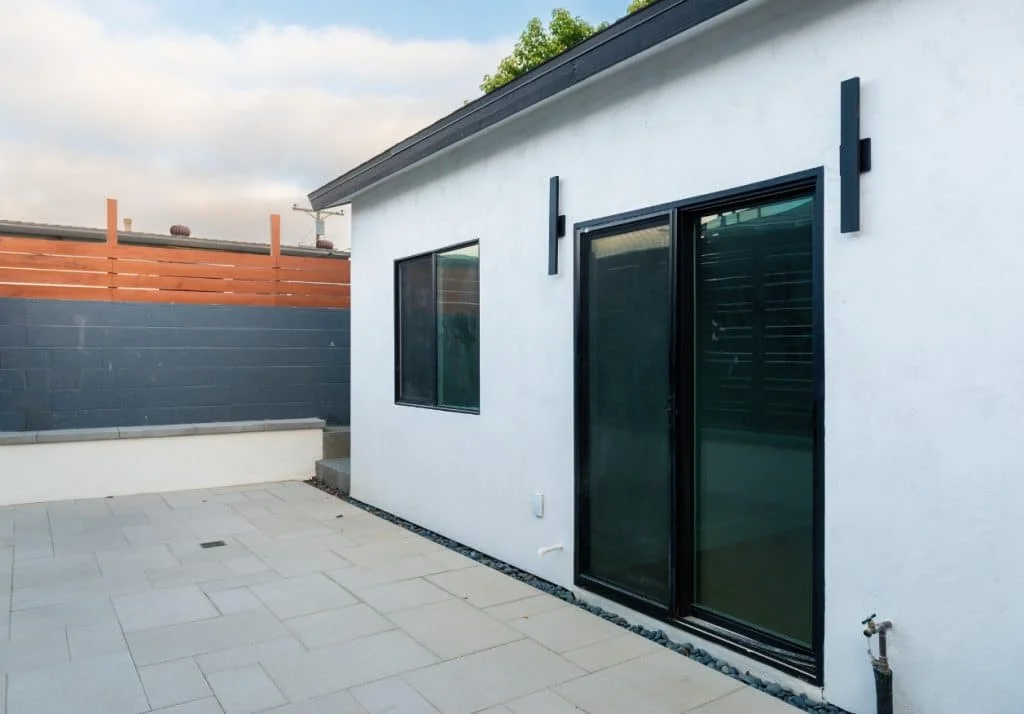
A thoughtfully designed ADU enhances your property’s functionality and may increase its market value.
How Much Can an ADU Increase Property Value?
Before relying on National Association of Realtors for estimates of how much homes with ADUs outperform comparable homes without ADUs, examine the source, location, and appraisal method. California’s housing needs do not establish a universal value premium. For a Los Angeles property, ask a qualified appraiser to review comparable sales, legal rental potential, construction quality, and neighborhood demand before estimating the ADU’s contribution to resale value.
For a homeowner in Los Angeles considering a 500-square-foot ADU, a useful first step is to compare a site-specific construction estimate with an independent appraisal of the potential added value. For a 1,000-square-foot detached ADU in Los Angeles, the same analysis should include permitting, utility work, financing, and ongoing expenses. Confirm requirements with the local building department and relevant utility providers. Neither construction cost nor projected resale value alone establishes a reliable return on investment.
Factors That Influence the Property Value Increase
The increase in property value depends on several factors, including type of ADU, the ADU’s size and quality, local housing conditions, and rental income potential.
Size and Type of ADU
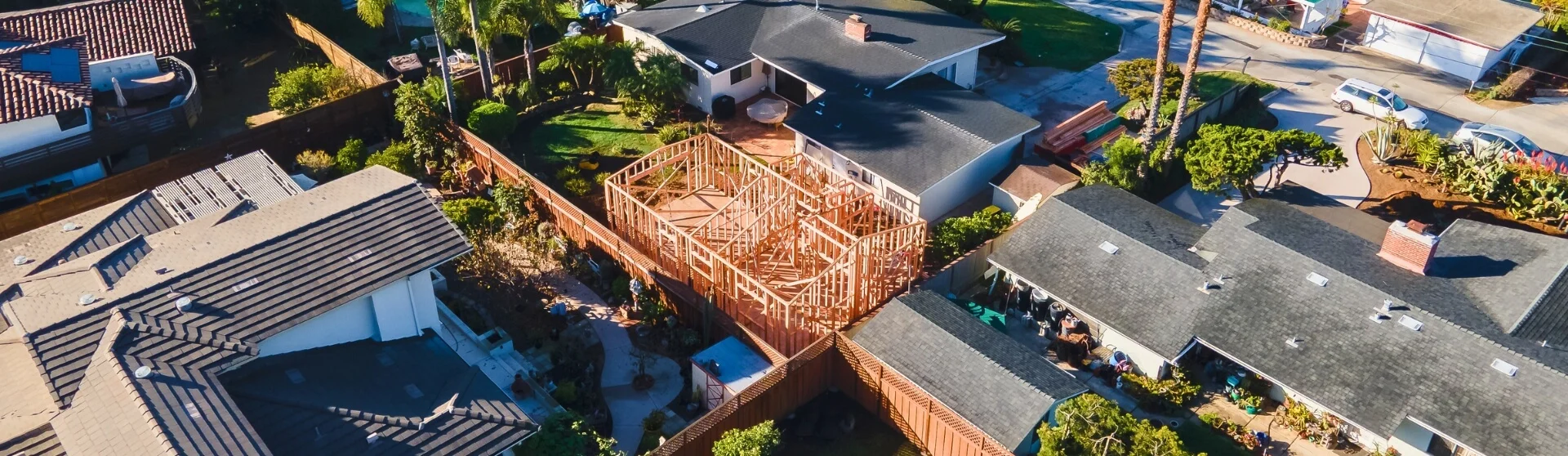
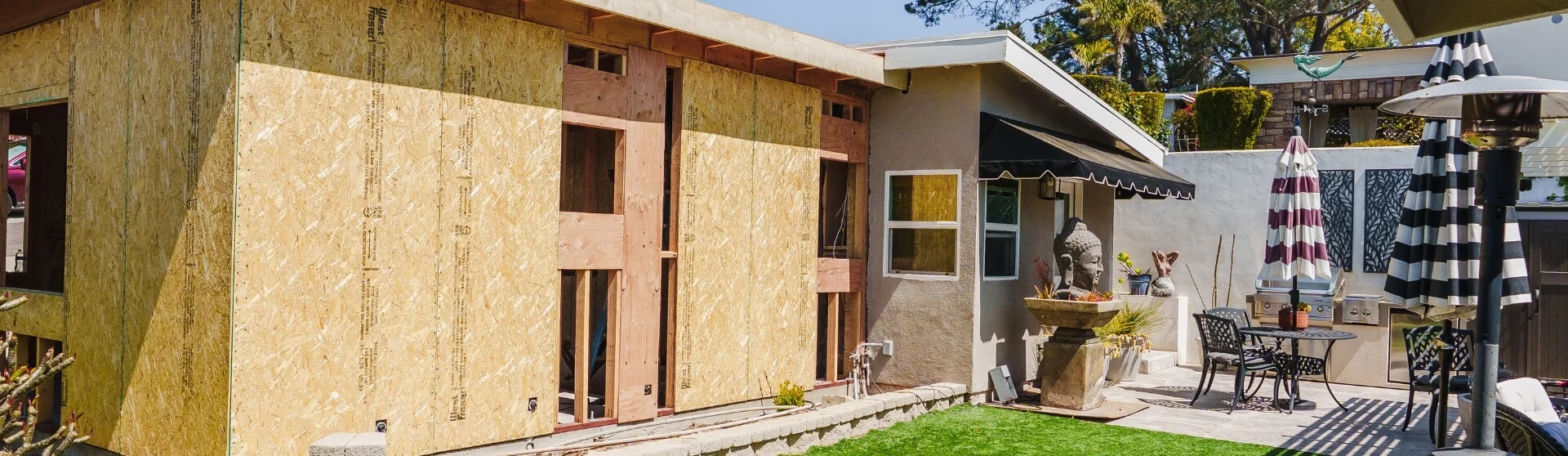
ADU size and type influence how much value an ADU may add. Detached ADUs can offer greater privacy and rental appeal, but their construction costs also matter. Attached ADUs can balance privacy with shared construction elements, making them suitable for multigenerational living or rentals. Conversion ADUs reuse existing spaces and may reduce some costs, although structural upgrades and privacy needs vary. Each type affects property value differently, depending on investment, design, local demand, and rental suitability.
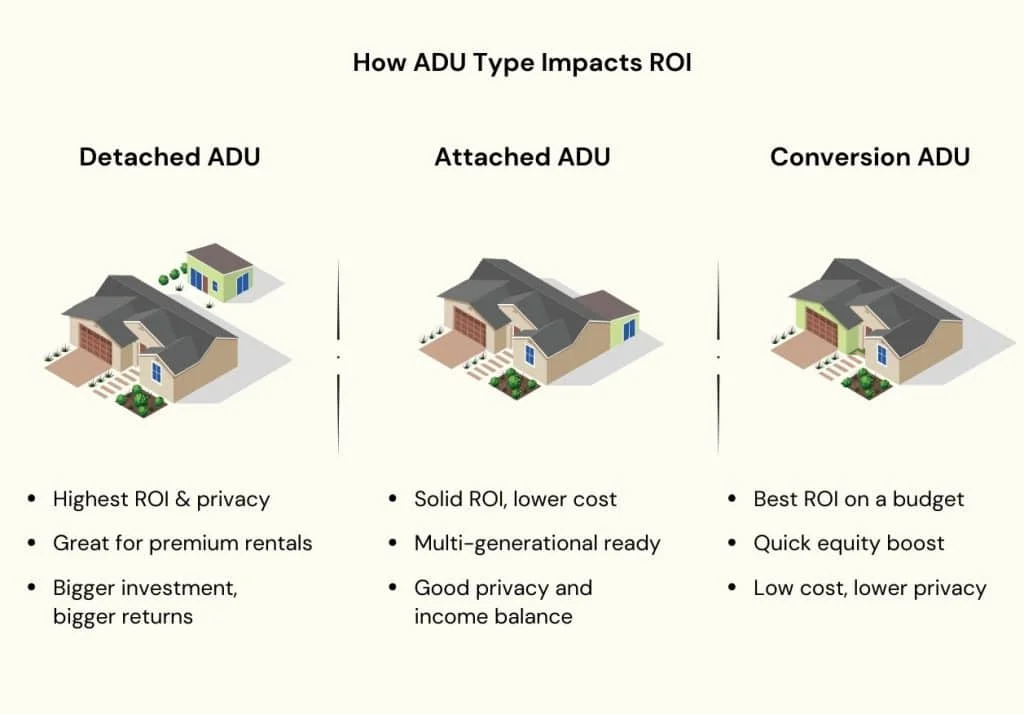
An ADU’s return on investment depends partly on its type. Detached ADUs can offer privacy and rental appeal. Choosing the right fit supports long-term value.
Build Quality and Features
High-quality craftsmanship, sustainable materials, and energy-efficient designs that reduce operating costs contribute to an ADU’s longevity and appeal. Thoughtfully designed units with practical, modern amenities may add greater value.
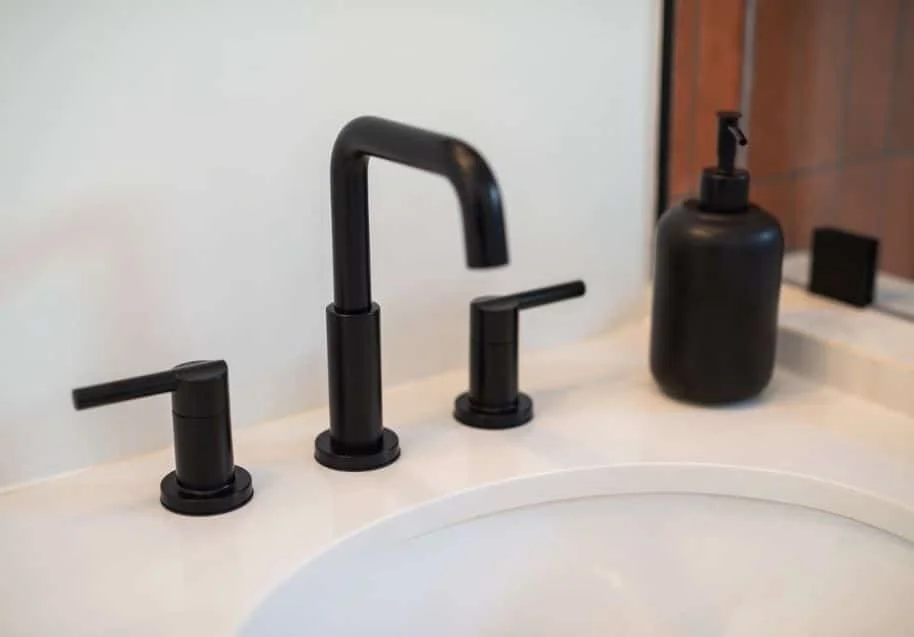
High-quality materials can enhance your ADU’s appearance and reduce maintenance needs. Careful material selection and installation distinguish durable construction from work that prioritizes speed over quality.
Local Housing Market and Existing Property Value
Access to amenities and transportation, along with privacy and ADU placement, can influence property value. These features interact with local real estate trends and buyer preferences to shape a property’s market appeal.
| Type of ADU | Description | Benefits | Build Quality & Features | Local Market Impact | ROI Potential | Ideal Use |
|---|---|---|---|---|---|---|
| Detached ADU | A standalone living unit on the same lot as the primary residence. | Offers privacy, flexible placement, and separation from the main home. | Durable construction and modern amenities support comfort and long-term value. | May appeal to Los Angeles renters seeking privacy and independent living space. | Returns depend on construction costs, financing, achievable rent, and operating expenses. | Independent rental or guest suite. |
| Attached ADU | A separate living unit connected to the primary residence, typically sharing at least one wall, with its own entrance and amenities. | Supports side, rear, or second-story additions while maintaining independent living. | Thoughtful soundproofing, quality finishes, and efficient systems enhance comfort. | May suit Los Angeles households seeking multigenerational living on constrained lots. | Shared construction elements may reduce costs, but returns depend on project scope and rental demand. | Multigenerational living or family rental. |
| Conversion ADU | Existing space, such as a garage or part of a home, is converted into a separate living unit. | Reuses existing structures; privacy depends on location, layout, and soundproofing. | Structural, utility, and code upgrades depend on the existing building’s condition. | May appeal to households seeking additional housing without a separate new structure. | Reusing space may limit costs, but required upgrades and achievable rent determine returns. | Long-term rental or family use. |
ADU as a Rental Income Source: Boosting Property Value Through Income Potential
In areas with housing shortages, strong housing demand can support higher rents. An ADU may increase rental income potential, making the property more attractive to buyers and potentially adding value, depending on local conditions.
Dual Value Creation
ADUs can increase property value while adding potentially income-producing living space, but the amount varies by property and market. Rental revenue may improve cash flow after expenses. The opportunity to offset mortgage costs or generate additional revenue can appeal to buyers, provided the unit’s permitted use, operating costs, and rental assumptions support those expectations.
Ideal for Multi-Generational Living
ADUs are perfect for housing elderly parents or adult children. Alternatively, older couples may move into an ADU on their property and rent out the primary residence, potentially increasing passive rental income and supplementing retirement income, subject to rental rules, operating expenses, and vacancies.
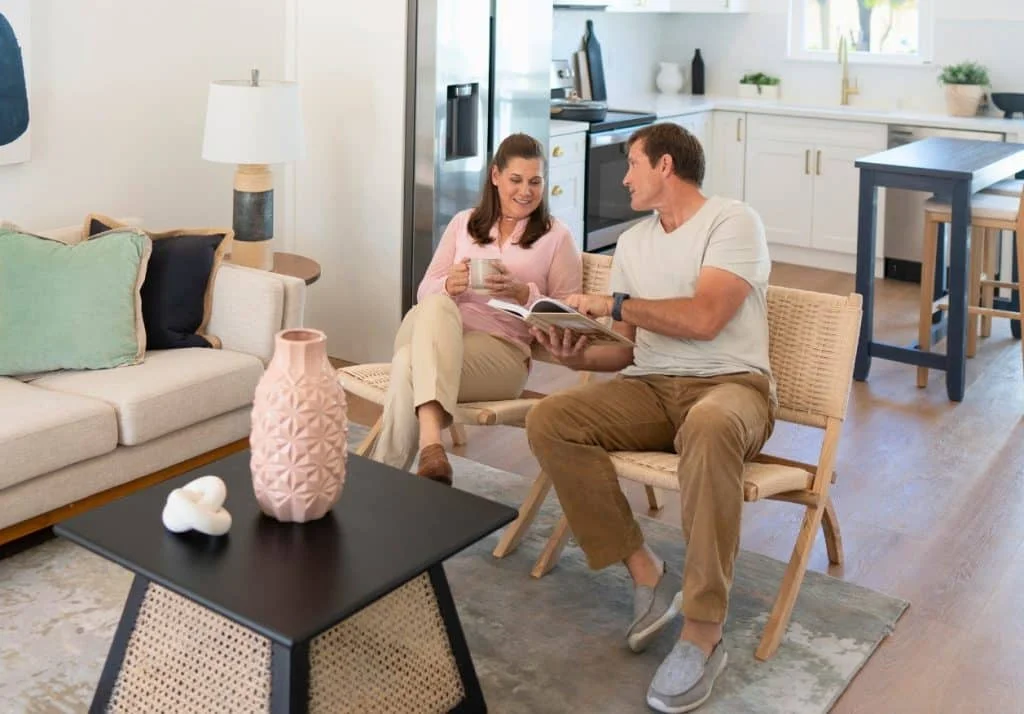
ADUs offer flexible options for families, providing private, functional living spaces that can accommodate different generations.
Common ADU Mistakes That Can Negatively Affect Your Property Value
Avoiding common construction mistakes can help homeowners protect their ADU’s value and reduce unnecessary expenses. A realistic budget, including a contingency, is an essential starting point. Monitor spending carefully, since overlooked expenses or unexpected material costs can jeopardize your project. Review costs can jeopardize when evaluating your ADU’s financial feasibility. Other factors to consider include:
Permitting Issues
California has adopted laws to make adding an ADU easier. Review simplifying the process alongside the March 2026 California ADU Handbook and current state law. Local permitting procedures and applicable building requirements still require careful attention. Mistakes can cause expensive revisions or delays, so confirm requirements with the building department responsible for your property. Consider:
- Required permits and applicable zoning standards, including state ADU provisions that limit local restrictions.
- Applicable design criteria and opportunities to complement the existing home without assuming every neighborhood preference is mandatory.
- California building standards and lawful local amendments addressing structural integrity, energy efficiency, and safety.
Poor Construction Choices
Poor construction decisions or failure to meet applicable building and design requirements can undermine an ADU’s usefulness and property value. Common issues include:
- Building a smaller ADU without considering future needs.
- Selecting substandard materials without considering durability or sustainability.
- Managing the construction schedule poorly.
- Hiring inexperienced professionals.
- Making avoidable changes during construction.
- Inadequately planning utilities, plumbing, rooflines, and related systems.
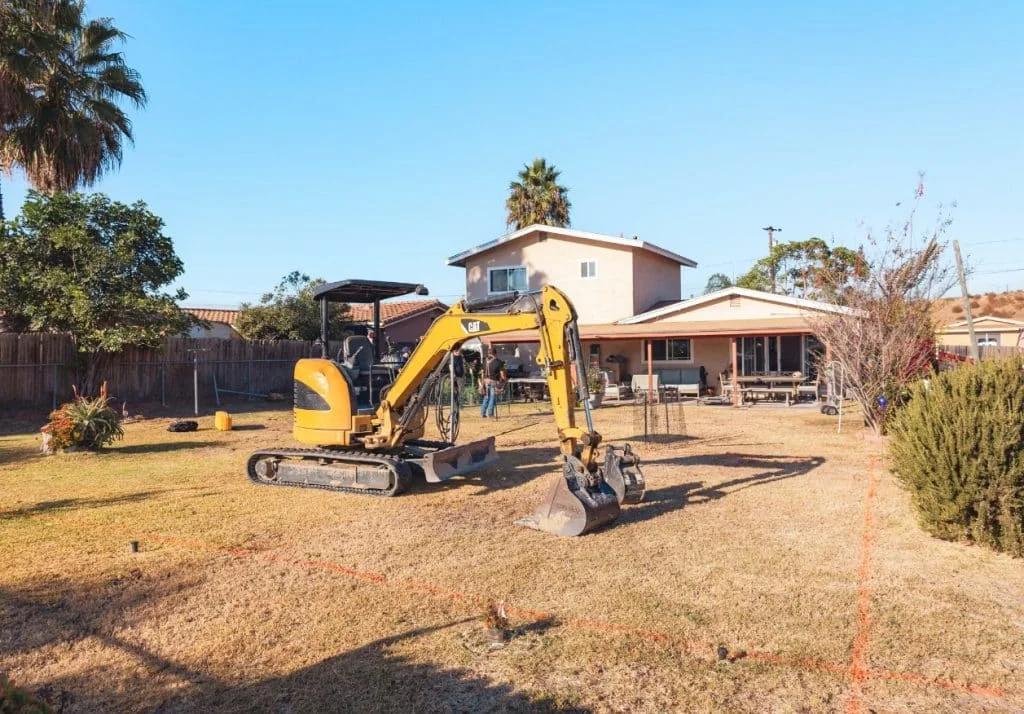
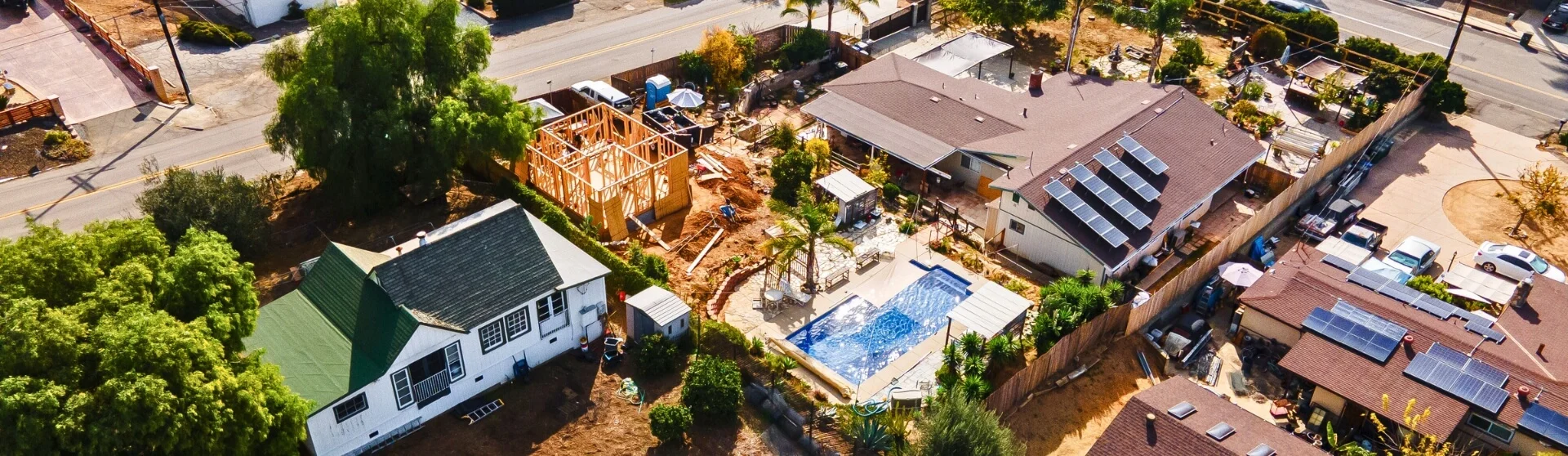
Proper site preparation and professional oversight can reduce costly delays and support your ADU’s long-term structural integrity.
Unused Space Pitfall
Modular ADUs may offer cost advantages, while custom-built options can provide greater flexibility to use available space and complement existing architecture. Compare both approaches using site access, foundation requirements, utility connections, design constraints, and total installed costs.
California Property Tax Considerations
Review ADU can increase property taxes with the county assessor. California’s base property tax rate is approximately 1% of assessed value, plus applicable local charges.
California generally adds the assessed value of new ADU construction without reassessing the primary residence. An ADU assessed at $100k could therefore add about $1k in annual base property tax, plus applicable charges. Ask the county assessor about valuation, supplemental assessments, and billing dates. Review potential tax deduction opportunities with a tax professional, along with any effect on annual property taxes.
Under California’s Proposition 13, adding an ADU generally does not trigger reassessment of the entire property. The ADU’s assessable new construction adds value to the tax roll. Annual increases in assessed value are generally capped at 2% or the applicable inflation factor, whichever is lower, subject to statutory exceptions.
Why ADUs Are a Great Long-term Investment
Adding an ADU can improve a homeowner’s current living arrangements while creating a long-term investment that may increase property equity and resale value, depending on costs and market conditions.
Increasing Long-term Property Equity
Treat value-growth estimates such as 20-35% on average as claims to verify, not guaranteed outcomes. An ADU’s contribution to resale value depends on comparable sales, construction quality, permitted use, and future market conditions. Its value may rise or fall alongside the broader property market. Net rental income can also help pay down a mortgage and build equity, provided revenue exceeds operating expenses, financing costs, and vacancy losses.
Appeal to Future Buyers
ADUs offer practical flexibility alongside potential equity gains, appealing to buyers interested in rental income, professionals seeking a separate home office or guest space, and families needing multi-generational living options. Any office or guest use should remain consistent with applicable requirements for the permitted dwelling. Additionally, ADUs maximize land use can help address housing needs where space for new construction is limited.
Does Adding an ADU Trigger Property Reassessment in California?
Adding an ADU generally results in an assessment of the new construction rather than reassessment of the entire property. This blended assessment preserves the existing property’s assessed basis while adding the ADU’s assessable value. Confirm the treatment of related improvements with the county assessor.
How to Maximize the Value of Your ADU
To support your ADU’s long-term value, consider practical eco-friendly features and useful smart-home technologies. Discuss Uni Construction’s scope of services, from design and construction to assistance with the permitting process, before establishing your project plan.
FAQs About ADUs and Property Value
An ADU can support long-term value, but appreciation is not guaranteed. Buyer demand, local market conditions, construction quality, and the unit’s permitted uses all influence whether the property achieves a higher resale price over time.
California’s base property tax rate is approximately 1% of the ADU’s assessed value, plus applicable local charges. Contact the county assessor or a qualified tax professional for a property-specific estimate.
Ready to Boost Your Property Value with an ADU?
An ADU project has many moving pieces, and costs. Working with an experienced team can help you reduce costly mistakes and coordinate your build-out process. Required inspections and final occupancy authorization must be completed before residential use begins. Approval timing depends on the project and reviewing agencies. Contact us today to learn about Uni Construction’s process and discuss practical ways to make the most of your property.