

What Impacts the Cost of ADU Plumbing?
The best way to determine your actual costs is to contact an experienced ADU builder for a project-specific quote. However, understanding the most expensive phases of construction can help you develop a preliminary budget. These include site prep and foundation, framing, roofing, building systems (HVAC, electrical, and plumbing), walls, and finish work.
While many construction costs depend on your ADU’s square footage, plumbing costs are less directly tied to size. They depend more on the number and style of fixtures you install, the cost of permits, applicable building and plumbing codes, the location of existing plumbing, water, and sewer lines, and the condition and capacity of those lines.
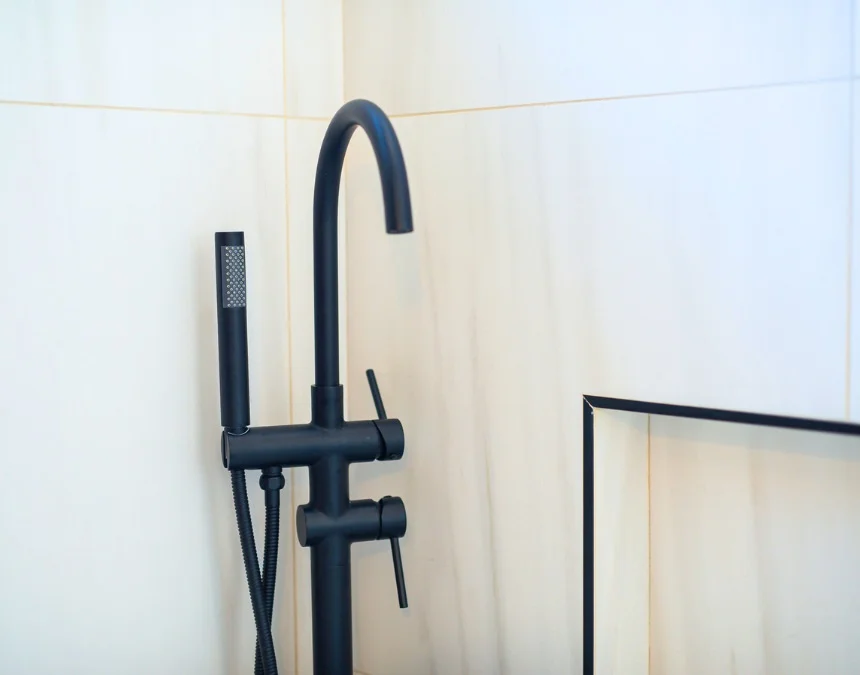
Choosing appropriate materials and meeting applicable local requirements can help you manage ADU plumbing expenses effectively.
Impact-fee threshold note: Under the March 2026 California HCD ADU Handbook, the statewide development-impact-fee exemption includes ADUs with 750 sq ft of interior livable space or less. Above 750 sq ft, applicable impact fees must be proportional. School, utility, plan-check and permit charges follow separate rules.
Factors Affecting Plumbing Costs for ADUs
Your city’s zoning rules and plumbing requirements can affect plumbing costs in several ways.
First, your jurisdiction may require a separate plumbing permit, with its own fees and inspections at multiple stages of construction. During permit review, officials may require that ADU projects use approved pipe materials. The materials required for your project can affect overall construction costs. Local rules may also govern the placement of underground utilities and their separation from structures or other lines, potentially requiring additional excavation. More extensive trenching can increase restoration costs afterward, particularly where work disturbs existing paving, planting beds, or other landscaping.
Finally, properties in environmentally sensitive or flood-prone areas may need additional drainage measures to meet applicable requirements. To understand which plumbing and drainage regulations affect your project, contact your local building department and any other agency responsible for reviewing the site.
Another major plumbing cost factor is the type of ADU you’re building. Detached ADUs often require more extensive plumbing work, while attached ADUs or junior ADUs may cost less if existing systems can accommodate them.
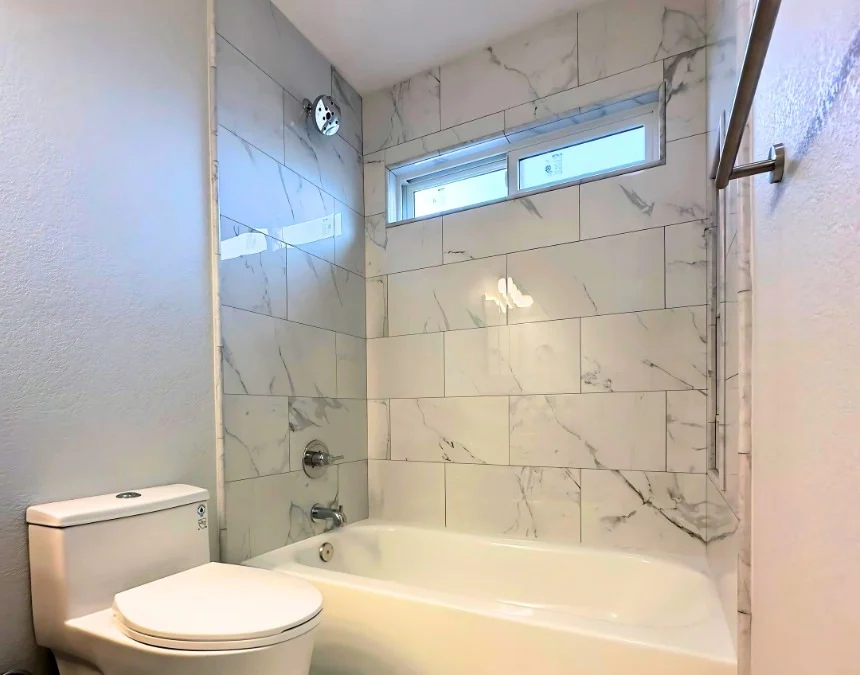
Permit fees, utility placement requirements, and fixture choices can significantly affect ADU plumbing costs. Plan carefully to balance your budget and functionality.
Detached ADUs Plumbing Costs
When people think of ADUs, they often picture detached units. Detached ADUs are small, standalone homes or casitas on a lot with a primary residence, often used to house family members or provide rental housing.
Detached units often have higher plumbing costs because water and sewer lines must extend to a separate structure. Whether separate service connections are necessary depends on applicable requirements. Gas piping may also be needed if the approved design includes gas appliances.
This can also apply to conversion ADUs, such as garage conversions. Although reusing an existing structure may reduce some construction costs, homeowners often still need new water and sewer piping because many garages lack suitable plumbing connections.
Attached ADUs Plumbing Costs
ADUs do not have to be standalone structures. They can attach to the primary home, and this configuration may reduce construction expenses, particularly plumbing costs, when existing systems have adequate capacity.
Because the ADU is connected to the main home, plumbers may be able to connect its plumbing to the main home’s existing system, provided capacity and code requirements allow it. They may need to split or reroute pipes to accommodate the additional fixtures. Although this work can involve opening and repairing walls in the primary home, it may cost less than installing longer utility runs or separate service connections.
Junior ADUs Plumbing Costs
Junior ADUs, or JADUs, are units of no more than 500 square feet created within a proposed or existing single-family residence, including qualifying attached garages. A converted bedroom, garage, or basement may qualify if it meets applicable requirements, including an efficiency kitchen. Not every interior conversion automatically qualifies as a JADU.
JADUs may have lower plumbing costs because, unlike traditional ADUs, they can share a bathroom with the main residence when applicable requirements are met. This can eliminate the expense of a separate bathroom. Homeowners may still choose to add one, potentially connecting it to the home’s existing plumbing, subject to capacity, design, and code requirements.
Below is a breakdown of plumbing cost considerations by ADU type.
| ADU Type | Rough-In Plumbing Costs | Fixture Installation Costs | Additional Costs | Total Plumbing Cost Range |
|---|---|---|---|---|
| Detached ADU | Estimate based on layout and utility connections | Price fixtures and installation labor | Trenching, gas lines if needed, and utility coordination | Obtain an itemized, site-specific quote |
| Attached ADU | Assess connection points and existing pipe capacity | Price fixtures and installation labor | Modifications to existing plumbing and access repairs | Confirm costs after evaluating existing systems |
| Junior ADU | Estimate kitchen plumbing and any bathroom work | Price fixtures for the proposed layout | Optional bathroom addition and related drainage work | Obtain a quote based on the bathroom configuration |
Breakdown of Plumbing Costs for ADUs
Now that we have reviewed the factors influencing an overall plumbing budget, let’s break the work into 3 main components: material costs, labor costs, and sewer connection costs.
Material ADU Plumbing Costs
One significant material expense is the piping specified for your project, which must suit its intended use and meet applicable code requirements.
Copper piping can last 50 or even 70 years under favorable conditions, but its lifespan depends on water chemistry, installation, and maintenance. It is recyclable, although its environmental impact involves more than recyclability alone. Copper generally costs more than PVC, and the two materials are not interchangeable in every plumbing application.
Your material budget should also account for plumbing fixtures and how their specifications affect the design and installation costs. A compact ADU bathroom can feel luxurious through thoughtful layout, lighting, and coordinated finishes. Achieving that effect does not necessarily require choosing premium materials for every surface or fixture.
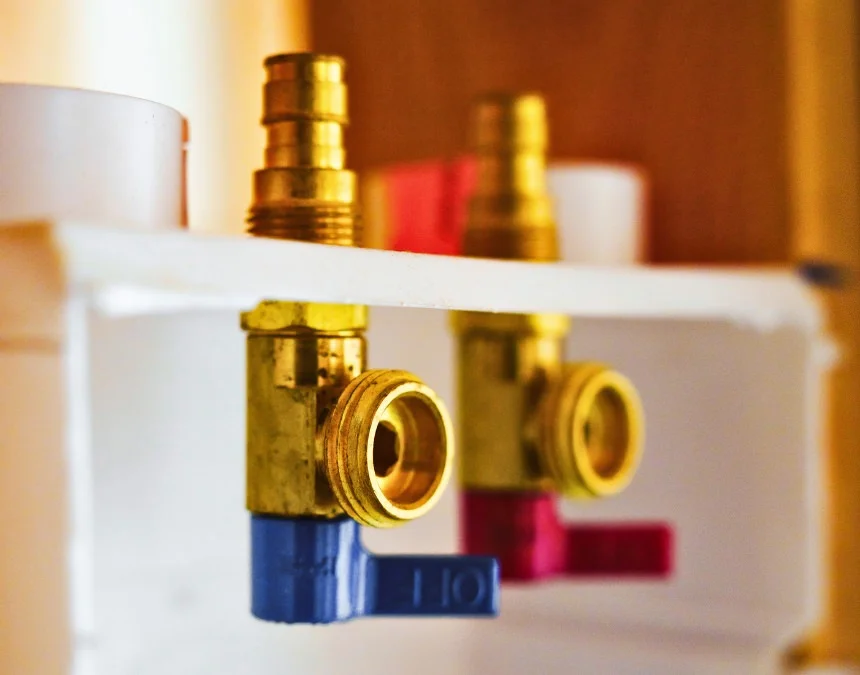
Copper generally costs more than PVC, but suitability depends on the application. Balance durability, code requirements, and budget when choosing ADU plumbing materials.
Labor ADU Plumbing Costs
Whatever materials you choose, installation requires skilled labor. Labor can represent a substantial share of your plumbing budget, but a 40-50% allowance should be treated as a preliminary assumption to verify through itemized, project-specific bids.
Beyond the general cost of labor in Los Angeles, your project’s complexity also affects labor costs. Extensive trenching and excavation for new lines can increase expenses. Copper piping may require soldered, brazed, or approved mechanical connections, depending on the application. These methods require appropriate skills and equipment, which can influence installation costs.
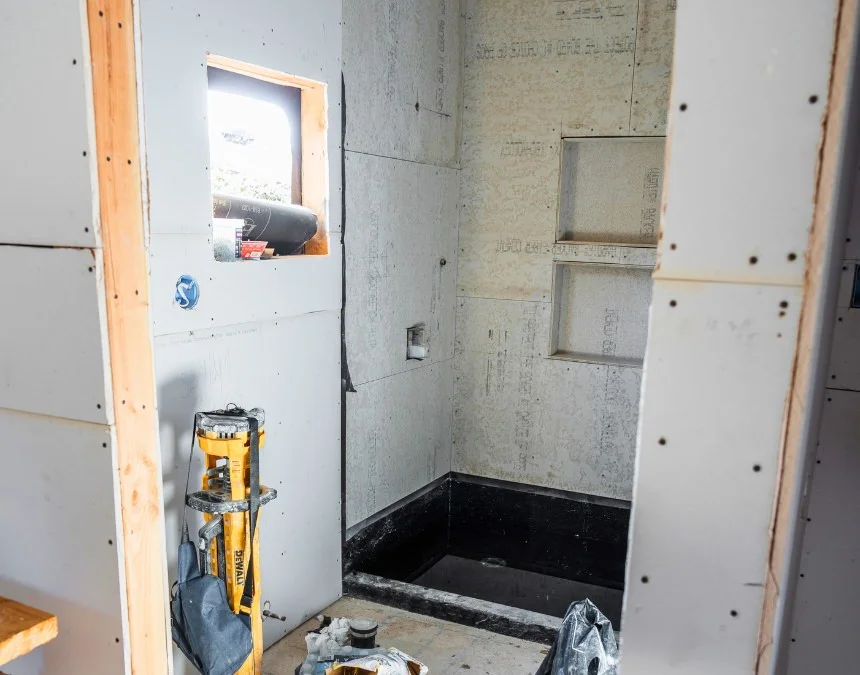
A 40-50% labor allowance is only a preliminary budgeting assumption. Verify it through project-specific bids, especially for complex excavation or copper-pipe installations.
ADU Sewer Connection Cost
In addition to materials and labor for connecting your ADU to the sewer system, applicable connection or capacity charges may affect your budget. California’s impact-fee exemption for ADUs 750 square feet or less is not a blanket sewer-fee waiver. Utility charges follow separate rules, and some qualifying conversions receive different treatment. Ask your sewer provider and building department which charges apply and how any connection or capacity fees must be calculated for your specific project.
For more information about potential fee exemptions, read our separate post on it here, then verify eligibility with the responsible agency.
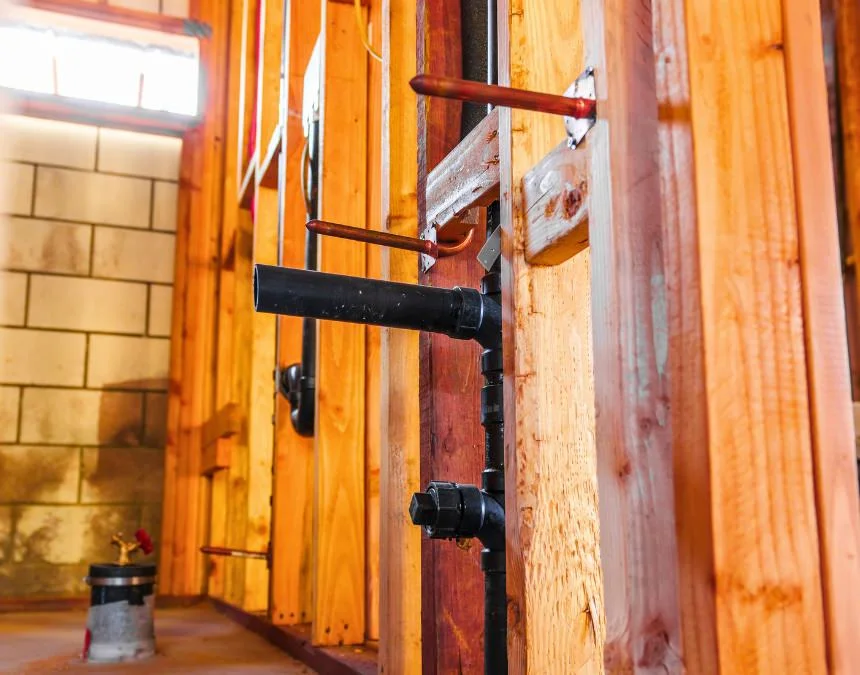
ADUs 750 sq. ft. or less may qualify for an impact-fee exemption, not an automatic sewer-fee waiver. Confirm applicable charges with your utility provider.
How Much Does it Cost for Rough in Plumbing vs. Final Plumbing
For plumbing in any ADU project, your contractor will likely describe the work in 2 stages: “rough-in” plumbing and final plumbing. The distinction is whether the work involves concealed piping or finished fixtures and connections.
Rough-in plumbing costs
Rough-in plumbing is the initial stage, when the necessary supply, drain, waste, vent, and any approved gas piping are installed. Connections to existing systems or utility services follow the approved plans. This work serves bathrooms, kitchens, and in-unit laundry.
Costs for this phase vary considerably between a JADU, a small detached ADU, and a larger detached unit with multiple bathrooms. Request an itemized estimate covering pipe runs, excavation, existing-system upgrades, inspections, and any utility connection work required for your site.
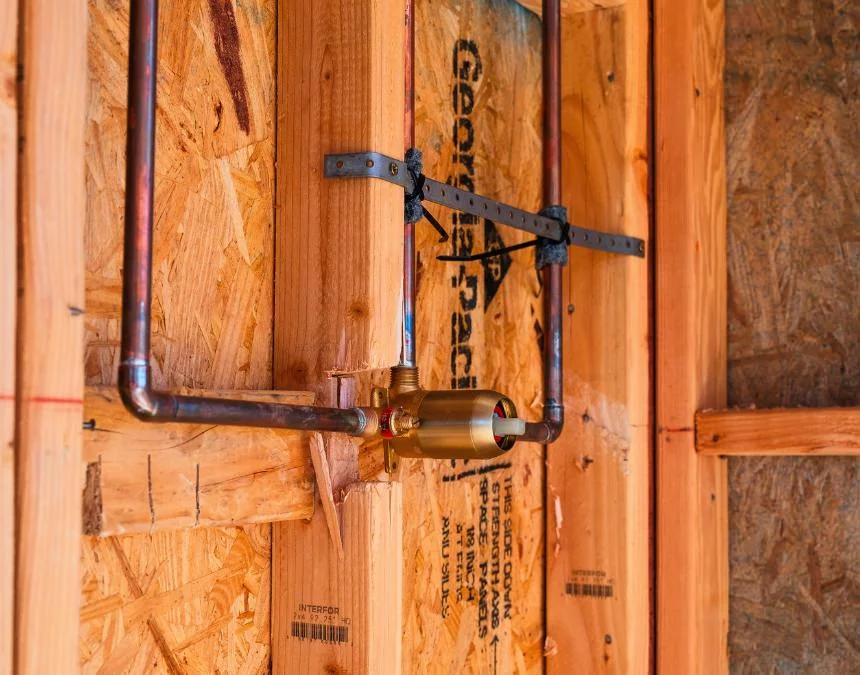
Rough-in plumbing is a critical construction phase. Proper installation supports reliable operation, long-term performance, and compliance with applicable codes.
Final plumbing costs
After the rough plumbing passes required inspections and the relevant wall and floor finishes are complete, plumbers return for final plumbing. They install fixtures, such as sinks and toilets, connect appliances such as washing machines, and test the completed installation for proper operation and leaks.
Costs for this phase vary widely with your preferences and the appliances and fixtures you select. Simple designs generally cost less, while upgraded finishes may improve appeal without necessarily increasing rental income or resale value. If you plan to use the ADU as a rental property, evaluate durability, maintenance, and likely occupant needs alongside appearance. An experienced ADU builder can help compare finishing options and identify where additional spending supports your goals without exceeding your budget.
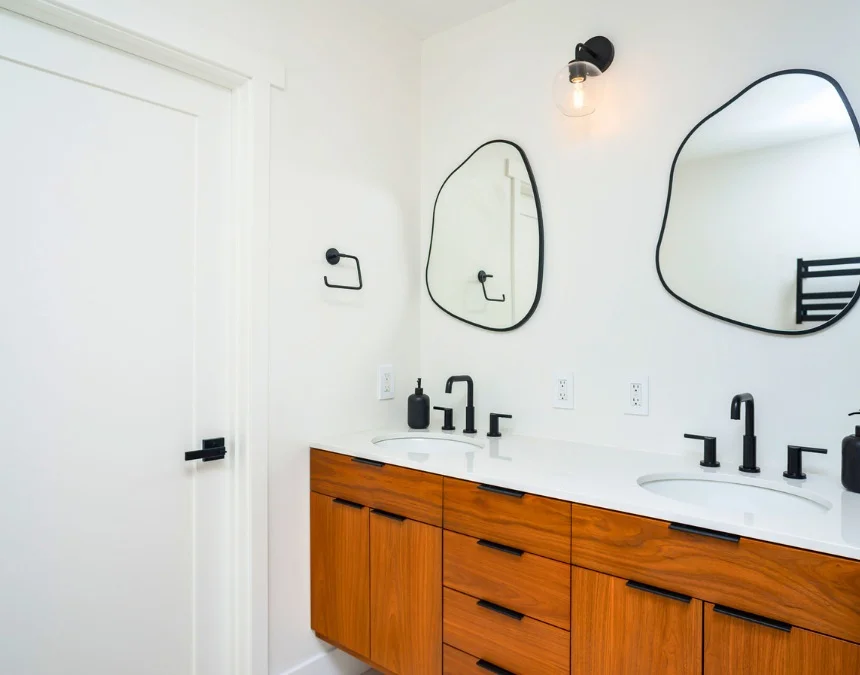
Premium fixtures increase upfront costs but do not guarantee higher returns. Balance appearance, durability, maintenance, and affordability when selecting ADU finishes.
Other Hidden Costs to Consider
Luxury fixtures can increase plumbing costs, sometimes unexpectedly. Water-efficient options may also cost more upfront, although reduced consumption can lower utility expenses over time. Actual savings depend on usage and billing practices. If environmental performance matters to you, compare fixture efficiency ratings, installation requirements, and long-term maintenance needs.
Another often-overlooked plumbing expense is the water heater. Tankless models can cost more to purchase and install than conventional tank models, particularly when utility upgrades are needed. Some tankless units last 20+ years, while conventional tanks often last 8-12 years. Actual service life depends on equipment type, water hardness, maintenance, and operating conditions.
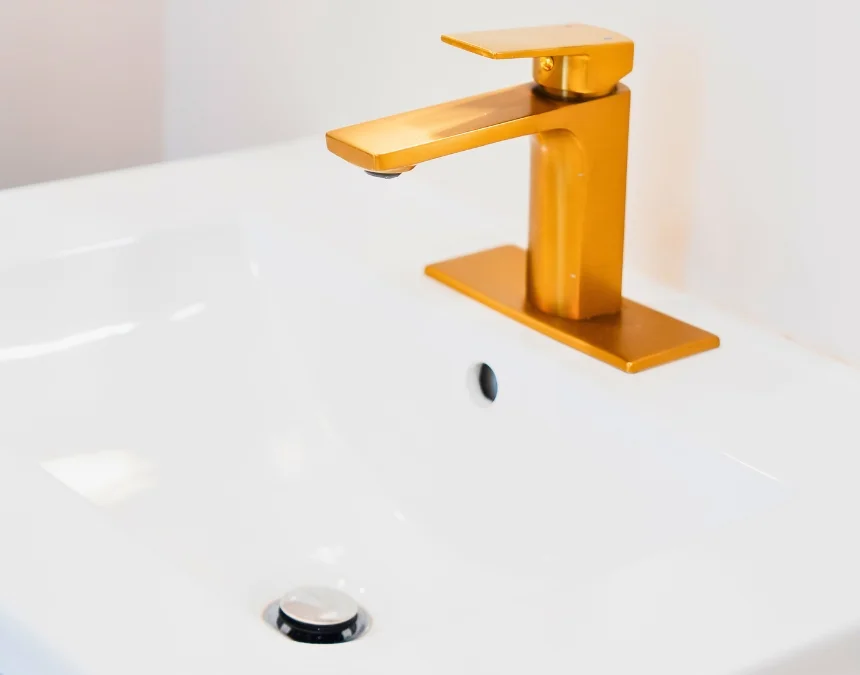
Luxury fixtures can increase upfront costs. Efficient fixtures and water-heating equipment may reduce water or energy bills, depending on usage and system design.
How to Save on ADU Plumbing Costs
To control costs, choose fixtures carefully and consider DIY only for work you can perform safely and legally. Doing some tasks yourself may reduce labor charges, but mistakes can cause leaks, damage, or expensive corrections. Some homeowners can install a sink or toilet, provided permits and local rules allow it. Rough-in work, concealed piping, and complex connections are generally better handled by qualified professionals who understand the approved plans and applicable code requirements.
Before doing any work yourself, ask the local building department about permit, licensing, inspection, and occupancy requirements. These apply based on the work and jurisdiction, not simply whether the ADU will be rented.
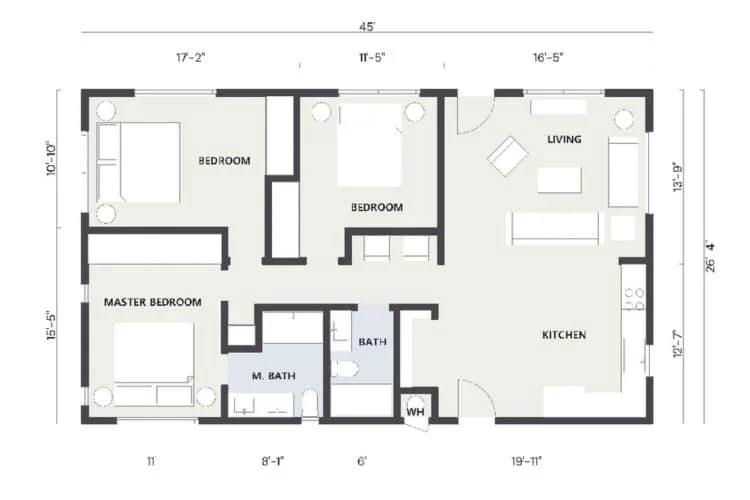
Thoughtful planning of your overall ADU layout can also reduce costs. When deciding on your floor plan, group fixtures where practical and keep pipe runs short and direct, while maintaining required slopes, venting, access, and clearances.
Frequently Asked Questions About ADU Plumbing Costs
It depends on the ADU design, existing-system capacity, and applicable requirements. Detached units need plumbing runs to the structure, but not necessarily separate service connections. Attached units and JADUs may connect to existing systems. Gas piping is unnecessary for an all-electric design.
This is site-specific. Relevant factors include the existing plumbing system’s location relative to the ADU, its condition and capacity, and the extent of any splitting, rerouting, or upgrades needed to serve the additional fixtures. These conditions can be evaluated during a free consultation.
Although shed and detached garage conversions may reduce some construction expenses, their plumbing needs can resemble those of a new detached ADU. Many lack usable plumbing, so costs depend on nearby connections, system capacity, excavation, and required upgrades rather than the existing structure alone.
Conversions may offer savings on framing, foundation work, and electrical infrastructure if existing components are suitable for residential use. However, an existing slab, structure, or garage-door circuit does not establish compliance. Have qualified professionals assess structural capacity, moisture protection, and electrical upgrades before including these savings in your budget.
Can you do the work yourself? Possibly, depending on local rules, the work involved, and your plumbing experience. Homeowners without relevant experience should generally leave rough-in plumbing to qualified professionals and consider only manageable final-stage tasks that they are legally permitted to perform.
Depending on your contractor’s policies, you may save by purchasing approved fixtures yourself and having them on-site before installation. Confirm specifications, delivery dates, and warranty responsibilities first. Removing old flooring or fixtures may also help, but only when the work is safe, authorized, and free of hazardous-material concerns.
ADU bathrooms must meet applicable fixture, clearance, ventilation, and other code requirements, even when no single minimum room size applies. A smaller unit may have a 3/4 bathroom with a shower rather than a bathtub. Larger units may include multiple bathrooms or an en-suite with both a tub and shower, subject to available space and compliant design. Explore our floor plans page for examples of common bathroom dimensions and layouts, then verify the requirements for your project.
Need Help Planning Your ADU Plumbing Costs?
When planning your ADU building process with Uni Construction, discuss each construction phase, including plumbing scope, utility connections, inspections, and potential site-specific complications.
For a preliminary estimate of your additional living space, explore our ADU cost calculator. For a more detailed quote, contact us about a consultation and ask about site-survey availability and any associated fees. A site assessment can help clarify construction costs and identify potential complications, although concealed conditions or later changes may still affect the final budget.