

Why the Los Angeles ADU Waiver Program Ended
Before budgeting around any Los Angeles’s ADU Waiver Program, confirm its current status with your city’s planning and building departments. Temporary incentives may expire, exhaust their funding, or change eligibility requirements. Although waiving every permit charge and development fee would reduce ADU costs, homeowners should not assume that all charges qualify. Ask which additional costs remain payable, which authority collects them, and whether any available exemption applies to your proposed project.
When reviewing ADU Waiver Program, distinguish temporary local incentives from statewide ADU protections. SB 13 established important fee and permitting provisions, but eligibility should be checked against current California law rather than the original legislation alone.
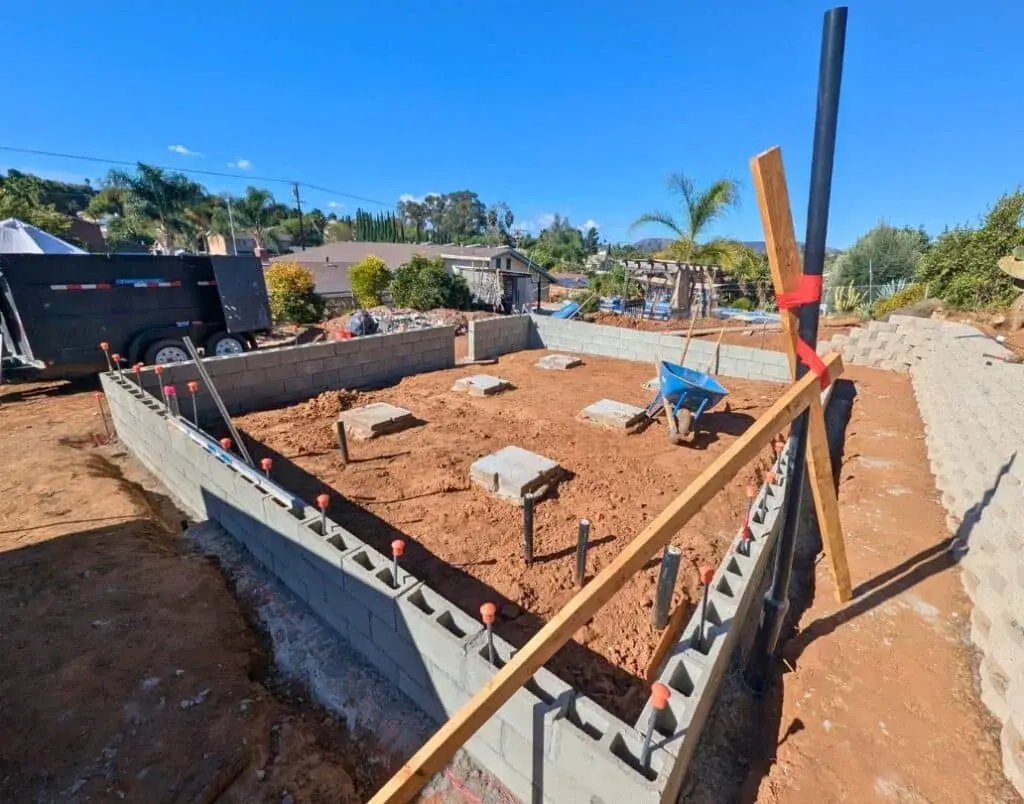
Early project planning and a clear understanding of changing city policies can help you anticipate costs and avoid preventable ADU construction delays.
Impact-fee threshold note: Under the March 2026 California HCD ADU Handbook, the statewide development-impact-fee exemption includes ADUs with 750 sq ft of interior livable space or less. Above 750 sq ft, applicable impact fees must be proportional. School, utility, plan-check and permit charges follow separate rules.
How SB13 Impacts ADU Construction in California
Regardless of whether a local waiver program is available, review SB13 alongside current California ADU law to identify potentially applicable incentives. Eligibility depends on the proposed unit, the property, and the particular fee or approval involved, so verify incentives are more robust before setting your budget. Whether you intend to use an ADU as a granny flat or pursue rental income, check the requirements separately. Junior accessory dwelling units, or JADUs, also have distinct rules for conversions within a single-family residence.
SB 13 introduced streamlined permitting, impact-fee exemptions for ADUs under 750 square feet, and limits on certain utility charges. Check current law for applicable requirements and exceptions.
Streamlined ADU Development
California law generally requires the local permitting agency to approve or deny a complete qualifying ADU application within 60 days, subject to statutory conditions and exceptions. This is not a blanket deadline for every project stage or a requirement for a board of supervisors to review each permit. Ask when the review period begins, what could affect it, and how cost-effective project relates to your overall construction schedule.
Fee Waivers for Smaller ADUs
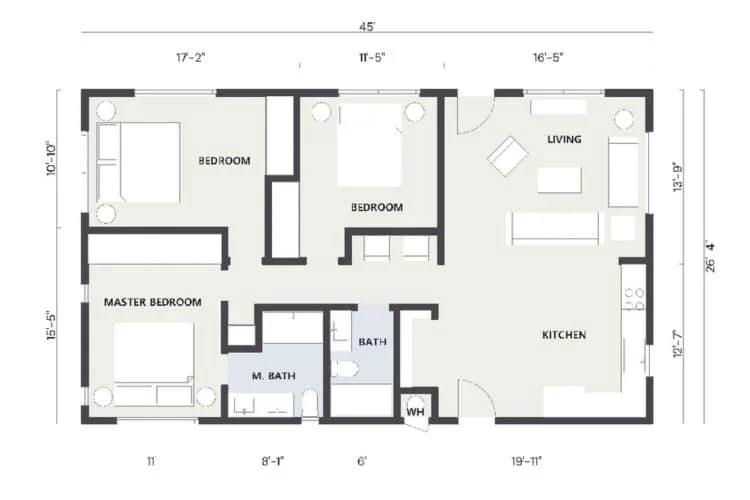
An ADU’s allowable size depends on current state protections and applicable local standards, rather than a universal 1,200-square-foot limit. ADUs 750 square feet or less generally qualify for a statutory impact-fee exemption. Confirm how floor plans and 750 square feet or less apply to your project, and ask separately about JADU fees.
JADUs are smaller residential units created within a proposed or existing single-family residence, including qualifying attached garages. Review independent living spaces against current conversion requirements before selecting a location. A basement or garage must satisfy applicable eligibility, building, and safety standards; being inside the home’s footprint does not automatically make a space suitable. Like ADUs,
JADUs require a separate entrance. Instead of a full kitchen, they may use an efficiency kitchen with the required cooking facilities, food-preparation counter, and storage that meet applicable standards.
JADUs are capped at 500 square feet, but their fee treatment should be verified separately rather than inferred solely from their size. For ADUs measuring more than 750 square feet of interior livable space, current state law generally requires impact fees to be proportional to the ADU’s square footage relative to the primary dwelling. This does not eliminate every development-related charge.
Utility Connection Fee Reductions
Utility connection charges do not follow the same under-750-square-foot exemption as impact fees. Requirements depend on the unit type, proposed connections, and applicable statutory exceptions. Ask each serving utility whether a separate connection is required and how any connection fee or capacity charge is calculated under current law.
Statewide Legislation
Any Los Angeles’s ADU Waiver Program should be evaluated as a local incentive. SB 13 established statewide ADU provisions, but homeowners throughout California should consult current law and the California ADU Handbook for applicable requirements.
Local development standards, building requirements, and incentive programs vary by jurisdiction within the limits of state law. An experienced local ADU contractor can help you investigate ever-changing regulations, but confirm requirements with the responsible planning, building, and utility authorities.
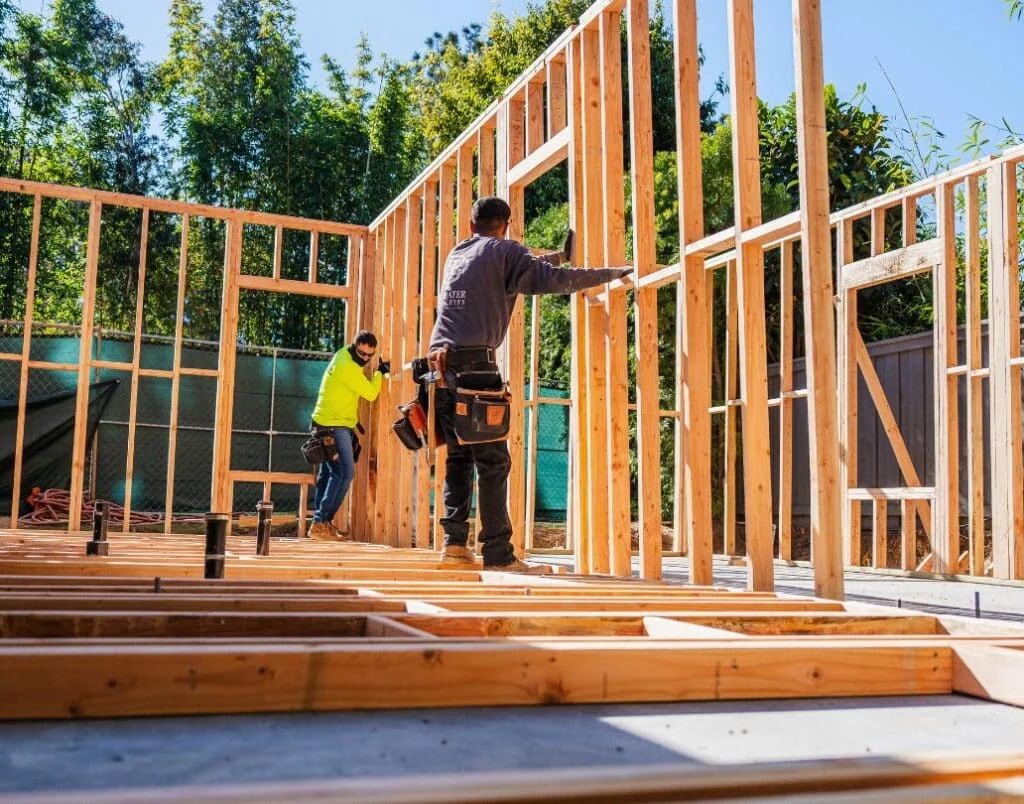
ADUs 750 sq ft or less generally qualify for an impact-fee exemption. Construction speed and overall affordability still depend on site conditions, design, permitting, and project scope.
ADU Fee Waivers in Encinitas, Vista, and La Mesa
Do not assume Los Angeles operated a fee-waiver program that ended in 2023 or that comparable programs remain available elsewhere. For Encinitas, Vista, or La Mesa, verify the responsible jurisdiction and ask its planning and building departments about current incentives, eligibility requirements, and covered fees.
If your property is in Los Angeles, Diamond Bar, or Pomona, consult that city’s official ADU resources and confirm any details of your specific program directly with staff. These are separate jurisdictions, so requirements and available incentives may differ. Review setbacks, requirements, parking requirements, utility connections, and other site-specific considerations before planning your ADU. Obtain written clarification when a requirement could materially affect your design or budget.
Program availability can change after publication. Before relying on an incentive, confirm whether it remains active, has available funding, accepts new applications, and requires approval before you submit plans or begin construction.

Verified local incentives and applicable statewide fee protections may reduce ADU costs, helping you allocate more of your budget to design, functionality, and site-specific needs.
General Requirements for ADU Fee Waivers
Eligibility for requirements for ADU and other fee waivers varies by jurisdiction and program. The following considerations can help you evaluate potential requirements, but none should be assumed to apply universally.
Affordability Requirements
Affordable housing advocates discuss view ADUs as a way to support California’s housing crisis. Some local incentives may require owners to keep ADU rents affordable for a specified period. Before participating, ask the administering agency about income limits, maximum rents, recorded restrictions, compliance reporting, and the consequences of ending participation early.
Housing for Family Members
Some local incentives may support affordable rentals, while others may address house extended family members, including housing for seniors or caretakers. Confirm whether such a program actually exists in your jurisdiction and whether its occupancy requirements fit your plans.
Impact Fees for Larger ADUs
Smaller ADUs may qualify for an impact-fee exemption, while JADUs require a separate review of applicable charges. Larger ADUs may benefit from proportional impact-fee calculations and other statutory protections. Ask whether designed to help homeowners applies to your project, and compare itemized estimates rather than assuming that these provisions eliminate permit fees, utility costs, or all other construction-related charges.
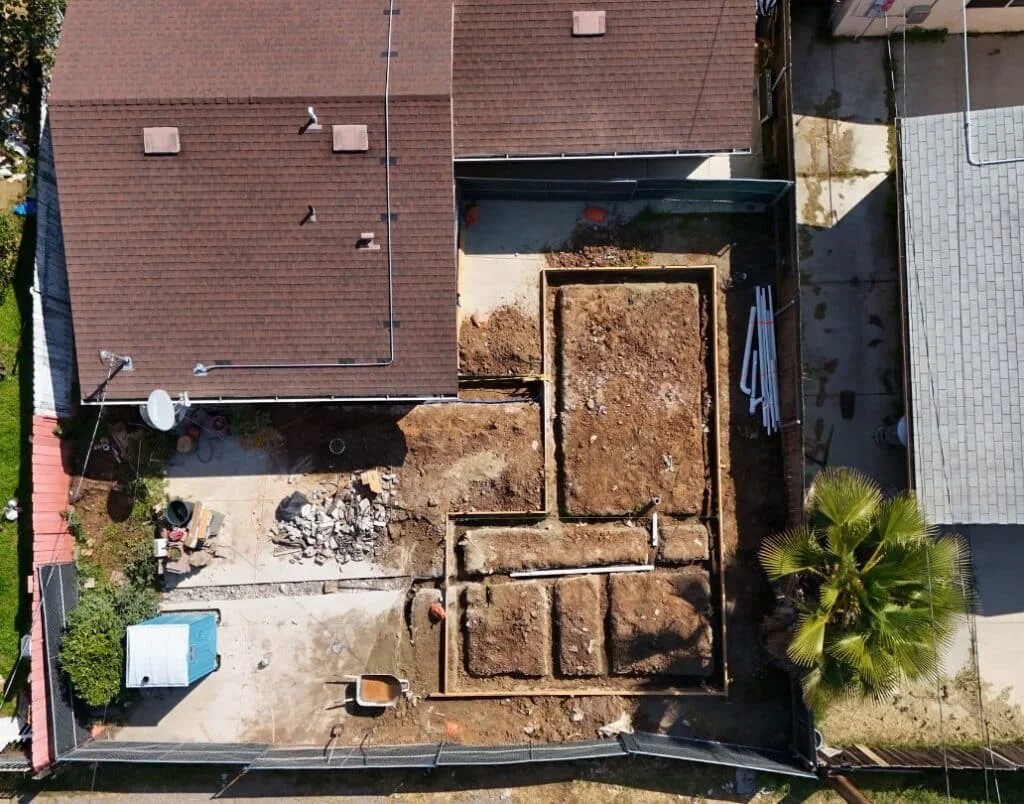
Thoughtful ADU design can support functionality, visual appeal, and potential property value. Verify fee-waiver eligibility separately, since attractive design alone does not establish qualification for an incentive.
Frequently Asked Questions About ADU Fee Waivers
The number of ADUs and JADUs allowed depends on current state law, the existing property, and the proposed unit configuration. Do not assume that one ADU and one JADU is always the maximum. Before relying on an affordable ADU bonus program, ask the local planning department whether an applicable bonus program exists and what additional units it permits.
If an applicable bonus program exists, request its written affordability requirements. Confirm eligible household incomes, allowable rents, the required restriction period, and monitoring obligations rather than assuming a universal 15-year commitment.
Yes, an ADU requires building permits and any applicable planning approvals from the responsible local departments. Properties in historic districts may require additional review of relevant historic-preservation standards. Confirm the applicable requirements early so they can be incorporated into the design and permitting schedule.
California law does not impose a universal limit of 1 ADU and 1 JADU on every property. Permitted combinations depend on the property type, existing structures, and applicable state and local provisions. Attached units, detached units, and conversions may be treated differently. Consult this blog post and confirm your proposed configuration with the local planning department.
Generally, adding an ADU does not trigger a full reassessment of the existing property. The assessor typically adds the assessable value of the new construction to the existing assessment. This changes taxable value, not necessarily the applicable property tax rate.
Review ADUs affect property taxes here and contact the county assessor to understand how an ADU could affect your property taxes. If tax concerns are delaying your project, request an explanation of how the new construction would be assessed and whether any exclusions apply. An ADU generally does not trigger a full reassessment of your existing home, but the added assessment can increase your annual bill. Evaluate that expense alongside projected rental income, operating costs, and potential changes in property value, without assuming that rental earnings or appreciation will offset it.
Get Personalized ADU Advice from Experts
As ADUs continue gaining traction throughout California, tracking zoning requirements, safety standards, and available fee incentives can become challenging. Outdated assumptions may lead to unexpected expenses or redesigns. Check current official guidance early and revisit important requirements before submitting plans or committing to construction.
When working with Uni Construction, ask how ADU building process, site conditions, permit requirements, and potential fees will be addressed throughout your project. Clear responsibilities, written estimates, and documented decisions can help homeowners manage expectations and reduce avoidable stress.
To explore what your ADU project might cost, review our cost calculator tool or reach out for a free custom estimate. Confirm what any estimate includes and which project-specific expenses remain subject to review.