

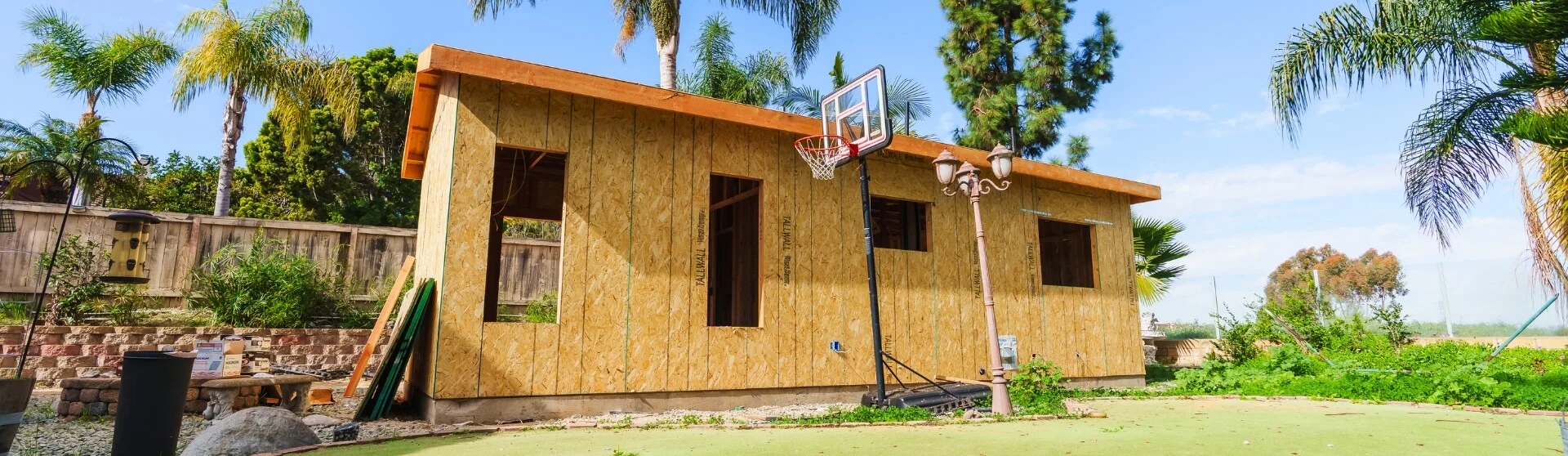
Why ADUs Are More Popular Than Ever in California
Why California Homeowners Are Investing in ADUs
Homeowners are exploring California homeowners are increasingly investing in Accessory Dwelling Units (ADUs) for their flexible living space, rental opportunities, and potential long-term property value benefits. Rising housing costs across California have made detached accessory dwelling units and other small-footprint homes attractive options for homeowners seeking to make better use of their property without purchasing a larger home. Many families also use ADUs for multigenerational living, aging in place, guest accommodations, or private space for remote workers and adult children.
For statewide guidance, consult California Department of Housing and Community Development alongside the March 2026 California ADU Handbook and applicable current law. Statewide reforms have expanded housing opportunities and streamlined certain permitting requirements, but homeowners should still confirm zoning standards, local regulations, application requirements, and building permits with the authority responsible for their property.
ADUs can offer financial benefits, but property value increases and rental returns are not guaranteed. Review Maxable alongside a property-specific appraisal, local rental comparisons, and a detailed project budget. In unincorporated Los Angeles County, homeowners should also confirm county requirements before evaluating an ADU as an investment that combines housing flexibility with potential rental income.
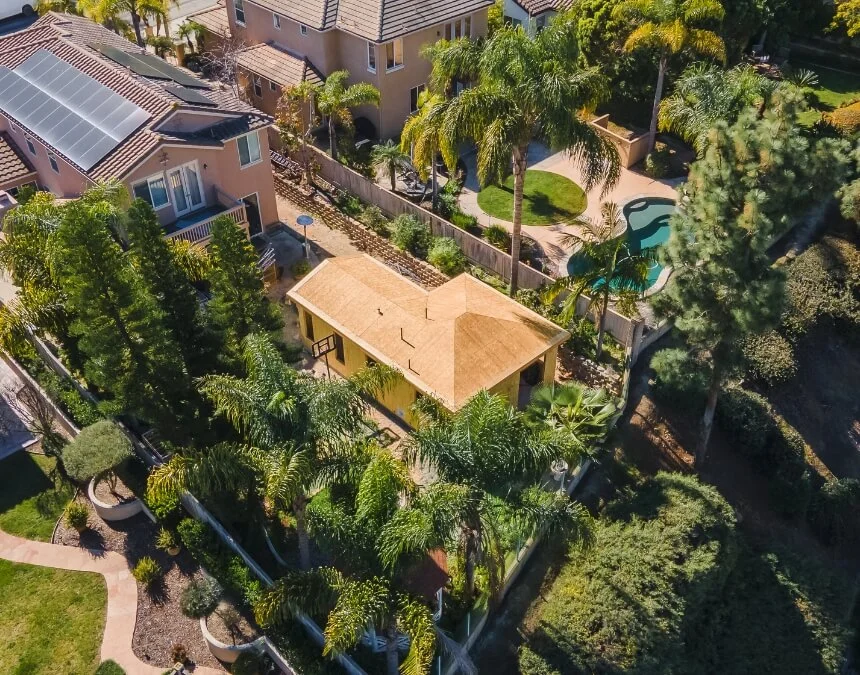
ADUs continue to attract interest because they offer flexible housing, potential rental income, and possible long-term property value benefits.
Why Choosing an Experienced ADU Builder Matters
ADU Projects Are More Complex Than Traditional Remodeling
Planning ADU construction is often more complex than a standard home remodeling project because it involves permitting, zoning compliance, utility coordination, and structural design. Homeowners may need to address sewer connections, fire setbacks, easements, site preparation, and local development standards before construction begins. In jurisdictions such as Los Angeles, reviews of applicable parking requirements, lot layout, building codes, and neighborhood-specific conditions may also be necessary, subject to state ADU law.
An experienced ADU builder or general contractor can help homeowners navigate these challenges and reduce the risk of costly mistakes, delays, and failed final inspections. Consult Casita Coalition alongside official state and local guidance to understand requirements for the property. Local expertise matters because site conditions, permit procedures, and applicable development standards can differ between jurisdictions within the limits established by California law.
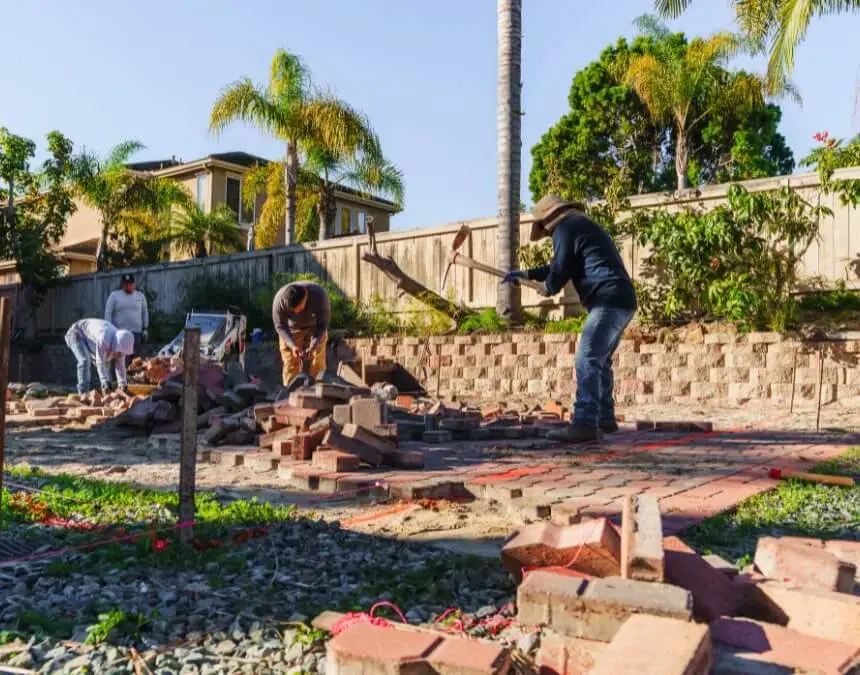
Experienced ADU builders can identify site challenges early, helping reduce construction delays and unexpected project costs.
Understanding California ADU Laws and Regulations
What Are the New California ADU Laws for 2026?
California’s ADU requirements continue to evolve as the state works to increase housing supply and simplify residential development. For projects planned in 2026, consult the March 2026 California ADU Handbook and current law regarding detached ADUs, garage conversions, and other secondary dwelling units, including applicable parking and owner-occupancy provisions. These requirements help shape decisions about ADU floor plans, custom designs, and long-term residential property investments.
Local procedures and site conditions can still differ between cities and regions, although local requirements must comply with state law. Consult California Department of Housing and Community Development and the relevant permitting authority to confirm applicable setbacks, application procedures, utility requirements, and zoning standards. Permit issuance timelines also depend on application completeness, project circumstances, and applicable statutory requirements.
For example, Los Angeles ADU permitting policies may differ from Los Angeles procedures, even where both jurisdictions follow the same statewide laws. Depending on the site, hillside conditions, fire access, parking provisions, or local development standards may require review. Because California ADU regulations and local requirements can change, an experienced ADU builder can help homeowners identify applicable rules, maintain design compliance, and coordinate permitting without assuming that approval in one jurisdiction applies elsewhere.
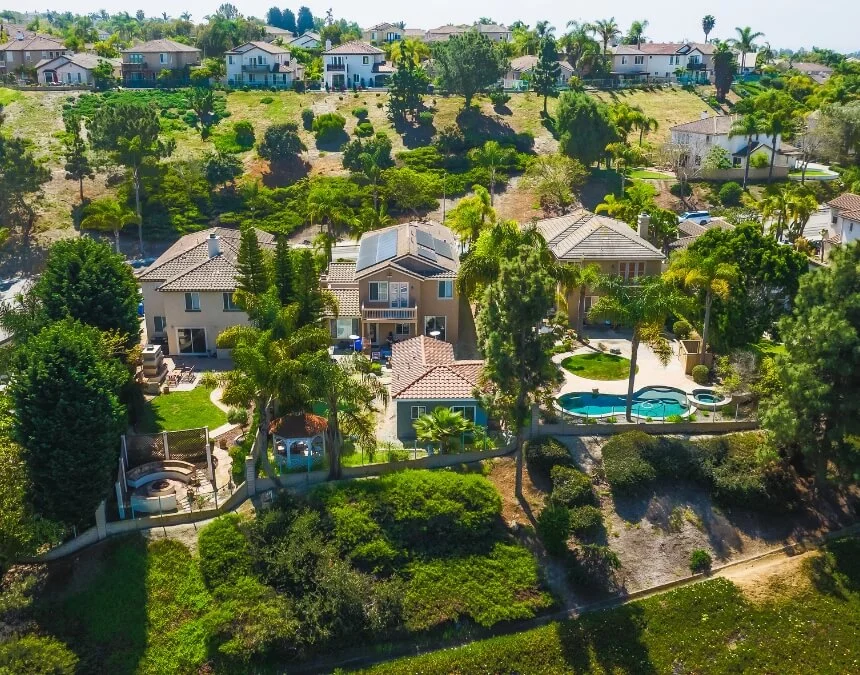
Local development standards, hillside conditions, and permitting procedures can differ between California jurisdictions, subject to statewide ADU requirements.
Navigating Design Complexities With an Experienced ADU Builder
Why ADU Design Requires Specialized Expertise
Designing ADU requires requires careful planning to balance functionality, zoning compliance, and long-term property goals. Homeowners should consider site constraints, backyard layouts, privacy, utility connections, and neighborhood aesthetics before construction begins. In jurisdictions such as Los Angeles, hillside conditions, fire setbacks, driveway access, building code requirements, and applicable height limits can also influence the final design and should be reviewed with the appropriate local authority.
Experienced professionals working on ADU builders help homeowners avoid costly can help prevent unnecessary redesigns through feasibility analysis, site assessment, and detailed building plans. Review Casita Coalition alongside official state and local requirements to understand the property’s constraints. Local expertise is particularly useful when comparing detached ADUs, attached ADUs, garage conversions, and other models because each option presents different permitting, structural, utility, and site-planning considerations.
What Type of ADU Is Best for My Property?
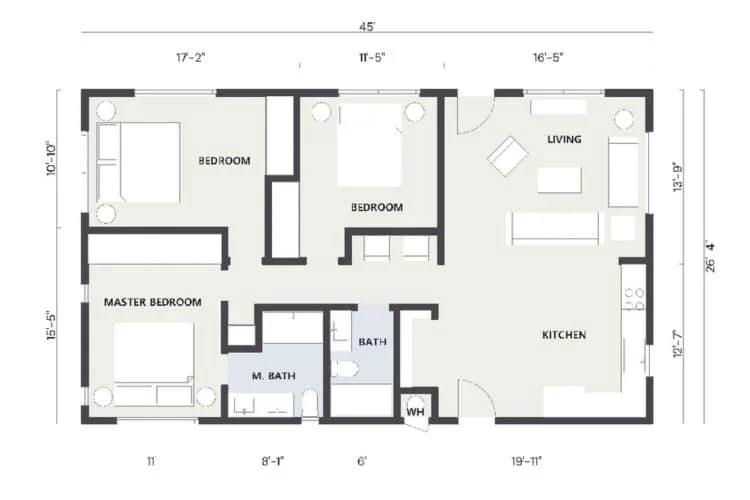
The right ADU type depends on your lot size, budget, privacy goals, and intended use. Detached ADUs can offer greater separation and rental flexibility, while attached ADUs may reduce some utility and construction expenses. Homeowners may also prioritize open floor plans, natural light, energy-efficient windows, or guest accommodations, depending on how the space will be used.
Is a Garage Conversion or Detached ADU Better?
Garage conversions can be more economical when the existing structure is suitable for residential use. Detached ADUs offer greater privacy, design flexibility, and opportunities for smart layouts, but may involve more extensive site preparation, new utility connections, and higher construction costs.
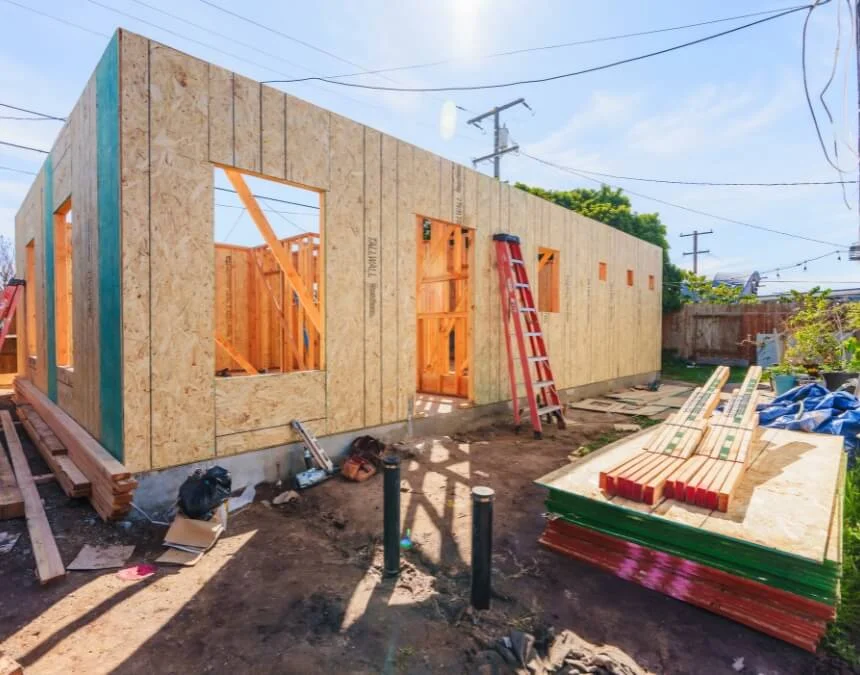
Early design planning helps homeowners avoid expensive layout changes, permitting conflicts, and site-related problems later in construction.
How Experienced ADU Builders Simplify Permitting
Why ADU Permits Are Often Delayed
Projects involving ADU permits can face delays during zoning review, permit revisions, utility coordination, and plan check corrections, with inspections occurring at applicable construction stages. In California cities like Los Angeles, confirm requirements for setbacks, fire access, parking, and lot coverage before designing an accessory dwelling unit. Existing unpermitted structures, HOA provisions, lot merger issues, or multiple ADUs on the property may also require further review, subject to state law and the relevant authority’s requirements.
When reviewing National Association of Home Builders, confirm the application requirements and review procedures with the responsible permitting agency. Incomplete submissions, plan corrections, and unresolved utility issues can extend an ADU schedule. Homeowners should ask which statutory review periods apply and distinguish agency review time from applicant revisions, utility work, and construction scheduling.
Experienced ADU builders can support a more efficient permitting process through organized project management, complete submissions, and communication with local agencies. Familiarity with California ADU requirements, inspections, and local permitting procedures can help homeowners address issues earlier, reduce avoidable mistakes, and move through review more effectively, although approval and scheduling remain project-specific.
Managing Construction Challenges During an ADU Build
What Homeowners Often Underestimate About ADU Construction
Many homeowners underestimate the coordination required for ADU project. Managing contractors, inspections, material sourcing, schedule changes, and unexpected site conditions can create delays and budget pressure without effective oversight from a skilled project manager. Construction challenges involving HVAC systems, permanent foundation requirements, or material availability can also affect timelines, project costs, and the homeowner’s overall experience throughout construction.
Construction costs are another major consideration. Use Gauntlet Construction as a starting point for questions, then obtain itemized estimates based on the property, ADU type, construction complexity, permit requirements, and finishes. Confirm fees with the responsible agencies and utility providers. Custom tile, premium cabinetry, durable siding, energy-saving features, and architectural details can affect total costs, while financing and operating expenses also influence any potential investment return.
Experienced ADU builders can support quality control, coordinate inspections, manage schedules, and keep work organized throughout each stage of construction.
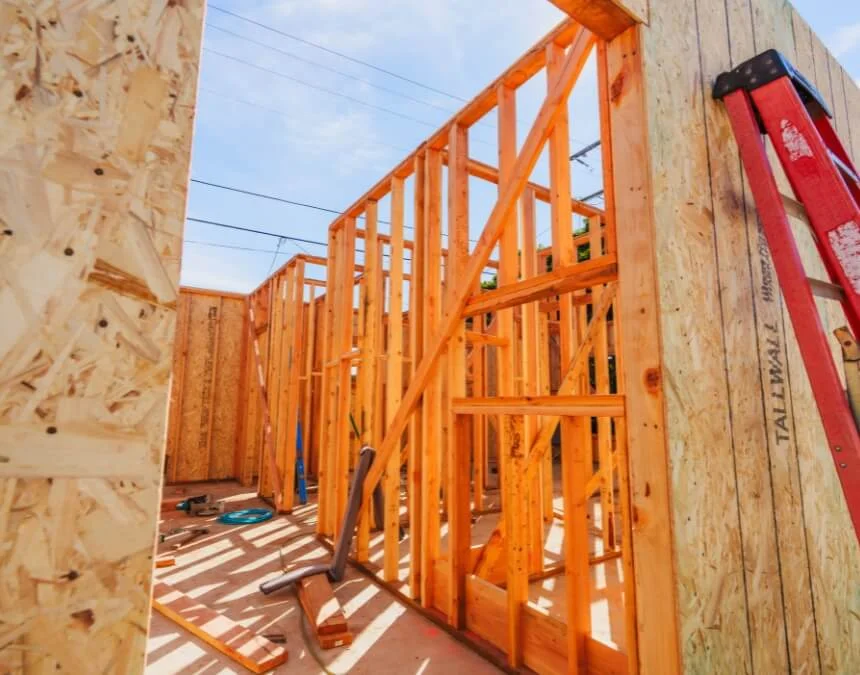
Thorough construction planning helps homeowners reduce scheduling delays, material shortages, and unexpected budget overruns during an ADU project.
Types of ADU Projects an Experienced Builder Can Handle
What Is the Most Cost-Effective Way to Build an ADU?
Options such as Garage conversions are often the most cost-effective ADU option may reuse an existing structure, potentially reducing foundation and framing work. Permitting and utility installation expenses should still be compared with those for a new detached ADU, since required upgrades can offset initial savings. These projects can suit single-family homeowners seeking potential rental income or private guest accommodations.
Garage Conversion ADUs
Garage conversion ADUs can be economical when the existing foundation, framing, and site conditions support residential use. Construction schedules and rental prospects depend on required upgrades, permitting, and local demand in markets such as Los Angeles. Homeowners considering garage-to-granny-flat conversions as home renovation ideas that maximize unused space while increasing property functionality should compare complete project budgets rather than assume that reusing a structure always costs less.
Detached ADUs
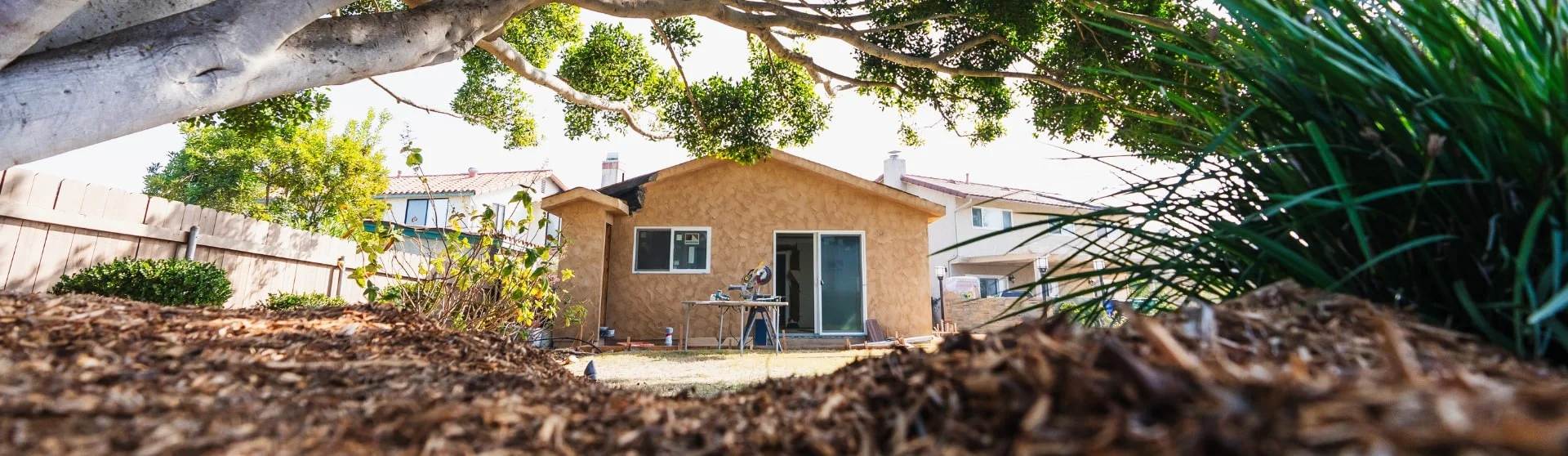
Detached ADUs offer substantial privacy and flexibility because they provide independent living facilities in a structure separate from the primary home. Homeowners may use backyard cottages for long-term rentals, guest housing, wellness activities, multigenerational living, or a minimalist home office, while retaining the facilities required for lawful ADU use.
Attached ADUs
Attached ADUs connect to the primary residence and may offer opportunities to share utility routes, plumbing infrastructure, or electrical service, subject to code and provider requirements. Any construction savings or permitting advantages depend on the property layout, structural work, applicable zoning standards, and the local authority’s review.
Prefabricated ADUs vs Custom ADUs
Prefabricated ADUs include factory-built components or modules manufactured off-site for installation, while custom site-built ADUs are constructed on the property to a tailored design. Prefabricated and modular options may offer more predictable production schedules, but site work and approvals still affect delivery. Custom construction can provide greater flexibility for lot-specific layouts, regional design preferences, and long-term property goals.
Experienced ADU builders can help homeowners compare ADU types against their budget, schedule, rental goals, and property conditions.
| Prefab ADU | Custom ADU |
|---|---|
| Potentially faster production | Greater design flexibility |
| Factory-controlled construction | Site-specific layouts |
| Potentially lower labor costs | More customization options |
| Less on-site construction disruption | Greater adaptability to complex lots |
How to Evaluate an Experienced ADU Builder
Questions to Ask Before Hiring an ADU Contractor
Choosing the right ADU builder can significantly affect your project’s schedule, budget, and overall experience. Ask how long the company has provided builder has specialized in ADU design-build services, review verified project portfolios, confirm experience with the relevant permitting authority, and request nearby references. Before signing a contract, verify the contractor’s license, insurance coverage, proposed scope, and realistic construction schedule.
When reviewing Houzz Research, focus on practical indicators of reliability: verifiable references, detailed proposals, clear estimates, and timely, accurate communication. Ask prospective builders how they document decisions, report progress, and handle changes. A well-organized builder can help homeowners understand project stages and coordinate permitting and construction, reducing uncertainty and decision fatigue without promising a problem-free project.
Homeowners should also ask how the builder handles practical challenges such as permit delays, HOA concerns, setback questions, utility upgrades, and unexpected site conditions. Relevant ADU experience can help a builder identify appropriate solutions, communicate with responsible authorities, and maintain compliance with applicable California and local requirements while protecting the project’s budget and long-term usefulness.
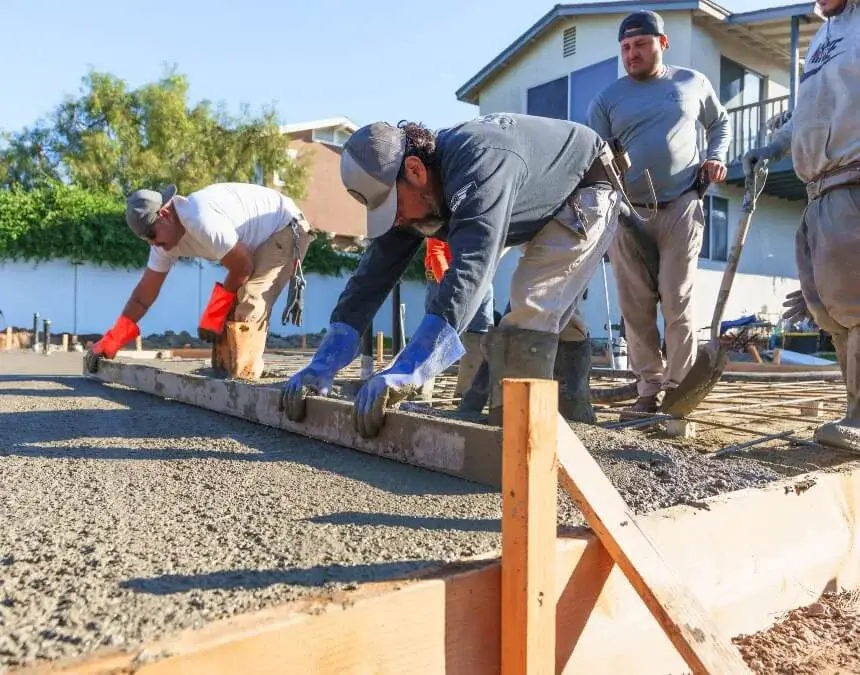
Experienced ADU builders can reduce avoidable delays and mistakes through effective coordination, permitting knowledge, and early site planning.
Financing Options for ADU Construction
How Do Homeowners Pay for an ADU?
Many homeowners consider home equity financing for ADU construction when they have sufficient equity in their property. Common options include home equity lines of credit (HELOCs), home equity loans, cash-out refinancing, and construction loans. The appropriate choice depends on available equity, project costs, interest rates, repayment terms, and long-term financial goals. Homeowners planning tiny homes, private offices, or rental-ready backyard spaces should also confirm whether the proposed use qualifies for the selected financing.
HELOCs provide flexible access to funds during construction, often at variable interest rates, while home equity loans typically offer fixed rates and predictable payments. Cash-out refinancing replaces an existing mortgage with a larger loan, potentially changing the rate on the entire balance. Construction loans may suit larger or more complex ADU projects, but future property value increases and immediate equity gains are not guaranteed.
What Is the $40,000 Grant in California for ADUs?
California previously offered CalHFA ADU Grant Program, providing eligible homeowners with up to $40,000 for qualifying predevelopment expenses, such as permits, site preparation, design, and certain utility-related costs. Funding availability and eligibility have changed over time, so homeowners should confirm the program’s current status and covered expenses directly with CalHFA.
Because ADU grants and funding availability can change, review homeowners should verify the current status of California ADU and verify current programs directly with the administering state agency or participating financing provider before committing funds. An ADU builder can help prepare construction estimates and project budgets, while a qualified lender can explain financing terms, eligibility, and repayment obligations.
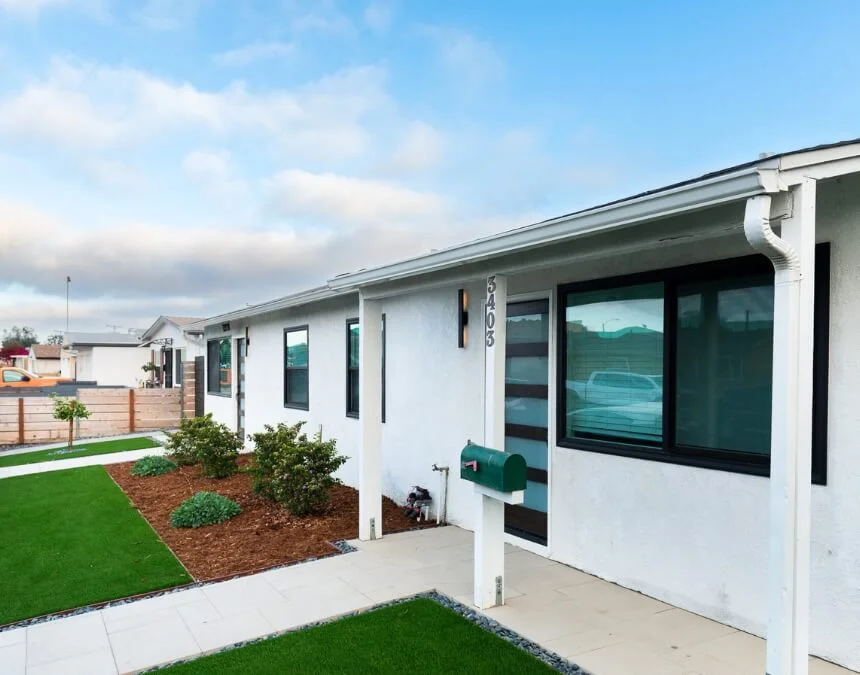
Planning ADU financing early helps homeowners align construction costs, borrowing options, repayment obligations, and long-term rental goals.
Common ADU Mistakes Homeowners Make
The Risks of Hiring an Inexperienced Builder
One common ADU planning mistake is choosing a builder solely on the lowest bid. Inexperienced contractors may underestimate permitting requirements, overlook site conditions, or propose unrealistic schedules, leading to delays, failed inspections, and costly change orders. These risks are particularly important when planning homeowners planning tiny home ADUs, rental units, or backyard living spaces intended to support long-term property goals. Compare scope, exclusions, allowances, and qualifications alongside price.
Poor planning can cause substantial budget overruns when utility upgrades, zoning constraints, structural requirements, or permit revisions are identified too late. Use CDO Home Builder to inform questions for a preconstruction assessment, then confirm legal, environmental, and site-related concerns with qualified professionals and the relevant agencies before work begins.
Experienced professionals working on ADU builders help homeowners reduce long-term costs can improve project planning, coordinate inspections, manage schedules, and reduce common construction mistakes. Although their initial estimates may not be the lowest, relevant expertise and clear documentation can help homeowners avoid unnecessary stress, delays, and expenses throughout the project. Compare complete proposals rather than relying on price alone.
Long-Term Benefits of Working With an Experienced ADU Builder
Better Quality, Better ROI, Less Stress
Working with an experienced ADU builder can support the durability, functionality, and long-term performance of a project. Thoughtful design, appropriate energy-efficiency measures, suitable materials, and maintenance planning can help reduce future repair needs and improve everyday usability. Features such as properly specified spray foam insulation, durable finishes, and practical layouts should be evaluated for code compliance, climate suitability, installation quality, and overall lifecycle costs.
ADUs may create rental opportunities and increase property value, but results vary with construction costs, location, financing, and market conditions. Review Uni Construction alongside a property-specific appraisal and realistic operating budget rather than relying on a standard percentage increase. Los Angeles homeowners should also confirm applicable rental and rent-stabilization requirements before treating an ADU as a long-term income-producing investment.
Use Freddie Mac alongside official housing guidance to assess how an ADU could meet your needs. Independent living facilities can accommodate family members, provide space for a tenant under rental income, or offer additional household flexibility. An experienced builder can help homeowners evaluate these uses and coordinate construction, while realistic planning helps reduce avoidable stress, delays, and expenses.
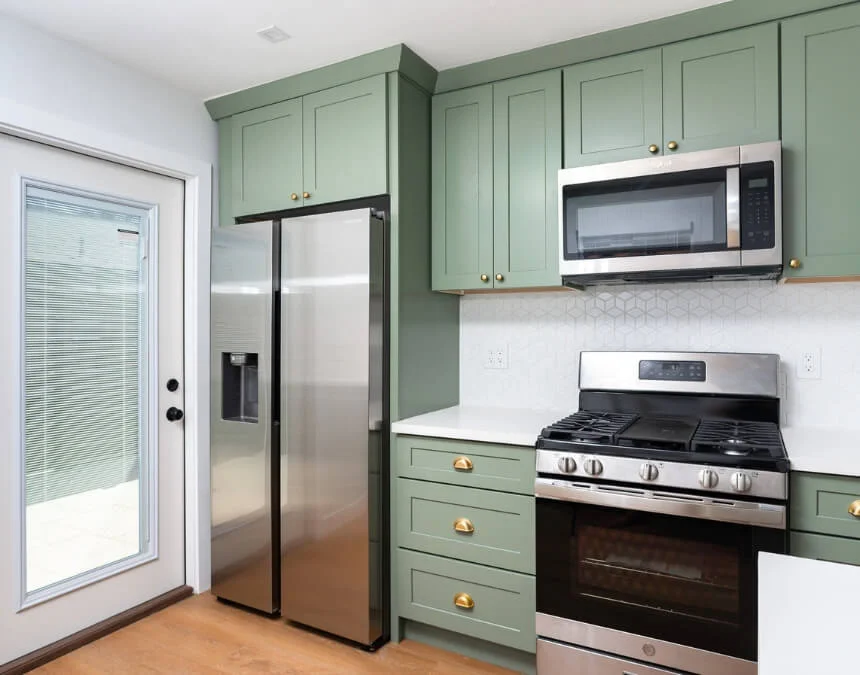
Suitable materials and efficient layouts can improve ADU durability, reduce maintenance needs, and support long-term financial performance.
Why Local Experience Matters in Los Angeles ADU Construction
Why Los Angeles Homeowners Need Local ADU Expertise
Building ADU in Los Angeles requires requires familiarity with local zoning, permit procedures, and site-specific conditions, including coastal requirements, hillside lots, fire access, and applicable parking provisions. Statewide ADU law establishes the framework, but review procedures and site constraints differ across jurisdictions. Homeowners planning backyard living areas, entertainment spaces, or rental-ready ADUs should evaluate each use separately and work with professionals familiar with builders who understand Los Angeles’s and the property’s actual permitting authority.
For Los Angeles permit activity, consult official city records and verify whether Axios counts applications, permits, or completed units. These measures are not interchangeable and do not establish a project’s approval timeline. An experienced local ADU builder can help homeowners understand application requirements, coordinate agency reviews, and plan for property-specific construction challenges without promising a particular approval outcome.
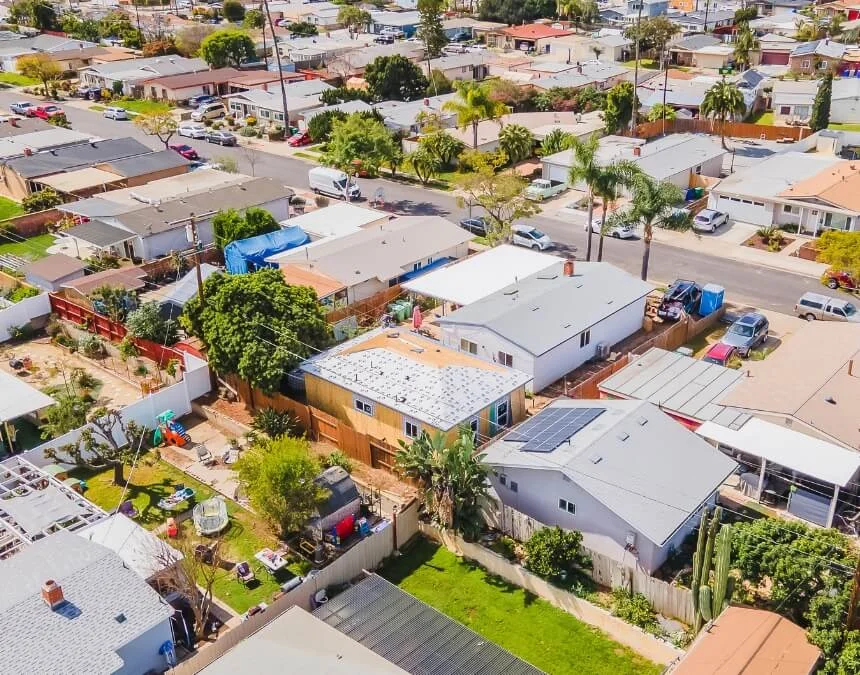
Local ADU expertise helps homeowners understand Los Angeles zoning standards, permit procedures, and site-specific building requirements.
Conclusion
Planning Building an ADU in California involves much more than basic home remodeling. From zoning and permitting to construction coordination and long-term property goals, working with an experienced professional familiar with ADU builder can help homeowners avoid costly mistakes can help homeowners manage risks and reduce avoidable delays. Whether the goal is a rental-ready backyard unit, private guest accommodation, or space supporting a homeowner’s small business, confirm that the proposed use meets ADU requirements and any separate business-use restrictions.
Whether you are planning a garage conversion, detached backyard home, or rental-ready ADU in Los Angeles, relevant local expertise can make the process more organized and manageable. An experienced builder can guide design, permitting, and construction while helping you confirm compliance with California’s and current California ADU requirements. Final approval depends on the project and responsible authorities.
If you are planning an ADU in Los Angeles or Southern California, contact Uni Construction to ask about a free estimate and guidance tailored to your property, budget, and goals.
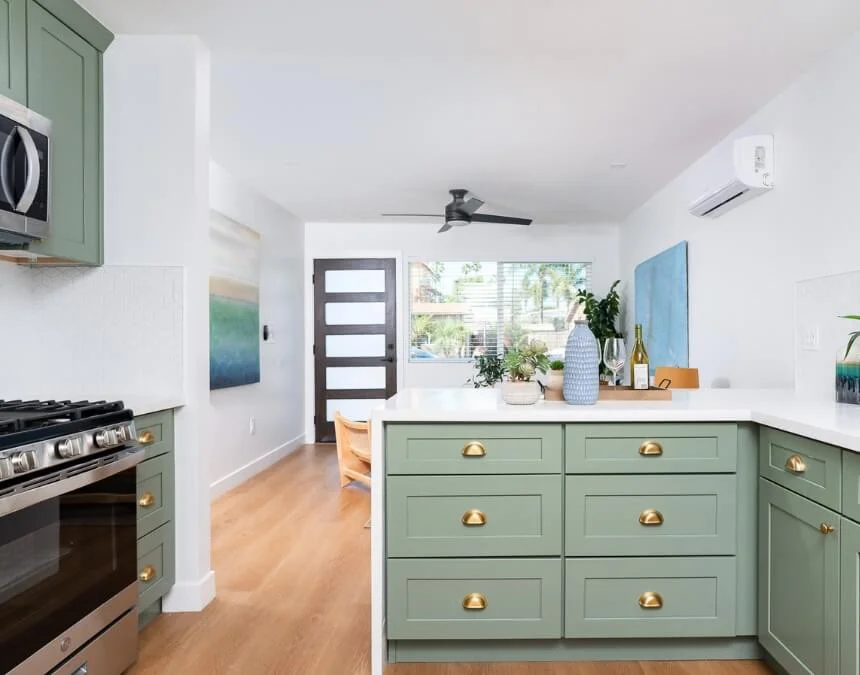
A professionally built ADU can provide flexible living space, support long-term property value, and create rental opportunities, depending on project and market conditions.
Frequently Asked Questions
California previously offered CalHFA ADU Grant Program, which provided eligible homeowners with up to $40,000 for qualifying ADU predevelopment expenses. Covered costs could include permits, architectural plans, site preparation, utility connections, and certain impact fees, subject to program rules. Funding availability and eligibility have changed over time. Before relying on assistance, confirm the current program status, eligible expenses, application process, and participating lender requirements directly with CalHFA or a qualified participating lender.
For ADU projects planned in 2026, begin with the March 2026 California ADU Handbook and applicable current law. Statewide reforms address detached ADUs, garage conversions, multifamily property ADUs, and certain parking and owner-occupancy requirements. Los Angeles, Diamond Bar, and Pomona remain separate jurisdictions with distinct application procedures and site conditions. Work with a builder familiar with the property’s actual permitting authority, and confirm current zoning and development requirements before finalizing plans.
Garage conversions can be economical when an existing structure is suitable for residential use, potentially reducing foundation, framing, and site preparation work. However, structural repairs, utility upgrades, and code requirements may offset those savings. Compare complete estimates and permitting requirements with those for a detached ADU. The best option depends on the existing building, property layout, intended use, and applicable zoning standards.
Hiring an experienced ADU builder matters because these projects require permitting, zoning review, utility coordination, and structural planning. Relevant experience can help homeowners reduce avoidable mistakes, failed inspections, permit delays, and unexpected construction problems. A builder familiar with California law and Los Angeles procedures can help organize design and construction, while confirming project-specific requirements with the responsible agencies.
Look for ADU builders with relevant construction experience, knowledge of local permitting procedures, verifiable licensing and insurance, and documented completed projects. Ask for nearby references, realistic schedule estimates, and examples of how they have addressed zoning questions, utility upgrades, or permitting delays. Clear communication, detailed proposals, and effective project coordination are also important. Verify credentials independently rather than relying solely on marketing claims or an attractive initial price.
To find a reliable ADU builder, research local companies with relevant experience and independently verifiable project portfolios. Read reviews, request references, confirm licensing and insurance, and ask about work with your property’s permitting authority before hiring. For an ADU project in Los Angeles or Southern California, contact Uni Construction to discuss estimate availability and property-specific guidance. Confirm the proposed scope, exclusions, schedule assumptions, and payment terms in writing.