

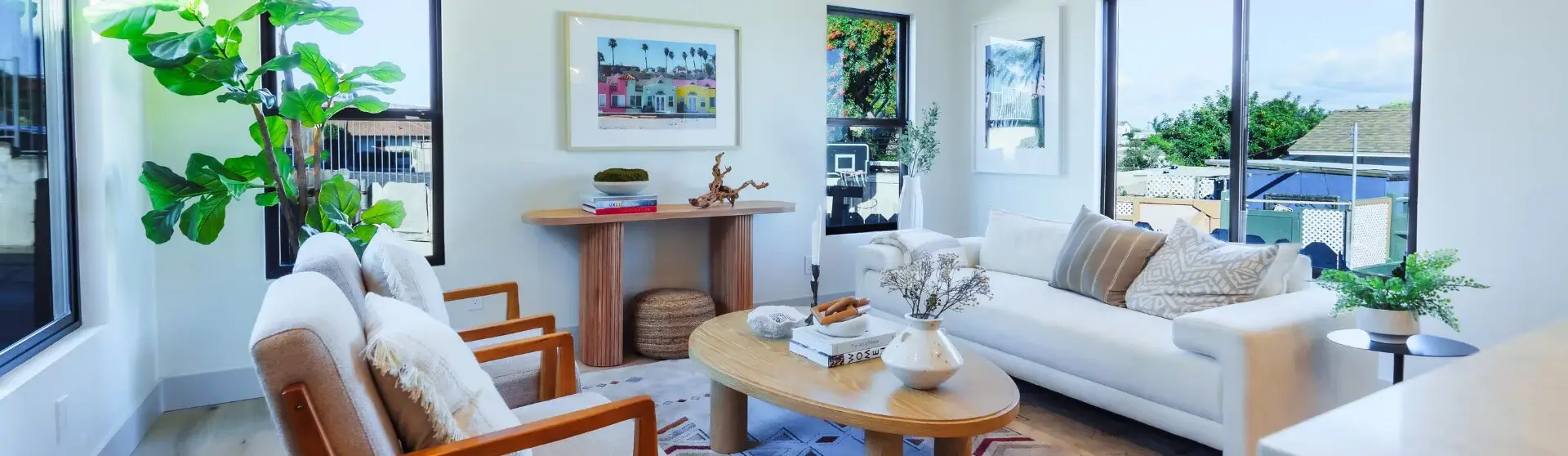
Understanding Accessory Dwelling Units (ADUs)
Definition and characteristics of ADUs
An accessory dwelling unit (ADU) is a small, fully self-contained home built on the same lot as a primary residence. It has its own cooking facilities, bathroom, sleeping area, and living space, allowing it to function independently. Often called a granny flat, backyard bungalow, accessory apartment, or in-law unit, it provides a separate place to live. (AARP) For families supporting an aging relative, this arrangement offers privacy without separating a loved one from their neighborhood or family support system. Family members remain close enough to help coordinate in-home care when needed. (AARP) That matters because older adults strongly prefer familiar surroundings: AARP’s 2024 survey found that 75% of adults age 50 and older want to remain in their homes, while 73% want to stay in their communities as they age. (MediaRoom)
Types of ADUs
Homeowners generally encounter three main ADU types. Detached ADUs are separate backyard cottages or other freestanding structures. Attached ADUs are additions that share a wall with the main house. Converted ADUs repurpose existing space, such as a garage, basement, or portion of the home, into a legal second dwelling. (AARP) California’s zoning and permitting reforms have expanded approval pathways for these configurations, helping increase ADU production statewide. However, each project must still meet applicable building, safety, and development requirements, and construction costs remain an important consideration. (Terner Center)
Key features of ADUs for elderly care
ADUs can work well for senior living because they combine independence with proximity: parents maintain their own homes and routines, while family members remain nearby to help. (AARP) AARP identifies ADUs as an option that can help older adults remain connected to their communities, an important emotional and practical benefit of multigenerational housing and aging in place. (AARP) These homes can also incorporate safety features and universal design principles, including step-free entrances, wider doorways, walk-in showers, and accessible bathrooms. Thoughtful design helps the space remain usable as mobility needs change, while preserving the possibility of a future rental, subject to applicable rules. (AARP)
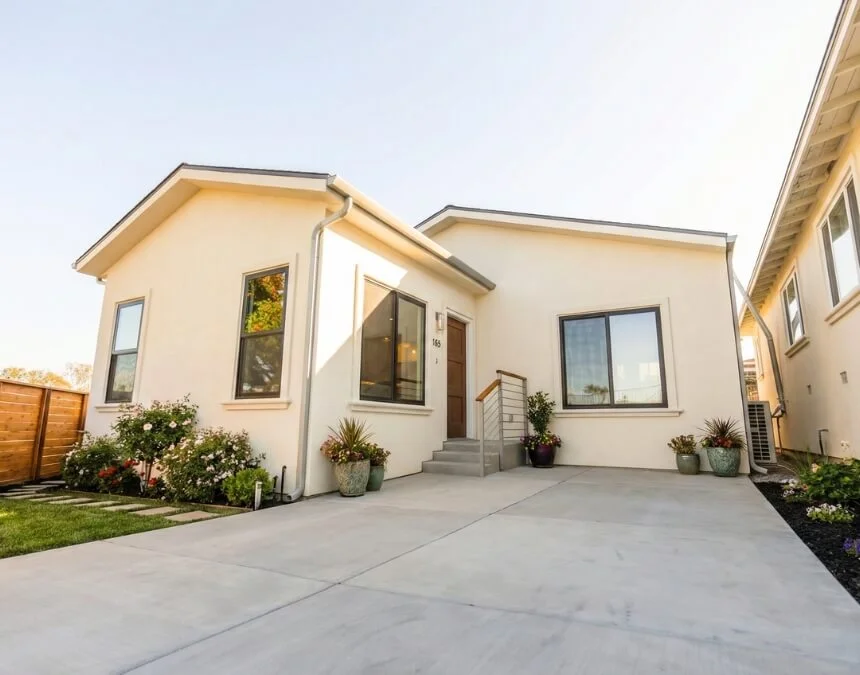
Plan aging-in-place features before construction, including wider doorways, zero-step entries, and bathroom wall reinforcement. Confirming these details before framing and wall closure generally avoids more expensive changes later.
Benefits of ADUs over Traditional Nursing Homes
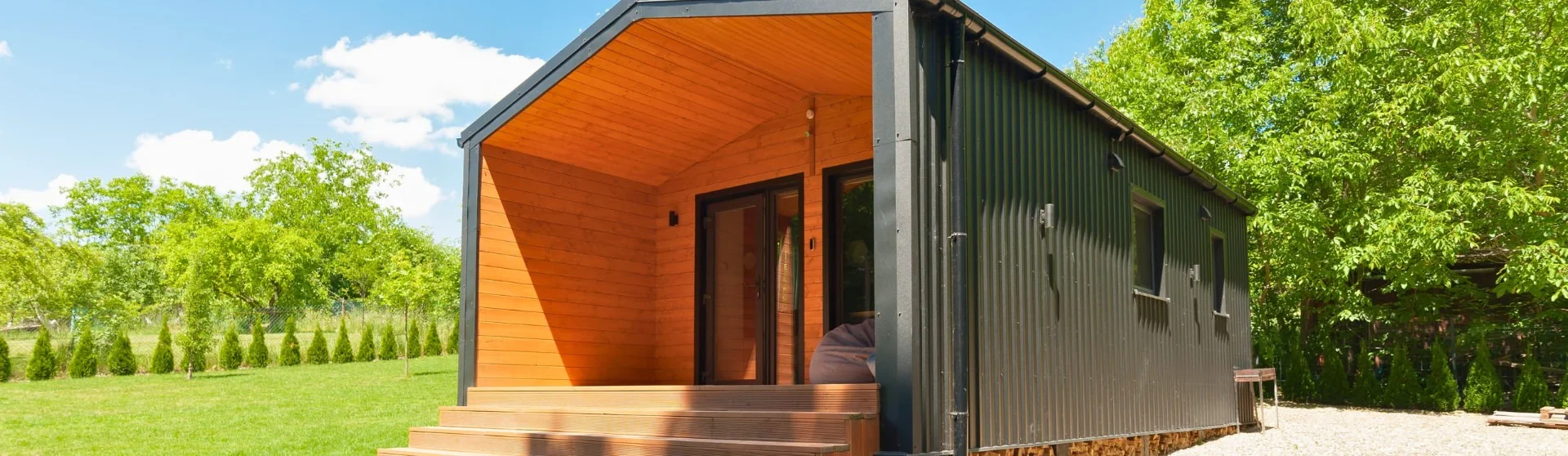
For many California families, ADUs offer a way to support aging parents without immediately choosing a senior living facility or another institutional setting. Because an ADU is a separate, fully functional home on the same property, sometimes comparable in size to a compact tiny home, it offers privacy alongside convenient access to family support. Relatives can help with daily needs and respond quickly when assistance is required. ADUs also redirect some housing spending toward a property improvement, although financing, maintenance, and caregiving costs continue. Depending on construction expenses and care needs, this approach may help families manage long-term costs. AARP and other housing researchers describe ADUs as a practical aging-in-place option for older adults who want independence without leaving their communities. (AARP)
California’s pro-ADU reforms helped expand supply: permits rose from 5,911 in 2018 to 15,571 in 2019, while completions more than tripled. (Terner Center, 2020 ADU report) For a Los Angeles project, consult the Los Angeles Department of Building and Safety’s ADU guidance for relevant permit information and distinguish city records from unincorporated county data. Local statistics should be verified before drawing conclusions about demand or construction activity. The statewide trend demonstrates growing interest in ADUs as flexible housing, including homes designed around family support and elder care.
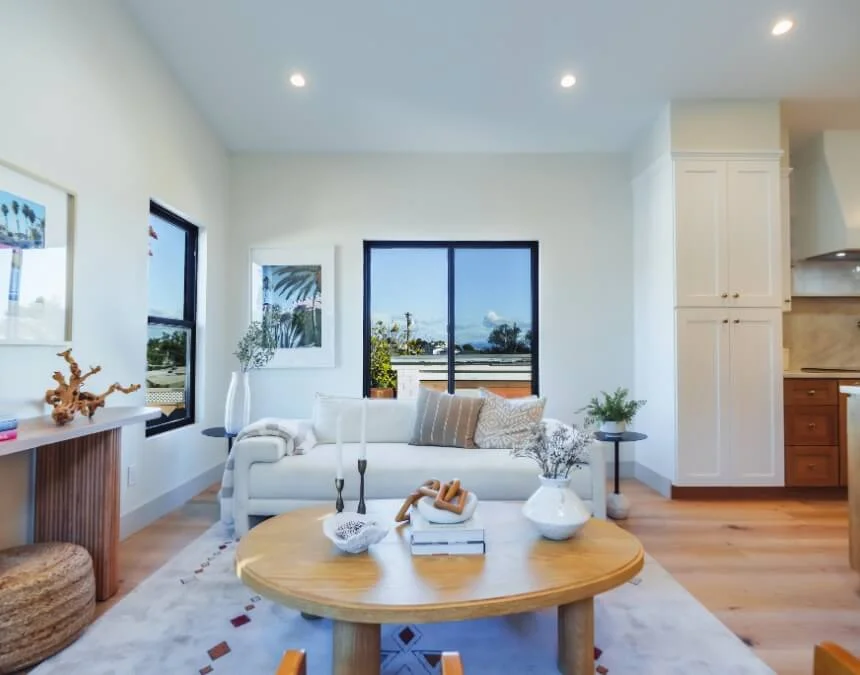
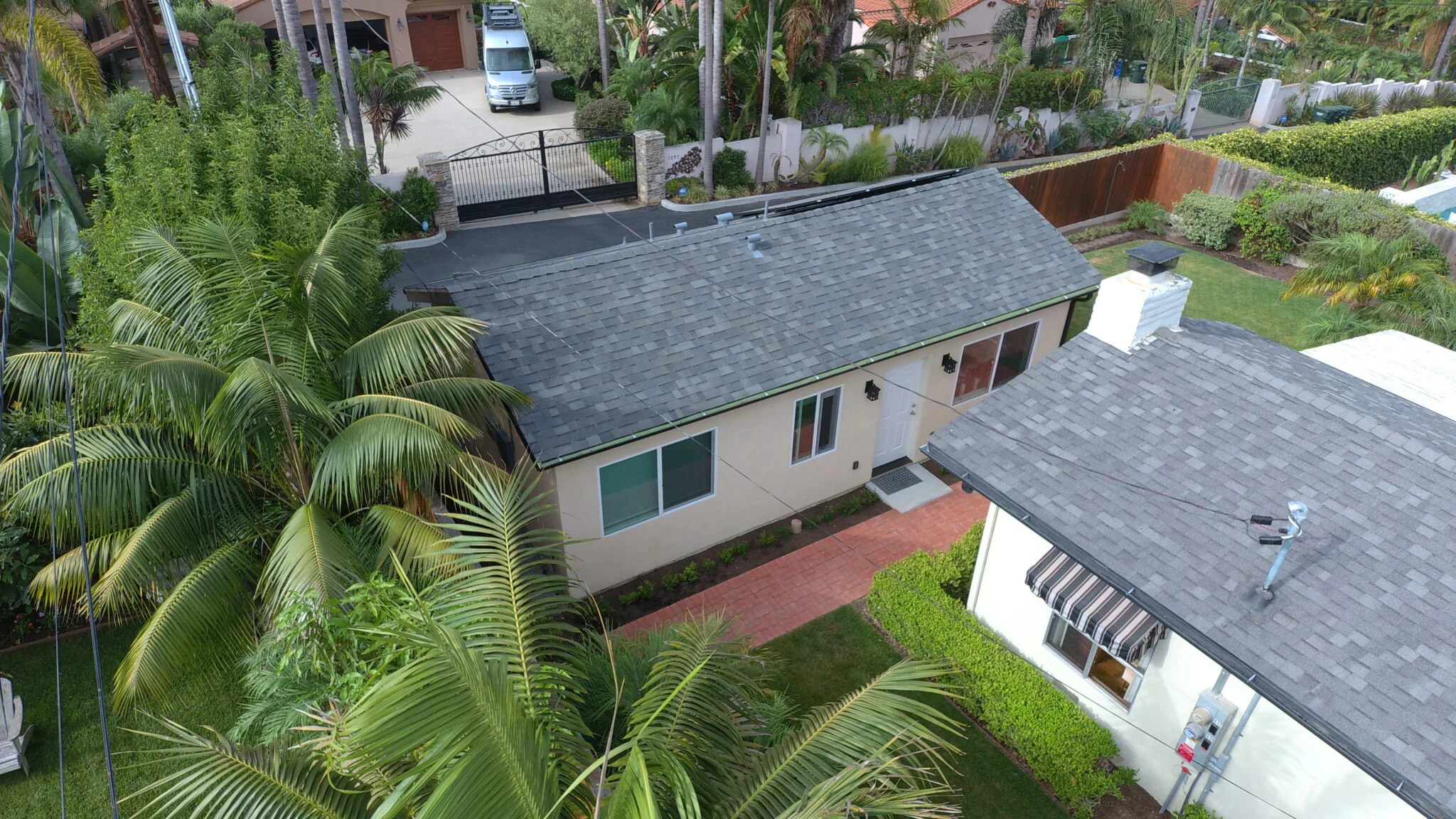
Detached ADUs provide physical separation that supports privacy and dignity while keeping family caregivers nearby, when independent living remains appropriate for the resident’s care needs.
Enhanced independence for seniors
ADUs support “close but independent” living, often through single-level layouts that make daily activities easier as mobility changes. Older adults maintain their routines, privacy, and dignity in a separate home, while family members remain just steps away for support. (AARP) This arrangement can also accommodate changing care needs: families may add home-based services over time, provided the home and available support remain suitable for the resident’s condition. (AARP)
Emotional advantages of proximity to family
Living near family can help reduce loneliness and social disconnection, particularly when relatives maintain regular, meaningful contact. ADUs allow older adults to remain in familiar surroundings and participate in everyday family life while retaining personal space. (AARP) AARP’s ADU research also documents interest in these homes as a way to stay near loved ones. That interest supports their role as a housing option aligned with family preferences, rather than solely with broader housing-policy goals. (AARP)
Cost-effectiveness compared to nursing homes
The financial structures differ: nursing home and assisted living fees recur and may increase, while an ADU involves an initial construction investment followed by financing, upkeep, utilities, and any necessary care expenses. Several years of facility fees may rival a substantial portion of ADU construction, depending on the project and services required. Comparing complete budgets helps families assess whether an ADU offers a practical long-term housing strategy. (AARP)
Customization for safety and accessibility
ADUs can be designed from the outset to support safer aging in place. AARP highlights universal design features such as zero-step entrances, wider doorways, and accessible bathrooms that can make new ADUs more accommodating for older residents. (AARP) Families can also plan layouts around future needs, including bathroom wall reinforcement for grab bars, adequate maneuvering space, and accessible fixtures. These choices can support mobility and reduce hazards while preserving the comfort and character of a private home. (AARP)
Cost pressure proof (mini comparison table):
| Option | Typical cost structure | National annual median (2024) |
|---|---|---|
| Assisted Living | Ongoing monthly fee | $70,800/year (~$5,900/mo) |
| Nursing Home (Private Room) | Ongoing daily or monthly fee | $127,750/year (~$10,646/mo) |
| Backyard/On-property ADU | One-time construction cost + ongoing upkeep | Not directly comparable. Request a project-specific budget covering design, construction, site work, utilities, applicable fees, and maintenance. |
Financial and Emotional Considerations
Initial investment and long-term savings
For homeowners comparing an ADU with a nursing facility or another care setting, the financial distinction is between a construction investment and recurring service fees. Published national median annual figures of about $70,800 for assisted living and $127,750 for a private nursing home room illustrate the scale of facility expenses, although survey year, location, and services matter. These charges recur, while an ADU adds a dwelling to the property but still carries financing, maintenance, utility, and caregiving costs. Its construction expense does not guarantee an equivalent increase in equity. AARP also identifies future uses for ADUs after elder care needs change, including a rental, guest suite, or housing for caregivers or other relatives. Families considering financing should compare total borrowing costs and ongoing care expenses before deciding which arrangement best supports their long-term needs.
Impact on family dynamics and relationships
An ADU can support a balanced “close but separate” approach to multigenerational living. Older adults have their own private home and routines, while family members can provide regular support without sharing every living space full-time. This combination of proximity and independence makes ADUs a practical option for families seeking connection and clear boundaries. Whether the arrangement can replace assisted living depends on the resident’s needs and the care available at home.
Emotional well-being of seniors in ADUs
Beyond financial considerations, ADUs can support an older adult’s sense of stability and belonging. Remaining near family in a familiar neighborhood can reduce the disruption associated with relocating to a care facility. AARP’s aging-in-place resources emphasize the importance of maintaining community connections, an advantage that a well-planned ADU may help preserve. Some families also choose unobtrusive technology, including motion sensors, appropriate health-monitoring devices, or voice assistants, to support daily safety and reassurance. These tools should be selected with the resident’s consent and cannot replace necessary care. Preserving familiar routines, nearby relationships, and community ties can help older adults feel secure, valued, and emotionally supported as their needs evolve.
Keeping aging parents nearby without sharing walls can support emotional well-being, preserve healthy family boundaries, and provide long-term housing flexibility when the arrangement meets their care needs.
Regulatory and Zoning Considerations
Navigating local regulations and permits
California has expanded ADU opportunities as part of its broader housing framework. Statewide zoning and permitting reforms require qualifying ADUs to be allowed in many residential areas, including areas zoned for single-family homes, and establish streamlined approval pathways. These laws limit certain local restrictions that previously prevented additional dwelling units. Historical permit data illustrate the change: the Terner Center reports that ADU permits increased from about 5,900 in 2018 to about 15,500 in 2019, while completions more than tripled during that period. (Terner Center) Homeowners must still evaluate applicable setbacks, height limits, utility requirements, building standards, and permits. State law protects qualifying approval pathways, but it does not guarantee that every proposed design is eligible. Begin with the March 2026 California ADU Handbook and confirm current requirements with the relevant local authority.
Emerging trends in zoning for ADUs
California continues to refine its ADU framework. The HCD ADU Handbook provides the statewide starting point for understanding approval pathways and development standards. For a Los Angeles ADU project, identify the agency serving the property and confirm the local application requirements. The City’s Standard Plan Program may provide a starting design, with site-specific review still required. Evaluate any proposed affordability, density or other incentive against the actual property before including it in the plan.
Potential challenges in ADU approvals
Even with streamlined state rules, ADU projects can encounter practical constraints. Existing structures, site conditions, utility capacity, and applicable development standards can affect feasible designs and approval schedules. Lot size alone does not determine every approval pathway. (Terner Center) Utility upgrades and service connections may also extend project timelines, so homeowners should consult the providers serving their property early in the process. (San Francisco Chronicle) Although California has reduced many policy barriers, successful ADU planning still requires a property-specific feasibility review and careful coordination with permitting authorities and utility providers.
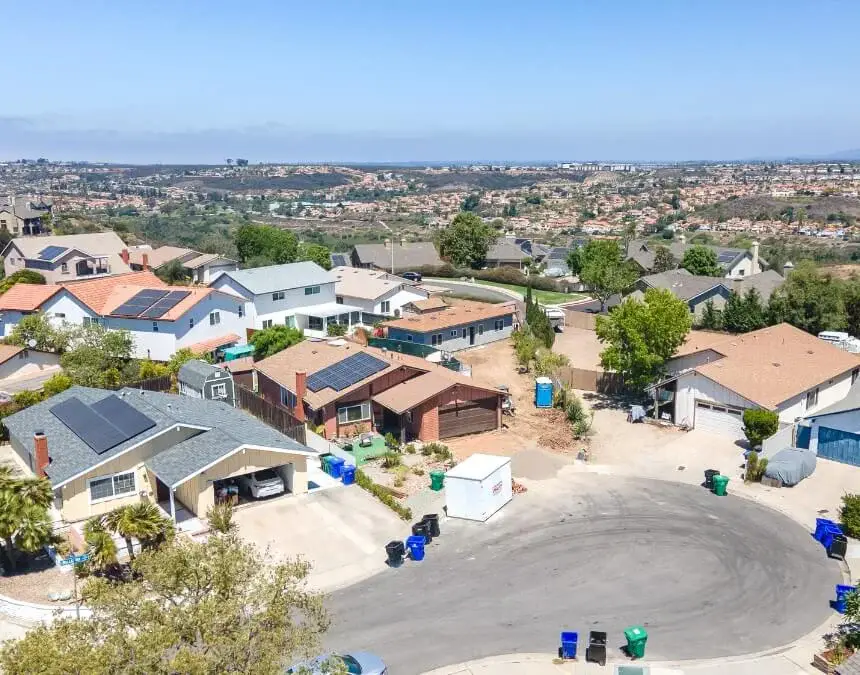
Roof design, height, and setbacks are important approval checkpoints. Confirming applicable limits before design and permitting helps prevent costly revisions during plan review or construction.
ADUs as a Solution for Multigenerational Living
Facilitating family integration and support
ADUs can make multigenerational living more manageable by offering a genuinely “close but separate” arrangement. An aging parent lives in a private, independent home on the same property, sometimes similar in scale to a modern tiny home, while adult children remain nearby to help with daily needs, check in, or respond in an emergency. This setup can support aging in place by balancing convenient caregiving with personal dignity and autonomy. It may also reduce the friction of combining households under one roof. For many families, that balance helps make ongoing support more sustainable, provided the resident’s care needs can be met safely.
Enhancing social connections and community involvement
One important benefit of ADU living is social continuity. Rather than moving to an unfamiliar setting, older adults may remain near established routines, friends, and services while participating in everyday family life. Aging-in-place guidance emphasizes the value of preserving these community connections, which can support emotional well-being and a sense of stability. Thoughtful design also matters. Natural light, comfortable furnishings, and simple smart-home features can complement home tech for ease of use, the ADU feels to create a space that feels like a genuine home rather than a compromise. Combined with regular contact and accessible surroundings, these choices can help older adults remain engaged with loved ones and local social networks.
Addressing housing shortages through ADUs
ADUs serve individual households while also contributing to California’s housing supply. Following statewide reforms, ADU permits increased from about 5,900 in 2018 to about 15,500 in 2019, and completions more than tripled, illustrating how reduced barriers can encourage construction. In Los Angeles, homeowners can investigate the city’s ADU Standard Plan Program and confirm whether ADU bonus program applies to their property. Neither a standard plan nor a local program replaces site-specific review or guarantees approval. For families, ADUs offer an established housing option that can support caregiving while adding an independent dwelling within an existing neighborhood.

Designing ADUs as complete homes rather than “secondary spaces” can help multigenerational households maintain privacy, establish clear boundaries, and sustain comfortable living arrangements over time.
Designing an ADU for Aging in Place
Key design elements for accessibility
When an ADU is intended for an aging parent, the goal is a safe, navigable space that can adapt over time. AARP notes that newly built ADUs can incorporate universal design features, including zero-step entrances and doorways, hallways, and bathrooms sized for mobility needs. These choices can help residents remain independent if they later use walkers or wheelchairs.
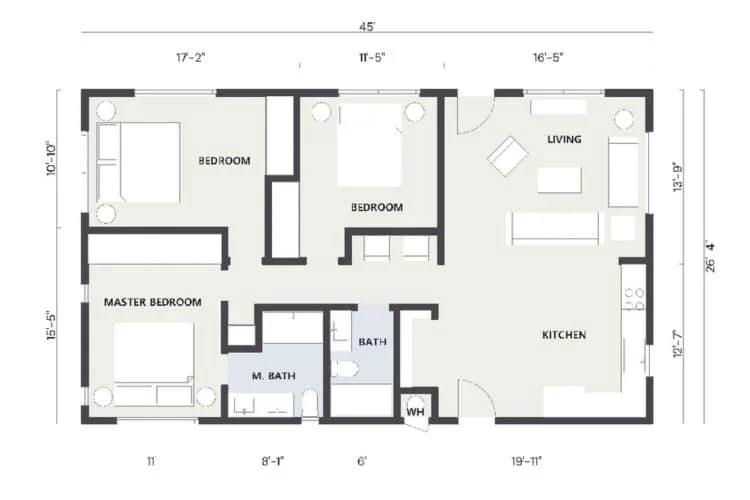
Priorities include a single-story or stair-free layout, generous entrance and interior clearances, slip-resistant flooring, and age-friendly bathrooms with walk-in showers, grab bars, and shower seating. Garage or basement conversions may also be suitable, but ground-level, step-free access must be verified rather than assumed. Designers can use Americans with Disabilities Act (ADA)-informed accessibility principles while confirming which residential building and accessibility requirements actually apply to the project.
Technologies to improve living conditions
Aging-in-place ADUs can incorporate simple, unobtrusive technology to support safety and peace of mind. AARP’s resources describe age-friendly home features and upgrades that help make daily living easier, including appropriately selected technology. Options may include voice-activated lighting or thermostats, emergency alert systems, motion-activated lights, and door sensors. With the resident’s informed consent, remote monitoring can help relatives notice changes or coordinate check-ins while respecting privacy. These features should be easy to operate and maintain. They can complement a broader safety plan, but they do not replace necessary supervision, medical services, or hands-on care.
Case studies and successful examples
For long-term aging plans, homeowners can evaluate an ADU that accommodates both current activities and future support. A design incorporating ADU with accessible design features might initially serve as flexible family space and later house an older resident or caregiver, subject to applicable occupancy requirements. Another option is for an older homeowner to move into an accessible ADU while retaining the main residence for family or another permitted use. Before choosing either arrangement, review accessibility, caregiving logistics, financing, and local rental rules. This planning helps assess whether the property can support changing needs without relying on an unverified household example.
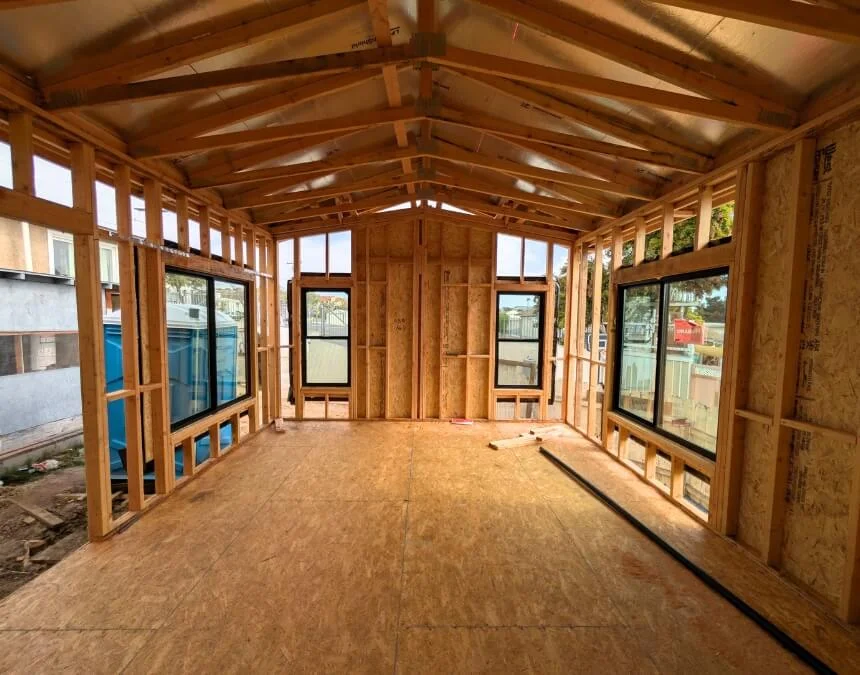
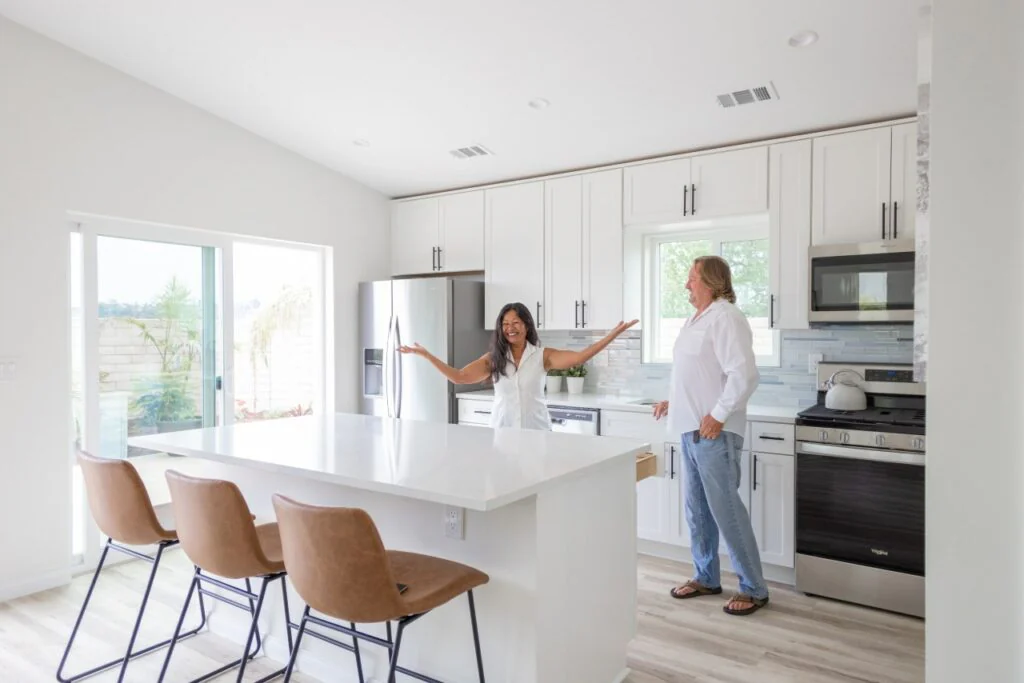
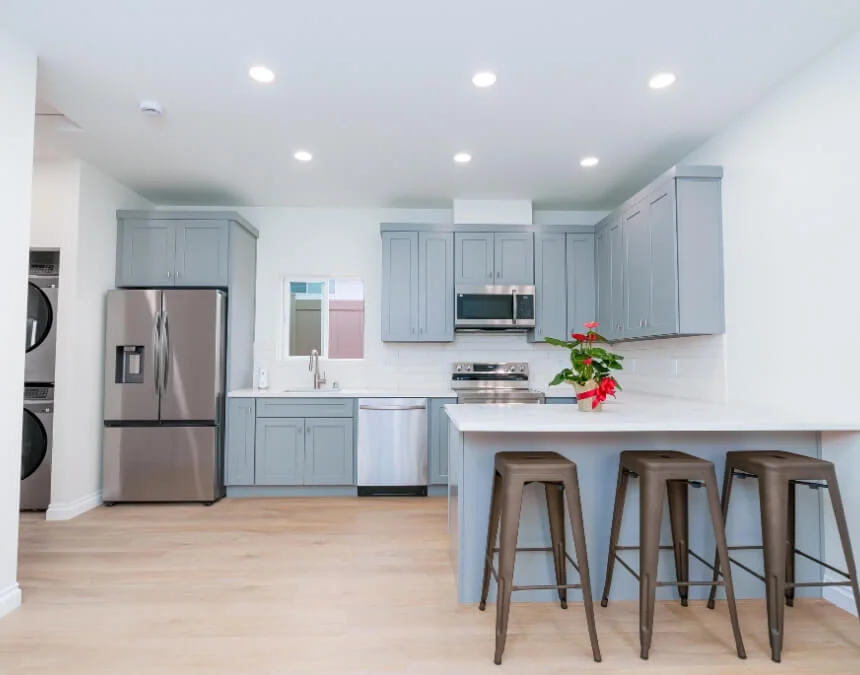
Open kitchens, single-level layouts, and clear circulation paths can reduce everyday hazards and make future adaptations for mobility aids or in-home care easier to accommodate.
ADUs as an Investment
Long-term financial benefits for families
From a financial planning perspective, an ADU shifts part of senior housing spending toward a property improvement rather than recurring facility charges. Published national median annual figures of about $70,800 for assisted living and $127,750 for a private nursing home room provide useful context, but families should verify the survey year and obtain current local estimates. An ADU requires construction spending, ongoing upkeep, and potentially substantial in-home care costs. It may reduce or delay facility use when appropriate, without guaranteeing savings or equivalent equity gains. Families considering loans or home-equity financing should compare total costs and risks. AARP identifies ADUs as an aging-in-place option that can provide practical flexibility for households.
Potential for increasing property value
Even when built primarily for family care, a permitted ADU creates an additional legal dwelling on the lot, adding functional value to the property. AARP identifies ADUs as a way to expand housing choices and preserve flexibility as household needs change. When an aging parent no longer needs the space, homeowners may consider using the ADU as a rental, guest house, or caregiver suite. A garage conversion can offer similar flexibility if properly approved as an ADU. Rental income and resale benefits are possible, not guaranteed; review market conditions, operating expenses, applicable rental restrictions, and property-specific Los Angeles rent-stabilization questions before relying on either.
Role in future-proofing against aging population needs
ADUs offer a flexible housing strategy that aligns with many older adults’ preferences and California’s housing framework. AARP’s 2024 Home and Community Preferences Survey found that 75% of adults age 50 and older want to remain in their current homes, while 73% want to stay in their communities. Meanwhile, California’s ADU reforms have helped bring ADUs into mainstream housing production. Statewide permits increased from 5,911 in 2018 to 15,571 in 2019, illustrating the substantial growth that followed the removal of certain development barriers.
Put simply: ADUs are no longer merely a niche “granny flat” concept. They are an established, policy-supported option for families seeking flexible housing that can accommodate aging parents now and other needs later.
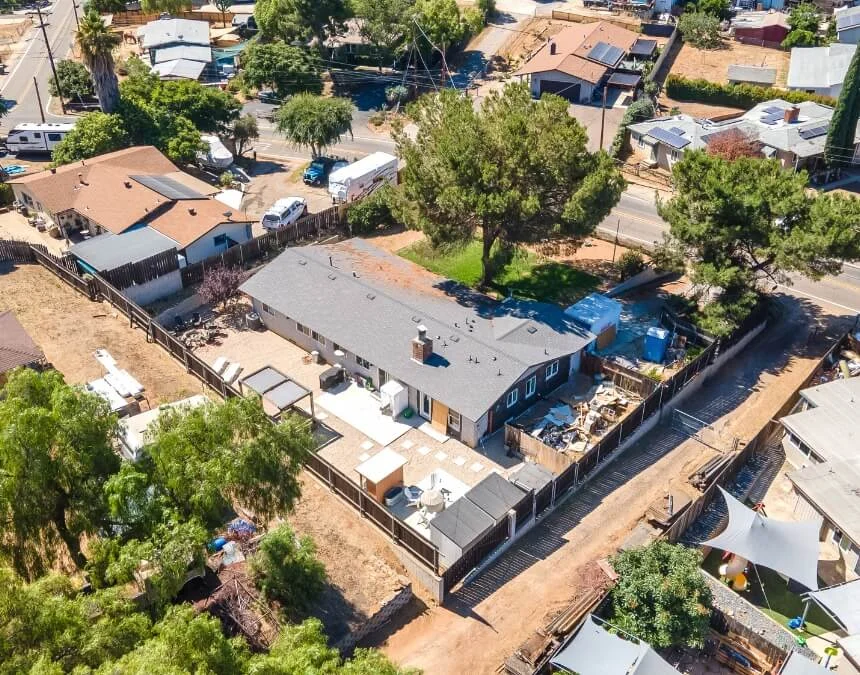
A flexibly designed ADU may transition from family housing to a permitted rental or another use, supporting long-term options without guaranteeing income, resale gains, or investment returns.
Financing / Local CA Incentives
California homeowners can explore several ways to manage ADU construction costs, especially when planning an accessible home for an aging relative. One potential statewide resource is the CalHFA ADU Grant Program, which has offered up to $40,000 for eligible predevelopment and nonrecurring closing costs. Confirm current funding, eligibility, and program terms directly with CalHFA before including a grant in the project budget.
Potentially eligible expenses may include design and architectural services, permits, site preparation, soil or geotechnical testing, impact fees, surveys, energy reports, and certain utility-related costs. Confirm each expense against current CalHFA program rules rather than assuming every item qualifies. Funding rounds can open or close as allocations change, so verify availability with CalHFA and a participating lender before committing to a design, financing plan, or construction schedule. (calhfa.ca.gov)
Los Angeles homeowners may also be eligible for local assistance, depending on the property, household income, and current funding. Use City of Los Angeles as a starting point, then ask the Los Angeles Housing Department and the city’s building department which financing or technical-assistance programs, if any, apply to the project. (Los Angeles Official Website) Request written confirmation of loan conditions, affordability obligations, and any fee reductions. Los Angeles, Diamond Bar, and Pomona administer separate local processes, so assistance available in one jurisdiction should not be assumed available in another. Verify any density or incentive pathway with the responsible planning authority.
If you’re considering a ADU for a parent or future aging-in-place plan, verify current CalHFA grant availability and eligibility, then contact the housing and building departments serving your property. Confirm any local assistance and its conditions before finalizing the design, financing, or construction budget.
Conclusion
For California homeowners, including those in Los Angeles, ADUs can provide a practical alternative to some senior living arrangements when care needs can be met at home. They allow aging parents and other older loved ones to maintain a private residence near family and familiar community connections. This approach reflects the strong preference many older adults express for aging in place, while preserving independence and access to support.
Financially, a ADU can replace years of recurring facility costs represents an upfront property investment that may support future uses, giving families additional planning flexibility. Ongoing financing, maintenance, and care expenses still need to be budgeted. These homes can incorporate age-friendly features such as curbless showers, energy-efficient windows, and appropriate health-monitoring equipment to improve comfort and support daily living. California’s ADU framework provides several approval pathways, but each project requires a property-specific review. With realistic budgeting, accessible design, and a suitable care plan, an ADU can support multigenerational living, family well-being, and changing housing needs over time.
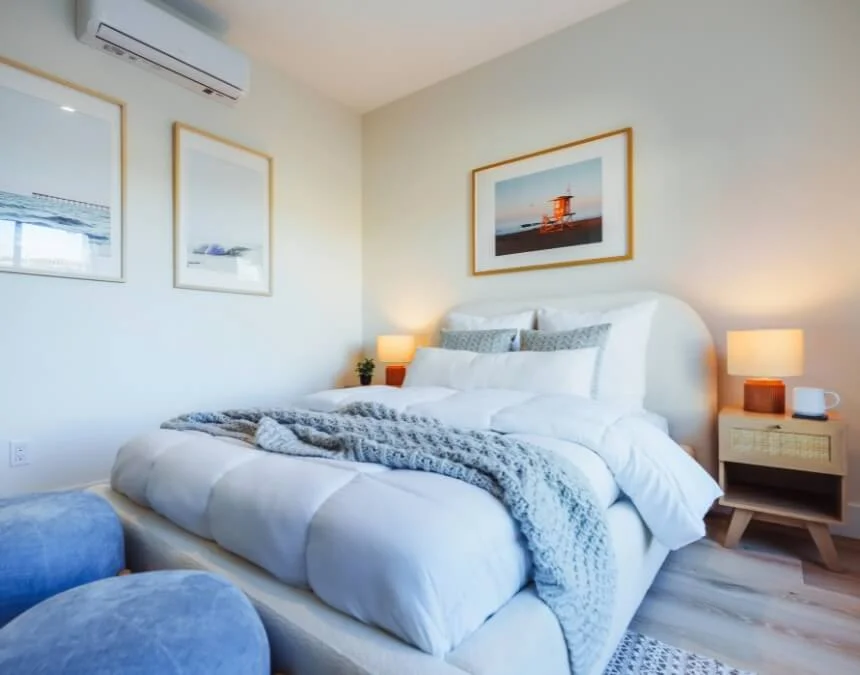
Future-ready ADUs balance current caregiving needs with future housing flexibility, helping families make informed decisions about accessibility, ongoing support, property use, and long-term finances.
Frequently Asked Questions
In California, entering a nursing home does not automatically mean losing your house. One consideration is Medi-Cal estate recovery after death; for deaths on or after January 1, 2017, recovery is generally limited to assets subject to probate. Eligibility, ownership, exceptions, and other financial obligations also matter. An elder-law or estate-planning attorney can evaluate appropriate options, including lawful strategies for avoiding probate.
California’s ADU framework includes preapproved-plan requirements for local permitting agencies, limits on owner-occupancy requirements for standard ADUs, and pathways for qualifying multifamily projects and certain older unpermitted units. Consult the March 2026 HCD ADU Handbook and current law for applicable conditions. Los Angeles offers an ADU Standard Plan Program, but using a standard plan does not eliminate site-specific review or guarantee approval.
An ADU lets a parent maintain a private home near family and familiar community connections when independent living remains appropriate. Accessible design can support safety and comfort, while the dwelling remains part of the property. However, an ADU provides housing, not facility-level care, and families must budget separately for ongoing support.
An ADU provides housing, with care supplied by family members or hired in-home professionals as needed. A nursing home provides round-the-clock nursing services and structured clinical support for residents with substantial care needs. An ADU is not an equivalent substitute when the required care cannot be safely provided at home.
Nursing home care commonly exceeds $100,000 annually, and assisted living also involves substantial recurring charges. ADU construction can range from tens of thousands to hundreds of thousands of dollars, depending on scope and site conditions. Financing, upkeep, utilities, and in-home care continue afterward. Several years of facility fees may approach construction costs, but compare equivalent care arrangements rather than assuming an ADU guarantees savings.