

What Is an ADU, and Why Are They So Popular in California?
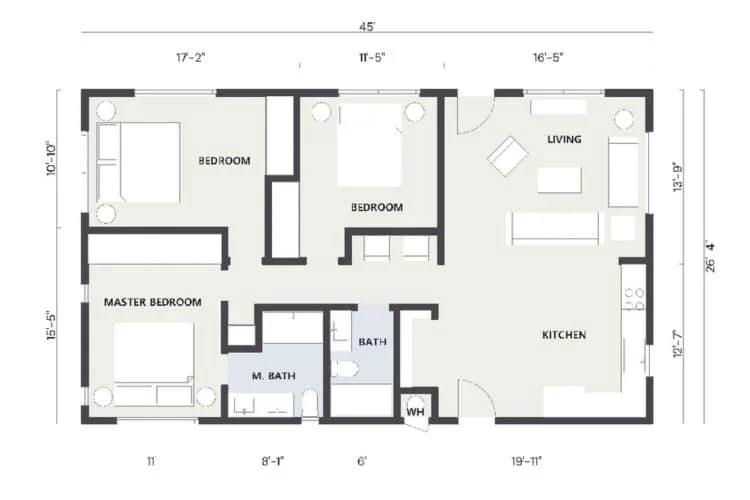
An ADU is a secondary housing unit that provides complete, independent living facilities on the same lot as a primary home. Homeowners often use ADUs for multigenerational living, rental income, or increasing property value. Many California property owners choose ADUs, including backyard cottages, garage conversions, and internal units, as a flexible way to add living space or create a rental. Interest in ADU construction has grown alongside streamlined state zoning requirements, changes to permitting procedures, and the need for more affordable housing. Historical statewide reporting indicates that homeowners built nearly 21,000 ADUs in 2022, representing approximately 17% of new housing statewide (Scotsman Guide). CalHFA has described ADUs as a way to help address housing shortages within existing neighborhoods (CalHFA). Historical construction estimates of $100,000 to $300,000 provide context, not a current project budget. Obtain detailed bids reflecting unit size, design, site conditions, and whether the work involves a garage conversion, basement apartment, or new detached structure (RenoFi).
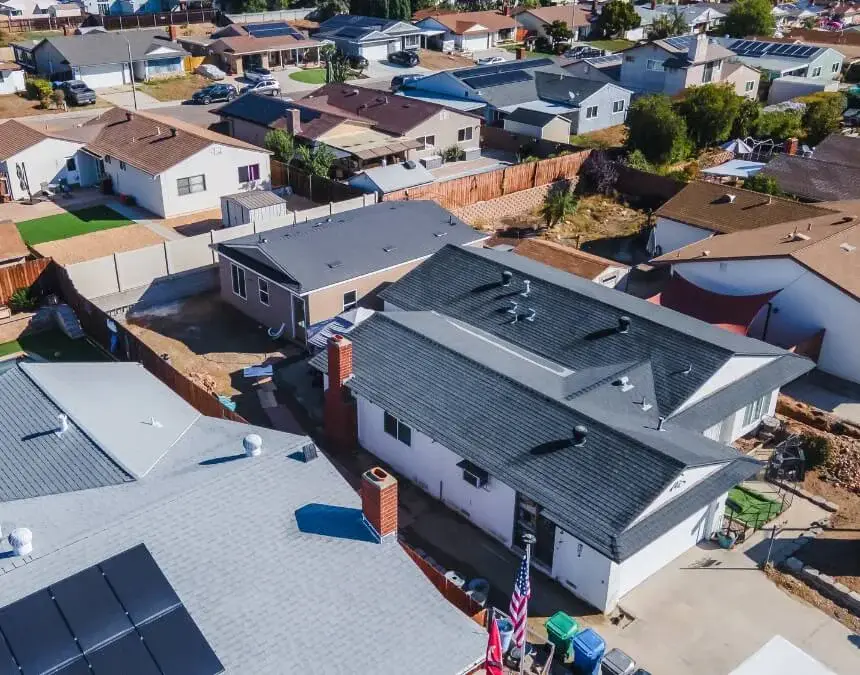
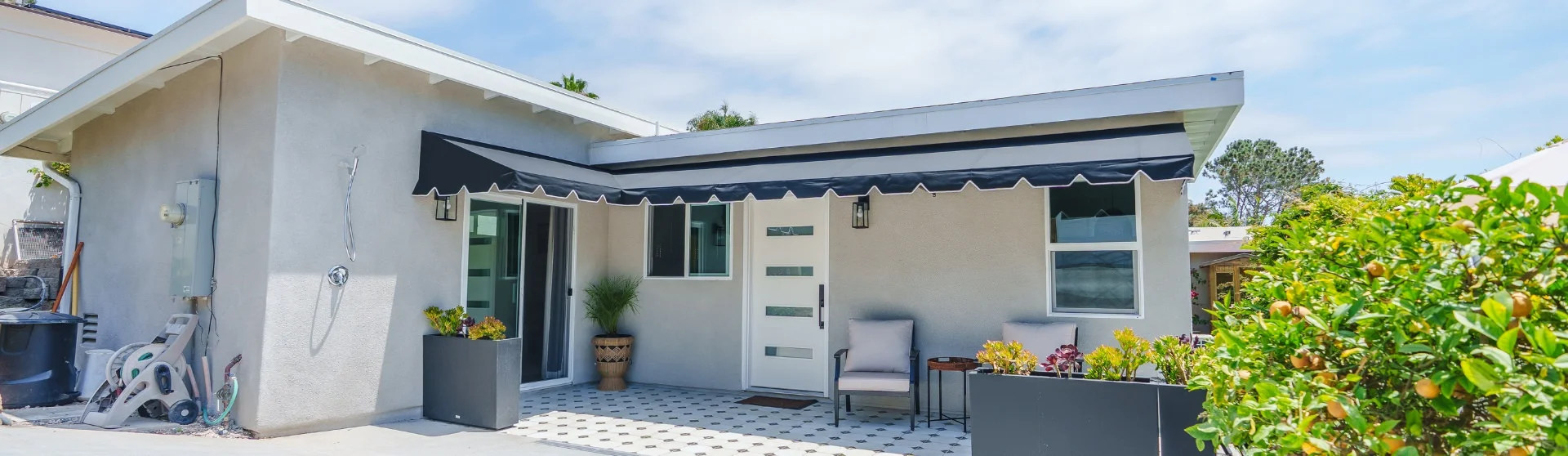
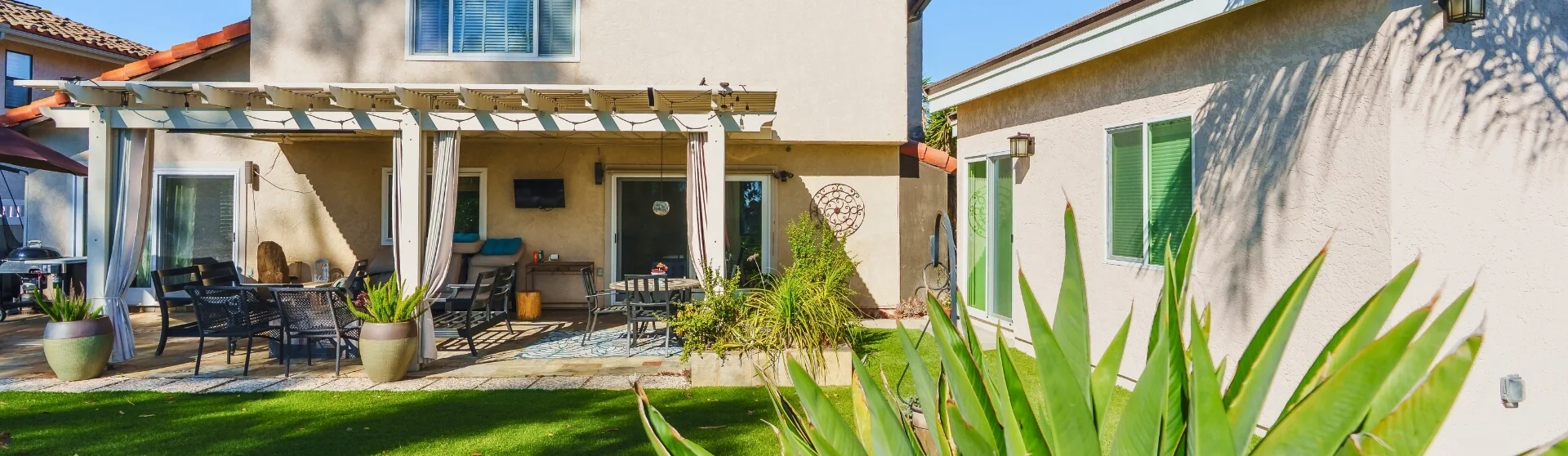
Detached backyard cottages add flexible living space for rentals or multigenerational households, with design and site planning helping them fit the surrounding neighborhood.
How Much Does It Cost to Build an ADU in California (and Los Angeles)?
What Are the Typical ADU Costs?
ADU construction costs in California vary considerably with size, finishes, and site conditions, but statewide research offers historical benchmarks for early planning. A statewide ADU owner survey by UC Berkeley’s Terner Center for Housing Innovation reported a median construction cost of approximately $150,000 (Terner Center). Historical estimates of $100,000-$300,000 can provide context, but they are not current quotes or reliable limits for every project. Request an itemized budget covering plans, materials, labor, code compliance, site work, and other project-specific requirements.
For a property in Los Angeles, obtain current contractor estimates rather than assuming a local construction rate. Ask a licensed contractor to explain costs per square foot, including labor, materials, utility upgrades, grading, and site preparation. Confirm applicable zoning, permit requirements, and site constraints with the building department responsible for the property.
What Rental Income Can an ADU Generate?
ADUs can generate monthly rental income that helps homeowners offset construction expenses or loan payments, although results depend on the property and market. Statewide rental estimates from financing and renovation platforms provide background rather than a reliable forecast for a particular unit (RenoFi). Before relying on rental income, review comparable listings, vacancy assumptions, operating expenses, taxes, insurance, and financing costs. For Los Angeles properties, confirm any applicable rent-stabilization requirements with the Los Angeles Housing Department. Whether the unit serves long-term tenants or family members, evaluate demand for accessory dwelling units without assuming a particular return.
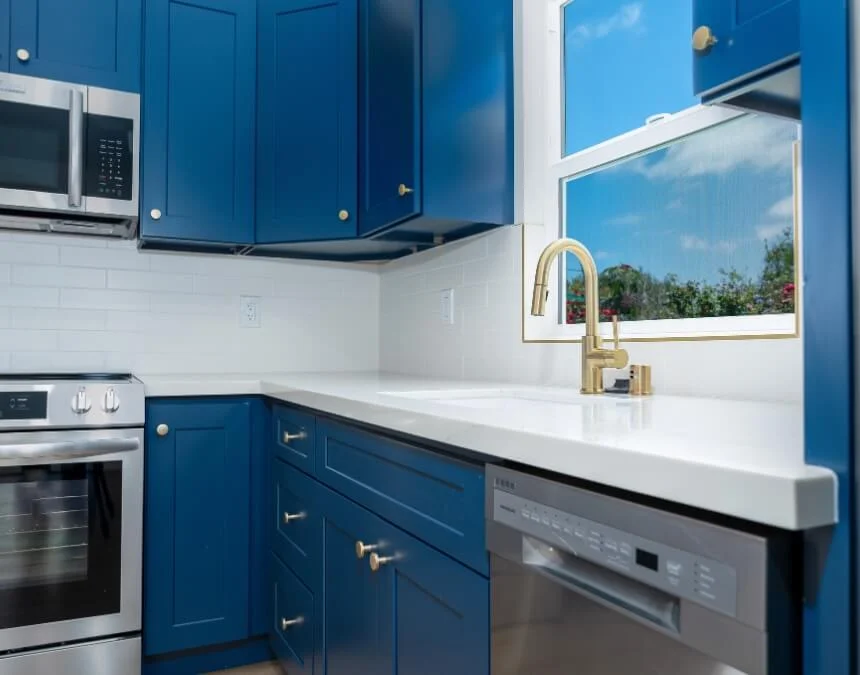
Finish selections can significantly affect costs. Set a specifications budget early, since upgrades during construction can quickly push spending beyond historical $100K-$300K estimates.
What Are the Best Loan Programs for Building an ADU in California?
California homeowners have multiple financing options for building an ADU, and the right choice depends on available equity, household income, and project scope. The following overview explains common ADU loan types and the questions to ask lenders or public agencies about available financing. Housing finance research from the Urban Institute highlights financing as a persistent obstacle, even where zoning and regulatory barriers have been reduced. Compare eligibility requirements, borrowing limits, and total costs rather than assuming that permission to build guarantees access to funding (Urban Institute).
1. Home Equity Loan
A home equity loan may suit homeowners with substantial existing equity. These loans typically provide a lump-sum payment at a fixed interest rate, making budgeting for ADU construction and long-term repayment more predictable. They also leave the primary mortgage unchanged, which can benefit homeowners who want to preserve its existing rate while adding a separate monthly payment.
2. HELOC (Home Equity Line of Credit)
A HELOC provides a flexible, revolving credit line that can fund the ADU projects completed in phases, such as the design process, permit applications, and construction draws. Homeowners generally pay interest on the amount borrowed rather than the full credit limit. This flexibility can help as plans evolve, but borrowers should review variable rates, draw periods, repayment terms, and fees.
3. Cash-Out Refinance
With a cash-out refinance, homeowners replace their existing mortgage with a larger loan and receive the difference in cash to fund construction. This can increase available funding and combine borrowing into one monthly payment. However, refinancing changes the terms of the entire mortgage. Whether projected ADU rental income can support qualification depends on the loan program, property, documentation, and lender’s underwriting requirements.
(Review the discussion of rental-income underwriting requirements in Scotsman Guide.)
4. Construction Loans
Construction loans finance building projects, including new ADUs and projects involving a detached unit or a garage conversion. Funds are released in stages, or draws, as work progresses, and some loans convert to permanent financing after completion. These products may suit homeowners with limited equity because lenders can consider the property’s completed appraised value. Confirm the required documentation, draw conditions, and final ADU and all required inspections with the lender.
5. Renovation Loans (FHA 203k, Fannie Mae Homestyle)
Renovation loans can support ADU projects by basing borrowing limits partly on the property’s after-improved value. This may provide more funding than a loan based solely on existing equity, subject to program limits and underwriting. For projects involving ADU construction, confirm that the proposed ADU is eligible under the lender’s renovation program and the property’s jurisdictional requirements. Some products combine acquisition or refinancing and renovation expenses in one mortgage, offering a coordinated financing approach for the construction process.
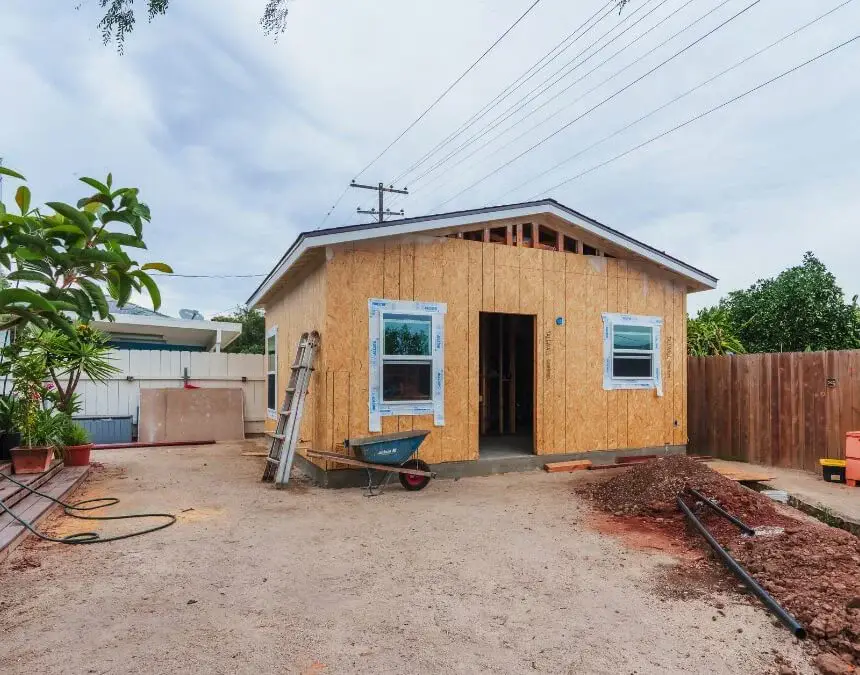
For larger projects, obtain a lender-approved draw schedule early so your contractor’s work and required inspections align with funding releases.
Are There Any Government ADU Loan or Grant Programs in California?
California has offered government-backed assistance for ADU development, including the CalHFA ADU Grant Program. Because funding and application availability can change, confirm the program’s current status directly with CalHFA before including assistance in your budget. Historically, the grant helped eligible homeowners cover pre-development expenses that could otherwise delay projects in incorporated cities and unincorporated areas. Homeowners planning ADU construction should also ask the appropriate housing agency about current local assistance, participating lenders, and whether a separate construction or renovation loan is required.
CalHFA ADU Grant Program (Paused)
The California Housing Finance Agency introduced the ADU Grant Program to help eligible low- and moderate-income homeowners address early development costs. The program offered up to $40,000 for qualifying expenses, including architectural plans, permits, soil testing, impact fees, and utility assessments (All Home). Such expenses can arise before construction financing funds become available. Review the official program guidance for eligible costs, income limits, participating lenders, and funding availability before assuming that a grant will support your project.
Program summaries describe a $100 million allocation intended to support approximately 2,500 potential ADUs across California. That funding capacity should not be confused with a verified count of completed units. Eligible expenses included:
Pre-development and eligible nonrecurring closing costs could include site preparation, architectural designs, permits, soil testing, impact fees, property surveys, energy reports, and interest-rate buydowns. The historical $100 million allocation represented support for approximately 2,500 potential ADUs, rather than confirmation that every unit was completed. Verify covered expenses and funding details in official program documentation. All Home
Do not assume that additional grant funding will become available. Check CalHFA’s official announcements for current application status and any new allocations. Separately, ask the housing agency serving your property about local ADU loans, grants, or other assistance. Confirm geographic eligibility, funding availability, and restrictions before relying on any program.
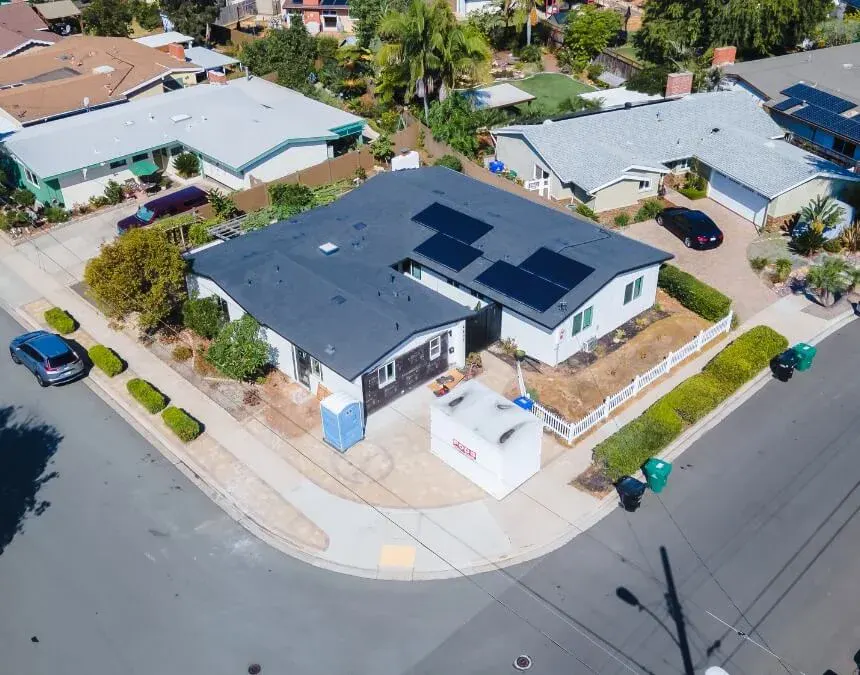
Before setting your budget, check state and local assistance programs. Available grants or reduced-rate loans may cover early costs and reduce borrowing needs.
What ADU Loan Programs Are Available in Los Angeles?
For Los Angeles offers one of the most supportive local ADU financing programs in California, verify geographic eligibility before comparing benefits. Assistance intended for moderate-income homeowners may include affordable-rental requirements and other restrictions. Use the Los Angeles reference as a starting point for checking the administering agency, not as proof of eligibility. Los Angeles, Diamond Bar, and Pomona have separate authorities, and statewide ADU guidance does not establish local financing availability.
Los Angeles Housing Department (Los Angeles Housing Department) ADU Finance Program
When evaluating a local ADU financing program, request its current term sheet from the administering public agency. Confirm the maximum loan amount, construction interest rate, permanent rate, fees, and conversion requirements rather than relying on terms advertised for another jurisdiction (Los Angeles Housing Department). Ask how funding covers design, permits, construction, and contingencies, and whether lender approval is required for the contractor. Verify the contractor’s license through the California Contractors State License Board and coordinate funding milestones with permit approvals and inspections.
Before applying, confirm whether the program requires the homeowner to occupy the primary home or ADU after completion, including any conditions associated with main home or the ADU. Ask how long affordability restrictions apply and how the agency calculates maximum allowable rents under Los Angeles’s. Income eligibility may depend on household size and a specified percentage of area median income, or AMI. Obtain the current income limits and written eligibility requirements from the administering authority (Los Angeles Housing Department).
A qualifying assistance program may help homeowners who lack sufficient equity for a HELOC or cash-out refinance. Before using Los Angeles’s growing ADU market, whether they plan to create rental housing, family accommodations, or workspace, verify that the proposed use complies with the program’s occupancy requirements and the unit’s approved residential use.
Los Angeles ADU Loan Comparison Table
| Loan Type | Interest Rate | Loan Amount Limits | Key Requirements | Best For |
|---|---|---|---|---|
| ADU Financing Assistance | Depends on available program terms | Confirm current funding and loan limits | Verify Los Angeles availability, income eligibility, occupancy rules, and affordability requirements | Homeowners exploring assistance for an eligible ADU project |
| Home Equity Loan | Fixed rates (market-based) | Based on available home equity | Requires sufficient equity, qualifying income, and credit | Homeowners with substantial equity seeking predictable payments |
| HELOC | Usually variable rates (market-based) | Based on equity; borrow as needed | Requires sufficient equity, qualifying income, and credit | Staged ADU construction requiring flexible withdrawals |
| Cash-Out Refinance | Depends on market rates | Based on home value and lender limits | Replaces the existing mortgage; treatment of projected ADU rent varies by lender | Homeowners seeking to refinance and fund an ADU |
| Construction Loan | Varies; may change upon conversion | Based on projected completed value | Funds released in stages; detailed plans and underwriting required | Homeowners seeking financing based on completed project value |
| Renovation Loan (FHA 203(k) / HomeStyle) | Varies by lender and loan program | Based on after-improved value and program limits | Requires eligible ADU work, contractor review, and program compliance | Homeowners financing eligible improvements with an ADU project |
Can You Use Expected Rental Income to Qualify for an ADU Loan?
Treatment of projected ADU rental income varies by loan program and lender. Home equity loans and HELOCs generally depend on current income, credit, and available equity, while some mortgage and renovation products may accept qualifying ADU rental income under specific rules. Ask whether the lender requires an appraisal, lease, rental analysis, or completed unit with a Certificate of Occupancy. These distinctions can affect borrowing capacity, especially for homeowners who plan to use plan to use the ADU as an income-producing unit or additional housing on the property.
Exceptions
- FHA 203(k) renovation loans may permit qualifying ADU rental income under applicable FHA rules. Ask an approved lender about eligible properties, documentation, income limits, and how the proposed renovation affects qualification.
- Some conventional mortgage products, credit unions, and specialty lenders also consider ADU rental income under specific underwriting requirements. Availability varies by lender and product, so request written guidance rather than assuming that a particular city or an ADU-friendly policy establishes eligibility.
Expert Insight
Housing finance research highlights an important ADU financing question: how much projected rental income, if any, will a lender accept for qualification?
Ask the lender how its current underwriting rules treat ADU rental income, including required documentation, permitted adjustments, and any income limits. Consult the referenced Urban Institute discussion for additional context (Scotsman Guide).
These underwriting differences help explain why homeowners may struggle to qualify despite a unit’s rental potential. Local housing policies or assistance initiatives do not automatically change a lender’s requirements. Confirm both financing eligibility and any program restrictions before relying on future rent to support your application.
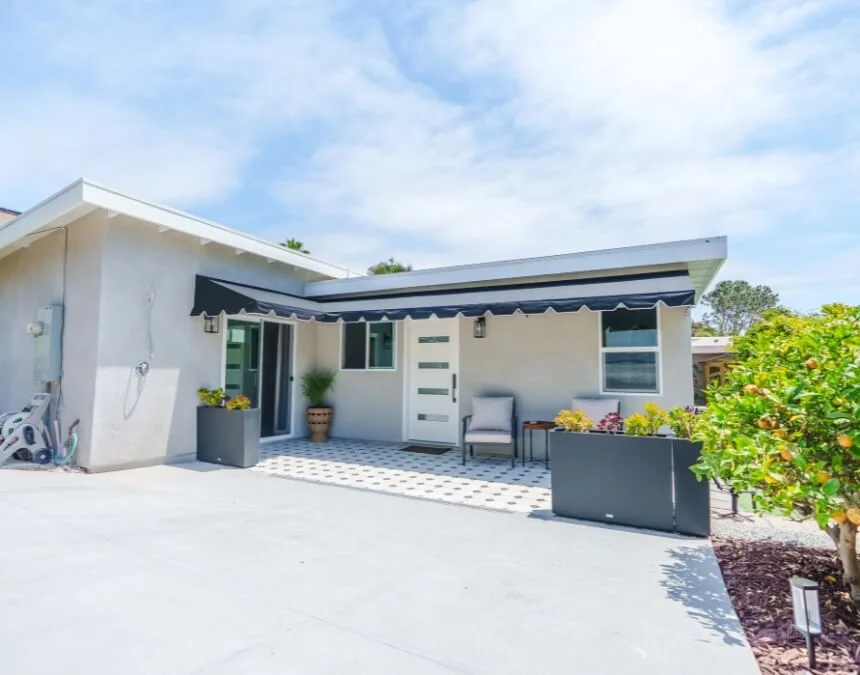
Do not assume future ADU rent will qualify you for a loan. Confirm the lender’s rules and budget conservatively using documented income and available equity.
What Are the Cheapest or Lowest-Interest ADU Loan Options?
To minimize ADU borrowing costs, compare several financing options, particularly for Los Angeles homeowners. Potential choices include available public assistance, renovation loans based on after-improved value, and equity-based products for homeowners with sufficient equity. None is automatically the least expensive or easiest to obtain. Compare interest rates, fees, mortgage insurance, repayment periods, and occupancy or affordability restrictions. Ask the housing authority serving your property about current assistance rather than assuming another city’s program applies.
Los Angeles Housing Department’s 1% Construction Loan (Los Angeles Only)
For a property associated with Los Angeles, ask the responsible housing agency whether any ADU financing assistance is currently available. Request written details on construction and permanent interest rates, loan limits, income thresholds, and owner-occupancy requirements. Do not assume that a program serving another jurisdiction is available in Los Angeles, Diamond Bar, or Pomona. Compare any verified offer with conventional alternatives, including fees, affordability obligations, repayment conditions, and the consequences of selling or refinancing the property (Los Angeles Housing Department).
Compare total borrowing costs before choosing ADU financing option in Los Angeles.
Renovation Loans Based on Future (After-Improved) Value
Loans such as FHA 203(k) and Fannie Mae HomeStyle Renovation can consider the home’s post-construction appraised value, potentially increasing borrowing capacity for homeowners with limited existing equity. Eligibility, loan limits, and required borrower contributions still apply. Compare rates, fees, mortgage insurance, and construction requirements with other financing options rather than assuming lower costs. Eligible energy-efficiency improvements may also be included when permitted by the program and project scope.
HELOCs (If Your Home Has Strong Equity)
A home equity line of credit, or HELOC, can provide flexible funding during phased construction because homeowners draw money as expenses arise. Unlike a public assistance application window, access depends on the lender’s approval, credit limit, and draw-period rules. Rates are often variable, and repayment obligations can change over time. Borrowers with strong equity and credit may receive favorable offers, but should compare fees, rate adjustments, and repayment terms before selecting a HELOC.
CalHFA ADU Grant (When Reopened)
The CalHFA ADU Grant Program historically offered up to $40,000 per eligible homeowner for qualifying pre-development expenses, including architectural plans, permits, soil tests, and impact fees (All Home). A $100 million allocation represented support for approximately 2,500 potential ADUs, not necessarily completed projects. Check CalHFA’s current announcements before assuming funds or applications are available.
If funding becomes available, a grant may reduce borrowing because eligible assistance generally does not require repayment when program conditions are met. Confirm reservation procedures, covered expenses, and compliance obligations before relying on an award.
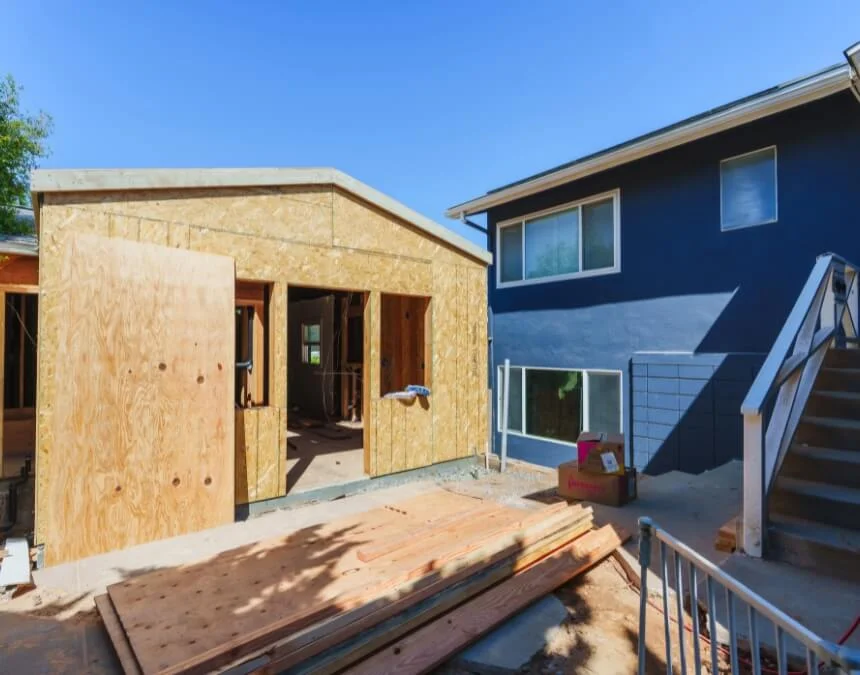
Reduced-rate programs may require owner-occupancy or affordable rents. Check eligibility and restrictions early so your project design matches the financing available.
How Do You Choose the Right ADU Loan for Your Situation?
Choosing an ADU loan depends on your home equity, income, project scope, and funding schedule. California homeowners can compare traditional lending products with any verified assistance available through a relevant programs like Los Angeles’s Los Angeles Housing Department ADU Finance Program. Each option has distinct eligibility requirements, costs, and documentation needs. Use the following framework to narrow your choices, then confirm the details with lenders and the public agency responsible for your property.
Based on Equity
If you have substantial home equity, a HELOC or home equity loan may offer a straightforward financing option. Both borrow against existing equity, but home equity loans typically provide fixed-rate lump sums, while HELOCs offer revolving access and often variable rates. Compare approval requirements, closing costs, monthly payments, and funding schedules. A HELOC’s flexibility can help with staged construction, but it does not guarantee lower overall costs.
If you have limited equity, a construction or renovation loan, such as FHA 203(k) or Fannie Mae HomeStyle Renovation, may be worth considering. These products may use the property’s after-improved value when determining borrowing capacity. Loan limits, down-payment or equity requirements, credit standards, and project eligibility still apply, so confirm the details with participating lenders.
Based on Income
For moderate-income homeowners in Los Angeles, confirm available assistance with the appropriate city housing agency. Do not treat a Los Angeles program as locally available without verifying its service area. Ask about current loan limits, interest rates, household income thresholds, owner-occupancy rules, and affordability requirements before comparing it with other financing (Los Angeles Housing Department).
For lower-income homeowners, local housing agencies or county-level programs may offer reduced-rate or forgivable loans when funding is available. Such assistance can carry income, occupancy, and affordable-rent requirements. Confirm that the property lies within the program’s service area and that the proposed ADU qualifies.
Based on Speed
If you need funding promptly, ask lenders about HELOC application and disbursement schedules. Timing depends on underwriting, appraisal requirements, documentation, and any applicable waiting periods, even when plans and contractors are ready.
If you prefer a structured release of funds, a construction loan may be appropriate. These loans generally require detailed documentation, inspections, and draw approvals, allowing financing to follow verified progress on the build schedule.

Match financing to your circumstances: substantial equity may support a HELOC, limited equity may favor renovation or construction loans, and qualifying income may open verified assistance programs.
Step-by-Step: How to Apply for an ADU Loan in California
Applying for financing for ADU loan in California involves a mix of project planning requires project planning, financial preparation, and lender coordination. Requirements differ among HELOCs, construction loans, renovation loans, and assistance programs associated with Los Angeles’s Los Angeles Housing Department, it’s important. A structured application process can help you identify eligibility issues, compare offers, and prepare a realistic budget, although approval is never guaranteed. Follow these steps to organize your application and coordinate financing with your ADU’s design and permitting needs.
1. Estimate Your ADU Project Cost
Begin with a project-specific cost estimate. A historical statewide survey reported a median ADU construction cost of approximately $150,000 (Terner Center), while older estimates commonly cited $100,000-$300,000. These figures are not current local quotes. For Los Angeles, request itemized bids reflecting design, site work, utility connections, fees, finishes, and contingency allowances to determine a realistic financing target.
2. Get Preliminary Plans or Concept Designs
Lenders typically need plans and project documentation to evaluate scope and cost. Renovation products such as FHA 203(k) and Fannie Mae HomeStyle Renovation also require sufficient detail to support the appraisal of the property’s after-improved value. Ask each lender which documents are required at application and closing.
3. Obtain Multiple Contractor Bids
Collect detailed bids from licensed contractors to establish the projected cost. Construction and renovation lenders often require formal bids to evaluate the requested loan amount, scope of work, payment schedule, and proposed construction timeline.
4. Check Your Home Equity and Credit Profile
Your equity, credit, income, and project eligibility help determine your financing options:
- Strong equity → Consider a HELOC or home equity loan
- Limited equity → Compare construction and renovation loans
- Moderate income → Verify assistance with the housing agency serving your property (Los Angeles Housing Department)
If your credit or equity is limited, ask about renovation loans using post-construction value and any verified local assistance. Each option still has underwriting and eligibility requirements.
5. Compare Lenders and Loan Products
Research multiple lenders, including:
- Traditional banks
- Credit unions offering ADU-related lending in California
- Participating FHA and Fannie Mae renovation lenders
- Local housing agencies administering assistance for eligible Los Angeles homeowners
Ask each lender whether qualifying ADU rental income is permitted. Differences in underwriting rules can significantly affect your borrowing capacity (Scotsman Guide).
6. Start the Loan Application
Once you choose a lender, you’ll submit:
- Income documentation
- Credit history
- Property information
- Contractor bids
- Project plans
- Budget and timeline
Construction lenders may also require an inspection plan and draw schedule before closing or releasing funds.
7. Receive Funds and Begin ADU Construction
After final underwriting, approval, and closing, funds are released according to the loan’s terms:
- HELOC / Home Equity Loan: Draw-as-needed credit or a lump-sum payment, respectively
- Construction Loans: Staged draws tied to verified progress
- Local Assistance: Disbursements governed by the administering agency’s rules
- Renovation Loans: Controlled releases for approved work, supported by the after-improved valuation
Once construction begins, communicate regularly with your lender and contractor so inspections, draw requests, funding releases, and project milestones remain coordinated.
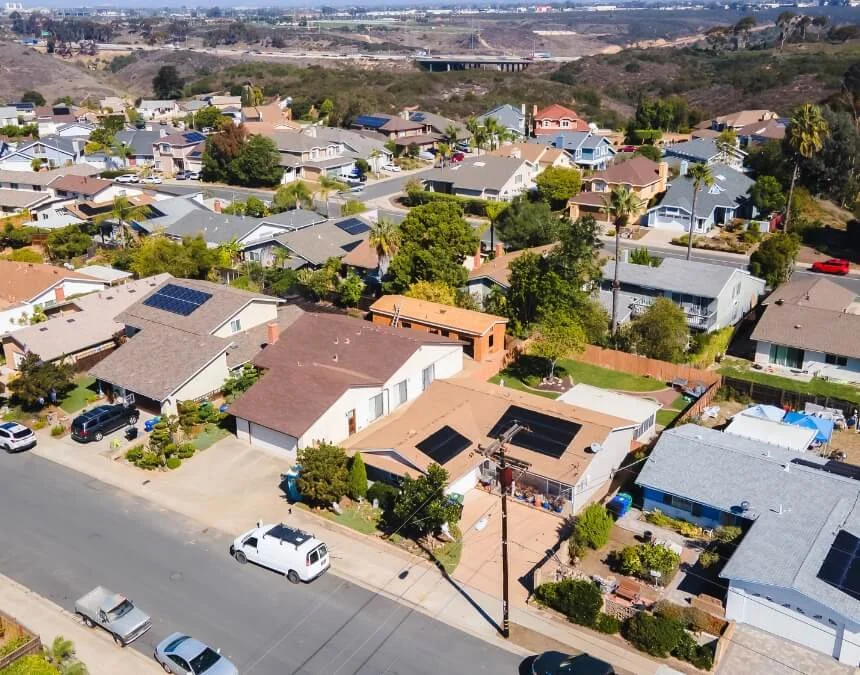
Before applying, confirm site feasibility and a preliminary budget. Organized plans, contractor bids, and realistic cost estimates help lenders evaluate your application more efficiently.
What Are the Biggest Challenges in Financing an ADU?
Financing can be one of the most challenging parts of building an ADU, even where California law has simplified development requirements. Common obstacles include limited affordable borrowing options, strict underwriting standards, and substantial upfront expenses. Traditional products may be difficult to obtain without sufficient income or equity, while specialized loans have their own documentation and eligibility rules. Research indicates that many homeowners rely on savings or family assistance, which can strain household finances before construction begins. Compare funding options early and protect an appropriate emergency reserve.
A statewide ADU owner survey reported that 62% of respondents used personal cash or family gifts, illustrating the importance of household resources in financing these projects (Scotsman Guide). A separate renovation-financing source reported that 87% used cash, retirement funds, emergency savings, or family borrowing for renovation expenses. That broader renovation figure should not be presented as an ADU-specific statistic (RenoFi).
As RenoFi CEO Justin Goldman explains:
A reported 87% figure concerns renovation funding broadly, not ADUs alone. Review the source’s methodology before applying it to an ADU budget, and carefully weigh the risks of using retirement funds, emergency savings, or family loans (RenoFi).
Underwriting requirements present another challenge. Some lenders exclude projected ADU rent, while eligible mortgage products may accept it subject to specific conditions. Even when rental income is permitted, vacancy, expenses, and documentation requirements can reduce the amount counted. Together with upfront development costs and limited assistance, these restrictions can make financing a significant hurdle for California homeowners pursuing ADU projects.
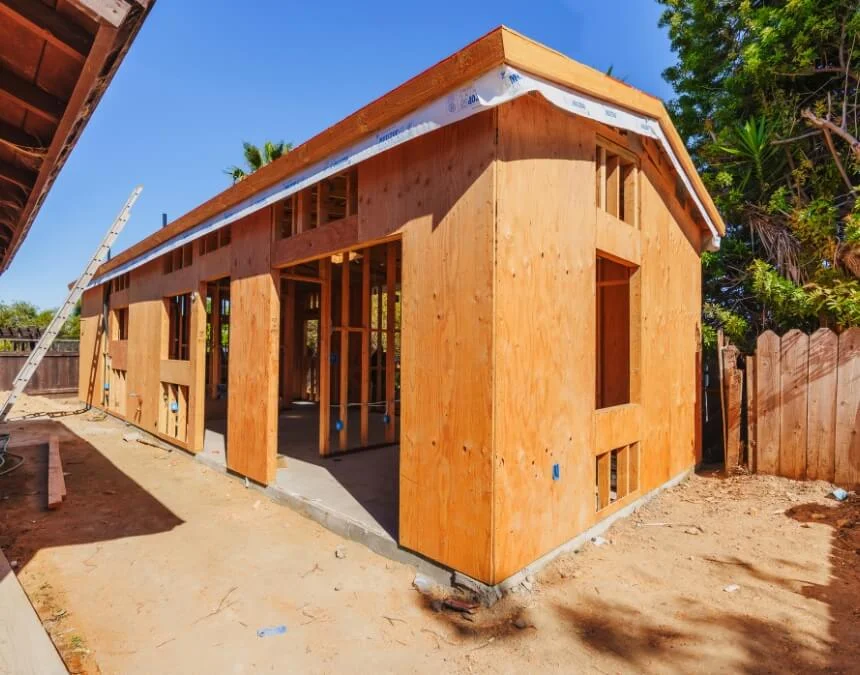
Budget for upfront pre-development expenses, including plans, permits, and utility work, because these costs may arise before loan funds become available.
Do ADUs Increase Property Value?
An ADU can increase a California property’s value, but the outcome depends on the local market, project cost, design, and legal status. Additional living space and potential rental income may attract buyers, yet construction spending does not translate dollar-for-dollar into resale value. When evaluating a legally permitted unit involving permitted ADU, ask a qualified appraiser or local real estate professional about comparable sales and valuation methods. Avoid assuming that every ADU delivers the same appreciation or investment return.
After completion, homeowners may consider refinancing based on the property’s updated appraised value. Better terms are not guaranteed and depend on rates, equity, credit, income, and closing costs. Some construction loans include conversion to permanent financing, while other construction or renovation products require separate arrangements. Confirm the structure before borrowing rather than assuming an automatic refinance.
Beyond potential appreciation, ADU rent may help offset mortgage payments, property taxes, and other ownership costs. Estimate income using current comparable rentals rather than treating statewide figures as a local forecast (RenoFi). Deduct vacancy, maintenance, insurance, utilities, management, and financing expenses. An ADU may support household flexibility and long-term finances, but its economic benefits depend on the specific property and use.
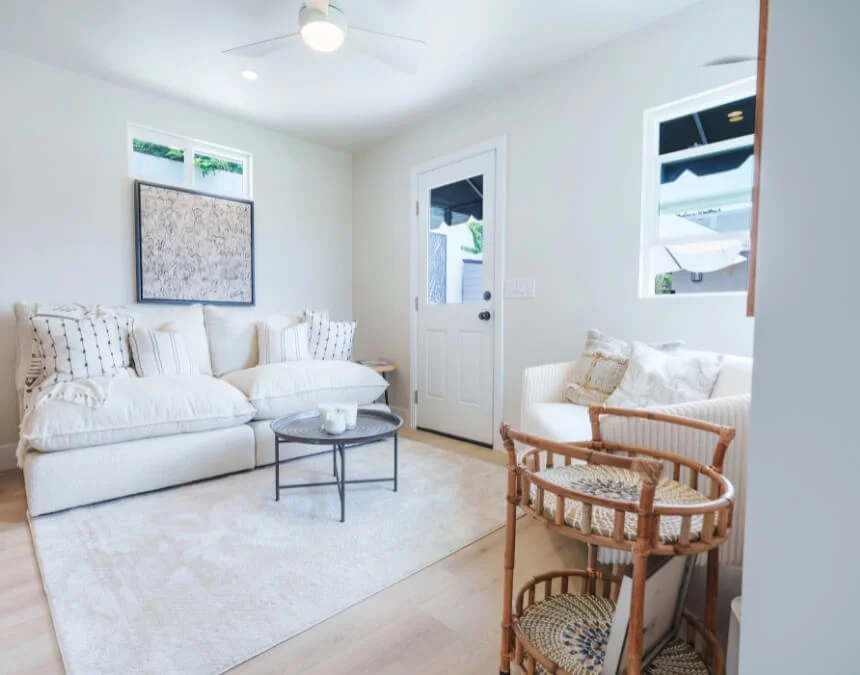
Permits, code compliance, lawful rental use, and market evidence can affect an ADU’s appraisal. Confirm these factors before relying on a higher valuation or refinancing.
ADU Financing Resources for California & Los Angeles
Reliable resources make ADU planning easier. Use official state and local sources to verify laws, funding availability, and permitting requirements, and consult research institutions for historical cost and financing context. For Los Angeles public programs, confirm the administering agency and service area. Research reports can inform planning, but they do not establish current eligibility, project costs, or approval requirements.
California Resources
CalHFA ADU Grant Program (Paused)
CalHFA’s ADU Grant Program historically offered up to $40,000 for eligible pre-development expenses. Its $100 million allocation represented support for approximately 2,500 potential projects, rather than a verified count of completed ADUs.
Visit the CalHFA’s official ADU page for current program status, funding updates, and application announcements:
For details on eligible expenses, including soil testing, architectural plans, impact fees, and energy reports, consult see All Home’s summary and confirm the current official requirements.
Terner Center for Housing Innovation (UC Berkeley) - Statewide ADU Research
The Terner Center provides research relevant to ADU data available, including the widely cited median $150,000 California and ADU construction costs. Its statewide owner survey and policy reports offer useful historical context, but current projects still require site-specific estimates.
ADU Owner Survey (Cost Data)
Los Angeles Resources
Los Angeles Housing Commission (Los Angeles Housing Department) - ADU Finance Program
For local ADU assistance, ask the housing agency serving your property to confirm:
- Construction interest rate, if applicable
- Permanent financing rate and conversion terms
- Maximum available loan amount
- Household income limits and applicable AMI thresholds
- Duration and terms of any affordability restrictions
City of Los Angeles - Official ADU Guide
This is Los Angeles’s main ADU resource hub, offering:
- Permitting requirements
- Applicable zoning rules
- Design standards and site-specific review
- Fees and any verified exemptions
- Eligibility for any locally authorized ADU incentives
Conclusion: Which ADU Loan Program Is Best for You?
Choosing an ADU loan in California depends on your equity, income, project scope, and borrowing costs. Homeowners with substantial equity may consider a HELOC or home equity loan, comparing flexible access with fixed-payment options. Those with limited equity may explore construction or renovation products that consider the property’s after-improved value, subject to underwriting and program limits. For Los Angeles residents, any public assistance must be verified with the housing agency responsible for the property; another jurisdiction’s rates and loan limits do not establish eligibility. CalHFA historically offered up to $40,000 in qualifying pre-development assistance, but homeowners should confirm current funding and application availability rather than assume the program will reopen. Compare total costs and restrictions before committing.
The best ADU loan depends on your equity, income, project size, and overall borrowing costs.
- Strong equity → HELOC or home equity loan
- Limited equity → Construction or renovation loan
- Los Angeles residents → Los Angeles Housing Department 1% ADU loan, subject to verified eligibility
- When available → CalHFA grant assistance, historically up to $40K
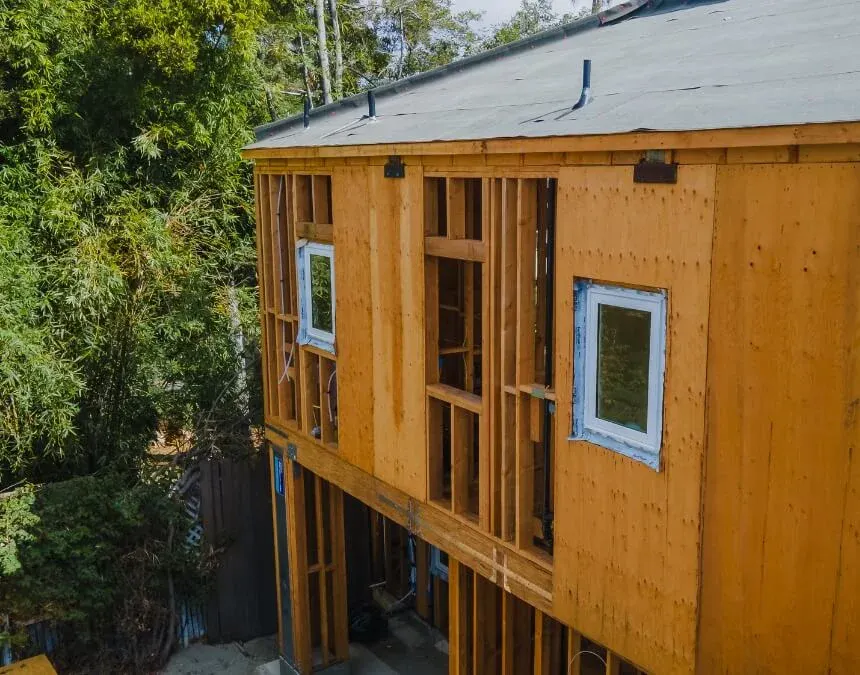
Confirm your financing before construction begins. Switching loan types mid-project can disrupt funding releases, inspection coordination, and the schedule for obtaining final occupancy approval.
Frequently Asked Questions
Yes. California homeowners can finance ADUs through home equity loans, HELOCs, cash-out refinances, construction loans, and renovation products such as FHA 203(k) or Fannie Mae HomeStyle Renovation. Los Angeles homeowners should check with the appropriate housing agency about any current local assistance. Eligibility for a program serving another jurisdiction must not be assumed.
CalHFA’s ADU Grant Program historically offered up to $40,000 per eligible homeowner for qualifying pre-development expenses, including site preparation, plans, permits, impact fees, and energy reports. Its $100 million allocation represented support for approximately 2,500 potential ADUs, not confirmation of 2,500 completed units.
California has offered ADU grants, but access depends on current funding and eligibility. CalHFA’s program historically provided up to $40,000 for qualifying pre-development expenses. Check its official page for application status and new allocations. Local housing agencies may also administer assistance, subject to geographic, income, occupancy, and affordability requirements.
Check CalHFA’s official program page before applying. Previous ADU Grant funding was reported as fully allocated, and the historical $100 million budget represented support for approximately 2,500 potential projects. Do not assume applications have reopened or that new funding is available without a current announcement from CalHFA.
Eligibility depends on the financing product and, for assistance programs, the administering agency’s service area. Los Angeles homeowners should verify current local options rather than rely on another jurisdiction’s income limits or affordable-rent requirements. HELOCs, home equity loans, construction loans, and renovation loans generally consider credit, documented income, equity, and property eligibility. Some mortgage products may accept qualifying ADU rental income under specific rules, while others do not. Ask the lender about documentation and borrowing limits before relying on future rent.