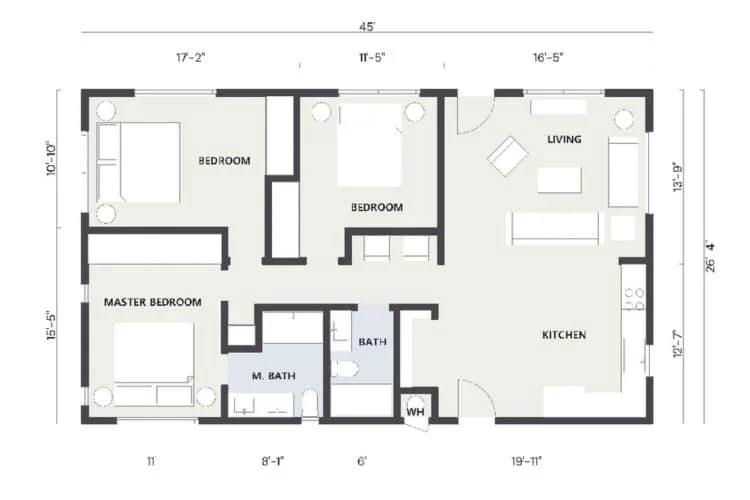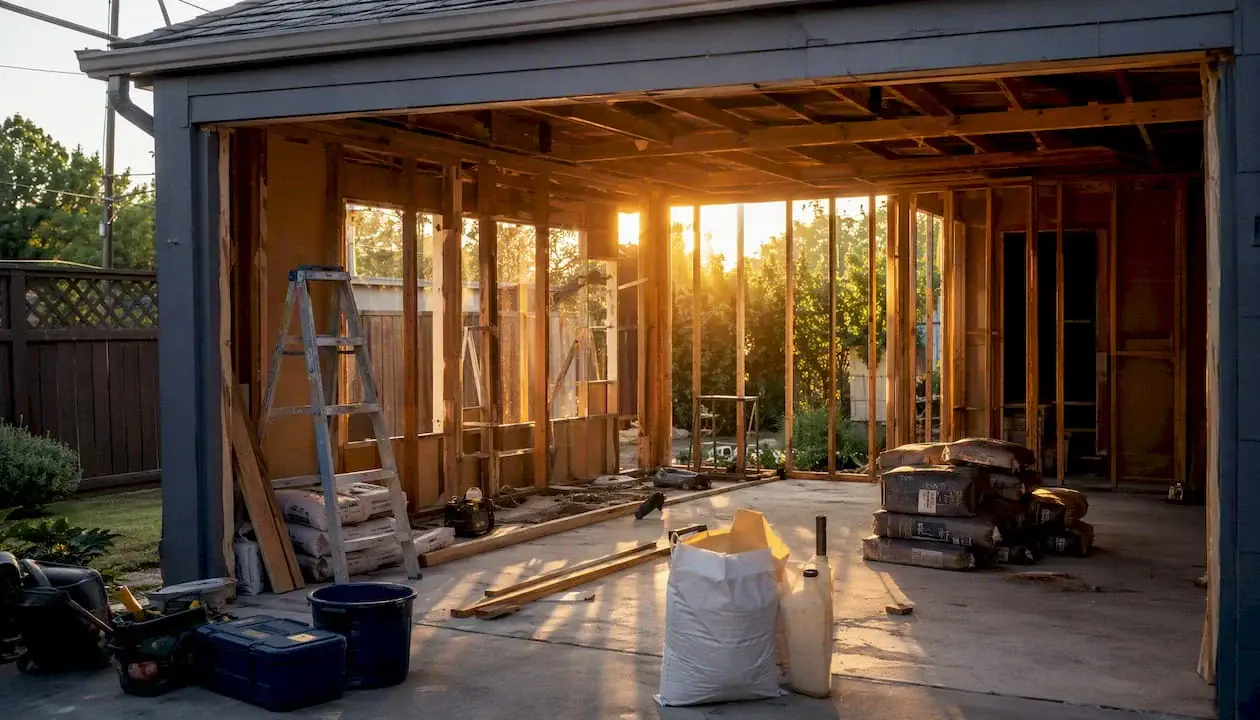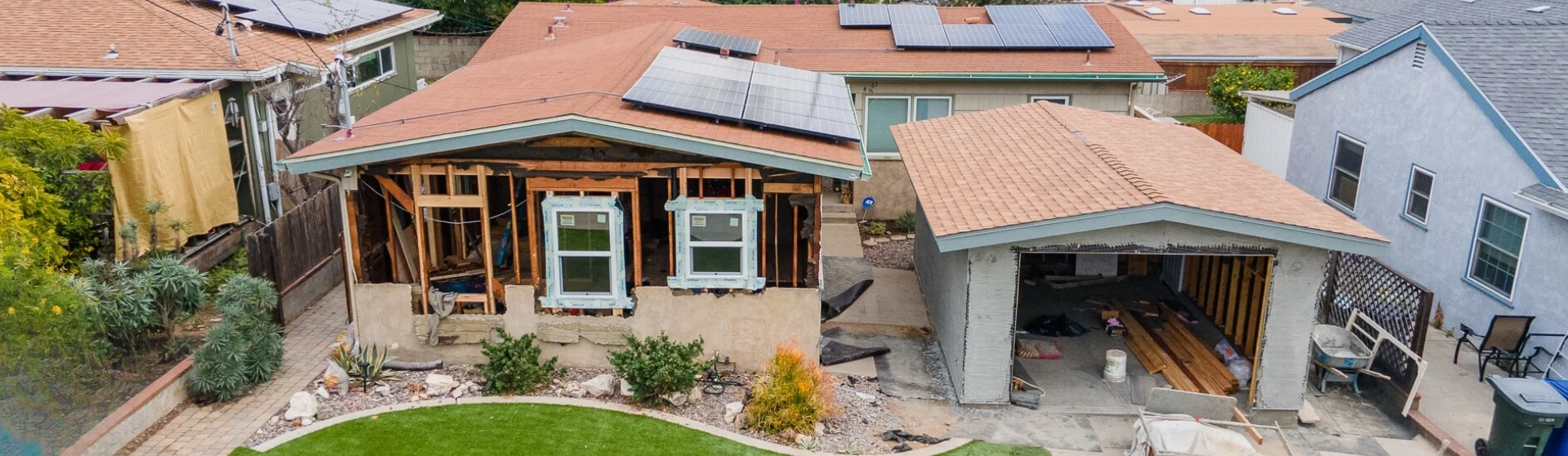



Current Status of ADU Sales in Los Angeles
California law allows local jurisdictions to authorize separate ADU sales through a condominium process, but homeowners must verify whether Los Angeles has adopted an applicable ordinance. Before planning a sale of a backyard home or granny flat, check the current City Council record and municipal code for adoption status, effective dates, eligibility requirements, and any additional project-specific approvals.
Where an applicable local ordinance permits it, an accessory dwelling unit may be conveyed separately from the primary residence through a compliant condominium structure. This policy can create additional ownership options and broaden starter-home availability, particularly for first-time buyers in California’s high-cost housing market. Eligibility and affordability depend on the property, governing rules, and market conditions.
Key points to understand include:
- Confirm whether current Los Angeles rules allow your ADU to be sold separately from the primary dwelling through an authorized condominium process.
- An ADU need not be structurally connected to the primary dwelling, but physical separation alone does not authorize a separate sale.
- ADUs subject to affordability covenants or public-funding agreements may face additional conveyance restrictions. Review the recorded documents and consult the administering housing agency before assuming that conversion or sale is permitted.
Where authorized, ADU condominium sales may expand homeownership opportunities by offering smaller homes at different price points. Evaluate comparable sales, ownership costs, and buyer financing rather than assuming a fixed discount relative to single-family residences in Los Angeles.

Monitor City Council actions and effective dates to align your ADU strategy with applicable approval requirements.
Understanding Los Angeles’s Draft Ordinance for ADU Sales
A locally authorized ADU condominium process could change how Los Angeles homeowners manage accessory dwelling units by creating a pathway to separate sales. This approach may expand housing choices, including options for first-time buyers in a high-cost market. Before proceeding, verify the current ordinance, its effective date, and property-specific requirements. ADUs with affordability covenants or public-funding restrictions require additional review of their recorded agreements.
Where “Backyard Condo” Authority Sits in the Ordinance
California’s ADU framework allows participating jurisdictions to authorize separate ADU sales through a condominium structure, subject to applicable state and local requirements. For a Los Angeles property, verify the governing ordinance rather than relying on code sections from another jurisdiction. Separately, state law provides a limited pathway involving qualified nonprofit organizations and affordability restrictions; confirm its eligibility, ownership structure, and required covenant terms with housing counsel. Review applicable tenant protections, affordable-housing replacement obligations, and condominium conversion procedures with Los Angeles City Planning and the Housing Department. Eligibility may differ between single-family and multifamily properties, and permission to construct an ADU does not automatically establish permission to sell it separately.
Key Steps for Condo Conversion
- Preliminary Assessment and Eligibility Check: Have a qualified professional review your ADU has finalized permits and confirm applicable setbacks, height limits, minimum room dimensions, and permit status. Identify any deed restrictions or affordability covenants affecting the accessory dwelling unit.
- Subdivision Mapping and Condominium Plan: Confirm the required subdivision application, prepare the appropriate condominium map or obtains a waiver under the Subdivision Map Act, and develop a condominium plan and governing documents consistent with applicable law, including the Davis-Stirling Act where relevant. Obtain required written consent from lienholders.
- Code Compliance and Legal Documentation: Document compliance with applicable zoning and building requirements, including lot coverage where relevant. Prepare and record required covenants, conditions, and restrictions (CC&Rs), complete mandated inspections, and identify all applicable conversion disclosures.
- Utility Coordination and Access: Determine whether the ADU requires separate utility metering for water, sewer, and electricity or whether shared arrangements are allowed. Consult the serving providers about connections, metering, maintenance responsibilities, and recorded access or utility easements.
- Public Report and Final Map Approval: Submit mapping and subdivision materials to the appropriate Los Angeles reviewing agencies. Determine whether the California Department of Real Estate requires a public report or an exemption applies. Obtain required approvals and record the applicable map and condominium documents before attempting a separate conveyance.
- Optional Nonprofit Model: Ask qualified housing counsel whether a state-authorized nonprofit pathway applies, including its ownership structure and affordability covenant requirements. Determine whether the primary residence or a subdivided junior unit would qualify and what buyer-income restrictions or agency approvals would govern the transaction.
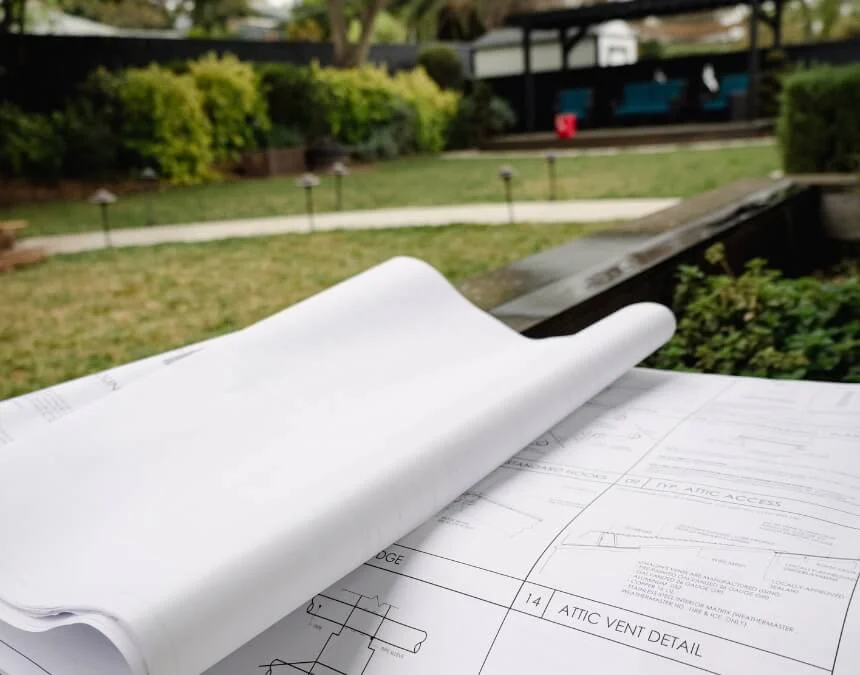
Review applicable ordinance provisions, setbacks, CC&Rs, and affordability covenants to develop your conversion roadmap.
Checklist if Considering an ADU Condo Conversion
If you are considering an ADU condominium conversion, review involves careful planning alongside current city requirements. A careful, property-specific assessment can clarify whether separate ownership is legally available and what approvals, documentation, and improvements would be necessary before marketing the unit.
- Confirm Eligibility: Verify that your accessory dwelling unit has finalized permits and complies with applicable setback and other development requirements. Review any junior accessory dwelling unit separately rather than assuming it qualifies for independent sale. Identify affordability restrictions, deed covenants, and any differences between single-family and multifamily property eligibility.
- Engage Professional Services: Hire a qualified land surveyor and condominium attorney to assess mapping requirements, prepare ownership documents and CC&Rs, and obtain any required written lender consent. Confirm that the proposed structure legally supports separate conveyance.
- Budget Planning: Obtain project-specific estimates for legal services, subdivision mapping, HOA documents, lender review, inspections, and recording. Ask Los Angeles City Planning and other reviewing agencies about current fees, application requirements, and required studies rather than relying on a fixed conversion budget.
- Utility Coordination: Determine whether separate utility connections are required or shared meters and recorded easements are acceptable for water, sewer, and electricity. Confirm provider requirements, applicable development standards, and any Coastal Development Permit conditions affecting a coastal-zone property.
- Prepare Legal and City-Required Disclosures: For tenant-occupied ADUs, identify required notices, condition reports, relocation obligations, and other protections with qualified counsel and the Los Angeles Housing Department. Address these requirements before initiating conversion or marketing.
- Filing and Approval Process: Submit subdivision and condominium documentation to the appropriate Los Angeles agencies. Determine separately whether a public report from the California Department of Real Estate is required. After obtaining applicable approvals, record the necessary map and ownership documents. Local authorization of separate ADU sales does not replace project-specific review, lender consent, or required recordation.
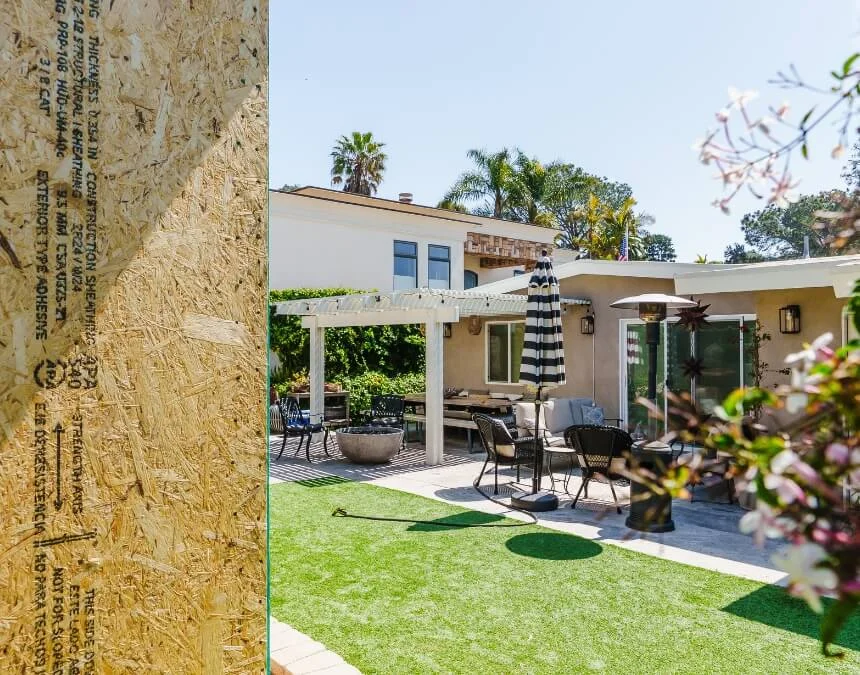
Verify permit status, budget for mapping and legal services, and coordinate utilities before submitting your application.
Legislative Timeline & Next Steps for Los Angeles ADU Ordinance
Review Los Angeles’s draft ordinance to determine whether it authorizes separate accessory dwelling unit sales through a condominium structure and whether your property qualifies. Do not assume that junior accessory dwelling units have the same conveyance rights as ADUs. Before converting existing permitted backyard homes or additional dwellings into independently owned units, confirm current local authorization, required approvals, and any restrictions affecting single-family or multifamily properties. Construction eligibility alone does not establish separate-sale eligibility.
Any applicable local authorization should be evaluated alongside California’s AB 1033 and current state law. A compliant separate-sale pathway may broaden ownership choices, support first-time buyers, and add smaller homes to California’s high-cost market, but its availability, affordability, and benefits depend on local implementation and individual property conditions.
Before arranging a separate ADU sale, verify that current local law authorizes it or that a specific statutory exception applies. Otherwise, the ADU generally remains part of the primary property’s title.
| Date | Body | Action | Vote |
|---|---|---|---|
| Confirm meeting date | Relevant City Council committee | Verify ADU proposal and committee action | Check official record |
| Confirm hearing date | Los Angeles City Council | Verify reading, vote and adoption status | Check official record |
| Confirm effective date | As specified in adopted ordinance | Verify applicability to the project; Local Approval Required | Not applicable |
Big Picture: The Future of ADU Sales in Los Angeles
Where legally authorized, ADU condominium sales can add smaller ownership options to California’s high-cost housing market by allowing qualifying dwellings on an existing residential property to be owned separately. Conversion alone does not add physical housing stock, although accompanying construction may do so. Affordability, density benefits, and environmental impacts depend on the project, its location, and the resources required.
Potential Benefits
- Starter-Home Supply: Smaller ADU condominiums may offer lower purchase prices than larger homes, but affordability requires local comparable-sales and ownership-cost analysis.
- Equity and Flexibility: Owners may gain rental or resale options, subject to legal restrictions, financing, expenses, and market conditions.
- Sustainable Development: Evaluate energy performance, infrastructure needs, and applicable Los Angeles sustainability requirements rather than assuming that smaller homes automatically satisfy them.
Challenges & Constraints
- Financing and HOA Formation: Establishing a condominium structure and securing lender approvals can involve substantial legal, mapping, financing, and administrative work. Obtain property-specific estimates.
- Neighborhood Concerns: Address questions about density, access, parking, and applicable street-side setbacks through accurate plans and clear communication.
- Administrative Capacity: Confirm review responsibilities and current processing conditions with Los Angeles City Planning, Building and Safety, and other applicable agencies.
- Fire-Hazard Requirements: Check the property’s hazard designation and applicable fire-access, construction, and safety standards. Do not assume additional setbacks apply without confirmation from the responsible authority.
Overall, pursuing designating each ADU as a standalone property may create opportunities for homeowners and buyers where legally authorized. Successful implementation depends on property-specific eligibility, zoning compliance, coordinated agency review, financing, and informed community engagement.
Legal Considerations for Selling ADUs in Los Angeles
Confirm the current position of Los Angeles on separate ADU sales before relying on any anticipated ordinance or approval date. Understanding the legal framework is essential when evaluating rules take effect. A separate sale may require detailed review of zoning, subdivision procedures, title restrictions, lender consent, and city regulations and state laws. Preparing these documents early can help homeowners assess feasibility, identify legal obstacles, and make informed decisions about a potential condominium conversion without assuming that authorization or financial benefits are guaranteed.
Zoning Laws Affecting ADUs
Los Angeles ADU eligibility depends on applicable state law, local zoning, and property-specific conditions, including coastal-zone requirements where relevant. Setbacks, height limits, and other development standards influence the placement of ADUs and junior accessory dwelling units. Confirm fire-hazard requirements with the responsible agencies rather than assuming stricter setbacks apply. Review parking, lot coverage, and any statutory exemptions carefully; construction standards and separate-sale requirements are not necessarily identical.
Legal Frameworks for Selling ADUs
California’s AB 1033 allows local jurisdictions to authorize separate ADU sales through a condominium process, subject to statutory conditions. Homeowners must verify local implementation, prepare the required condominium documents, obtain applicable lienholder consent, and satisfy state and local requirements. Review tenant notices, condition disclosures, relocation obligations, and other protections under the laws governing the specific Los Angeles property rather than relying on unrelated municipal code provisions.
Deed and Title Complexities
Obtain a preliminary title report to identify easements, covenants, liens, and other restrictions that could affect an ADU sale. A condominium conversion creates separate ownership interests through recorded subdivision and condominium documents, with deeds and association arrangements determined by the approved structure. Obtain required lienholder consent before recordation. Affordability covenants or other deed restrictions may limit or prohibit separate conveyance; review their terms with counsel and the administering agency rather than assuming expiration automatically permits a sale.
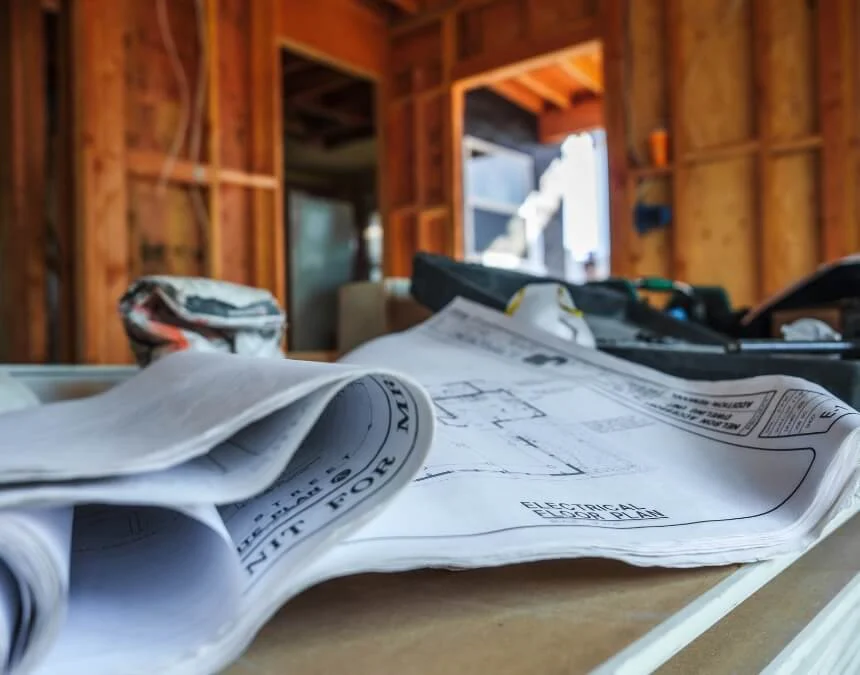
Obtain a preliminary title report and confirm zoning and separate-sale eligibility before beginning a condominium conversion.
Market Evaluation for ADUs in Los Angeles
If current Los Angeles rules authorize separate ADU condominium sales, eligible homeowners will need to assess both regulatory requirements and market conditions. Review comparable transactions, buyer preferences, financing availability, and pricing strategies before committing to a conversion. Preparing early can help you evaluate whether the ADU offers a practical ownership option and whether the anticipated sale proceeds justify conversion expenses. Confirm legal eligibility before presenting the unit as independently marketable.
Current Real Estate Trends in Los Angeles
California’s high housing costs and constrained supply make ADUs an important option to evaluate in Los Angeles. Properties in both single-family and multifamily areas may accommodate ADUs under applicable rules, potentially adding homes within established neighborhoods. Assess local demand, development constraints, and affordability using current planning and market information rather than assuming that every neighborhood or property offers the same opportunities.
Pricing Strategies for ADUs
For ADU construction costs, obtain itemized project estimates covering construction, permits, finishes, site work, and utility requirements rather than relying on a universal per-square-foot range. Pricing for Competitive pricing strategies should draw on relevant recent comparable sales. Los Angeles’s ADU Standard Plan Program may offer useful plans or turnkey ADU options, but standard plans still require site-specific review and do not guarantee approval, lower costs, or improved resale value.

Use verified, comparable ADU condominium sales where available, and assess total ownership costs when pricing for first-time buyers.
The Selling Process for Your ADU in Los Angeles
Before preparing an ADU for separate sale in Los Angeles, verify the current legal framework rather than relying on previously anticipated adoption dates. Understanding applicable zoning, subdivision standards, and condominium conversion procedures will help you assess what preparation is worthwhile. Review the property’s permits, title, financing, and tenant status with qualified professionals. This groundwork can support an informed selling strategy if separate ADU sales are legally permitted and your property satisfies the necessary requirements.
Preparing the ADU for Sale
Confirm that your accessory dwelling unit has all required construction permits and complies with applicable zoning and building standards, including setbacks, height, and lot coverage where relevant. Verify its title status and whether separate conveyance is authorized. Complete necessary repairs, stage only legally approved living areas as habitable space, organize approved plans and permit records, and prepare required disclosures and tenant notices before marketing the unit independently.
Listing and Marketing Strategies
Use online listings and appropriate real estate channels to present an eligible ADU accurately within California’s high-cost housing market. Highlight verified features such as separate entrances, transit access, and nearby amenities. Describe rental potential only after checking applicable restrictions and realistic market assumptions. Professional photography, virtual tours, and appropriately scheduled open houses can help buyers understand the property, its layout, and its ownership arrangements.
Negotiating with Potential Buyers
Set a competitive price using relevant comparable sales, address utility arrangements and separate-conveyance requirements clearly, and explain potential financing challenges associated with ADU condominiums. Highlight ADU’s strong rental income potential and any legally available ownership flexibility, while helping buyers evaluate the property’s residential value, ongoing expenses, and investment risks without promising returns.
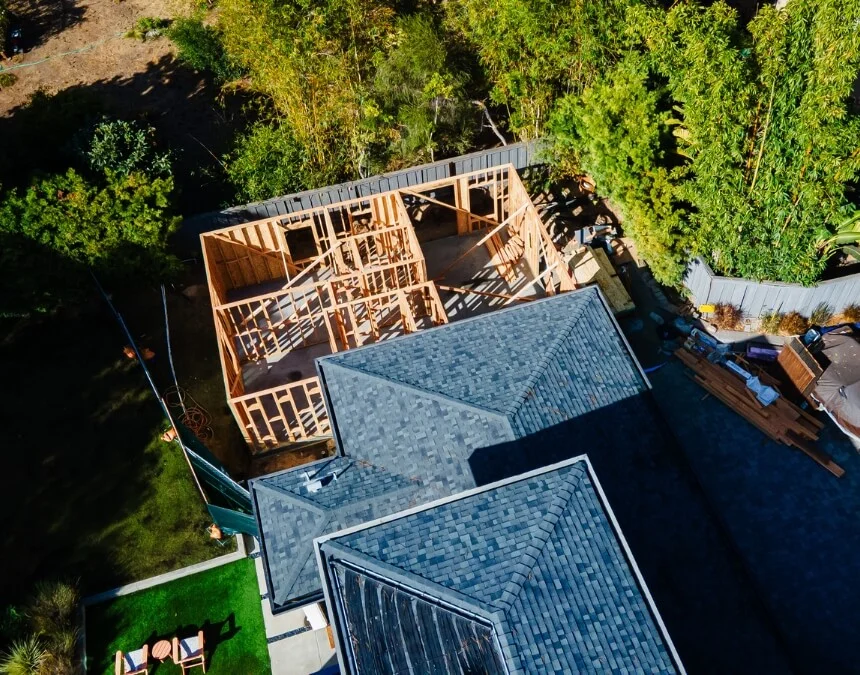
Highlight verified features, including separate entrances, and clearly qualify any rental-income estimates used in your listing.
Role of Real Estate Professionals in ADU Sales
Selling an ADU as an independent condominium in Los Angeles requires advice from professionals familiar with current local requirements. Experienced agents, surveyors, and legal advisors can help assess zoning, subdivision procedures, title issues, financing, and required disclosures. Start by confirming whether a separate-sale pathway is currently available for your property rather than relying on an earlier projected ordinance date. Early collaboration can reveal obstacles, clarify costs, and support a realistic marketing strategy if the necessary approvals are obtainable.
Importance of Local Expertise in ADU Sales
Local real estate agents can help homeowners evaluate demand, comparable sales, and buyer expectations for independently owned ADUs in California’s high-cost market. Their role complements, rather than replaces, advice from qualified legal, surveying, and planning professionals. Together, these specialists can assess condominium conversion requirements, site conditions, setbacks, and applicable development standards for the property.
Choosing the Right Agent with ADU Experience
Choose agents with verifiable experience in ADU transactions or comparable condominium conversions. Ask how they coordinate with surveyors and attorneys, assess usable living space, and address separate-ownership issues. Discuss their familiarity with Los Angeles’s Standard Plan Program, while recognizing that standard plans do not establish sale eligibility. Request relevant transaction examples and an explanation of how they handle agency coordination and buyer financing.
Working with Legal Advisors
Legal advisors can help interpret zoning rules, subdivision requirements, and the documents needed to address title and deed issues. Their guidance should cover applicable development standards, agency requirements, and any Coastal Development Permit obligations. Multifamily properties may present additional ownership or eligibility questions. Working with qualified counsel helps homeowners evaluate available options, prepare compliant documents, and manage transaction risks when pursuing separate ADU ownership.

Partner with professionals experienced in ADU transactions to coordinate legal, zoning, financing, and marketing requirements.
FAQs
First establish whether the property is within the City of Los Angeles or unincorporated Los Angeles County. These are separate jurisdictions, and City Council actions do not govern county-administered properties. Ask the responsible planning authority whether current rules permit a separate ADU sale and what condominium procedures or statutory exceptions apply. Unless an authorized pathway is available and its requirements are satisfied, an ADU generally remains part of the primary property’s title. Other jurisdictions’ adoption of separate-sale provisions does not establish local eligibility. Review the applicable municipal or county code, recorded restrictions, lender requirements, and current agency guidance before estimating potential sale proceeds or committing to a conversion.
Evaluating an ADU condominium conversion in Los Angeles begins with confirming that a separate-sale pathway is legally available for the property. Review finalized permits and applicable zoning requirements, including height, setbacks, floor area, and any relevant state-law exemptions. A qualified surveyor and attorney can then identify mapping requirements and prepare documents defining individual units, common areas, access, and maintenance obligations. Assess rental potential separately against applicable housing rules and market conditions. Obtain required written lender consent where liens affect the property, and clarify whether existing construction financing creates additional restrictions. Use the March 2026 California ADU Handbook and current state law as starting points, supplemented by current local subdivision, housing, and affordability requirements.
When budgeting for an ADU sale, obtain itemized estimates for legal advice, surveying, subdivision mapping, recording, required inspections, and lender review. Avoid relying on a universal conversion-fee range, because the scope depends on title conditions, existing approvals, and the proposed ownership structure. If the project also converts nonhabitable space, such as a garage, into a dwelling, budget separately for permitted construction and any required landscaping, energy measures, solar installation, utility upgrades, or safety improvements. Confirm which requirements actually apply to the project. HOA formation and ongoing administration may introduce additional legal, insurance, maintenance, and accounting expenses. Review tenant protections and any rules affecting existing duplexes or other multiunit properties with qualified counsel. Requirements and costs differ by jurisdiction, so consult the responsible agency about height, setbacks, parking, environmental review, and available exemptions before finalizing the financial plan.
Tenants may have significant protections when a rental property undergoes an ADU condominium conversion, but the applicable notices, relocation assistance, and other obligations require property-specific review. Consult the Los Angeles Housing Department and qualified housing counsel about local rent stabilization, state tenant protections, conversion procedures, and any affordability covenants. Do not assume that conversion automatically permits displacement or termination of a tenancy. Separately, confirm zoning, height, setback, and safety requirements with the appropriate reviewing agencies. Addressing tenant rights alongside the physical and legal conversion requirements helps owners evaluate whether the project can proceed lawfully while protecting occupants and managing potential disputes.
An ADU condominium conversion has no universal completion timeline. Ask the responsible Los Angeles agencies, your surveyor, and legal counsel to outline the sequence for eligibility review, mapping, inspections, lender consent, and recordation. A standard ADU plan does not replace site-specific approval, and the City Council does not ordinarily record an individual property’s final documents. Incomplete plans, title issues, utility arrangements, and tenant requirements can affect scheduling. If considering grants or fee assistance, verify current availability, eligibility, funding, and restrictions with the administering agency rather than assuming support applies. Early coordination and complete submissions may reduce avoidable delays, but neither approval dates nor market-entry dates can be guaranteed. Plan desired kitchens, outdoor areas, and other buyer-facing features within the project’s approved scope.
Los Angeles ADU projects must satisfy applicable state law and local requirements, including zoning standards, setbacks, and submission procedures, subject to relevant exemptions. Begin with current guidance from Los Angeles City Planning and Building and Safety, and use the March 2026 California ADU Handbook as a statewide reference. Coastal properties may require additional review or a Coastal Development Permit, depending on the project and applicable rules. Whether adapting an existing single-family or multifamily property or constructing a new ADU, confirm floor-area limits, permitted unit counts, and the separate requirements for any proposed condominium conversion. Ask the administering agency about currently available financing or assistance programs without assuming eligibility or faster approval. Every ADU must provide complete independent living facilities, including required cooking, sleeping, and sanitation facilities; evaluate construction methods against applicable codes and site conditions.
Adding a permitted ADU may increase a Los Angeles property’s value, but no fixed percentage applies across projects. Ask a qualified appraiser or real estate professional to evaluate comparable sales, legal use, construction quality, operating costs, and local demand. Zoning, existing dwellings, and any separate-sale restrictions can also affect valuation. Accessibility improvements, including mechanical lifts where appropriate, may enhance usability, while accurate professional photography can communicate the property’s features. Neither improvements nor marketing quality guarantees appreciation or a particular return.
Get Help in Building & Selling Your ADU in Los Angeles
Evaluate Los Angeles’s pending ADU ordinance against current Los Angeles rules to determine whether a separate ADU sale is available for your property. Confirm permit status, consult the responsible agencies, and assess subdivision and condominium requirements before committing to a transaction. Qualified real estate, surveying, and legal professionals can help identify zoning constraints, title issues, and necessary approvals. For current project-planning guidance or to build your dream ADU, contact Uni Construction, a DBA of Orep Development Inc., license 1026926, led by CEO Min Kang.
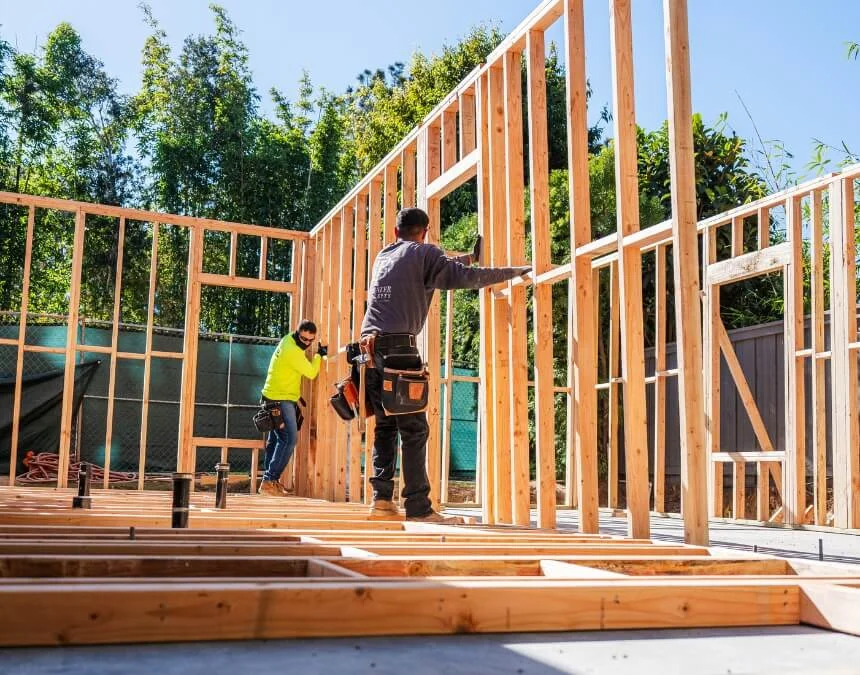
Engage legal and real estate professionals early to assess requirements, manage risks, and prepare for a compliant ADU sale.