

Key Takeaways
Although your single-family home may be covered by your current homeowners insurance policy, adding an accessory dwelling unit, or ADU, can complicate that coverage. In California, where natural disasters pose significant risks, adequate insurance helps protect your investment. If you plan to rent out your ADU, ask about landlord insurance, including its limits and exclusions for tenant-caused damage. If you’re using your ADU as a guest house, ask whether umbrella insurance can supplement your underlying liability coverage for claims involving injuries. Begin discussing insurance early, ideally before construction starts, so you understand the requirements for your ADU and can arrange appropriate construction, property, and liability coverage before anyone moves in.
What Does ADU Mean in Insurance?
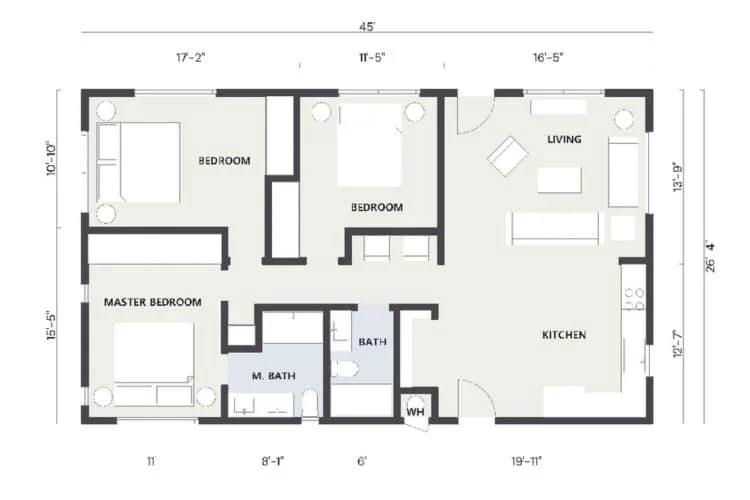
An accessory dwelling unit is a unit or secondary independent living space that provides complete, independent living facilities, including a kitchen and bathroom, on a lot with a primary residence. Examples include in-law suites, granny flats, and qualifying basement apartments. Size and access requirements vary.
Insurance coverage for an accessory dwelling unit depends on its construction, occupancy, and use. For example, an attached ADU shares a wall with your primary dwelling. If it houses aging parents, certain damage or losses may fall under your existing homeowners policy, although you may need higher limits to reflect the ADU’s value. If your ADU is detached or classified as garage conversion, particularly when used as rental housing, your insurer may require an endorsement or separate policy for property and liability protection. Speak with your current insurance provider before construction begins to determine whether your existing policy can be amended or whether a separate ADU policy is appropriate. Ask about exclusions, coverage limits, and occupancy restrictions. Assuming your homeowners insurance covers everything could leave you facing a denied claim and substantial out-of-pocket costs.
Insurance needs vary by ADU type and use. Clarify whether yours is attached, detached, or rented before arranging coverage.
How Homeowners Insurance Protects Your ADU
If your current policy includes other structures coverage for detached buildings such as sheds and garages, ask whether that coverage can extend to your ADU. Explain how you plan to use ADU as a source of rental income, since occupancy and rental arrangements can affect eligibility. Do not assume an ADU is automatically covered or that every insurer requires the same endorsement. Contact an insurance agent before beginning construction process to confirm the coverage needed during construction and after completion. Ask whether an endorsement, higher limits, or a separate policy is necessary. Review personal property coverage as well as structural protection, including whose belongings are insured and whether covered theft or vandalism losses are subject to exclusions or deductibles.
A standard homeowners policy typically includes personal liability coverage, subject to stated limits and exclusions, for certain injuries on your property. Renting out an ADU can change that protection. Ask your insurer whether a rental endorsement or landlord policy is needed for your arrangement.
Homeowners insurance may limit or exclude losses associated with construction or renovation. Ask your insurer whether builder’s risk insurance and separate liability protection are appropriate for your project.
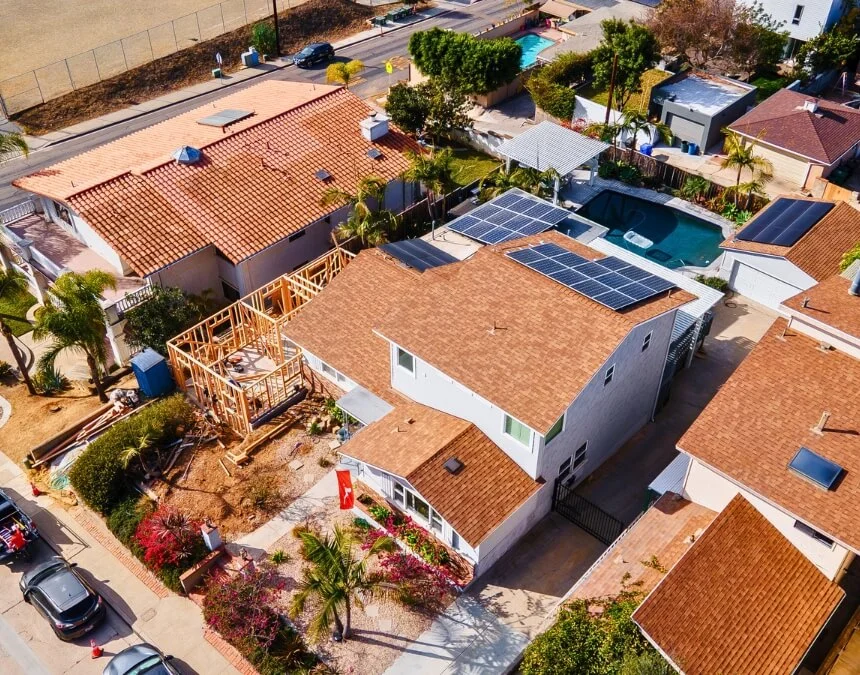
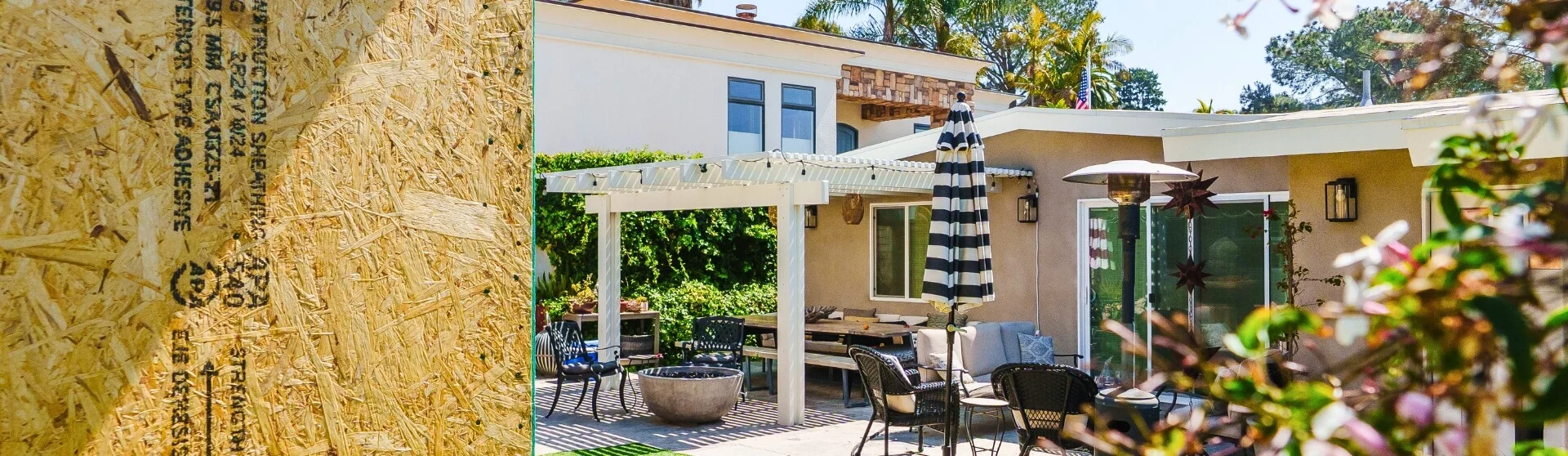
Confirm coverage for your detached ADU and ask whether endorsements are needed to protect the structure and eligible personal property.
Limitations of Homeowners Insurance for ADUs
Homeowners policies have occupancy and rental-use requirements that can affect coverage when an ADU houses tenants. Damage caused by a renter may be covered, limited, or excluded depending on the cause and policy terms. If you’re building an ADU for rental income, discuss landlord insurance and any necessary endorsements with your insurer before accepting tenants.
California homeowners policies typically exclude earthquake and flood damage, whether the loss affects your primary home or additional living space. Other disaster coverage varies by policy and location. Ask about separate earthquake or flood insurance and confirm whether wildfire protection is included.
Review your homeowners policy’s personal liability limit rather than confusing it with the separate, often lower limit for medical payments to others. A serious injury, such as a trip and fall, can create substantial expenses. Umbrella insurance may provide additional liability protection above qualifying underlying policies, subject to its terms and exclusions.
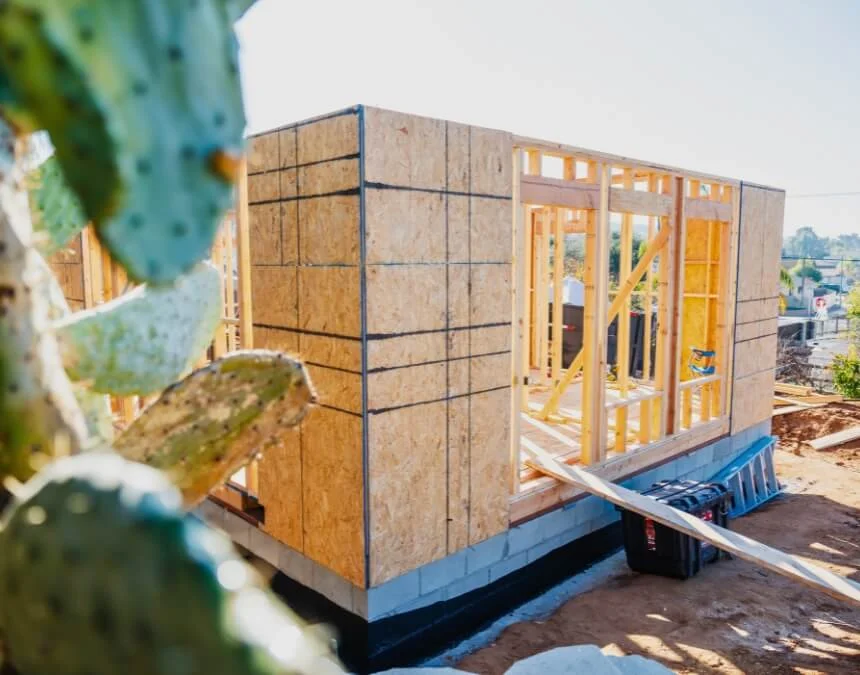
Do not assume coverage, especially when renting. Ask your insurer to explain exclusions and limits before an unexpected loss occurs.
Other Types of Insurance Coverage for ADUs
Homeowners insurance is familiar to many property owners because it generally protects their primary dwelling against covered damage and losses. However, adding an ADU can change your insurance needs. Review your existing policy and explore other forms of insurance with a licensed insurance professional to determine whether you need endorsements, higher limits, or separate coverage.
Landlord Insurance for ADUs
If you’re using your ADU as a rental property, discuss a landlord policy with your insurer. These policies generally cover specified property losses and landlord liability, subject to exclusions. Some also provide lost rental income coverage when a covered loss makes the unit uninhabitable during repairs.
If you rent your ADU to family members, such as adult children who need affordable housing, a separate policy may or may not be necessary. Confirm the occupancy and rental arrangement with your homeowners insurance provider before assuming coverage applies.
Encourage all tenants, including family members, to obtain renters insurance for their belongings and personal liability, subject to policy terms.
Umbrella Insurance
Both homeowners and landlord policies have liability limits and exclusions. If a guest or tenant is injured on your property and you are held responsible, medical expenses and related legal costs could exceed your coverage and create a lasting financial burden.
Ask a licensed insurance agent whether umbrella insurance could help protect against liability costs exceeding your underlying policy limits. It may be worth considering if you rent out your ADU or have substantial assets. If you use the ADU for business and receive clients on-site, discuss business liability coverage, since personal umbrella policies may exclude business-related claims.

For detached ADUs with luxury features, review replacement costs, rental coverage, and umbrella options to address property and liability risks.
Common ADU Insurance Providers in California
Research insurers and compare policies based on your ADU’s use, your coverage needs, and your budget. If you need a starting point, consider the following options while evaluating common ADU insurance providers. Confirm current California availability, underwriting requirements, and ADU eligibility directly with each provider or a licensed agent:
- Nationwide. Ask whether Nationwide currently offers coverage for your California property and whether your ADU requires an endorsement or a separate policy.
- Wawanesa. Check current availability and ask how Wawanesa handles attached or detached ADUs, including any restrictions related to rental use.
- AAA. Contact the insurer serving your AAA region to ask about ADU eligibility, membership requirements, and pricing. Also confirm whether construction coverage, landlord insurance, or umbrella protection is available for your circumstances.
Informing Your Insurance Provider About Your ADU
Property owners should communicate with their insurance provider throughout the construction process. Disclose your planned ADU before work begins and confirm how construction, completion, and occupancy affect your coverage. Depending on the policy, you may need an endorsement, revised limits, or separate insurance rather than a simple rider. Failing to disclose a material property change could result in denied claims, nonrenewal, or cancellation, subject to policy terms and applicable law. A coverage lapse could also leave your primary home without important property and liability protection.
Contact an insurance agent before you begin construction. This initial conversation can help establish whether your planned ADU qualifies for coverage under your existing policy or whether you’ll need to explore need and other insurance options.
Once ADU construction is complete, speak again with the providers responsible for your homeowners, landlord, or umbrella coverage. Confirm that the completed structure, its replacement cost, and eligible belongings are adequately insured. Provide any requested updates about final construction details and intended occupancy. If you plan on renting your ADU, review the policy once more before tenants move in, including rental-use conditions, liability limits, and coverage start dates. Discovering a gap after a loss occurs can leave you with substantial expenses.
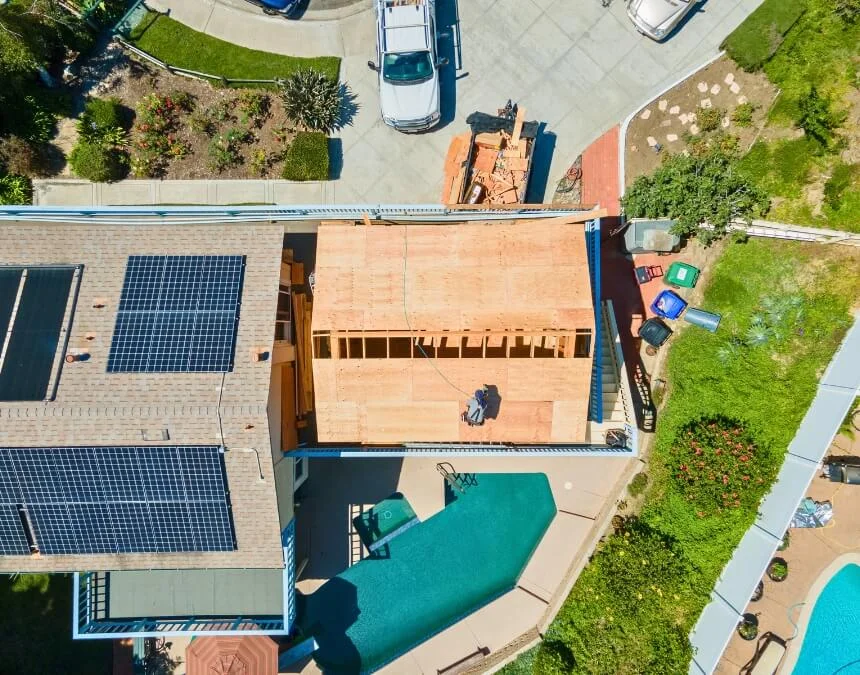
Always disclose your ADU to your insurer. Undisclosed additions can lead to denied claims, nonrenewal, or policy cancellation.
Do I Need Builder’s Risk Insurance for My ADU?
When choosing a ADU builder, including Uni Construction, ask for documentation of the contractor’s general liability coverage and its relevant exclusions. That insurance may respond to certain claims involving negligence, but it does not automatically cover every construction defect or loss. If a tree falls on your ADU during construction, coverage depends on the cause and applicable policy terms. Ask your insurer whether builder’s risk insurance is needed to protect the work in progress.
Builder’s Risk Insurance
Builder’s risk insurance generally protects covered construction work and materials against specified physical losses, such as certain theft, vandalism, or weather-related damage. It does not cover every loss excluded by a contractor’s policy. Coverage is typically project-specific, with defined start dates, expiration conditions, exclusions, and deductibles.
Permits and Compliance
Builder’s risk eligibility and pricing can depend on construction details, location, safety measures, and compliance with applicable building codes and zoning requirements. Work with a qualified ADU builder who coordinates required permits and inspections with the relevant local authority. Confirm any compliance conditions with your insurer before construction begins. If a loss investigation identifies work that does not meet all zoning regulations or zoning ordinances, the insurer may evaluate whether policy exclusions or conditions affect coverage, potentially leaving you responsible for substantial repair costs.
Does Uni Construction Carry Builder’s Risk Insurance?
Before construction begins, ask Uni Construction whether builder’s risk coverage is included in the project agreement or must be arranged separately. Depending on the contract and insurer, either the homeowner or contractor may purchase it. Request written confirmation of the responsible party, insured interests, policy limits, and exclusions rather than assuming contractor liability insurance protects the entire project.
What Insurance Does Uni Construction Carry?
Ask Uni Construction for current certificates of general liability and workers’ compensation insurance, and verify the relevant coverage with its insurance representative. These policies serve different purposes and do not cover every loss involving employees, subcontractors, or vendors. Request documentation through our initial free consultation and discuss any project-specific gaps. Insurance should be part of every contractor evaluation, and vague or incomplete answers warrant further investigation.
Builder Warranty
Another important topic to discuss with a prospective builder is standard construction warranty. Ask what protection applies if the roof leaks or another structural issue appears after construction. Obtain written terms identifying covered work, exclusions, claim procedures, and responsible parties. Coverage periods may differ by component, with some lasting 1-2 years and certain obligations extending to 10 years, depending on the contract and applicable law.
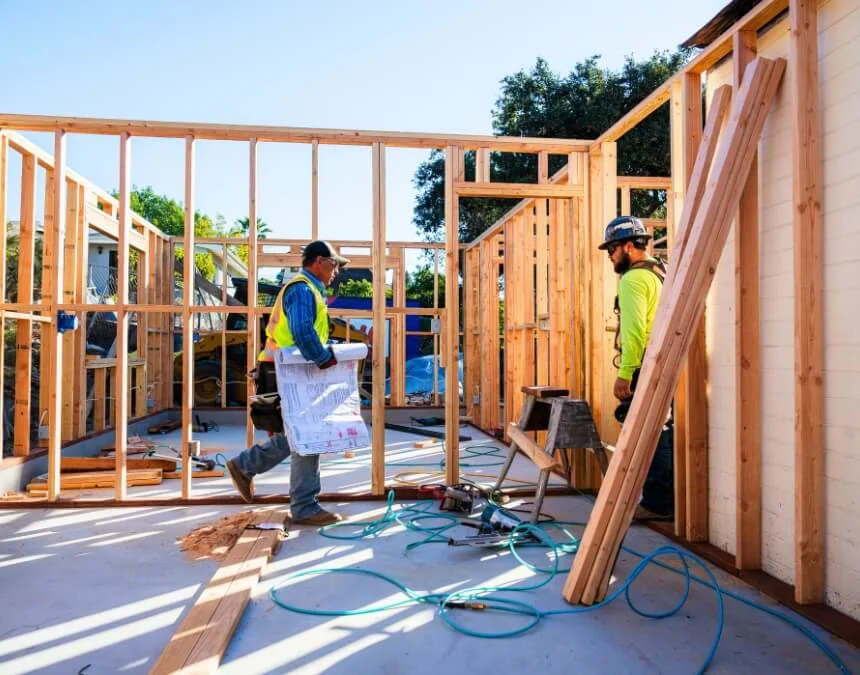
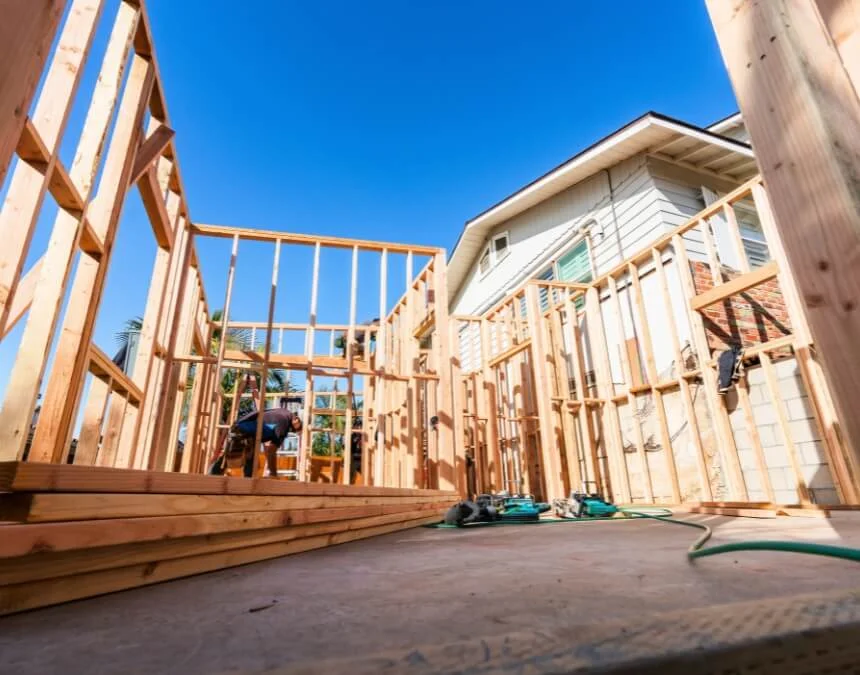
Builder’s risk can protect construction in progress. Confirm who purchases it and which weather-related losses and other risks are excluded.
Tax Considerations for ADUs
ADU construction can increase ongoing expenses through higher insurance premiums and property taxes. In California, qualifying ADU construction generally adds assessable value without automatically reassessing the entire existing home. Ask the county assessor how ADU does not trigger a full tax affects your property, and do not assume appreciation will exceed added costs. For more on ADUs and property taxes, read our separate blog post here.
ADU Insurance Costs and Savings Tips
Several factors influence your ADU insurance premium, including whether the unit is attached or detached, its location and exposure to natural hazards or flooding, its square footage, construction details, replacement cost, and whether it will be rented.
Some factors, such as location, are difficult to change, but you can explore ways to reduce your insurance costs without sacrificing necessary coverage. Start by comparing quotes from at least 3 insurance providers using similar limits, deductibles, and coverage terms. If you already have auto or homeowners insurance, ask whether bundling an eligible landlord policy or other coverage could reduce your total cost. Discounts vary and are not guaranteed. Finally, ask a licensed agent about security improvements, such as monitored alarms, that may qualify for savings. Certain upgrades can reduce theft or vandalism risks, but confirm eligibility and installation requirements before spending money solely to obtain a lower premium.
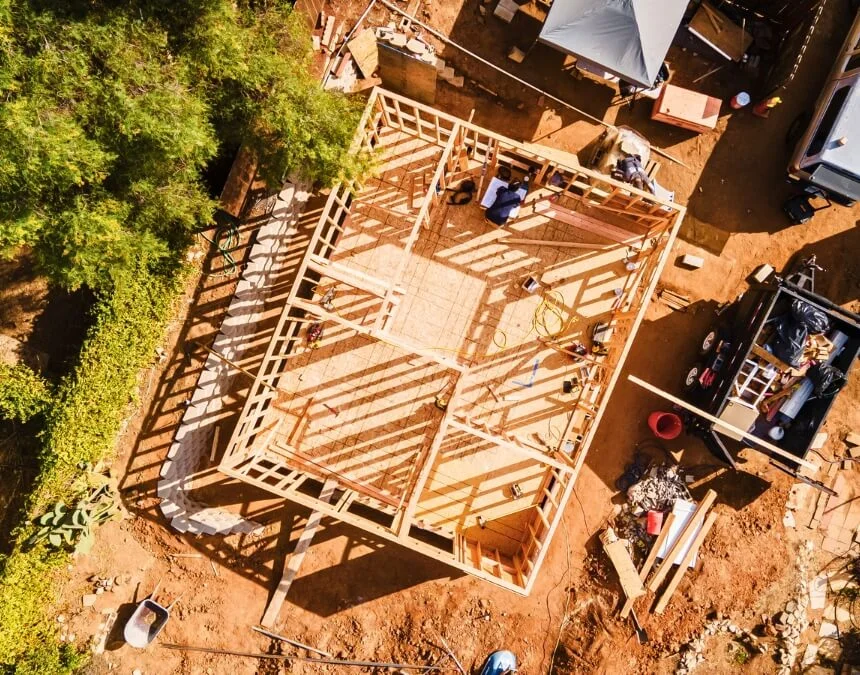
Compare coverage, ask about bundling, and discuss eligible security upgrades or ADU-specific discounts with your insurer before making changes.
Protecting Your Investment: FAQ on ADU Insurance in California
You can insure your ADU, and arranging appropriate coverage is an important way to protect your investment. Confirm property protection through a homeowners endorsement or separate policy, and evaluate liability coverage independently. Umbrella insurance supplements qualifying liability policies; it does not replace insurance for the structure.
Failing to disclose your ADU to your insurance company could jeopardize future claims. Depending on the circumstances, policy terms, and applicable law, nondisclosure could also lead to cancellation or nonrenewal of your existing homeowners policy.
Adding an ADU to your homeowners policy may increase your premium because you are insuring additional property and potentially different risks. Ask for a quote based on appropriate replacement-cost limits, since rebuilding after a total loss could involve substantial expenses.
How Uni Construction Can Assist
Uni Construction can help homeowners coordinate construction-related information, but insurance advice and coverage decisions belong with licensed insurance professionals. When evaluating ADU builders, ask how the builder supports all phases of construction and coordinates documentation related to permit application process to the ADU and the insurance process. Confirm permit and inspection requirements with the relevant authority. Code-compliant work is important, but no builder can guarantee policy eligibility, claim approval, or uninterrupted coverage.
Explore what may be possible on your property: reach out for a free consultation.

Ask Uni Construction about permit coordination and construction documentation, and consult a licensed insurance professional to confirm appropriate ADU coverage.