

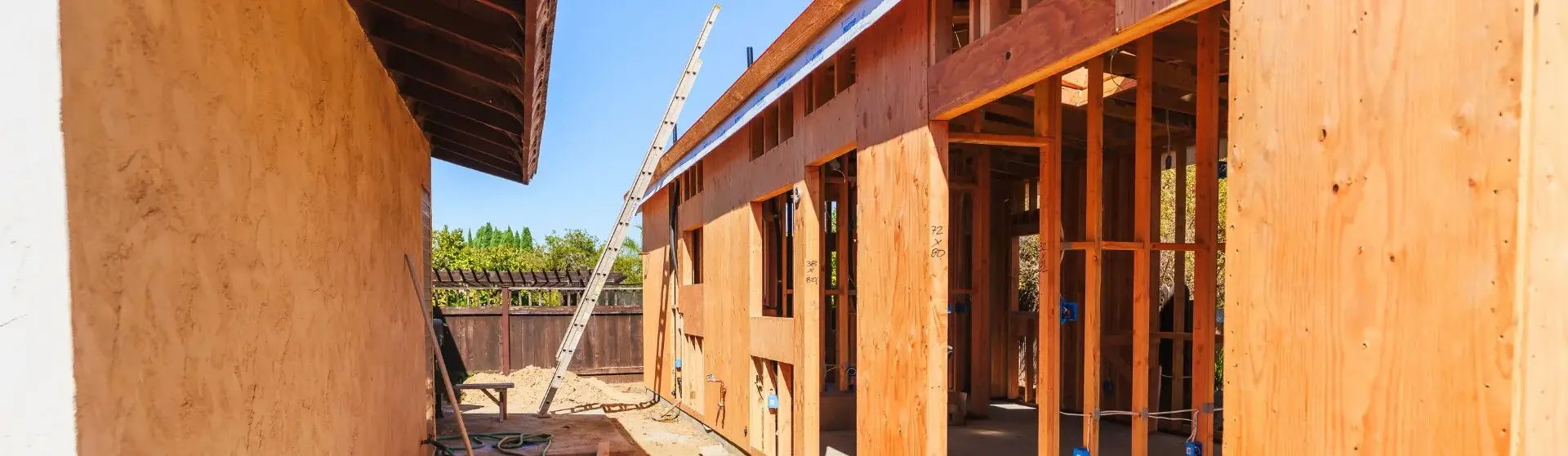
What Is an ADU?
An Accessory Dwelling Unit (ADU) is a self-contained residential unit on the same lot as a primary residence, with its own kitchen, bathroom, and entrance. Terms such as granny flats may describe related housing arrangements, but internal ADUs are specifically located within an existing structure. ADUs can include detached backyard cottages, attached additions, basement apartments, or garage conversions, subject to applicable state law and local building requirements. For Los Angeles permitting activity, consult official city records rather than relying on unverified totals (The National Law Review). Construction budgets vary considerably, so obtain project-specific estimates before comparing financing options such as construction loans, personal loans, or home equity lines of credit (Shelterforce).
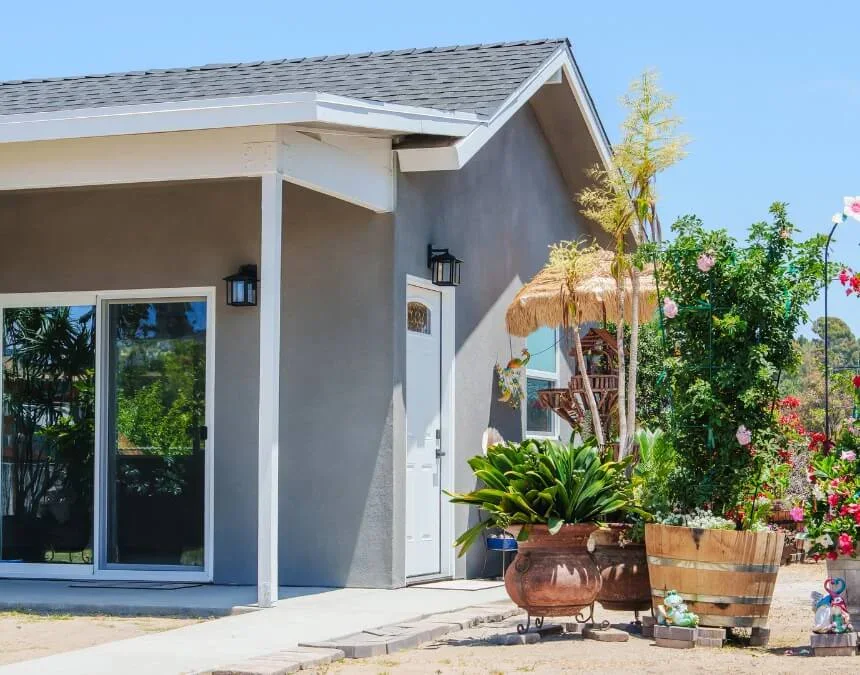
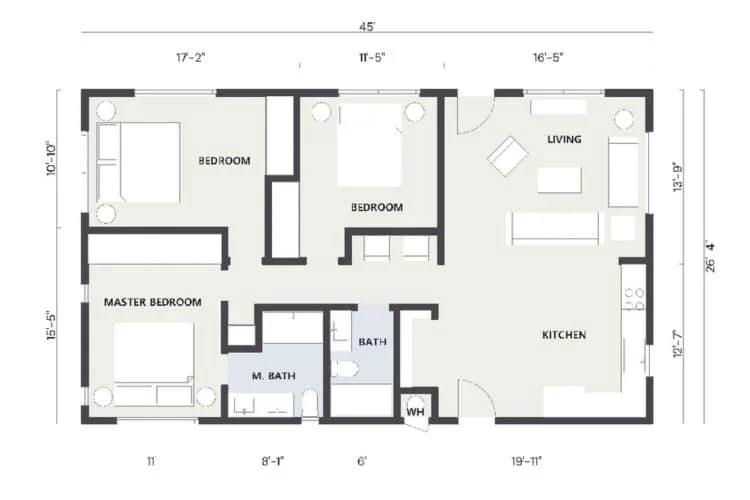
When defining an ADU, emphasize self-contained living and explain how thoughtful space planning, such as combined bathroom and laundry areas, makes a small unit feel complete.
Impact-fee threshold note: Under the March 2026 California HCD ADU Handbook, the statewide development-impact-fee exemption includes ADUs with 750 sq ft of interior livable space or less. Above 750 sq ft, applicable impact fees must be proportional. School, utility, plan-check and permit charges follow separate rules.
Construction Loans vs. Personal Loans: What’s the Difference?
What Is a Construction Loan for an ADU?
A construction loan for an ADU is short-term financing secured by real estate, often based on the property’s projected appraised value after the ADU is completed (NerdWallet). Funds are released in stages as construction progresses. Construction-to-permanent loans transition into a long-term mortgage, while standalone loans require separate permanent financing. These products may increase borrowing capacity but generally require detailed building plans, a construction budget, and a licensed contractor who meets applicable building-code and local requirements. Payments are often interest-only during construction, making this financing worth considering for larger ADU projects or multi-generational living projects.
Key Insight: Some construction loans use the property’s projected completed value to determine borrowing capacity, potentially supporting a larger loan than existing equity alone allows. Home equity loans and HELOCs generally rely on the property’s current value and outstanding mortgage balance. Compare the lender’s appraisal method, loan-to-value limits, and underwriting requirements before choosing financing (NerdWallet).
What Is a Personal Loan for ADU Construction?
A personal loan is unsecured financing that may help cover ADU construction, particularly smaller improvements or a remaining funding gap. Converting a garage into a home office does not necessarily create a legal ADU. Some lenders advertise borrowing limits of $50,000-$100,000, although availability depends on the applicant and loan product (Otto ADU). Lenders generally evaluate credit, household income, and debt rather than home equity. Fewer lender documentation requirements do not eliminate required permits, soil evaluations, or contractor agreements. Compare interest rates, origination fees, and shorter repayment periods before borrowing.
Additional Insights:
- The cited 2025 personal-loan APR benchmark of 12.25% is historical, not a current rate quote; verify its source and compare personalized offers (Bankrate).
- Approval may be faster than construction financing, but repayment terms of 5-7 years can create substantial monthly payments, particularly when borrowing for more than modest improvements.
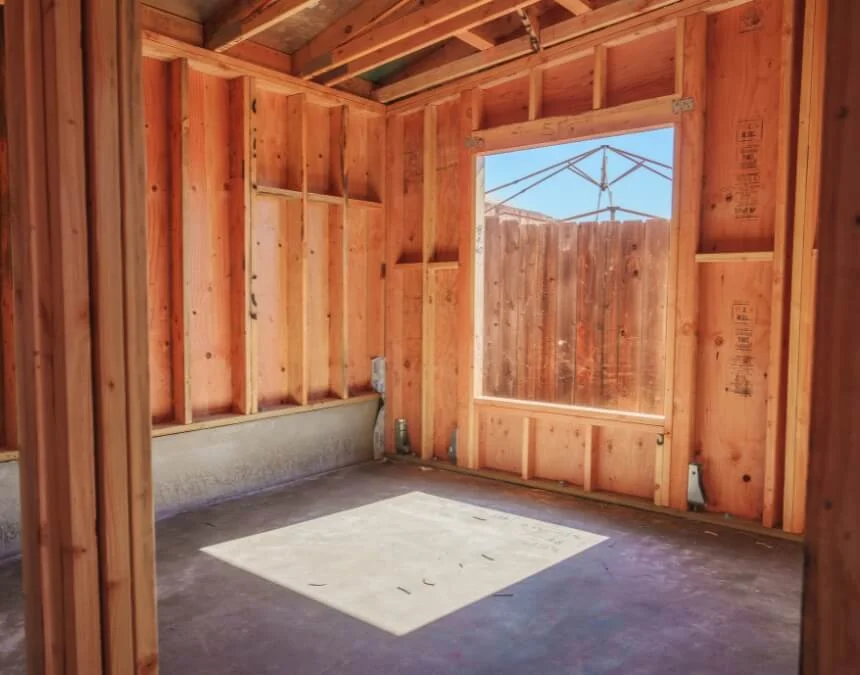
Consider personal loans for funding gaps below $100K, subject to lender limits, but compare repayment costs carefully before using unsecured debt for an entire ADU.
ADU Costs in California: Why Financing Is Necessary
Building an ADU in California can require a substantial investment, making financing an important part of early planning. Published cost discussions cite approximately $100,000 for some attached conversions and $400,000 or more for certain detached builds, but those figures are not Los Angeles estimates or contractor quotes (Shelterforce). Expenses can include architectural design, site preparation, permit applications, energy documentation, utility work, and building-code compliance. State law generally exempts ADUs 750 sq. ft. or less from impact fees, but other charges may apply; verify current rules with the permitting authority. Compare construction loans, cash-out refinancing, and home equity agreements carefully. Review current rates, loan-to-value limits, lender policies, and any equity-sharing obligations before selecting financing.
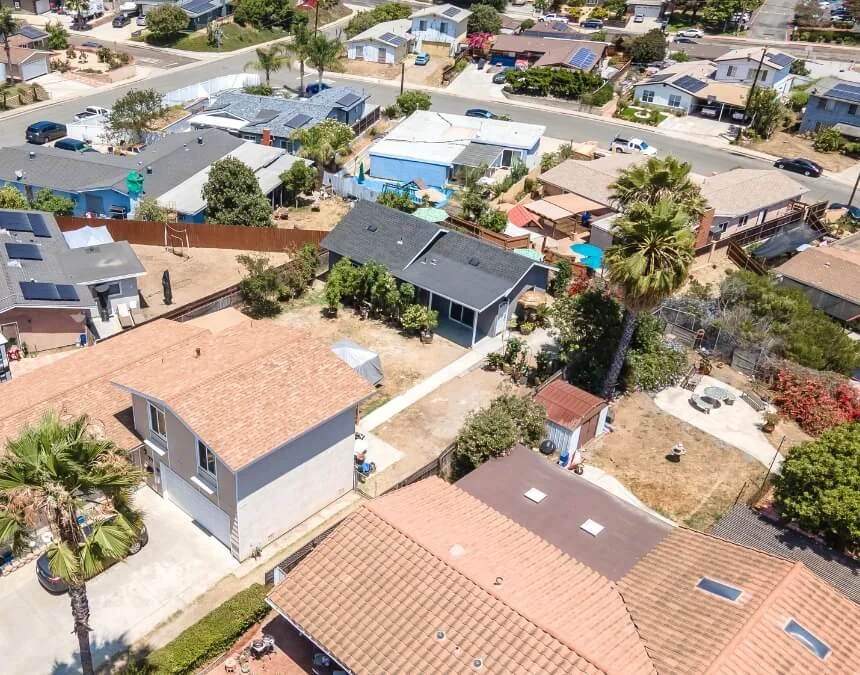
Establish a preliminary budget before choosing a loan. Site conditions, utility connections, and permit-related charges can affect total ADU costs more than finish selections.
Which Is Better for Building an ADU: Construction Loan or Personal Loan?
The best loan for an ADU depends on the project’s scope, your available equity, and your overall credit profile. Construction loans may suit larger projects because some use the property’s projected value after completion (NerdWallet). Personal loans may work for smaller improvements or funding gaps, but they generally carry higher interest rates, shorter repayment periods, and lower borrowing limits than property-secured financing (Otto ADU).
When a Construction Loan Is Better
A construction loan may be appropriate for a full ADU build, whether the unit will house family members or serve as a rental. Illustrative budgets of $150,000 to $400,000+ are not local estimates; obtain a site-specific quote. Some lenders use the property’s projected completed value, which may increase borrowing capacity compared with financing based only on existing equity (NerdWallet’s). Construction-to-permanent products may provide mortgage terms of 15-30 years, potentially reducing monthly payments while extending interest costs. Confirm conversion terms, rates, and lender requirements separately from the permitting authority’s building and occupancy requirements.
Best For:
- Larger ADU builds with illustrative budgets of $150K-$400K+, subject to project-specific estimates
- Homeowners seeking borrowing capacity tied to projected completed value
- Borrowers prioritizing longer repayment terms and potentially lower monthly payments
- Projects with complete plans, required permits, and a licensed contractor
When a Personal Loan Is Better
A personal loan may suit smaller ADU improvements, interior finishes, or part of a garage conversion when the required funding is under $100,000 and within lender limits. A home office alone does not qualify as an ADU. These loans do not require home equity, but the work must still satisfy applicable permitting and inspection requirements. The cited 2025 average of 12.25% APR is a historical benchmark, not a current offer (Bankrate). Higher rates and shorter repayment terms can make personal loans less suitable for complete ADU builds.
Best For:
- Smaller ADU improvements or finishing work requiring less than $100K, subject to lender limits
- Homeowners seeking faster financing with fewer lender documentation requirements
- Borrowers without sufficient available home equity
- Borrowers considering later refinancing, while recognizing that future approval is not guaranteed
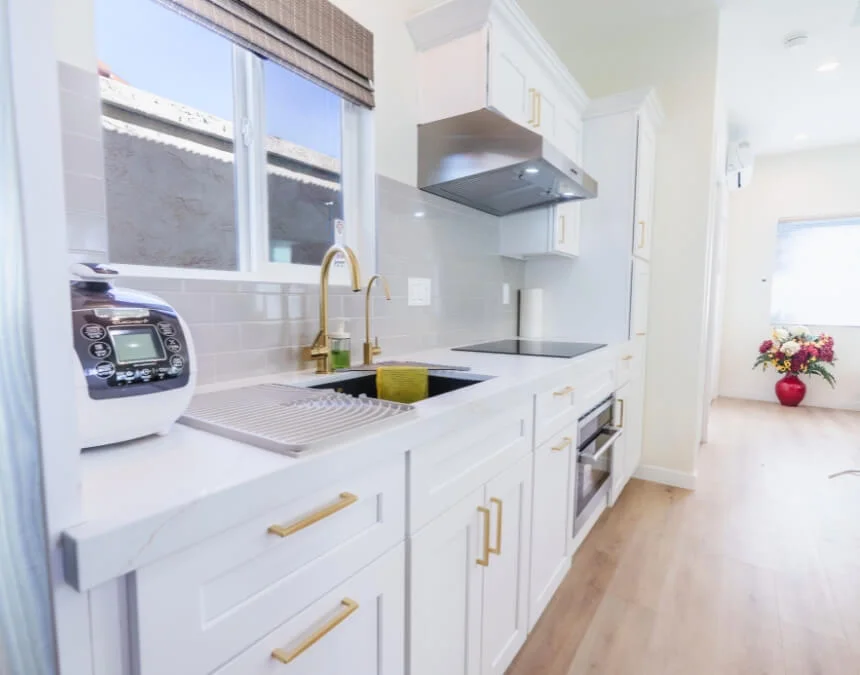
Use this comparison to explain that larger ADUs may benefit from financing based on projected completed value, potentially providing more borrowing capacity than unsecured options.
Interest Rates: Construction Loan vs. Personal Loan (2025 Data)
Current Construction Loan Rates
The cited 2025 construction-loan range of 6.25%-9.75% APR should be treated as historical information, not a current ADU financing quote (True Built Home). Some products allow interest-only payments during construction, although interest still accrues on borrowed funds. Construction-to-permanent loans transition into mortgage financing under the lender’s terms. Do not assume a 4%-7% permanent rate; confirm current pricing, rate-lock provisions, fees, and conversion requirements.
Current Personal Loan Rates
Personal loans may offer faster funding but often charge more than secured financing. The cited late-2025 average of 12.25% APR is historical and should be checked against current offers (Bankrate). Rates depend on creditworthiness, lender criteria, and repayment terms. Unsecured loans often have shorter terms, increasing monthly payments. Interest on personal borrowing is generally not deductible for personal use, although rental-related use may require different tax treatment when calculating cost of financing an ADU.
Tax Differences
Interest deductions depend on how the funds are used, how the loan is secured, and applicable IRS requirements. Construction or mortgage-based financing may qualify when proceeds substantially improve a qualifying home, subject to debt limits and other rules. Personal-use loan interest is generally nondeductible, while qualifying rental-related expenses may receive different treatment (Experian). Consult a tax professional before including potential deductions in a financing comparison.

Connect interest rates to practical outcomes: lower financing costs may improve household affordability or rental cash flow, but compare fees, repayment terms, taxes, and operating expenses too.
How to Qualify: Construction Loan vs. Personal Loan
Construction Loan Requirements
Qualifying for an ADU construction loan can be demanding because lenders evaluate both the borrower and the project. Some lenders look for credit scores of 680+, debt-to-income ratios (DTI) below approximately 45%, and stable, documented income, but requirements vary. Applications generally require detailed plans, a budget, a contractor agreement, and permits or permit readiness. An appraisal of the property’s projected completed value is often central to underwriting.
Personal Loan Requirements
Personal-loan underwriting generally focuses on the borrower’s finances rather than the construction project. For higher limits, sometimes $50,000-$100,000, lenders may favor credit scores of 720+ and strong documented income, although requirements vary. Lenders typically do not require construction plans, permits, contractor agreements, or property appraisals. However, homeowners must still obtain any approvals required for the work, regardless of how it is financed.
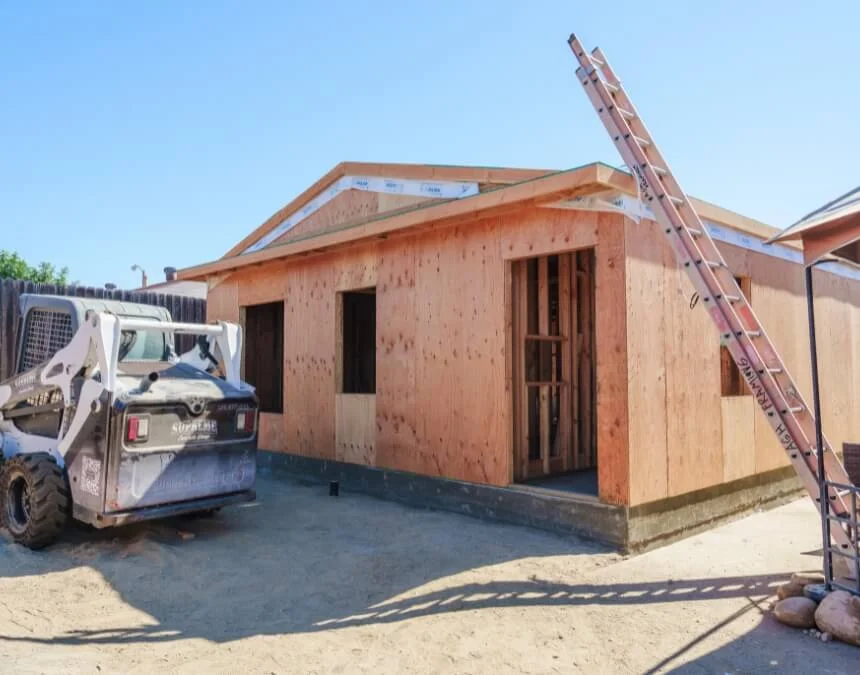
Explain the documentation difference: construction lenders generally require plans, permit readiness, and contractor bids, while personal-loan lenders primarily evaluate income, debt, and credit.
California & Los Angeles ADU Financing Programs
Los Angeles Housing Department (Los Angeles Housing Department) ADU Loan Program
For Los Angeles ADU financing assistance, start with the Los Angeles Housing Department and confirm whether any currently funded program serves your property and proposed project. Do not assume another jurisdiction’s loan limits, interest rates, or affordability terms apply locally. Ask about funding availability, owner-occupancy rules, income eligibility, construction requirements, and any recorded rental restrictions affecting ADU. If assistance requires requiring the ADU, review the permitted rents, eligible tenants, compliance period, and repayment obligations before applying. Use California Department of Housing and Community Development resources to identify relevant contacts and statewide guidance for ADU development that expands affordable housing in Los Angeles, then obtain current program terms directly from the administering authority.
Other California Programs
Beyond Los Angeles, homeowners can investigate several California ADU financing pathways, subject to current funding and location-specific eligibility:
- City of Clovis ADU Financing: Check with the city and Self-Help Federal Credit Union to confirm whether a relevant program is operating, its terms, and geographic eligibility.
- Housing Trust Silicon Valley: Ask directly about current ADU-related financing, service areas, income requirements, and affordability restrictions before relying on assistance.
- Impact Fee Exemptions: California generally exempts ADUs 750 sq. ft. or less from impact fees. Confirm current law and distinguish impact fees from permit, utility, and other charges.
These potential financing and fee-relief pathways require location-specific review. In high-cost markets, including Los Angeles, Los Angeles, and the Bay Area, verify current availability, eligibility, and restrictions directly with the responsible agency before including assistance in your budget.
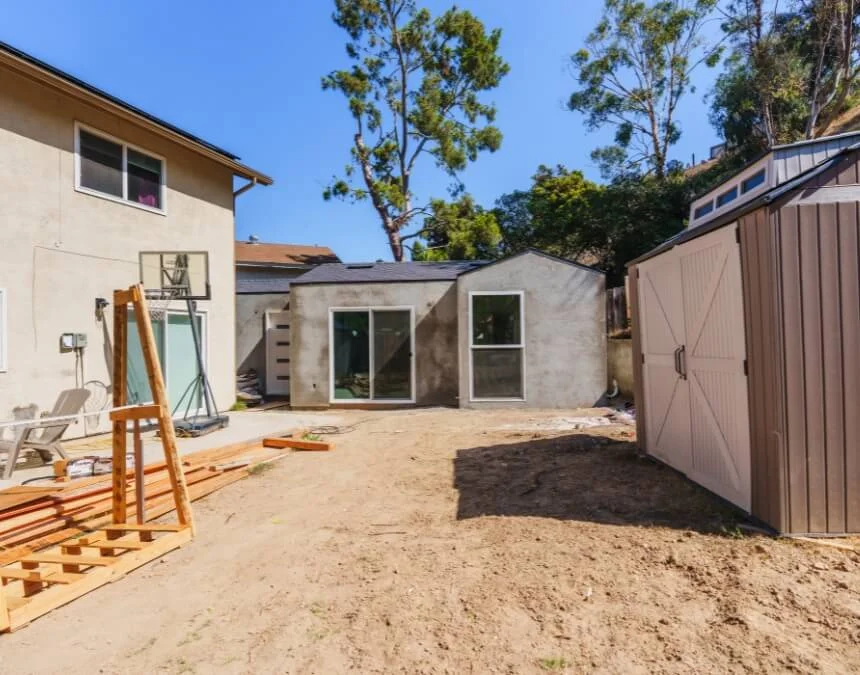
Check ADU assistance programs early. Income limits, funding availability, and affordability restrictions may affect eligibility, rental plans, financing choices, and the project schedule.
Alternatives to Construction and Personal Loans
Home Equity Loan or HELOC
A home equity loan or HELOC may cost less than an unsecured personal loan, depending on your credit, available equity, and lender terms. Home equity loans typically provide a lump sum, while HELOCs offer revolving access to funds, often at variable rates. Interest may be deductible when proceeds substantially improve the home securing the loan and other IRS requirements are met. Confirm eligibility with a tax professional rather than assuming a deduction applies (Experian).
Cash-Out Refinance
A cash-out refinance replaces your existing mortgage with a larger loan, allowing you to use available equity for an ADU. It may provide predictable long-term payments if you select a fixed-rate product. However, California homeowners should compare the cost of refinancing the entire mortgage balance, particularly when the existing loan has a lower rate, against a separate home equity loan or HELOC.
Renovation Loans (FHA 203k, Fannie Mae HomeStyle)
Renovation mortgages can combine eligible improvements, potentially including an ADU, with purchase or refinance financing. Products such as FHA 203(k) and Fannie Mae HomeStyle Renovation may use an after-improvement appraisal, subject to program limits and property eligibility. Confirm that your proposed ADU qualifies. Expect additional documentation, inspections, contractor review, and lender oversight compared with financing that does not evaluate the construction project.
Grants & Subsidies
California homeowners can investigate grant and subsidy opportunities for ADUs, but funding, eligibility, and restrictions must be verified:
- The CalHFA ADU Grant previously offered $40,000 for eligible predevelopment costs. Check CalHFA’s official updates for current funding status rather than assuming applications are open or will reopen.
- Ask Santa Cruz or another relevant local authority whether forgivable ADU loans are currently available and what affordability, occupancy, and repayment conditions apply.
- Consult California HCD resources and the appropriate city or regional housing authority for current incentives, application requirements, and funding availability.
Equity-based financing, renovation mortgages, and verified assistance programs may reduce borrowing costs compared with personal loans. Actual savings depend on available equity, creditworthiness, fees, repayment terms, tax treatment, and program restrictions.
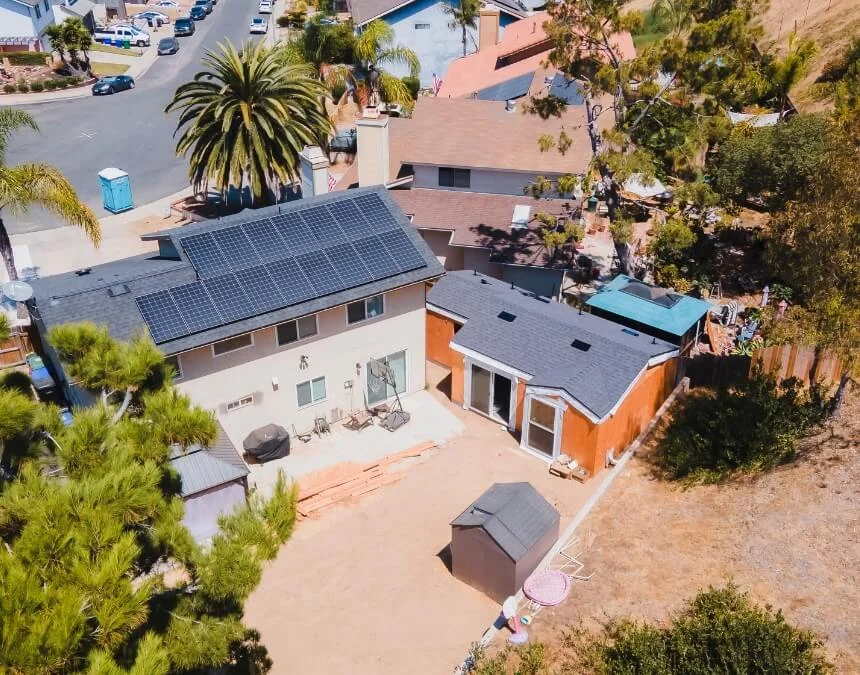
If you have substantial equity, compare HELOCs, home equity loans, and cash-out refinancing. Include fees, variable-rate exposure, and any increase in your existing mortgage rate.
Expert Insights on ADU Financing
Financing can be a substantial barrier to ADU development in California. Homeowners may lack enough savings, accessible equity, or qualifying income to cover construction costs. Before relying on commentary attributed to Shelterforce, verify the original source and context. For practical planning, compare lender requirements early and identify funding gaps before paying for extensive design or permit work.
Source: Shelterforce
For policy discussions associated with Denise Pinkston and the Casita Coalition, verify the original source before attributing specific statements about future ADU income or lending reform. The practical issue is whether a lender can count anticipated ADU rental income. Treatment varies by loan program, documentation, appraisal, and borrower eligibility, so request a clear explanation during prequalification.
Source: Shelterforce
Research from organizations such as the Urban Institute can help explain ADU financing barriers, but verify any statement attributed to Laurie Goodman before quoting it. Homeowners financing ADU construction should ask lenders about planning requirements, appraisal methods, construction oversight, and eligible property types. Comparing those requirements early can reveal obstacles before substantial project expenses accumulate.
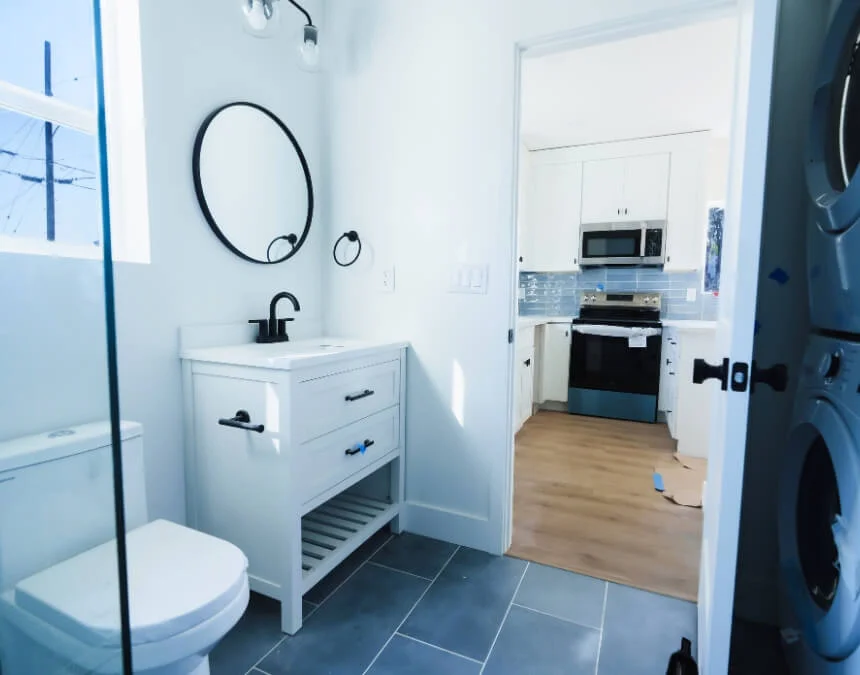
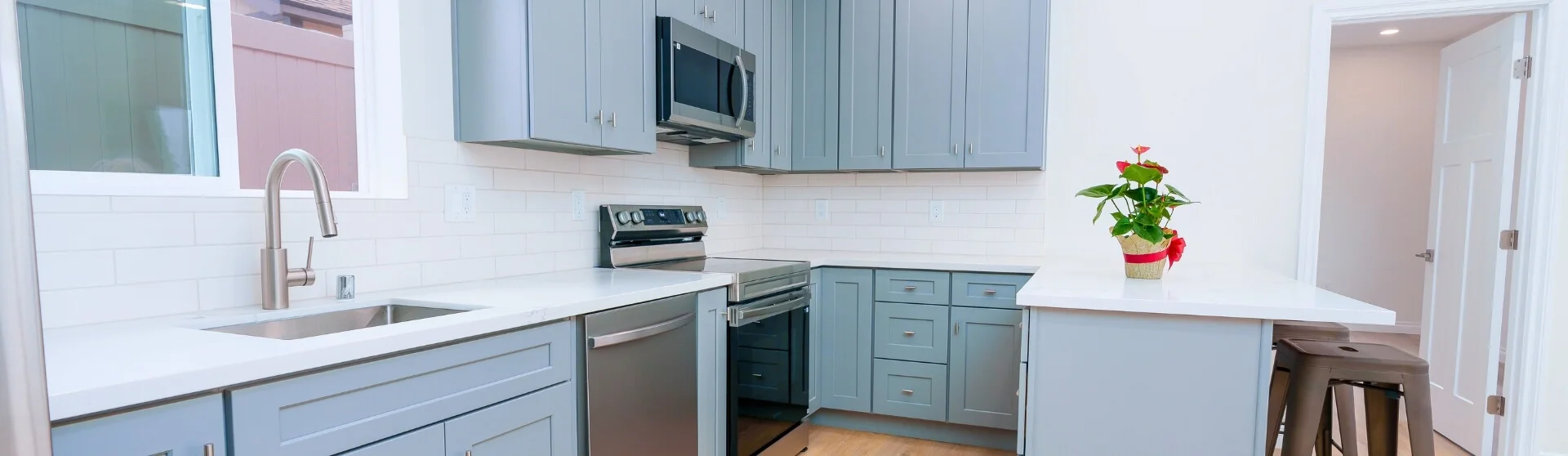
Emphasize practical design features such as privacy, natural light, and storage. These may support usability and market appeal, but financing decisions depend on appraisal evidence and lender underwriting.
Source: Shelterforce
Step-by-Step: How to Choose the Right ADU Loan
Choosing the right ADU loan in California requires requires understanding your project scope, financial position, and available lending options. Follow these steps to compare financing and identify an appropriate fit for your ADU:
1. Estimate Your Total ADU Cost
Start with a project-specific construction budget. Published ADU projects in California figures of $100,000-$400,000+ are broad illustrations, not local estimates. Verify the Shelterforce source for ADU development is generally a six-figure project due to design, and budget for site preparation, permits, labor, materials, utilities, and contingencies.
2. Check Your Home Equity & Credit Profile
Estimate your available equity and review your credit profile. Some construction lenders prefer scores of 680+, while larger personal loans may favor 720+, but thresholds vary. Equity, income, existing debt, and credit history all influence eligibility for construction loans, HELOCs, and unsecured financing.
3. Compare Construction Loans, Personal Loans & HELOCs
Evaluate the pros and cons of each option:
- Construction Loans: Some use projected completed Construction Loans: Allow borrowing based on future home value; verify the NerdWallet explanation and compare repayment terms.
- Personal Loans: May fund faster but often carry higher APRs; the cited 12.25% average is historical.
- HELOCs: May offer lower rates than unsecured loans; interest deductibility depends on fund use and applicable tax rules.
4. Get Pre-Approved
Speak with lenders experienced in ADU financing about borrowing limits, estimated rates, fees, and qualification requirements. Prequalification or conditional preapproval can clarify budget options, but neither guarantees final approval or sufficient funding.
5. Finalize Your ADU Plans
Construction lenders generally require detailed architectural plans, a contractor agreement, a construction budget, and permits or permit readiness. These documents also help the appraiser assess the property’s projected value after construction.
6. Complete the Appraisal
For many construction and renovation loans, lenders obtain an appraisal of the property’s projected completed value. This valuation, together with loan limits and underwriting requirements, helps determine borrowing capacity.
7. Secure the Loan & Begin Construction
After approval and closing, construction financing is generally released through staged draws, subject to lender inspections and conditions. Construction-to-permanent loans transition to mortgage repayment under the agreed terms. Personal-loan payments usually begin soon after disbursement, while HELOC payments follow the account’s draw-period and repayment-period rules, not the ADU’s completion date.
| Feature | Construction Loan | Personal Loan |
|---|---|---|
| Interest Rates | Vary by lender, credit, and loan structure; confirm construction-phase rates and permanent financing terms | Vary by lender and credit; compare APRs, origination fees, and repayment terms |
| Borrowing Limit | Based on lender criteria, often including the property’s projected value after ADU completion | Based on income, credit, existing debt, and lender limits |
| Timeline | Typically requires more review, including plans, permit status, an appraisal, and a contractor agreement | Often faster approval, with fewer project-specific documentation requirements |
| Collateral | Typically secured by your property | Typically unsecured, with no collateral required |
| Best For | Larger ADU projects with staged construction funding needs | Smaller financing needs or funding gaps, subject to affordability |
Conclusion: Which Loan Should You Choose for Your ADU?
The best ADU loan depends on your budget, equity, project scope, and repayment capacity. Construction financing may suit full builds, including projects with illustrative budgets of $150K-$400K+, when borrowing against projected completed value is important. Longer mortgage terms may reduce monthly payments but increase total interest. Personal loans may suit funding needs under $100K, subject to lender limits, particularly when little equity is available. Compare higher rates and shorter repayment terms carefully.
HELOCs, cash-out refinancing, and renovation loans may offer competitive rates or potential tax benefits, depending on eligibility and use of funds. Los Angeles residents should also ask the relevant housing authority about currently funded assistance programs, verifying geographic eligibility and restrictions before relying on support.
Before choosing, consult lenders experienced in California ADU financing and projects involving Los Angeles ADU financing. Compare their permitting-document requirements, appraisal methods, fees, and loan structures to identify suitable financing for your property and budget.
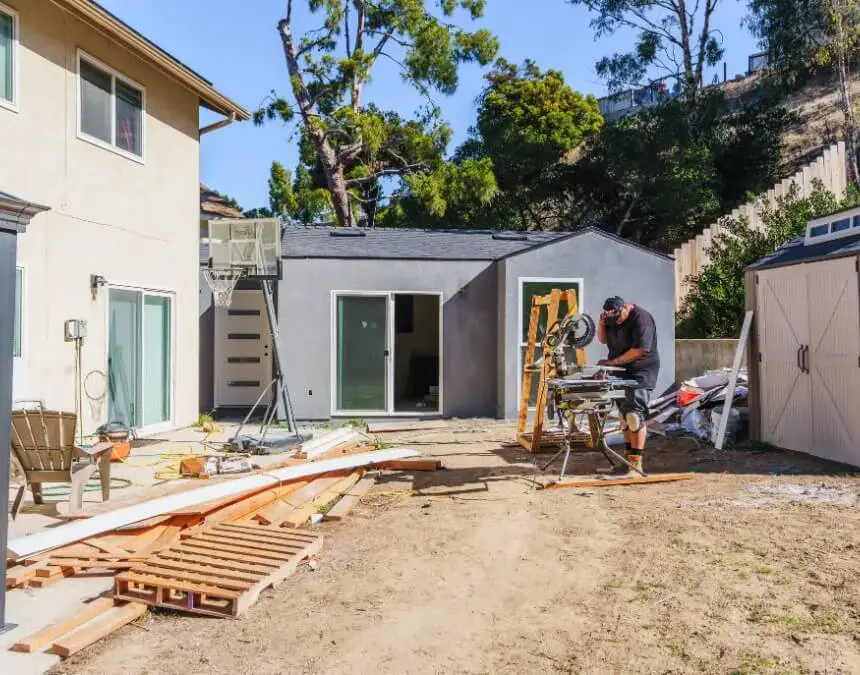
Match financing to the project: full builds may benefit from projected-value lending, while smaller improvements may justify faster funding if the repayment costs remain manageable.
Frequently Asked Questions
Yes. Homeowners can use construction loans, renovation loans, HELOCs, cash-out refinancing, or personal loans to finance eligible ADU work. Local assistance may also be available. For Los Angeles properties, verify current offerings directly with the Los Angeles Housing Department rather than assuming a dedicated low-interest loan program exists.
The best financing balances borrowing capacity, monthly affordability, total interest, and project requirements. Some construction and renovation loans use projected completed value, while HELOCs rely on available home equity and often have variable rates. Personal loans may suit smaller improvements or funding gaps, but compare their rates and repayment terms with secured alternatives.
ADU financing includes construction loans, renovation loans, HELOCs, and personal loans used to build or convert a space into an accessory dwelling unit. Construction and renovation products generally release funds in stages, with permanent repayment structures depending on the product. Personal loans typically provide unsecured, lump-sum funding but may carry higher rates and shorter terms.
ADU financing is available through banks, credit unions, mortgage lenders, renovation-loan specialists, and eligible local assistance programs. California homeowners should compare conventional lenders and community credit unions, then ask their local housing authority about current programs. In Los Angeles, verify assistance directly with the Los Angeles Housing Department. Builder referrals can help identify lenders, but independently review rates, fees, eligibility, and any referral relationships.
ADU construction loans require additional documentation because lenders evaluate both the homeowner and the project. Requirements often include plans, permits or permit readiness, a contractor agreement, a construction budget, and a projected-value appraisal. A standard mortgage without construction financing generally evaluates the borrower and existing property rather than construction draws, contractor performance, and the proposed ADU’s completed value.
Common challenges include extensive documentation, credit requirements, limited lender familiarity with ADUs, and reduced borrowing capacity when projected rent is excluded. To address these issues, homeowners should:
- Compare lenders experienced in ADU financing
- Prepare detailed plans, budgets, and contingency allowances early
- Improve credit and reduce DTI before applying
- Investigate verified local assistance, HELOCs, or renovation loans if construction-loan requirements are difficult to meet
The best loan depends on project scope, available equity, credit, and repayment capacity. Construction loans may suit full ADUs, including illustrative budgets of $150K-$400K+, because some use projected completed value. For funding needs under $100K, a personal loan or HELOC may be practical, subject to approval. Homeowners with substantial equity should compare secured financing and renovation products rather than assume one option is cheapest.