

A duplex conversion ADU is defined as a housing modification that converts a duplex property or its existing spaces into independent dwelling units under accessory dwelling unit laws. The industry term is “conversion ADU,” and it applies whenever non-livable or underused space on a residential lot gets transformed into a legal, rentable home. For homeowners weighing rental income against upfront cost, this approach sits at the intersection of property law, construction, and real estate investment. Understanding the mechanics, the money, and the regulations gives you a real advantage before you commit to a project.
What is a duplex conversion ADU and how does it work?
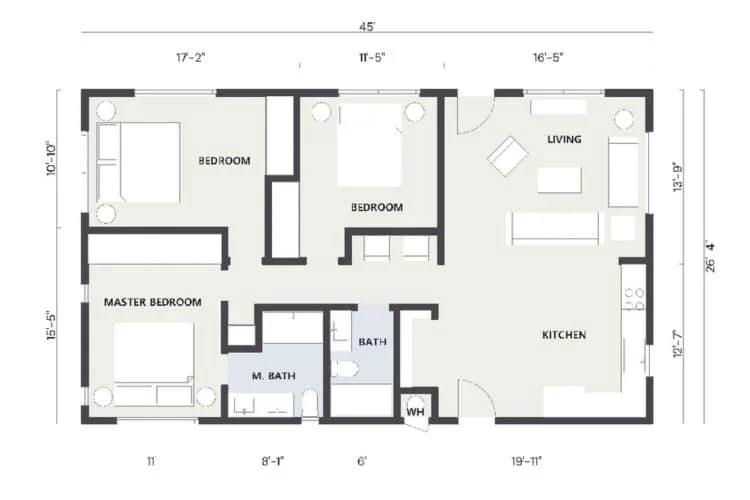
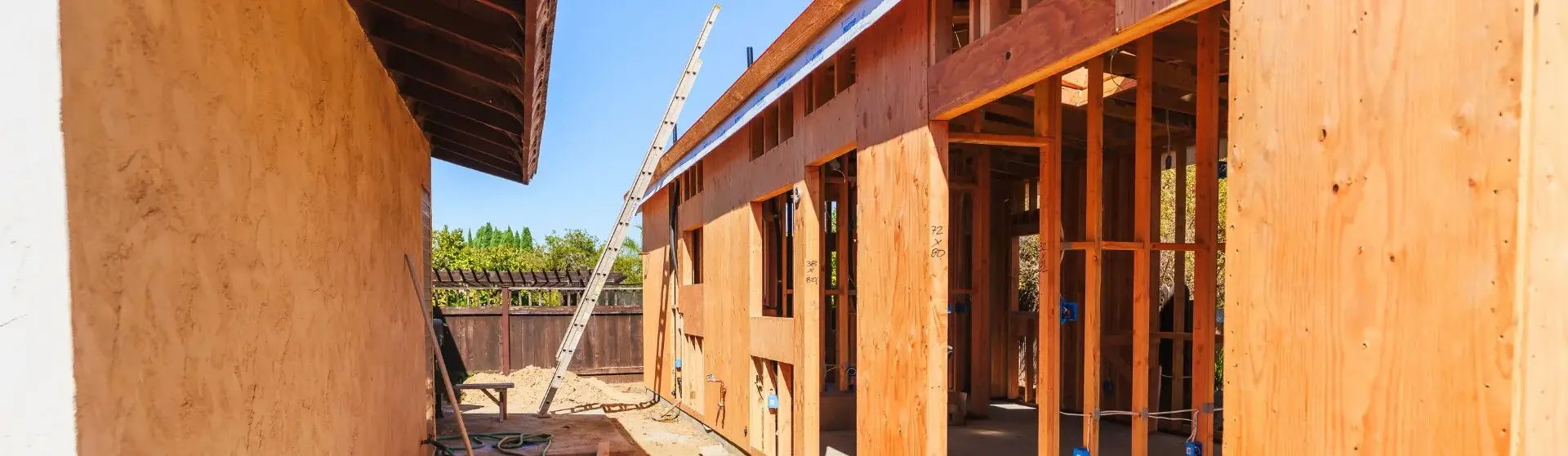
A duplex conversion ADU repurposes existing space on a duplex lot to create one or more additional dwelling units recognized under state ADU law. The term covers a range of configurations, from converting an attached garage into a studio apartment to adding a detached backyard cottage behind an existing duplex.
Accessory dwelling units include attached, detached, or interior conversion types, and they typically share utility connections with the primary residence. That shared-utility arrangement distinguishes them from traditional duplexes, which usually carry separate utility meters for each unit. Knowing this distinction matters when you budget for construction and when you apply for permits.
The three main ADU types relevant to duplex properties are:
- Attached ADU: An addition built onto the main structure, sharing at least one wall with the existing home.
- Detached ADU: A fully separate structure on the same lot, such as a backyard cottage or garage apartment.
- Conversion ADU: An existing non-livable space, such as a garage, basement, or storage room, converted into a habitable unit.
Conversion ADUs can add up to 25% additional units by repurposing spaces like garages and storage areas into legal dwelling units. On a duplex lot, that means a two-unit property could potentially support additional units without tearing down or building from scratch. That density potential is exactly why investors and homeowners alike are paying close attention to this strategy.
Financial considerations: costs, cash flow, and appreciation
The financial case for a duplex conversion ADU depends heavily on your starting position and your timeline for returns.
An FHA-backed duplex purchase requires roughly $14,875 down on a $425,000 property and generates rental income from day one. A detached ADU, by contrast, averages $180,000 in construction costs and carries an 8–14 month period of zero rental income during permitting and building. That gap in cash flow is the single biggest financial risk homeowners underestimate.
| Metric | Duplex purchase | Detached ADU conversion |
|---|---|---|
| Typical upfront cost | ~$14,875 (FHA 3.5% down) | ~$180,000 construction |
| Time to first rent | Immediate | 8–14 months |
| Utility setup | Separate meters per unit | Shared with primary home |
| Zoning classification | Multi-family | Single-family with ADU |
| Long-term appreciation | Standard multi-family | Higher ADU premium |
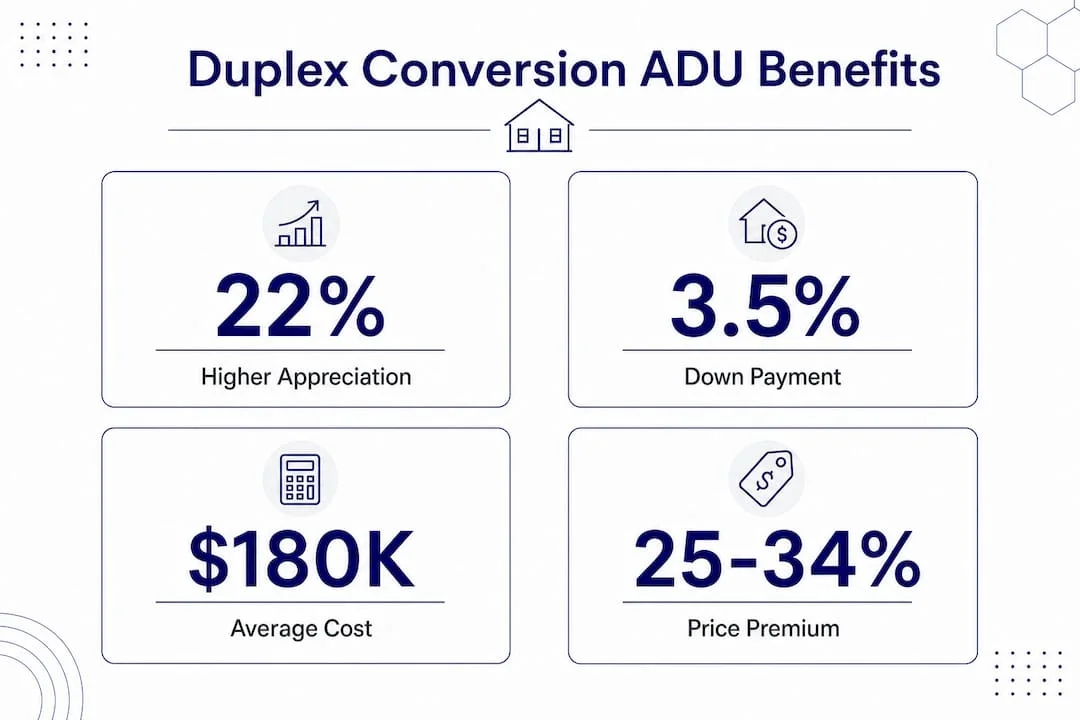
The long-term appreciation picture favors ADU properties. Properties with ADUs appreciated 22% more than comparable homes without ADUs over the decade from 2013 to 2023. That appreciation edge compounds over time, making the upfront construction cost more defensible for owners who plan to hold the property long-term.
Freddie Mac data shows that ADU-equipped homes command a 25–34% price premium in strong rental demand markets. In cities like Los Angeles, where rental demand stays consistently high, that premium translates directly into resale value.
Pro Tip: Model your cash flow with a full 12-month construction gap before committing to an ADU project. If your reserves cannot cover mortgage payments and living costs for that period, a duplex purchase may be the better starting point.
Financing options also differ. FHA loans work well for duplex purchases because lenders treat the property as a standard residential asset. ADU construction typically requires a HELOC, a construction loan, or cash. Homeowners exploring home improvement financing should compare rates and draw schedules carefully, since construction loans often carry variable rates that increase total project cost.
What zoning and regulations govern duplex conversion ADUs?
California state law is the most permissive ADU framework in the country, and it directly shapes what you can build on a duplex lot.
Statewide ADU statutes require most local jurisdictions to allow at least one ADU and one Junior ADU (JADU) on single-family lots. Duplex-zoned properties often qualify for additional units under multi-family ADU rules. Local governments can set standards for setbacks, height limits, and design, but they cannot outright ban ADU construction on eligible parcels.
Key regulatory points every homeowner should know:
- Permit requirements: Every conversion ADU requires a building permit. Unpermitted conversions create legal liability and complicate future sales.
- Occupancy rules: Some jurisdictions require owner-occupancy of either the primary unit or the ADU. California eliminated this requirement statewide, but local rules vary.
- Utility connections: Conversion ADUs sharing utilities with the main home may not need a separate meter, which reduces upfront costs but can complicate billing.
- Setbacks and height: Detached ADUs on duplex lots must meet local setback rules, typically 4 feet from rear and side property lines in California.
The most significant recent policy change comes from Fannie Mae. Fannie Mae policy SEL-2025-08, effective march 21, 2026, allows projected ADU rental income to count toward mortgage qualification, capped at 30% of qualifying income. This change makes it easier for homeowners to qualify for purchase or refinance loans when an ADU is part of the property.
Pro Tip: Check your local jurisdiction’s ADU ordinance before hiring a designer. Some cities have pre-approved ADU plans that cut permit timelines from months to weeks.
Adding multiple ADUs to a duplex can also shift how lenders classify your property. Adding ADUs can move a property from the residential to the commercial lending category, which restricts access to conventional mortgage products. Plan your unit count carefully before breaking ground.
Practical steps for planning your duplex conversion ADU project
A successful duplex conversion ADU project follows a clear sequence. Skipping steps early creates expensive problems later.
- Assess property eligibility. Confirm your lot’s zoning classification and verify that ADU construction is permitted. Pull the parcel data from your county assessor’s office and cross-reference it with your city’s ADU ordinance.
- Define your ADU type. Decide whether a garage conversion ADU, an attached addition, or a detached structure fits your lot and budget. Each type carries different permit requirements, construction timelines, and cost profiles.
- Budget with a contingency. Construction costs for conversion ADUs vary widely by scope. Set aside at least 15–20% of your estimated construction budget as a contingency for permit revisions, material cost changes, and unforeseen structural issues.
- Secure financing before design. Know your financing structure before you commission drawings. A HELOC requires sufficient home equity. A construction loan requires a lender-approved project scope. Locking your financing early prevents redesigns driven by budget surprises. Review ADU construction loan options to understand draw schedules and qualification criteria.
- Commission permit-ready drawings. Work with a licensed architectural designer who understands local ADU codes. Permit-ready drawings reduce back-and-forth with the building department and shorten approval timelines.
- Submit permits and manage the construction gap. File your permit application as soon as drawings are approved. Use the waiting period to finalize contractor bids and prepare the site. Track your ADU rental income potential projections against your actual construction timeline to stay financially grounded.
- Plan your exit strategy. Before construction starts, model what happens if you sell the property. A property reclassified as commercial due to unit count may require a buyer to use commercial financing, which shrinks your buyer pool. Clear exit planning protects your investment.
Key Takeaways
A duplex conversion ADU delivers long-term appreciation and rental income, but the construction gap and financing complexity require careful planning before you commit.
| Point | Details |
|---|---|
| Definition clarity | A conversion ADU repurposes existing space into a legal dwelling unit under state ADU law. |
| Upfront cost gap | Detached ADU construction averages $180,000 with 8–14 months of zero rental income. |
| Appreciation advantage | ADU-equipped properties appreciated 22% more than comparable homes over 2013–2023. |
| Fannie Mae 2026 update | Projected ADU rent now counts toward mortgage qualification under SEL-2025-08, up to 30% of income. |
| Financing risk | Adding multiple ADUs can reclassify a property as commercial, restricting conventional loan access. |
Why I think most homeowners underestimate the duplex conversion ADU opportunity
Most articles frame this as a simple income play. Add a unit, collect rent, repeat. The reality is more nuanced, and the homeowners who do this well treat it as a financial modeling exercise first and a construction project second.
Novice homeowners benefit most from ADU conversions because the entry point is their existing property. They are not buying a new asset. They are extracting value from one they already own. That changes the risk profile entirely. Experienced investors, by contrast, often prefer duplex purchases for the immediate cash flow and multi-family valuation metrics.
What I see consistently in Los Angeles is that homeowners who skip the financial modeling phase get caught by the construction gap. They assume rent starts the month after permits are approved. It does not. The 8–14 month build timeline is real, and carrying costs during that period can erode the first year of rental income entirely.
Institutional capital is increasingly favoring density programs that use ADU laws to multiply unit counts on single parcels. That trend signals where valuations are heading. Properties with multiple legal units will command premiums that single-family homes cannot match. Homeowners who act now, with proper planning, position themselves ahead of that shift.
The best duplex conversion ADU projects share one trait: the owner modeled the worst case before the first shovel hit the ground.
, Uni Construction
How Uni Construction helps you plan and build your duplex conversion ADU
Turning a duplex conversion ADU concept into a permitted, rent-ready unit requires more than a good idea. It requires permit-ready drawings, structural engineering, and a construction team that knows California’s ADU codes inside and out.
Uni Construction provides ADU design and construction services across Los Angeles and the surrounding areas, covering everything from initial feasibility review to final inspection. The team handles custom ADU designs, permit applications, structural engineering, and full project management, so homeowners avoid the costly mistakes that come from navigating local building departments alone. Whether you are converting a garage, adding a detached cottage, or planning a multi-unit duplex expansion, Uni Construction brings the local regulatory knowledge and design expertise to get your project built correctly the first time.
FAQ
A duplex conversion ADU is a dwelling unit created by converting existing space on a duplex lot, such as a garage or storage area, into a legal, rentable home under state ADU law. It differs from a traditional duplex in that it typically shares utility connections with the primary residence.
The average detached ADU costs $180,000 to build in the United States, with construction and permitting taking 8–14 months. Conversion ADUs that repurpose existing structures, like garages, generally cost less because the shell already exists.
Yes. Under Fannie Mae policy SEL-2025-08, effective march 21, 2026, projected ADU rental income can count toward mortgage qualification up to 30% of qualifying income. This applies to both purchase and refinance transactions.
Every conversion ADU requires a building permit. Unpermitted conversions create legal liability, complicate property sales, and may require costly remediation to bring the unit into compliance.
A duplex is a property originally built with two separate units, each with its own entrance and utilities. A duplex conversion ADU adds one or more additional units to an existing duplex lot by converting non-livable space or adding a new structure under ADU law.