

The Importance of Owner Occupancy Requirements
Owner-occupancy requirements have long shaped how accessory dwelling units (ADUs) are developed and used under local ordinances. Historically, some jurisdictions required owners to occupy either the primary residence or the ADU, limiting these units’ contribution to broader housing needs and complicating long-term rental arrangements intended to generate reliable rental income. Legislative and policy discussions identified on-site residency requirements as a potential deterrent to ADU construction and financing, particularly when lenders or borrowers needed flexibility to operate both residences as rental properties within the standard development process.
California’s decision to eliminate owner-occupancy requirements responded to housing affordability challenges and the state’s ongoing housing shortage. Legislative discussions surrounding AB 976 emphasized that permanently removing these requirements would provide consistency for the emerging ADU market and support continued infill development (California Assembly Legislative Analysis (AB 976)). For investors and homeowners, this change allows legally permitted ADUs to serve as income-producing residences without owner-residency conditions. It does not automatically authorize other accessory buildings for residential use or remove applicable zoning, building, and rental requirements.
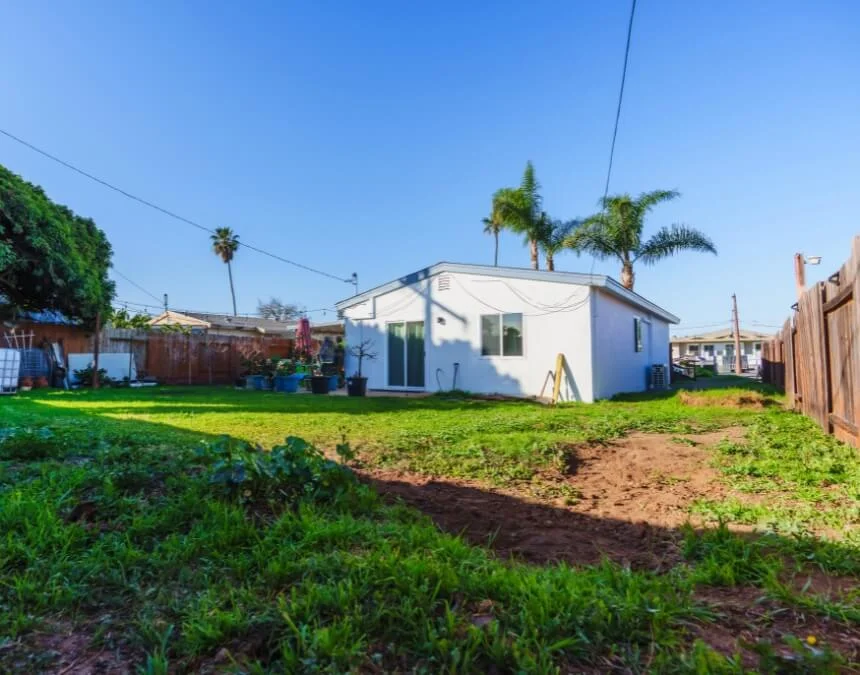
Designing for rental usability from the outset helps your ADU function effectively as a potential income-generating space.
Legislative Influences on Owner Occupancy
Key Legislation: AB 976 and Its Impact
Assembly Bill 976 made California’s prohibition on local owner-occupancy requirements for standard ADUs permanent, covering single-family residences and other eligible properties. Effective January 1, 2024, AB 976 prohibits local agencies from imposing owner-occupancy requirements on accessory dwelling units, removing a regulatory barrier that previously restricted their use as rental housing. The legislation made permanent the temporary protections established under AB 881, extending the prohibition regardless of when an ADU was constructed. A planning commission, city council, or city attorney cannot restore a residency requirement that conflicts with applicable state law.
This legislative change supports stability and predictability in ADU financing and development by allowing standard ADUs to operate as rental residences without owner-residency conditions. By reducing uncertainty about occupancy obligations, California lawmakers sought to protect property value and encourage investment in eligible accessory housing. However, detached ADUs, internal ADUs, and junior accessory dwelling units do not all follow identical rules. AB 976 prohibits local agencies from imposing owner-occupancy requirements on standard ADUs, while JADUs remain subject to separate statutory provisions (CA AB 976 Legislative Digest).
How Legislative Changes Shape Local Policies
California’s ADU laws require local jurisdictions to align their ordinances with current state standards, now codified in Government Code §66310 and subsequent sections, including §66315. These provisions govern objective approval standards, permitting, and use. Cities may establish lawful minimum rental terms involving requiring ADUs to be rented for terms of 30 days, but they cannot impose owner-occupancy requirements on standard ADUs, including those in planned unit developments or single-family zones. Local governments also cannot evade this prohibition through zoning codes, restrictive design or dimensional standards, deed covenants, or discretionary review by a zoning appeals board. Project-specific requirements must remain consistent with applicable state law.
For cities identified by Los Angeles, review the current municipal code and objective standards to confirm compliance with state law. Permissible requirements may address square footage, gross floor area, and building-code compliance rather than owner residency. California law prohibits local agencies from imposing owner-occupancy requirements on standard ADUs while permitting specified minimum rental terms (CA AB 976 Legislative Digest).
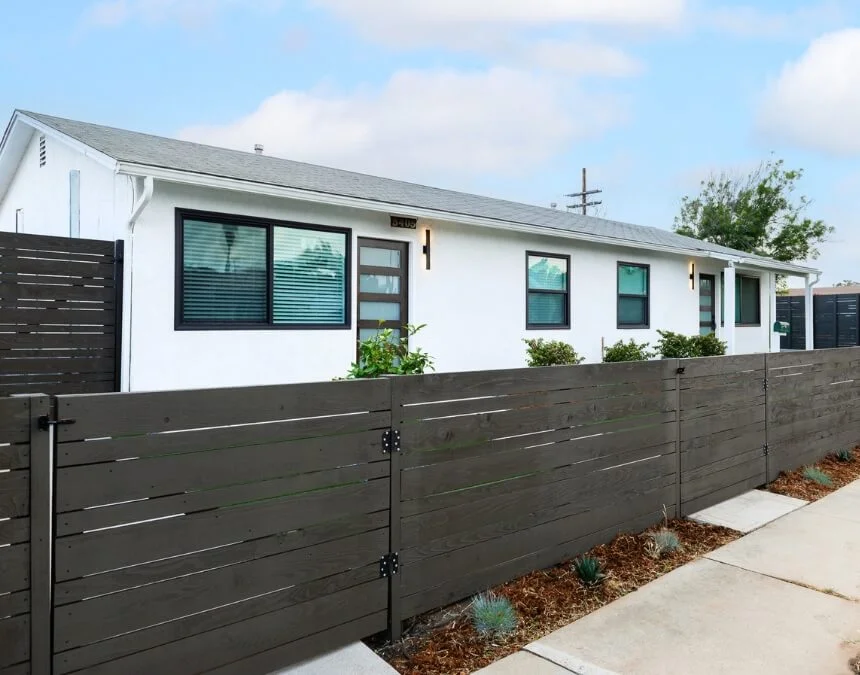
Understanding state laws such as AB 976 early helps you plan for rental flexibility and potential long-term property value.
Local Regulations and Variations
Los Angeles ADU Owner Occupancy Rules
Review Los Angeles’s ADU regulations against California’s statewide prohibition on owner-occupancy requirements under the current Government Code ADU provisions. Property owners generally need not live on-site to build or rent a standard ADU, allowing rental arrangements involving primary residence and a detached ADU without owner-residency conditions. For requirements involving Los Angeles does mandate that ADUs, confirm whether the applicable minimum rental period is 31 days or another lawful term. State law permits rental-duration restrictions, and local requirements should be checked with the relevant planning and housing departments. Junior accessory dwelling units (JADUs) follow separate state standards and may have different owner-occupancy obligations.
When evaluating ADUs play a meaningful role in Los Angeles’s, review the relevant city’s housing element and long-term housing strategy, including its approach to infill development near public transit and established single-family neighborhoods. Confirm any projections for ADU production through 2028 directly with that jurisdiction (Los Angeles Housing Department - ADUs). Housing plans can help explain local priorities for affordability and multigenerational living, but they do not establish project approval or guaranteed development capacity.
Junior ADUs (JADUs): The One Exception
Junior accessory dwelling units have historically faced stricter occupancy rules than standard ADUs, often requiring an owner to live on the property. California Assembly Bill 1154 (AB 1154), effective in 2026, removes that requirement when a JADU has its own bathroom, providing greater flexibility for qualifying units within single-family residences. JADUs with shared sanitation facilities remain subject to separate occupancy rules. Rentals must exceed 30 days, and owners must comply with applicable federal and state fair housing laws.
(No additional owner-occupancy requirements apply to standard ADUs.)
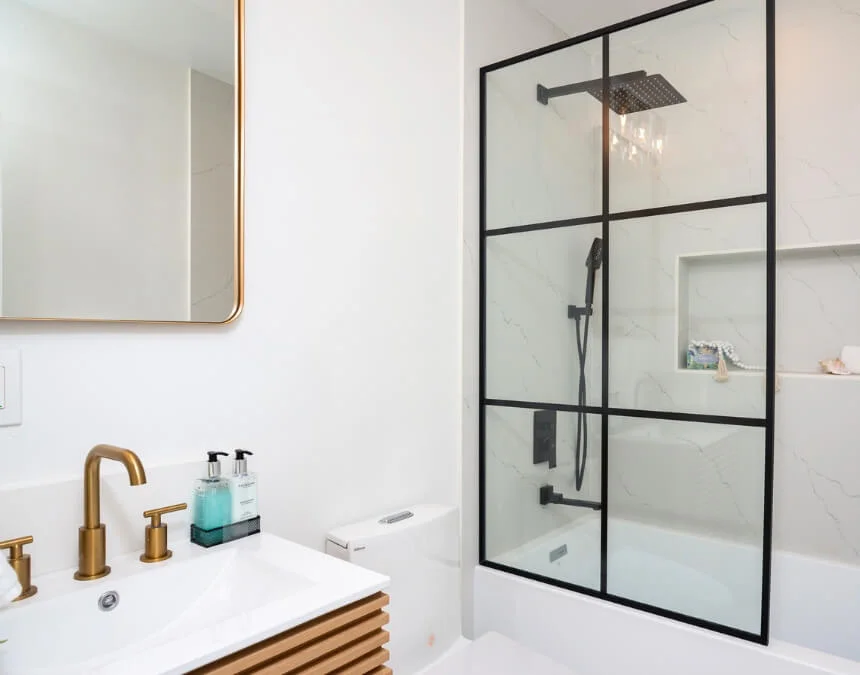
Always verify city-specific rules, since requirements such as rental terms and setbacks can directly affect your ADU’s feasibility.
Zoning and Its Influence on Owner Occupancy
California law limits how local zoning regulations may restrict ADUs, particularly regarding owner occupancy and permitted residential use. The current Government Code ADU provisions, including §66315, prohibit local agencies from imposing owner-occupancy requirements on standard ADUs, whether directly or through conflicting zoning standards or approval conditions. Cities therefore cannot use special use permits, restrictive covenants, or zoning-based limitations to require an owner to live on-site when state law prohibits that mandate. For a project involving ADU is a detached, confirm the unit’s legal classification and applicable requirements rather than assuming every accessory housing arrangement receives identical treatment.
Private restrictions require a separate legal analysis. State ADU law may limit the ability of homeowners associations (HOAs) and other common-interest ownership associations to prohibit or unreasonably restrict qualifying ADUs. However, AB 976’s prohibition on local-agency residency requirements should not be treated as automatically invalidating every private covenant. Objective zoning and construction requirements, including applicable fire sprinkler provisions, building codes, and floor plan constraints, may still affect development. Review association documents, current Civil Code protections, and the project’s circumstances with qualified counsel when necessary, alongside the statutory limits on local owner-occupancy mandates (CA AB 976 Legislative Digest).
Common Zoning Barriers (Non-Occupancy)
Although local owner-occupancy mandates are prohibited for standard ADUs, lawful zoning and development standards can still affect ADU feasibility, including:
- Off-street parking requirements, where applicable
- Lot coverage limits and floor area ratio (FAR) restrictions, subject to state protections
- Utility connection and infrastructure standards
- Height and setback requirements
These development standards can influence ADU design, construction costs, and overall project feasibility, but they cannot lawfully serve as indirect owner-residency requirements or override applicable California ADU protections.
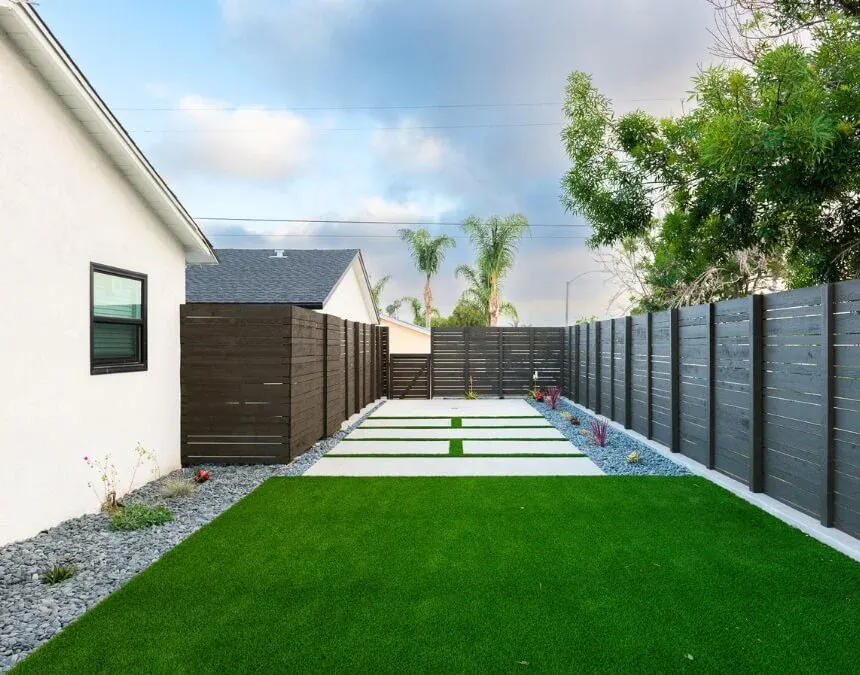
Early site planning helps you navigate zoning requirements and make effective use of buildable space while reducing costly revisions.
Implications for Short-Term Rentals
Removing owner-occupancy requirements does not automatically authorize ADUs for short-term rentals. California law allows local agencies to impose minimum rental periods, and applicable state approval provisions also restrict rental duration for certain ADUs. For a Los Angeles property, confirm the permitted rental term with the planning and housing departments rather than assuming a 30-day lease qualifies. Requirements specifying more than 30 days generally call for at least 31 days. This distinction matters when investors assess fair market value, leasehold interests, and operating assumptions, because ADUs should be evaluated as long-term housing rather than presumed vacation-rental opportunities.
State ADU guidance explains that rental-duration requirements depend on the applicable approval provisions and local rules; confirm whether rentals must exceed 30 days (CalMatters, AB 976 summary).
Risks and Benefits of Short-Term Rental Restrictions
Short-term rental restrictions support California’s broader housing goals while creating practical limitations and potential benefits for property owners:
- Long-term rentals help ADUs contribute to housing supply and affordability
- Short-term rental limits help preserve ADUs for residential housing rather than visitor accommodation
- Investors should evaluate ADUs as long-term income assets, not presumed short-term rental (STR) properties, while accounting for security deposit rules, eviction procedures, and other compliance obligations
Understanding these restrictions is essential when evaluating potential returns, regulatory exposure, and long-term compliance obligations for an ADU investment.
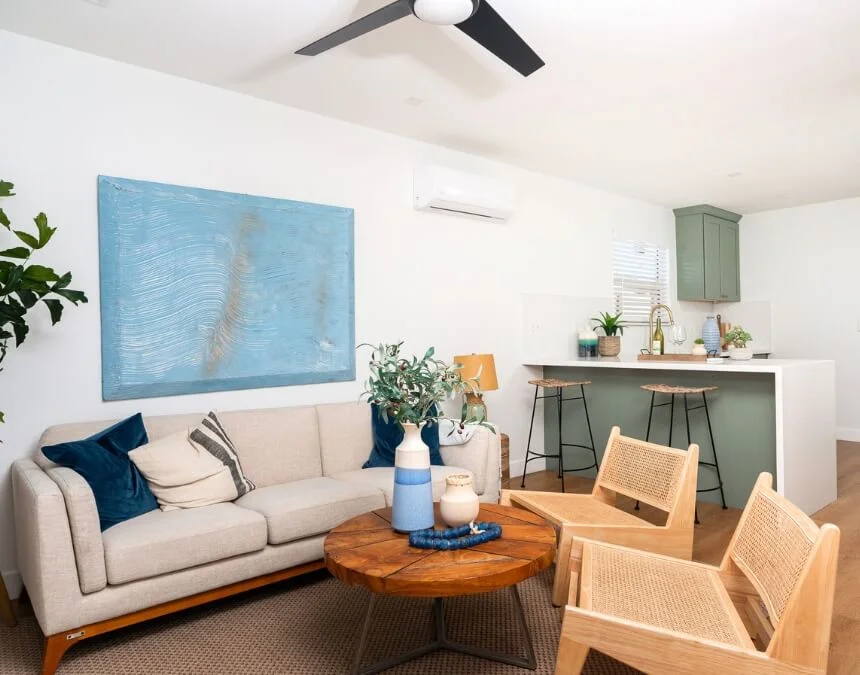
Plan your ADU as a long-term rental from the outset, aligning design, layout, and permitting decisions with the applicable minimum rental period.
Ownership Structures and Their Impact
Investors, LLCs, and Title Holding
Eliminating owner-occupancy requirements has expanded ownership and financing options for standard ADUs in California. Because state law does not require an individual owner to live on-site, ownership through an LLC or a corporation with S corporation tax status may be possible, subject to requirements associated with California Department of Real Estate. This flexibility can allow investors to acquire eligible single-family properties, add a detached ADU, and operate both residences as long-term rentals. However, entity formation documents, lender conditions, insurance coverage, title restrictions, and tax treatment still require review; removing a residency mandate does not resolve those separate considerations.
Junior accessory dwelling units (JADUs) can still complicate entity ownership when owner-occupancy requirements apply, making careful legal structuring and tax review important. AB 976 expanded flexibility for standard ADUs by removing residency barriers that could constrain financing and ownership arrangements. Legislative discussions emphasized predictability and stability in the ADU financing market, but actual loan eligibility and terms remain lender- and project-specific (California YIMBY, AB 976 Fact Sheet).
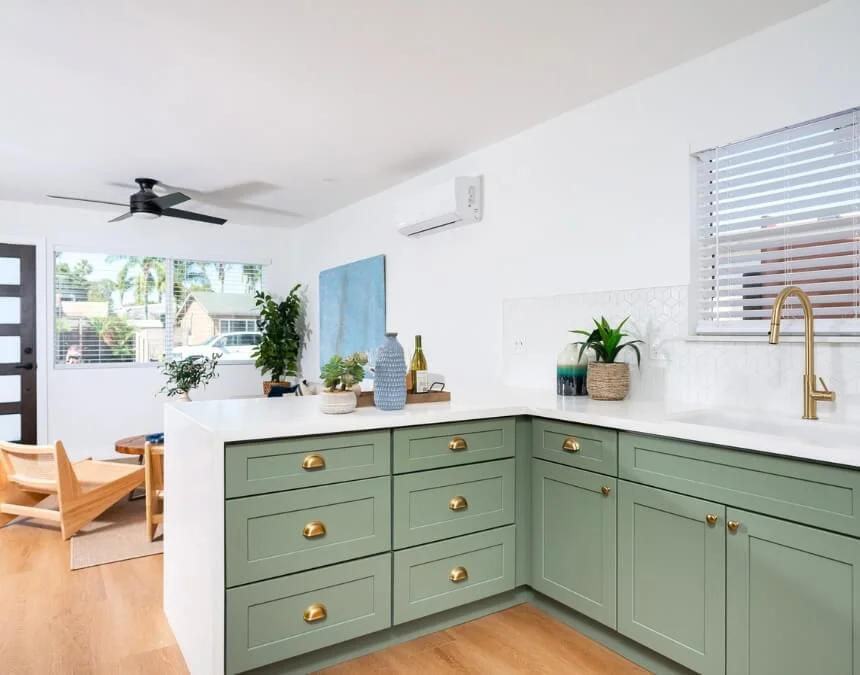
Plan ownership and access carefully; separate entrances and privacy features can improve rental appeal and support potential property value.
Future Trends in ADU Owner Occupancy
California has permanently prohibited local owner-occupancy requirements for standard ADUs, establishing an ongoing policy rather than a temporary exemption. Legislative attention increasingly concerns how eligible properties can accommodate additional housing through detached ADUs, internal conversions, and other permitted development. This approach complements broader housing reforms, including SB 9, while preserving the separate eligibility and approval requirements of each law. It also supports infill development as one response to housing shortages, alongside larger projects. For planning purposes, consider the opportunities associated with California’s housing strategy for both homeowners and investors without assuming that current laws, market conditions, or project economics will remain unchanged.
To assess this policy’s impact, consult California HCD’s statewide ADU permit and completion data for 2016 through 2022 and subsequent years (California Senate Bill 1534 - ADU History). Distinguish permits from completed homes, verify percentage calculations, and do not treat statewide production trends as Los Angeles-specific results.

Design flexible ADU spaces that can adapt to changing rental demand and multigenerational living needs over time.
Key Takeaways for Investors and Homeowners
California law prohibits local owner-occupancy requirements for standard ADUs, allowing rental use without requiring the owner to live on-site (CA AB 976 Legislative Digest). Homeowners and investors may therefore rent both the primary residence and the ADU, subject to applicable rules, with potential benefits for cash flow, financing flexibility, and property value (California YIMBY, AB 976 Fact Sheet). These benefits are not guaranteed. Junior accessory dwelling units follow separate requirements, including occupancy distinctions under recent legislation. Before leasing either unit, confirm the applicable minimum rental period, which may require rentals exceeding 30 days (CalMatters, AB 976 summary).

Treat your ADU as a long-term investment; site placement and layout can affect rental income potential and resale value.
Conclusion: What Do ADU Owner Occupancy Rules Mean Going Forward?
California’s permanent prohibition on local owner-occupancy requirements for standard ADUs reflects a significant housing-policy shift toward production, regulatory flexibility, and long-term rental supply. By preventing local agencies from requiring owners to live on-site, the state removed a barrier that could limit construction, financing, and participation in programs involving California ADU Fund. This change gives homeowners seeking supplemental income and investors considering neighborhood rental housing greater flexibility. Nevertheless, detached ADU feasibility still depends on site conditions, approval requirements, construction costs, financing terms, and the owner’s ability to meet ongoing rental obligations.
Allowing standard ADUs to operate as long-term rentals without local owner-residency mandates creates a more predictable framework for infill housing, subject to applicable rental terms and other requirements. Complementary legislation, including Senate Bill 1211, further expands certain ADU opportunities. In high-cost markets involving Los Angeles, evaluate these changes against current eligibility rules, site conditions, and realistic project economics.
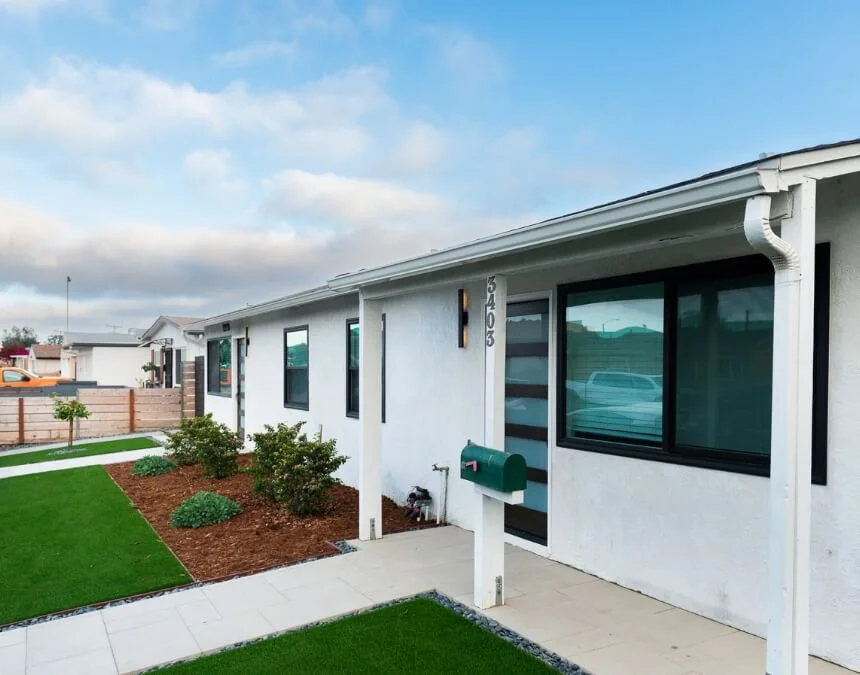
Without an owner-occupancy requirement, renting both residences may improve property cash flow, depending on costs, vacancies, financing, and applicable rental rules.
Frequently Asked Questions
No. California law prohibits local agencies from requiring owner occupancy for standard accessory dwelling units (ADUs). Assembly Bill 976 made this prohibition permanent effective January 1, 2024, so owners do not have to live on-site to build or rent a standard ADU. Local governments also cannot impose conflicting residency conditions indirectly through zoning or approval agreements.
Rhode Island permits accessory dwelling units (ADUs) under a statewide framework that establishes qualifying circumstances for development on residential properties. Whether a proposal qualifies for approval by right depends on current state law and the property’s characteristics. Before planning a unit, confirm the permitted number of ADUs, any applicable occupancy or use conditions, and requirements for setbacks, design, utilities, and building safety with the municipality.
Note: Check current Rhode Island law and the applicable city or town’s requirements before assuming that owner-occupancy, family-use, or other conditions apply.
Under current California law, owners generally do not need to prove owner occupancy for standard ADUs. Before the statewide prohibition, some jurisdictions required affidavits or other documents showing that the owner lived on the property. Local agencies may no longer impose those residency requirements on standard ADUs, although separate rules apply to certain JADUs.
California does not allow local owner-occupancy requirements for standard ADUs, whether owners are building a unit or renting it out. AB 976 made the prohibition permanent. Applicable rental-duration requirements may still apply, including terms exceeding 30 days, but local agencies cannot require the owner to live on-site as a condition of standard ADU approval or use.
No, you do not need to live in the primary residence to build or rent a standard ADU in California. AB 976 made the statewide prohibition on local owner-occupancy requirements permanent on January 1, 2024. This protection applies regardless of when the ADU was built, although other permitting, building, and rental requirements still apply.