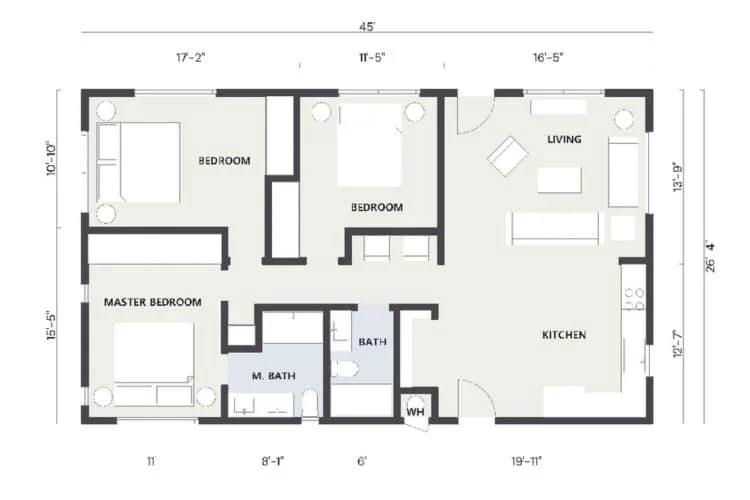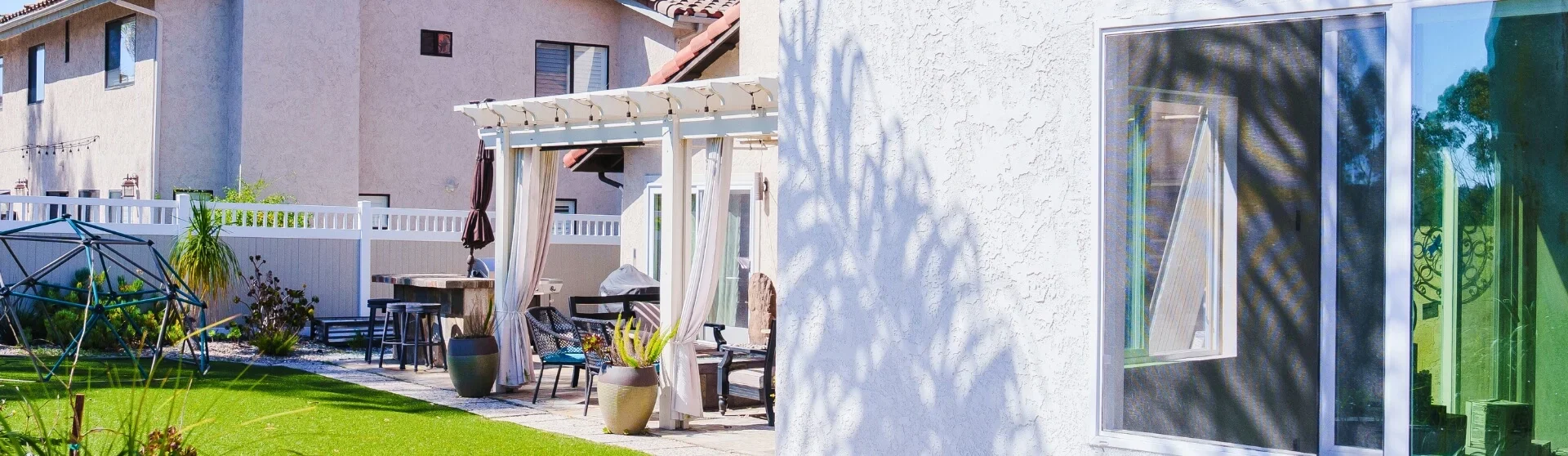



Understanding Accessory Dwelling Units (ADUs)
Accessory dwelling units (ADUs) are self-contained homes on the same lot as a primary residence. They provide independent living facilities, including a separate entrance, and are permitted statewide under California ADU laws, subject to applicable requirements. Amid housing shortages, ADUs offer a practical way to expand housing supply and enhance property potential in markets such as Los Angeles.
ADUs go by many names, including granny flats, in-law suites, backyard cottages, and casitas, but all describe a secondary dwelling sharing a parcel with the main home. Depending on the lot and applicable regulations, an ADU may be detached (a separate backyard home), attached (a home addition connected to the house), or created by converting existing space, such as a garage or basement. California also allows junior ADUs within a single-family residence.
History and Evolution
ADU-style housing existed in many U.S. cities before modern zoning restricted it. As states revised ADU laws to expand housing options, these units reemerged as flexible solutions for multigenerational families and rental use. (California YIMBY) In California, repeated legal reforms and streamlined permitting requirements have helped make ADUs part of today’s housing market.
For real estate professionals, the takeaway is practical: ADU requirements vary by location. Understanding local standards, size limits, setbacks, parking requirements, construction costs, and necessary building permits is essential for accurate pricing, clear marketing, and fewer surprises during escrow.
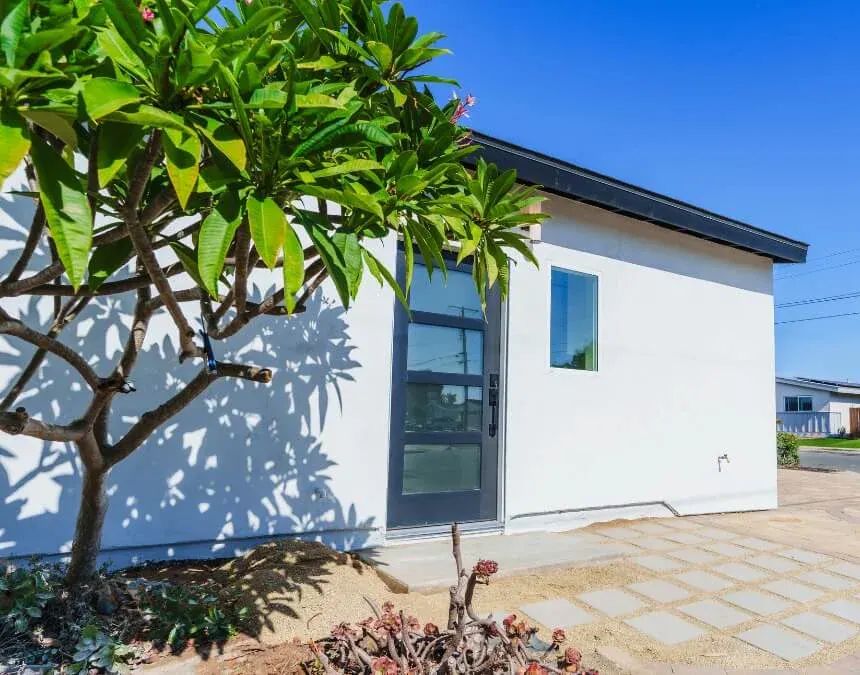
ADUs offer greater value when agents clearly explain how state law enables secondary units on existing lots, helping turn underused space into legal housing and potential long-term equity.
Types of ADUs
ADUs take several forms, including detached backyard units, attached additions to the main home, conversions of existing structures such as garages, and smaller junior accessory dwelling units (JADUs) within a single-family residence. California recognizes these configurations statewide, while applicable local requirements and ADU regulations in Los Angeles help determine how each type fits a particular lot, building code, and permitting process.
In practice, ADU types are defined primarily by their location on a property and the structures they use. The California Department of Housing and Community Development (HCD) describes three main forms: detached, attached, and converted existing space. JADUs are a separate category within a single-family residence. For properties in unincorporated Los Angeles County, confirm conversion requirements with county authorities; within the City of Los Angeles, check the ADU Standard Plan Program and required site-specific review. (Los Angeles regional government)
- Detached ADUs: Standalone units separated from the main home, often described as backyard cottages.
- Attached ADUs: Units connected to the primary residence, including home additions and qualifying interior conversions.
- Garage or accessory-structure conversions: Independent dwellings created by converting existing space, such as a garage, workshop, or similar structure, subject to applicable requirements. (Los Angeles regional government)
- Junior ADUs (JADUs): Units up to 500 sq ft contained within a single-family residence, with an efficiency kitchen and separate entrance.
Detached ADUs
Detached ADUs are freestanding homes on the same lot as the primary residence. Their physical separation can provide greater privacy and flexibility for rentals, multigenerational living, or guest accommodations. HCD recognizes this detached units as a main statewide ADU configuration; homeowners should confirm applicable lot, parking, access, and building requirements with the City of Los Angeles or Los Angeles County, depending on the property’s jurisdiction. (Los Angeles regional government)
Attached ADUs
Attached ADUs are built within or added to the primary home, such as a side addition, second-story unit, or converted wing sharing a wall with the main structure. California HCD recognizes attached ADUs as a principal configuration under state law. Homeowners may choose this approach to use an existing footprint or utility connections while creating an independent dwelling suitable for older adults, long-term tenants, or flexible use as a home office.
Garage Conversions
Garage and other accessory-structure conversions create ADUs by adapting existing space into legal, independent dwellings. HCD recognizes garage conversions as an ADU pathway; owners should confirm the structure’s permit history and applicable local requirements. (Los Angeles regional government) For agents, this option merits evaluation because reusing a structure may reduce some construction work, although cost and timing depend on its condition, utility needs, and compliance with building and zoning standards. (Los Angeles regional government)
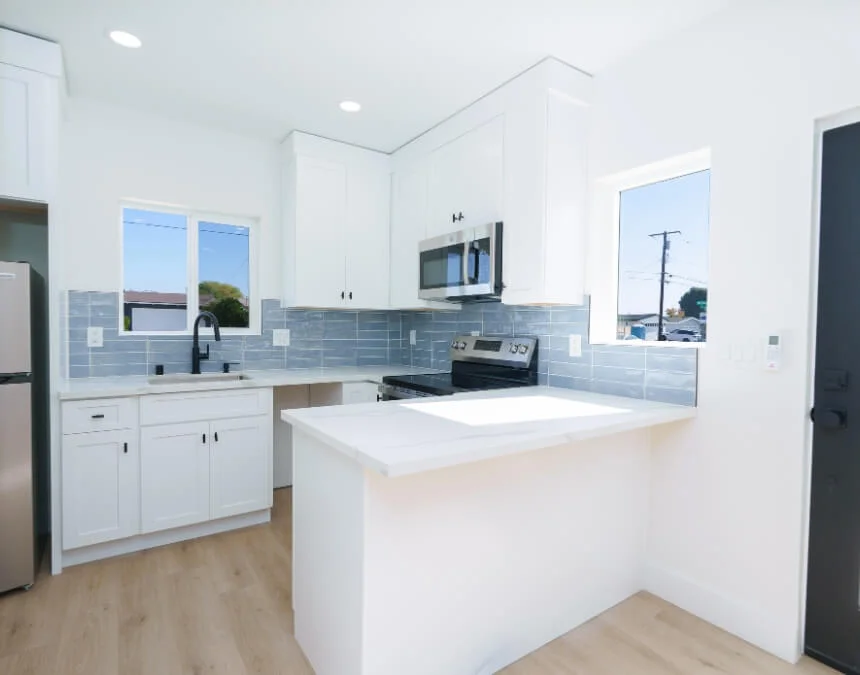
Understanding detached, attached, and conversion ADUs helps agents assess a property’s feasibility, likely project requirements, potential timelines, and possible resale impact more effectively.
Benefits of ADUs for Real Estate
For real estate professionals, ADUs can strengthen a listing’s value proposition, broaden buyer interest, and help clients address housing needs and income goals. Across California, particularly in high-cost markets such as Los Angeles, ADUs have become an increasingly familiar property feature. Agents who understand their potential and limitations can provide clearer advice, attract clients with varied needs, and identify opportunities that require careful feasibility and valuation review. (California YIMBY)
Broadly, ADUs can benefit agents in three overlapping ways:
- They expand a property’s potential financial and lifestyle benefits.
- They broaden the range of buyers a listing may attract.
- They help knowledgeable agents become trusted advisors and referral partners in a market with limited inventory. (California YIMBY)
Increasing Property Value
Homes with ADUs may command higher prices because buyers value independent living space and rental flexibility. Market analyses have associated ADUs with higher asking or sale prices, but the contribution to any property’s value depends on comparable sales, permit status, construction quality, location, and buyer demand. (Apartment Therapy)
In practice, buyers often evaluate two benefits: additional usable living space and potential rental income. A Porch.com market study reported that homes with ADUs in major U.S. metropolitan areas were priced about 35% higher on average than those without them. (Apartment Therapy) That comparison is not a Los Angeles valuation rule or proof that an ADU caused the difference. Agents should support pricing and return-on-investment discussions with property-specific comparable sales, legal status, construction quality, and documented expenses. (HomeLight)
Enhancing Market Appeal
ADUs allow agents to present a home as both a lifestyle solution and a potential investment. Because an independent dwelling can accommodate different uses over time, it may attract a broader range of buyers than a conventional single-family home.
In California, ADUs appeal to multigenerational households seeking space for older adults, caregivers, or adult children, as well as buyers wanting guest accommodations or a dedicated home office. They can also attract investment-minded buyers considering long-term rentals or owner-occupied house-hacking arrangements. Any proposed short-term rental use requires careful review of applicable restrictions and should not be assumed permissible. Listings can highlight the ADU’s independent entrance, kitchen, and utility arrangements through clear photos, floor plans, and realistic income scenarios that disclose assumptions and expenses.
Generating Rental Income
An ADU can offer ADU can deliver steady rental income, a feature that may attract buyers in high-cost California markets. Agents can use carefully supported rental estimates to present ADU properties as flexible homes with potential financial benefits, rather than promising income.
California law recognizes ADUs as independent dwellings, allowing qualifying units to support long-term rental or family housing uses, subject to applicable restrictions. That flexibility can appeal to Los Angeles buyers seeking ways to offset ownership expenses. (Axios) Agents add value by verifying permits, reviewing property-specific rental and rent-stabilization requirements, and explaining how documented compliance informs appraisal and financing. Rental income, appraised value, and loan approval still depend on market conditions and the relevant lender’s requirements.

Well-staged ADUs showcase both lifestyle flexibility and potential income. Agents should market those possibilities thoughtfully, rather than focusing solely on additional square footage.
Challenges in ADU Implementation
ADUs present challenges, including variable permitting timelines, jurisdiction-specific requirements, and valuation difficulties when legal status is unclear or comparable sales are limited. California law broadly supports ADU development, but applicable state protections, local objective standards, and site conditions determine what a particular lot can accommodate. Agents should verify feasibility early. Appraisal and financing may also require additional work when local ADU comparables, permit records, or credible income and expense estimates are unavailable.
Even in a state that supports ADUs, details matter. The March 2026 California HCD ADU Handbook explains how local objective standards, including setbacks, height, parking, and size limits, operate within state-law constraints. Feasibility therefore varies by jurisdiction and site. For newer, unusual, or difficult-to-compare ADUs, appraisers may need additional comparable-sales research and, where appropriate, income analysis. Conclusions involving property values if the ADU require clear property facts and supporting documentation. (Kenny Appraisal Services)
Navigating Zoning Laws
California law broadly permits ADUs, while local jurisdictions administer applicable size, setback, parking, height, and unit-count requirements within state-law limits. The City of Los Angeles and unincorporated Los Angeles County have separate authorities and guidance, so agents should identify the correct jurisdiction and confirm site-specific eligibility before marketing ADU potential.
Key practical issues agents should flag early:
- Local objective standards may apply, subject to state-law limits and exemptions, including requirements for setbacks, height, lot coverage, and parking.
- Feasibility varies by jurisdiction and property, so an “ADU-ready” label should never substitute for site-specific review.
- Los Angeles example: Confirm current city requirements and applicable state law when preparing a listing, rather than relying on older guidance. (National Law Review)
Overcoming Regulatory Hurdles
A practical way to reduce ADU risk is to combine complete permitting records with qualified design and construction support. Clear legal status and specifications can help limit escrow, appraisal, and financing surprises, whether a client considers a construction loan, a home equity line of credit (HELOC), or cash-out refinancing.
What helps deals stay clean:
- Work with experienced ADU teams familiar with current state requirements and local requirements who can assess site-specific feasibility.
- Document the project thoroughly, including permits, final inspections, any required certificate of occupancy (CO), unit specifications, and utility arrangements. (McKissock Learning)
- Prepare an ADU fact sheet for listings covering size, type, construction year, permit status, and intended rental use. Appraisal and lending reviews involving guides explicitly look for ADU benefit from relevant comparable sales and documented zoning compliance. (McKissock Learning)
Bottom line: ADUs can offer substantial benefits in California, but sound advice depends on verified feasibility, legal status, and defensible valuation. Agent-level due diligence should begin early.

Clear permitting records and complete documentation early in the process can help prevent appraisal delays and financing complications later in the transaction.
The Growing Popularity of ADUs
ADUs have become an increasingly important part of California’s housing supply, including in Los Angeles. They are no longer merely a niche listing feature; agents regularly need to evaluate existing units and proposed ADU opportunities. Understanding feasibility, legal status, and valuation is therefore important to pricing, marketing, and client advice in a high-cost market with constrained housing supply. Local claims about growth should always be supported by current official data. (California YIMBY)
ADUs account for a meaningful share of California’s new housing production. California YIMBY reports that approximately 19% of housing units produced statewide in 2022 were ADUs, illustrating their growing role in the housing pipeline. (California YIMBY) Their appeal is particularly relevant in high-cost metropolitan areas, where affordability pressures and demand for additional homes have encouraged interest in modest increases in residential density. Actual neighborhood impacts depend on project design and local conditions. (California YIMBY)
Los Angeles housing reports can help agents evaluate local ADU activity when the figures identify the jurisdiction, reporting period and measure. Separate permits from completed homes and ADUs from overall housing production. Use the City’s ADU resources to identify local programs. Garage conversions and prefabricated units may offer useful options, with schedules that depend on site conditions, utilities and the required approvals.
Impact of Regulatory Changes
California’s ADU reforms have played a central role in expanding development. Major legislative changes adopted in 2016, followed by measures such as AB 68, helped support growth in ADU permitting while subsequent updates clarified requirements and reduced certain barriers. These laws create opportunities, but project teams must still confirm current requirements. Related measures, including SB 9, involve separate eligibility standards and should not be treated as interchangeable with ADU law or as guarantees of continued construction growth. (California YIMBY)
Demand in the Housing Market
ADU demand reflects several overlapping needs: affordability, multigenerational living, aging in place, and potential rental income. California HCD describes ADUs as flexible housing options on existing lots, making them one approach to adding homes without large-scale redevelopment. For agents, this matters because properties with verified ADU potential may appeal to buyers with different goals. Understanding those goals, alongside site constraints and project costs, makes ADU knowledge a practical advantage in everyday transactions. (California YIMBY)

As ADUs contribute to California’s housing supply, agents should consider verified ADU potential in pricing and marketing, rather than treating it as a niche feature.
Strategies for Real Estate Agents
To advise effectively on ADUs in California, especially Los Angeles, agents should track current requirements, identify potentially suitable properties early, communicate lifestyle and income possibilities accurately, and build a trusted network of ADU contractors and financing partners. This approach positions an agent as a practical advisor who can connect housing goals with property-specific feasibility, realistic budgets, and appropriate professional review in a market where ADUs are increasingly relevant.
ADUs are more than extra living space; they can support a broader property strategy. California HCD identifies ADUs and JADUs as ways to add housing on existing lots, while the applicable Los Angeles’s ADU toolkit can help explain configurations for single-family and multifamily properties. Agents who translate these requirements into practical guidance for buyers and sellers can build trust and help clients make better-informed decisions.
Connecting with Diverse Buyers
ADUs can broaden a property’s appeal. HCD highlights their flexibility for family housing and rentals, which aligns with several buyer groups. In marketing and buyer consultations, explain ADU value according to the intended use:
- Investors and house hackers: Highlight independent rental space and evaluate potential long-term returns using realistic assumptions. (PropertyRadar)
- Multigenerational households: Emphasize privacy and proximity for parents, adult children, or caregivers.
- Downsizers and buyers aging in place: Explain options for remaining on-site while accommodating family support.
- Remote workers and creatives: Present potential home-office, studio, or guest uses, subject to applicable requirements.
Leveraging State-Level Incentives
California’s multiyear ADU legal reforms aim to remove barriers to ADU development, and statewide permitting reports can help agents understand production trends. (California YIMBY) Evaluate ADU potential alongside other property attributes, including zoning, floor area ratio (FAR), and redevelopment possibilities, while distinguishing a preliminary opportunity from a verified, approvable project.
In Los Angeles, applicable state law and local requirements shape ADU eligibility and unit counts. Consult official Los Angeles’s ADU guidance and bulletins for multifamily properties, coastal locations, and other site-specific conditions. The city’s ADU Standard Plan Program may assist with plan selection, but it does not replace site-specific review. Agents should verify requirements when a property is listed or an offer is prepared, rather than assuming eligibility from general program descriptions. (The City of Los Angeles)
Establishing Long-term Client Relationships
ADUs can create ongoing client needs: purchase → feasibility review → design and construction → rental or family occupancy → later valuation review. HCD’s handbook provides a regulatory foundation, while complete permits and specifications help appraisers and lenders evaluate the finished dwelling.
That’s where agents can become repeat advisors:
- Help sellers organize ADU documentation, including permits, any required CO, unit size and type, and utility arrangements, to support escrow review.
- Guide buyers through build-versus-buy decisions using realistic feasibility, cost, and intended-use comparisons.
- Maintain a referral network of qualified ADU builders and lenders familiar with options such as home equity lines of credit and HomeStyle Renovation loans, subject to borrower and project eligibility.
Bottom line: In California and Los Angeles, effective ADU advice is an ongoing service, not a one-time listing tactic. It rests on current local requirements, accurate marketing, realistic expectations, and reliable professional partnerships.
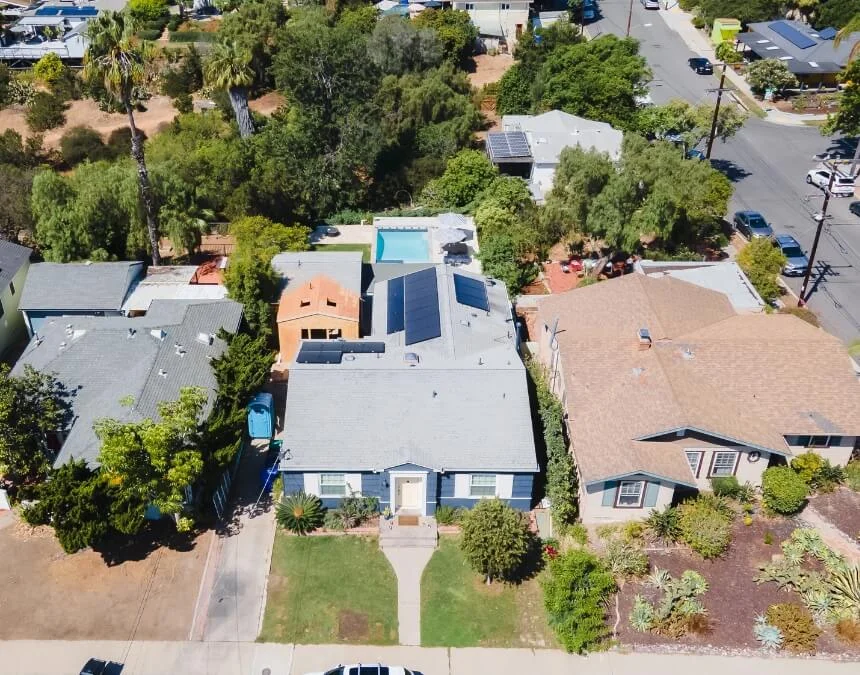
Agents who combine ADU knowledge with qualified builder and lender relationships can become trusted problem-solvers, rather than serving only as transaction facilitators.
Case Studies and Success Stories
California’s statewide experience and Los Angeles’s local resources illustrate how ADUs have become an established housing and real estate consideration. These examples, together with studies show why real estate professionals who understand ADU feasibility, can help agents identify opportunities, assess potential housing additions, and market properties responsibly. The strongest advice connects broader policy trends with verified local requirements and property-specific evidence rather than assuming that statewide results apply to every listing.
Statewide case: California’s rapid ADU adoption after reforms
California’s ADU expansion is closely linked to policy reforms. Following major legislation adopted in 2016, statewide permitting increased substantially. California YIMBY’s retrospective report states that annual ADU permits rose 15,334% between 2016 and 2022, with 83,865 ADUs permitted statewide during that period. (California YIMBY) The report also states that ADUs represented about 19% of California’s housing production in 2022, or nearly one in five new homes. These historical statewide figures should not be presented as current Los Angeles statistics. (California YIMBY)
Why it matters for agents: ADUs are an established part of California’s housing landscape. As agents encounter them in listings, buyer requirements, and improvement plans, understanding feasibility, permits, valuation, and permitted uses becomes an important professional skill rather than a narrow specialty. (California YIMBY)
Local case: Los Angeles’s ADU share of new housing
Los Angeles offers a useful local starting point through its ADU guidance and Standard Plan Program. Check official housing and permit records when discussing development activity, distinguishing ADU permits from total housing permits and completed units. For a specific listing, verify the existing permits, proposed layout and site constraints before describing future development. Local programs can help with preparation, while the property still needs its own approval pathway and supporting documents.
Why it matters for agents: Los Angeles listings may include permitted ADUs or space for a future proposal. Verify the existing approvals, explain the potential improvements clearly and distinguish household benefits from a rental projection. Use local ADU guidance to start the feasibility discussion, then assess permits, costs, market evidence and the property’s constraints before presenting a development opportunity.
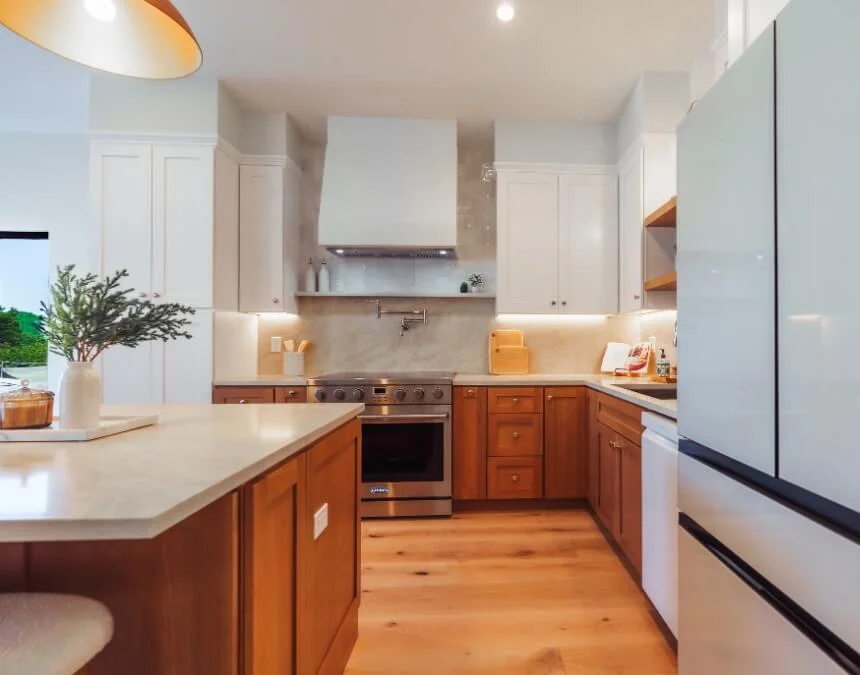
ADU development illustrates how policy can translate into additional housing. Use verified local data, rather than broad assumptions, to support pricing discussions and buyer education.
Resources for Learning About ADUs
Agents can strengthen their ADU knowledge through official California and Los Angeles ADU resources explaining legal requirements, development constraints, and changes in California law. The California Department of Housing and Community Development (HCD) publishes the statewide ADU Handbook and legal guidance. The City of Los Angeles and Los Angeles County provide separate resources for their respective jurisdictions, including applicable requirements, checklists, and planning information. Reviewing the correct sources helps professionals avoid eligibility errors, unsupported valuation claims, and transaction delays related to permits or compliance.
Workshops and Training Programs
HCD maintains a centralized handbook and legal guidance that agents can use as a statewide foundation before reviewing local requirements. Start with the March 2026 handbook and applicable current law, then supplement that knowledge with official local workshops and qualified professional briefings on overlays, setbacks, utilities, and site constraints. Review any unincorporated Los Angeles’s ADU handbook alongside the relevant authority’s current procedures, rather than assuming that general feasibility guidance establishes approval for a particular property. (Los Angeles regional government)
Online Guides and Tools
- California HCD ADU Handbook and state-law resources: Begin with the March 2026 handbook and applicable current law for definitions, JADUs, objective standards, and limits on local ADU requirements.
- unincorporated Los Angeles ADU requirements for unincorporated areas: Consult Los Angeles County’s official resources for ADU and JADU eligibility, site constraints, and relevant feasibility requirements. (Los Angeles regional government)
- City of Los Angeles ADU Standard Plan Program: Review available plans and program conditions. Standard plans do not replace site-specific review, utility coordination, or other required approvals. (Los Angeles regional government)
- Official Los Angeles housing and permitting reports: Use clearly identified city data to track reporting-period trends, distinguishing ADU permits, total housing permits, and completed homes. (City of Los Angeles)
How to use these as an agent: Start with HCD’s handbook and current state law, then verify site-specific requirements with the correct city or county authority. Use official housing reports to describe production trends, not to establish rental demand or resale premiums. Support those conclusions separately with relevant market evidence and comparable properties.

Staying current with state and local ADU resources helps agents provide informed advice, identify compliance concerns, and reduce avoidable disruptions from offer through closing.
Conclusion and Future Outlook
ADUs are an established part of California’s real estate market and a relevant consideration in Los Angeles. Statewide reforms have supported sustained ADU adoption, expanding opportunities to add housing on existing lots and creating more occasions for agents to evaluate independent dwellings. ADU literacy includes assessing feasibility, verifying permits, explaining property improvements, and communicating lifestyle benefits and potential rental income without overstating outcomes. Looking ahead, supportive legislation, housing supply constraints, and demand for flexible living may sustain interest in ADUs. For agents, the practical priority is to connect that interest with current requirements, credible valuations, realistic costs, and careful property-specific advice throughout each transaction.
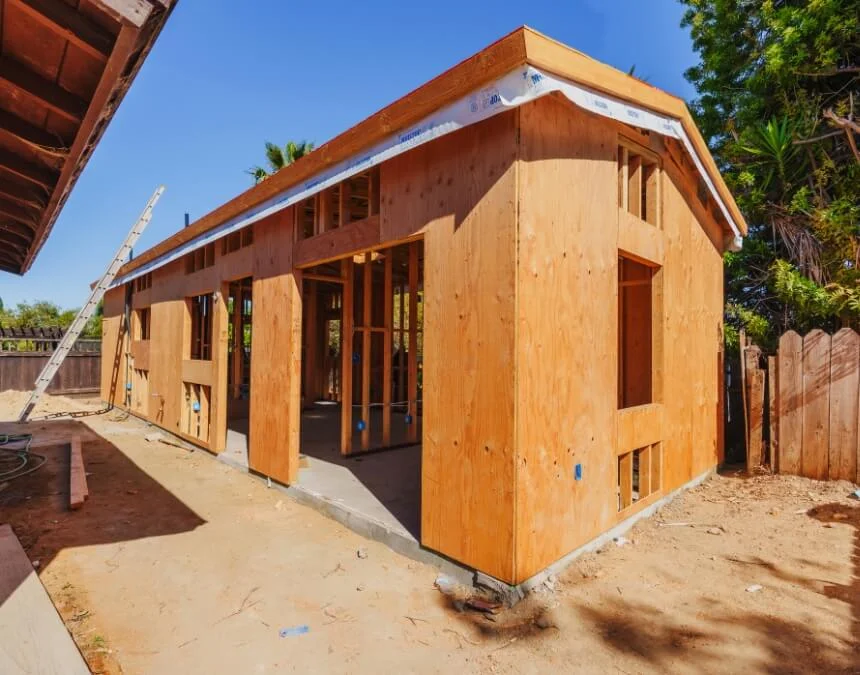
As ADUs become more familiar, agents who understand feasibility, valuation, and intended uses can provide clearer advice and distinguish their services through practical expertise.
Frequently Asked Questions
Real estate commissions are negotiable; there is no required or standard rate. As an illustration, a 5% total commission on a $500,000 sale would equal $500,000 × 0.05 = $25,000. If one brokerage side receives 2.5%, that equals $500,000 × 0.025 = $12,500 before any agent-broker split, referral fees, or expenses. Actual compensation, allocation, and payment responsibilities depend on the parties’ agreements, services, and negotiations.
ADU stands for accessory dwelling unit: an independent dwelling on the same lot as a primary residence. In real estate, it can enhance a property’s appeal through rental potential, multigenerational housing, or flexible uses such as a home office. An ADU may be detached, attached, or created by converting existing space.
Common complaints involve misrepresentation or failure to disclose material facts, including property defects, conflicts of interest, or transaction risks. Depending on the circumstances, these issues may also involve a breach of fiduciary duty, meaning the agent failed to fulfill obligations to act in the client’s best interests.
The 2% rule is a rough rental-income screening tool: gross monthly rent should equal at least 2% of the purchase price, sometimes including immediate improvement costs. For example, $500,000 × 0.02 = a target of $10,000/month. This threshold can be difficult to reach in high-cost markets and does not account for operating expenses, financing, vacancies, or other factors needed to assess actual cash flow.