

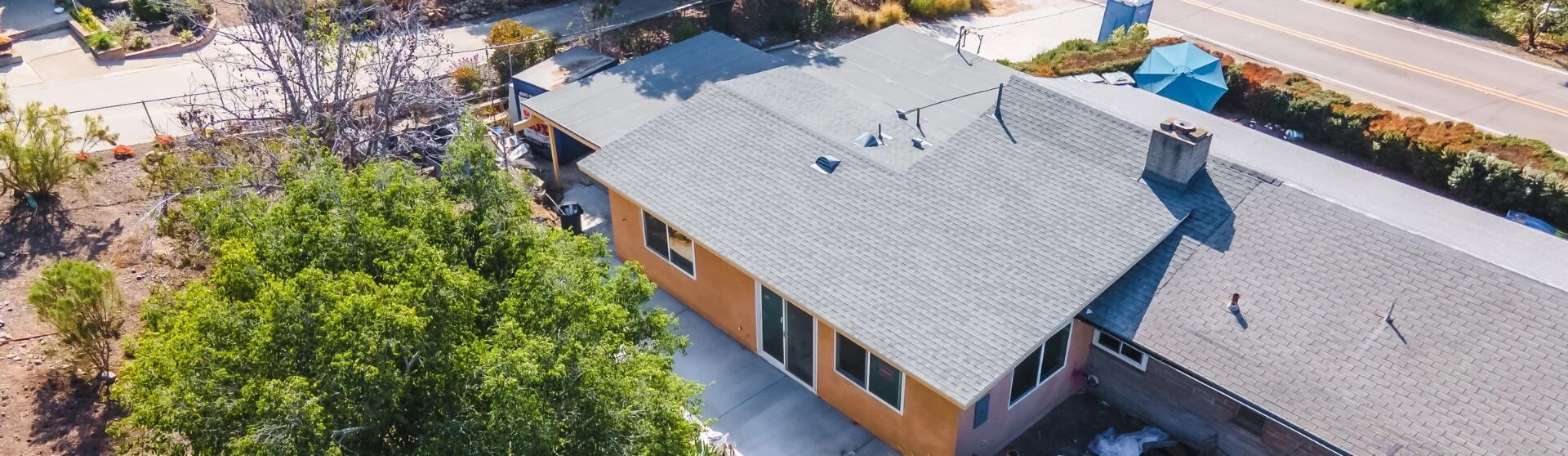
What Is a HELOC for ADU Construction?
A HELOC for ADU construction is a revolving credit line secured by your home’s equity, giving California homeowners flexible funding for designing, permitting, and building an accessory dwelling unit (ADU) or granny flat as expenses arise. A HELOC works similarly to a credit card, generally with a lower, often variable interest rate. You borrow only what you need and pay interest on the outstanding balance, making it a practical option for phased construction. HELOCs and home-equity loans together accounted for 56% of mortgage-based ADU financing in research attributed to Urban Institute; check the study’s date, sample, and definitions before applying that finding to your situation.
A home equity line of credit, as described by Citizens Bank, allows homeowners to borrow, repay, and borrow again during the draw period, making it useful for incremental building costs, site work, and construction management following feasibility review. This financing option is relevant as California expands opportunities for ADU development. Before relying on statewide permit figures from California YIMBY, verify the reporting period and distinguish annual permits from cumulative totals and completed units. In Los Angeles, check permit statistics attributed to Governing against official city records rather than treating them as evidence of rental demand. Backyard cottages, garage conversions, and prefab ADUs each require property-specific review, and the suitability of a HELOC depends on available equity, lender terms, project costs, and repayment capacity.
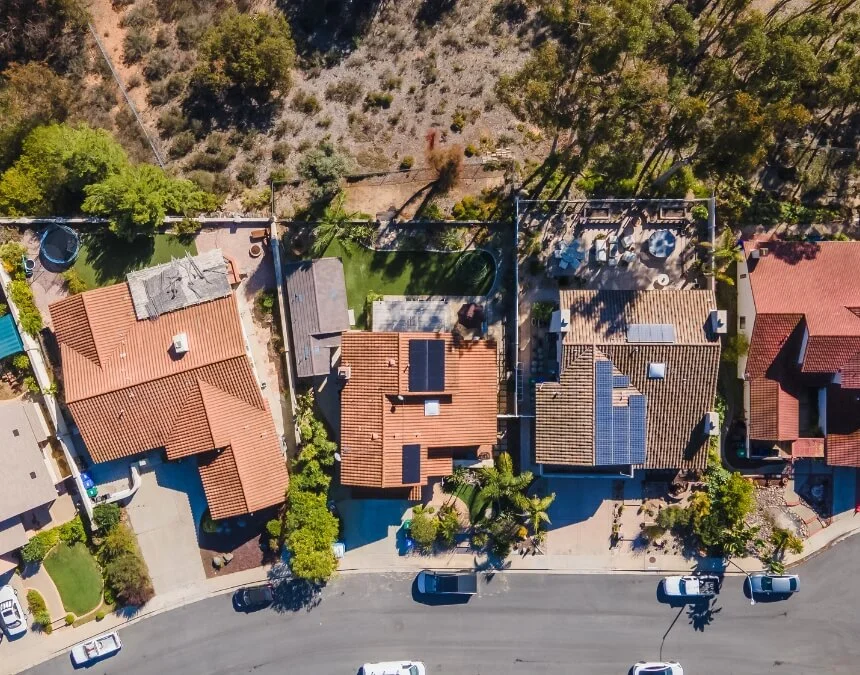
A HELOC can suit ADU construction because costs arrive in phases. Think of it as a flexible funding pool you access as each stage begins.
Why HELOCs Are So Popular for ADUs in California
HELOCs can help California homeowners finance ADUs by providing access to available home equity without refinancing an existing low-rate first mortgage. Closing costs and other fees vary by lender and should be compared carefully. Higher property values may support a larger credit line, but approval also depends on existing debt, income, credit history, and the lender’s valuation. This flexibility can be useful when coordinating phased permitting, design work, and construction costs for an accessory dwelling unit or junior ADU.
In Los Angeles, obtain a property-specific estimate for ADU construction, including the proposed 500-800 sq. ft. unit, site work, building contracts, and construction labor. A HELOC may help cover these expenses without withdrawing retirement savings, although it places your home at risk. Research attributed to Urban Institute groups HELOCs and home-equity loans together as 56% of mortgage-based ADU financing; that figure does not establish individual eligibility. Compare lenders’ credit-score requirements, equity limits, fees, and repayment terms rather than assuming broad accessibility. Homeowners may also value preserving their existing mortgage rate and, where available, making interest-only payments during construction of a new living space such as a modular ADU, prefabricated ADU, or basement apartment conversion.
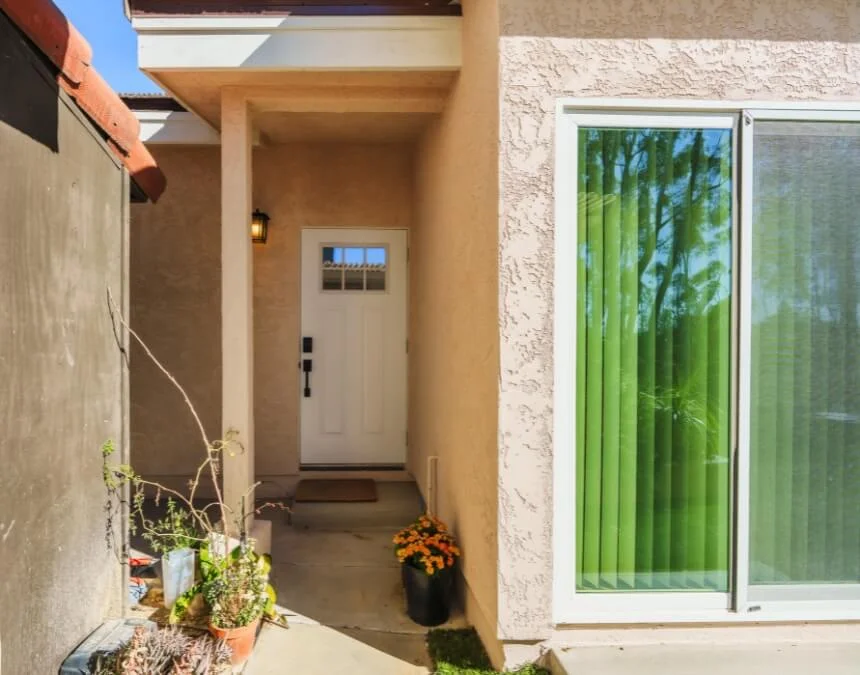
HELOCs let homeowners retain their existing first-mortgage rate while accessing equity, which may suit a rental or multigenerational unit without refinancing.
How a HELOC Works for ADU Funding (Step-by-Step)
Step 1, Calculate Your Equity and Borrowing Power
To estimate borrowing capacity, multiply your home’s value by the lender’s maximum combined loan-to-value ratio, then subtract existing secured debt. For example, an $800,000 home with a $500,000 mortgage could support a $140,000 HELOC at an 80% combined LTV limit. Limits may range from 75-85%, with some primary-residence products allowing 80-90%, depending on underwriting. Compare the resulting credit line with your anticipated ADU construction budget.
Step 2, Get Pre-Approved for a HELOC
HELOC lenders generally verify income, credit history, property value, and debt-to-income ratios. Some products seek credit scores around 700 or higher, but requirements vary. Investment-property standards can be stricter, with some lenders seeking scores of 720 or higher and limiting combined borrowing to 70-75% LTV. Confirm current underwriting requirements directly rather than treating financing research from Urban Institute as a statement of universal lender policy.
Step 3, Draw HELOC Funds to Cover ADU Phases
HELOCs offer flexibility for staged construction because borrowers can access funds as needed, subject to lender terms, as discussed by Uni Construction. ADU projects typically require funding in phases for design, engineering, permits, construction, materials, and utility connections. Because a HELOC is revolving credit, borrowers can draw and repay funds throughout the draw period as invoices become due.
Step 4, Manage Interest-Only Payments During Build
During a draw period, often 5 to 10 years, some HELOCs allow interest-only payments, helping manage monthly expenses while costs low while the ADU is being built. A November 12, 2025, rate of 7.81% attributed to Bankrate is historical, not a current quote. For homeowners planning to rent their ADU, the draw period may provide time to establish rental income before principal repayment begins. Consider the following illustrative timing:
If an ADU will become a rental, a HELOC’s draw period may provide time to recover part of the investment before scheduled principal repayment begins. With a five- to 10-year draw period and one year of construction, roughly four to nine years could remain. Actual timing depends on when the credit line opens, project completion, and loan terms. LendEDU
This may allow time to establish rental income before principal repayment begins, although occupancy and income are not guaranteed.
Step 5, Transition to Repayment or Refinance Later
When the draw period ends, a HELOC commonly enters a 10-20-year repayment period, with payments covering both principal and interest. Some homeowners later refinance the HELOC and primary mortgage into one fixed-rate loan, particularly after completing the ADU and establishing rental income or additional property value. Refinancing may offer payment stability, but potential savings depend on interest rates, closing costs, loan terms, and eligibility.
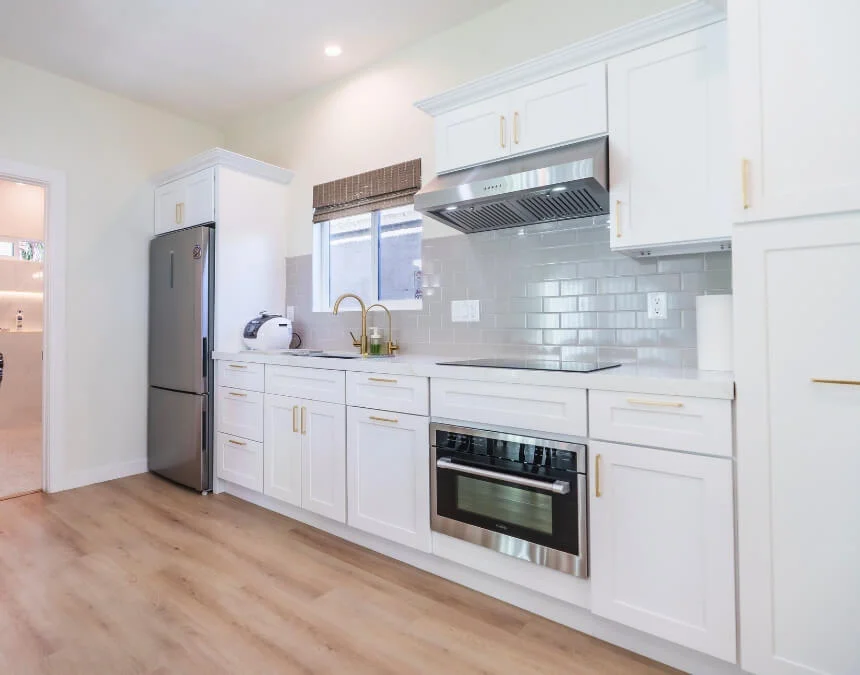
Align HELOC draws with your construction schedule. Access funds shortly before each phase to limit interest costs during permitting or inspection delays.
How Much You Can Borrow With a HELOC in California
Some California lenders permit combined borrowing of 75-85% of a home’s value, less existing secured debt, potentially giving eligible Los Angeles households substantial access to equity. Actual credit lines depend on appraised value, mortgage balances, income, credit history, and lender limits, not regional prices alone. A HELOC may help fund major ADU expenses such as designs, permits, construction management, and site preparation without refinancing the first mortgage, but homeowners should confirm whether additional funding will be necessary.
For primary residences, some lenders allow combined LTV ratios of 80-90%, depending on income, credit history, property eligibility, and underwriting. For example, an $800,000 home with a $500,000 mortgage and an 80% combined LTV limit could support $640,000 in total secured debt, leaving approximately $140,000 for a HELOC. Ask whether the lender uses current appraised value or considers the ADU’s projected as-completed value; future value is not automatically available for borrowing. Research attributed to Urban Institute groups HELOCs and home-equity loans together as 56% of mortgage-based ADU financing, but that finding does not establish whether available equity will cover a particular construction budget.
Pros and Cons of Using a HELOC to Build an ADU
Pros
Flexibility to draw funds as needed
HELOCs let homeowners borrow in stages throughout an ADU project, offering flexible access to funds as expenses arise. Rates, fees, and draw conditions still require comparison. This structure can help coordinate design, permitting, and payments to a construction management provider.
Low initial payments during the draw period
Some HELOCs allow interest-only payments during a 5-10-year draw period, reducing initial payments while the ADU is built or prepared for permitted rental use or extended family living.
Lower interest rates than credit cards or personal loans
Because a HELOC is secured by your home, its interest rate may be lower than unsecured financing rates. Many HELOCs have variable rates tied to the prime rate plus a lender-set margin.
Tax-deductible interest
HELOC interest may be tax-deductible when proceeds buy, build, or substantially improve the home securing the loan, including an eligible ADU project. Deductibility depends on IRS requirements, itemization, and debt limits. Compare FHA 203(k) and other renovation loans separately rather than assuming HELOCs offer a unique tax advantage.
Strong ROI potential (5-20%+)
Evaluate ADUs in Los Angeles returns using project-specific construction costs, zoning requirements, financing terms, operating expenses, and realistic rental assumptions rather than a promised annual ROI.
Assess rental income using current Los Angeles comparables matched to the ADU’s location, size, condition, amenities, and lawful rental use:
- Studios: $1,800-$2,200/mo
- 1-bedroom: $2,200-$2,700/mo
- 2-bedroom: $2,800-$3,500/mo
Rental income may help cover HELOC payments, homeowners insurance, and maintenance, but budget for vacancies, operating expenses, taxes, and increases in variable interest rates.
Cons
Variable interest rates
Most HELOCs have adjustable rates tied to the prime rate, so monthly interest payments can rise. Guidance from California ADU financing guide identifies variable interest rates as a risk that borrowers should account for in long-term payment projections.
Your home is collateral
Because your property secures the HELOC, missed payments could lead to foreclosure. Review this risk alongside applicable regulations, household income stability, and your long-term repayment plan.
Payment shock after draw period
When a 5-10-year draw period ends, a HELOC typically shifts to principal-and-interest repayment, which can substantially increase monthly payments compared with the initial interest-only period.
Reduced home equity and increased leverage
Borrowing against your home reduces available equity and increases debt, potentially affecting refinancing or assistance eligibility. Verify current funding and requirements for state grants, including the CalHFA ADU Grant Program.
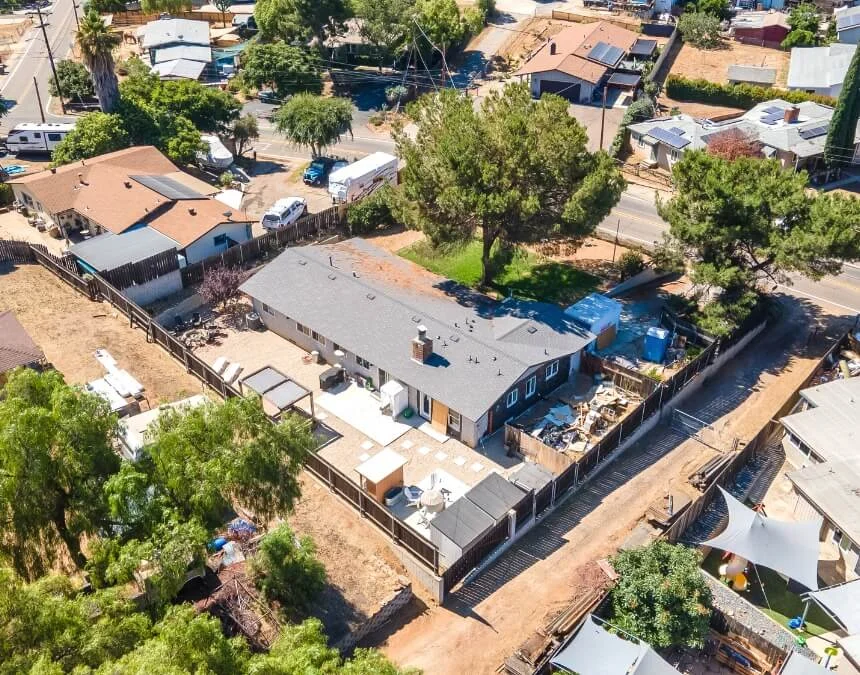
Match HELOC draws to actual construction milestones, including site work, framing, and finishes, so you avoid paying interest on money you do not yet need.
How Much an ADU Costs in Los Angeles (And How a HELOC Covers It)
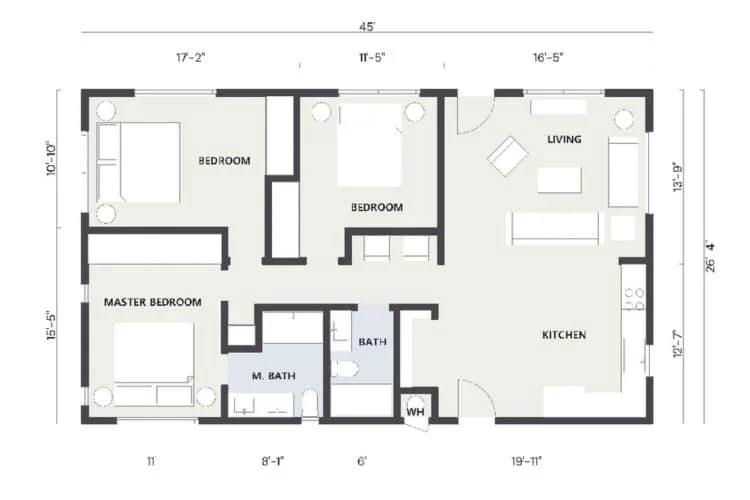
For Building an ADU in Los Angeles, obtain itemized estimates for a proposed 500-800 sq. ft. attached unit rather than relying on generalized local price ranges. Compare detached or larger ADUs separately, accounting for full kitchens, finish selections, site conditions, and utility connections. Confirm permit requirements with the relevant building department and connection requirements with the serving utilities. HELOC funding may cover part of the budget, but Los Angeles homeowners should verify their available equity, borrowing limits, and contingency reserves before committing. Ask the designer and contractor for project-specific permitting and construction schedules, including review cycles and inspections, then compare those milestones with the lender’s draw period and repayment terms.
A HELOC can suit the sequence of ADU financing because funds can be drawn gradually throughout design → permits → construction because interest generally accrues only on the outstanding balance. Evaluate projected Los Angeles rental income against financing payments, vacancy allowances, and operating expenses rather than assuming rent will cover the full monthly payment.
Los Angeles ADU Cost & HELOC Coverage Table
| ADU Type | Typical Cost | Rent Potential | HELOC Coverage Example |
|---|---|---|---|
| Studio (350-500 sq ft) | Budget for design, permits, site work and construction | Compare nearby studios with similar amenities | Compare available HELOC funds with the full project budget |
| 1-Bedroom (500-800 sq ft) | Obtain a site-specific estimate based on scope and finishes | Review comparable local one-bedroom listings | Check whether the HELOC covers construction and contingency costs |
| 2-Bedroom (800-1,000+ sq ft) | Assess layout, utility connections and site conditions | Evaluate comparable two-bedroom rentals nearby | Combine a HELOC with cash or other financing if needed |
Will Building an ADU Increase My Property Taxes?
Yes. In California, adding an ADU will increase your property taxes generally increases the assessment for new construction without reassessing the entire existing property under Proposition 13. The assessor determines the ADU’s assessable value, which is not necessarily its construction cost, and a supplemental assessment may follow. For example, if ADU costs has an assessed new-construction value of $200,000, the 1% base tax would add approximately $2,000 annually. Voter-approved debt charges and other applicable assessments may increase the total.
Under Proposition 13, adding an ADU generally does not trigger a full reassessment of the existing property, an important consideration for Los Angeles homeowners reviewing zoning rules and long-term plans with home loan consultants. Confirm the assessment treatment with the county assessor and estimate taxes using the ADU’s assessed value. Compare that expense with realistic rental income and operating costs when deciding whether the project best supports additional living space, an independent dwelling with a home office, or property value.
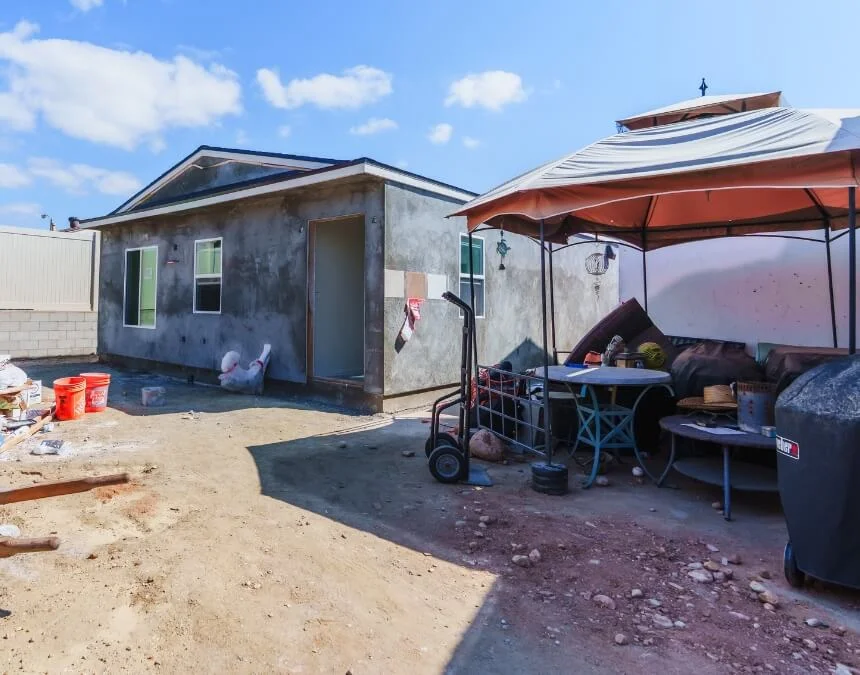
Budget for a supplemental assessment tied to the ADU’s assessed value, and use conservative rental projections when estimating how to cover the additional taxes.
Is HELOC Interest Tax Deductible for an ADU?
Yes, HELOC interest may be deductible when funds buy, build, or substantially improve the home securing the loan, including qualifying ADU construction. Homeowners generally must itemize and meet IRS requirements for qualified home mortgage interest. For acquisition debt subject to the $750,000 limit, that limit generally applies to single filers and married couples filing jointly; the limit is $375,000 for married taxpayers filing separately. Older qualifying debt may follow different limits.
Guidance from Citizens Bank can help explain when HELOC interest may qualify for a deduction, but using funds for an ADU does not automatically establish eligibility. The proceeds must meet applicable property-use requirements, and itemization, combined mortgage-debt limits, and rental-use rules can affect treatment. Keep detailed contracts, invoices, payment records, and evidence tracing borrowed funds to the improvements. These documents support an accurate tax determination and any IRS inquiry, but they do not guarantee deductibility.
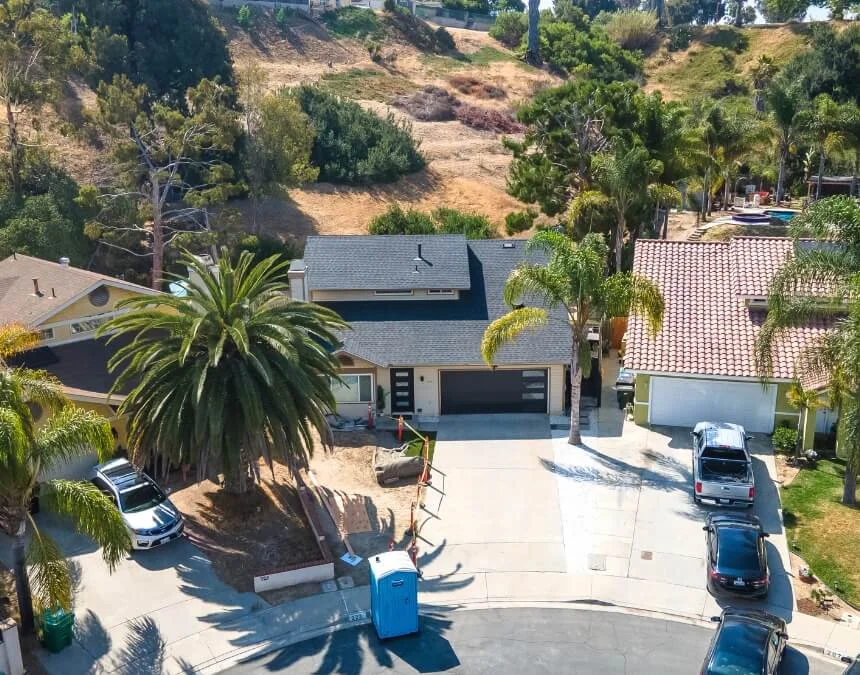
Keep contracts, invoices, permit records, and payment documentation that trace HELOC proceeds to ADU improvements, and confirm the interest’s tax treatment with a qualified adviser.
Can Investors Use a HELOC to Build an ADU?
Yes, real estate investors may use a HELOC to build an ADU, although fewer lenders offer these products for non-owner-occupied properties. Requirements can be stricter: some lenders seek credit scores of 720 or higher and cap combined loan-to-value ratios at 70-75%. These figures are examples, not universal standards. Confirm property eligibility, borrowing limits, pricing, and underwriting requirements directly with prospective lenders before planning construction funding.
For qualifying investors, a HELOC may support an ADU that produces additional rental income, but profitability depends on the complete project budget. In Los Angeles, research comparable studio and one-bedroom rents rather than relying on unverified rental estimates attributed to Uni Construction. Compare expected income with interest-only payments, future principal repayment, taxes, insurance, maintenance, and vacancy allowances to assess cash flow and long-term investment performance before proceeding.
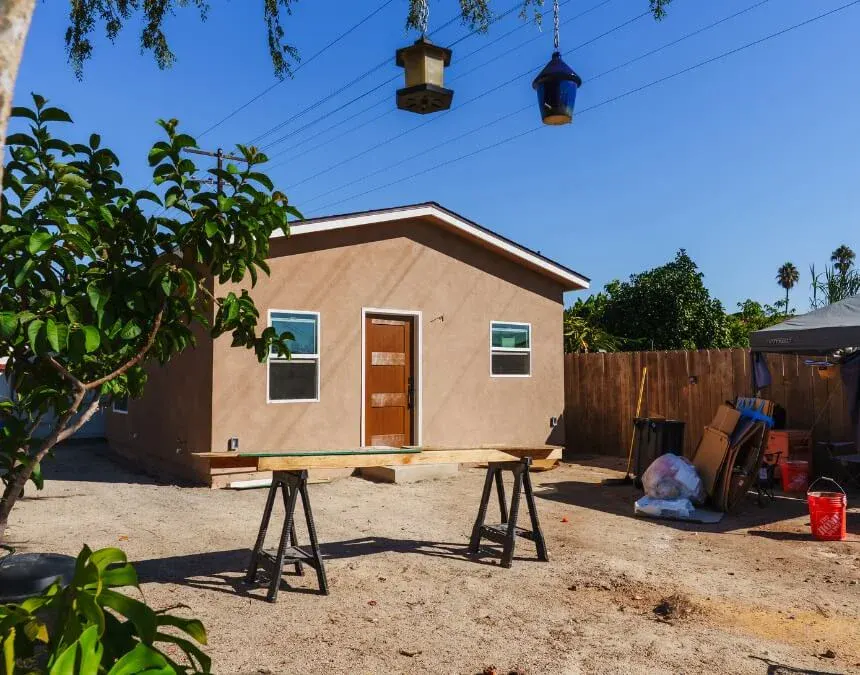
Investors should test conservative rental assumptions against variable-rate HELOC payments, including higher-rate scenarios, to assess whether the ADU can maintain positive cash flow.
ADU Rental Income Potential in Los Angeles
Evaluate the Los Angeles’s ADU rental market with current, comparable listings and recent leasing evidence rather than broad claims about statewide strength. Assess studio, one-bedroom, and two-bedroom units separately, matching location, floor area, condition, amenities, parking, and lease terms. Review Los Angeles’s housing demand alongside competing supply and realistic vacancy assumptions. Confirm lawful rental terms and any applicable rent-stabilization requirements with the relevant housing authority before treating an ADU as an income-producing investment.
ADU investment returns depend on construction costs, financing, rental revenue, vacancies, and operating expenses rather than a standard annual ROI range. Rental income may exceed the HELOC payment during an interest-only draw period, but that difference is not net profit. For example, a fully drawn $200,000 HELOC at 8% interest would require approximately $1,333 per month in interest-only payments. Compare that amount with verified one-bedroom ADU in Los Angeles rental comparables, then subtract taxes, insurance, maintenance, utilities paid by the owner, and vacancy reserves. Also test higher interest rates and principal repayment before assessing the project’s potential contribution to equity and long-term property value.
ADUs for Multigenerational Living (Los Angeles Perspective)
ADUs can offer practical housing and meaningful family benefits through meaningful solutions for multigenerational living in Los Angeles, particularly for adults supporting aging parents or adult children who cannot yet afford a home. Compare current assisted-living quotes with the full cost of an ADU, including financing, maintenance, utilities, accessibility features, and any necessary caregiving. A separate dwelling does not provide the staffing or medical services available in some care facilities, so lower housing costs alone do not establish that it is a suitable or more affordable alternative. (aPlaceforMom)
For Los Angeles homeowners ages 35-65, this comparison can shape important family decisions. An ADU may keep loved ones nearby while preserving independence, but its suitability depends on care needs, accessibility, household preferences, and ongoing expenses. A HELOC-funded project involving ADU builds long-term equity into the property should be evaluated as both a family housing solution and a long-term financial obligation.
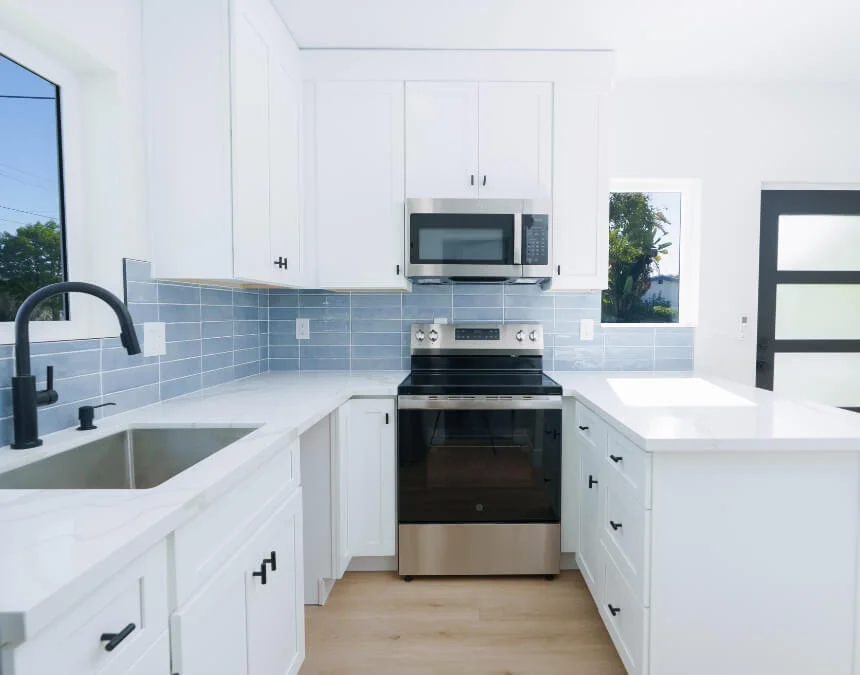
For multigenerational ADUs, consider single-level layouts and wider clearances early in design. Planning for accessibility upfront can avoid costly retrofits later.
HELOC vs Other ADU Financing Options (Brief Comparison)
California homeowners exploring ADU financing should compare multiple loan types rather than assume a HELOC is always the simplest choice. A HELOC offers flexible, draw-as-needed funding, may allow lower initial payments, and preserves the existing first mortgage. Interest may also be deductible when proceeds fund qualifying improvements to the home securing the loan, subject to IRS requirements. Other options may offer fixed payments, different qualification standards, or access to projected completed value. Compare closing costs, interest-rate risk, repayment terms, available equity, and any effect on a low-rate first mortgage before choosing.
Research attributed to Urban Institute’s statewide analysis reports that HELOCs and home-equity loans together account for 56% of mortgage-based ADU financing among surveyed California homeowners. That combined figure does not establish HELOCs’ individual share or suitability for every project.
ADU Financing Options Comparison Table
| Financing Type | Best For | Pros | Cons |
|---|---|---|---|
| HELOC | Homeowners with sufficient equity who want flexible borrowing | Flexible draws; possible interest-only payments; preserves the first-mortgage rate; interest may be deductible if eligible | Typically variable rates; payments can rise; tax treatment depends on eligibility |
| Home Equity Loan | Homeowners who prefer a fixed-rate second mortgage | Predictable payments with a fixed-rate loan | Full repayment typically begins immediately, potentially increasing construction-period payments |
| Cash-Out Refinance | Homeowners who want to replace their mortgage and access equity | One consolidated loan; opportunity to secure a different rate | Replaces the existing mortgage; a higher rate and closing costs may outweigh benefits |
| Construction Loan | Homeowners who need financing based on future property value | May allow borrowing against the after-construction appraised value | More complex underwriting; potential for higher fees; lender-controlled draws and inspections |
Final Thoughts
Financing Building an ADU in Los Angeles requires matching the project budget with available equity, lender requirements, and long-term repayment capacity. Research grouping HELOCs and home-equity loans together as 56% of mortgage-based ADU financing illustrates their role, but does not establish HELOCs as the single leading method. As California expands ADU opportunities, verify current development trends through official housing data and evaluate whether a project supports rental income, family housing, or property-value goals without relying on guaranteed appreciation or returns.
In Los Angeles, compare current ADU rental listings and leasing evidence with the proposed HELOC payment, operating costs, and vacancy reserves. Rent may help service the debt, but it does not guarantee that the ADU will pay for itself or produce positive long-term returns.
If you’re a Los Angeles homeowner considering an ADU, explore HELOC terms alongside your equity position, budget, and repayment capacity. An ADU builder such as Uni Construction can assess construction feasibility, while a qualified financing specialist can explain borrowing limits. Together, those assessments can help align the proposed unit with your property and goals.
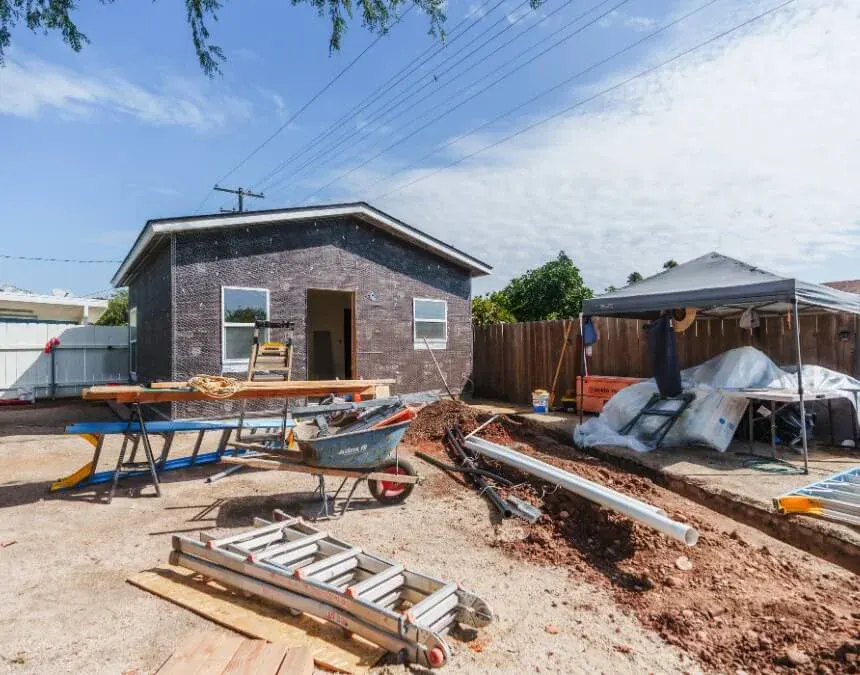
If your lot supports an ADU, pursue long-term value by pairing manageable financing with a design informed by neighborhood demand and realistic rental expectations.
Frequently Asked Questions
Yes. A HELOC can fund ADU design, permitting, and construction, subject to lender terms. The property securing the loan matters separately for potential interest deductibility. Urban Institute research reports that HELOCs and home-equity loans together account for 56% of mortgage-based ADU financing among surveyed California homeowners, not that HELOCs alone hold that share.
A HELOC can be a flexible way to finance an ADU, but the best choice depends on equity, costs, and repayment capacity. Some products offer interest-only payments during a 5-10-year draw period and preserve an existing low-rate first mortgage. Compare variable-rate risk, fees, and alternatives before choosing.
Monthly payments depend on the interest rate, outstanding balance, and repayment phase. Using an illustrative 7.81% annual rate, a fully drawn $100,000 HELOC would require approximately $651 per month in interest-only payments. The calculation is $100,000 × 0.0781 ÷ 12. Actual rates vary, and principal repayment would increase the payment.
A HELOC can be worthwhile for some homeowners, but available credit must be compared with property-specific ADU costs and conservative rental projections. It preserves the existing first-mortgage rate, which may be valuable, while adding a separate debt obligation. Evaluate variable-rate exposure, operating expenses, and eventual principal repayment before proceeding.
Potentially. Some lenders allow combined borrowing of 75-85% of the home’s value, while certain primary-residence products permit 80-90%, less existing secured debt. Approval depends on underwriting. Interest may be deductible when funds buy, build, or substantially improve the home securing the loan, including qualifying ADU construction, but IRS eligibility and lender approval are separate determinations.