

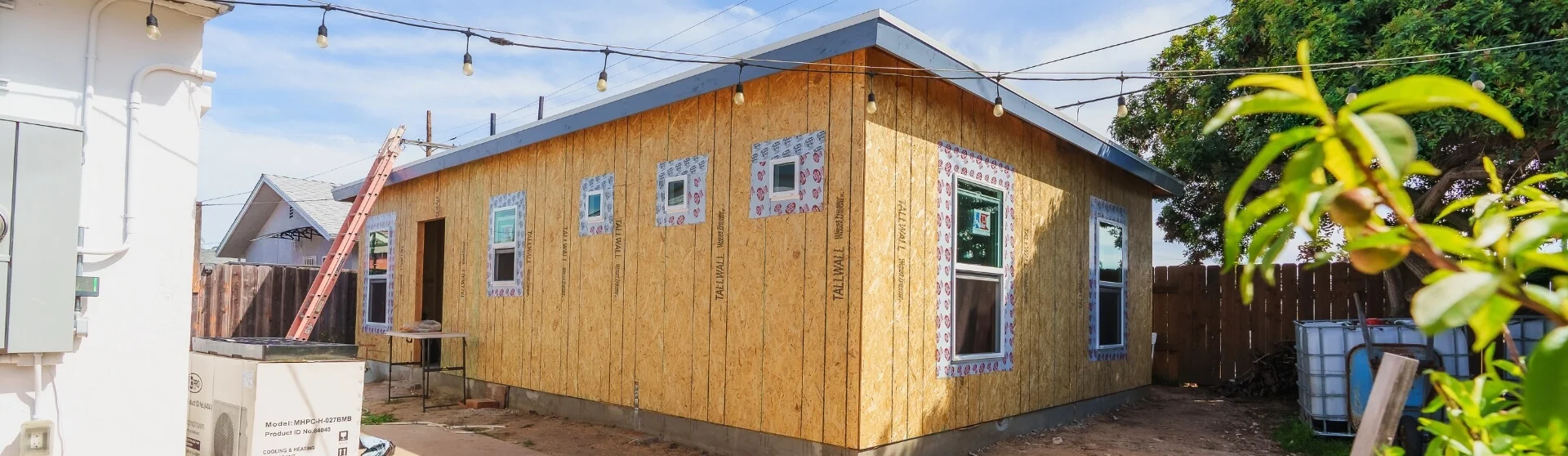
Understanding ADU Permits
What is an ADU and Why Are They Important?
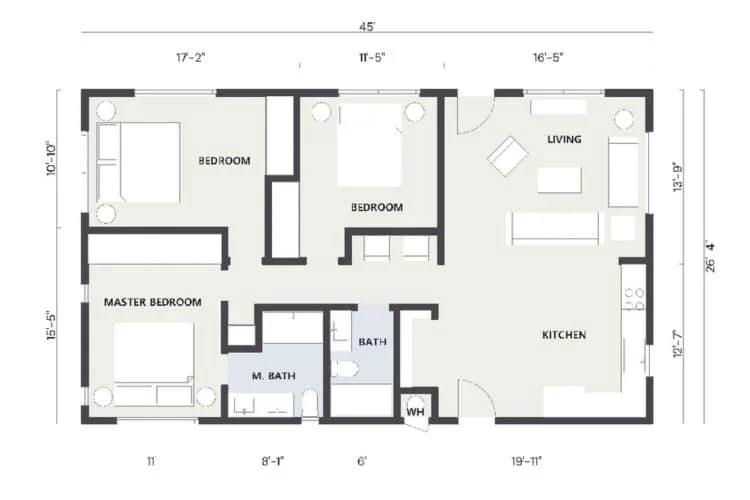
An ADU (Accessory Dwelling Unit) is a secondary residential unit on a lot with a primary residence that provides complete, independent living facilities. It can offer additional housing, living space, or rental income. Commonly called granny flats or in-law units, ADUs support California’s housing strategy through flexible options such as detached construction and garage conversions. Junior ADUs are a related housing option with distinct size, occupancy, and facility requirements.
- ADUs are also called granny flats or in-law units
- They provide flexible housing and potential rental income
- They can accommodate family members, guests, or long-term tenants
ADUs play an important role in addressing the addressing California’s housing housing shortage:
- Check California’s official housing data for ADU permits issued through 2022 (The Dwelling Index)
- Confirm the reporting year and whether ADU housing shares measure permits or completed units (The Dwelling Index)
- Compare consistent statewide datasets when assessing ADU permitting growth from 2016 to 2022 (The Dwelling Index)
ADUs can expand housing options by adding independent living space to existing residential properties. (California ADU Handbook)
Why Do You Need an ADU Permit?
An ADU permit process involving ADU permit is required helps establish compliance with applicable zoning laws, building codes, and safety regulations before construction begins. Final inspections and any required occupancy authorization follow construction. Reviews may cover building plans, land use, and residential site conditions, depending on the jurisdiction. Together, these checks evaluate whether architectural plans meet applicable site-specific requirements and California building standards.
- Required for lawful construction and authorized occupancy
- Includes plan review, permit fees, inspections, and approvals
- Verifies compliance with structural, electrical, plumbing, and fire safety requirements, including the California Energy Code
- Helps prevent costly complications during construction, resale, or future property taxes adjustments
Without proper approvals, homeowners risk enforcement action, delays, and complications when renting or selling an ADU. California generally requires qualifying, complete ADU applications to be approved or denied within 60 days, subject to statutory conditions and exceptions. Confirm how this deadline applies when planning for ADU fees, building permit fees, and construction approvals.
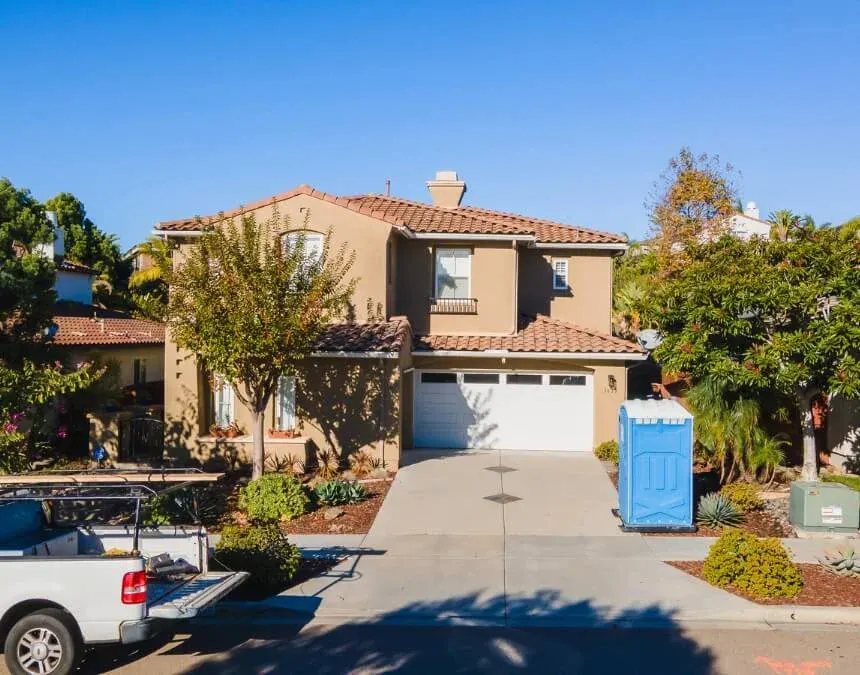
Review zoning and plan requirements early in your ADU project to reduce the risk of costly redesigns.
Impact-fee threshold note: Under the March 2026 California HCD ADU Handbook, the statewide development-impact-fee exemption includes ADUs with 750 sq ft of interior livable space or less. Above 750 sq ft, applicable impact fees must be proportional. School, utility, plan-check and permit charges follow separate rules.
What Factors Influence ADU Permit Costs?
Why Do ADU Permit Costs Vary by City?
ADU permit costs vary by jurisdiction because local agencies apply different fee schedules, infrastructure requirements, and development policies within state-law limits. Costs may reflect site-specific zoning conditions, reviewing agencies, and infrastructure needs involving utilities, roads, or public services. Coastal requirements, site constraints, and existing utility capacity can also affect the budget. Confirm applicable charges directly with the permitting jurisdiction and service providers rather than relying on estimates from nearby cities.
- Request an itemized fee estimate using the project’s size, valuation, and applicable square foot
- Confirm whether school fees, park-related charges, or other impact fees apply under current exemptions
- Check whether Coastal zones or special districts assess separate water, sewer, utility, or development charges
Compare official fee estimates across jurisdictions rather than assuming nearby properties have similar permit costs. (VerifiedADU)
How Size and Type Affect Permit Costs
Project size and ADU size and construction type are important cost drivers, affecting both hard costs, such as construction, and soft costs, such as design and approvals. Larger units may require additional plan review, inspections, or infrastructure improvements. However, actual permitting expenses depend on the jurisdiction’s fee schedule, the project’s valuation, and applicable exemptions.
- Larger ADUs may involve higher review fees, site preparation costs, and utility demands
- New construction can require more extensive approvals and infrastructure work than a conversion
- Garage conversions may reduce costs, but structural repairs, code upgrades, and utility improvements can offset savings
Confirm the permit-fee share of your budget using an itemized project estimate. (ADUPlanet)
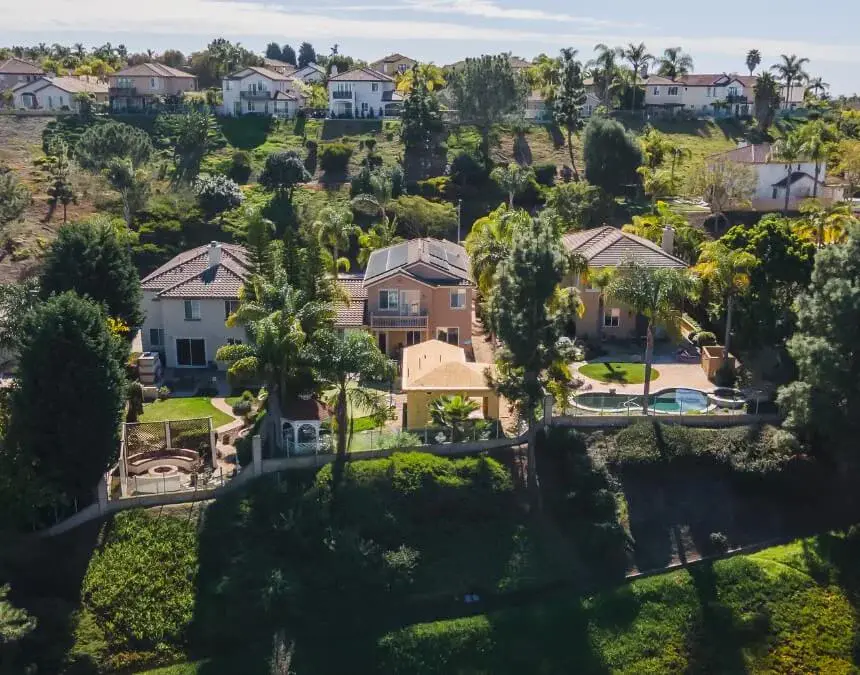
Location, zoning, and infrastructure access affect permit costs. Fees can vary significantly even between nearby properties.
ADU Permit Costs by California City (Comparison Table)
Key Takeaways
- Similar ADU projects can face different fees across jurisdictions because application requirements, fee schedules, and reviewing agencies vary.
- Do not assume larger or denser cities, including Los Angeles, always charge more. Verify any fire, transportation, or infrastructure-related charges and applicable exemptions.
- Smaller or inland jurisdictions do not necessarily offer lower costs or simpler reviews. Request project-specific estimates before comparing locations.
- California law generally exempts ADUs 750 sq ft or less from statutory impact fees. School fees, utility charges, and other assessments require separate analysis under applicable rules. (Uni Construction)
These differences make it essential to understand local fee schedules, including permit issuance charges, while budgeting separately for architectural services and an ADU project involving ADU project in California.
Compare official estimates for ADU permit costs across major California cities to give homeowners to understand how project requirements and pricing differ by jurisdiction:
| City | Permit Cost Guidance | Notes |
|---|---|---|
| Los Angeles | Request a detached-ADU fee estimate | Separate impact fees from plan-check, permit, and utility charges |
| Los Angeles | Request a conversion-specific estimate | Existing conditions, scope, and valuation affect applicable charges |
| San Francisco | Confirm current city fee schedules | Review building, planning, and utility charges for the site |
| San Jose | Request an itemized project estimate | Confirm any applicable ADU fee exemptions or reductions |
| Sacramento | Check fees against project scope | Valuation and required reviews affect the total |
| Oakland | Confirm site-specific charges | Identify applicable planning, building, and infrastructure fees |
| Long Beach | Request an estimate for the proposed ADU | Size, construction type, and utility work affect charges |
| Fresno | Review current permit fee schedules | Confirm plan-check, inspection, and other applicable charges |
| Anaheim / Santa Ana | Obtain an estimate from the applicable city | Confirm fees based on size, scope, and utility requirements |
Full Breakdown of ADU Permit Fees
What Fees Are Included in an ADU Permit?
ADU permit costs include charges for plan review, inspections, and compliance with applicable zoning and building regulations. Keep regulatory fees separate from professional soft costs, such as architectural design and construction drawings, when preparing your budget. Charges may depend on project size, complexity, and construction valuation. Confirm whether energy compliance documentation, CALGreen review, engineering, and other agency requirements generate separate professional expenses or permit fees.
Key Fees:
- Building permit: Request a valuation-based estimate from the permitting authority. (GatherADU)
- Plan review fees: Confirm charges for architectural and engineering review, building plan checks, and compliance verification
- Zoning review: Ask whether separate planning approvals or fees apply to your project
- School and park-related fees: Verify applicable thresholds, exemptions, and assessments with the school district and municipal agencies
- Utility connection fees: Confirm water, sewer, electrical, and any permitted gas-service charges, including capacity fees and applicable surcharges
Ask the permitting authority how project valuation affects the building permit fee. (GatherADU)
What Are Impact Fees for ADUs?
Impact fees help fund public infrastructure, such as parks and transportation facilities, associated with new development. School fees and utility capacity or connection charges may follow separate legal rules and should not automatically be treated as the same category. These assessments can affect an ADU budget, but California law provides exemptions and limits. Request an itemized explanation of each charge and its statutory basis.
- ADUs 750 sq ft or less are generally exempt from statutory impact fees
- Impact fees for larger ADUs are generally proportional to the primary dwelling’s size
- Confirm school fees and utility charges separately with the responsible agencies
Identify applicable impact-fee exemptions before finalizing your ADU design and budget. (Reddit)
Planning Designing your ADU strategically, including considering an ADU 750 sq ft or less, can reduce eligible impact fees and overall permitting expenses. Confirm which charges remain payable before estimating savings, project cash flow, or affordability.
ADU Permit Fee Breakdown Table
| Fee Type | Cost Guidance | What It Covers |
|---|---|---|
| Building Permit | Request a project-specific estimate | Construction authorization and applicable inspections |
| Plan Check Fees | Confirm required reviews and charges | Review of architectural, structural, and other required plans |
| Zoning Permit | Confirm applicable planning charges | Zoning compliance and any required land-use review |
| Impact Fees (School/Park) | ADUs 750 sq ft or less are exempt from impact fees; school fees follow separate rules | Eligible public-facility charges, distinct from permit and plan-check fees |
| Utility Connection Fees | Obtain provider-specific assessments | Required water, sewer, electrical, or gas connections and upgrades |
How to Avoid or Reduce ADU Permit Fees
What ADU Size Qualifies for Fee Waivers?
California law generally exempts ADUs 750 sq ft or less from statutory impact fees, making unit size an important budgeting consideration. A smaller design may reduce development-related expenses, but it does not eliminate every charge. Review school fees, utility connection and capacity charges, plan review fees, and building permit costs separately with the responsible agencies.
- 750 sq ft or less: generally exempt from statutory impact fees
- At or below 500 sq ft: verify applicable school-fee rules with the school district
- Smaller ADUs may reduce construction expenses, but building plan review fees depend on local schedules
Calculate potential savings 750 sq ft or less using your jurisdiction’s applicable fee schedule. (Reddit)
ADU sizing is therefore an important early decision when managing project expenses, particularly when preparing a project-specific permit fee estimate worksheet that includes ADU Fee Estimator or Building.
Los Angeles ADU Fee Waiver Programs
Check with the permitting jurisdiction for Los Angeles has implemented programs and policies that may reduce ADU costs, support housing development, or improve affordability.
Some programs may waive:
- Plan review fees
- Permit fees
- Inspection costs
Eligibility may depend on:
- Homeowner income level
- ADU size
- Intended use, such as affordable housing or long-term rental
Where available, these programs may make ADU construction more accessible. Funding, eligibility, and covered expenses vary, so confirm current requirements with the responsible agencies and local building and planning staff before incorporating savings into your budget.
How SB 13 Reduces ADU Costs
California Senate Bill 13 helped establish ADU fee protections. Consult current state law and HCD guidance for the rules that apply today.
- Generally exempts ADUs 750 sq ft or less from statutory impact fees
- Generally limits impact fees for larger ADUs to proportional amounts
- Provides part of the framework for ADU permitting and fee protections
These protections support broader efforts to increase housing supply and improve affordability across California. Homeowners should review current law, rather than relying solely on SB 13 summaries, and investigate options such as locally accepted standard plans. Any savings depend on the project, applicable fees, and required site-specific review.
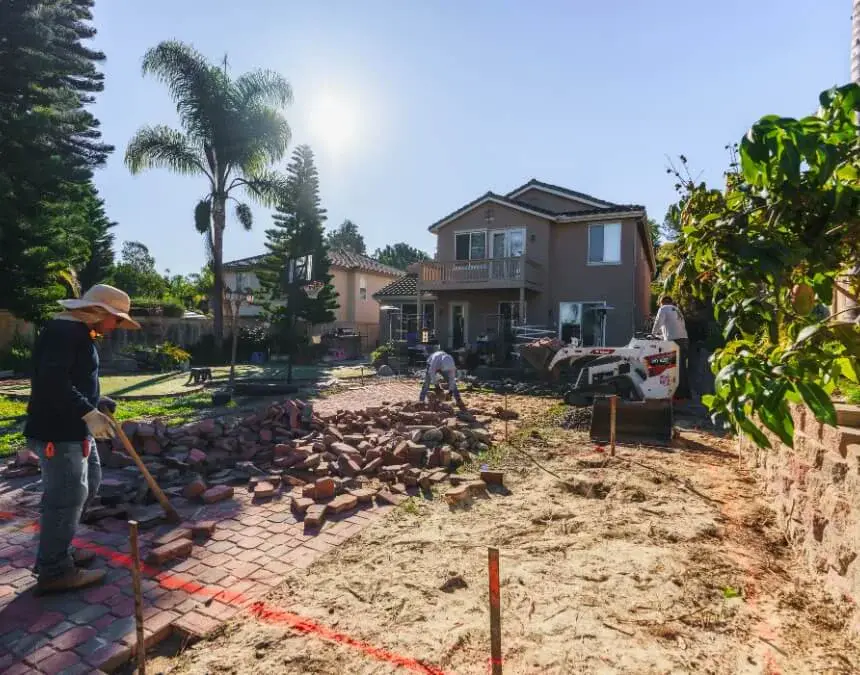
Early decisions about size and layout affect fees. Evaluate your options before submitting a permit application.
ADU Types and Their Permit Cost Differences
New Construction ADUs
New construction ADUs, particularly detached units, can involve substantial permit costs associated with costs because they require, comprehensive plan reviews, inspections, and utility connections. These projects may also require engineering and consulting services, utility coordination, and documentation demonstrating compliance with current energy, structural, and fire safety requirements.
- Compare permit costs across compared to other ADU types using official estimates
- Confirm building, zoning, utility, and any required fire review, including California Energy Fee requirements
- Account for engineering requirements and construction inspections
- For projects in Los Angeles, request a current estimate based on size, valuation, and complexity
These expenses reflect the work required to construct a new building, including HVAC, plumbing, water service, and electrical systems. Each system may involve additional design documentation, inspections, utility coordination, and associated fees.
Garage Conversion ADUs (Cheapest Option)
Conversions involving Garage conversions are typically the lowest-cost ADU option may reduce construction and permit-related expenses by reusing an existing structure. However, existing walls, foundations, roofs, and utility systems still require evaluation. Structural upgrades, moisture protection, insulation, interior finishes, and code compliance can affect both costs and inspections, so fewer approvals or lower expenses should not be assumed.
- Permit cost ≈ $1,500-$3,000
Lower fees due to:
- May avoid adding square footage
- May reduce new structural construction
- May qualify for specific zoning or utility-charge protections
Garage conversions may reduce construction costs, but structural repairs and utility upgrades can change the budget. (Maison Remodeling)
Garage conversions can appeal to homeowners seeking additional living space or rental potential without constructing an entirely new building. Compare site conditions, upgrade requirements, and financing needs before assuming lower upfront costs or less reliance on Construction Loans.
Pre-Approved ADU Plans
Pre-approved or pre-reviewed ADU plans are standardized plans reviewed under a jurisdiction’s established program. Los Angeles offers an ADU Standard Plan Program, but using a listed plan does not eliminate site-specific review. Confirm the plan’s scope, compatibility with your lot, required adaptations, and any separate approvals for manufactured units.
- Previously reviewed designs may reduce repetitive plan review
- Ask whether reduced plan review fees apply
- Site conditions and design changes can still require revisions
Standard plans may help reduce repetitive design work and make some costs more predictable. Confirm acceptance with the actual permitting jurisdiction, whether Los Angeles, Diamond Bar, or Pomona, and identify all remaining site-specific, utility, and agency approvals.
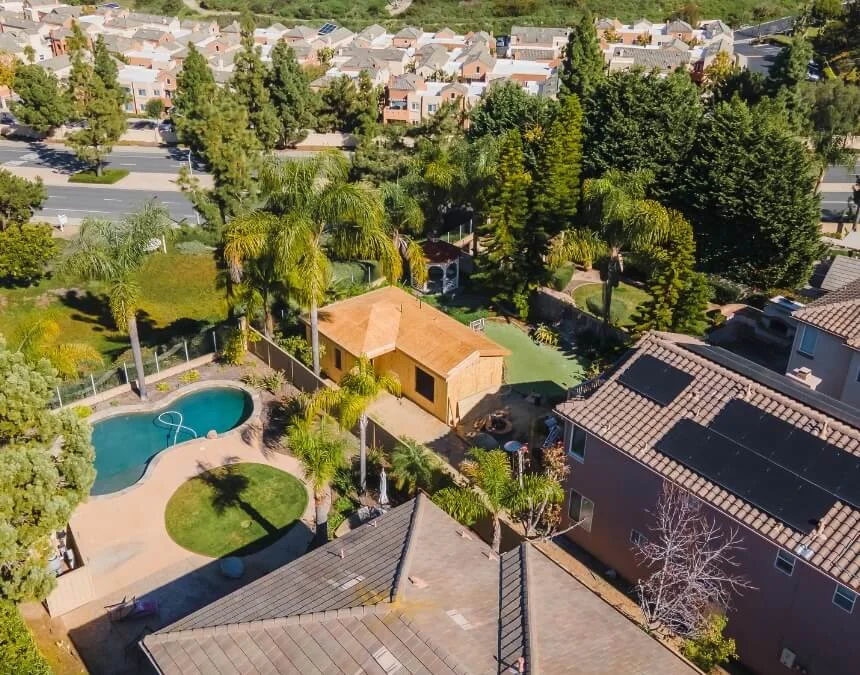
Detached ADUs may require extensive infrastructure work and plan review. Account for these requirements when comparing construction options.
Hidden ADU Permit Costs Homeowners Miss
What Extra Fees Should You Expect?
Beyond standard permit fees, ADU projects can involve additional expenses that materially affect the budget. These costs often relate to utility infrastructure, fire safety, site conditions, or separate agency requirements. Because they may not appear in an initial permit estimate, identify the responsible agencies and request written guidance early in planning.
• Utility connections: Water, sewer, electrical, and any permitted gas-service work may involve service, capacity, meter, or connection charges. Confirm requirements with each provider.
• Fire safety costs: Confirm applicable access, water supply, fire-hazard, and sprinkler requirements. A 750 sq ft threshold does not establish a universal fire-fee rule.
• Coastal review costs: Check whether coastal permits or other approvals apply to the specific property.
• Environmental review costs: Ask the planning authority whether an exemption applies or additional review is necessary. Confirm building-related requirements separately with the Los Angeles Department of Building and Safety.
Build a project-specific contingency for additional fees and infrastructure work rather than assuming a fixed percentage. (VerifiedADU)
Request an itemized estimate that distinguishes permit charges from utility, agency, and construction expenses. (GatherADU)
Identifying these expenses early, through a planning tools like an Estimate ADU fees and costs worksheet or direct consultation with the responsible agencies, supports more accurate budgeting. Include assumptions, exclusions, and potential infrastructure upgrades to reduce financial surprises during permitting and construction.
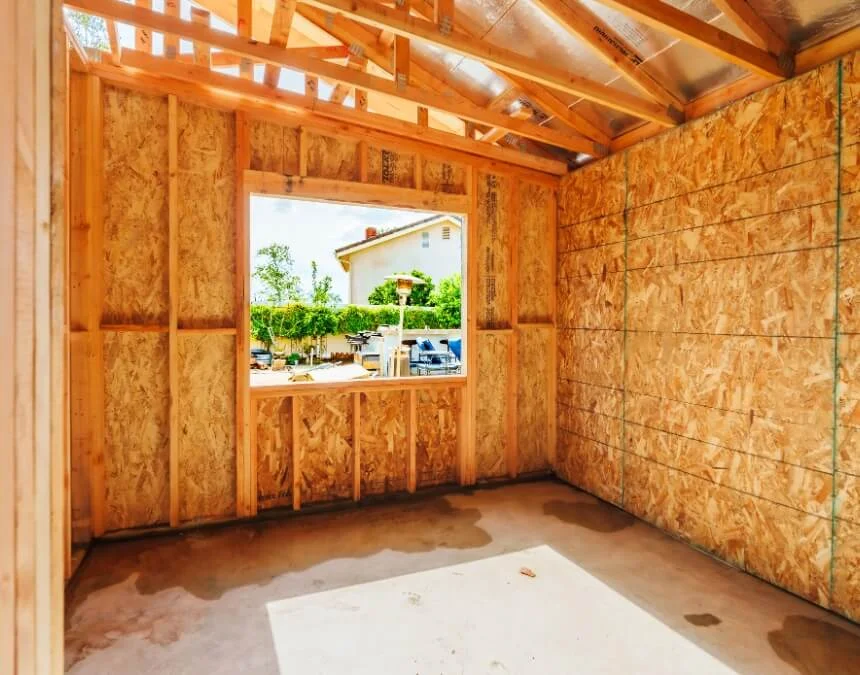
Budget for utility connections and infrastructure upgrades early, as these expenses are easy to overlook.
How Long Does It Take to Get an ADU Permit?
ADU permitting timelines depend on project complexity, application completeness, and required agency coordination. Ask the permitting jurisdiction for current processing expectations rather than relying on a statewide month range. Statutory decision deadlines for qualifying applications are distinct from the total time needed for design, corrections, permits, and construction.
- Confirm when California law requires a 60-day review period for ADU applications qualify as complete and which statutory deadlines apply
- Submit accurate plans and all required compliance documents to reduce avoidable review cycles
- Use the jurisdiction’s approved digital submission process and coordinate any separate agency reviews
Common causes of delays include:
- Missing or incomplete documentation, including plan details and compliance forms
- Unresolved setbacks, height limits, or other site-specific zoning requirements
- Plan errors or required revisions identified during fire review, utility coordination, or other agency checks
Careful planning and complete submissions are among the most effective ways to reduce avoidable delays. Coordinate early with local building and planning staff, confirm review requirements, and respond promptly to correction notices to keep the project moving.
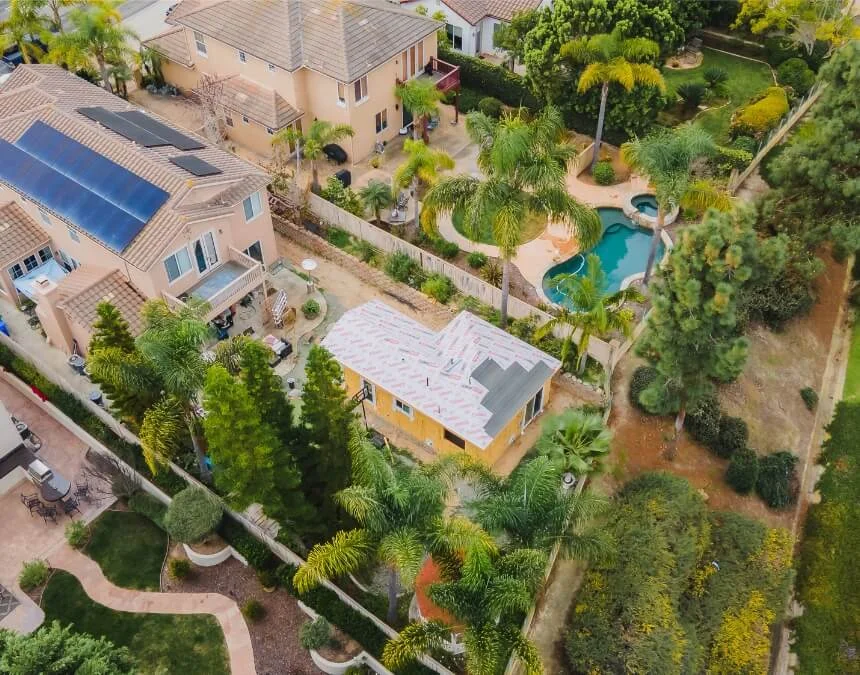
Complete submissions support timely review. Errors, missing documents, and unresolved site conditions can extend the overall permitting process.
Common ADU Permit Challenges
Key Issues:
Homeowners may encounter several challenges during ADU permitting that increase costs, delay review, or prevent approval if left unresolved. Problems often emerge during plan checks or coordination among reviewing agencies. Identifying documentation requirements, site constraints, and applicable state-law protections early can reduce unnecessary revisions and uncertainty.
- Documentation errors: Missing or incorrect project valuations, site plans, or energy compliance documents can delay review. Check that forms, drawings, and calculations are complete, accurate, and consistent before submitting them.
- Zoning conflicts involving setbacks or height limits: Confirm applicable local standards alongside state ADU protections. If a design appears noncompliant, ask whether revisions or a lawful exception apply before assuming homeowners may need requires a variance. Qualifying ADUs may be entitled to ministerial approval.
- Incomplete submissions: Missing plans or supporting documents can prevent an application from being deemed complete. Ask the jurisdiction for its checklist and an explanation of any deficiencies, then address all requested corrections promptly.
Addressing these issues early with qualified professionals can reduce trial-and-error revisions and costly setbacks. Homeowners contributing their own work should still confirm documentation, design, and licensing requirements rather than assuming a sweat-equity approach will simplify permitting.
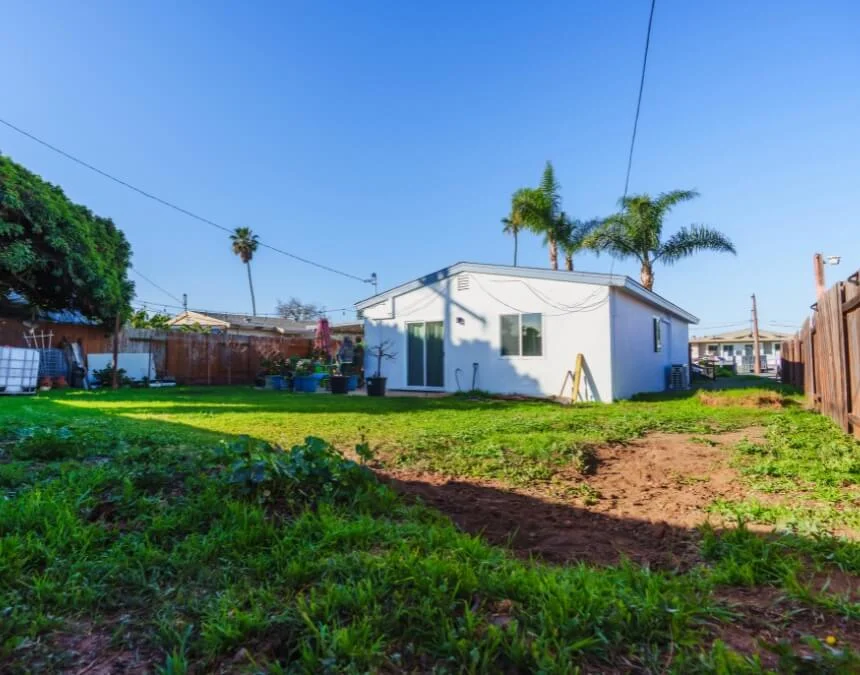
Tight lots and setback requirements can complicate design. Verify applicable local standards and state ADU protections before finalizing plans.
Cost-Saving Strategies for ADU Permits
What Is the Cheapest Way to Build an ADU?
A garage conversion, an ADU under 750 sq ft, or a locally accepted standard plan may help reduce costs. However, the least expensive approach depends on existing structural conditions, utility capacity, site constraints, and review requirements. Compare project-specific estimates rather than assuming these strategies always work together or guarantee savings.
Proven Strategies:
-
Build under 750 sq ft
→ May eliminate statutory impact fees under California law; confirm remaining school, utility, and permit charges with the responsible agencies
-
Consider a garage conversion
→ May reduce new construction work, but confirm structural repairs, required upgrades, and permit costs before assuming savings
-
Explore locally accepted standard plans
→ May reduce repetitive design review, but site-specific approvals, plan adaptations, and associated fees still apply
-
Submit complete documentation
→ Reduces avoidable review cycles caused by missing documents, inconsistent drawings, or errors, without guaranteeing a particular approval date
Combining suitable strategies may reduce upfront permit expenses and overall construction costs. Confirm each option’s eligibility, practical limitations, and estimated savings with the permitting authority and your project team before finalizing the budget.
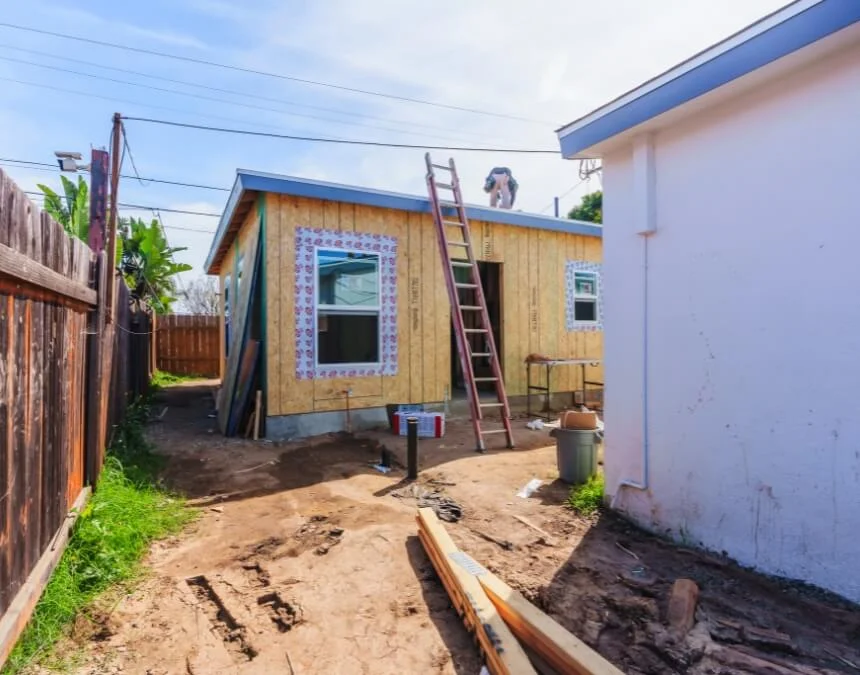
An ADU 750 sq ft or less generally qualifies for statutory impact-fee exemptions, but other permit, school, and utility charges may remain.
Total ADU Project Costs
Understanding total ADU costs puts permit fees in perspective because approvals represent only one component of the investment. ADU budgets vary with size, construction type, materials, labor, and site conditions. Compare estimates that clearly separate construction, professional services, agency fees, and contingency allowances.
- Request a current, itemized construction estimate based on your ADU’s scope and site conditions. (Maison Remodeling)
- Calculate permit fees from applicable agency schedules rather than assuming a fixed budget percentage. (ADUPlanet)
- Obtain separate architectural, engineering, and design proposals that define deliverables and revision allowances
Careful planning is essential because permit fees interact with design, construction, and infrastructure decisions. Even when fees represent a relatively small share of the budget, lawful exemptions and efficient design can produce savings. Evaluate those savings against the project’s overall functionality and long-term use.
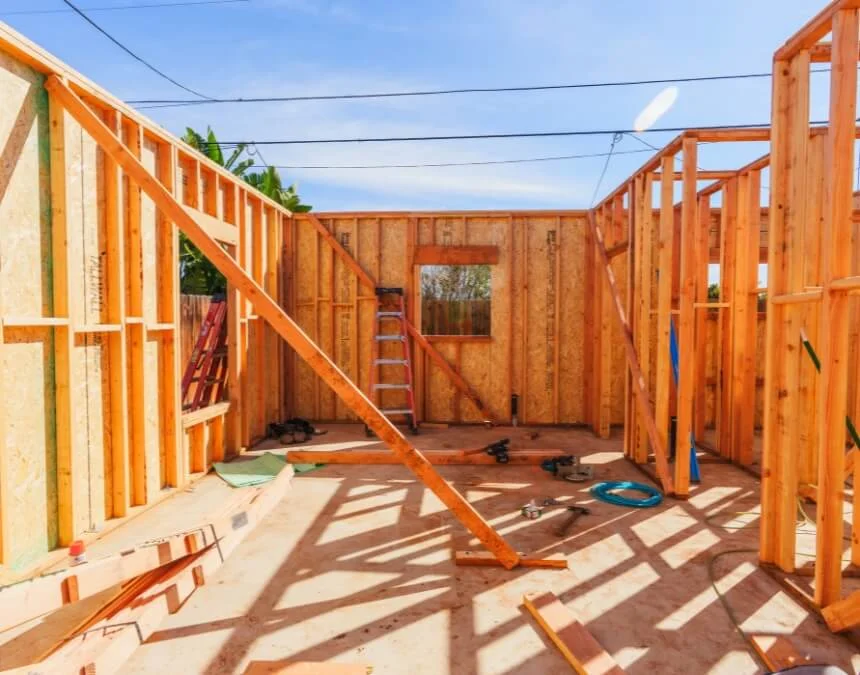
Framing, utilities, and finishes can drive major expenses. Evaluate permit fees within a complete, itemized ADU budget.
Are ADU Permit Fees Worth It?
ROI and Long-Term Value
ADUs can support long-term financial goals by adding usable housing, potentially increasing property value, and creating rental opportunities. However, returns depend on construction costs, financing, local demand, operating expenses, and applicable rental rules. Evaluate a property-specific financial projection rather than assuming future income will outweigh the initial investment.
- Ask a qualified appraiser how an ADU may affect your property’s value. (Golden Yards)
- Estimate rental income using comparable lawful rentals, vacancy assumptions, and operating expenses. (Golden Yards)
Beyond potential financial benefits, ADUs offer flexibility for family housing, guest accommodations, and changing household needs. Fee protections and streamlined permitting may improve feasibility, but savings and returns vary. In Los Angeles, confirm property-specific rent-stabilization requirements with the Housing Department before setting rental assumptions or making leasing decisions.
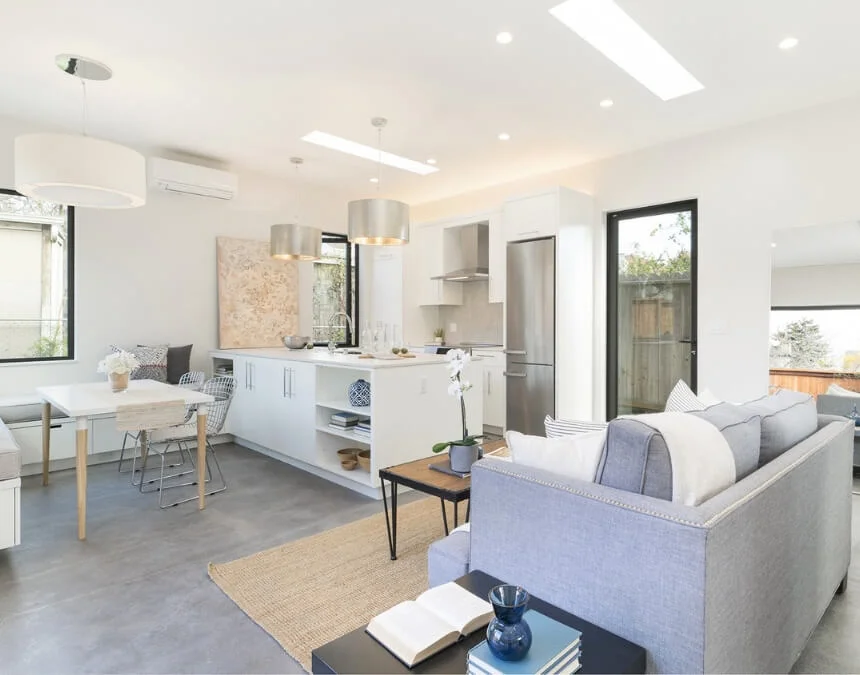
Durable finishes and functional interior design can support livability and rental appeal, but they do not guarantee higher returns.
Conclusion: Understanding ADU Permit Costs in California
California ADU permit costs vary by jurisdiction, project type, size, valuation, and required reviews. Obtain current, itemized estimates instead of relying on a universal price range. Potential savings include statutory impact-fee exemptions for units 750 sq ft or less, suitable ADU types such as garage conversions, and complete applications that reduce avoidable revision cycles.
An ADU is both a significant upfront expense and a potential long-term asset. Evaluate possible property-value changes and rental income through local comparables, professional advice, and realistic expense assumptions. (Golden Yards) California’s ADU policies may improve project feasibility, but they do not guarantee approval, appreciation, rental demand, or a positive financial return.
Ready to Build Your ADU in California?
Understanding permit fees, local regulations, and potential savings can be challenging. Start with official requirements and project-specific professional guidance.
Contact Uni Construction about planning California homeowners design, permitting, and construction. Uni Construction is a DBA of Orep Development Inc., license 1026926, led by CEO Min Kang. Confirm the proposed scope, responsibilities, and fees before proceeding.
Get a free consultation today to:
- Obtain a project-specific estimate of ADU permit costs
- Verify available fee exemptions with the correct jurisdiction, including Los Angeles or Los Angeles
- Compare practical, cost-conscious ADU options for your property
Start planning your ADU with confidence. Contact Uni Construction to discuss your project.
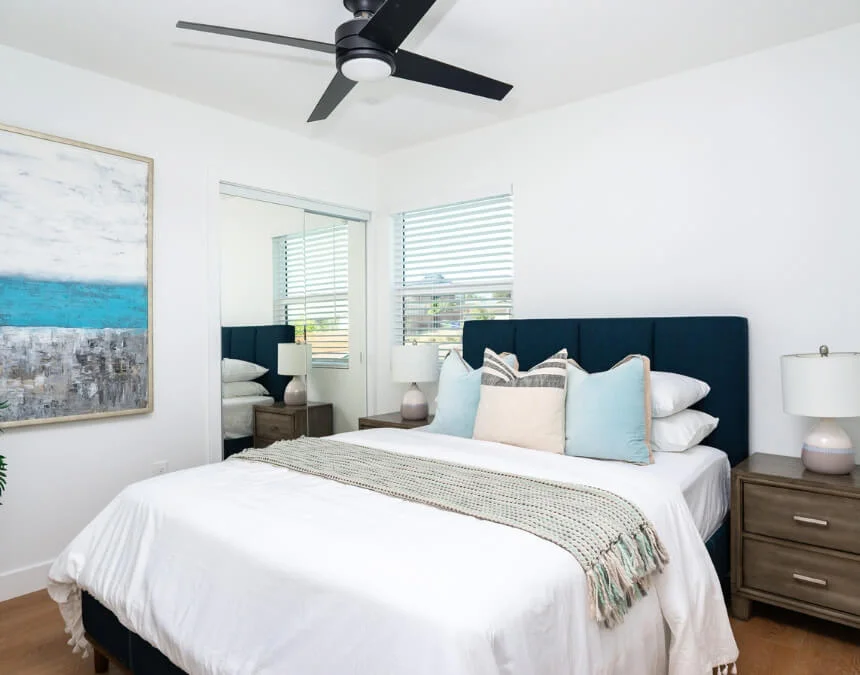
A well-planned ADU balances permit compliance, livability, budget, and long-term property goals.
Frequently Asked Questions
Converting a suitable existing structure, keeping an ADU 750 sq ft or less, and using locally accepted standard plans may reduce expenses. These options do not guarantee the lowest cost or faster approval. Compare structural conditions, utility requirements, site-specific reviews, and applicable fees before selecting an approach.
ADU permit costs vary across California and should be confirmed with the actual permitting jurisdiction. For Los Angeles, request current building and plan review estimates from the Department of Building and Safety, then verify separate planning, school, utility, and other agency charges. Diamond Bar and Pomona require their own jurisdiction-specific checks.
The CalHFA ADU Grant Program has offered up to $40,000 for eligible predevelopment expenses, including plans, permits, and fees. Do not assume funding is currently available. Check CalHFA’s official program information for current allocations, application status, eligibility rules, participating entities, and covered costs before including a grant in your budget.
ADU permitting time depends on application completeness, project requirements, and agency coordination. California generally requires qualifying, complete applications to be approved or denied within 60 days, subject to statutory conditions and exceptions. This deadline is not a guarantee of permit issuance or a complete project timeline.
ADU permit costs are influenced by:
- Permitting jurisdiction and applicable local regulations
- ADU size and square footage
- Project type, such as new construction or conversion
- Construction valuation
- Utility needs, site constraints, and coastal requirements
Fees can differ substantially between neighboring jurisdictions. Compare current, itemized estimates for the same project scope.
Common hidden ADU permit costs include:
- Utility connection and capacity charges for water, sewer, and electricity
- Statutory impact fees, generally exempt 750 sq ft or less; school fees require separate review
- Applicable fire safety and inspection charges
- Any required environmental or coastal review fees
Additional agency charges and infrastructure work can increase the budget. Use project-specific estimates and a contingency rather than assuming a standard percentage.