

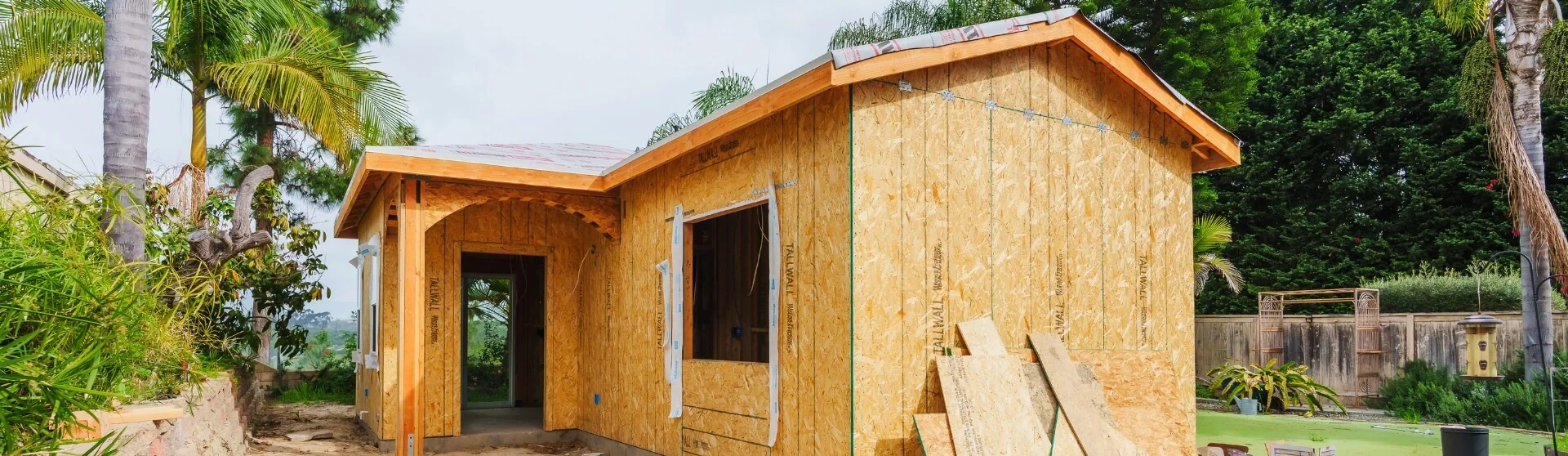
Why Do ADU Costs Vary So Much?
No two ADU projects are exactly alike. Final costs depend on existing property conditions, the type of ADU being built, and the project’s level of customization. Common factors that influence ADU costs include:
- ADU size and square footage
- Detached ADU versus conversion projects
- Site preparation requirements
- Utility and infrastructure upgrades
- Architectural and engineering services
- Permit and development fees
- Material and finish selections
- California Title 24 energy compliance requirements
Because every property has unique conditions, homeowners should treat statewide averages as planning benchmarks, not guaranteed project costs.
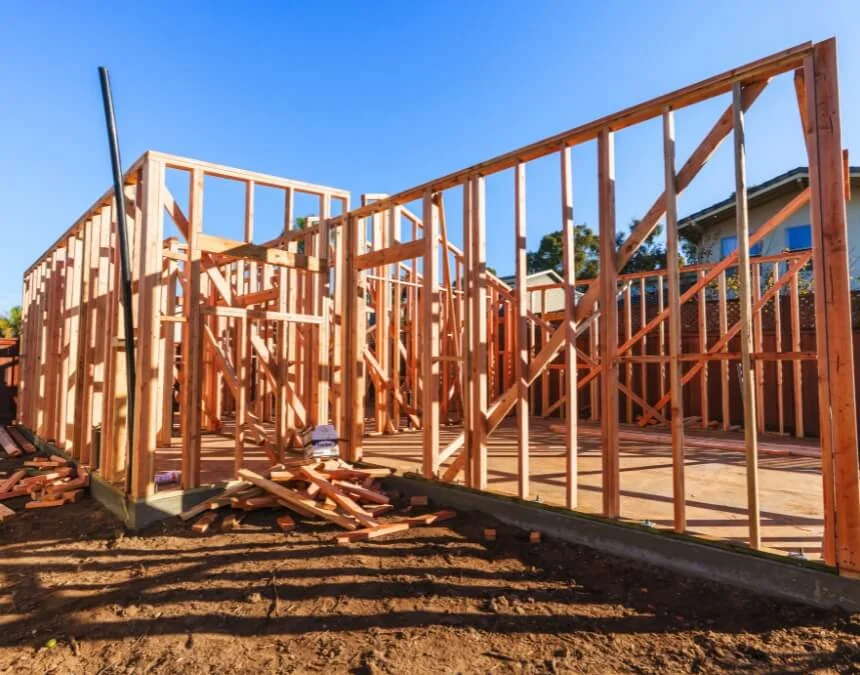
Site preparation, utility upgrades, design complexity, and local requirements can significantly affect the final project budget.
Impact-fee threshold note: Under the March 2026 California HCD ADU Handbook, the statewide development-impact-fee exemption includes ADUs with 750 sq ft of interior livable space or less. Above 750 sq ft, applicable impact fees must be proportional. School, utility, plan-check and permit charges follow separate rules.
Key ADU Cost Statistics for California Homeowners
The Terner Center’s statewide ADU survey offers a historical snapshot of what California homeowners are actually spending on ADU construction projects. Its findings indicate that ADU costs vary considerably across California. Among surveyed projects, 37% cost less than $100,000, and 71% cost less than $200,000. (Terner Center for Housing Innovation) These historical results are not current construction estimates. Larger custom projects can exceed these benchmarks, and homeowners should obtain updated, site-specific pricing before setting a budget.
| ADU Cost Metric | Project-Specific Budget Guidance |
|---|---|
| Total ADU Cost | Estimate from project scope and site conditions |
| Cost Per Square Foot | Compare bids with consistent scope and exclusions |
| Lower-Budget ADUs | Assess conversions, compact layouts, and utility needs |
| Higher-Budget ADUs | Account for larger layouts and complex site work |
Why Are So Many Los Angeles Homeowners Building ADUs?
Los Angeles homeowners are building ADUs because they offer a flexible way to add living space, accommodate family members, and generate potential rental income on an existing property. As housing costs rise, many homeowners seek ways to improve their homes’ value and functionality without relocating. An ADU provides complete, independent living facilities and can accommodate guests, family members, or tenants. It can also include space for a home office, making it a versatile residential improvement.
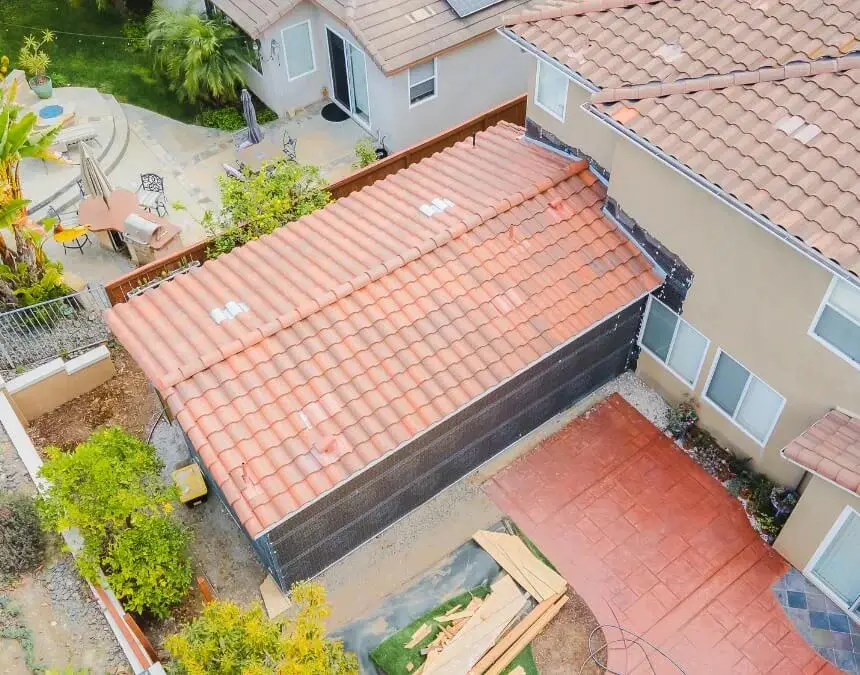
Many homeowners build ADUs to house family members, generate rental income, and make better use of their property.
Multi-Generational Living vs Rental Income
Most homeowners build ADUs for one of two primary reasons: accommodating family members or generating rental income. The right approach depends on their financial goals, housing needs, and long-term property plans. Financing options, applicable zoning requirements, and projected rental demand can also influence the decision.
Building an ADU for Family Members
An ADU can provide a private and independent living space for aging parents, adult children, caregivers, or other family members. This arrangement allows families to remain close while maintaining privacy and independent living quarters. Homeowners also appreciate the flexibility to adapt the space as household needs change.
Building an ADU for Long-Term Rental Income
Many homeowners view ADUs as an opportunity to earn additional income from property they already own. Rental income may help offset financing costs, support retirement planning, or provide another revenue stream while making the property more useful. In some cases, documented projected rental income may also strengthen the financial feasibility of an ADU project.
Which ADU Strategy Delivers the Best ROI?
The best return on investment depends on the homeowner’s objectives. A family-focused ADU may offer flexibility, convenience, and long-term housing stability, while a rental-focused ADU may generate income and improve property utility. Evaluating construction costs, financing options, mortgage rates, rental demand, and future ownership expenses can help homeowners choose a strategy that aligns with their goals.
Los Angeles’s ADU Boom
ADUs contribute to housing production throughout the Los Angeles region. Their appeal reflects homeowners’ interest in flexible housing and potential financial benefits. State ADU laws, local permitting procedures, and available financing options can influence project feasibility. Homeowners should review current information from the permitting authority rather than assume that regional trends guarantee approval or financial success.
Check current ADU permit totals with the relevant planning or building department. (regional planning resources Regional ADU Report)
Confirm the reporting period and geographic boundaries before comparing ADUs’ share of housing permits. (regional planning resources Regional ADU Report)
| Los Angeles ADU Planning Metric | Project-Specific Guidance |
|---|---|
| ADUs permitted in the Los Angeles region | Consult official permit records for the relevant jurisdiction and year |
| Share of all housing permitted regionwide | Verify geographic coverage and housing totals before calculating a share |
How Much Does an ADU Cost in Los Angeles?
ADU costs in Los Angeles depend on unit size, site conditions, utility upgrades, permit requirements, and design choices. Before relying on public examples associated with Los Angeles Housing Department show ADU costs, confirm their location, completion date, and included costs with the publishing authority. Historical project examples can inform early planning, but actual costs depend on the property, scope of work, design process, construction approach, and current contractor pricing.
Ask the Los Angeles Department of Building and Safety and relevant housing agencies for current guidance on ADU requirements, processes, and available resources. (Los Angeles Housing Department)
What Factors Influence Your ADU Budget in Los Angeles?
Several project-specific factors can affect the final cost of building an ADU in Los Angeles, including:
- ADU size and square footage
- Detached ADU versus garage conversion
- Site conditions and utility infrastructure
- Lot preparation and utility installation
- Materials and interior finishes
- Title 24 energy requirements
For example, a detached ADU may require more site preparation, new utility connections, electrical interconnection work, and standalone construction work than a garage conversion. A larger ADU may also increase material, labor, permitting, and energy-compliance costs. Given these variables, use Los Angeles homeowners should use public cost examples only as an initial reference, confirm requirements with the serving utilities, and obtain a site-specific estimate.
Real Los Angeles ADU Cost Examples
| ADU Type | Size | Cost |
|---|---|---|
| Studio | 224 SF | Obtain a site-specific estimate |
| 3 Bedroom | 1,199 SF | Obtain a scope-based estimate |
Breaking Down ADU Costs: From Design to Construction
Building an ADU involves more than construction alone. Homeowners should budget for soft costs, which generally cover planning and design, and hard costs, which cover physical construction. Understanding these categories can help homeowners develop a more accurate budget, evaluate financing options, and reduce the likelihood of unexpected project expenses.
Historical Cost Benchmark: A statewide survey reported a median ADU construction cost of $150,000, or $250 per square foot. (Terner Center for Housing Innovation)
What Are Soft Costs?
Soft costs are the preconstruction expenses required to move an ADU from concept to permit-ready plans. Although these expenses do not cover physical construction, they help establish project feasibility, support permit applications, and provide documentation that local lenders or other home-improvement financing providers may require.
Common soft costs include:
Feasibility Studies
A feasibility study helps homeowners evaluate whether an ADU project is practical based on site conditions, local regulations, utility access, and anticipated construction costs. Completing this analysis early can reveal potential challenges before homeowners invest substantial funds in design, permit coordination, or financing applications.
Architectural Plans and Blueprints
Architectural plans form the foundation of every ADU project. These ADU architectural plans establish the unit’s layout, size, and design while addressing applicable building code requirements. Include design costs in the initial project budget, since lenders and permitting agencies often require building plans before applications can proceed.
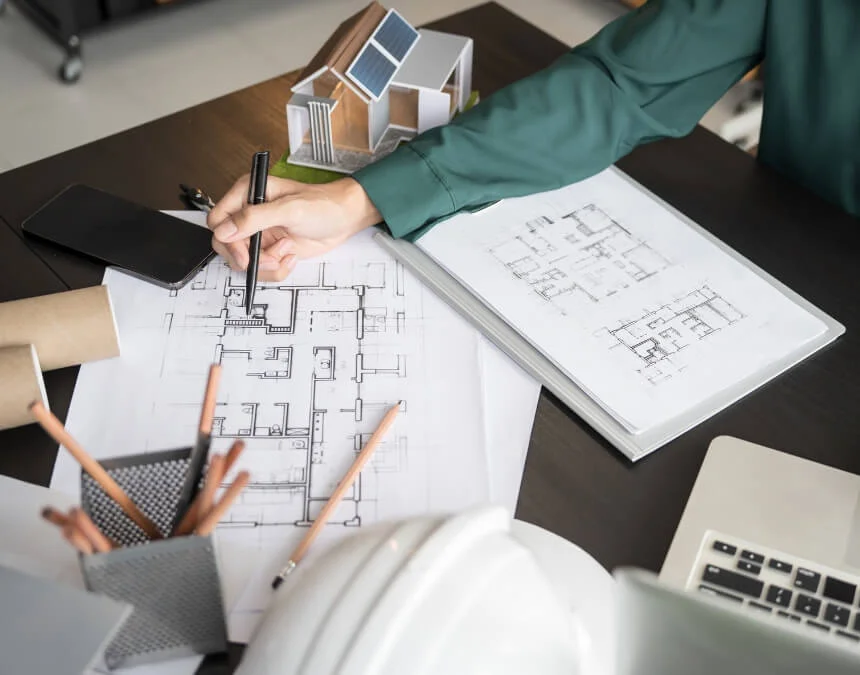
Investing in detailed ADU architectural plans early can reduce costly revisions and support more efficient permitting, financing, and construction.
Engineering and Site Evaluation
Many ADU projects require engineering services to assess structural requirements, grading, drainage, utility connections, or other site-specific conditions. Site evaluations can also reveal hidden issues that affect the overall budget and inform design decisions.
What Are Hard Costs?
Hard costs are the physical construction expenses associated with building an ADU. They typically represent the largest share of the overall budget and can vary considerably with existing property conditions, architectural plans, and project complexity.
Site Preparation
Site preparation may include grading, excavation, lot clearing, drainage improvements, and other work needed before construction begins. Sloped lots, limited access, or unusual site conditions may increase preparation costs.
Construction Labor
Labor costs cover the professionals and tradespeople who build the ADU, including framers, electricians, plumbers, HVAC technicians, and general contractors. Labor requirements vary with project size, complexity, and local market conditions.
Building Materials
Materials include framing, roofing, windows, doors, insulation, flooring, cabinetry, fixtures, interior finishes, and other design elements. Material quality and product selections can significantly affect the final project cost.
Utility Connections
Connecting an ADU to electrical to electrical, plumbing, sewer, gas, and other utility systems can account for a substantial share of the budget. Depending on existing conditions, homeowners may need infrastructure upgrades, energy-efficiency improvements, or utility extensions may be needed to support the new unit.
Landscaping and Exterior Improvements
Many projects require exterior work after the main construction is complete. Landscaping, walkways, fencing, drainage improvements, and outdoor living areas can all add to the final project cost.
Soft Costs vs. Hard Costs at a Glance
Understanding both cost categories helps homeowners develop a realistic ADU budget and evaluate financing options before construction begins.
| Cost Category | Examples |
|---|---|
| Soft Costs | Feasibility studies, architectural drawings, engineering, site evaluations, permit preparation, plan-check fees |
| Hard Costs | Site preparation, construction labor, building materials, utility connections, landscaping, exterior improvements |
What Hidden Costs Increase ADU Budgets?
Many homeowners focus on construction costs when planning an ADU, but additional expenses can significantly affect the final budget. Permitting, utilities, site conditions, and property taxes are often overlooked during early planning. Accounting for these potential expenses can help homeowners avoid surprises, improve project planning, and develop a more accurate overall budget.
Permits and Development Fees
Permit and development fees may be required before construction begins. These expenses vary by jurisdiction, project scope, and applicable exemptions or requirements. Homeowners should confirm fees with the responsible permitting authority and include them early in the budget to reduce the risk of delays or overruns.
Utility Interconnection Costs
Many ADUs need connections to existing utility systems, including electricity, water, sewer, and, where applicable, gas. Depending on the property’s infrastructure, serving the new unit may require work beyond construction of the ADU itself.
the serving utility and Electrical Upgrades
Electrical capacity is an important consideration for many ADU projects. Some properties may require panel upgrades or additional electrical work to support the new unit, especially when the existing electrical system cannot accommodate the additional demand. Utility coordination, equipment requirements, and local approvals can introduce additional costs.
Infrastructure Extensions
Utility lines may need to be extended to reach the ADU. Water, sewer, gas, and electrical infrastructure improvements can create expenses that are not immediately apparent during initial budgeting.
Unexpected Site Conditions
Site-specific conditions can significantly affect construction costs. Grading requirements, drainage problems, limited access, and other property constraints may require additional work before construction proceeds. An ADU consultant or a formal feasibility review can help identify these issues early in the planning process.
Supplemental Property Tax Assessments
Property taxes are another expense homeowners should consider when evaluating an ADU’s long-term financial impact. Expert Tip: New ADU construction generally adds assessable value; confirm the property-specific treatment with the county assessor. (unincorporated Los Angeles Assessor)
Adding an ADU generally does not trigger reassessment of the entire property. Instead, the ADU may be subject to a supplemental property tax should be reviewed by the county assessor to determine the taxable value of the new construction. Homeowners should budget for the resulting tax obligations alongside upfront construction expenses and other ongoing ownership costs.
Hidden ADU Costs at a Glance
Planning for these expenses early helps homeowners create a more realistic ADU budget and reduce unexpected costs during construction.
| Potential Hidden Cost | Why It Matters |
|---|---|
| Permits and Development Fees | Impact-fee exemptions do not waive plan-check, permit, or other applicable charges |
| Utility Interconnection Costs | Utility connections may require additional work and provider-specific charges |
| Electrical Service Upgrades | Existing panels or service capacity may need upgrades to support an ADU |
| Infrastructure Extensions | Utility lines may need to be extended to serve the new unit |
| Unexpected Site Conditions | Grading, drainage, and access issues can increase construction costs |
| Supplemental Property Tax Assessments | New construction may trigger reassessment of the added value |
Are ADUs 750 Square Feet or less Cheaper?
Yes, ADUs 750 square feet or less can be more affordable because California exempts them from impact fees. Homeowners seeking to control costs should distinguish between units 750 square feet or less and those measuring exactly 750 square feet, which do not qualify for this size-based exemption.
What Is the California 750-Square-Foot Fee Advantage?
One important cost-saving provision in California’s ADU laws is the impact fee exemption for smaller units. California’s ADU Handbook explains that ADUs 750 square feet or less are exempt from impact fees. Confirm the applicable measurement and fee treatment with the permitting authority before finalizing the design. (California Department of Housing and Community Development ADU Handbook)
Key Takeaway: ADUs 750 square feet or less qualify for California’s size-based impact fee exemption, potentially reducing development costs. (California Department of Housing and Community Development ADU Handbook)
What Fees Can Be Avoided?
The primary financial advantage of staying 750 square feet or less is the impact fee exemption. However, a smaller ADU is not necessarily fee-free. Depending on location, project scope, and applicable requirements, homeowners may still encounter costs associated with:
- Building permits
- Plan review fees
- Utility connections
- School fees, where applicable
- Energy compliance requirements
- Fire code requirements
- Site-specific improvements
Although the impact fee exemption can improve project economics, other fees and site-specific costs may still apply.
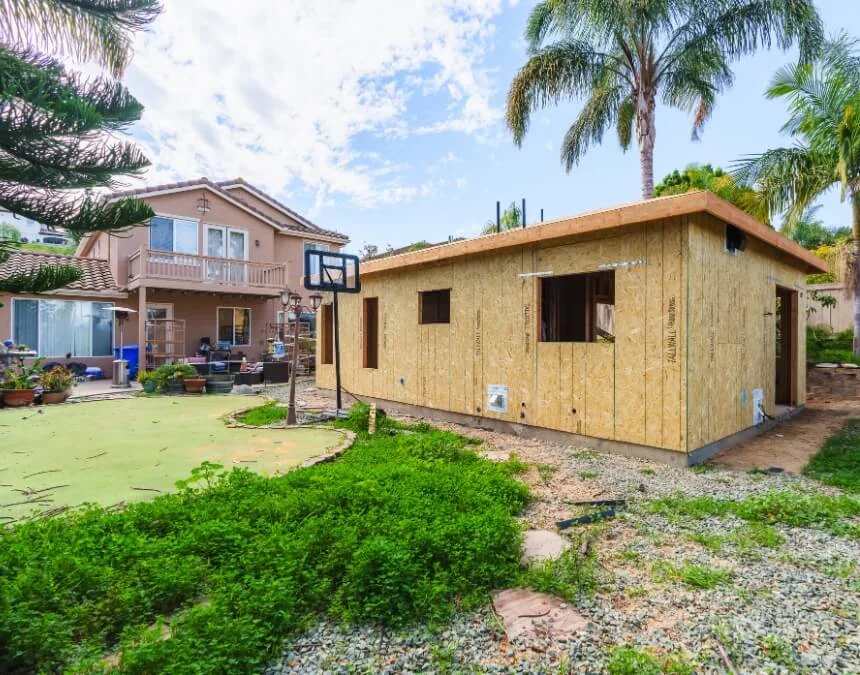
Keeping an ADU at 750 square feet or less may reduce development costs through California’s size-based impact fee exemption.
Should You Keep Your ADU at 750 Square Feet or Less?
The answer depends on your goals. A smaller ADU may make sense if your primary objective is to:
- Reduce overall construction costs
- Minimize development fees
- Create a rental studio or one-bedroom unit
- Build housing for a family member
- Improve potential returns relative to project size
A larger ADU may be worth considering if you need additional bedrooms may offer additional bedrooms, more living space, or greater flexibility as household needs change.
Before finalizing a design, compare potential fee savings with the value of additional square footage. The most cost-effective ADU is not necessarily the largest. It is the one that best fits the homeowner’s budget, intended use, applicable requirements, and long-term housing and financial goals.
750 Square Feet or less vs. Over 750 Square Feet
Source: California Department of Housing and Community Development ADU Handbook
| Consideration | Under 750 SF | 750 SF or More |
|---|---|---|
| California Impact Fees | Exempt from impact fees | Proportionate impact fees may apply |
| Construction Cost | Often lower with comparable scope | Often higher with comparable scope |
| Design Flexibility | Compact layouts require careful planning | Additional space may expand layout options |
| Rental Potential | Depends on layout and market demand | May accommodate larger households |
| Space for Family Use | Suitable for many household needs | More room for long-term needs |
How Long Does It Take to Build an ADU in California and Los Angeles?
The timeline to build an ADU in California depends on design depends on design, permitting, site conditions, utility work, and construction method. California generally requires action on a complete qualifying ADU application within 60 days, subject to statutory conditions. Confirm procedures associated with Los Angeles directly with the permitting authority. For Los Angeles projects, request a property-specific schedule covering planning through completion rather than relying on another jurisdiction’s pilot timelines. (Los Angeles Housing Department)
What Are Statewide ADU Approval Timelines?
California has streamlined ADU review to make permitting more predictable. For qualifying applications, the responsible agency generally must approve or deny the application within 60 days after receiving a complete submission, subject to statutory conditions and exceptions. Consult the March 2026 California ADU Handbook and applicable current law for details. (RenoFi)
The 60-day review requirement does not mean an entire ADU project will be completed in 60 days. Homeowners must also allow time for feasibility studies, design, revisions, utility coordination, other required reviews, contractor scheduling, and construction.
How Does Los Angeles’s Preapproved Plan Process Affect the Timeline?
Los Angeles offers a preapproved ADU plan procedures should be confirmed with the Los Angeles Department of Building and Safety. Its ADU Standard Plan Program can reduce repetitive plan review, but each project still requires site-specific review and applicable approvals.
Confirm the review schedule for standard-plan ADUs directly with the Los Angeles Department of Building and Safety. (City of Los Angeles Development Services)
A standard-plan pathway may help clarify the steps from design to permit approval. However, site conditions, utility requirements, application completeness, and necessary revisions can still affect the overall schedule.
How Can Permit-Ready Plans Reduce ADU Delays?
Permit-ready or preapproved plans can reduce repetitive design review when the permitting authority accepts them. This may simplify early planning, support cost estimates, and help homeowners prepare financing. General plan approval does not establish that a design is suitable for every property or eliminate site-specific permitting requirements.
Before relying on Los Angeles Housing Department found that ADU pilot schedules, confirm their jurisdiction, project scope, and relevance with the publishing agency. (Los Angeles Housing Department) Plan for the complete project schedule, including design, utilities, permitting, and construction, rather than permit review alone.
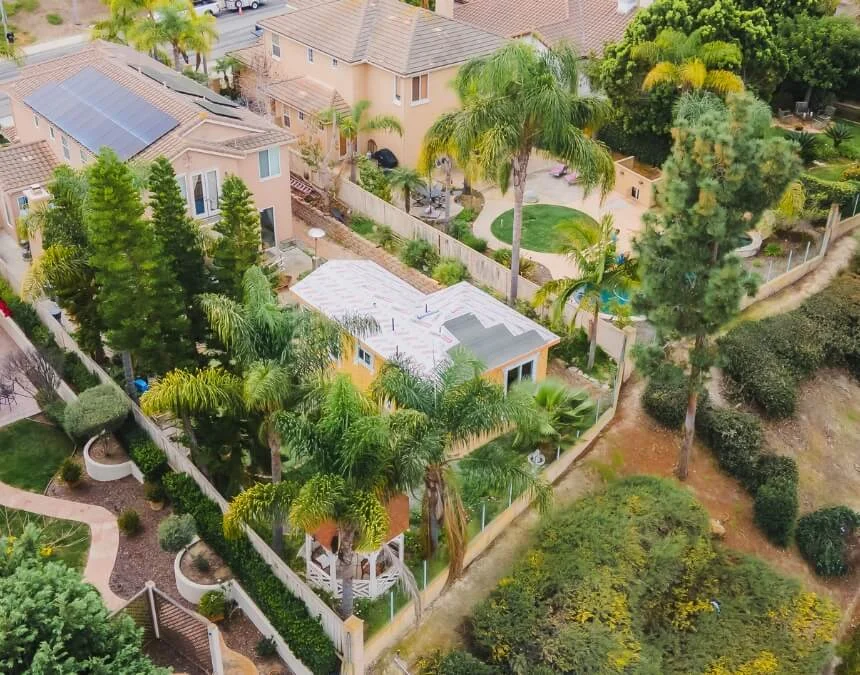
Accepted standard plans may reduce repetitive design review, but site-specific requirements and revisions can still affect approval timelines.
What Should Coastal Homeowners Know About ADU Timelines?
Los Angeles homeowners in coastal areas may require additional review because coastal properties can be subject to requirements that differ from those inland. Coastal-zone regulations, local planning provisions, and any applicable coastal development permit requirements may affect design, permitting, and project schedules.
Before relying on a general statewide or citywide timeline, homeowners in coastal neighborhoods should confirm the property’s coastal-zone status and applicable requirements with the local planning department. Where relevant, consult California Coastal Commission guidance. Early coordination can identify additional review steps and help prevent avoidable delays.
ADU Timeline Factors at a Glance
Planning for both permit review and the full construction schedule helps homeowners set realistic expectations before starting an ADU project.
| Timeline Factor | How It Can Affect the Project |
|---|---|
| State Review Rule | Generally requires approval or denial of complete, eligible ADU applications within 60 days, subject to statutory exceptions |
| Los Angeles Standard Plan Program | Plan acceptance does not replace site-specific review and approval |
| Design and Feasibility Work | Required before submitting a complete permit application |
| Utility Coordination | Upgrades or extensions can add coordination time |
| Site Conditions | Slopes, access constraints, or drainage concerns may extend timelines |
| Coastal Zone Requirements | Coastal properties may require additional review |
| Construction Method | Custom designs, manufactured units, and standard plans involve different preparation and construction schedules |
How Can You Finance an ADU?
Most California homeowners finance ADUs using home equity, cash-out refinancing, construction loans, renovation loans, or specialized financing programs. The best option depends on available equity, borrowing costs, project scope, and long-term financial goals. Terner Center research identifies cash, home-equity borrowing, and refinancing among the funding methods homeowners use for ADU projects. Compare these historical findings with current lender offerings and qualification requirements. (Terner Center for Housing Innovation)
Homeowners commonly use cash, home-equity borrowing, and cash-out refinancing to fund ADU projects. (Terner Center for Housing Innovation)
What Are the Most Common Ways to Finance an ADU?
ADU financing generally falls into several categories, each with distinct advantages, costs, and eligibility considerations.
Home Equity Financing
Many homeowners use the equity accumulated in their property to fund ADU construction. Equity-based financing provides access to funds by borrowing against the home’s value, subject to lender requirements and existing debt.
Common options include:
- Home equity lines of credit (HELOCs)
- Home equity loans
- Cash-out refinancing
These options use the home as collateral, which may offer different terms from unsecured borrowing. Lenders still evaluate income, credit, existing debt, and repayment ability.
Construction and Renovation Loans
Some homeowners choose loans specifically designed for construction or renovation. These products may release funds at different project stages and can be useful for substantial building work, subject to program eligibility and lender approval.
Examples include:
- Construction-to-permanent loans
- FHA 203(k) loans
- Fannie Mae HomeStyle Renovation loans
- Freddie Mac CHOICERenovation loans
Specialized ADU Financing Programs
Certain local and regional programs are designed specifically to support ADU development. Depending on current funding and eligibility, assistance may include technical guidance or financing. Los Angeles homeowners evaluating Los Angeles Housing Department’s ADU Finance Program should verify the program’s administering agency, service area, current availability, and terms before including it in an ADU financing plan.
How Do You Choose the Right ADU Financing Option?
The right financing strategy depends on several factors, including:
- Available home equity
- Current mortgage interest rate
- Project budget
- Construction timeline
- Long-term financial goals
- Intended use of the ADU
A homeowner planning a rental unit may evaluate financing differently from someone building housing for a family member. Similarly, homeowners with substantial equity may have borrowing options that differ from those available to recent buyers.
ADU Financing Options at a Glance
Because borrowing costs can significantly affect total ownership expenses, homeowners should compare several financing options before committing to an ADU project.
| Financing Option | Common Use Case |
|---|---|
| Cash Savings | Funding all or part of the project directly |
| HELOC | Drawing on available home equity as construction expenses arise |
| Home Equity Loan | Borrowing a lump sum secured by home equity |
| Cash-Out Refinance | Replacing an existing mortgage to access equity |
| Construction Loan | Financing an ADU through staged construction disbursements |
| Renovation Loan | Financing eligible improvements and construction-related expenses |
| Specialized ADU Programs | Exploring ADU-focused financing, subject to availability and eligibility |
What Are Traditional Equity-Based Financing Options for ADUs?
Traditional equity-based financing allows homeowners to borrow against the value accumulated in their property. These products can offer access to larger amounts than unsecured financing, depending on equity and lender requirements. Terner Center research identifies cash, home-equity loans, and cash-out refinancing among the methods California homeowners use to finance ADUs. Historical borrowing patterns should inform, rather than replace, a comparison of current loan terms. (Terner Center for Housing Innovation)
What Is a Home Equity Line of Credit (HELOC)?
A home equity line of credit (HELOC) is a revolving credit line secured by your home. Instead of receiving one lump sum, you can draw funds as needed, which may suit projects with construction expenses spread across several phases.
Pros
- Flexible access to funds during construction
- Draw only the amount needed, subject to loan terms
- May suit phased ADU projects
- Secured by the home
Cons
- Requires sufficient home equity
- Monthly payments may change under the loan terms
- Borrowing limits depend on lender requirements
Best For
Homeowners seeking flexibility who expect ADU expenses to occur gradually throughout planning, permitting, and construction expenses to arise in stages.
What Is a Home Equity Loan?
A home equity loan provides a fixed borrowing amount based on available property equity and lender qualifications. Unlike a HELOC, it typically delivers the funds as a lump sum at closing.
Pros
- Defined borrowing amount
- Useful when project costs are well established
- Draws on existing home equity
Cons
- Requires sufficient home equity
- Less flexible than a HELOC if costs change
- Additional borrowing may require another loan
Best For
Homeowners with a detailed ADU budget who know approximately how much funding they need before construction begins.
What Is a Cash-Out Refinance?
A cash-out refinance replaces an existing mortgage with a new, larger mortgage, allowing the homeowner to receive part of their equity in cash. Those proceeds can be used to finance ADU construction.
Cash-out refinancing is one of the ADU funding strategies documented among California homeowners. (Terner Center for Housing Innovation)
Pros
- May provide access to substantial equity
- Combines the refinanced mortgage and additional borrowing in one loan
- Used by California ADU homeowners
Cons
- Replaces the existing mortgage
- Changes mortgage terms and may increase borrowing costs
- Requires qualification for a new loan
Best For
Homeowners with substantial equity who are comfortable replacing their existing mortgage to obtain ADU funding.
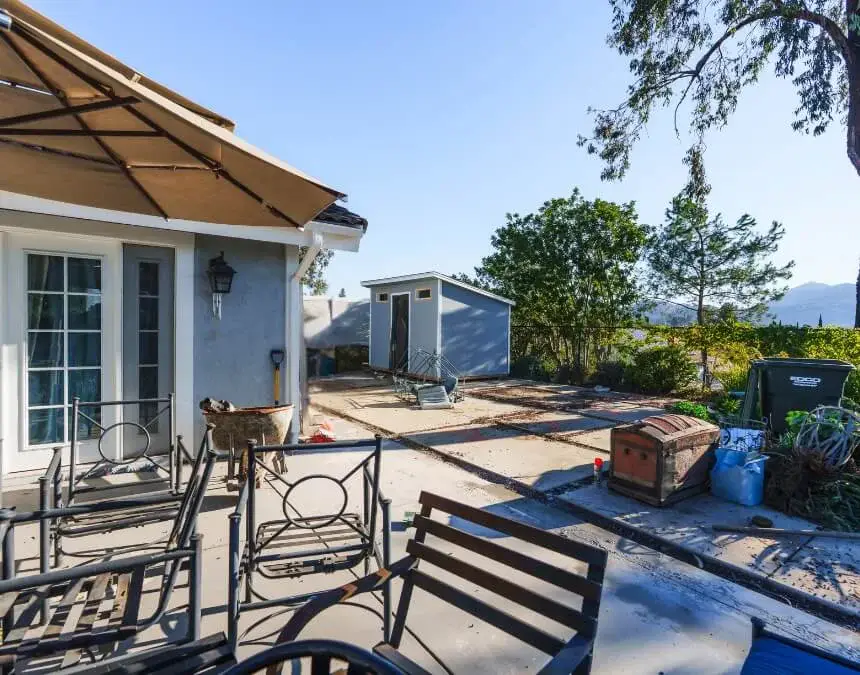
Compare financing options early to understand how monthly payments, available equity, and interest rates affect project affordability.
Is It Worth Giving Up Your Existing Mortgage Rate?
The answer depends on your current mortgage, available equity, and financing goals. A cash-out refinance can provide capital for an ADU, but it replaces your existing mortgage. Compare the benefits of accessing equity with the new interest rate, closing costs, repayment period, and overall effect on your current loan terms.
Financing decisions can affect ADU ownership costs for years. Compare HELOCs, home equity loans, cash-out refinancing, and other suitable products before choosing the approach that best fits your finances and long-term plans.
Equity-Based ADU Financing Options at a Glance
Source: Terner Center for Housing Innovation
| Financing Option | Primary Benefit | Best For |
|---|---|---|
| HELOC | Flexible access to available funds | Homeowners with phased construction expenses |
| Home Equity Loan | Lump-sum funding | Homeowners with a defined ADU budget |
| Cash-Out Refinance | Access to equity through a new mortgage | Homeowners comfortable replacing their existing mortgage |
What Are Construction and Renovation Loan Options for ADUs?
Construction and renovation loans are designed for building or improving residential properties. Unlike standard home-equity products, these loans are typically structured around the planned work and may release funds as construction progresses. Depending on the lender and program, borrowers may be able to finance eligible renovations, ADU construction, or both through one loan. Project eligibility, documentation, and disbursement requirements must be confirmed before committing to a financing structure.
What Is a Fannie Mae HomeStyle Renovation Loan?
The Fannie Mae HomeStyle Renovation loan allows eligible borrowers to finance qualifying home improvements through a single mortgage. It may suit substantial property improvements, including certain ADU projects. Homeowners should confirm eligible construction types, property requirements, renovation limits, and lender participation before relying on this option.
Learn more: Fannie Mae HomeStyle Renovation
Potential Benefits
- Combines mortgage financing and eligible renovation costs in one loan
- Supports a range of qualifying home improvements
- May simplify financing compared with obtaining multiple loans
Considerations
- Lender qualification requirements apply
- Project approval and documentation requirements vary
- Confirm ADU eligibility with the lender
What Is a Freddie Mac CHOICERenovation Loan?
The Freddie Mac CHOICERenovation loan is another renovation mortgage option that allows qualified borrowers to finance eligible property improvements through a single loan, subject to program and lender requirements.
Learn more: Freddie Mac CHOICERenovation
Potential Benefits
- Supports eligible renovation and improvement projects
- Combines mortgage financing and renovation costs
- May offer an alternative to traditional construction financing
Considerations
- Eligibility and project requirements depend on the program and lender
- Confirm whether the proposed ADU qualifies
What Is an FHA 203(k) Loan?
An FHA 203(k) loan is a government-backed renovation mortgage that allows qualified borrowers to finance a property purchase or refinance and eligible improvements through one loan.
Learn more: HUD FHA 203(k) Program
Potential Benefits
- Designed for eligible renovation and rehabilitation work
- Combines acquisition or refinancing with qualifying improvements
- Insured by the Federal Housing Administration
Considerations
- Program requirements and project eligibility rules apply
- Consult FHA-approved lenders about current qualification standards
What Is Construction-to-Permanent Financing?
Construction-to-permanent financing connects construction funding with long-term mortgage financing. Instead of arranging an unrelated permanent loan after the build, borrowers transition to the repayment phase under the approved loan structure. Conversion requirements, closing procedures, and eligibility vary by lender.
Potential Benefits
- Coordinates construction and long-term financing
- May support eligible ground-up construction
- Can reduce the need to arrange a separate permanent loan
Considerations
- Requires lender approval before construction begins
- Typically requires documented construction budgets and schedules
How Do Interest-Only Payments During Construction Work?
Some construction loans allow interest-only payments while the ADU is being built. During this phase, payments are generally calculated on disbursed funds rather than the full approved loan amount. Confirm payment terms and conversion requirements with the lender.
Potential Benefits
- May reduce monthly payments during construction
- Can help manage project cash flow
- Links interest charges to disbursed construction funds
Considerations
- Principal and interest payments may begin after construction or conversion
- Terms vary by lender and loan program
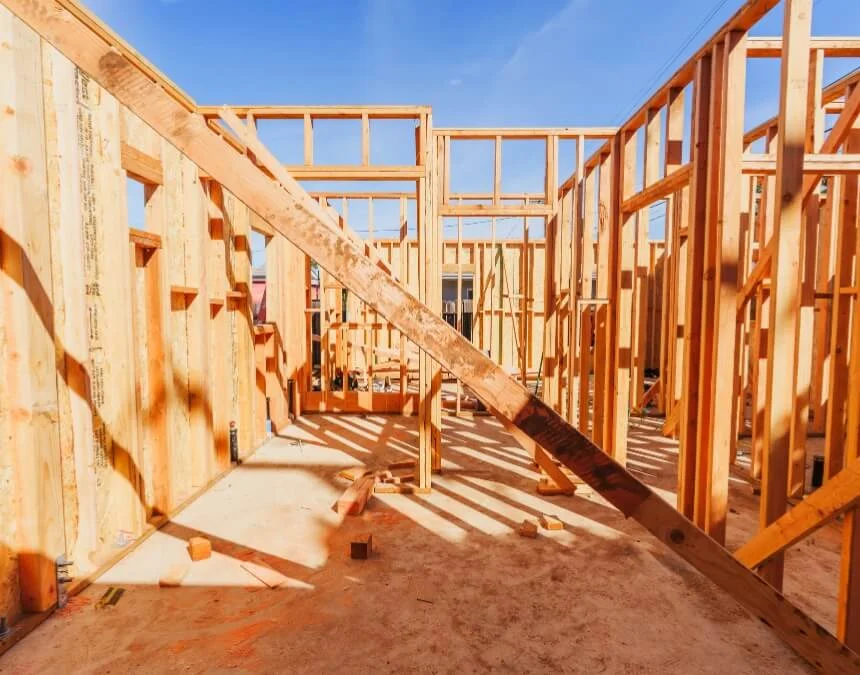
Choosing a suitable financing structure before construction begins can improve cash flow management and reduce funding-related delays.
Construction and Renovation Loan Options at a Glance
Loan programs, eligibility rules, and ADU financing guidelines can change. Review current lender requirements and official program documentation before selecting a financing strategy.
| Financing Option | Primary Purpose |
|---|---|
| Fannie Mae HomeStyle Renovation | Finance eligible renovations, potentially including an ADU |
| Freddie Mac CHOICERenovation | Finance qualifying renovations through a mortgage |
| FHA 203(k) Loan | Finance a purchase or refinance with eligible improvements |
| Construction-to-Permanent Financing | Transition from construction funding to a long-term mortgage |
| Interest-Only Construction Financing | Pay interest on disbursed funds during construction, subject to loan terms |
Can Rental Income Help You Qualify for an ADU Loan?
Yes. Certain Fannie Mae, Freddie Mac, and FHA mortgage programs allow qualified borrowers to use projected ADU rental income under specified conditions. This may improve borrowing capacity for applicants whose existing income is insufficient. Eligibility depends on the mortgage product, property, documentation, and underwriting rules, so homeowners should confirm current requirements with their lender before relying on future rental income.
How ADU Rental Income Is Used by Lenders
Lenders may consider projected ADU rental income when assessing repayment ability. This can help homeowners planning to use the ADU as a long-term rental property. Qualifying rental income may support mortgage eligibility, while actual rental proceeds may help cover mortgage payments. Neither treatment nor future income is guaranteed. (HUD Mortgagee Letter 2023-17)
Projected rental income may strengthen a loan application, but lenders typically require supporting documentation and may limit the amount they count toward qualifying income.
Fannie Mae Rental Income Rules
Fannie Mae permits ADU rental income for certain eligible mortgages, subject to specific underwriting requirements. Where the applicable guidance imposes a 30% limit on ADU rental income as a share of total qualifying income, borrowers must satisfy that limit and all other conditions. Confirm the current rules for the selected product. (Fannie Mae Selling Guide)
Because underwriting standards and lender overlays vary, homeowners should confirm current qualification requirements directly with their lender.
Freddie Mac Rental Income Guidelines
Freddie Mac also permits qualifying ADU rental income under specified mortgage guidelines. Eligibility depends on the loan product, property characteristics, documentation, and applicable underwriting requirements.
Homeowners considering a Freddie Mac-backed mortgage should ask their lender whether projected ADU rental income qualifies and what documentation, limits, and property requirements apply.
FHA ADU Income Qualification
FHA guidance allows qualifying borrowers to use ADU rental income under specified conditions. This may benefit homeowners planning a long-term rental, but eligibility and the amount of income counted depend on current program rules and documentation.
HUD guidance explains how eligible ADU rental income may support mortgage qualification and housing affordability, subject to applicable underwriting requirements.
Who Benefits Most From Rental Income Qualification?
Rental income qualification may be particularly helpful for homeowners who:
- Plan to rent out the ADU after construction
- Need additional qualifying income for financing approval
- Want to offset monthly housing costs
- Are evaluating an ADU’s long-term financial potential
In addition to generating rental income, ADUs may provide broader financial benefits. An ADU may also increase a home’s appraised value, depending on the property and market. (Fannie Mae)
For some California homeowners, eligible projected rental income can improve financing feasibility while supporting long-term housing and income goals. Actual results depend on borrowing terms, rental demand, expenses, and occupancy.
Are There ADU Grants or Assistance Programs Available?
Yes, ADU grants and assistance programs may be available, but funding and eligibility change. California homeowners should not assume a program is open simply because it appears online. Los Angeles homeowners researching the Los Angeles Housing Department ADU Finance Program should verify its administering agency, service area, current funding, and whether it actually offers construction financing or technical assistance for their property.
Is the California ADU Grant Still Available?
The California ADU Grant Program helped eligible homeowners cover certain predevelopment and closing costs associated with ADU construction. Verify current funding, application status, and eligibility directly with the administering agency before including assistance in a financing plan.
What Happened to the CalHFA ADU Grant?
The CalHFA ADU Grant previously offered up to $40,000 to eligible homeowners. Confirm current funding and application availability directly with CalHFA before relying on it.
“CalHFA ADU Grant provided up to $40,000.” (CalHFA)
“Funding was fully allocated on December 28, 2023.” (CalHFA)
Homeowners should treat the CalHFA grant as unavailable for budgeting purposes unless CalHFA confirms an open funding round. It remains relevant as a historical California ADU funding program, but it is not a guaranteed current funding source.
Los Angeles Housing Department ADU Finance Program
Before treating the Los Angeles Housing Department ADU Finance Program as a Los Angeles resource, confirm its service area and current terms with the administering agency. Ask whether eligible applicants receive construction financing, technical assistance, or both, and whether that support addresses the planning sides of an ADU project.
Program Callout
- Confirm maximum construction loan amounts
- Verify interest rates and repayment terms
- Check loan-to-value limits
- Ask whether technical assistance is available
Source: Los Angeles Housing Department
Loan Amounts
Ask the Los Angeles Housing Department whether any current ADU assistance programs serve your property. Confirm loan limits, eligible expenses, repayment obligations, and funding availability rather than applying another jurisdiction’s financing terms to a Los Angeles project.
Eligibility Requirements
Eligibility depends on program rules, homeowner qualifications, and property conditions. Confirm the requirements associated with requirements directly with the Los Angeles directly with the administering agency, including whether the program serves your jurisdiction, before making financing decisions.
Technical Assistance
Technical assistance can be a valuable program feature when available. Ask the administering agency whether support covers feasibility, budgeting, design, permitting, or contractor selection, and whether any fees or participation conditions apply.
Funding Availability Considerations
Verify funding availability before including public assistance in an ADU financing plan. Programs may have limited allocations, application windows, waiting lists, or eligibility restrictions. Confirm current status with the administering agency and identify a backup financing strategy before relying on assistance as a primary funding source.
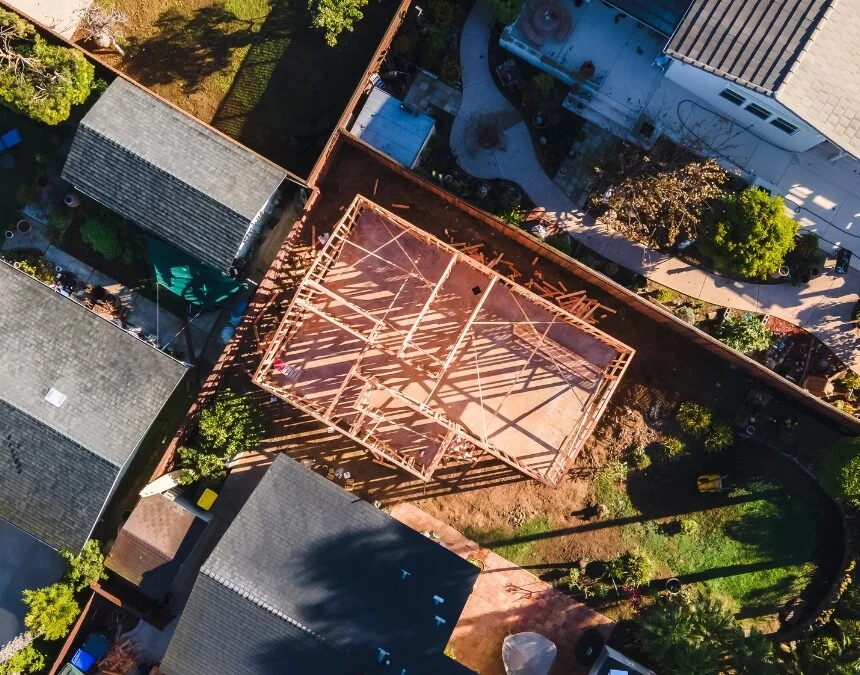
Before relying on grants, verify current funding and eligibility, and compare other financing options that may provide more predictable access to capital.
What Is the Long-Term Return on Investment of an ADU?
An ADU’s long-term return on investment (ROI) depends on rental income, changes in property value, construction costs, financing expenses, and local housing demand. For California homeowners, an ADU may provide immediate housing flexibility and potential long-term financial benefits. Outcomes vary by property, and neither income nor appreciation is guaranteed. Evaluate the investment using realistic assumptions about occupancy, ongoing expenses, borrowing costs, and intended use.
Property Value Increases
One potential benefit of building an ADU is the impact it may have on property value. Beyond adding living space, an ADU can make a property more versatile and attractive to some buyers. It may also increase appraised value, although the amount depends on the property, comparable sales, and market conditions. (Fannie Mae)
Added value varies with location, ADU size, condition, design quality, and local demand. Homeowners should treat potential appreciation as one component of the investment analysis, not the sole reason to build.
Rental Income Potential
For homeowners planning to rent their ADU, rental income may provide ongoing cash flow and help offset housing expenses, including mortgage payments. Budget for vacancy and operating costs before estimating the amount available for debt repayment. (HUD Mortgagee Letter 2023-17)
Depending on rental demand, occupancy, and operating expenses, rental income may support mortgage payments, improve household cash flow, and strengthen an ADU project’s financial viability over time.
Wealth-Building Through ADU Ownership
Many homeowners consider ADUs long-term investments because they can serve different purposes over a property’s life. An ADU may house family members, create rental opportunities, improve functionality, and contribute to resale value. As a permanent property improvement, it should be evaluated for both financial performance and lifestyle benefits. The balance will depend on the homeowner’s goals and changing household needs.
Factors That Impact ROI
Returns can vary substantially between properties. Several factors influence whether an ADU delivers the financial outcome a homeowner expects.
Neighborhood Values
Property values and housing demand vary throughout California and Los Angeles. ADUs in sought-after neighborhoods may attract stronger demand, but future appreciation and rental performance remain uncertain.
Rental Demand
Consistent rental income depends on local market conditions, tenant demand, pricing, and the ADU’s features. Strong housing demand may improve rental prospects, but vacancy and operating expenses still matter.
Construction Costs
Total development costs directly affect return on investment. Higher costs generally require greater net rental income or value appreciation to achieve a comparable financial result.
Financing Costs
Interest rates, loan terms, and financing structure affect total ownership costs. Include borrowing expenses alongside construction and operating costs when evaluating long-term returns.
Property Tax Changes
Homeowners should also budget for future property taxes. New ADU construction generally adds assessable value; confirm the treatment with the county assessor. (unincorporated Los Angeles Assessor)
Adding an ADU generally does not trigger reassessment of the entire property, but the new construction can increase property taxes and affect investment performance. When evaluating ROI, consider financial and practical benefits rather than relying on a single measure. Net rental income, additional living space, greater property utility, and potential appreciation all matter. Include maintenance, insurance, vacancy, financing, and tax expenses in the analysis.
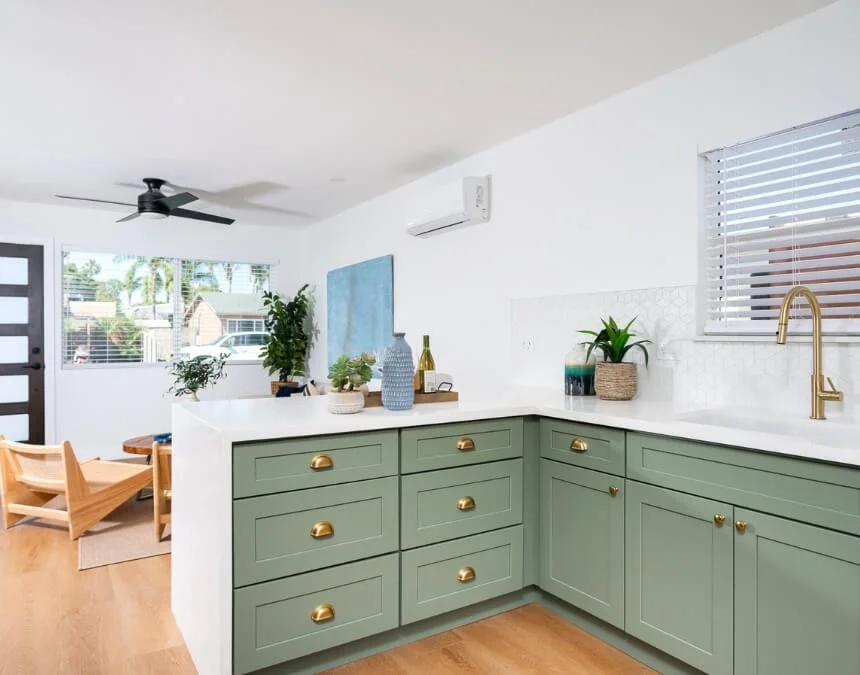
Evaluate long-term value by balancing construction and ownership costs with potential rental income, housing flexibility, and property appreciation.
What Is the True Cost of ADU Ownership?
ADU ownership costs extend beyond the initial construction budget. Homeowners should account for loan payments, property taxes, utilities, maintenance, and future repairs when evaluating the project’s long-term financial impact. Understanding these recurring expenses supports a realistic ownership budget and reduces the likelihood of financial surprises after construction is complete.
Loan Payments
For homeowners who finance an ADU, loan payments may be the largest recurring expense. Monthly costs depend on the financing method, loan amount, interest rate, and repayment terms. Whether using a HELOC, home equity loan, cash-out refinance, or construction loan, borrowers should assess how payments fit their long-term financial plan. Rental income may offset some expenses, but repayment planning should also account for vacancies and unexpected costs.
Property Taxes
Property taxes are an often-overlooked ownership expense. New ADU construction generally increases assessable value; ask the county assessor how the addition will affect your property. (unincorporated Los Angeles Assessor)
Adding an ADU generally does not cause the entire property to be reassessed. Instead, the new construction may result in a supplemental assessment and higher ongoing property taxes. Include this additional obligation when evaluating ownership costs and the project’s potential financial benefits.
Utilities and Maintenance
An ADU may increase utility use depending on occupancy and whether services are shared or separately metered. Expenses may include:
- Electricity
- Water
- Sewer
- Natural gas, where applicable
- Internet and communication services
Include routine maintenance in the ownership budget. Regular upkeep helps preserve the ADU’s condition and can reduce the likelihood of more expensive repairs later.
Long-Term Repair Reserves
Like any residential structure, an ADU will eventually need repairs and replacements. Setting aside a capital reserve helps homeowners prepare for expenses involving:
- Roofing
- Exterior finishes
- Appliances
- Flooring
- Plumbing fixtures
- HVAC equipment
Including a repair reserve in the annual budget can make long-term ownership more predictable and financially manageable.
Ongoing Operating Costs
In addition to loan payments and taxes, homeowners should plan for everyday operating expenses. These costs vary with occupancy, property conditions, utility arrangements, and how the ADU is used.
Common operating costs may include:
- Property insurance
- Utility expenses
- Landscaping and exterior upkeep
- General maintenance
- Repairs and replacements
Evaluate both development costs and ongoing ownership expenses before proceeding with an ADU. A complete financial picture helps homeowners determine whether the project fits their goals, repayment capacity, and expectations for long-term returns.
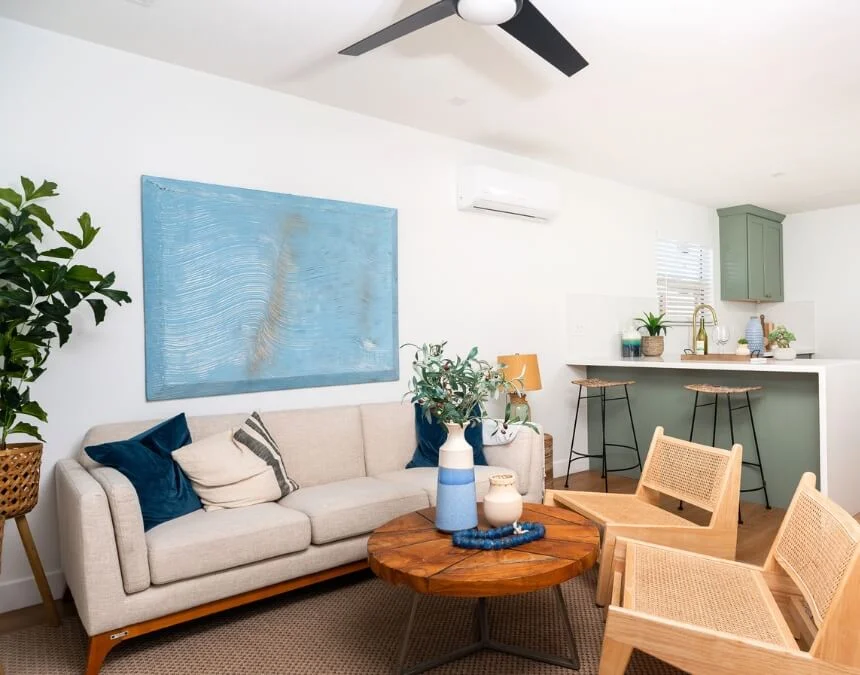
Look beyond construction costs to include maintenance, utilities, financing, insurance, and future property tax obligations.
Step-by-Step ADU Financing Plan for California Homeowners
A sound ADU financing plan begins well before construction. Confirm feasibility, define the scope, estimate costs, compare financing options, and secure funding before committing to the build. This process reduces financial uncertainty and helps homeowners select a funding strategy that fits the project’s requirements and their financial circumstances.
Step 1: Conduct a Feasibility Study
Start by determining whether your property can support an ADU. A feasibility study should assess site conditions, utility access, design constraints, applicable requirements, and preliminary costs. This review can identify potential problems before you invest heavily in architectural plans, permit applications, or financing arrangements.
Step 2: Develop a Detailed Scope of Work
Once feasibility is established, define a clear scope of work covering the ADU’s size, layout, construction type, utilities, materials, and major site improvements.
A detailed scope helps homeowners compare contractor estimates consistently and gives lenders a clearer picture of the work being financed.
Step 3: Assess Financial Readiness
Before choosing a loan, review available cash, home equity, current mortgage terms, credit profile, and affordable monthly payments. Consider whether rental income will contribute to repayment and how vacancies would affect the budget. Common California ADU funding options include equity-based borrowing, cash-out refinancing, construction loans, renovation loans, and any currently available assistance programs.
Step 4: Compare Financing Options
Compare financing options against project size, available equity, interest-rate exposure, and long-term goals. Common choices include HELOCs, home equity loans, cash-out refinancing, construction loans, and renovation mortgages. Terner Center research identifies cash, home-equity borrowing, and refinancing among homeowners’ ADU funding methods. Use these findings as context while comparing current products, lender requirements, and total borrowing costs. (Terner Center for Housing Innovation)
Step 5: Finalize Design and Permits
After identifying a likely financing path, finalize the ADU design and begin permitting. California generally requires action on complete qualifying ADU applications within 60 days, subject to statutory conditions and exceptions. (RenoFi)
For Los Angeles homeowners, confirm whether the Los Angeles ADU Standard Plan Program applies. Standard plans still require site-specific review; ask the permitting authority about current procedures and scheduling. (City of Los Angeles Development Services)
Step 6: Secure Funding Before Construction
Before construction begins, confirm that financing is approved and available. Understand disbursement procedures, required documentation, inspections, and whether the loan’s timing matches the construction schedule. Arranging funding in advance helps reduce payment uncertainty, avoid funding-related delays, and keep the ADU project aligned with its approved scope and budget.
Conclusion: Turning Your Property Into a Long-Term Asset
Building an ADU can add living space, create rental opportunities, and improve your property’s long-term usefulness. Costs, financing options, and schedules vary by project. Understanding both upfront expenses and ongoing obligations helps homeowners make informed decisions and plan with greater confidence.
Key Takeaways for California Homeowners
- Historical median ADU construction cost in a statewide survey: $150,000
- Historical median construction cost per square foot: $250
- Surveyed ADUs costing less than $100,000: 37%
- Surveyed ADUs costing less than $200,000: 71%
Key Takeaways for Los Angeles Homeowners
- Confirm current ADU permit data for the ADUs were permitted in the Los Angeles region
- Verify reporting boundaries before comparing ADUs’ share of housing permits
- Check local financing eligibility and funding with the administering agency
When to Speak With an ADU Builder and Financing Specialist
If you’re considering an ADU, speak with both an ADU builder and a financing specialist early in planning. A professional assessment can clarify feasibility, preliminary costs, financing choices, and jurisdiction-specific requirements, helping you identify an appropriate path based on your property, financial circumstances, and long-term goals.
Uni Construction offers free ADU consultations and project estimates for California homeowners. To explore your options, discuss preliminary costs, or review financing considerations, contact our team to schedule a free estimate and take the next step in planning your ADU project.
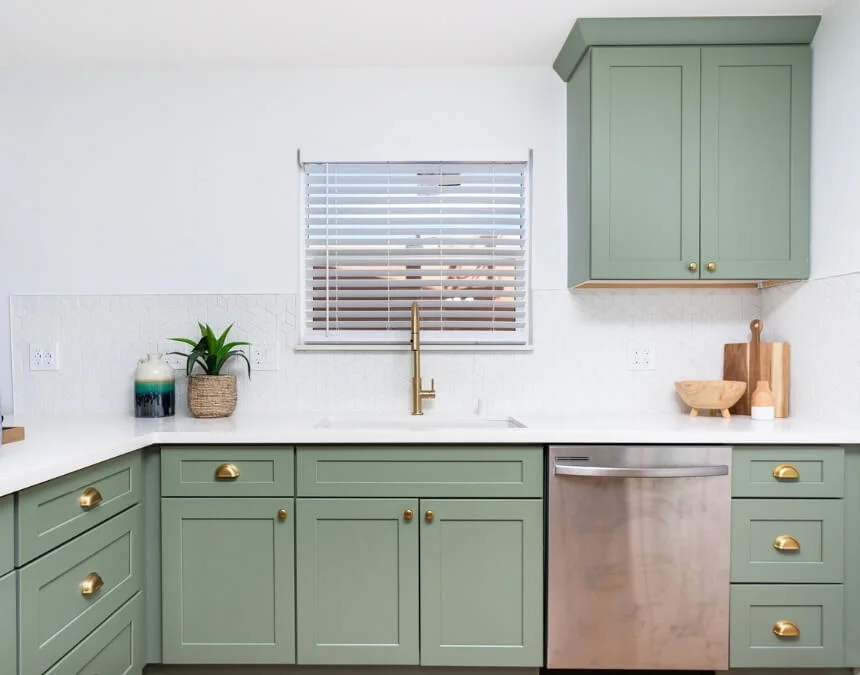
Plan an ADU around long-term goals, balancing construction and ownership costs with housing flexibility, potential income, and possible property value growth.
Frequently Asked Questions
A historical statewide survey reported a median ADU construction cost of $150,000, or approximately $250 per square foot. Among surveyed projects, 37% cost less than $100,000, and 71% cost less than $200,000. These figures are not current price estimates. Actual costs depend on size, design, site conditions, utilities, local fees, and current construction pricing.
Homeowners fund ADUs with cash, home equity loans, HELOCs, cash-out refinancing, construction loans, and renovation mortgages. The best approach depends on available equity, project costs, borrowing terms, and financial goals. Equity-based products use the home as collateral, so compare repayment obligations and risks before borrowing.
ADU assistance may be available, but funding and eligibility vary. The CalHFA ADU Grant previously offered up to $40,000; confirm current availability directly with CalHFA. Los Angeles homeowners should check with the Los Angeles Housing Department and any administering agency for programs serving their property, rather than assume another jurisdiction’s loan terms apply.
Home equity loans typically provide a lump sum and, when fixed-rate, predictable payments, but require sufficient equity. Construction loans are structured around building work and may release funds in stages, often with more documentation and lender oversight. The right choice depends on your financial position, project scope, and available loan terms.
Yes. Certain Fannie Mae, Freddie Mac, and FHA programs may allow qualified borrowers to count projected ADU rental income, subject to underwriting requirements. Actual rental income may also help cover mortgage payments, but vacancies, operating expenses, and financing costs affect the project’s net return.
Often-overlooked expenses include permits, utility connections, electrical upgrades, infrastructure extensions, site preparation, landscaping, and additional property taxes. To reduce budget surprises, obtain a feasibility review and detailed estimates, confirm requirements with the relevant agencies and utilities, and reserve contingency funds for unexpected work.