

Understanding ADU Electrical Requirements in California
California ADU electrical requirements are governed by the California Electrical Code (CEC), the Title 24 energy code, and other applicable provisions of the California Building Standards Code. Most accessory dwelling units require accurate load calculations, dedicated appliance circuits, GFCI and AFCI protection, sufficient electrical panel capacity, and energy-efficient systems that support California’s electrification goals. New ADU plans may also require solar installations or readiness, battery-ready infrastructure, and EV charging provisions, depending on the applicable code, project scope, and local requirements. Careful electrical planning is essential for passing inspections, supporting safe residential use, and avoiding costly construction delays.
What Are ADU Electrical Requirements in California?
California accessory dwelling units must comply with the California Electrical Code, which incorporates the National Electrical Code (NEC) with California amendments and establishes minimum standards for electrical design, wiring, grounding, breakers, and circuit protection. Authorities overseeing California jurisdictions, including Los Angeles and unincorporated Los Angeles County may also impose permitting requirements for panel sizing, separate metering, service conduit placement, solar integration, and energy compliance.
Typical California ADU electrical requirements include:
- Accurate electrical load calculations
- Dedicated appliance circuits
- Required GFCI and AFCI protection
- Main service panel capacity verification
- Energy-efficient lighting and HVAC systems
- Applicable solar PV installation or readiness requirements
- Required battery-ready provisions
- EV charging readiness where applicable
Under Title 24 energy standards, ADUs must meet applicable efficiency requirements for lighting, insulation, ventilation, space conditioning, and HVAC performance. Newly constructed detached accessory dwelling units may also be subject to solar PV requirements, depending on conditioned floor area, project classification, applicable code provisions, and available exceptions.
Because ADU electrical systems directly affect fire safety and code compliance, homeowners should work with licensed electricians and design professionals while following experienced ADU contractors familiar with California permitting requirements. Improper wiring, overloaded breakers, or noncompliant subpanel installations can cause failed inspections, permit delays, and expensive corrections later in the project.
What Is the New Law for ADUs in California?
California has enacted several ADU-friendly laws in recent years to address the state’s housing shortage and streamline permit applications for homeowners. Updates to the Government Code and local ordinances establish approval procedures, reduce certain restrictions, and encourage smaller housing options. Use the March 2026 California ADU Handbook and applicable current state law as starting points.
Applicable California ADU regulations advance electrification and energy efficiency through California’s Title 24 energy standards. Depending on project classification and the applicable code cycle, new ADU and JADU plan submissions may need to address:
- Required electric-ready infrastructure
- Applicable solar installation or readiness provisions
- Battery-ready electrical infrastructure where required
- Efficient mini-split or variable-capacity heat pump (VCHP) systems
- Compliant lighting and applicable appliance standards
California’s energy standards also support future-ready electrical planning for electric water heating, induction cooking, and applicable EV charging provisions. Smart home controls can complement these measures. Depending on scope, projects may require Title 24 compliance calculations and field verification or testing by an authorized energy rater.
When reviewing Verywell Health, confirm whether the project’s jurisdiction currently enforces any lawful restrictions on natural gas installations. California’s broader electrification goals do not establish a universal gas ban, and applicable requirements depend on current state law and local ordinances.
Why Proper Electrical Planning Matters
Careful electrical planning is essential to building safe, code-compliant accessory dwelling units in California. Poorly designed electrical systems can create serious fire hazards, overload circuits, increase electric shock risks, and cause failed inspections or expensive retrofit work.
Electrical planning also affects:
- Coordination with the property’s serving electric utility
- Main electrical panel upgrade requirements
- Solar power integration
- Future EV charger installation
- Long-term operating costs
- Overall project schedules
Homeowners may underestimate the electrical demand of modern ADUs, especially those with all-electric appliances, mini-split or other heat pump HVAC systems, battery storage, and future smart home upgrades. Failing to evaluate existing capacity and anticipated electrical needs during planning can significantly increase costs later.
Long-term energy planning can improve efficiency and help reduce utility expenses. When reviewing The Washington Post, compare heat pump water heaters with conventional alternatives using verified efficiency ratings, installation requirements, and local utility rates. For California ADU projects, selecting efficient electric systems early can support lower operating costs and accommodate evolving energy requirements without assuming a specific level of savings.
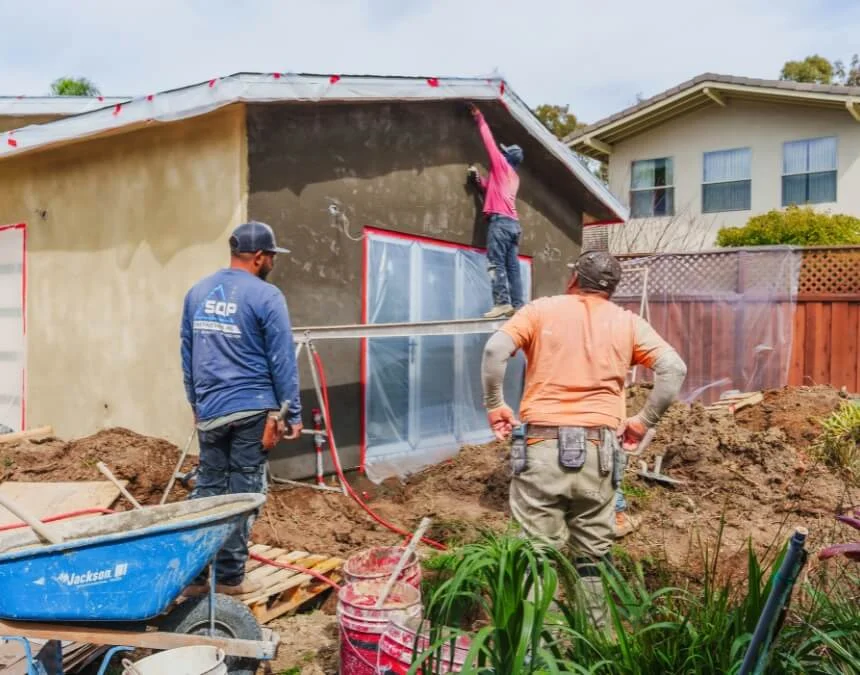
Early coordination among contractors, electricians, and permitting departments helps prevent inspection delays and costly revisions.
Wiring and Circuit Requirements for California ADUs
California ADUs must comply with the California Electrical Code (CEC), applicable California Residential Code provisions, and the NEC as incorporated into California’s electrical code. These standards address safe wiring, circuit sizing, and energy-efficient systems. Accessory dwelling units generally need dedicated circuits for specified kitchen, HVAC, laundry, bathroom, and water-heating equipment, with lighting circuits arranged as permitted within a compliant ADU Electrical Service plan. Requirements vary with ADU size, appliance loads, floor plan, and whether the unit is attached or detached. Accurate load calculations and coordination with the local building and safety department help prevent overloaded circuits, failed inspections, and unnecessary future upgrades.
What Type of Wiring Is Used in an ADU?
California ADUs commonly use:
- Nonmetallic-sheathed cable, commonly called Romex, in permitted dry interior locations
- Approved armored or metal-clad cable where suitable
- Approved conduit and conductors for garages, exterior locations, and underground runs
Detached ADUs may use underground feeder connections from the main property’s electrical system, while attached units may connect more directly to existing equipment. Wiring methods must satisfy applicable code and inspection requirements. Routing must also be coordinated with structural details, including trusses, and any required fire sprinkler systems.
How Many Circuits Does an ADU Need?
Most California ADUs require dedicated circuits for:
- Kitchen appliances
- HVAC systems
- Laundry equipment
- GFCI-protected bathroom receptacles
- Lighting
- Exterior receptacles
- Water heaters
- Electric ranges or induction cooktops
The required circuit count depends on ADU size, appliance loads, equipment access requirements, and planned upgrades such as EV chargers, battery storage, or solar PV modules. Contractors may use a feeder load calculator or other calculation software, but results must follow applicable code methods and support appropriate conductor sizing and panel capacity.
Outlet Spacing and Dedicated Circuit Requirements
California ADUs must meet receptacle-spacing and dedicated-circuit requirements under the California Electrical Code, which incorporates the NEC with state amendments, along with applicable local requirements.
Common requirements include:
- Required GFCI protection for bathroom and kitchen receptacles
- Weather-resistant exterior receptacles with appropriate covers
- Dedicated circuits for electric ranges and induction cooktops
- Code-compliant kitchen countertop receptacle spacing
Dedicated appliance circuits help prevent overloads and improve electrical safety. Projects using the Los Angeles ADU Standard Plan Program still require site-specific review. Depending on the work, additional approvals may be needed from Public Works, the serving utility, or other responsible departments.
GFCI and AFCI Requirements for ADUs
California ADUs require GFCI and AFCI protection in specified locations and circuits to reduce shock hazards and improve fire safety.
GFCI protection is typically required in:
- Kitchens, as required
- Bathrooms
- Laundry areas
- Exterior receptacles
AFCI protection is commonly required in:
- Bedrooms
- Living spaces
- Hallways
- Other qualifying general-use branch circuits
These protective devices help reduce electric shock, arc faults, and wiring-related fires while supporting compliance with the California Electrical Code and applicable safety provisions of the California Building Standards Code.
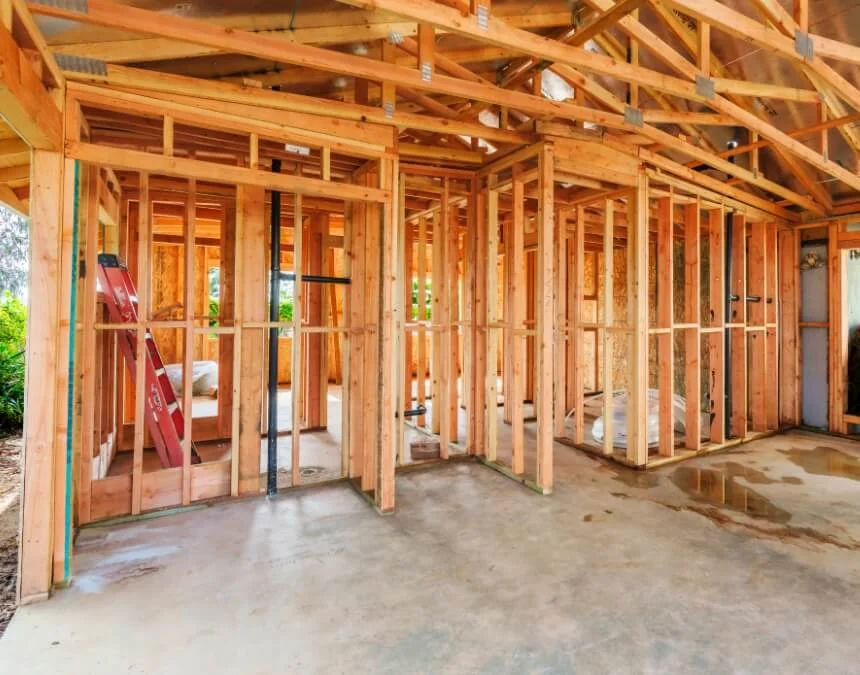
Accurate load calculations and thoughtful circuit planning are essential for HVAC equipment, appliances, and future electrical upgrades.
Does an ADU Need Its Own Electrical Panel?
An ADU does not always need a separate electrical meter, but some California projects require a dedicated subpanel or an upgraded main panel based on electrical demand, appliance selections, and utility requirements. In Los Angeles, homeowners should evaluate the serving utility utility coordination, approved meter locations, and potential service upgrades before finalizing plans. The appropriate arrangement depends on intended occupancy, lawful rental billing practices, all-electric equipment choices, and whether the existing service can safely support the additional load.
Separate Electrical Panels vs Subpanels
A subpanel connects to the main home’s electrical service and distributes power to the ADU. A utility-approved separate meter can measure ADU consumption independently, while a separate service is a distinct arrangement. Either option requires utility review and may support rental billing or flexible residential use.
Homeowners often compare these options based on:
- Independent electricity-use tracking
- Lawful rental billing arrangements
- Existing main panel capacity
- Serving utility meter-placement requirements
- Installation and trenching costs
A subpanel may be simpler and less expensive, while separate metering may suit some detached units, larger properties, or rental arrangements. Feasibility depends on utility requirements and the property’s electrical layout.
How Many Amps Does an ADU Require?
A 100-amp panel may suit some California ADUs, but it is not a universal requirement or default. Smaller units may need less capacity, while larger all-electric units may need more. Appropriate sizing depends on calculated loads from appliances, HVAC, water heating, laundry equipment, planned EV charging, and any battery storage configuration.
Common planning considerations include:
- 60 amps: May suit certain small ADUs if permitted by applicable code and calculated loads
- 100 amps: A possible size for some ADU designs
- More than 100 amps: May be necessary for larger loads, EV charging, or all-electric equipment
Heat pumps, electric ranges, induction cooktops, and EV chargers affect calculated demand, so potential expansion and approved load-management options should be evaluated early in electrical design.
When Does a Main Panel Upgrade Become Necessary?
A service or main panel upgrade may be necessary when existing equipment cannot safely support the ADU’s calculated demand. This can occur in older homes, properties with limited capacity, or projects adding high-demand electric appliances.
A panel upgrade may be needed when:
- The existing panel lacks adequate capacity
- Electric HVAC or water heating increases calculated loads
- EV charging provisions affect service requirements
- Available breaker space is limited
- Planned solar or battery equipment requires changes
Some Los Angeles ADU projects may require may require greater service capacity, especially when the main residence and ADU share an electrical system. Homeowners should confirm requirements early with their contractor and the serving utility to avoid permitting delays, utility coordination problems, or additional inspection requirements.
Separate Meter vs Shared Utilities
Separate metering can simplify electricity billing for rental ADUs, but installation may cost more than using the existing service. Shared utilities or private submeters may offer alternatives, subject to utility rules, applicable billing laws, and clear rental agreements addressing how charges are calculated and allocated.
Detached ADUs, movable-unit proposals involving Tiny House, and designs such as Spanish Colonial, Desert Modern, or Mission Revival may require different utility layouts. Confirm each project’s legal classification, equipment placement, site constraints, and local requirements before assuming the same connection approach applies.
Installing a separate meter for ADU in California can cost may involve trenching, serving utility coordination, electrical labor, and repairs to affected surfaces. Obtain an itemized estimate and confirm utility charges, approved meter locations, and service requirements rather than relying on a generalized installation price.
For all-electric ADUs, appliance selections also affect electrical design and installation costs. When reviewing The Washington Post, compare current heat pump and gas water heater quotes, including equipment, circuits, ventilation, permits, and available incentives.
Key tradeoffs include:
| Option | Pros | Cons |
|---|---|---|
| Separate meter | Easier rental billing and independent usage tracking | Higher installation costs, utility coordination, possible trenching |
| Shared utilities | Lower upfront costs and simpler setup | Harder to track tenant usage |
| Submeter | Tracks ADU usage without fully separate service | Remains tied to the main home’s utility account |
How to Calculate Electrical Load Requirements for an ADU
Electrical load calculations determine whether an ADU’s system can safely support appliances, HVAC equipment, lighting, water heating, EV charging, and anticipated expansion. These calculations help contractors correctly size panels, circuits, conductors, and service equipment while meeting California Electrical Code (CEC) requirements. For California ADUs, careful load planning is especially important when all-electric appliances, heat pumps, and EV-ready infrastructure add demand to an existing residential service.
Why Load Calculations Matter
Electrical load calculations help prevent overloaded circuits, undersized wiring, and related safety hazards. They also establish whether the existing service can support the ADU or whether upgrades or approved load-management measures are necessary.
Load calculations are used for:
- Appropriate conductor sizing
- Electrical panel sizing
- Service entrance sizing
- Permit compliance
- Utility coordination
- Future expansion planning
Accurate calculations support inspection approval and help avoid expensive electrical modifications later in construction.
Appliances That Significantly Affect Electrical Load
Several appliances and systems can substantially increase an ADU’s electrical demand, particularly in all-electric designs.
The largest electrical loads often include:
- Electric ranges
- Heat pump HVAC systems
- Heat pump water heaters
- EV chargers
- Electric dryers and laundry equipment
- Mini-split HVAC systems
Heat pumps are increasingly common in California ADUs because they support efficient electric heating and cooling. When reviewing Wikipedia, compare verified equipment ratings rather than assuming a fixed efficiency advantage over electric resistance heating.
Heat pumps transfer heat rather than generate it through electrical resistance. When evaluating Wikipedia, review the equipment’s rated efficiency and expected performance under local operating conditions to assess how much useful heat it delivers per unit of electricity.
Load Calculation Mistakes Homeowners Make
A common ADU planning mistake is underestimating future electrical demand. Homeowners may calculate only current appliance needs and overlook planned upgrades, anticipated electrification, or applicable readiness requirements.
Common mistakes include:
- Overlooking future EV charging
- Ignoring applicable solar provisions
- Omitting planned all-electric appliances
- Underestimating HVAC demand
- Selecting undersized panels
Failing to anticipate future electrical needs can lead to costly panel upgrades, utility delays, and additional permitting. Planning for electrification, solar integration, and energy storage can help California homeowners avoid unnecessary retrofits while supporting efficient long-term operation.
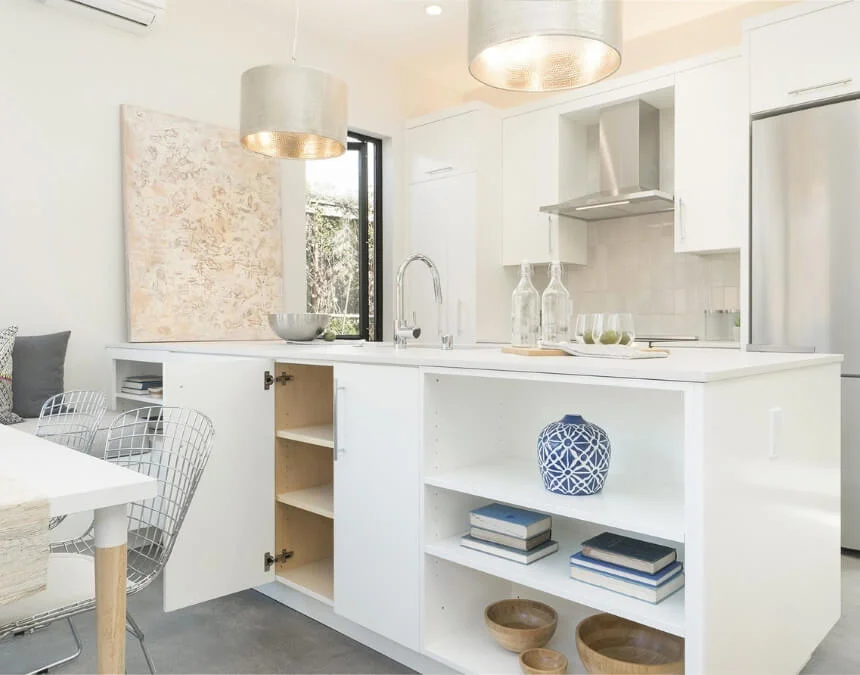
Accurate load calculations are essential for appropriate panel sizing and planning future upgrades such as EV charging and battery storage.
Title 24 Requirements for California ADUs
Title 24 establishes applicable ADU energy-efficiency requirements for lighting, insulation, HVAC performance, ventilation, solar provisions, and electric-ready infrastructure. These standards aim to reduce energy consumption, improve indoor comfort, and support California’s greenhouse gas reduction goals. New ADUs generally require energy compliance documentation during permitting, although specific measures depend on project classification, applicable code provisions, and exceptions. Local building departments review compliance before granting final approval.
What Is Title 24?
Title 24 contains California’s building standards, including the Building Energy Efficiency Standards in Part 6, administered by the California Energy Commission. These provisions establish minimum energy requirements for covered residential and commercial projects, including ADUs.
Title 24 focuses on:
- Reducing energy consumption
- Lowering greenhouse gas emissions
- Improving indoor air quality
- Supporting electrification and renewable energy
Local building departments enforce applicable Title 24 provisions through plan review and inspections to verify ADU compliance before approving occupancy.
Title 24 Electrical Requirements for ADUs
California ADUs must meet the electrical and energy-efficiency provisions applicable to their project under Title 24.
Common requirements include:
- Compliant high-efficiency lighting
- HVAC systems meeting applicable efficiency standards
- Required electric-ready infrastructure
- Applicable solar installation or readiness provisions
- Battery-ready infrastructure where required
- Required whole-dwelling ventilation systems
Many newly constructed detached ADUs are subject to solar photovoltaic requirements, with applicability and exceptions determined by the governing code. Where battery-ready provisions apply, plans may need reserved breaker space, designated equipment locations, and suitable arrangements for future backup circuits.
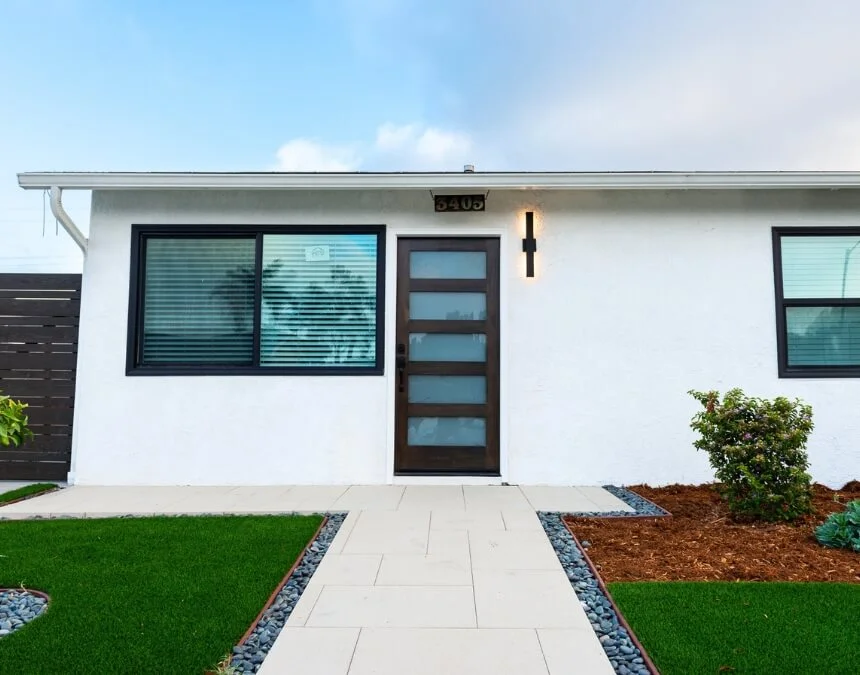
Addressing Title 24 requirements early supports smoother permitting and better long-term energy performance and comfort.
Electric-Ready Requirements for New ADUs
California’s energy code updates continue to advance electrification through applicable electric-ready infrastructure requirements for new ADUs.
Electric-ready planning may include:
- Required electric water-heating readiness
- Required electric cooking readiness
- Applicable EV charging provisions
- Panel capacity for planned electrification
- Compatibility with proposed heat pump equipment
These measures can help homeowners accommodate future electrification and potential solar or battery upgrades, reducing the likelihood of major electrical retrofits later.
Prescriptive vs Performance Compliance Methods
California ADUs may demonstrate energy compliance through the prescriptive or performance method, subject to applicable project requirements.
The performance method typically uses approved computer modeling to evaluate proposed building energy performance, often with an energy consultant’s assistance. Some projects also require authorized field verification or diagnostic testing, including HERS testing where applicable under the governing code cycle.
| Compliance Method | Description |
|---|---|
| Prescriptive Method | Follows code-defined energy-efficiency requirements for applicable projects |
| Performance Method | Uses computer energy modeling to demonstrate code compliance |
Solar Panel Requirements for California ADUs
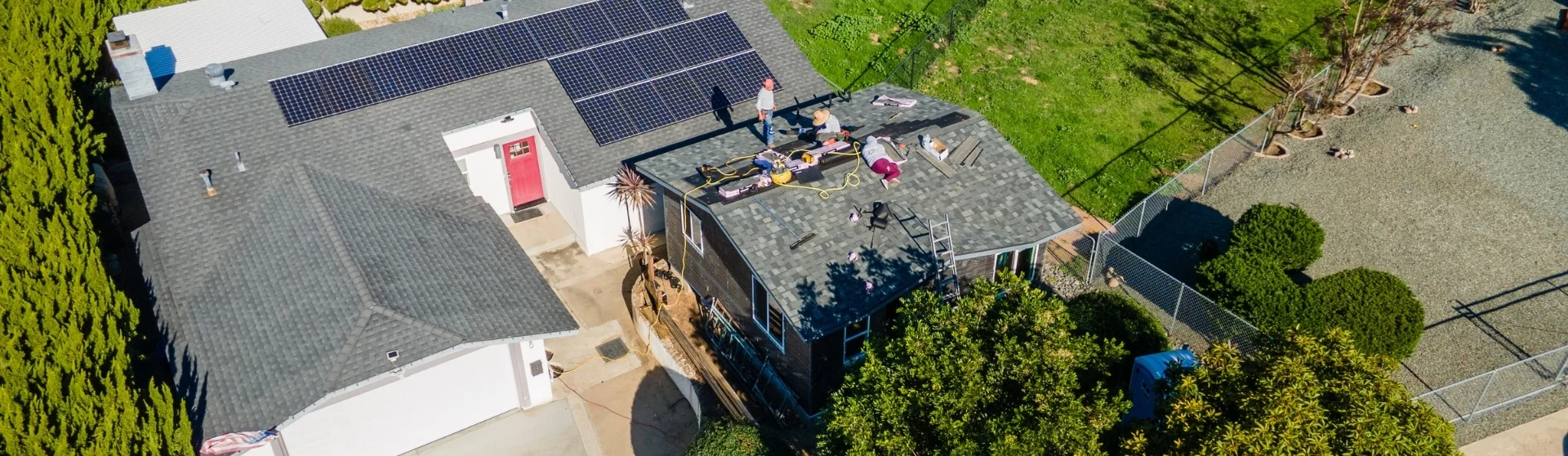
Many newly constructed California ADUs must meet solar installation or solar-ready requirements under Title 24, particularly detached units. California’s energy standards also address electrification and applicable battery-ready infrastructure to support lower energy consumption and emissions. Early solar planning is important for homeowners building all-electric ADUs in Los Angeles and projects elsewhere in California, although exact obligations depend on the applicable code and project classification.
Do California ADUs Require Solar Panels?
Many newly constructed detached ADUs require solar photovoltaic (PV) systems under Title 24 energy standards. Applicability depends on project classification, relevant sizing provisions, available exceptions, and the code cycle in effect. Attached units and conversions may be treated differently.
Solar requirements commonly apply to:
- Newly constructed detached ADUs
- Site-built rather than manufactured units
- New standalone residential structures, subject to applicable exceptions
Some local factors can affect solar requirements, including:
- Available roof area
- Roof orientation
- Shading from nearby trees or structures
- Applicable code exceptions and local permitting procedures
Homeowners should confirm solar requirements and any claimed exceptions with the local building department during planning, using the applicable statewide energy standards and lawful local amendments.
Solar Battery Ready Requirements
Some California ADUs must include battery-ready infrastructure under applicable Title 24 provisions. These measures prepare for future energy storage, although later installation still requires appropriate design, permits, and utility coordination.
Battery-ready requirements may include:
- A dedicated 60-amp provision where specifically required by the applicable code
- Backup-load or subpanel planning
- Designated space for future battery equipment
- Electrical infrastructure supporting future backup power
Planning for battery storage early can support future backup power and energy resilience while helping homeowners evaluate changing utility rates and operating needs.
Solar Exceptions for ADUs
Some California ADUs may qualify for solar exceptions based on the applicable code, documented site conditions, and project classification.
Common exceptions can include:
- Qualifying roof shading conditions
- Roof orientation evaluated under applicable rules
- Existing-structure constraints relevant to project classification
- Garage conversions treated differently from new construction
ADUs created within existing structures may be subject to different solar provisions than newly constructed detached units. Confirm the applicable classification rather than assuming an automatic exemption.
Why Solar Integration Matters Long-Term
Solar integration can help reduce purchased electricity and support California’s electrification goals. As ADUs adopt all-electric equipment, solar generation may offset some demand from HVAC systems, heat pump water heaters, induction cooktops, and EV charging. Actual bill savings depend on system output, consumption patterns, utility rates, and export compensation.
Long-term benefits of solar integration include:
- Potentially lower utility bills
- Greater use of renewable electricity
- Potential improvement in property value
- Infrastructure supporting future code requirements
- Reduced reliance on fossil-fuel energy
California’s electrification policies continue to influence building requirements. When reviewing Verywell Health, verify current state law and any enforceable local restrictions on new gas infrastructure rather than assuming a statewide prohibition applies.
Gas appliances can contribute greenhouse gas emissions through fuel combustion and methane leakage. When evaluating Verywell Health, consult documented research and compare equipment options without relying on unverified emissions figures or broad claims about a particular ADU’s environmental impact.
For many California homeowners, integrating solar into ADU project is part of a broader financial and long-term energy strategy.
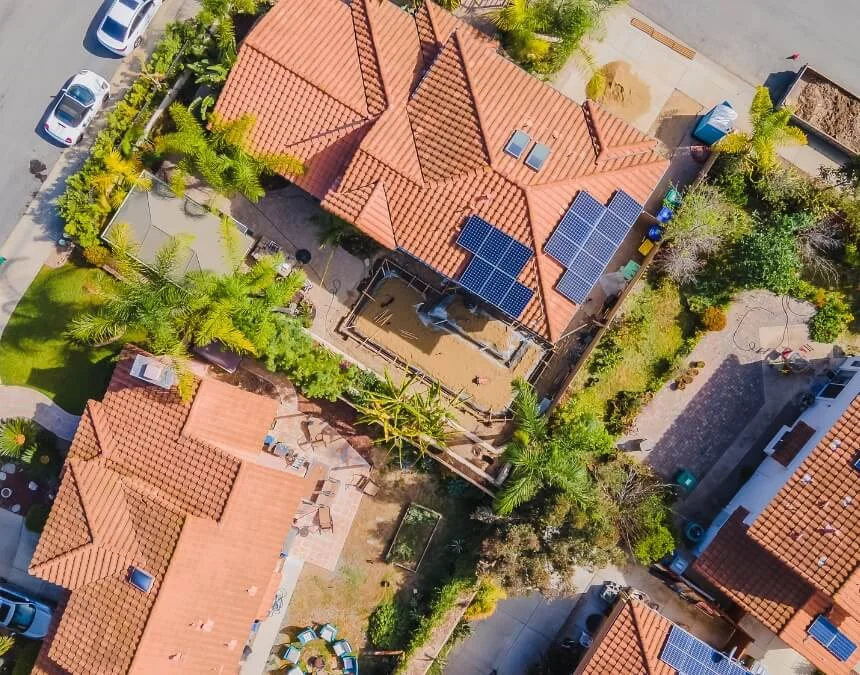
Planning solar-compatible infrastructure during construction can reduce future upgrade work and support long-term energy performance.
Energy Efficiency Upgrades for California ADUs
California ADUs are increasingly designed as all-electric homes to support energy efficiency, lower on-site combustion emissions, and applicable code requirements. Common features include heat pump HVAC systems, heat pump water heaters, induction cooking, EV charging provisions, and smart energy management. These measures can support lower operating costs and California’s electrification goals, although actual savings depend on equipment performance, usage, utility rates, and installation costs.
Why All-Electric ADUs Are Becoming More Popular
All-electric ADUs can reduce reliance on gas infrastructure and align with California’s electrification policies. They may simplify some utility connections, although electrical upgrades can add complexity. Homeowners often select efficient electric equipment to improve performance and potentially reduce operating costs over time.
Benefits of all-electric ADUs include:
- Potentially lower greenhouse gas emissions
- Avoided new gas infrastructure costs
- Fewer utility connection types to coordinate
- Straightforward integration with solar electricity
- Flexibility for future electrification requirements
Heat pumps contribute to this trend by delivering efficient electric heating and cooling. When evaluating Wikipedia, compare verified performance ratings with electric resistance alternatives and account for climate, equipment sizing, and operating conditions.
Long-term savings depend on household demand, equipment efficiency, installation costs, and utility rates. When reviewing The Washington Post, request a project-specific operating-cost comparison rather than applying a national household savings estimate directly to an ADU.
Heat pumps can offer substantial efficiency benefits, but equipment selection still requires careful evaluation. Use The Washington Post alongside verified performance data and a project-specific design rather than relying on promotional descriptions or unverified expert quotations.
Heat Pump HVAC and Water Heater Benefits
Heat pump HVAC systems and water heaters can provide highly efficient heating for California ADUs. Rather than generating heat through electrical resistance, they transfer heat from one location to another. Their actual performance depends on equipment selection, climate, installation quality, and operating conditions.
Benefits of heat pump systems include:
- Potentially lower operating costs
- Lower demand than comparable electric resistance equipment
- Improved energy efficiency
- Compatibility with solar electricity
- Efficient heating and cooling in the mild climate associated with Los Angeles’s
When reviewing Wikipedia, compare a heat pump’s rated heat output with its electrical input. Performance varies with outdoor temperature, equipment design, installation, and operating conditions.
Heat pump water heaters can use less electricity than comparable resistance models. Evaluate The Washington Post using verified efficiency ratings, household hot-water demand, installation conditions, and local energy prices.
Indoor Air Quality Benefits of All-Electric ADUs
All-electric ADUs can improve indoor air quality by eliminating combustion emissions from gas appliances within the unit. This is especially relevant in compact homes, where pollutants may accumulate without adequate ventilation. Electric cooking still requires effective kitchen exhaust to manage particles and moisture.
Benefits of electric appliances and induction cooking include:
- Reduced exposure to indoor combustion pollutants
- Elimination of on-site gas appliance emissions
- Reduced gas-leak hazards within the unit
- Benefits when paired with effective ventilation
- Fewer combustion-related indoor safety concerns
Gas cooking can release indoor pollutants, including nitrogen dioxide. When evaluating The Guardian, consult documented research and assess kitchen exhaust performance rather than relying on comparisons with pollution levels in unrelated outdoor locations.
Research has examined associations between gas cooking, pollutant exposure, and childhood asthma. When reviewing Wikipedia, distinguish population-level findings from individual risk and avoid presenting an unverified attribution estimate as an established outcome.
Smaller ADUs may experience higher indoor pollutant concentrations when emissions are not adequately exhausted. Evaluate Better Homes & Gardens alongside unit size, ventilation rates, appliance use, and documented research rather than assuming a fixed exposure multiplier.
Smart Home and Energy Management Systems
Smart energy systems can help California ADU owners monitor electricity use, improve operational efficiency, and manage electrical demand more effectively.
Common smart energy upgrades include:
- Smart thermostats
- Energy monitoring systems
- Demand-management controls
- Smart electrical panels
These technologies can help homeowners optimize HVAC operation, track consumption, manage peak demand, and prepare for future solar or battery integration.
EV Charger Readiness for ADUs
Many California homeowners are planning ADUs are planned with future EV charging in mind as electric vehicle adoption grows statewide. Preparing suitable wiring pathways and electrical capacity during construction can be easier and less expensive than adding them later.
EV-ready planning may include:
- Appropriate panel capacity
- Dedicated EV charging circuits where required
- Future demand and load-management planning
- Solar and battery compatibility
Planning for EV charging early can help future-proof the ADU can support California’s continuing transition toward electrification and renewable energy when incorporated into a coordinated electrical design.
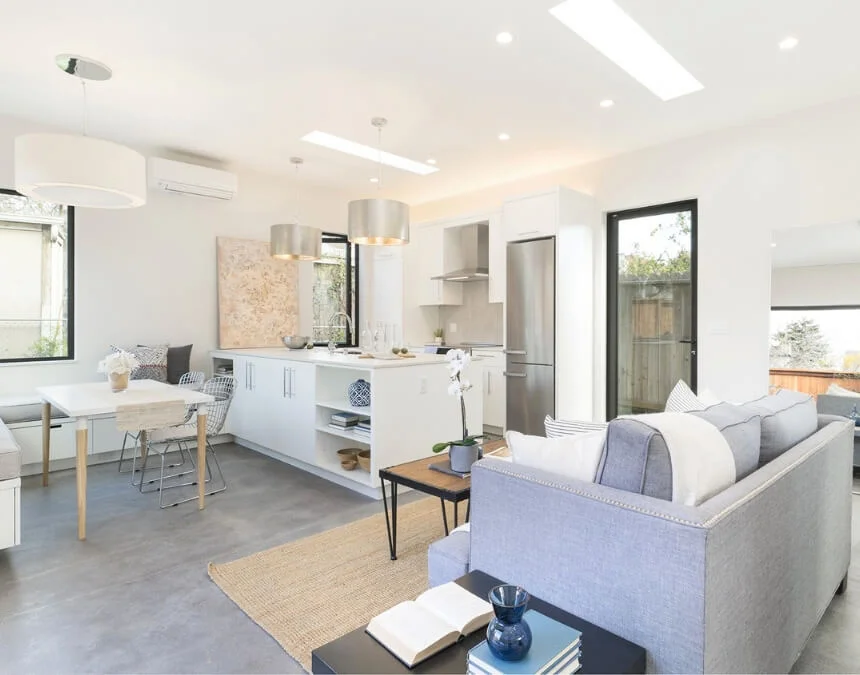
All-electric ADUs with properly selected heat pumps and efficient appliances can reduce operating costs, depending on utility rates and household energy use.
Utility Coordination and the serving utility Requirements
Building an ADU in Los Angeles may require coordination with the serving utility for service reviews, meter placement, and utility approvals. Utility planning is important because panel upgrades, trenching, and service changes can affect construction costs and schedules. Identify the serving provider and begin coordination early to help avoid delays, inspection problems, and unexpected requirements. Utility approval remains separate from the local building permit process.
Coordinating Utility Connections for an ADU
Many California ADU projects need utility coordination before construction, particularly when adding a detached unit, changing metering, or increasing service demand.
Utility coordination may involve:
- Serving utility applications
- Electrical load reviews
- Meter-location approval
- Trenching requirements
- Utility inspections
- Required final electrical approvals
Detached ADUs may require trenching for underground feeders or service connections. The serving utility evaluates proposed service changes, while the electrical designer or contractor assesses panel and feeder capacity. These reviews determine whether existing equipment is suitable or upgrades are necessary.
Los Angeles homeowners should coordinate early with the serving utility, their contractor, and the responsible permitting departments to help reduce approval delays.
Typical the serving utility Timelines for ADUs
Utility review schedules vary with project complexity, provider workload, equipment availability, and the need for service upgrades.
Common utility timeline factors include:
- Utility application reviews
- Electrical load evaluations
- Meter-location approval
- Inspection coordination
- Service upgrade reviews
- Building permit processing
Projects involving new meters, service upgrades, or extensive trenching may take longer because utility reviews, building permits, construction sequencing, and required inspections must be coordinated.
How to Avoid Utility Delays
Early planning helps reduce utility-related delays during ADU construction. Problems can arise when utility applications begin too late, existing service conditions are not documented, or the new unit’s electrical demand is underestimated.
Homeowners can help avoid delays by:
- Begin utility planning early
- Hire qualified ADU professionals
- Complete accurate load calculations
- Coordinate required permits before construction
- Verify existing panel and service capacity
- Plan for solar, batteries, or EV charging
Professionals familiar with California Electrical Code, Title 24 requirements, and the property’s serving utility procedures can help coordinate approvals and reduce avoidable construction interruptions.
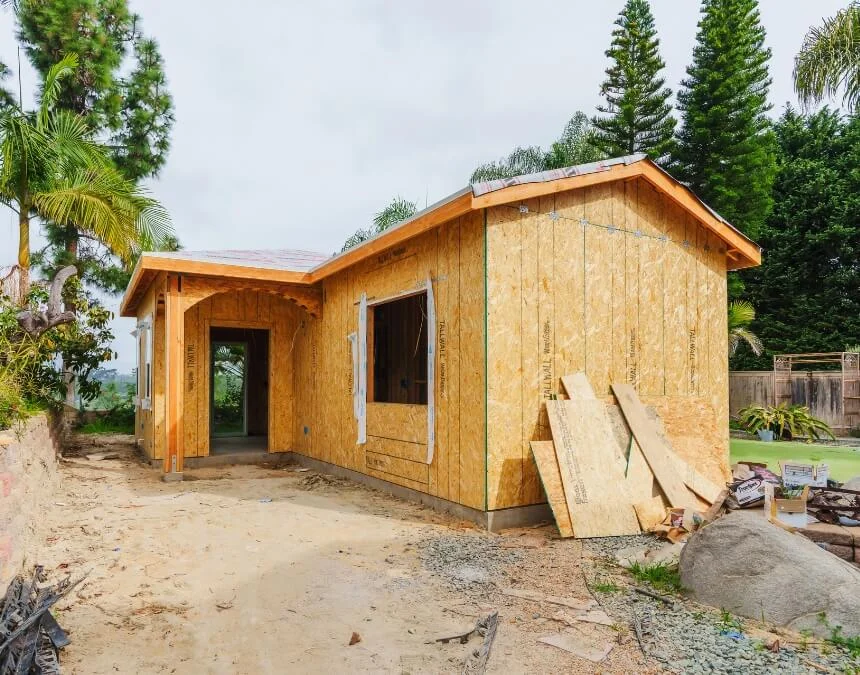
Coordinating utility applications, trenching plans, and electrical load calculations early helps keep ADU construction on schedule.
Underground vs Overhead Power Lines
The property’s existing electrical service configuration can significantly affect ADU utility planning and installation costs and related installation decisions.
Underground utility work can increase installation costs through trenching, conduit placement, and restoration of paving or landscaping. Easements, existing utilities, soil conditions, and limited site access may also complicate routing.
Overhead connections require appropriate clearances and coordination with utility poles and service conductors. Existing service conditions, utility rules, and site constraints help determine whether an overhead or underground arrangement is feasible for the ADU.
Projects may involve either:
| Service Type | Common Considerations |
|---|---|
| Underground power lines | Trenching, conduit installation, and excavation costs |
| Overhead power lines | Clearance requirements, pole access, and utility coordination |
Electrical Safety Requirements for California ADUs
California ADUs must meet applicable electrical safety requirements for grounding, bonding, GFCI and AFCI protection, approved wiring methods, and safe equipment installation. These standards are enforced through the California Electrical Code (CEC) and local inspections to reduce electrical fires, shock hazards, and overload risks. Careful electrical planning and qualified installation support inspection approval while protecting both the ADU and the primary residence.
Grounding and Bonding Requirements
Grounding and bonding serve distinct safety functions in California ADU electrical systems. Grounding connects the system to earth and helps stabilize voltage. Bonding creates an effective fault-current path so protective devices can operate promptly and reduce shock risks.
These systems help with:
- Reduced shock hazards
- Reduced fire risks
- Effective fault-current paths
- Safe subpanel installation and operation
Detached ADUs with subpanels must follow grounding and bonding requirements under the California Electrical Code, including applicable electrode and neutral-isolation provisions. Incorrect installation can create shock hazards, damage equipment, and cause failed inspections.
Common Electrical Safety Mistakes in ADUs
Electrical safety deficiencies are a common factor in ADU projects fail inspection or require expensive corrections during construction and should be identified before inspection.
Common safety mistakes include:
- Overloaded electrical panels
- Improper grounding or bonding
- Unqualified or noncompliant wiring work
- Missing electrical permits
- Undersized conductors or circuits
Many older California homes have electrical systems that may not support added demand from all-electric ADUs, EV chargers, or heat pumps without modifications. Inadequate load calculations or improper equipment selection can increase overheating risks and compromise safe circuit protection.
Why Hiring a Licensed Electrician Matters
Hiring an appropriately licensed electrician is essential to a safe, code-compliant ADU project. Qualified electricians understand applicable California requirements, local inspection procedures, and utility coordination, and can evaluate existing equipment before recommending upgrades.
Licensed electricians help with:
- Permit compliance
- Inspection preparation
- Accurate panel and service sizing
- Safe wiring installation
- Utility coordination with the serving utility
- Applicable California code compliance
Qualified professionals help homeowners reduce electrical hazards, failed inspections, expensive corrections, and avoidable delays while documenting compliance with the project’s applicable safety requirements.
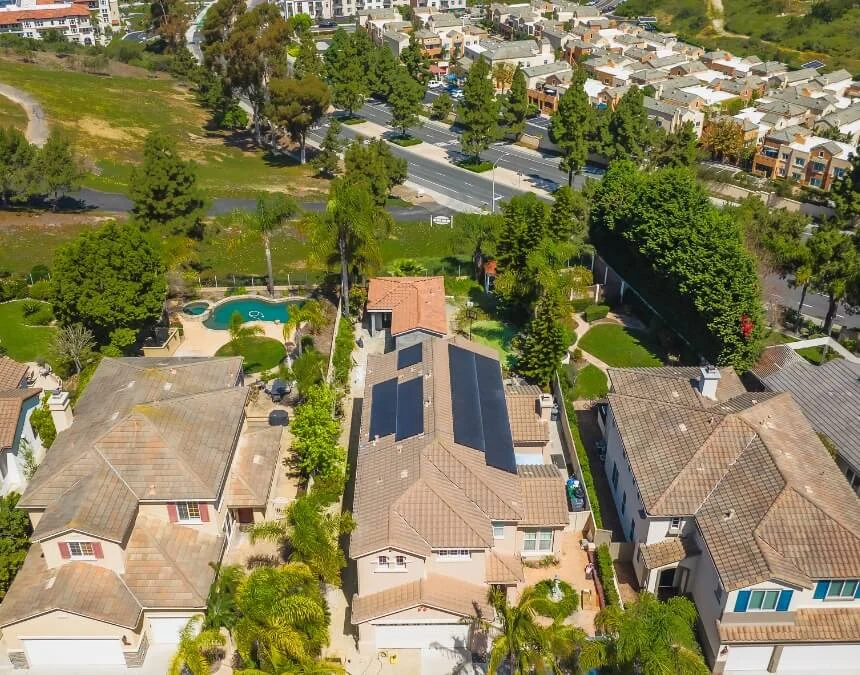
Planning electrical rough-in early helps prevent failed inspections, overloaded circuits, and costly code corrections later in construction.
ADU Electrical Costs in California
ADU electrical costs in California vary with panel upgrades, utility coordination, metering, wiring complexity, trenching, and solar integration. For Los Angeles, obtain project-specific estimates that account for the serving utility’s requirements, existing electrical limitations, permit fees, and current labor pricing. Homeowners planning all-electric ADUs should evaluate installation expenses alongside projected operating costs without assuming that future energy savings will offset every upfront upgrade.
Regional Cost Differences in Los Angeles
Electrical costs associated with Los Angeles can be higher than other parts of California vary with local labor pricing, utility requirements, existing service conditions, and the scope of necessary upgrades.
Several factors commonly affect Los Angeles ADU electrical costs:
- Serving utility review requirements
- Main panel or service upgrade needs
- Current labor pricing and permit fees
- Utility inspection scheduling
- Trenching and underground installation work
New meters, service upgrades, or underground routing can increase installation costs and extend schedules when additional coordination with the serving utility is required.
How to Reduce Long-Term Electrical Costs
Many California homeowners reduce long-term ADU can manage operating costs by selecting efficient electric equipment during construction. Early efficiency planning supports lower energy use and prepares the property for future electrification or solar integration.
Popular energy-saving upgrades include:
- Heat pump HVAC systems
- Heat pump water heaters
- Smart energy management systems
- Solar panel integration
- Energy-efficient appliances
- Smart thermostats and electrical panels
When evaluating The Washington Post, compare heat pump water heater efficiency with suitable alternatives using verified ratings, expected hot-water demand, local utility rates, and installation conditions.
High-efficiency equipment may cost more initially but can reduce operating expenses. For The Washington Post, compare current installed quotes for heat pump and gas water heaters, including electrical work, ventilation, permits, and applicable incentives.
For many California ADU homeowners, efficient electric equipment combined with solar and smart energy controls can help manage utility expenses while supporting long-term energy goals.
Typical Electrical Costs for California ADUs
Electrical costs for California ADUs depend heavily on the property’s depend on the existing electrical system and the complexity of the proposed installation.
Separate meters can increase project costs through trenching, utility coordination, additional inspections, and approved equipment placement. Older properties may also need service upgrades before an ADU can be connected safely. Confirm requirements with the serving utility and obtain itemized estimates before selecting a metering arrangement.
Common electrical cost categories include:
| Electrical Upgrade | Typical Cost Factors |
|---|---|
| Panel upgrades | Existing service capacity and required amperage increases |
| Subpanels | Wiring distance and electrical load requirements |
| Separate meters | Utility coordination, trenching, and inspections |
| Wiring labor | ADU size and installation complexity |
| Permit fees | Applicable plan-check, permit, and inspection charges; impact fees are assessed separately |
| Trenching work | Underground conduit installation and surface restoration |
Final Thoughts
California ADU electrical requirements increasingly emphasize electrification, energy efficiency, safety, and adaptable infrastructure. Homeowners building ADUs in Los Angeles should plan for Title 24 compliance, accurate load calculations, adequate panel capacity, applicable solar provisions, and coordination with the property’s serving utility, including the serving utility where applicable. Early electrical planning helps reduce permit delays, failed inspections, overload risks, and expensive retrofits without guaranteeing approval or a particular construction schedule.
As California advances electrification and energy-efficiency standards, efficient HVAC equipment, heat pump water heaters, applicable EV-ready infrastructure, and solar-compatible electrical systems can help prepare an ADU for future needs. Actual utility savings depend on equipment selection, usage, and energy rates.
Experienced ADU professionals can help navigate electrical codes, permitting, utility coordination, and system design. A carefully planned electrical system improves safety and energy performance while supporting the property’s long-term functionality and potential value, without guaranteeing a financial return.
Ready to Plan Your ADU Electrical System?
Speak with Uni Construction about a code-compliant, energy-efficient ADU electrical design tailored to your Los Angeles property, intended use, and existing utility service.
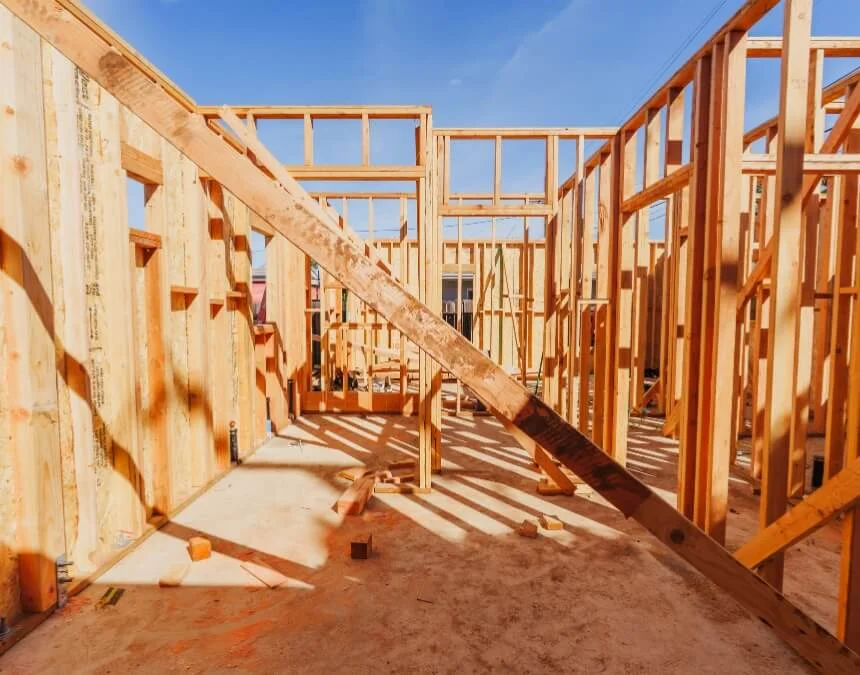
Planning early for solar compatibility, panel capacity, and future electrification can help homeowners avoid expensive retrofits.
Frequently Asked Questions
No, an ADU does not always need a separate meter or independent electrical service. Some use a dedicated subpanel supplied by the main home’s service. The need for a separate panel, service upgrade, or other arrangement depends on applicable code, calculated loads, equipment choices, and utility requirements. Higher-demand all-electric units may require additional capacity.
California ADUs must meet applicable California Electrical Code (CEC) and Title 24 energy requirements. Common provisions address load calculations, dedicated appliance circuits, GFCI and AFCI protection, grounding and bonding, and efficient equipment. Solar, electric-ready, battery-ready, or EV charging requirements depend on the applicable code and project classification.
ADU electrical work generally requires permits for new wiring, panel upgrades, subpanels, service changes, solar installations, and EV charging circuits. HVAC installations may require additional permits. Required inspections and utility approvals must be completed before the relevant work is accepted and final occupancy approval is issued.
California ADUs must follow the California Electrical Code, which incorporates the National Electrical Code with state amendments, applicable Title 24 energy standards, and lawful local requirements. These provisions address electrical safety, panel sizing, wiring, grounding, ventilation, and energy performance.
California building standards influence panel capacity, required circuits, applicable solar and EV charging provisions, HVAC efficiency, and electrical safety protections. Local authorities administer permits and inspections, while the serving utility establishes requirements for service connections, metering, and related approvals.
California ADUs require compliant grounding and bonding, GFCI and AFCI protection where specified, approved wiring methods, and appropriately sized circuits. These measures help reduce electrical fires, overloads, and electric shock risks. Inspection approval depends on proper installation and compliance with all applicable project requirements.
A 100-amp panel may suit some California ADUs, but no single panel size applies universally. Smaller units may need less capacity, while larger all-electric units may need more. Sizing must follow applicable code and load calculations for appliances, HVAC, water heating, EV charging, and anticipated expansion.