

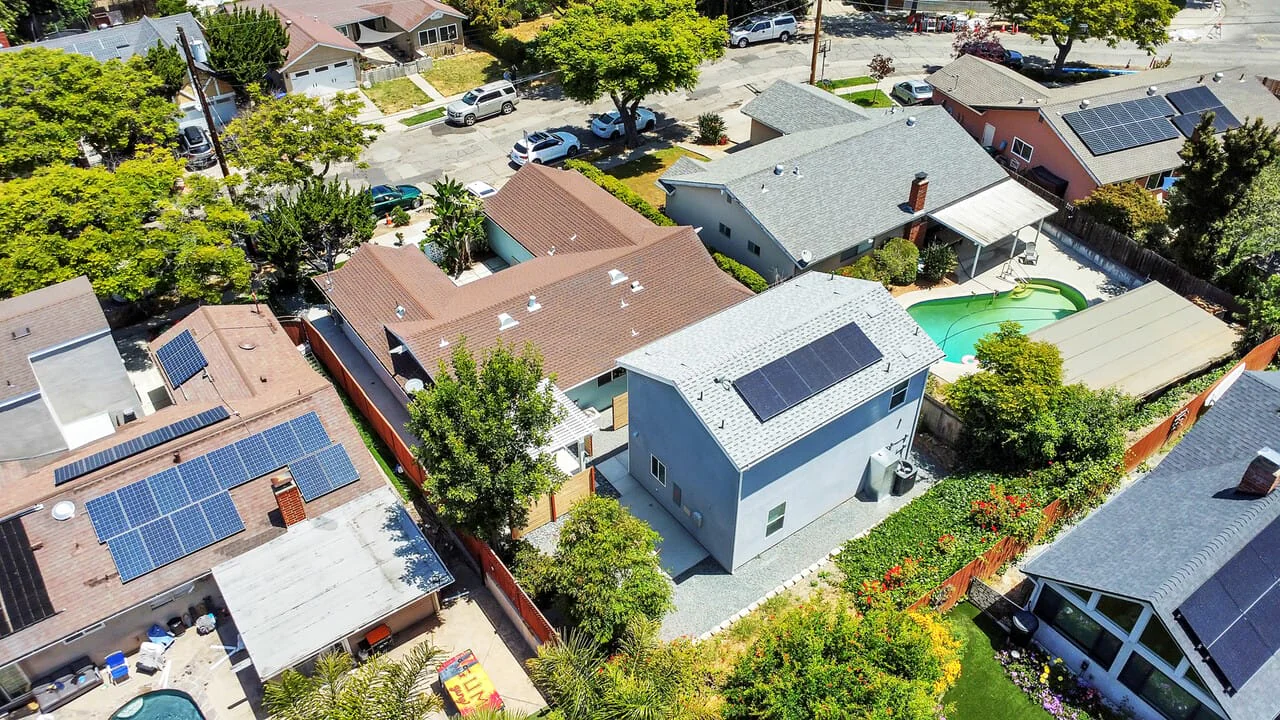
Considering adding a backyard house? These self-contained living spaces are officially known as accessory dwelling units (ADUs). Backyard homes appeal to homeowners looking to make better use of their property. Whether you’re seeking rental income, housing for family members, or a flexible workspace, a backyard guest house can be a worthwhile investment with careful planning.
Backyard ADUs come in various forms, from detached guest houses to garage conversions. These compact, functional homes provide independent living spaces with kitchens, bathrooms, and private entrances, making them an appealing and practical housing option. Let’s explore why building an ADU in your backyard can make a meaningful difference for homeowners in California and beyond.
What is a Backyard ADU?
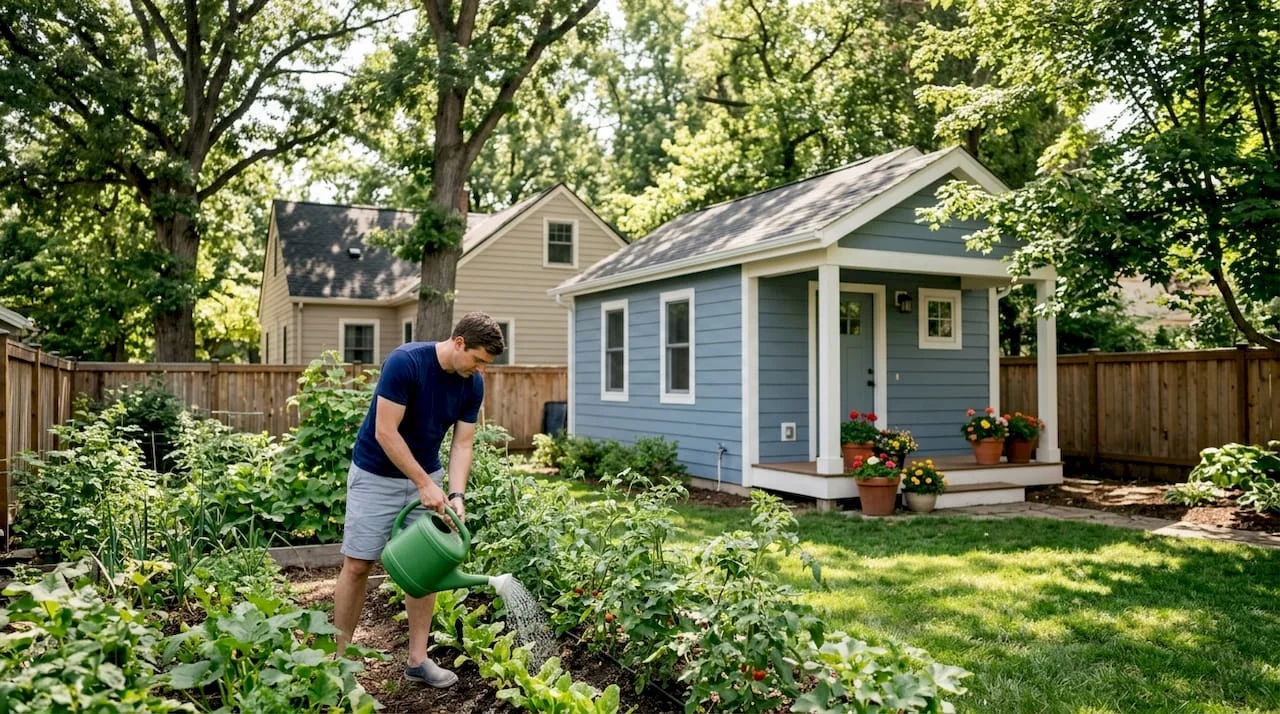
A backyard ADU is a secondary dwelling on the same lot as a primary residence, with complete, independent living facilities. These compact homes, sometimes called backyard houses or backyard guest houses, can accommodate renters, family members, or personal use. In cities such as Los Angeles, housing shortages and high real estate prices have encouraged homeowners to explore ways to make better use of their property.
Building an ADU in Your Backyard
Building an ADU in your backyard creates a self-contained living space with several possible uses, including generating rental income, housing family members, or providing a private office or guest space. These backyard homes can complement the primary residence while meeting applicable development standards. Check current state law and local requirements, particularly those relevant to historic districts, coastal zones, or other property-specific restrictions.
Types of Backyard ADUs
Several types of backyard ADUs may suit your project, depending on your property’s layout and your needs:
- Detached ADU: This stand-alone unit is separate from the main house, often in the backyard. It offers greater separation and can suit renters or extended family.
- Attached ADU: This unit connects to the primary residence, often sharing a wall while maintaining its own entrance and independent living facilities.
- Garage Conversion ADU: Homeowners can convert an existing garage into a livable backyard home. Reusing the structure may reduce some costs, depending on its condition and necessary upgrades.
Learn more about detached vs attached ADUs. Explore garage conversion vs demolition.
Key Considerations for a Backyard House Design
When designing a backyard ADU, consider your lot’s dimensions, existing structures, and applicable zoning requirements. State law and local standards affect the unit’s size, placement, and design, including how it relates to the primary home. In California, review the current state ADU handbook alongside local guidance to understand applicable floor-area limits, property-line setbacks, utility access, and any exceptions or protections that apply to your project.
- Lot Size: Assess the available space for your ADU, outdoor areas, access, and any required parking. Check applicable state protections and local standards. Read more about picking the right ADU size.
- Design Harmony: Consider how the ADU complements the main residence and neighborhood, and verify applicable HOAs and city requirements. Read more about exterior options.
- Utilities and Access: Plan connections to utility lines (electricity, water, sewer, gas), confirm provider requirements, and provide appropriate access to the new unit.
Explore ADU Feasibility Studies as an early step in planning your backyard guest house.
Backyard ADUs: Prefab vs. Stick-Built Construction
When planning a backyard guest house or home, one of the biggest decisions is how to build it. Homeowners often compare prefab ADUs, including modular and panelized construction, with traditional stick-built homes. Each approach has advantages and trade-offs depending on your budget, schedule, customization goals, and site conditions.
What is a Prefab Backyard Home?
Prefab ADUs are manufactured off-site and delivered as complete modules or prefabricated sections, such as panels. They can reduce on-site assembly time, but available designs may limit customization. Delivery routes, crane placement, foundation work, and site preparation can also affect feasibility and overall project costs.
What is a Stick-Built Backyard ADU?
A stick-built ADU is constructed on-site using traditional building methods. This approach may require more on-site construction time, but it offers design flexibility and can accommodate complex sites. Site constraints may favor stick-built construction; verify applicable jurisdictional requirements and any legally enforceable HOA restrictions before choosing.
Which One is Best for a Backyard ADU?
- Choose prefab ADUs if you prioritize faster on-site assembly and can accommodate the available designs and delivery requirements.
- Choose stick-built ADUs if you prioritize customization, integration with your main home, and flexibility on sites with limited delivery access.
For a detailed comparison of construction options, explore Prefab vs. Stick-Built Backyard Homes - What’s Best for Your Property.
Benefits of adding a Backyard ADU
Building an ADU in your backyard offers several potential benefits. In areas with strong housing demand, such as Los Angeles, backyard ADUs can add housing on existing residential lots and create opportunities for rental income. They can also accommodate aging parents or adult children, helping families stay close while maintaining independence. Read on for eight potential benefits of adding a backyard home in Los Angeles:
1. Additional Income for your Family.
These dwelling units can provide a source of rental income while keeping the rental close to home. Before estimating income from a two-bedroom backyard ADU in Los Angeles, compare similar legal rentals and account for vacancy, maintenance, insurance, taxes, and financing. Calculate cash-on-cash returns using your actual investment and loan terms, since borrowing also adds repayment obligations. Review applicable rental restrictions with the Los Angeles Housing Department. Evaluating return on investment of an ADU alongside realistic operating expenses can help you decide whether sharing your property with a new neighbor fits your goals.
2. Increased Property Value.
A newly built backyard ADU can broaden your home’s appeal when you decide to sell, but its effect on resale value depends on the property and local market. Buyers may appreciate potential rental income or separate housing for extended family. However, construction costs do not automatically translate into an equivalent increase in appraised value. Ask a qualified appraiser how permitted ADUs compare in your area, and discuss any tax implications with a tax professional. Rental use may qualify for certain deductions, but personal use and other circumstances affect eligibility. Read more about how backyard ADUs can increase the overall resale property value of homes.
3. Affordable Housing for Family Members or Caregivers.
High housing costs can encourage young adults to remain with their parents rather than establish a separate household. A backyard ADU gives parents and adult children more privacy while allowing them to stay close and potentially share expenses. Conversely, an aging parent may move into an ADU on an adult child’s property to remain near family while maintaining day-to-day independence. For many households, intergenerational living is a major reason to consider an ADU, offering reassurance and more opportunities to spend time together. Plan accessibility features and future care needs early so the space remains useful as circumstances change. ADUs may also accommodate live-in nannies or tutors, subject to applicable housing and employment requirements. Read more about considering ADUs as an alternative to nursing homes.
4. Room for a Home Office in Your Back Yard.
Separating home life from work can be difficult. If you work remotely, a backyard office can give one or more family members a dedicated place to focus with fewer household distractions. A thoughtfully designed workspace offers a quiet, professional setting for those who miss the structure of an office. It can also serve a small business owner who needs flexible space that can accommodate other uses later. Confirm any applicable home-business restrictions before planning client visits or other business activities. You may qualify for a home-office deduction on your taxes, but eligibility depends on your use of the space and applicable tax rules.
5. Downsize Within Your Same Property.
If you want to travel without selling your family home, consider whether renting the main residence and living in a backyard ADU during visits would suit your plans. This arrangement may help offset expenses while preserving the possibility of returning to the larger home later, subject to lease terms and applicable tenant protections. Estimate net income after financing, maintenance, insurance, taxes, vacancy, and management costs before relying on rent to fund travel. Downsizing into an ADU may also suit an aging couple seeking a smaller space while keeping their longtime property. Living on-site can make communication and property oversight easier, but landlords still have maintenance responsibilities. Confirm applicable rental rules and plan for management while you are away. Read our top tips on downsizing into an ADU.
6. Space for Hosting Guests.
Giving guests a private unit can make visits more comfortable and keep your main home from feeling crowded. For extended stays in particular, a backyard guest house offers more space, privacy, and flexibility. Guests can enjoy their own living area without arranging a hotel or other accommodation, while homeowners maintain their daily routines with fewer disruptions. Separate kitchens, bathrooms, and entrances can help everyone spend time together without giving up personal space.
7. Tax Benefits.
ADUs used for qualifying rental or business purposes may be eligible for depreciation deductions, with accelerated treatment potentially available for certain components. Construction costs generally must be capitalized rather than deducted immediately, and maintenance expenses receive different treatment. Ask your accountant to explain see what tax benefits you may qualify for based on your circumstances.
8. Sustainable Development.
Backyard homes can use less land and fewer materials per dwelling than larger, separate homes, making ADUs a sustainable choice worth considering for environmentally conscious families. Compact units may also need less energy for heating and cooling, depending on design, equipment, and occupancy. Thoughtful planning can make an ADU a resource-efficient option for a range of households.
Strategic Reasons for Building a Backyard Home
Adapting to Changing Family Dynamics
As family structures evolve, housing needs change. Young adults seeking more independence, aging parents needing support, and extended family members exploring flexible living arrangements may all benefit from an ADU. Backyard ADUs allow for multigenerational living while preserving privacy and independence. For households considering multigenerational living, a separate unit can balance closeness with autonomy. Planning for accessibility, changing care needs, and different household arrangements can also help your property remain useful as family circumstances evolve.
Capitalizing on Rental Market Opportunities
Rental demand in areas such as Los Angeles can make ADUs appealing to homeowners considering additional income, but feasibility depends on the property and local market. Budget for ongoing maintenance, insurance, taxes, utilities, vacancy, and management rather than assuming minimal overhead or passive returns. Before choosing a rental arrangement, confirm permitted rental terms and any applicable rent-stabilization or tenant-protection requirements with the Los Angeles Housing Department. Short-term rentals should not be assumed permissible. Comparing realistic income projections with construction and operating costs can help you assess whether housing students, professionals, or other tenants supports your long-term financial goals.
Responding to Housing Shortages
The ongoing housing shortage, particularly in regions such as Los Angeles, has prompted communities to consider ways to add homes. ADUs offer one response by creating independent living space on existing residential properties without requiring large-scale development. When thoughtfully planned, they can make more efficient use of land and infrastructure while contributing to the housing supply. Whether you rent the unit or provide a home for family members, your ADU can help address local housing needs alongside other housing strategies.
ADUs: Future Proof Housing
ADUs offer a flexible way to plan for your property’s future. Backyard houses can support multigenerational living and help households adapt as needs change. With thoughtful accessibility features, they may also support aging in place, giving older adults an independent home near family and familiar surroundings. As housing costs and household circumstances evolve, investing in an ADU can be an adaptable, resource-conscious option. Its long-term usefulness depends on careful design, realistic budgeting, and an understanding of the requirements that apply to your property.
Explore Backyard ADU Floor Plans
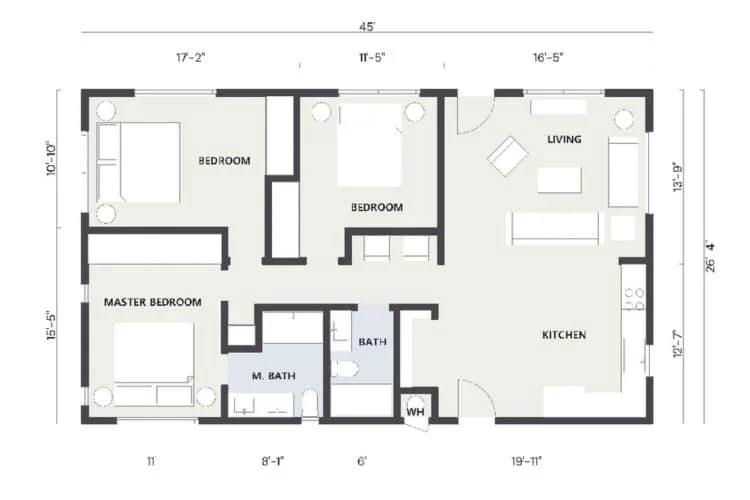
If you’re considering a backyard home, explore ready-made floor plans and mark up promising layouts to share with your designer. Los Angeles offers an ADU Standard Plan Program, but site-specific review is still required. A suitable starting plan may simplify design and reduce costs.
Two Story Floor Plans
Expert ADU advice can help you identify questions about design, budgeting, and permits before construction begins. Explore 14 Expert Tips to Consider Before You Build an ADU for practical guidance to discuss with your designer and local building department.
A thoughtfully planned backyard house may increase your home’s value, generate rental income, and provide flexible living space for years to come. Connect with Uni Construction to begin planning a backyard home that fits your property and goals.