

Why is Sustainable ADU Design Important?
Sustainable ADU design offers homeowners environmental, financial, and quality-of-life benefits. When evaluating ADU permit trends, check current records with the authority responsible for your property, distinguishing the City of Los Angeles from unincorporated county areas and other cities (GlobeSt). An ADU may also increase property value, but any premium depends on permitted construction, local comparable sales, project costs, and market conditions. Consult a qualified appraiser rather than assuming a universal percentage increase (Source: National Association of Realtors).
Key benefits of incorporating sustainable design include:
- Energy Efficiency: High-performance building envelopes, including effective insulation and air sealing, combined with energy-efficient HVAC systems, reduce energy consumption and help homeowners lower utility bills.
- Sustainable Materials: FSC-certified wood supports responsible forest management, helping reduce environmental impacts associated with timber harvesting and production.
- Reduced Energy Loss: Dual- or triple-pane windows and well-insulated doors limit heat transfer, improving comfort and reducing heating and cooling needs.
- Renewable Resources: Solar panels and rainwater harvesting can reduce reliance on utility-supplied electricity and water, lowering environmental impact and potentially reducing bills.
- Long-Term Savings: Sustainable ADUs can lower utility and maintenance expenses over time, improving affordability and potentially supporting resale value.
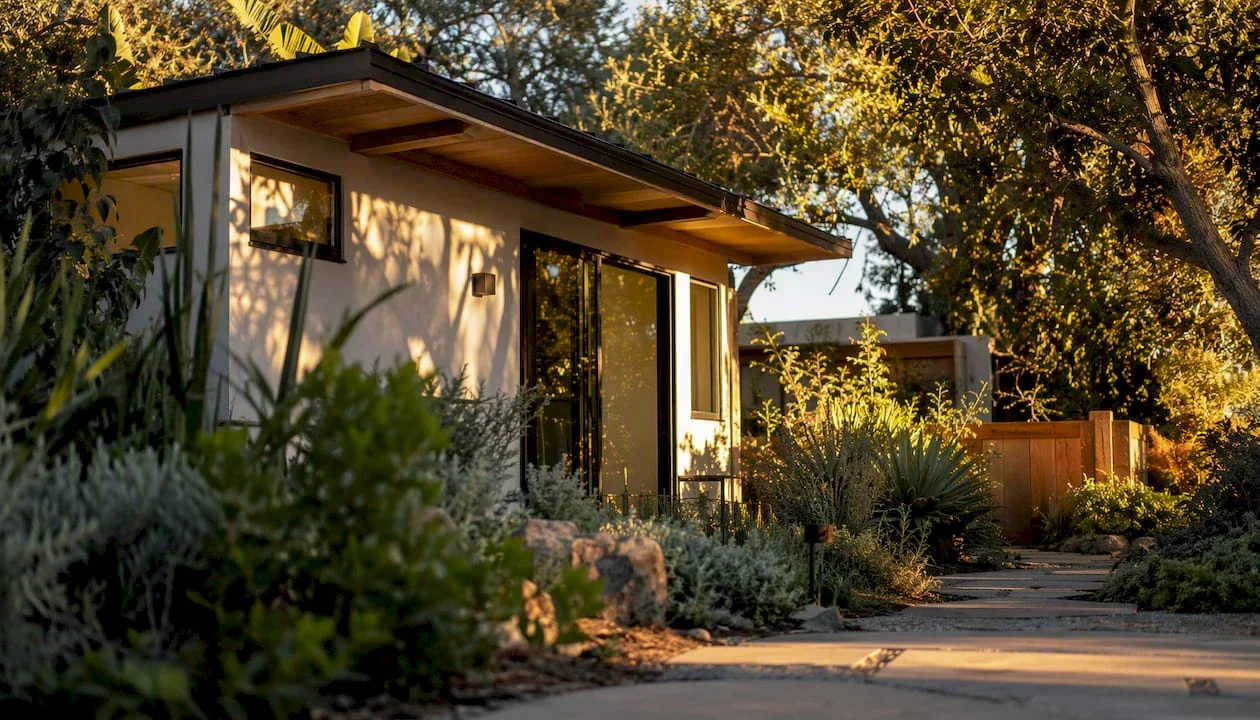
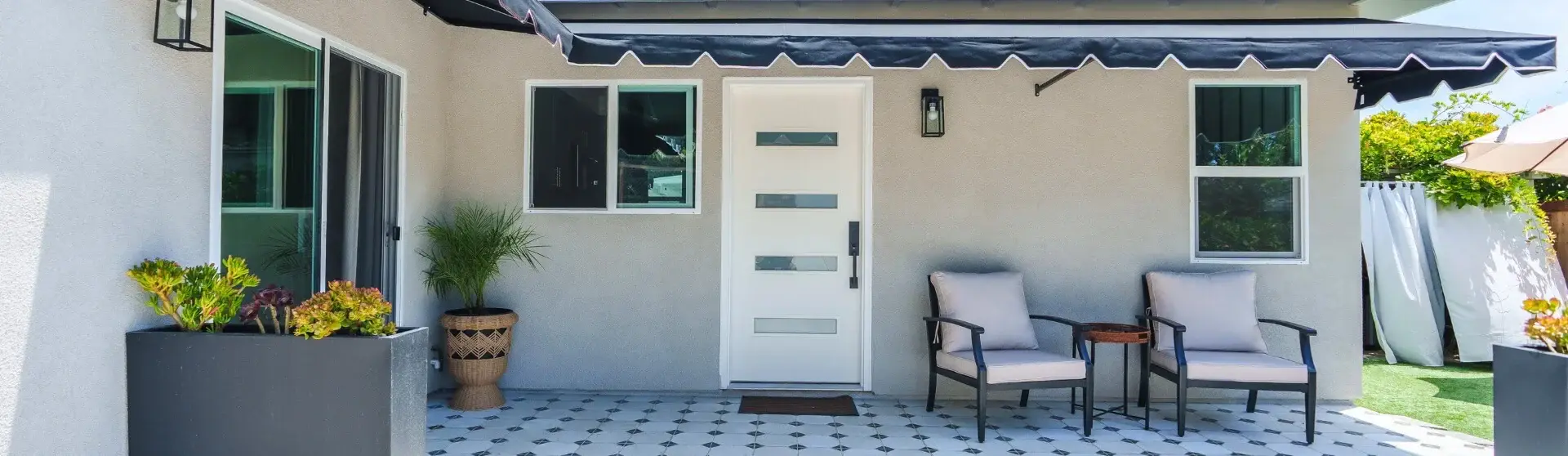
Combine curb appeal with sustainability through drought-tolerant landscaping, thoughtful shading, and energy-efficient windows that improve comfort and may support resale value.
What are the Key Principles of Sustainable Design?
California’s Title 24 energy standards generally require solar photovoltaic systems for newly constructed detached ADUs, subject to applicable code provisions and exceptions. Confirm requirements with your local building department and energy consultant (California Energy Commission). Beyond compliance, sustainable ADU design incorporates several essential principles:
- High-Efficiency Building Envelopes: Prioritize airtight construction and effective insulation to reduce energy use and maintain consistent indoor temperatures.
- FSC-Certified Wood Products: Choose responsibly sourced wood to reduce environmental impacts and support long-term forest sustainability.
- Occupancy-Controlled Ventilation Systems: Use occupancy-responsive controls where permitted, while maintaining required ventilation rates to protect indoor air quality.
- Passive Design Strategies: Position the building and windows thoughtfully, using natural airflow and sunlight to support lighting, heating, and cooling with less energy.
- Energy-Efficient Appliances and Renewable Energy Systems: Select ENERGY STAR-certified appliances and consider solar power to reduce energy bills and operational carbon emissions.
How Can ADUs Maximize Energy Efficiency?
Energy efficiency is central to sustainable ADU design. LED bulbs, for example, use at least 75% less energy and can last up to 25 times longer than traditional incandescent lighting (U.S. Department of Energy). For your project, ask the design team to evaluate high-performance insulation, efficient appliances, LED lighting, dual-pane windows, and rooftop solar together, using energy modeling to assess performance rather than assuming the design meets Passive House certification requirements (REALTOR® Magazine).
To boost efficiency further, consider:
- High-Efficiency Insulation and Fenestration: Proper insulation and dual- or triple-pane windows help reduce heating and cooling demand.
- Energy-Efficient Mini-Split HVAC Systems: Appropriately sized systems provide targeted temperature control and can use less energy than older equipment.
- Sun-Oriented Designs: Balance orientation, glazing, and shading to capture useful sunlight while limiting unwanted heat gain.
- ENERGY STAR-Labeled Windows: Select certified windows suited to your climate to improve thermal performance and reduce energy loss.
- Proper Insulation: Install insulation continuously and correctly, avoiding gaps and compression.
What are Optimal Insulation Techniques for Sustainable ADUs?
Windows and doors can contribute substantially to heating and cooling energy losses, depending on their construction and installation. Sustainable ADU design addresses these losses with energy-efficient fenestration, appropriate glazing, and careful air sealing to improve thermal performance and minimize drafts (Source: gb&d Magazine).
Key insulation techniques include:
- Understanding R-Values: Higher R-values indicate greater resistance to heat flow; select insulation that meets applicable California Title 24 requirements.
- Using Recycled Insulation: Cellulose and recycled-denim insulation can provide effective thermal performance while reducing demand for virgin materials.
- Strategic Installation: Install insulation continuously in walls, ceilings, and floors to minimize gaps and unwanted heat transfer.
- Compliance with Title 24: Verify applicable insulation, air-sealing, and air-leakage testing requirements.
- Practical Benefits: Proper insulation supports lower utility bills, improved comfort, and increased property value.
Why Choose Efficient HVAC Systems?
Efficient HVAC systems support sustainable systems are critical to sustainable ADU design by improving comfort and reducing operational emissions. Consider these options:
- Mini-Split Systems: Efficiently heat and cool separate zones, allowing individual temperature control and reducing unnecessary energy use.
- Geothermal Heat Pumps: Use ground-source energy for efficient heating and cooling; assess installation costs, site conditions, and potential emissions savings.
- Energy Recovery Ventilators (ERVs): Replace stale indoor air with fresh outdoor air while recovering some energy used for heating or cooling.
- Project-Specific HVAC Planning: Ask your mechanical designer to compare technologies based on comfort, sustainability, installation constraints, and lifecycle costs.
- Thermal Comfort: Properly sized, efficient HVAC systems maintain consistent temperatures while limiting energy consumption and environmental impact.
How Can Renewable Energy Be Integrated into an ADU?
Renewable energy supports key to sustainable ADU living. Solar installation costs vary with system capacity, roof conditions, electrical upgrades, and contractor pricing. Request current, itemized estimates and verify any tax credits or incentives with the IRS, relevant agencies, and your utility before including them in your budget (EnergySage via NerdWallet). Renewable options include:
- Solar Panels: Generate renewable electricity that can reduce purchased power and operational carbon emissions, depending on system performance and utility rates.
- Geothermal Heat Pumps: Provide efficient heating and cooling where site conditions, installation costs, and available space make them practical.
- California Incentives: Check current state, local, and utility programs for eligibility, funding availability, and application requirements.
- Complementing Renewables with Daylighting: Use well-placed windows or skylights to reduce daytime lighting demand while controlling heat gain.
- Green Roofs: Vegetated roofs can support habitat and thermal performance; coordinate any solar installation with structural, waterproofing, maintenance, and fire-safety requirements.
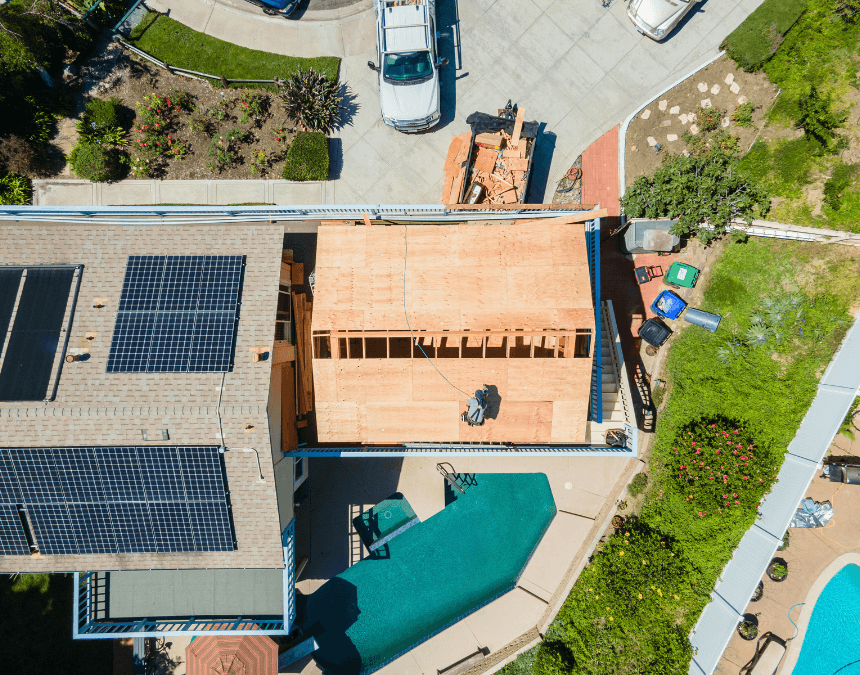
Plan roof structure, insulation, and solar integration early to improve energy performance and support compliance with applicable Title 24 requirements.
What Eco-Friendly Building Materials Should You Use for Your ADU?
Selecting eco-friendly materials is central to sustainable ADU construction. Evaluate durability, responsible sourcing, and environmental impact alongside moisture resistance and indoor emissions. Thoughtful choices help keep your ADU comfortable, healthy, and attractive for years. Key materials include:
- Siding Materials: Consider composite siding, reclaimed wood, or fiber cement, comparing durability, environmental impact, maintenance needs, and applicable fire-resistance requirements.
- Sustainable Countertops: Choose recycled glass, bamboo, or reclaimed wood where suitable to reduce material impacts and add visual appeal.
- Locally Sourced and Rapidly Renewable Materials: Prioritize suitable local and fast-renewing materials to help reduce transportation emissions and resource demand.
- Structural Integrity: Consider engineered bamboo or recycled-content steel where approved; use recycled glass in appropriate nonstructural applications unless specifically engineered otherwise.
- Multi-Pane Windows: Select durable frames and double- or triple-pane glazing to improve insulation and reduce unwanted heat transfer.
What Are the Benefits of Using Sustainable Materials?
Integrating carefully selected sustainable materials into your ADU can provide meaningful environmental, health, and economic benefits:
- Lower Embodied Carbon: Responsibly selected building materials can reduce emissions associated with resource extraction, manufacturing, and transportation.
- Improved Indoor Air Quality: Verified low-emission materials help limit chemical off-gassing and support healthier indoor environments when combined with effective ventilation.
- Increased Marketability and Resale Value: Sustainable features may appeal to environmentally conscious buyers, although their effect on property value varies.
- Aesthetic and Durability Advantages: Natural and recycled materials can offer distinctive finishes and long service lives when appropriately selected and installed.
- Reduced Maintenance Needs: Durable, environmentally preferable materials may require less upkeep, saving time and money over their service life.
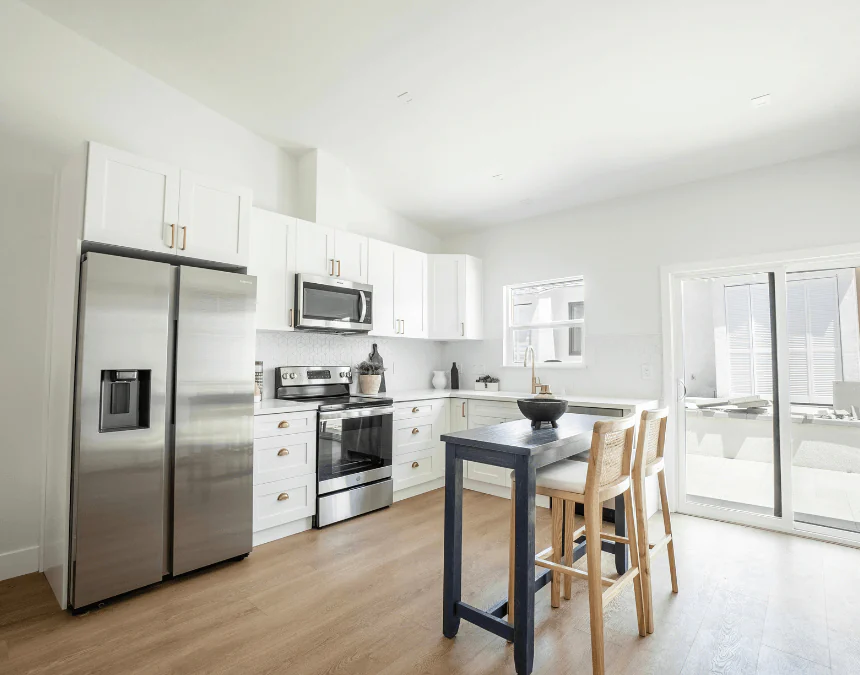
Choose recycled materials, verified low-VOC finishes, and water-efficient fixtures to improve resource efficiency and support healthier indoor air.
Which Common Eco-Friendly Materials Are Recommended for ADUs?
When building a sustainable ADU, consider these popular material options and evaluate their environmental performance:
- Flooring: Bamboo, cork, and reclaimed wood offer attractive flooring options; assess durability, sourcing, and finishes, noting that bamboo and cork renew relatively quickly.
- Roofing: Recycled-content metal and appropriately rated cool roofs can reflect sunlight, reduce heat absorption, and lower cooling demand.
- Insulation: Recycled cellulose or denim insulation improves thermal performance while reducing demand for virgin materials.
- Low-Emission Materials: Choose independently verified low-emission products; a VOC-free label alone does not establish overall safety or indoor air performance.
- Structural Timber: Consider approved reclaimed lumber or mass timber, comparing structural requirements and lifecycle impacts with steel and concrete alternatives.
Best Sustainable Building Materials for Reducing Environmental Impact
| Material | Key Benefits | Notable Considerations |
|---|---|---|
| Bamboo | Fast-growing, renewable, strong, stores carbon | Treatment needs, transport impacts |
| Recycled Steel | Highly recyclable, reduces demand for mining | Energy-intensive production |
| Reclaimed Wood | Reduces new lumber demand, low embodied carbon | Limited availability, condition varies |
| Hempcrete | Potentially carbon-negative, insulating, breathable | Specialized labor, code acceptance |
| Rammed Earth/Clay | Low embodied energy, moderates temperature | Weather protection, specialized techniques |
| Cork | Renewable, insulating, stores carbon | Transport impacts, susceptibility to damage |
| Recycled Glass | Reduces waste, may lower production energy | Processing energy, application suitability |
| Ferrock/AshCrete | Uses industrial byproducts, may reduce embodied carbon | Emerging materials, limited availability |
| CLT | Stores carbon, strong, offers thermal resistance | Responsible forestry, moisture protection |
How Can Smart Technology Enhance Sustainability in Your ADU?
Smart technology can improve your ADU’s sustainability, convenience, and operating efficiency. ENERGY STAR estimates that certified smart thermostats save users an average of around 8% on heating and cooling bills, or roughly $50 annually. Actual savings vary with climate, equipment compatibility, occupancy patterns, utility rates, and previous thermostat settings, so use these figures as a reference rather than a guaranteed outcome (Source: ENERGY STAR).
Key smart technologies beneficial for sustainable ADU design include:
- Programmable Thermostats and Energy Monitoring Systems: Optimize energy use by matching heating and cooling schedules to your lifestyle, equipment capabilities, and occupancy patterns.
- Smart Appliances: Pair efficient appliances with compatible smart controls to manage electricity demand and help reduce operational emissions.
- Real-Time Remote Management: Monitor and adjust connected equipment remotely, responding quickly to unnecessary energy use or changing conditions.
- Precision Energy Control: Use detailed scheduling and equipment controls to align household energy use with sustainable design goals and improve resource efficiency.
What Are the Benefits of Using Energy Management Systems in Your ADU?
Energy management systems support sustainable ADU living by helping you track consumption, identify inefficiencies, and reduce unnecessary energy use. Key benefits include:
- Carbon Footprint Reduction: Compatible smart thermostats respond to occupancy and weather conditions, helping reduce unnecessary energy consumption and associated emissions.
- Enhanced Efficiency Through Monitoring: Real-time data reveals energy-use patterns and helps identify potential improvements, such as better insulation or more efficient windows.
- Optimal HVAC and Lighting Control: Coordinate heating, ventilation, air conditioning, and lighting to reduce waste without compromising comfort or required ventilation.
- Data-Driven Insights: Use energy data to investigate unusual consumption, identify inefficiencies, and assess equipment performance.
- Holistic Energy Management: Integrated monitoring provides a broader picture of household energy use, making sustainability goals easier to track and refine.
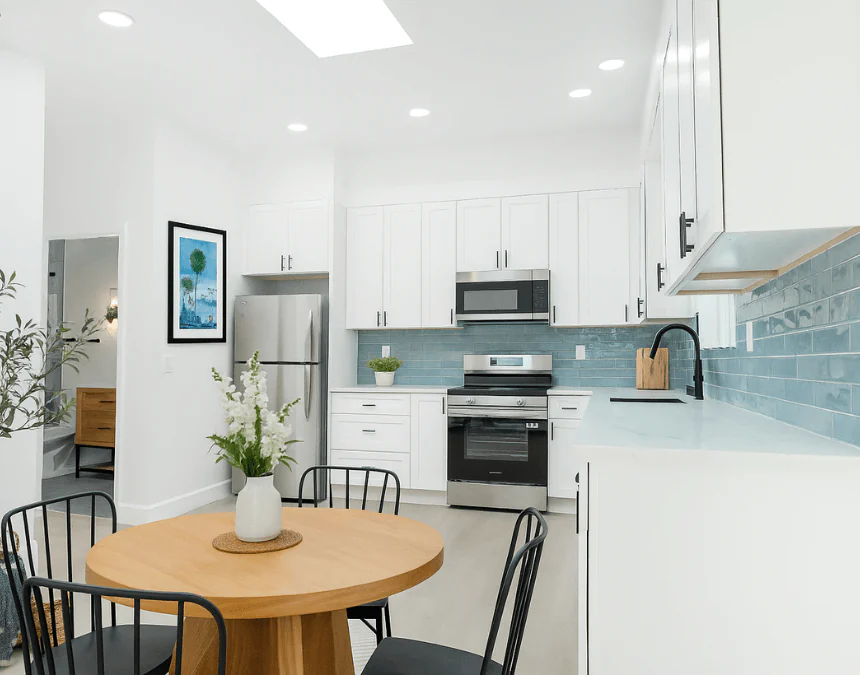
Integrate smart appliances and lighting from the start to reduce energy waste through automation and improve everyday convenience.
Which Water Conservation Technologies Should You Include in Your ADU?
Water conservation is especially important in California’s dry climate. Water-saving technologies support sustainable ADU design by reducing demand and improving resource efficiency. Consider these practical solutions:
- WaterSense-Labeled Fixtures: Replacing standard showerheads with WaterSense-labeled models can save an average family approximately 2,700 gallons of water annually (EPA WaterSense).
- Graywater Recycling Systems: Laundry-to-landscape systems can reuse washing-machine water for suitable irrigation. Confirm expected volumes, site suitability, and applicable local requirements before installation (City of Encinitas).
- Low-Flow Fixtures: Choose efficient faucets, showerheads, and toilets that reduce water use while maintaining reliable performance.
- Rainwater Harvesting: Collect rainwater for irrigation and other approved nonpotable uses, reducing demand for utility-supplied water when rainfall and storage capacity permit.
- Practical Steps to Take: Begin with efficient fixtures, then assess reuse systems and landscape irrigation needs.
Why Are Smart Thermostats and Energy Monitoring Crucial in ADUs?
Integrating compatible smart thermostats and real-time energy monitoring into your ADU can improve efficiency, comfort, and sustainability through:
- Optimized Energy Use: Smart thermostats can learn preferences or follow schedules, adjusting settings to reduce waste when spaces are unoccupied.
- Real-Time Energy Monitoring: Immediate consumption feedback helps identify unnecessary energy use and guides targeted changes to equipment or household habits.
- Remote Energy Management: Adjust your ADU’s temperature remotely to respond to changing schedules while maintaining comfort and controlling consumption.
- Lower Carbon Footprint: Precise heating, cooling, and lighting controls help reduce avoidable energy use and associated operational emissions.
- Enhanced Convenience and Comfort: Compatible smart home systems make energy-conscious living more convenient and responsive to daily routines.
What Water Conservation Strategies Should You Include in Your ADU?
Water-saving methods can reduce your ADU’s environmental impact and utility costs. A smaller home may require less landscape irrigation, but indoor water use depends largely on occupancy, fixtures, and habits rather than floor area alone. Install efficient fixtures, assess rainwater harvesting opportunities, and design drought-tolerant landscaping to improve water efficiency throughout the property.
Consider these practical water conservation strategies for your ADU:
- Select Water-Efficient Fixtures: Install efficient toilets, faucets, and showerheads to reduce water use while maintaining performance.
- Target High-Use Areas: Toilets, showers, and faucets account for substantial indoor demand, making fixture upgrades a practical starting point.
- Implement Rainwater Harvesting: Collect and reuse rainfall for approved applications, accounting for California’s seasonal rainfall and storage needs.
- Leverage Small-Space Efficiency: Limit irrigated landscaping around compact ADUs, while managing indoor water demand through efficient fixtures and everyday habits.
How Do Low-Flow Fixtures Benefit Your ADU?
Low-flow fixtures offer a straightforward way to reduce water consumption in your ADU. Choose products that meet applicable federal and California requirements, balancing reliable performance with water savings and potential reductions in utility costs:
- Substantial Water Savings: Efficient fixtures reduce water consumption. Replacing standard showerheads with WaterSense-labeled models can save an average family approximately 2,700 gallons annually (EPA WaterSense).
- Target Major Water Use: Toilets can account for nearly 30% of indoor household water use. Federal standards generally limit new toilets to 1.6 gallons per flush; California requirements generally call for 1.28 gallons or less.
- Financial and Ecological Gains: Fixture upgrades can lower water and water-heating expenses while reducing demand on shared resources.
- Compliance with Standards: Verify current state and local fixture requirements when planning your ADU for stricter water-saving laws.
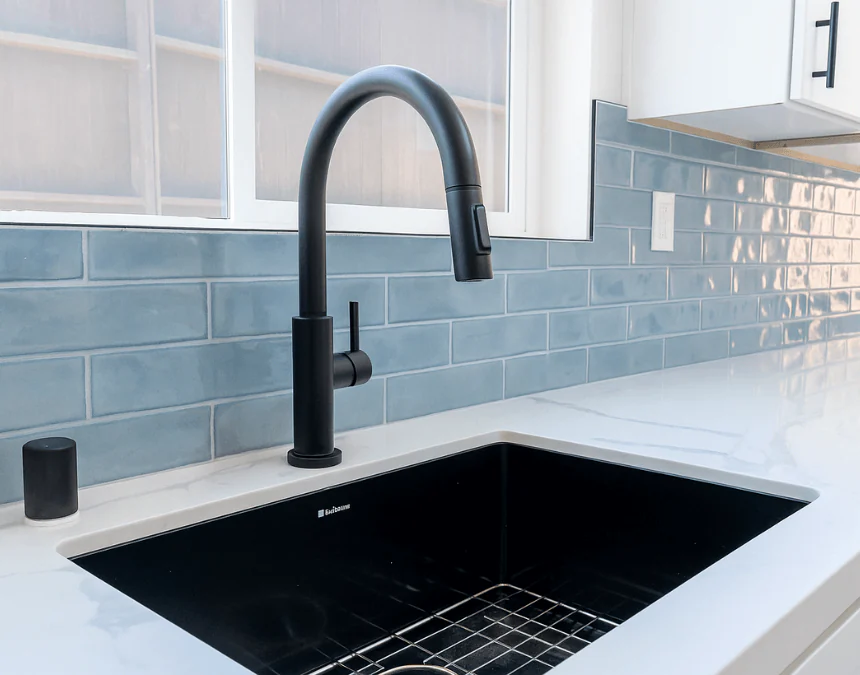
Combine rooftop solar with rainwater harvesting to reduce reliance on utility-supplied resources and potentially lower long-term operating costs.
How Can Rainwater Harvesting Systems Improve Sustainability in Your ADU?
Rainwater harvesting offers a practical way to reduce demand for treated water and support sustainable ADU design. Energy.gov identifies landscape irrigation, washing, cooling-tower makeup, and toilet or urinal flushing as potential uses of harvested rainwater. For a residential ADU, focus on suitable applications and verify storage, treatment, plumbing, and permit requirements with the relevant local authorities (Energy.gov).
Benefits of rainwater harvesting for your ADU include:
- Reduced Municipal Water Use: Collect roof runoff for irrigation or approved toilet-flushing systems to reduce reliance on utility-supplied water.
- Strategic Integration: Plan rain barrels or cisterns around roof drainage, storage needs, maintenance access, overflow management, and applicable safety requirements.
- Support Eco-Friendly Landscaping: Combine rainwater harvesting with drought-tolerant planting to create a landscape that requires less supplemental irrigation.
- Modern Sustainability: Use appropriate collection and monitoring technologies to manage rainfall efficiently and support resource-conscious ADU living.
How Can You Maximize Natural Resources in Your ADU?
Design your ADU around local climate and site conditions to improve comfort and reduce environmental impact. Consider solar power and rainwater harvesting where practical. Study orientation, shading, and prevailing breezes before choosing window locations and high-performance materials. Coordinate landscaping with passive design to reduce mechanical heating, cooling, and lighting needs. Together, these strategies support a healthier, more comfortable home with lower resource demands.
Consider these key approaches:
- Harmony with Nature: Design and position your ADU in response to sunlight, shade, prevailing winds, and local climate conditions.
- Renewable Resource Integration: Consider solar panels and rainwater harvesting to improve resource efficiency and reduce reliance on utility-supplied resources.
- Site Analysis: Assess orientation, neighboring buildings, vegetation, and site constraints to optimize natural lighting, heating, and cooling.
- Strategic Landscaping: Select and position plants to preserve useful daylight while managing seasonal solar heat gain.
- Energy-Efficient Fenestration: Install well-sealed, multi-pane windows with climate-appropriate performance ratings.
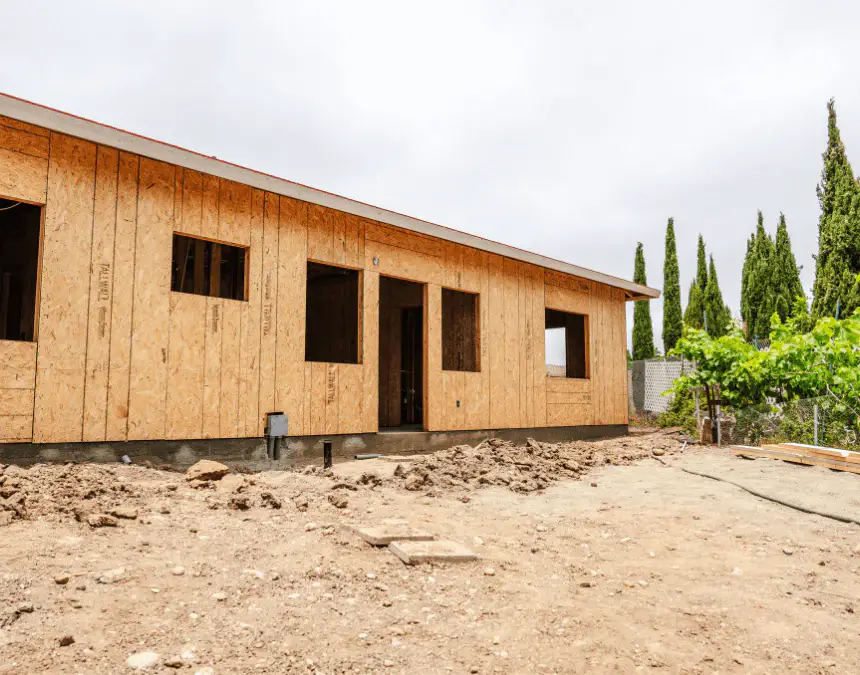
Orient and landscape your ADU to capture useful sunlight, encourage passive cooling, and reduce irrigation demand with suitable native plants.
What Passive Design Techniques Should You Incorporate in Your ADU?
Passive design uses site conditions and building features to reduce your ADU’s reliance on mechanical heating and cooling. It can lower energy use and environmental impact. Effective strategies include:
- Shading Elements: Use awnings, trellises, and well-positioned landscaping to limit excessive summer solar heat gain and reduce cooling demand.
- Deciduous Trees: Place appropriate deciduous trees to provide warm-season shade while allowing more winter sunlight to reach the building.
- Cross-Ventilation: Position operable windows to encourage natural airflow when outdoor conditions are suitable.
- Reduced Mechanical Dependence: Combine effective insulation, appropriate thermal mass, and controlled ventilation to maintain comfort with less mechanical conditioning.
- High Ceilings and Airflow: Coordinate ceiling heights and window or vent placement to support natural ventilation, while accounting for outdoor air quality and heating needs.
Why are Shading and Daylighting Critical for Sustainable ADU Design?
Thoughtful shading and daylighting improve your ADU’s energy performance and occupant comfort. Shading limits unwanted solar heat gain, while daylighting reduces reliance on electric lighting. Coordinating both strategies helps control glare, maintain comfortable temperatures, and potentially lower energy bills.
- Solar Heat Control: Use awnings, exterior shades, and pergolas to reduce unwanted heat gain and air-conditioning demand.
- Daylighting Efficiency: Position windows, skylights, and reflective surfaces to distribute useful daylight while controlling glare and overheating.
- Solar Shading Solutions: Tailor fixed or adjustable shading to window orientation, seasonal sun angles, and local climate conditions.
- LED Lighting Integration: Combine daylighting with efficient LED fixtures and suitable controls to reduce lighting energy use.
- Energy Savings Impact: Evaluate daylighting savings through project-specific modeling; results depend on glazing, lighting controls, occupant behavior, and heating and cooling interactions.
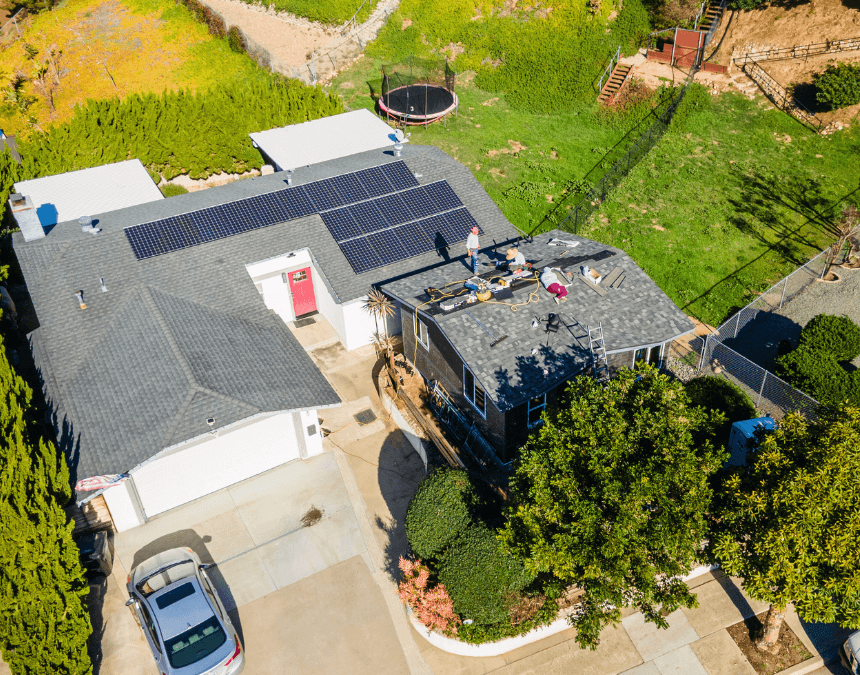
Plan your ADU’s orientation and shading early in design to balance useful solar exposure, daylight, and year-round thermal comfort.
How Can Biophilic Design Elements Enhance Your ADU?
Biophilic design strengthens connections between buildings and nature. Incorporating natural materials, outdoor views, and thoughtfully chosen plants can improve an ADU’s comfort and appeal. These elements may support emotional well-being and cognitive restoration while complementing broader sustainability goals.
- Nature-Connected Interiors: Combine responsibly sourced wood and stone with suitable indoor plants to create welcoming spaces connected to nature.
- Indoor Planting and Air Quality: Use vertical gardens or living walls for visual connection and enjoyment, not as substitutes for ventilation or filtration.
- Enhanced Cognitive Function: Outdoor views and natural elements may support attention, stress recovery, and overall well-being.
- Indoor-Outdoor Connectivity: Connect interior and exterior spaces through appropriately sized windows, sliding doors, and accessible outdoor living areas.
- Practical Biophilic Solutions: In small ADUs, use window boxes, compact planters, or carefully maintained vertical gardens to introduce greenery without occupying much floor space.
Enhancing Indoor Air Quality
Indoor air quality is essential to a healthy, sustainable ADU. According to the EPA, Americans spend approximately 90% of their time indoors, where concentrations of some pollutants can be 2 to 5 times higher than outdoors. Prioritize verified low-emission materials, effective ventilation, and appropriate filtration. Use cross-ventilation when outdoor air quality permits, and select low-emission furnishings and building products to reduce indoor pollutant sources.
Key considerations for improving indoor air quality:
-
Low- or No-VOC Materials: Choose verified low-emission paints, finishes, and adhesives to limit indoor pollutants; VOC labels alone do not establish that products are free of harmful chemicals.
-
Cross-Ventilation and High Ceilings: Position operable windows and vents to support natural airflow; higher ceilings alone do not remove pollutants.
-
Indoor-Outdoor Living: Connect interior spaces with outdoor areas and ventilate naturally when weather and outdoor air quality are suitable.
-
Safe Material Selection: Choose furnishings and construction products independently tested for low chemical emissions to help create healthier indoor environments.
Ventilation and Air Filtration Systems
Proper ventilation and effective filtration are essential to indoor air quality in your ADU. Ductless mini-splits efficiently heat and cool recirculated indoor air, but most do not supply outdoor air. Pair them with a suitable ventilation strategy and filtration appropriate to your project.
Benefits of advanced ventilation and filtration include:
- Ductless Mini-Split Systems: Provide efficient heating and cooling without distribution ducts; assess filter capabilities separately, since standard filters may not capture fine particles effectively.
- Strategic HVAC Choices: Consider energy recovery ventilators or heat recovery ventilators to exchange stale indoor air for outdoor air while recovering some heating or cooling energy.
- Continuous Fresh Air Supply: Provide code-compliant whole-dwelling ventilation and required local exhaust, with appropriate controls and filtration to support occupant health and comfort.
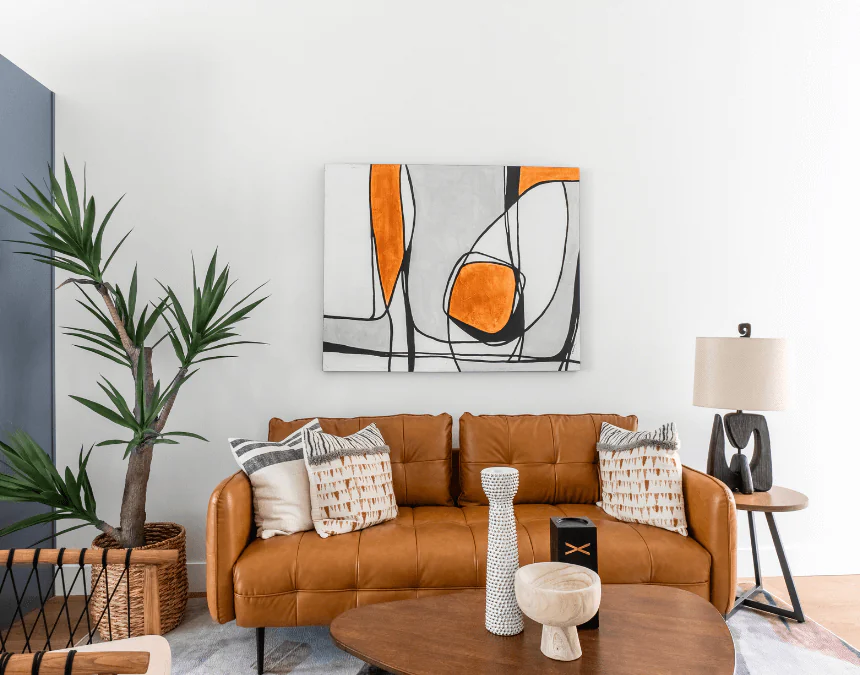
Combine verified low-emission materials, effective ventilation, and biophilic features to support healthier indoor living; treat houseplants as decorative elements, not air-cleaning systems.
FAQs
Building a sustainable ADU requires coordinated decisions about site planning, materials, energy, and water. Preserve suitable existing trees for shade and carbon storage, and orient the building to balance passive solar gain with overheating control. Consider responsibly sourced materials, including FSC-certified wood, suitable bamboo products, and recycled-content metal. Pair correctly sized mini-split systems with efficient LED lighting. Confirm applicable Title 24 solar requirements and exceptions with your local building department rather than relying on a single construction date. Add efficient fixtures, approved rainwater systems, and drought-tolerant landscaping where practical. Compare modular and site-built approaches based on project-specific waste, transportation, quality, and cost considerations. If pursuing net-zero performance or Passive House certification, establish clear targets and verification requirements early. Together, these measures can support comfortable housing, lower operating costs, and reduced environmental impacts while contributing to California’s housing supply.
Sustainable homes often benefit from simple, compact forms that limit exterior surface area relative to enclosed space. Cube-like designs can reduce heat transfer through the building envelope, although the best proportions depend on climate, site constraints, daylight, and ventilation. Domes also offer compact geometry but may introduce structural, waterproofing, and construction challenges. For an ADU, compare practical rectangular layouts before assuming one shape is universally best. A rectangle with its long axis running east to west can support useful southern exposure in some settings, provided glazing and shading are carefully balanced. Window walls, porch trellises, and glazed French doors should be evaluated for thermal performance rather than treated as automatic improvements. Avoid unnecessary corners and complex exterior assemblies that increase construction difficulty and potential heat loss. Combine a straightforward form with accessible universal-design features and appropriate low-impact construction methods to support comfort, usability, and energy efficiency.
Sustainable design has four core features: energy efficiency, water conservation, sustainable materials, and indoor environmental quality. Energy efficiency combines effective insulation, airtight construction, efficient equipment, and appropriate renewable systems such as solar panels. Building orientation, daylight, and controlled natural ventilation also contribute. Conserve water through efficient fixtures, drought-tolerant landscaping, and rainwater collection where suitable and approved. Sustainable material choices prioritize durability, responsible sourcing, recycled content, renewability, and low emissions. Examples include products with no added formaldehyde and responsibly sourced timber elements. Wood can store carbon, but overall environmental performance depends on sourcing, manufacturing, service life, and disposal. Indoor environmental quality relies on effective ventilation, moisture control, low-emission products, comfortable temperatures, and well-managed daylight. Apply these principles throughout the ADU, from bedroom layouts to slab-on-grade moisture detailing and porch-trellis shading. Together, they support resource conservation, lower environmental impacts, and healthier living environments without making any single feature a guarantee of sustainability.
Seven principles of sustainable construction provide a practical framework for creating healthier, resource-efficient, durable buildings. First, integrate sustainable design from the planning stage so site, envelope, and system decisions work together. Second, prioritize durability through resilient exterior wall assemblies and maintainable details. Third, improve energy efficiency with LED lighting and appropriately sized, efficient mini-split systems. Fourth, reduce waste through careful material planning, recycling, and reuse. Fifth, protect indoor air quality with verified low-emission products, including appropriate no-added-formaldehyde materials, and effective ventilation. Sixth, conserve water through efficient fixtures, suitable rainwater collection, and landscaping matched to available yard space and climate. Seventh, select responsibly sourced, durable materials, considering embodied carbon and carbon storage where relevant. Apply these principles throughout construction and operation to support lasting environmental benefits.
Ready to Build Your Sustainable ADU in Los Angeles?
Sustainable ADU design can reduce environmental impact, lower operating costs, and create a healthier, more comfortable home. It may also support property value, depending on local conditions and project quality. Combine efficient systems, responsibly selected materials, smart controls, and water-saving measures to improve long-term performance and help conserve shared resources.
Ready to create a sustainable ADU tailored to your needs? Let Uni Construction is here to guide you every step help you plan each step of the way. Discuss ADU specialists with deep expertise in Los Angeles’s local regulations, your design priorities, and the professional services your project requires.
Ready to begin your sustainable ADU journey? Contact us today to discuss a beautiful, environmentally conscious home tailored to your needs.
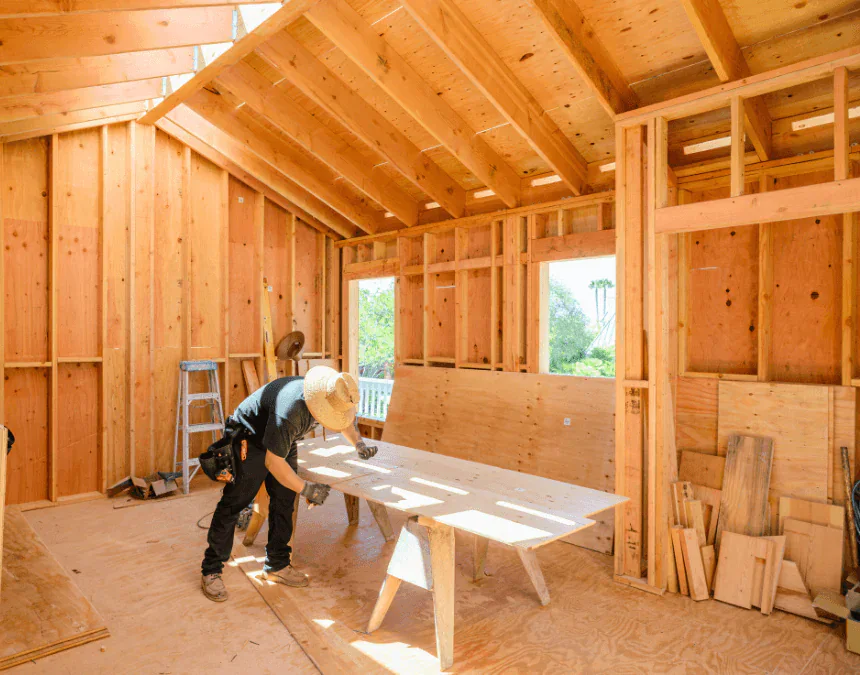
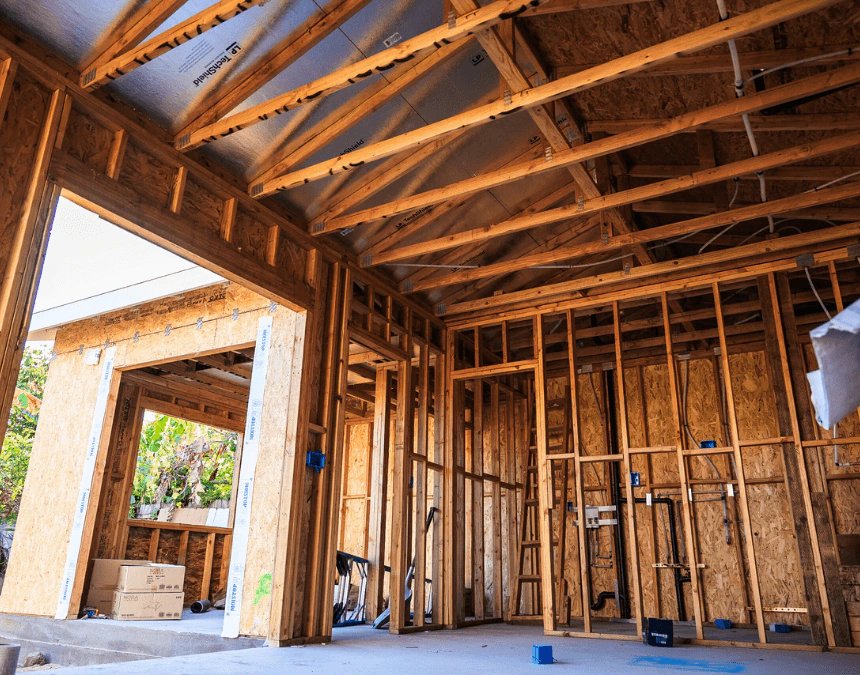
Choose a builder who plans sustainable details early, coordinating framing, ventilation, daylighting, and environmentally responsible materials throughout design and construction.