

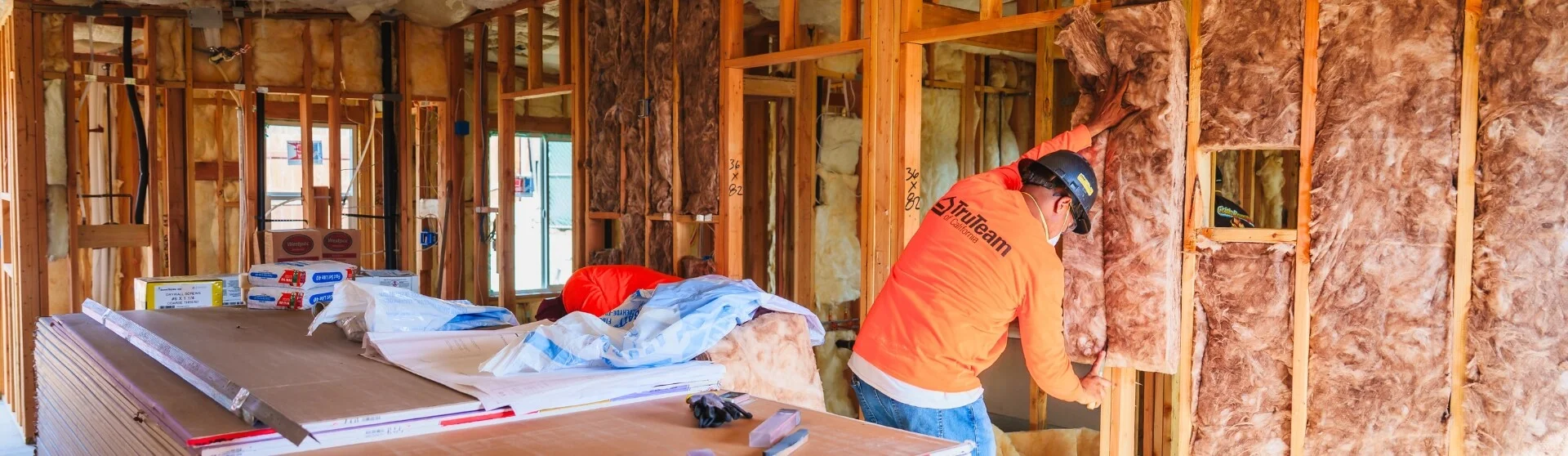
What Is an ADU Builder?
An ADU builder is a specialized contractor who designs and constructs accessory dwelling units, often called granny flats or backyard cottages, and manages construction to meet California law, local building codes, and Los Angeles zoning requirements. In practice, an ADU builder typically guides homeowners from initial feasibility studies and architectural plans through building permits, utility coordination, construction, and final inspections with the Los Angeles Department of Building and Safety and other relevant agencies. This coordination helps reduce the risk of unpermitted work, compliance errors, and costly delays.
Choosing the right ADU builder matters because trust in residential construction is already fragile. A Leaf Home/Morning Consult survey found that nearly 70% of homeowners worry about unreliable contractors, and 41% say they have been deceived by a service provider. (Leaf Home) SuretyNow’s 2025 homeowner survey reflects a similar concern: when asked whether they trust contractors to finish on time and within budget, only 35.6% answered “yes, completely.” (SuretyNow)
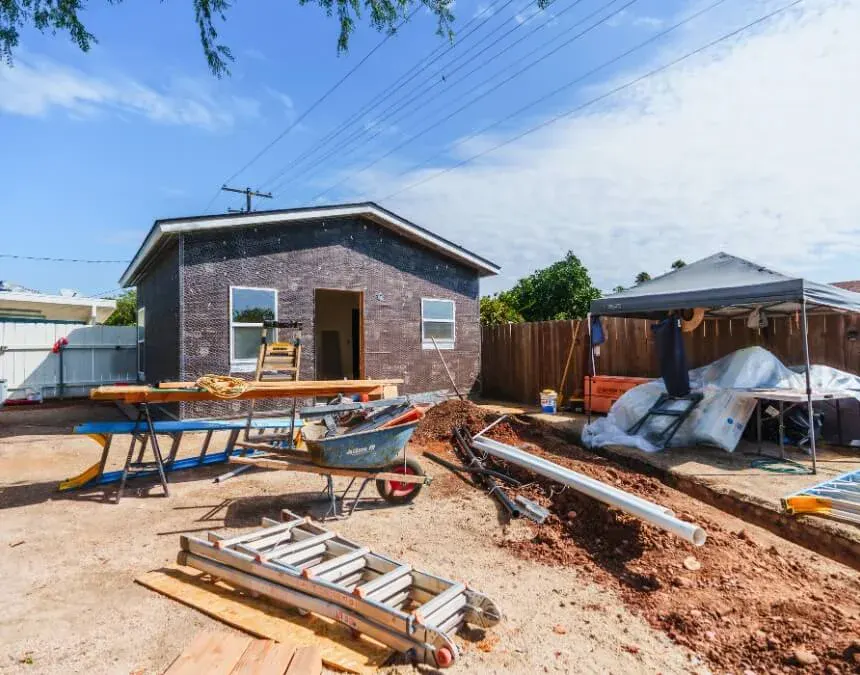
A capable ADU builder manages both the structure and the complex work between milestones, including site preparation, utility rough-ins, and inspections. Ask who coordinates each phase before signing.
Understanding ADU Builders
ADU builders offer more than general contracting services with ADUs added as an afterthought. In California cities, ADUs and junior ADUs are governed by an evolving state framework and applicable local rules. The right builder can coordinate code-compliant design, required approvals, building permits, and efficient construction without avoidable compliance surprises. The March 2026 California HCD ADU Handbook helps homeowners and professionals navigate these requirements, underscoring the importance of ADU-specific knowledge from the outset, particularly for housing affordability and multigenerational living. In Los Angeles, the Department of Building and Safety’s official ADU resources explain local requirements and permitting considerations. Your builder should understand these resources and coordinate the applicable review process. (City of Los Angeles)
What ADU Builders Actually Do
A capable ADU builder typically handles or coordinates the full project lifecycle:
- Comprehensive design → permitting → construction → inspections. California ADU guidance emphasizes aligning home design and architectural plans with state law and applicable local zoning and building standards to avoid costly revisions.
- ADU-specific compliance in California and Los Angeles.. Your builder should understand statewide ADU rules and Los Angeles permitting requirements, including applicable overlays and the legal limits on HOA covenants, conditions, and restrictions affecting ADUs.
- Detailed planning, realistic timelines, and clear communication. ADU projects involve multiple agencies, including planning, building, and utility authorities. Strong builders establish expectations early and organize construction around permit and inspection milestones, using structured project management rather than guesswork.
- High-quality structural construction is non-negotiable. CSLB guidance treats ADU construction as home-improvement work subject to consumer protections. Builders should use compliant contracts, follow code, and deliver durable foundations, framing, roofing, drywall, and finishes rather than shortcuts. (CSLB)
Bottom line: a trustworthy ADU builder in Los Angeles should act as your design-build partner and compliance coordinator, not merely supply a crew with tools.
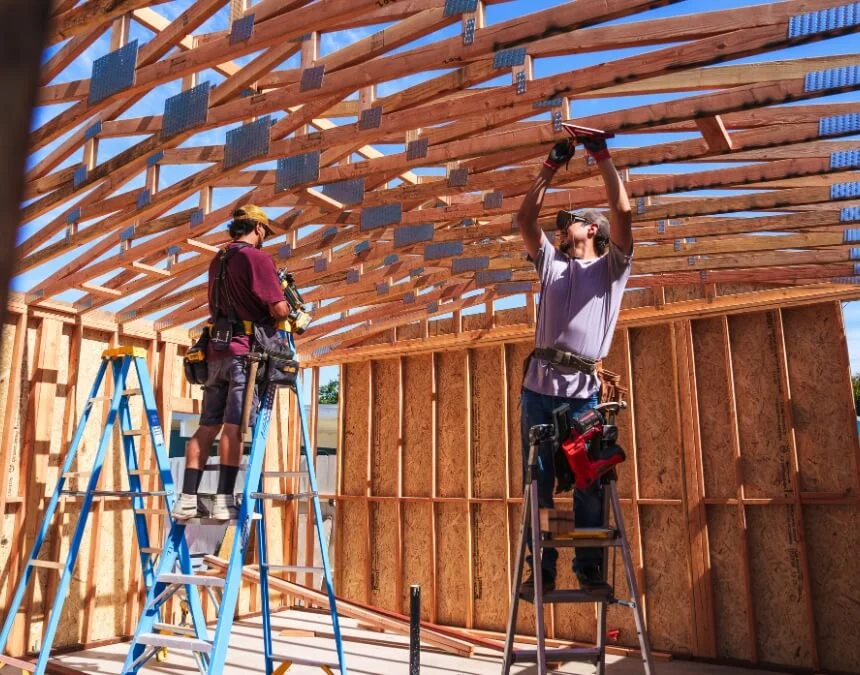
Look for builders who explain framing, load paths, and inspection sequencing in plain English. Clear explanations can help you identify potential problems before they become costly surprises.
Types of ADU Builders (Prefab, Custom, Conversion Specialists)
California and Los Angeles allow several ADU options include detached or attached new construction, factory-built units, and conversions of existing spaces such as garages. California’s Los Angeles ADU Handbook describes detached, attached, and garage or accessory-structure conversions, which helps explain why builders often specialize in particular formats. (Los Angeles regional government) Prefabricated ADUs are another option, although manufactured housing and factory-built housing follow different approval requirements. Compare production schedules, transportation, installation, foundations, and utility work before assuming an off-site unit will reduce your project’s total construction time or cost.
Custom ADU Builders (Traditional)
Custom ADU builders focus on site-built, tailored designs that respond to your lot, lifestyle, and local constraints. They are often a good fit when you need a distinctive layout, are planning a substantial home addition or room addition, have a hillside or coastal site, or anticipate complex Los Angeles permitting requirements. Because California ADU rules require requires close coordination between custom home design and code compliance, experienced custom builders typically oversee the process from initial design through final inspection.
Prefab / Modular ADU Builders
Prefab and modular ADU builders provide factory-produced units for installation on your property. California’s ADU guidance addresses manufactured and factory-built housing, which have distinct regulatory requirements. Off-site production may shorten on-site construction, but overall costs and schedules still depend on approvals, foundations, utilities, and delivery. The main trade-off is flexibility: when comparing prefab ADU guides, ask about customization limits, transportation routes, crane access, installation responsibilities, and whether the quoted price includes all site-specific work. (Presite)
Garage Conversion Specialists
Garage-conversion ADU builders specialize in turning existing garages into legal, independent living units. California’s ADU guidance recognizes conversions as an established pathway; confirm the requirements with the Los Angeles Department of Building and Safety for properties within city limits. (Los Angeles regional government) Conversions reuse existing structures, but their feasibility depends on the building’s condition and site. They may require plumbing rerouting, structural upgrades, foundation repairs, or fire-separation improvements to meet code, making relevant conversion experience especially valuable. (City of Los Angeles)
Pros & Cons of Each Type
Here’s a quick scan for homeowners comparing options:
- Licensing and insurance matter for every type. ADU work is regulated as home improvement in California, so choose builders who follow CSLB consumer-protection requirements and provide appropriate coverage. (City of Los Angeles)
- Costs vary by type and site conditions. Prefab may reduce some on-site labor, while custom construction offers greater design control. Conversions can uncover structural issues that offset expected savings. (housingsocal.org)
- Customization differences matter. Custom construction generally offers more flexibility; prefab uses more standardized designs; conversions depend on the existing garage’s layout and condition. (Presite)
- Delay risks depend partly on specialization. Builders familiar with your ADU type are better positioned to anticipate Los Angeles permitting, utility, and inspection challenges.
- Housing needs influence demand. California’s ADU framework has evolved since 2016 to reduce barriers and expand housing options, creating opportunities for several construction approaches and builder specialties.
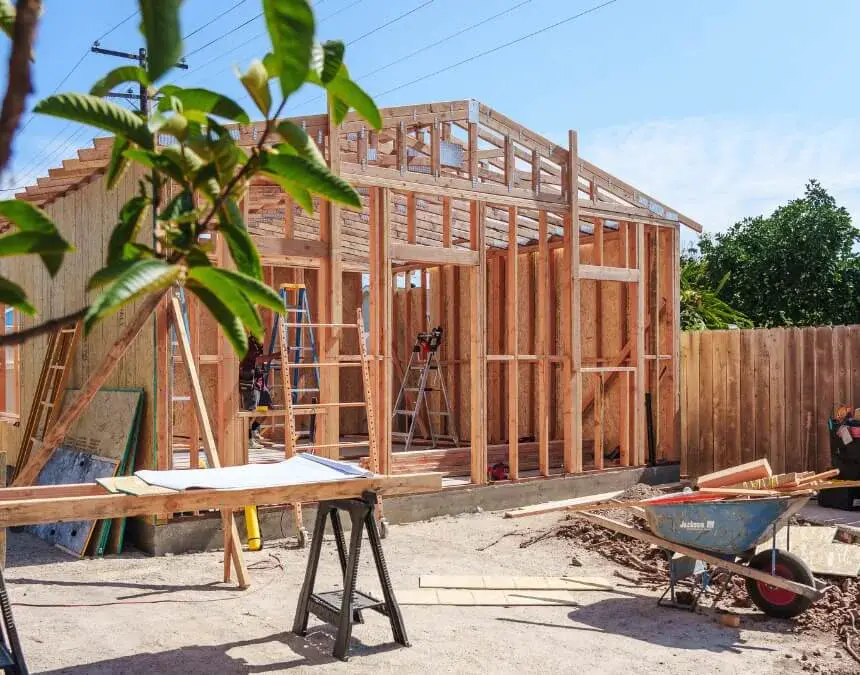
Match the builder to your ADU type: a team experienced in ground-up construction may estimate new-build costs and schedules more reliably than a specialist focused exclusively on conversions.
Evaluating a Builder’s ADU Experience
California ADU projects sit at the intersection of state law, local zoning, and practical construction constraints. Relevant experience can help keep your project organized, compliant, and predictable, especially when creating an in-law suite for multigenerational living or planning a long-term investment property. The California Department of Housing and Community Development’s March 2026 ADU Handbook explains a legal framework that has evolved since 2016, reducing barriers while requiring builders to stay current. In Los Angeles, the Department of Building and Safety’s ADU resources outline local requirements and review procedures. Your builder should understand which requirements apply to your property and coordinate the appropriate approvals. (City of Los Angeles)
Why ADU-Specific Experience Matters
- ADUs require specialized permitting and zoning knowledge. Because approvals must align with California’s statewide standards and applicable local requirements, experienced ADU builders can help avoid unnecessary plan-check revisions, redesigns, additional fees, and stress.
- California ADU laws change regularly. HCD’s handbook explains evolving ADU requirements, so builders must track updates affecting design, approvals, and potential impact fees rather than relying on rules from earlier projects.
- Hidden challenges are common. Los Angeles properties may require utility coordination, overlay review, or coastal approvals. Builders with relevant local experience can identify these issues early, along with any lawful HOA requirements and the state-law protections that limit restrictions on ADUs.
Reviewing Portfolios (What to Look For)
A strong ADU portfolio should demonstrate quality, consistency, and relevance:
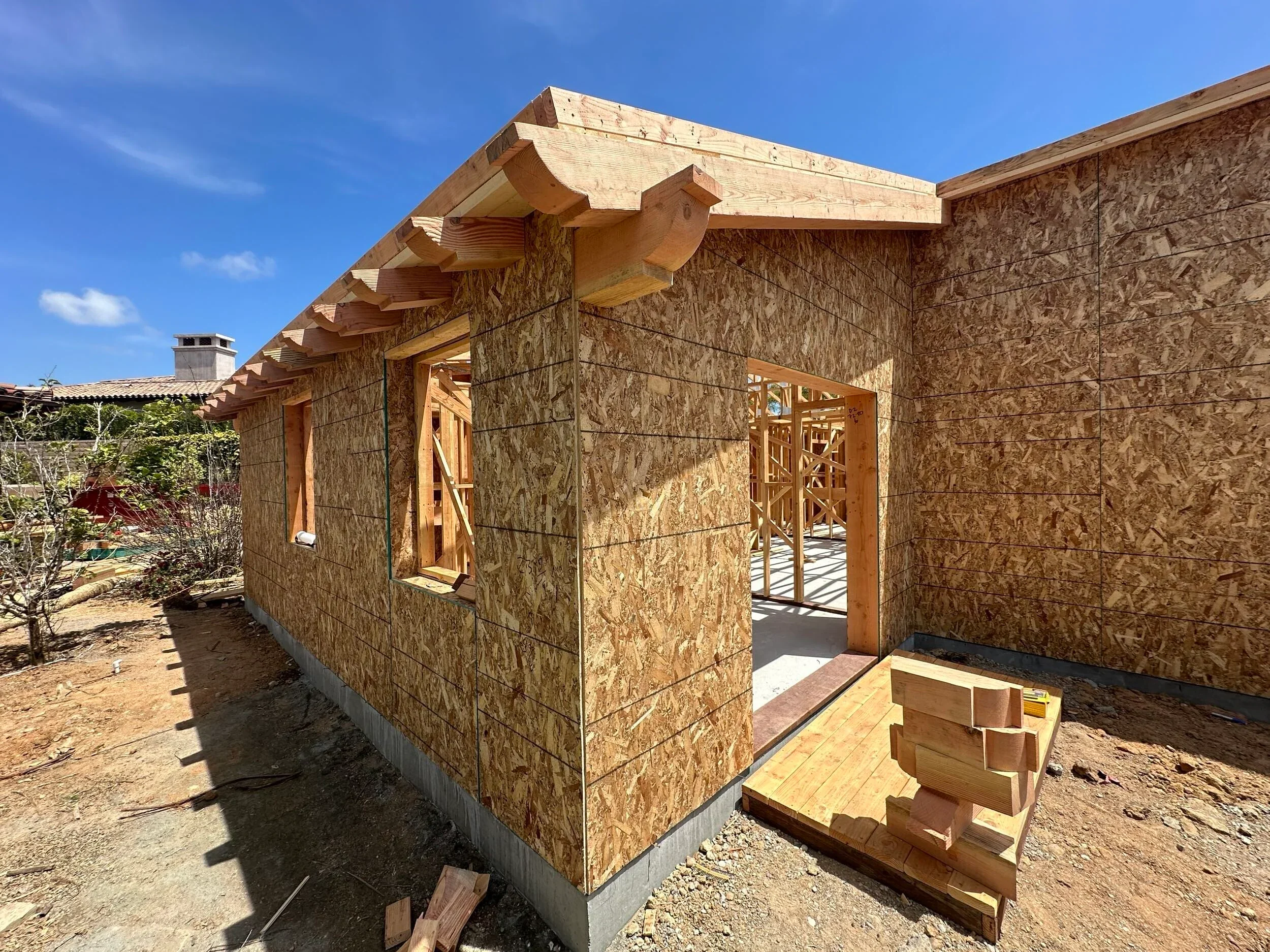
- Finish quality and structural craftsmanship: look for clean trim, durable waterproofing, proper roof detailing, and efficient interior layouts, using the same standards you would apply to a custom home.
- Projects similar to yours: request completed detached ADUs, prefab installations, or garage conversions relevant to your plans, not just renderings.
- Before-and-after visuals: these help show how the builder addresses actual site constraints.
- Site visits when available: ask whether the builder can arrange a completed-unit visit with the owner’s permission. Review visible workmanship and request documentation of concealed work, including foundations and waterproofing.
A detailed written agreement is an essential communication tool for homeowners and licensed contractors. It should clearly establish what the project includes, what it excludes, and each party’s responsibilities. (CSLB)
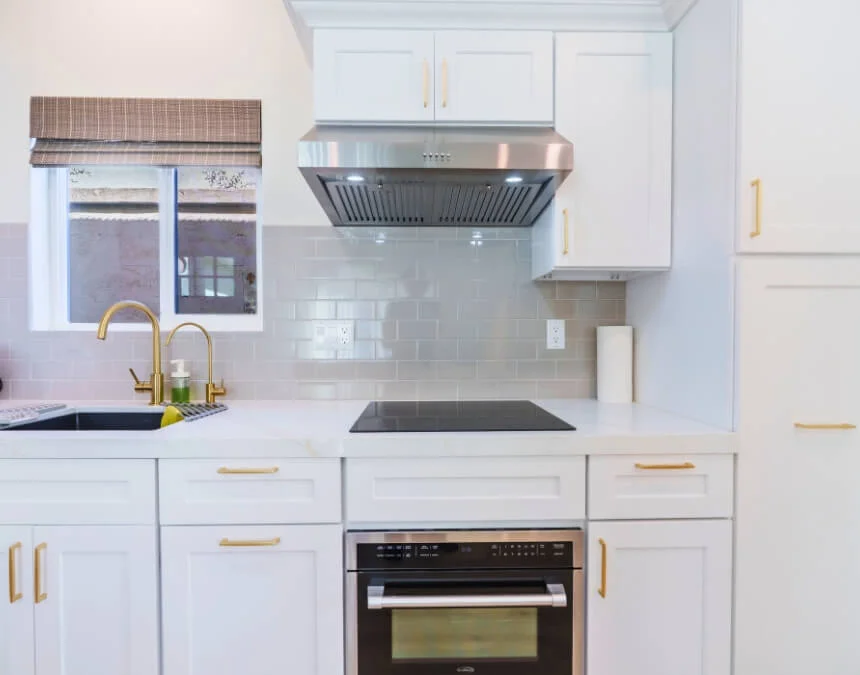
Finished details reveal skill. Compare several completed ADUs for consistent layout efficiency, ventilation, and durability, rather than judging workmanship by visual style alone.
Checking Client Testimonials & Requesting References
Testimonials and references help reveal how a builder behaves after the contract is signed, particularly when schedules change, inspections become complicated, or change orders arise. NAHB’s homeowner checklist recommends checking previous customers and completed work rather than relying solely on marketing materials. (National Association of Home Builders) That diligence matters: SuretyNow’s 2025 survey found that only about one-third of homeowners, 32.4%, described their contractor experience as entirely positive. The findings reinforce the value of asking specific questions about communication, problem-solving, and follow-through. (SuretyNow)
Why Testimonials Matter
Reviews and testimonials help you assess qualities that a bid cannot show:
- Communication quality: do clients describe consistent updates or difficulty getting answers during construction?
- Schedule management: do reviews reveal recurring delays or missed construction milestones?
- Budget control: do homeowners report unexpected charges or clear, documented change orders?
- Local knowledge: look for specific descriptions of Los Angeles plan checks, permitting, and utility coordination. These details can help distinguish relevant ADU experience from broad marketing claims.
Look for patterns, not perfection. One unhappy review is not necessarily a dealbreaker; repeated complaints about the same issue deserve closer scrutiny.
How to Request and Evaluate References
NAHB is blunt about references:
Ask the builder for recent customer references. If they decline, consider that a warning. When references are available, ask those homeowners whether they would hire the builder again and why. (National Association of Home Builders)
Use a straightforward checklist when calling or emailing references:
- Did the builder stay on schedule? If not, what caused the delay, and how was it communicated?
- Were there cost overruns? Were additional costs explained and approved in writing?
- How were mistakes or surprises handled? Did the builder take responsibility?
- Was communication consistent? Were there weekly updates and clear next steps?
- Would you hire the builder again? This is often the most revealing question.
If a builder becomes defensive about references, provides only outdated contacts, or discourages direct conversations with previous clients, treat that as a warning sign and continue your search.
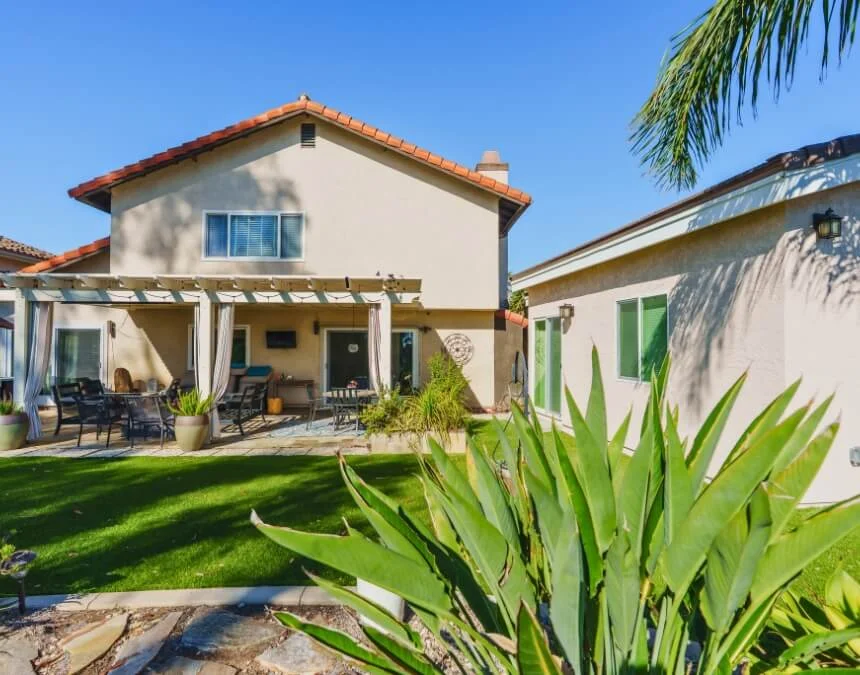
References should confirm the builder’s performance on your particular ADU type, whether detached, attached, or converted, because each approach presents different challenges.
Licenses & Legal Compliance (California + Los Angeles)
ADU projects are extensively regulated in California, and Los Angeles applies local standards alongside state law. A trustworthy builder should provide evidence of licensing and insurance, explain how applicable ADU requirements affect your property, and follow California’s consumer-protection contract rules. These safeguards matter whether you are adding independent living space for family members, creating a rental unit, or exploring ADU options on an eligible multifamily property.
Importance of Licensing (California-Specific)
In California, ADU construction falls under home-improvement contract law, which includes strict homeowner protections. One important safeguard is the down-payment limit in Business and Professions Code §7159.5: contractors generally may not collect more than $1,000 or 10% of the contract price as a down payment, whichever is less. (FindLaw Codes)
CSLB enforces these requirements, and violations can lead to disciplinary action or misdemeanor penalties. (CSLB) If a builder requests an excessive down payment, verify whether a lawful exception applies before paying. A polished consultation does not replace compliance with California’s payment protections.
Understanding Local ADU Laws (Critical for ADU Compliance)
California has expanded ADU opportunities through successive legislative updates. The March 2026 HCD ADU Handbook and applicable current law should guide project planning, so builders must stay informed to avoid preventable compliance delays. Important legal considerations include:
- Statewide access to ADU development: California’s framework has been repeatedly updated to reduce barriers and establish approval standards.
- Independent living requirements: ADUs must provide complete facilities for living, sleeping, cooking, eating, and sanitation under state standards.
- ADU development incentives in Los Angeles: Ask Los Angeles City Planning whether any current incentive or affordability-linked program applies to your parcel. Confirm unit limits, eligibility, and deed restrictions rather than assuming a bonus is available. (City of Los Angeles)
- Site-specific constraints: Review applicable setbacks, fire requirements, overlays, and utility standards with the responsible agencies, accounting for state-law limits on local restrictions. (City of Los Angeles)
If your builder cannot clearly explain how these requirements affect your lot, investigate their ADU experience further.
Ensuring Proper Insurance
Before signing anything, confirm your builder carries:
- Workers’ compensation insurance (provides coverage for work-related injuries and helps reduce homeowner exposure)
- General liability insurance (covers specified property damage and accident-related claims, subject to policy terms)
- Active contractor bond (provides limited financial recourse for qualifying claims, subject to applicable requirements)
Homeowners place substantial value on these protections. SuretyNow’s 2025 survey found:
- 73.7% of homeowners would pay more for bonded and insured contractors. (SuretyNow)
- 78.5% believe state governments should require bonding. (SuretyNow)
These figures reinforce a straightforward principle: appropriate licensing, insurance, and bonding are not optional trust-building extras. They are fundamental considerations when evaluating an ADU builder in California.
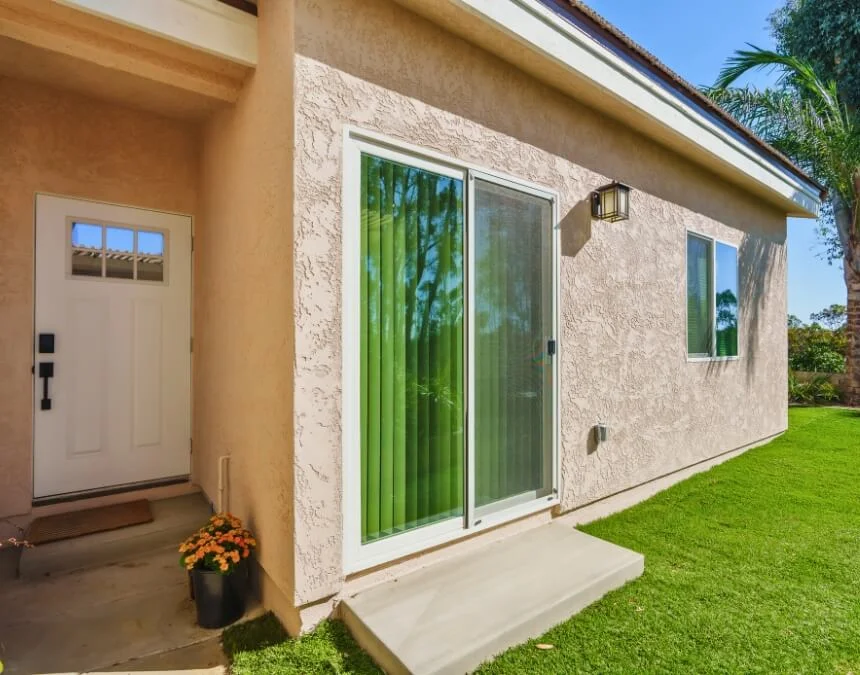
Quality work begins with code-conscious decisions. Verify the builder’s license, insurance, and contract compliance early to help protect your project and its finished result.
Pricing & Contract Transparency
Pricing and paperwork are often where trust is established or lost. Because ADUs involve design, permitting, utilities, and construction, capable builders clarify costs and responsibilities before work begins and document changes throughout the project. California’s official ADU Handbook explains an evolving statewide framework, making an accurate scope and written change procedures essential tools for managing costs and reducing avoidable budget surprises.
Comparing Pricing Structures
ADU prices vary widely with unit type, site conditions, materials, and permitting complexity. Compare equivalent scopes and specifications rather than focusing only on bottom-line totals.
When reviewing bids, make sure each quote clearly separates:
- Scope of work (included and excluded items)
- Materials and finish level
- Site work (grading, demolition, drainage, and access)
- Permit and plan-check fees
- Utility connections and upgrades (a potentially significant cost variable in California) (San Francisco Chronicle)
A vague quote creates uncertainty. A detailed scope makes exclusions easier to identify and helps reduce unexpected costs later.
Contract Transparency
Even an attractive price offers little protection without a clear agreement. Establish the project’s terms in writing before authorizing work:
Do not rely on a handshake agreement. Put the scope, price, responsibilities, and payment terms in a signed contract. (Make It Right)
For ADUs, expect written terms covering the scope, payment milestones, scheduling assumptions, and procedures for pricing and approving changes.
Clear Project Timelines
A trustworthy ADU builder bases the schedule on actual permitting and construction milestones, not optimistic assumptions. Check current review guidance with the Los Angeles Department of Building and Safety and other relevant agencies. Your builder should explain the project’s expected reviews, dependencies, and uncertainties rather than presenting a universal processing time or guaranteeing an unsupported start date. (City of Los Angeles) Los Angeles’s
Watch for:
- Milestone-based schedules (design → permit submission → issuance → construction phases → final inspections)
- Reasonable allowances for permit reviews and utility coordination
- Early, candid explanations of project risks
Projects in Los Angeles and California ADU projects may encounter plan-check revisions or utility coordination delays. Confirm the responsible jurisdiction and utility providers for your property, and expect your builder to explain scheduling risks and communicate changes promptly. (City of Los Angeles)
Written Warranties
A reliable ADU builder supports their work with a clear written warranty. Before signing:
- Ask what is covered (workmanship, systems, and structural components)
- Ask how long each coverage period lasts
- Ask how service requests and callbacks are handled
Vague or inaccessible warranty terms deserve scrutiny. Reputable builders should explain their commitments clearly and provide the applicable coverage, exclusions, and service procedures in writing.
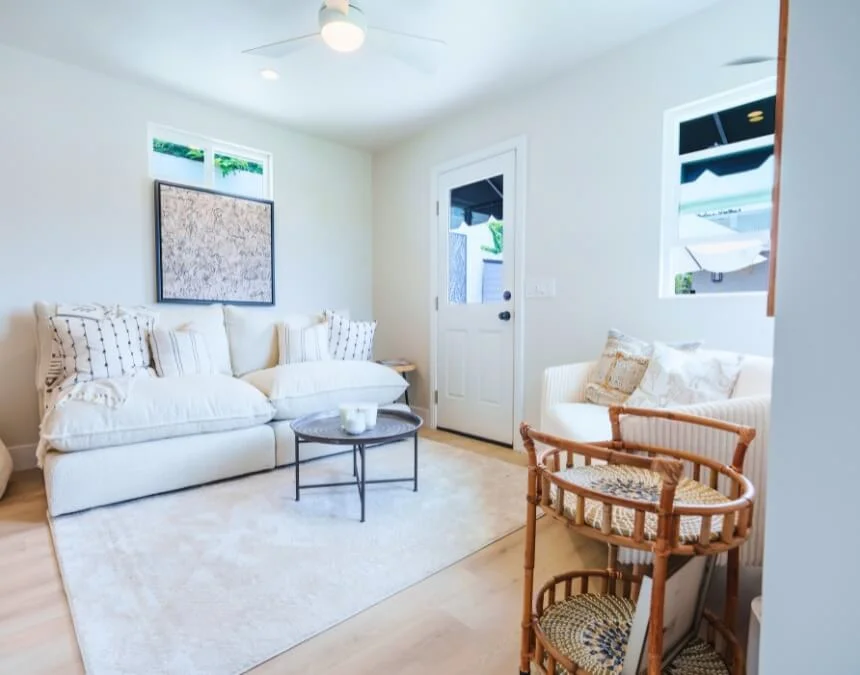
A well-finished interior starts with a clearly defined scope. Insist on itemized pricing and written change-order procedures so finish selections do not create uncontrolled budget increases.
Builder Communication Standards
Clear communication is one of the strongest trust signals an ADU builder can demonstrate. Projects involve ADU projects involve multiple moving parts, design revisions, plan checks, inspections, and utility coordination. Homeowners should expect their builder to establish communication procedures early, identify decision-makers, and document important choices as work progresses.
Communication Style and Responsiveness
A reliable ADU builder should not leave you guessing. Look for a predictable communication schedule, planned updates, and clearly identified decision points. A homeowner-contractor communication guide recommends regular weekly check-ins supplemented by milestone updates. This approach helps both parties monitor scope, costs, and schedule while addressing emerging questions before they become larger problems. (Intelligent Choice Builders)
What that usually looks like:
- Daily or weekly updates, depending on the project phase: combine brief check-ins with more detailed weekly summaries. (Intelligent Choice Builders)
- Documentation, not conversation alone: progress notes, decision logs, and written change confirmations help prevent misunderstandings. (Intelligent Choice Builders)
- Proactive communication: capable builders identify issues early, explain available options, and confirm the agreed next steps in writing rather than waiting for homeowners to ask. (Intelligent Choice Builders)
This approach supports California’s consumer-protection requirements for home-improvement projects such as ADUs: clear contracts and written change documentation help protect both homeowners and contractors. (City of Los Angeles)
Handling Delays Smoothly
Even with a capable builder, ADU schedules can change. In California, including Los Angeles, potential causes include:
- Permit reviews and plan-check cycles. Los Angeles’s official ADU resources describe local requirements; incomplete submissions and necessary revisions can extend the approval process. (City of Los Angeles)
- Utility coordination and upgrades. Electrical service changes can affect ADU schedules significantly if not planned schedules. Contact the serving utility early to confirm capacity, design requirements, and installation responsibilities. (Planetizen)
- Material lead times and subcontractor availability. These are familiar construction pressures, and experienced builders account for them when developing the initial schedule. (Interior Design Community)
Trustworthy ADU builders communicate delays promptly, explain their causes, and provide an updated plan rather than becoming unresponsive. Relevant local experience can help builders anticipate bottlenecks and reduce avoidable delays through better sequencing, complete permit submissions, and early coordination with agencies and utilities. (Fortune ADU)
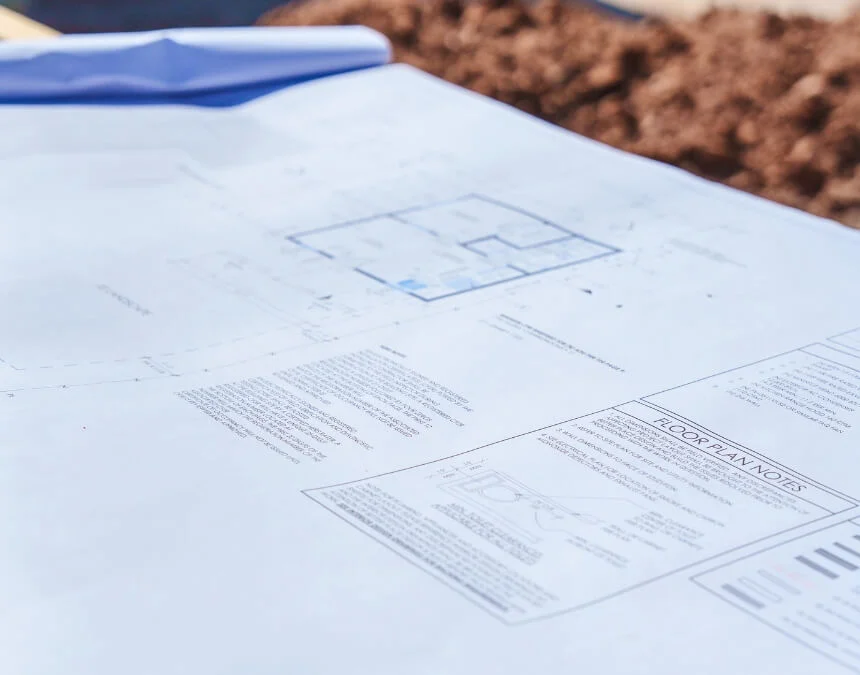
Strong builders document decisions. Expect current plan sets, written progress records, and clear change-order paperwork connected to the relevant project milestones.
Managing Unforeseen Complexities
Even well-planned ADU projects can encounter surprises, including buried utilities, unexpected structural repairs, or plan-check revisions involving local code requirements. What distinguishes a separates a trustworthy ADU builder from a risky one is not the absence of surprises, but the clarity of their pricing, documentation, and response. Construction-law guidance emphasizes a practical approach:
Changes are a normal part of construction, but clear procedures can reduce conflict. Require documented scope revisions, transparent pricing, written approvals, and open communication so both parties understand how each change affects the project. (Plumtree & Brunner)
Accurate cost estimates
Experienced ADU builders identify contingencies because site conditions and applicable requirements can affect the scope. The March 2026 California HCD ADU Handbook provides a statewide starting point, but proposals must also account for current law and project-specific requirements. Ask your builder to identify the assumptions behind the estimate, distinguish allowances from fixed prices, and explain how unforeseen work will be evaluated.
What to look for: an itemized scope, clearly defined allowances, and a written change-order process addressing costs and schedule impacts.
Understanding regulatory requirements
Unexpected issues often originate in permitting or code details. Los Angeles’s official ADU resources identify applicable requirements and review considerations. Your builder should investigate what applies to your lot, confirm uncertainties with the responsible agencies, and flag material risks before construction begins. (Los Angeles)
Good sign: the builder explains how zoning, setbacks, fire access, and overlays may affect your design before submitting plans.
Ability to pivot during issues
A builder’s adaptability is especially important when coordinating utilities. Service upgrades, connection requirements, and agency scheduling can become major ADU bottlenecks if addressed late. Ask the serving utility to confirm the property’s requirements and have your builder track applications, drawings, approvals, and installation responsibilities to reduce avoidable delays. (San Francisco Chronicle)
What trustworthy builders do: communicate issues promptly, explain options and their cost and scheduling implications, and document decisions so changes remain controlled.
Expect changes, but require clarity. Capable ADU builders help prevent surprises from escalating by estimating carefully, checking current requirements, and managing change orders transparently.
Financial Considerations (Financing Options for ADUs)
Financing is often a major ADU hurdle, so understand your options early and choose a builder who can work within your budget and funding schedule. California homeowner finance guides describe home-equity products and, where available, ADU-specific public assistance as possible funding sources. Compare eligibility, repayment obligations, and project restrictions before relying on any particular option. (California ADU Experts)
Exploring Financing Assistance
Common ADU financing paths for California homeowners include:
- HELOC (home equity line of credit): A revolving credit line secured by your home that can fund home equity that you can draw from as construction as construction progresses. California ADU financing resources discuss HELOCs as a flexible option for phased payments, subject to lender approval and loan terms. (California ADU Experts)
- Cash-out refinance: Replace your primary mortgage with a larger loan and use the available proceeds for the ADU. ADU finance guides explain how this combines borrowing into one mortgage; compare interest rates, closing costs, available equity, and long-term payments. (California ADU Experts)
- ADU-specific loans or forgivable-loan programs, when available:
Some California jurisdictions offer affordability-linked ADU financing, but availability and terms vary. For a Los Angeles property, check with the Los Angeles Housing Department and relevant state housing agencies for current programs rather than relying on another city’s funding limits. (City of Napa) Confirm whether assistance covers predevelopment, construction, or conversion work, and review income eligibility, rental restrictions, repayment triggers, application deadlines, and funding availability. Obtain written program terms before including assistance in your project budget. (Napa regional authority)
For a Los Angeles project, public ADU assistance should be treated as a possibility to investigate, not an assumed funding source. A knowledgeable builder can help align the construction scope with verified program requirements, while the administering agency confirms eligibility and availability. (California ADU Experts)
Verifying a Builder’s Financial Stability
Financing involves more than securing your loan. Your builder must also manage project cash flow without relying on improper advance payments.
When vetting builders, ask:
- Do they offer or partner on financing?
Some ADU builders have lender relationships or can direct homeowners to relevant financing resources. An experienced builder should explain how payment milestones coordinate with financing, while leaving loan recommendations, approval decisions, and financial advice to qualified lenders or advisers. (California ADU Experts)
- Do they understand local programs and constraints?
Builders familiar with verified ADU financing options, including public forgivable-loan programs where available, may be better equipped to coordinate scope, construction phases, and payment milestones with funding requirements. This planning can help reduce the risk of mid-project financing gaps. (City of Napa)
Bottom line: choose a builder who understands how funding affects construction and can coordinate your scope, schedule, and lawful payment milestones with your confirmed financing.
Choosing a Local Los Angeles ADU Builder
Los Angeles ADU projects follow statewide law alongside applicable city requirements, so approval procedures should not be copied from another jurisdiction. A builder with relevant Los Angeles experience is better positioned to understand local review practices, zoning considerations, and policy changes that may affect your schedule or allowable unit count. Confirm the property’s jurisdiction before relying on any city-specific advice.
Why Local Experience Matters
- Familiarity with Los Angeles permitting.
The Los Angeles Department of Building and Safety’s official ADU resources explain local requirements and the city’s ADU Standard Plan Program. Familiarity with these resources can improve application preparation, but a standard plan does not replace site-specific review or guarantee permit approval. (Los Angeles)
- Understanding applicable incentive programs and current eligibility requirements.
For Los Angeles’s ADU, ask Los Angeles City Planning whether any current incentive or affordability-linked pathway applies to your parcel. Confirm allowable unit counts, zoning eligibility, affordability commitments, and required approvals directly with the city rather than assuming another jurisdiction’s bonus rules apply. (Los Angeles Housing Department)
Local requirements and program eligibility can change. Ask your builder to identify the current official guidance, confirm its applicability to your parcel, and explain any unresolved questions before you commit to a design or projected unit count. (Axios)
- Knowledge of Coastal Zone complexities.
If your property is in Los Angeles’s is within the coastal zone, confirm whether a coastal development permit or other coastal review is required. Consult Los Angeles City Planning and, when applicable, the California Coastal Commission. A builder with relevant coastal experience should explain how coastal requirements interact with state ADU law and your property’s approval pathway. (Uni Construction)
How to Vet an ADU Builder
Use this quick checklist to evaluate a ADU builder in Los Angeles in Los Angeles or elsewhere in California. Each step helps verify relevant experience, legal compliance, and reliability before you sign.
A builder who meets these criteria offers stronger evidence of relevant experience and sound business practices. Still, verify each claim independently rather than treating a completed checklist as a guarantee of compliance or performance.
- Are they licensed for ADU work in California?
ADU construction is treated as home-improvement work. Verify that the builder holds an active CSLB license appropriate to the contracted scope. 2. Will they provide a detailed written contract before work begins?
California requires written home-improvement contracts for residential work over $500. Changes should also be documented and approved in writing as required. 3. Do they follow California’s down-payment limit?
The down payment generally cannot exceed $1,000 or 10% of the home-improvement contract price, whichever is less. Verify any claimed exception. 4. Do they have relevant local ADU experience?
California’s ADU requirements continue to evolve. Use the March 2026 HCD ADU Handbook and current law to assess whether the builder’s knowledge is up to date. 5. Can they clearly explain the Los Angeles’s ADU permit pathway?
Los Angeles’s official ADU resources explain local requirements and its Standard Plan Program. Builders should understand the applicable review process and the need for site-specific approval. 6. Can they show completed ADUs similar to yours?
California and Los Angeles allow eligible detached, attached, and conversion ADUs, including garage conversions. Ask for documented experience with your proposed type. 7. Will they provide recent references you can contact?
NAHB advises caution when builders refuse to provide customer references. Contact previous clients to assess scheduling, budget management, communication, and problem-solving. 8. Are they insured and bonded, and willing to provide proof?
Verify applicable workers’ compensation coverage, general liability insurance, and the required contractor bond. Review coverage details rather than assuming these protections cover every loss. 9. Are pricing and progress payments clearly defined?
A reliable proposal specifies scope, materials, permitting, utilities, allowances, and progress payments tied to work performed or materials supplied. Clear payment terms support California’s home-improvement contract protections. 10. Is there a written change-order process?
Because ADUs can uncover utility, code, or site issues, the contract should explain how changes are priced, documented, and approved before the additional work proceeds.
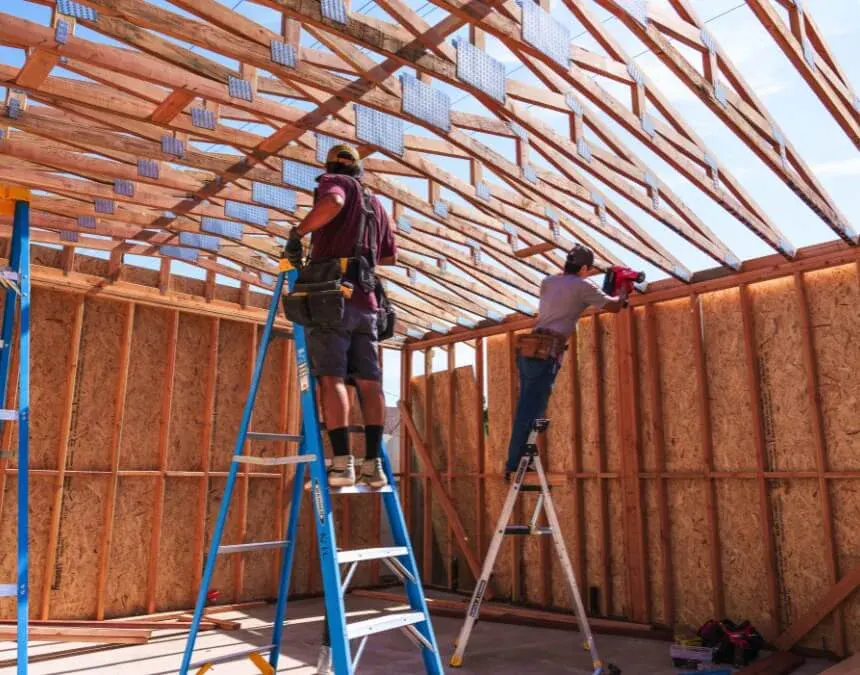
Relevant local experience can improve inspection preparation. Ask about ADUs the builder has permitted in Los Angeles neighborhoods with conditions similar to yours.
Conclusion - Choosing a Trustworthy ADU Builder in Los Angeles
Choosing an ADU builder you can trust starts with several essentials: California licensing, ADU-specific experience, clear written contracts, appropriate insurance, and documented completed projects. CSLB treats ADU construction as home-improvement work, so homeowners should expect applicable contract protections, including limits on down payments. In Los Angeles, your builder should understand the city’s official ADU resources, its Standard Plan Program, and the site-specific review required for your property. They should also verify whether any current incentive or affordability-linked pathway applies rather than promising extra units. Finally, take concerns seriously. Pressure to sign, vague explanations, and unsupported promises are reasons to pause and investigate:
If something feels wrong, pause, ask questions, and verify the facts before committing to a builder or authorizing payment. (Make It Right)
If a builder is evasive, rushes paperwork, or cannot clearly explain your Los Angeles ADU process, keep looking. Choose a licensed, experienced, insured ADU builder who documents decisions, provides verifiable references, and demonstrates relevant experience with Los Angeles projects and properties like yours.
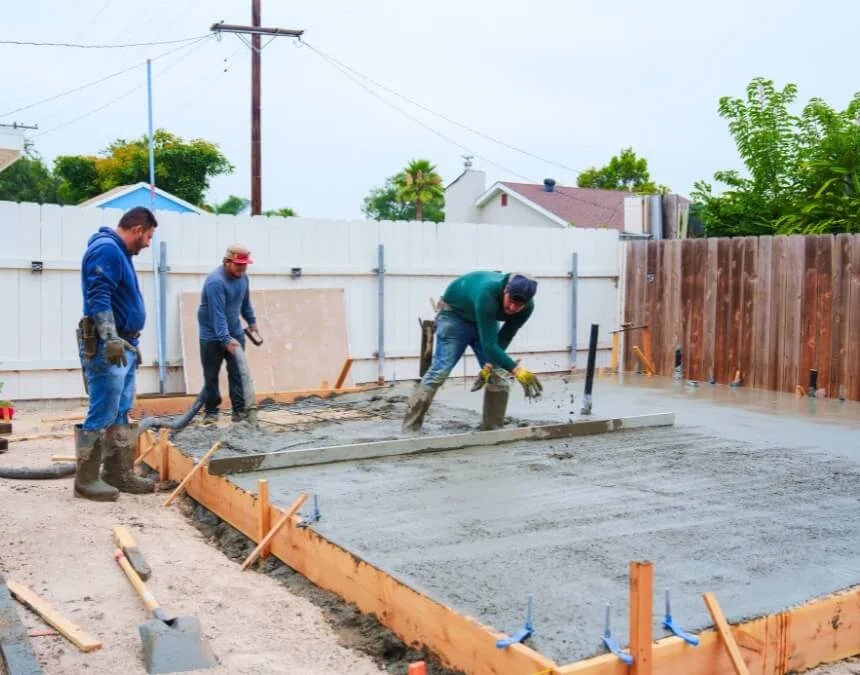
The foundation influences the entire project. Verify the proposed slab, foundation, and drainage approach early, because correcting problems after construction can be disruptive and expensive.
Frequently Asked Questions
Trust an ADU builder’s documented actions, not promises alone. Verify California licensing and insurance, review completed ADUs similar to yours, and contact recent references. Require a detailed written contract with clear change-order procedures and progress payments that comply with California law, including the applicable down-payment limit. Homeowner caution is understandable: surveys highlight concerns about contractor reliability. Independent verification is a practical way to begin the relationship.
Full-service Los Angeles ADU builders typically coordinate feasibility and site review, design, permit preparation and submission, utility planning and upgrades, construction, inspections, and final handover. They also address applicable California ADU law and Los Angeles requirements, including the property’s specific approval pathway. Service packages vary, so confirm who is responsible for each task. Some builders also assist with budgeting, financing coordination, and post-completion warranty support.
ADU costs vary substantially with unit type, size, site conditions, and scope. Garage conversions may reuse existing construction but can require major structural repairs; detached new builds require their own foundations and building systems. Obtain itemized, project-specific bids rather than relying on unsupported Los Angeles price ranges. Smaller units may have higher per-square-foot costs because kitchens, bathrooms, and permitting expenses are spread over less space. Utility upgrades, access, structural needs, and finishes also affect final pricing.
There is no single best builder for every homeowner. The right choice fits your ADU type, property, budget, and schedule. Start with an active CSLB license, verified insurance and bonding, relevant completed projects, recent references, transparent pricing, and clear communication procedures. Confirm that the builder can explain Los Angeles permitting requirements and identify which current programs or incentives, if any, apply to your parcel. A builder who cannot demonstrate these essentials is unlikely to be the right fit for your project.