

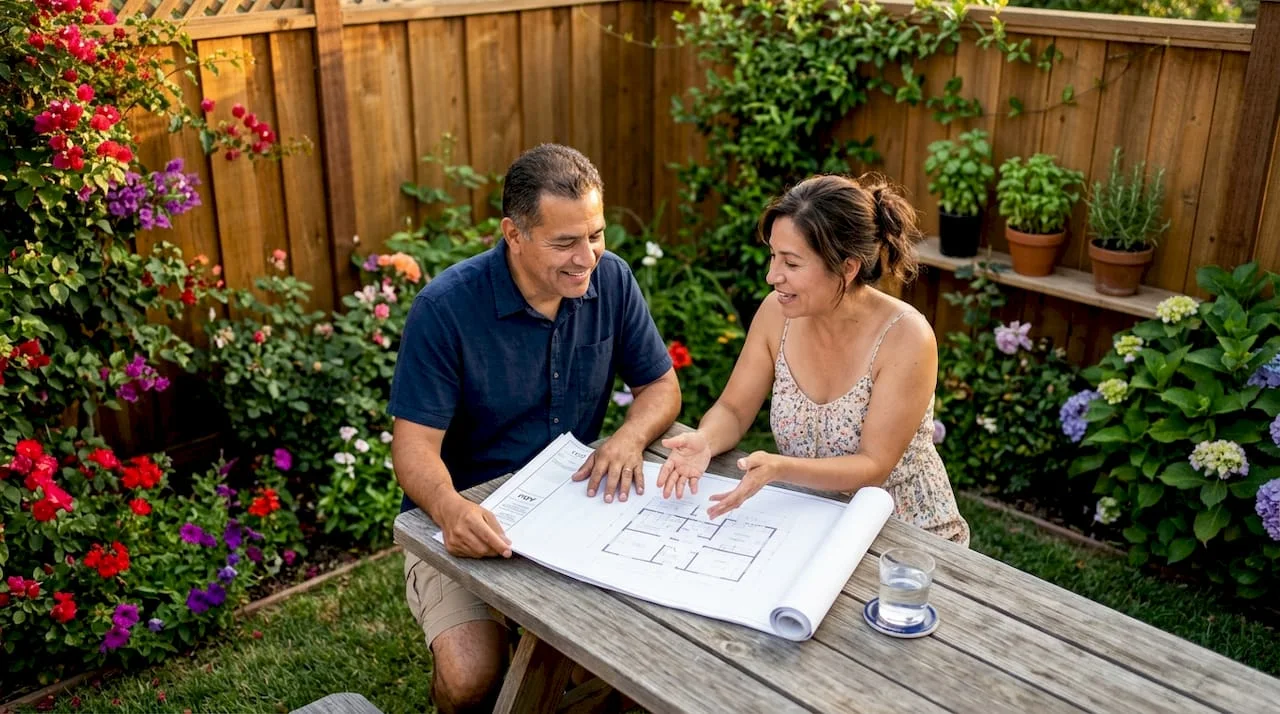
An Accessory Dwelling Unit (ADU) is a secondary residential structure built on the same lot as a primary home, and the benefits of adding an ADU home in California are measurable, immediate, and long-lasting. California homeowners who add a permitted ADU gain a property value increase, a new income stream, and flexible living space for family members. The California Department of Housing and Community Development (HCD) recognizes ADUs as a key tool for addressing housing affordability, and the regulatory environment as of mid-2026 is the most favorable it has ever been for homeowners ready to build.
1. How ADUs increase the value of your California property
A permitted ADU can increase a California property’s appraised value by 15% to 35%, with detached units yielding the highest valuation impact. That range is not theoretical. Properties with ADUs sell for up to 35% more than comparable homes without one in active California markets.
Several factors drive that premium. Permit status is the single most critical variable. Legal permits and a certificate of occupancy are required for an ADU to add appraised value at all. Unpermitted units can carry zero or even negative value in an appraisal, which wipes out the entire investment.

Appraisers also consider ADU type, size, quality of construction, and projected rental income. In high-demand urban markets like Los Angeles, appraisers frequently apply the income approach, which values the property based on its rental earning potential. The income approach often generates higher valuation premiums than the cost approach in supply-constrained neighborhoods.
One more factor homeowners overlook: neighborhood ADU comparables heavily influence appraisal multipliers. If your block has few ADU comps, your unit may appraise lower until more sales accumulate. Building early in a neighborhood can mean a temporary valuation discount, but it also means you benefit most as comps grow.
Properties with ADUs also sell about 26% faster than comparable homes without one. Income-producing units attract investors and multigenerational buyers, expanding your pool of qualified buyers significantly.
Pro Tip: Work with an appraiser who has direct ADU valuation experience in your specific California market. A general residential appraiser may undervalue your unit if they lack local ADU comps.
2. What rental income opportunities ADUs offer homeowners
Rental income from ADUs in California ranges from $1,500 to $3,500 per month depending on size and location. That range covers a wide spectrum of unit types and markets.
Here is how the numbers break down by unit size in California metro areas:
- Studio or one-bedroom ADU: $1,500–$2,200 per month in most metro markets
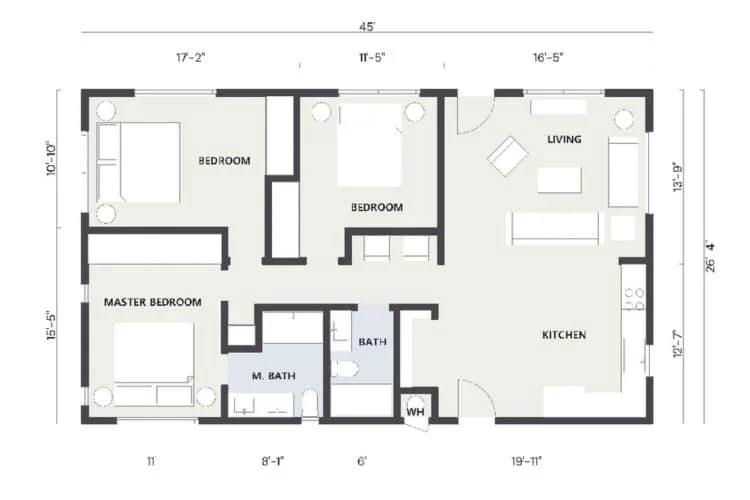
- Two-bedroom ADU: Evaluate the potential monthly rent using recent two-bedroom comparables in the Los Angeles neighborhood serving your property. Parking, privacy, outdoor space and finishes can affect the result.
- Junior ADU (JADU): Typically $1,200–$1,800 per month, depending on finishes and location
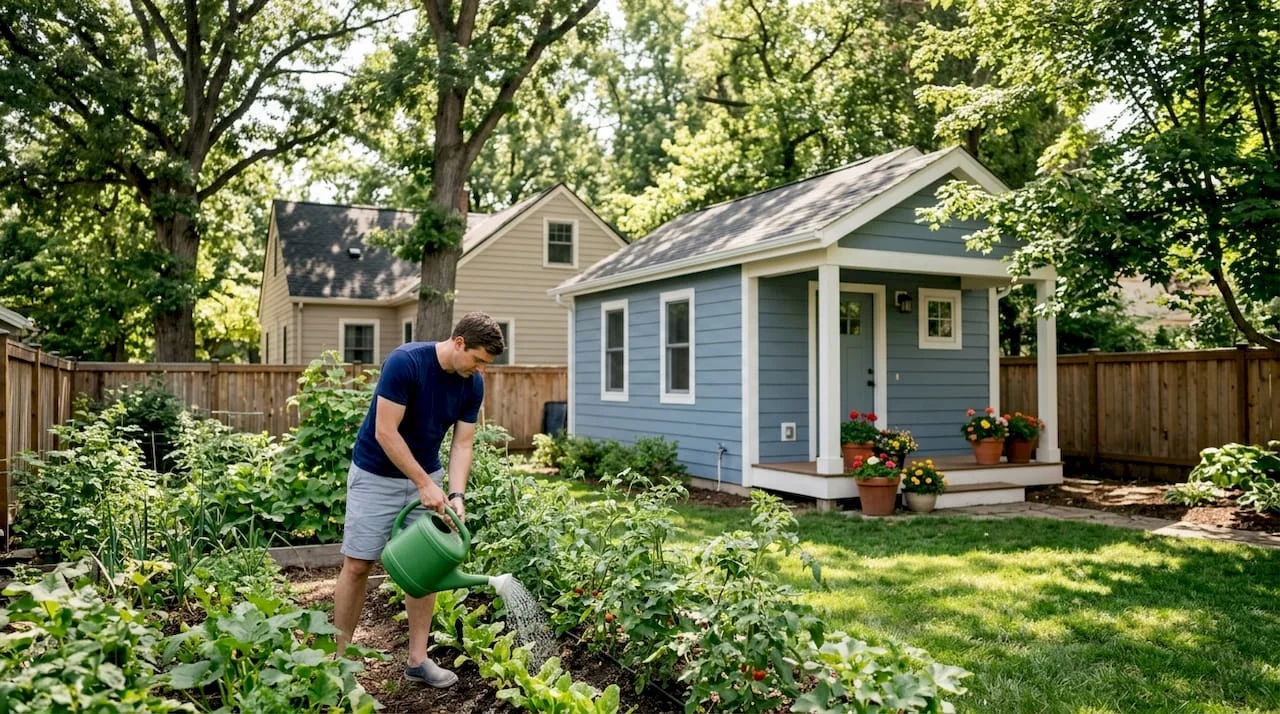
- Detached backyard cottage: Commands the highest rents within any given zip code
A homeowner with a mortgage payment of $3,200 per month who rents a two-bedroom ADU for $2,800 effectively cuts their housing cost nearly in half. That math makes ADUs one of the most direct paths to reducing housing expense while building equity simultaneously.
ADU rental income also compares favorably to returns from other home improvements. A kitchen remodel typically returns 60%–80% of its cost at resale. An ADU generates both a resale premium and monthly cash flow during ownership. That dual return profile is rare in residential real estate.
“ADUs serve three main functions: generating rental income, providing living space for multigenerational families, and maximizing land utility in supply-constrained neighborhoods.”
, California HCD ADU Handbook
The regulatory and financing landscape in California as of mid-2026 makes this an ideal time to act. State law has removed many local barriers that previously slowed ADU approvals, shortening timelines and reducing uncertainty for homeowners.
3. How ADUs support multigenerational living and family flexibility
ADUs give families a way to stay close without living on top of each other. AARP experts emphasize that ADUs allow aging relatives to live independently while remaining near family, reducing the need for expensive assisted living facilities.
The practical advantages for multigenerational households are significant:
- Aging parents get a private entrance, their own kitchen, and full independence
- Adult children returning from college have a separate space that does not disrupt the main household
- Family caregivers can live on-site without the cost of a second property
- Homeowners avoid the emotional and financial burden of assisted living, which averages well above $50,000 per year in California
Privacy is the key word here. An ADU is not a converted bedroom or a shared bathroom situation. It is a fully separate living unit with its own entrance, utilities, and space. That separation preserves relationships in a way that shared living arrangements often cannot.
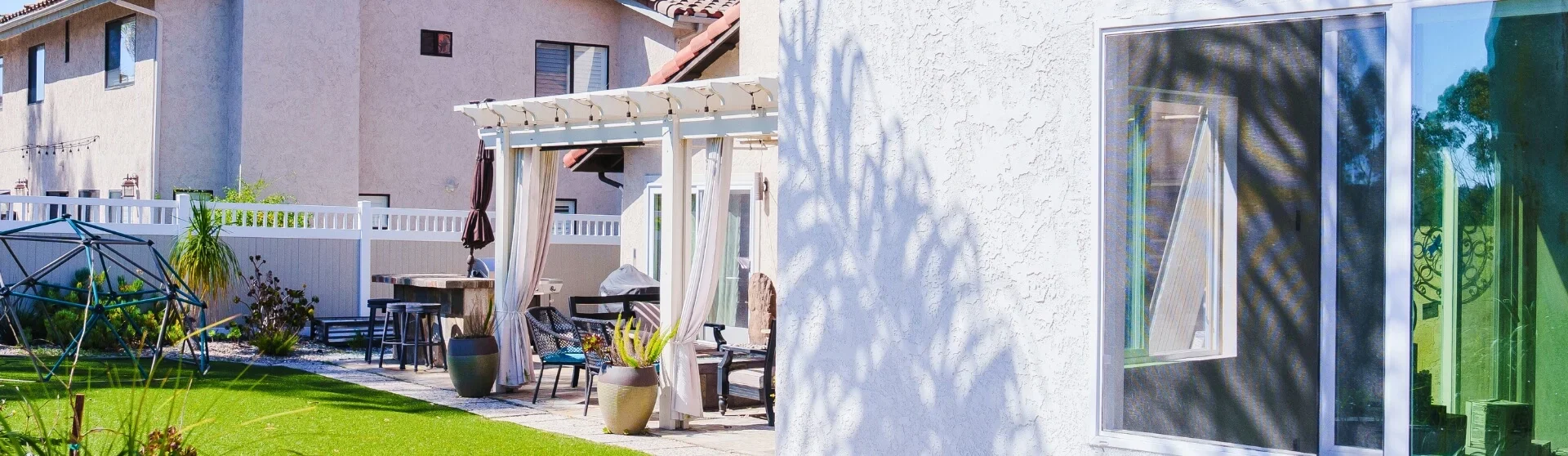
ADUs also maintain neighborhood character better than most people expect. Because they are built within existing lot boundaries and designed to match the primary structure, they blend into established residential streets. California’s ADU design guidelines require that new units respect existing setbacks and height limits, which keeps neighborhoods visually consistent.
The flexibility extends beyond family use. A homeowner can house a family member today, then convert the unit to a rental tomorrow. That adaptability makes an ADU one of the most versatile investments available in residential real estate.
4. What are the cost considerations and financing options for adding an ADU?
Typical ADU construction costs in California range from $40,000 to $360,000, depending on unit type, size, and local fees. A Junior ADU carved from existing space sits at the low end. A fully detached, custom-built backyard cottage sits at the high end.
Beyond construction, homeowners should budget for:
| Cost Category | Typical Range |
|---|---|
| Permit fees | $1,000–$2,500 |
| Utility connection fees | $2,000–$8,000 depending on municipality |
| Structural engineering | $3,000–$8,000 |
| Architectural design | $5,000–$20,000 |
| Site preparation | $2,000–$15,000 |
Financing options are broader than most homeowners realize. HELOC, cash-out refinance, and ADU-specific loan products are all viable paths. A completed ADU increases appraised value, which then improves refinancing options post-construction. That means the ADU can partially fund itself through equity gains.
Permit compliance also directly affects financing. Lenders will not finance an unpermitted unit, and appraisers cannot include it in the property’s value. Proper documentation and permit compliance make the ADU attractive to both buyers and lenders, protecting your investment from day one.
California’s AB 2533 has also created pathways to legalize previously unpermitted ADUs, protecting and enhancing property value for homeowners who inherited or purchased properties with existing structures. If you have an unpermitted unit on your lot, legalization is now more accessible than at any prior point.
Pro Tip: Get your permit application right the first time. Revisions and resubmissions add weeks to your timeline and hundreds to your costs. Working with a firm experienced in California ADU permitting, like Uni Construction, reduces that risk significantly. Review the 2026 permit application guide before you start.
Key Takeaways
Adding a permitted ADU to a California property delivers measurable gains in value, income, and family flexibility, making it one of the strongest residential investments available in 2026.
| Point | Details |
|---|---|
| Property value increase | Permitted ADUs raise California home values by 15%–35%, with detached units at the high end. |
| Rental income potential | Monthly ADU rents range from $1,500 to $3,500, often offsetting mortgage or construction costs. |
| Multigenerational flexibility | ADUs provide private, independent space for aging parents or adult children on the same lot. |
| Permit status is critical | Unpermitted ADUs can have zero appraised value; legal permits protect your entire investment. |
| Financing is accessible | HELOC, cash-out refinance, and ADU-specific loans make construction financially achievable for most homeowners. |
What I have learned from years of ADU projects in California
Most homeowners come to us focused on one benefit, usually rental income or a place for a parent. What they discover after the project is complete is that the ADU delivers on multiple fronts simultaneously, and the combination is more powerful than any single benefit alone.
The mistake I see most often is treating the ADU as a quick flip rather than a long-term asset. Homeowners who cut corners on permits or use substandard materials to save money upfront consistently end up with units that appraise poorly and attract problem tenants. The ones who invest in quality design, proper permits, and professional construction end up with assets that appreciate alongside the primary home.
Homeowners often underestimate the importance of working with appraisers who specialize in ADU valuation. A general appraiser without ADU experience will miss income-approach premiums that a specialist would capture. That gap can mean tens of thousands of dollars in lost appraised value.
My honest advice: think of your ADU as a second property on the same lot. Give it the same attention you would give a standalone investment. Choose the right unit type for your lot, work with experienced designers and engineers, and get every permit in order before construction begins. The California market in 2026 rewards homeowners who do this correctly. You can also check ADU types for Los Angeles properties to find the format that fits your lot and goals before committing to a design.
, Uni Construction
Uni Construction’s ADU design and construction services in California
Uni Construction specializes in the full ADU process for California homeowners, from initial design through permit approval and construction. The team handles attached ADUs, detached backyard cottages, garage conversions, and Junior ADU designs, matching each project to the homeowner’s lot, budget, and goals.
Every project includes permit-ready drawings, structural engineering, and direct coordination with local building departments. Uni Construction’s experience in the Los Angeles area means faster approvals and fewer revision cycles. If you want to understand what your property could support and what it could be worth after an ADU, the ADU design team in Los Angeles is the right starting point. You can also review completed projects to see the quality and range of work before making any decisions.
FAQ
A permitted ADU increases California property values by 15% to 35%, with detached units at the higher end of that range. Permit status is the single most critical factor in realizing that increase.
ADU rental income in California typically ranges from $1,500 to $3,500 per month, depending on unit size and location. Two-bedroom units in Los Angeles metro markets regularly reach $2,500–$3,300 monthly.
Construction costs range from $40,000 to $360,000 depending on unit type and local fees. Permit fees add $1,000–$2,500, and utility connections add several thousand more depending on the municipality.
An ADU generates both a resale premium and monthly rental income during ownership, making it one of the few home improvements with a dual return profile. For California homeowners, the combination of rising rents and strong buyer demand for income properties makes the investment case strong.
ADUs are fully legal for family use, including aging parents, adult children, or live-in caregivers. You can switch between family use and rental at any time, which makes the ADU one of the most flexible property investments available.