

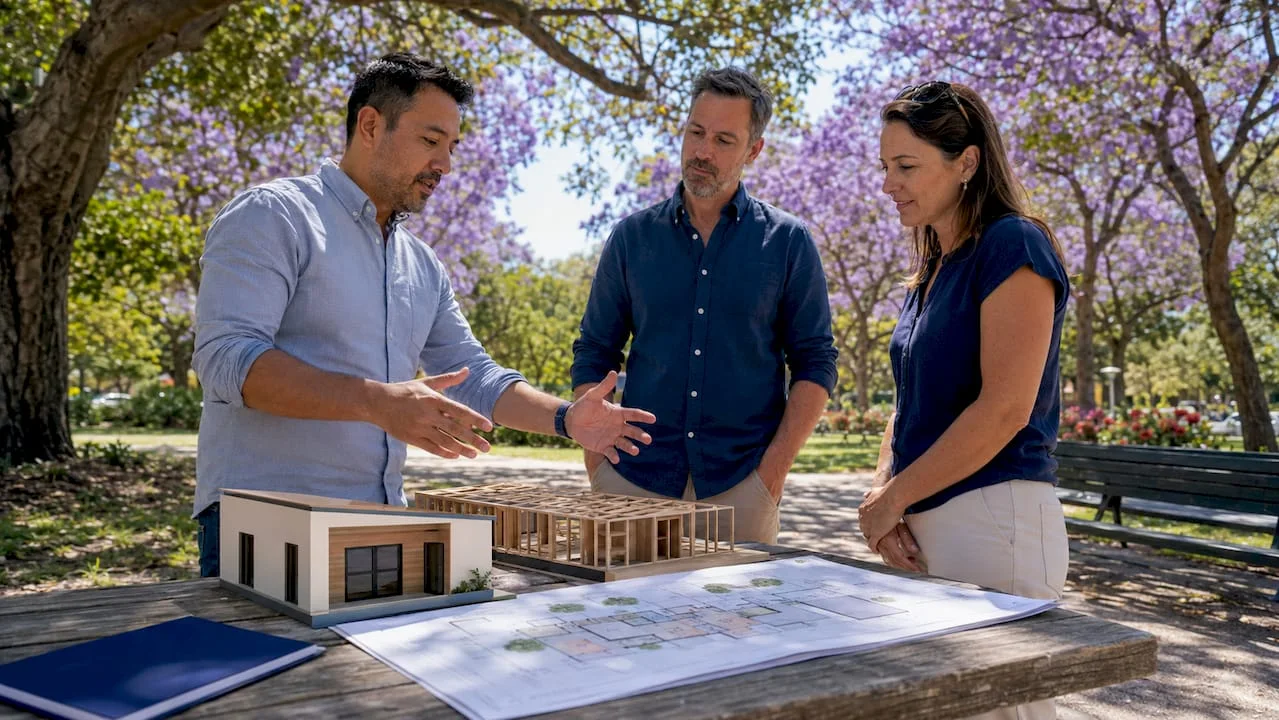
Accessory Dwelling Units built using prefab methods cost $150,000–$350,000 installed and complete in 3–6 months, while custom ADUs run $200,000–$500,000+ and take 8–14 months to finish. This adu prefab vs custom build comparison covers every factor California homeowners and investors need to decide: cost, timeline, design flexibility, site constraints, and the 2026 regulatory shifts under SB 543 and AB 1332. Prefab wins on speed and budget predictability. Custom wins on design control and site-specific fit. The right answer depends on your lot, your timeline, and how much the finished unit needs to match your existing home.
Impact-fee threshold note: Under the March 2026 California HCD ADU Handbook, the statewide development-impact-fee exemption includes ADUs with 750 sq ft of interior livable space or less. Above 750 sq ft, applicable impact fees must be proportional. School, utility, plan-check and permit charges follow separate rules.
1. How do prefab and custom ADUs compare in cost?
The installed cost gap between prefab and custom ADUs is real but narrower than most homeowners expect. Prefab ADUs generally cost 15–30% less than comparable custom builds in Southern California. That gap shrinks fast once site conditions get complicated.
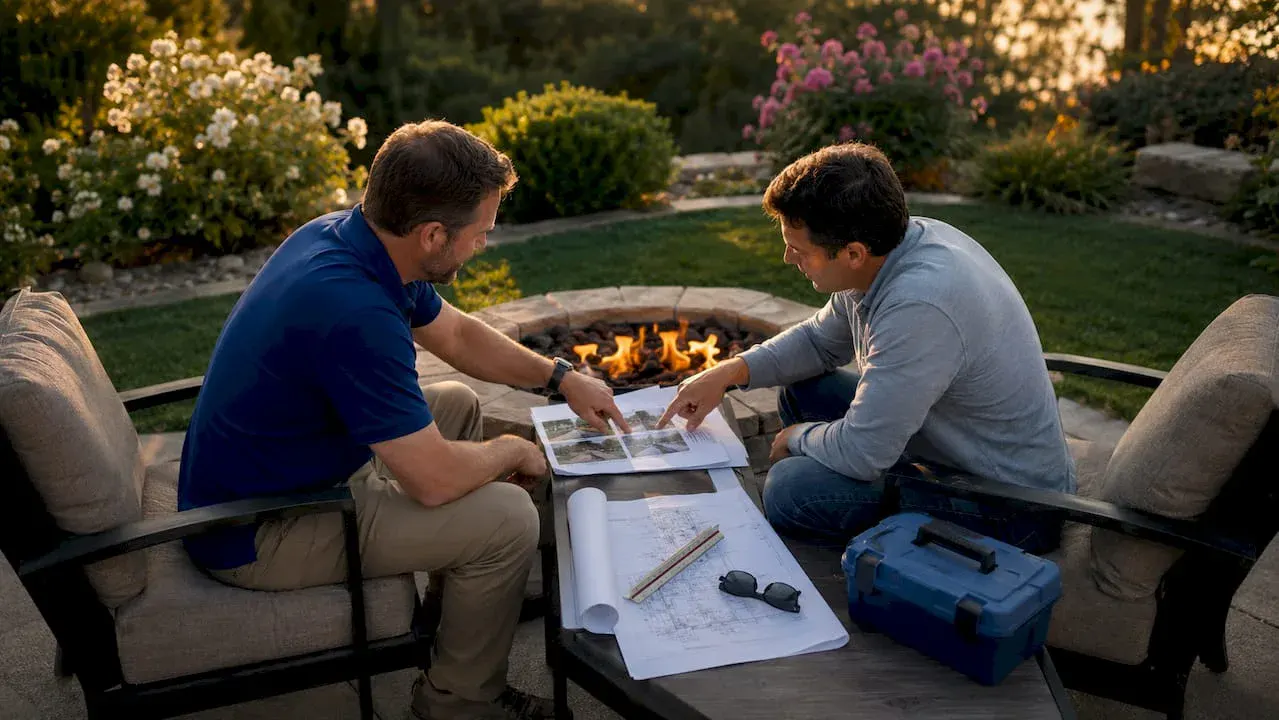
The biggest trap in prefab pricing is what the base quote excludes. Site prep costs are frequently left out of prefab base pricing, including foundation work, utility connections, grading, and crane access. On a flat, well-accessed lot, those additions are manageable. On a sloped or utility-constrained lot, they can add $50,000 or more and erase the prefab savings entirely.
| Cost Factor | Prefab ADU | Custom ADU |
|---|---|---|
| Installed base cost | $150,000–$350,000 | $200,000–$500,000+ |
| Site prep inclusion | Usually excluded | Usually included in bid |
| Cost predictability | Moderate (site variables) | Lower (change order risk) |
| Per-sq-ft range (SoCal) | $250–$400 | $300–$500+ |
| Impact fees 750 sq ft or less | Waived (SB 543) | Waived (SB 543) |
Custom ADUs carry their own cost risk: change orders. Every design revision after construction starts adds labor and materials cost. Prefab locks in costs earlier, but custom gives you more flexibility to adjust scope before breaking ground.
Pro Tip: Get a full site assessment before comparing prefab and custom quotes. A prefab quote without site work costs is not a real number.
SB 543 waives impact fees for most ADUs 750 square feet or less. That policy change reduces the total cost gap between prefab and custom for smaller units, making both options more affordable in 2026 than they were two years ago.
2. What are the timeline differences between prefab and custom ADUs?
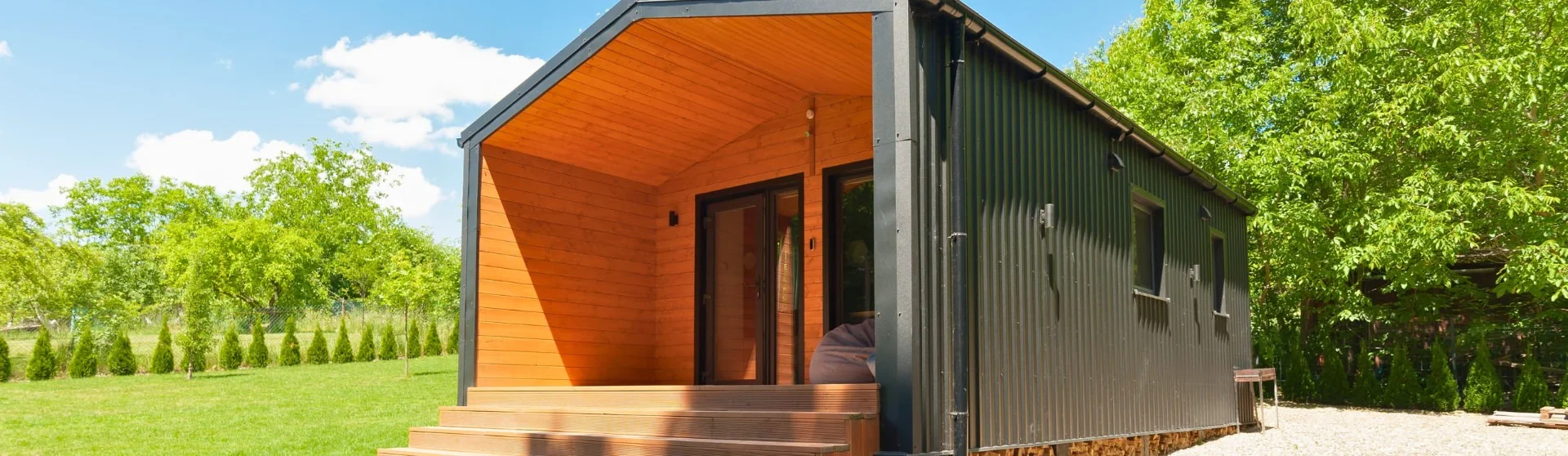
Speed is the clearest prefab advantage. Prefab ADUs complete in 3–6 months; custom ADUs take 8–14 months. The reason is parallel production: the factory builds your unit while your contractor prepares the site, cutting weeks off the schedule.
That speed advantage is real, but it is conditional. Prefab schedule benefits depend on tight coordination between permits, site readiness, and factory delivery. If your permit is delayed or your site is not ready when the module arrives, you pay for storage or rescheduling, and the time savings disappear.
Permitting is where the 2026 California regulatory environment changes the math. SB 543 creates a 15-business-day completeness clock for permit applications, effective January 2026. Jurisdictions must now process complete applications within that window. Incomplete applications reset the clock, regardless of whether you are building prefab or custom.
Pre-approved plans under AB 1332 push the timeline advantage further for prefab-style builds. Pre-approved plans reduce permit review to about 30 days, compared to up to 60 days for custom designs requiring full plan check. That 30-day difference is significant when you are trying to get a rental unit generating income.
Pro Tip: Submit a complete permit application on day one. Missing documents are the single most common cause of prefab schedule overruns in California.
3. How does design flexibility compare between prefab and custom ADUs?
Custom ADUs are the clear winner on design control. A custom build lets you match your existing home’s architecture, work around an irregular lot shape, add luxury finishes, and specify every detail from ceiling height to window placement. Difficult lot shapes and unique architectural requirements consistently favor custom ADUs over standardized prefab options.
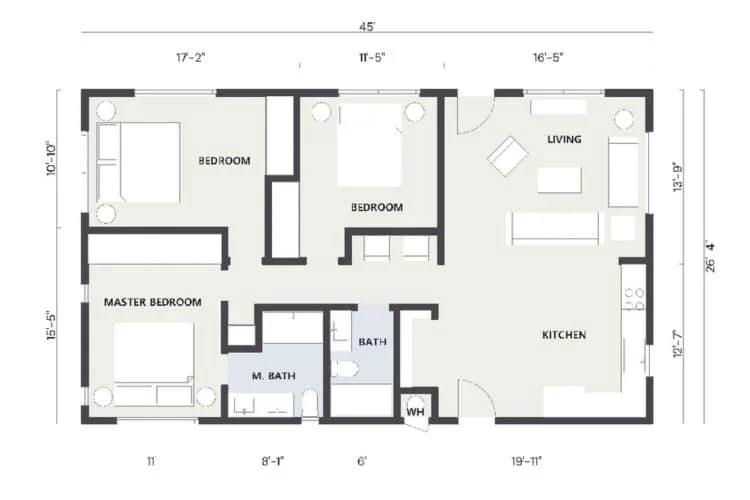
Prefab ADUs work from a catalog of standardized floor plans. Most manufacturers offer some upgrade options, but the core layout is fixed before the factory starts production. That constraint is not always a problem. For a standard rectangular lot where you want a functional one-bedroom rental unit, a prefab floor plan may serve you perfectly.
The critical risk with prefab is what designers call “design freeze.” Prefab design changes after factory production starts trigger expensive factory modifications, unlike custom builds where on-site adjustments are far more manageable. If you realize mid-build that you want a different kitchen layout or an added window, a custom build absorbs that change more easily and cheaply than a prefab unit.
Here is how to think about design needs before choosing:
- Prefab fits well when: You want a standard one or two-bedroom layout, your lot is rectangular and flat, and architectural continuity with the main house is not a priority.
- Custom fits well when: Your lot has irregular boundaries or steep grades, you want the ADU to look like it was always part of the property, or you need specific room configurations.
- Pre-approved plans sit between the two. Standardized pre-approved plans reduce drafting cost and plan check time but limit customization, making them a middle-ground option for homeowners who want speed without full prefab constraints.
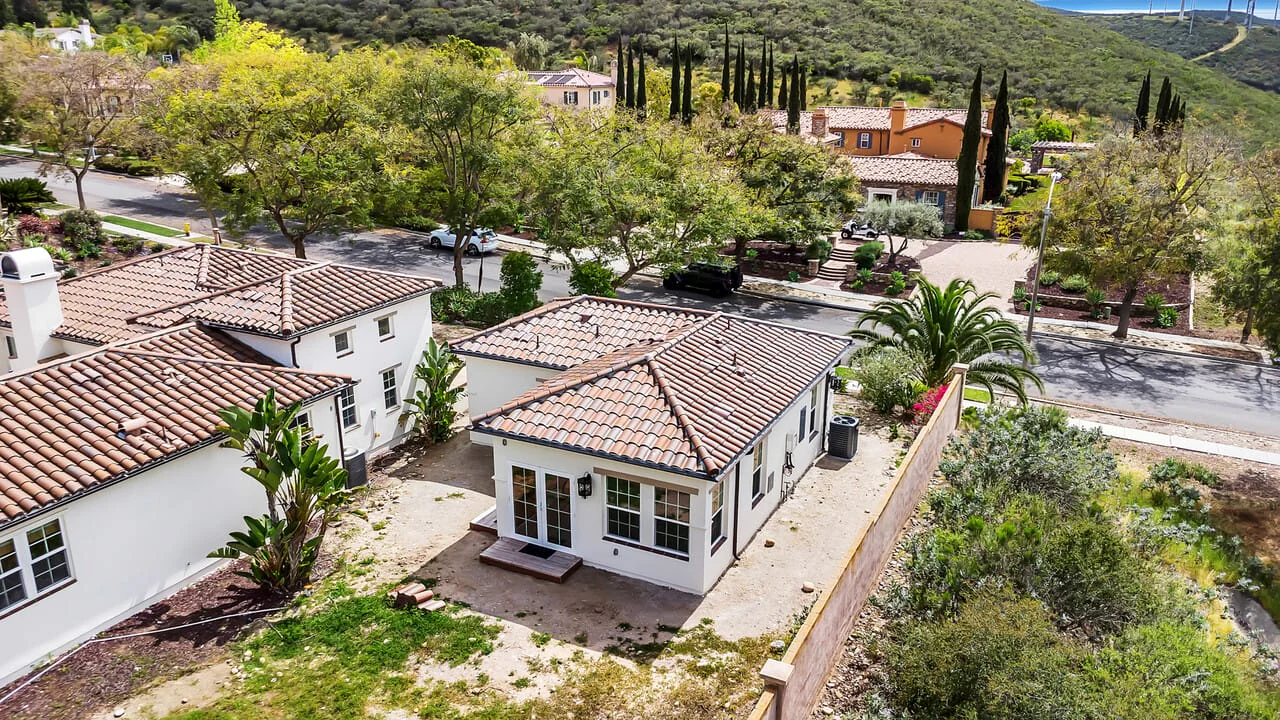
Custom ADUs typically add 10–20% more property value than prefab units due to better architectural integration and lot optimization. For investors focused on resale value, that premium matters.
4. When does lot complexity favor prefab or custom ADUs?
Your lot is often the deciding factor in this comparison. A simple, flat lot with easy street access and existing utility connections is the ideal environment for prefab. Everything else starts to favor custom.
Prefab modules are large. Getting them onto your property requires crane access and a clear transport path. On a narrow urban lot in Los Angeles with a tight driveway and overhead utilities, crane placement alone can become a significant logistical and cost problem. Site prep exclusions in prefab pricing mean these logistics costs often surface late in the planning process, after you have already committed to the prefab path.
| Site Condition | Prefab Suitability | Custom Suitability |
|---|---|---|
| Flat lot, easy access | High | High |
| Sloped lot, grading needed | Low | High |
| Narrow driveway or overhead utilities | Low | High |
| Standard utility connections | High | High |
| Complex utility routing required | Low | High |
| Irregular lot shape | Low | High |
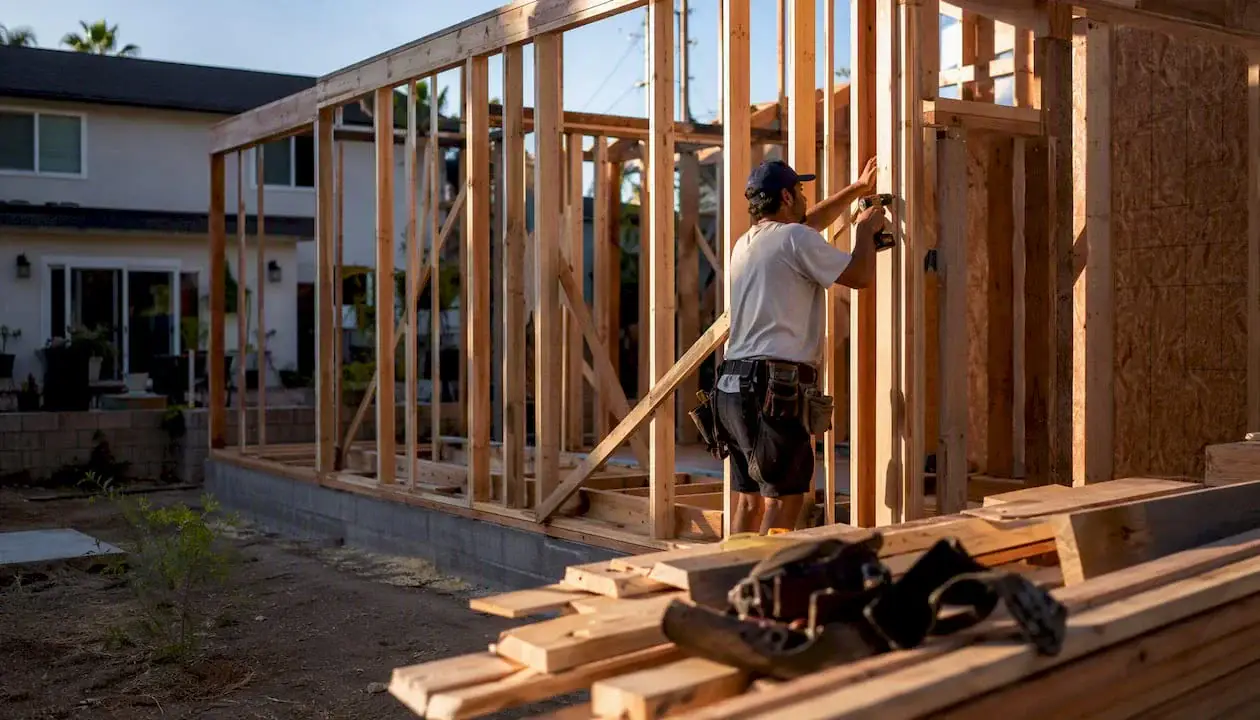
Custom builds use conventional framing and construction sequencing. Workers bring materials in standard loads, frame on-site, and adapt to whatever the lot presents. That flexibility costs more in labor but eliminates the crane and transport logistics that make prefab challenging on constrained sites.
For investors evaluating multiple properties, the lot assessment should happen before any other decision. Check for:
- Slope and grading requirements
- Driveway width and overhead clearance for crane access
- Distance from utility connections to the planned ADU footprint
- Setback constraints that might limit module placement
5. What should California homeowners consider when choosing?
The ADU construction comparison comes down to four priorities: timeline, budget, design, and site conditions. Most homeowners weight one or two of these above the others, and that weighting usually points clearly to one path.
- If timeline is your top priority, prefab is the default choice. The 3–6 month completion window versus 8–14 months for custom is a meaningful difference, especially if you are counting on rental income to offset mortgage costs. Pair prefab with pre-approved ADU plans to maximize the permitting speed advantage under AB 1332.
- If budget certainty matters most, prefab offers more predictable factory costs, but you must get a complete site work estimate before signing anything. Review the ADU construction cost per square foot in California to benchmark your quotes against real market data.
- If design integration is the priority, custom is the right path. A unit that looks purpose-built for your property commands higher rents and stronger resale value. The 10–20% property value premium from custom ADUs reflects that integration.
- If your lot is complex, custom almost always wins. Grading, tight access, and irregular boundaries add costs to both options, but custom builds handle those conditions more efficiently.
Pro Tip: Ask every contractor for a line-item quote that separates site work from the unit cost. Any quote that bundles everything without itemization is hiding variables you need to understand.
The 2026 regulatory environment under SB 543 and AB 1332 makes both paths more accessible than they were before. Understanding the ADU permit process in California before you start saves weeks and avoids costly application restarts.
Key takeaways
The best ADU construction method depends on lot conditions and priorities: prefab delivers speed and cost predictability on simple sites, while custom builds provide design control and better value on complex lots.
| Point | Details |
|---|---|
| Prefab costs less upfront | Installed cost runs $150,000–$350,000, but site work exclusions can close the gap fast. |
| Custom adds more property value | Custom ADUs typically add 10–20% more value through better architectural integration. |
| Prefab is significantly faster | Factory-parallel builds finish in 3–6 months versus 8–14 months for custom construction. |
| Lot complexity shifts the math | Sloped, narrow, or utility-constrained lots favor custom builds over prefab modules. |
| 2026 regulations help both paths | SB 543 fee waivers and AB 1332 pre-approved plans reduce cost and time for all ADU types. |
What I have learned building ADUs across Los Angeles
After working on ADU projects across Los Angeles and the San Gabriel Valley, the pattern I see most often is homeowners choosing prefab based on the base price, then getting surprised by site work costs. The advertised number looks great. The final invoice tells a different story.
The projects that go smoothest are the ones where the homeowner commits to a full site assessment before choosing a construction method. On a flat Pasadena lot with a wide driveway and existing utilities close to the build zone, prefab is a genuinely strong choice. On a hillside property in Eagle Rock with a narrow gate and a 10-foot grade change, custom is not just better. It is the only realistic option.
The 2026 regulatory changes under SB 543 are real progress. The 15-business-day completeness clock has pushed jurisdictions to process applications faster, and the impact fee waivers for units 750 square feet or less have made smaller ADUs financially viable for more homeowners. But those benefits only materialize if your application is complete and your site is ready. The law speeds up a working process. It does not fix a broken one.
My honest recommendation: if you are leaning toward prefab because of the price, get the site work quote first. If you are leaning toward custom because you want design control, make sure your budget accounts for the longer timeline and the change order risk. Both paths work. Both have traps. Knowing which trap to avoid is most of the battle.
, Uni Construction
How Uni Construction can help you build the right ADU
Uni Construction has completed ADU projects across Los Angeles and nearby cities using both prefab-compatible designs and fully custom builds. The team handles design, structural engineering, permit-ready drawings, and construction management from start to finish, so you are not coordinating between separate firms at every stage.
Whether you are working with a straightforward backyard lot or a complex hillside property, Uni Construction’s experience with 2026 California regulations, including SB 543 and AB 1332 pre-approved plan programs, means your project starts with accurate cost estimates and a realistic timeline. Explore ADU design services in Los Angeles to see completed projects and get a consultation tailored to your property.
FAQ
Prefab ADUs typically cost 15–30% less than custom builds at the base price, but site work exclusions often close that gap significantly on complex lots.
Prefab and pre-approved plan designs can reduce permit review to about 30 days under AB 1332, compared to up to 60 days for fully custom designs requiring a complete plan check.
SB 543 creates a 15-business-day completeness clock for permit processing and waives impact fees for most ADUs 750 square feet or less, reducing both cost and timeline uncertainty for California homeowners.
Choose custom when your lot is sloped, has tight access, or requires architectural continuity with your main home. Difficult lot shapes and unique requirements consistently favor custom builds over standardized prefab options.
Design changes after factory production starts trigger expensive modifications. Finalize all layout and finish decisions before the factory begins work to avoid costly change orders.