

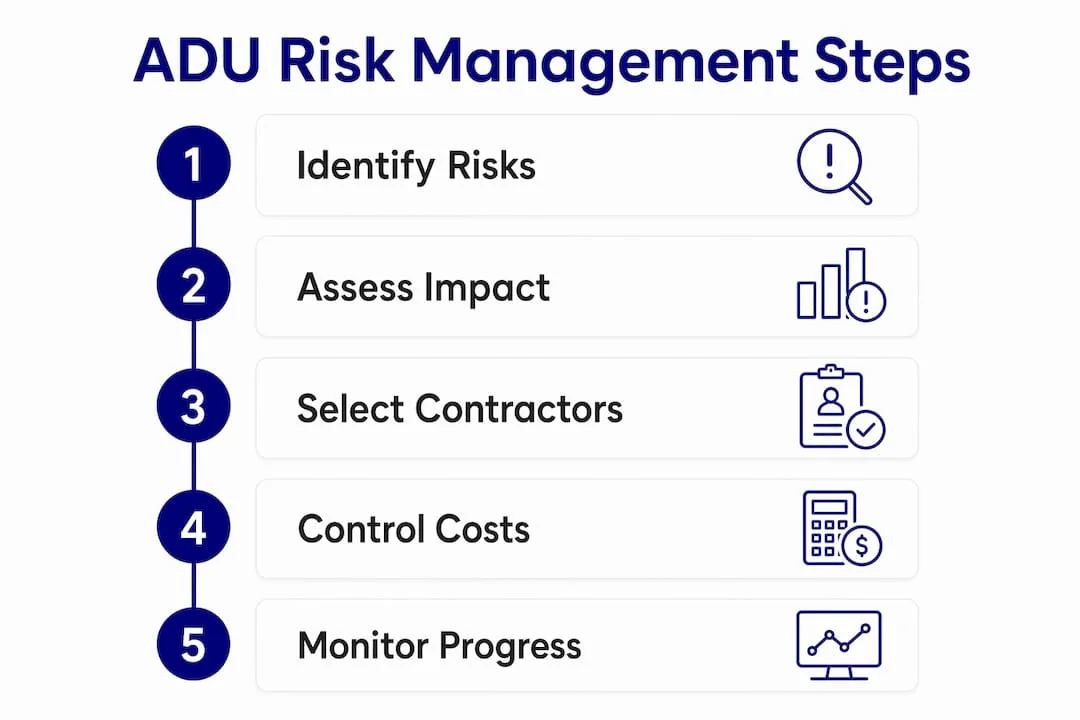
ADU construction risk management is the structured process of identifying, assessing, and controlling financial, legal, and construction risks throughout every phase of an accessory dwelling unit project. California’s regulatory environment makes this process more demanding than a standard home remodel. Local permitting departments, the California Contractors State License Board (CSLB), builder’s risk insurance requirements, and utility connection rules all create layers of complexity that catch unprepared homeowners off guard. Getting adu construction risk management explained clearly before you break ground is the difference between a project that closes on time and one that stalls, overspends, or ends in litigation.
What are the common risks in ADU construction projects?
The most damaging risks in ADU projects fall into four categories: design failures, contractor problems, permit delays, and budget gaps. Each one is preventable when you catch it early.
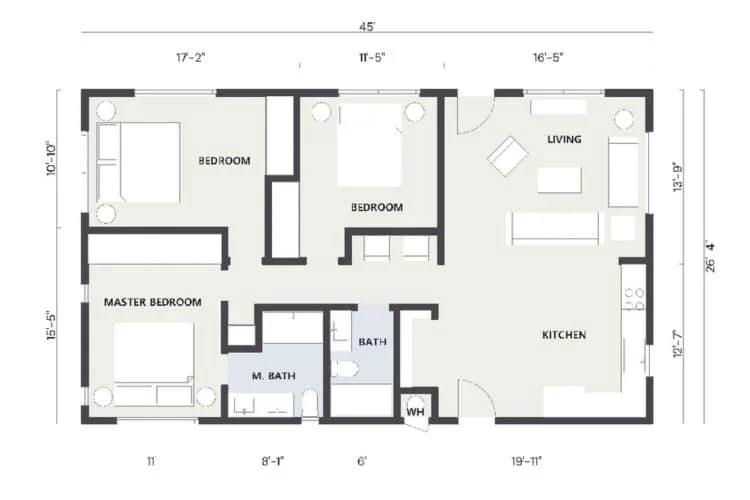
Design and documentation risks are the most underestimated. Incomplete design intent and poor coordination between owner expectations and contractor execution are the leading cause of ADU disputes. When plans are vague, contractors fill in the blanks with their own interpretations, and those interpretations rarely match what you had in mind.
Contractor risks include underbidding, weak bonding, unlicensed work, and financial instability. A contractor who bids too low often plans to recover margin through change orders. One who lacks proper licensing exposes you to liability for every subcontractor on site.
Permit and regulatory risks are specific to California’s ADU rules. Each city and county interprets state ADU law differently. Los Angeles, for example, has its own setback, height, and owner-occupancy rules layered on top of state minimums. A design that works in one zip code may require significant revision in another.
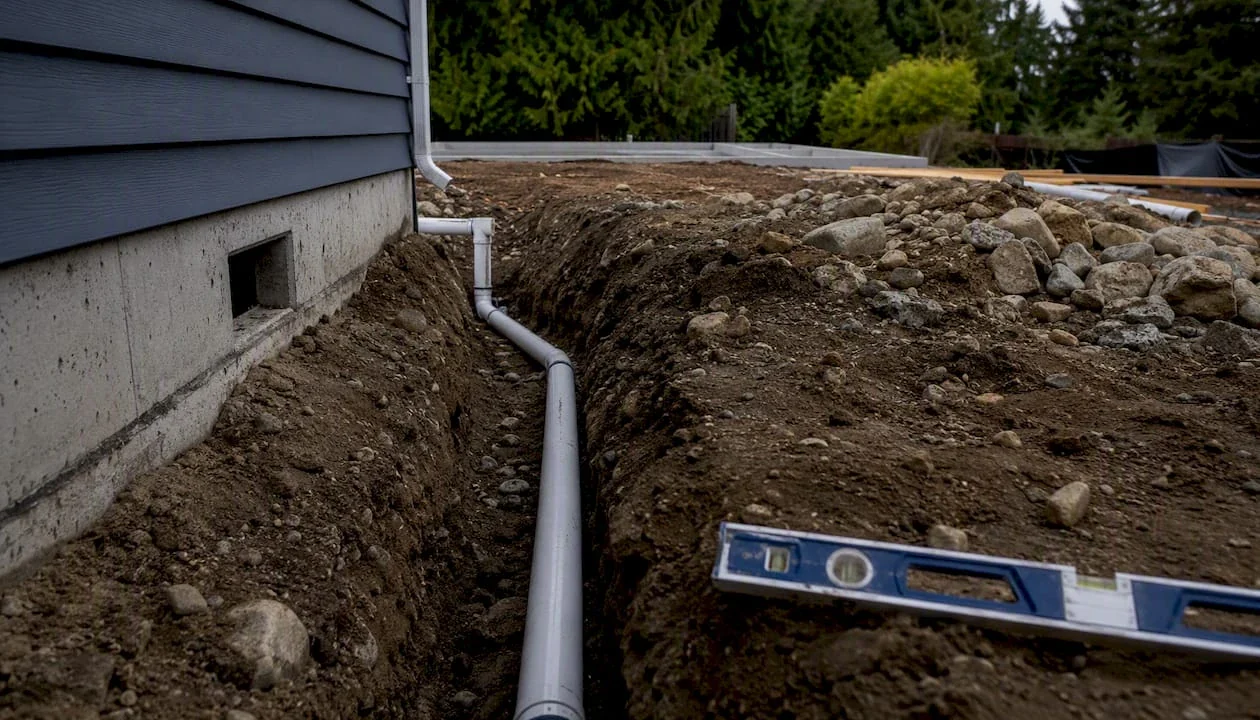
Financial risks include underestimating total project costs. Homeowners who budget only from the contractor’s bid routinely run short. Permitting, design, site prep, and utility connections can add $30,000–$70,000 beyond the construction bid alone. That gap causes project abandonment more often than any other single factor.
Pro Tip: Start your construction risk assessment before you hire anyone. Map out every cost category, including permits, design fees, utility hookups, and landscaping restoration, before you request a single bid.
How to vet contractors and reduce ADU project risk
Contractor selection is the single highest-leverage risk control in any ADU project. A wrong hire can cost you more than the entire design budget to fix.
Start with the CSLB. Every general contractor working on your project must hold a valid California license. You can verify license status, bond status, and complaint history directly on the CSLB website. The verification takes five minutes and eliminates a large class of fraud risk.
Understand what the bond actually covers. The CSLB’s $25,000 contractor bond is shared among all claimants against that contractor. If your contractor has other disputes open, your recovery from the bond could be a fraction of your actual loss. Contractor financial health and lien history are far more reliable safeguards than the bond alone.
Watch the deposit request closely. California law caps upfront deposits at $1,000 or 10% of the contract value, whichever is less. Any contractor requesting a larger deposit is violating state law. That is a clear signal of potential fraud, not a negotiating quirk.
Use these steps to vet every contractor you consider:
- Verify the CSLB license number and check for active complaints or disciplinary actions.
- Confirm the contractor carries current general liability insurance and workers’ compensation coverage.
- Verify that builder’s risk insurance covers the structure and materials during the active build phase, since most homeowner policies exclude this period.
- Request fully itemized bids. Good contractor bids break out site prep, foundation, framing, mechanical, electrical, plumbing, and utility work separately.
- Compare at least three bids. A bid that is dramatically lower than the others is missing scope, not saving you money.
- Structure payments as milestone-based disbursements tied to completed, inspected work rather than calendar dates.
Pro Tip: Call your local building department and ask whether the contractor has pulled permits on recent projects. Contractors who avoid permits are transferring legal liability directly to you.
For a deeper look at contract structures that protect you, the ADU construction contract guide from Uni Construction covers fixed-price, cost-plus, and design-build agreements with specific risk implications for each.
How do you manage financial risks in ADU construction?
Financial risk in ADU construction comes from one core mistake: treating the contractor’s bid as the total project cost. It is not. The bid covers construction labor and materials. The total project cost includes design fees, structural engineering, permit fees, utility connection charges, site preparation, and a contingency reserve.
Lenders view ADU development as high risk because of the prevalence of less experienced general contractors in this market. That risk assessment translates directly to tighter draw schedules and more frequent inspections on construction loans. Understanding how lenders think helps you plan your cash flow more accurately.
A 15–20% contingency buffer is the standard practice for managing cost overruns. That buffer is not pessimism. It is the amount that experienced project managers consistently find necessary to cover unforeseen site conditions, design revisions, and material price changes.
| Cost Category | What It Covers |
|---|---|
| Contractor bid | Labor, materials, and basic site work |
| Design and engineering | Architectural drawings, structural plans, energy compliance |
| Permit fees | City or county plan check, inspection, and impact fees |
| Utility connections | Gas, electrical, sewer, and water lateral upgrades |
| Contingency (15–20%) | Unforeseen conditions, change orders, price increases |
Monitoring disbursements matters as much as planning them. Draw inspections, where a third party verifies completed work before funds are released, protect both lenders and homeowners from paying for work that has not been done. For homeowners financing through a construction loan, understanding how ADU construction loans work is a prerequisite to managing this risk well.
Pro Tip: Never release a draw payment based on a contractor’s invoice alone. Require a signed inspection report from your lender’s inspector or an independent third party before each disbursement.
What documentation controls reduce ADU construction disputes?
Documentation is the legal backbone of every ADU project. When disputes arise, the outcome depends almost entirely on what was written down and when.
Incomplete plans and uncoordinated scopes shift disputes from technical questions into interpretation battles. When the drawings do not match the contract scope, and the contract scope does not match the permit set, every party has a defensible position. That ambiguity is expensive to resolve. Well-coordinated design documents provide clear scopes, consistent bidding conditions, and a chain of accountability that protects you in any dispute.
Different ADU types carry different documentation risks. The table below shows the key distinctions.
| ADU type | Primary regulatory risk | Documentation priority |
|---|---|---|
| Detached ADU | Setbacks, lot coverage, height limits | Full permit set with site plan and elevations |
| Attached ADU | Structural connection to main dwelling | Structural engineering drawings and load calculations |
| Garage conversion | Fire separation, egress, ceiling height | Existing conditions survey and code compliance report |
| Junior ADU (JADU) | Owner-occupancy requirement, interior access | Deed restriction and interior access documentation |
Permits and inspections are not bureaucratic obstacles. They are checkpoints that create a documented record of code compliance at each stage of construction. A project that passes all required inspections has a paper trail that protects you from future liability, whether you sell the property or face a neighbor dispute.
For projects in Los Angeles, the ADU approval process guide from Uni Construction walks through each inspection milestone and what documentation you need at each stage.
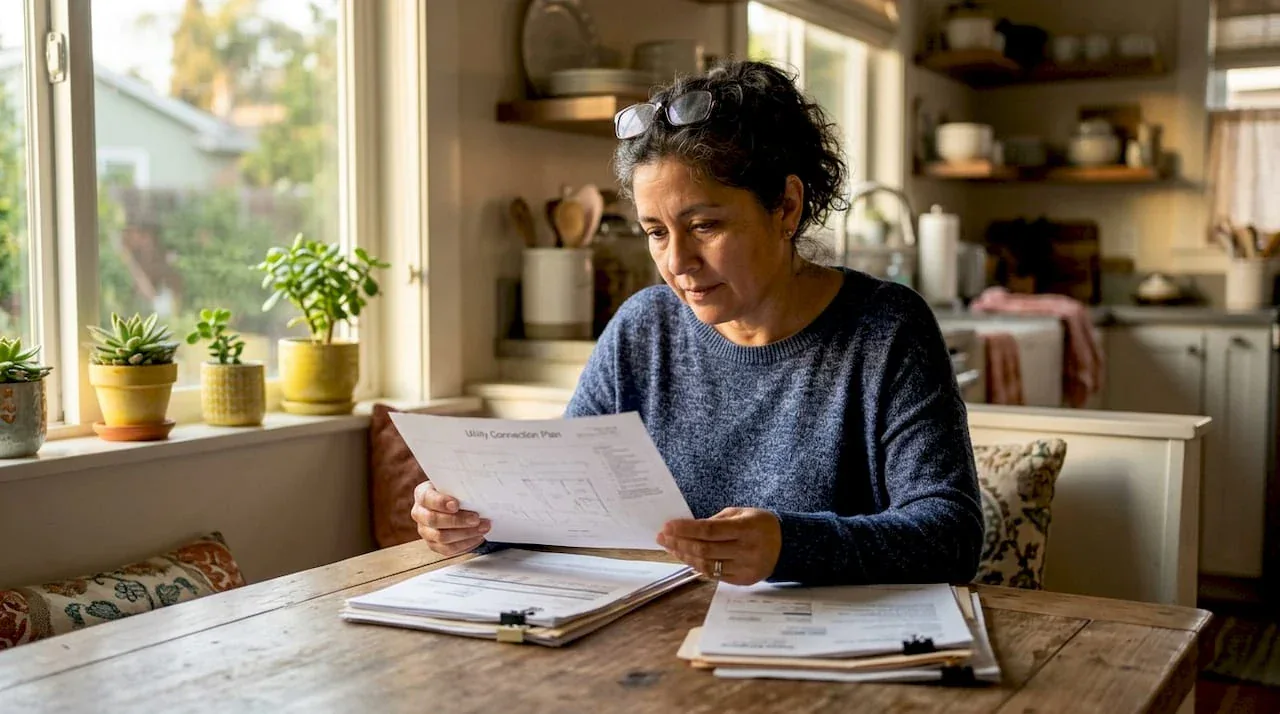
Pro Tip: Keep a project binder with every permit, inspection report, change order, and contractor communication organized by date. That binder is your primary defense in any future dispute or insurance claim.
For homeowners handling permits independently, owner-builder liability for subcontracts, workers’ compensation, and code compliance is substantial. Hiring a licensed general contractor is generally the safer path for projects over $200,000.
Key Takeaways
Effective ADU construction risk management requires coordinated design documentation, verified contractor credentials, realistic total budgets, and consistent compliance monitoring from day one.
| Point | Details |
|---|---|
| Design documentation is the top risk control | Incomplete or uncoordinated plans are the leading cause of ADU disputes and defect claims. |
| Verify CSLB credentials before signing | Check license status, complaint history, and bond coverage before any contract is executed. |
| Budget beyond the contractor’s bid | Permits, design, utilities, and contingency add $30,000–$70,000 or more to total project cost. |
| Use milestone-based payments | Tie every disbursement to inspected, completed work to prevent contractor abandonment. |
| Permits protect you legally | A complete inspection record is your primary defense against future liability or disputes. |
What I’ve learned from managing ADU risk in California
Most homeowners who come to Uni Construction after a troubled project share one thing in common: they treated the contractor’s bid as a plan. It is not a plan. It is a price for a scope that may or may not match what you actually need built.
The projects that go wrong fastest are the ones where design coordination was skipped to save money upfront. A set of permit-ready drawings that costs $8,000–$15,000 is not an expense. It is the document that prevents $80,000 in change orders and six months of delays. Every dollar spent on thorough permit-ready architectural drawings returns multiples in avoided disputes.
Contractor vetting is the second area where clients consistently underinvest. Checking a CSLB license takes five minutes. Reviewing a contractor’s lien history takes an afternoon. Recovering from a contractor who abandons your project mid-build takes years. The math is obvious, but the urgency rarely feels real until something goes wrong.
The most successful ADU projects I have seen treat risk management as a continuous process, not a one-time checklist. They verify insurance at each phase. They review draw requests against inspection reports. They communicate in writing with every stakeholder. That discipline is not complicated. It is just consistent.
, Uni Construction
How Uni Construction supports safer ADU project delivery in California
Managing an ADU project in California means coordinating design, engineering, permits, and contractors across a regulatory environment that changes frequently.
Uni Construction provides integrated ADU design and construction services across Los Angeles and the surrounding counties, covering architectural design, structural engineering, permit-ready drawings, and full construction management. Every project is built around the same risk controls described in this article: coordinated documentation, verified contractor relationships, and compliance monitoring at each phase. Homeowners and investors who want a single point of accountability for their ADU project can review Uni Construction’s completed work and service packages at uni-cm.com/projects. For full construction management with built-in risk oversight, the construction company services page outlines how Uni Construction manages each phase from permit approval through final inspection.
FAQ
ADU construction risk management is the process of identifying, assessing, and controlling financial, legal, and construction risks throughout an ADU project. It covers contractor vetting, design documentation, budget planning, permit compliance, and insurance verification.
The biggest risks are incomplete design documentation, unvetted contractors, underestimated total project costs, and permit delays caused by non-compliant plans. Each risk is preventable with early planning and proper due diligence.
Permitting, design fees, utility connections, and site preparation add $30,000–$70,000 or more beyond the construction bid. A 15–20% contingency on top of the full project cost is standard practice.
California law caps contractor deposits at $1,000 or 10% of the contract value, whichever is less. Any request above that limit is a legal violation and a major warning sign.
Coordinated design documents create clear scopes, consistent bidding conditions, and a documented record of intent. Without them, disputes become interpretation battles that are costly and unpredictable to resolve.